Top 15 Gorges around Burgbrohl
Best canyons around Burgbrohl are characterized by unique geological formations within a volcanic landscape. The region features impressive gorge-like structures and remnants of historical trass mining. These areas offer insights into the Eifel region's geological past and provide diverse hiking opportunities. The landscape includes natural gorges, man-made caves, and volcanic rock formations.
Best canyons around Burgbrohl
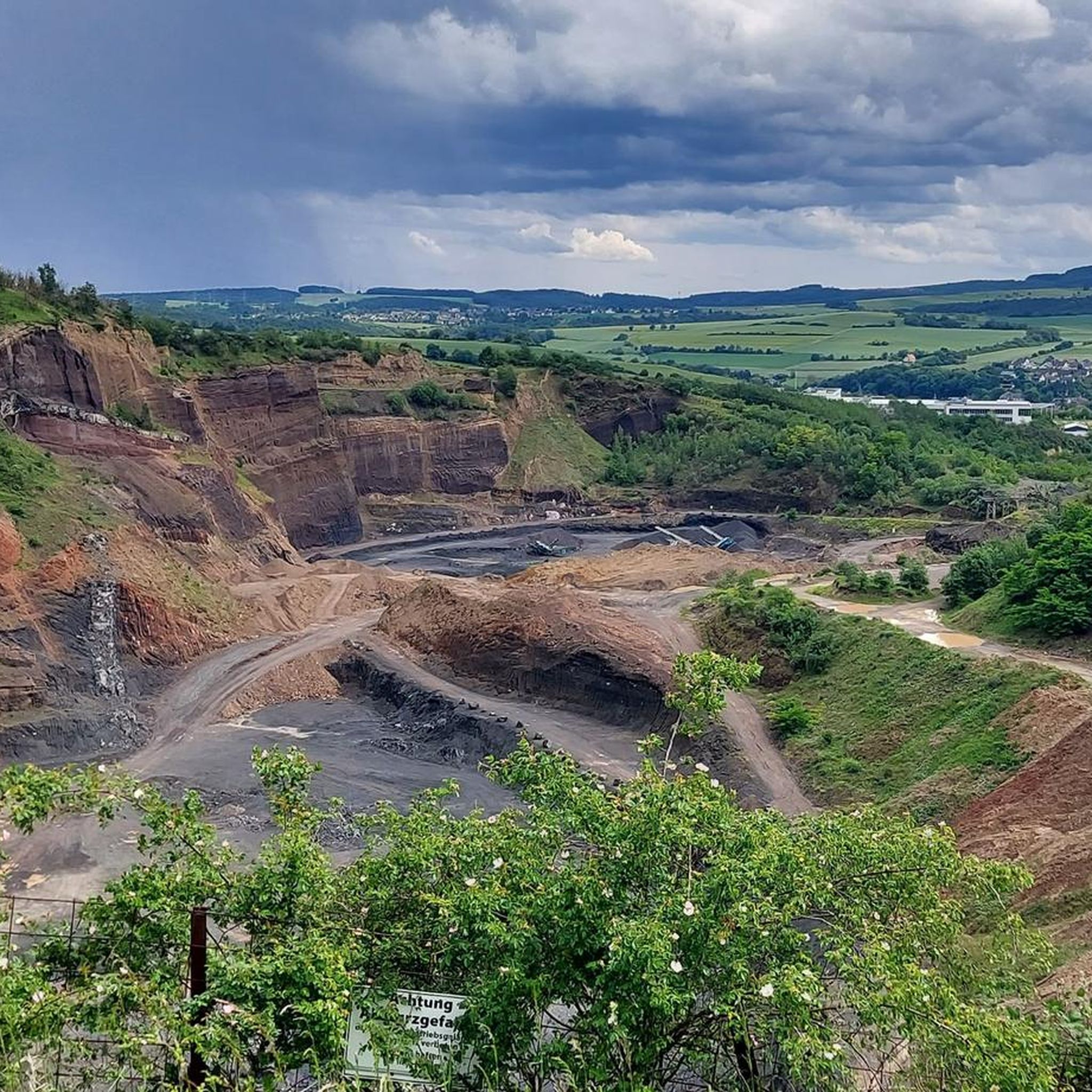
- The most popular canyons is Marxe Lay (former quarry), an other man-made feature that consists of 12-meter-high basalt walls. The trail runs between…
Last updated: July 10, 2026
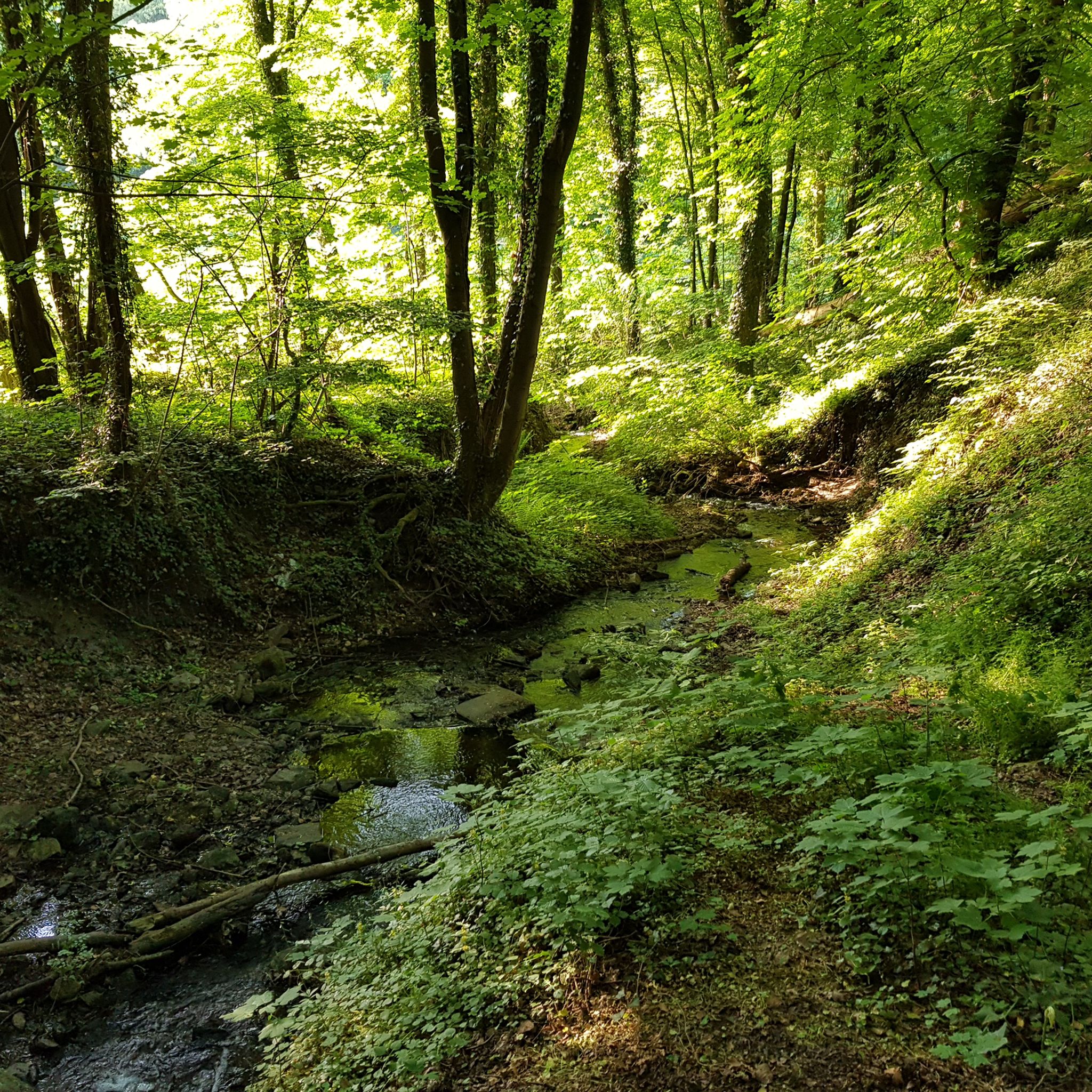
Waterfall in the Wolfsschlucht
Highlight • Waterfall
Translated by Google •
Tip by

Wolf Gorge Waterfall and Trass Cliffs
Highlight (Segment) • Gorge
Translated by Google •
Tip by

Sign up now to discover places like this
Get recommendations on the best single tracks, peaks, & plenty of other exciting outdoor places.
Sign up for free
Wolfsschlucht Gorge and Tönissteiner Bach Waterfall
Highlight • Gorge
Translated by Google •
Tip by

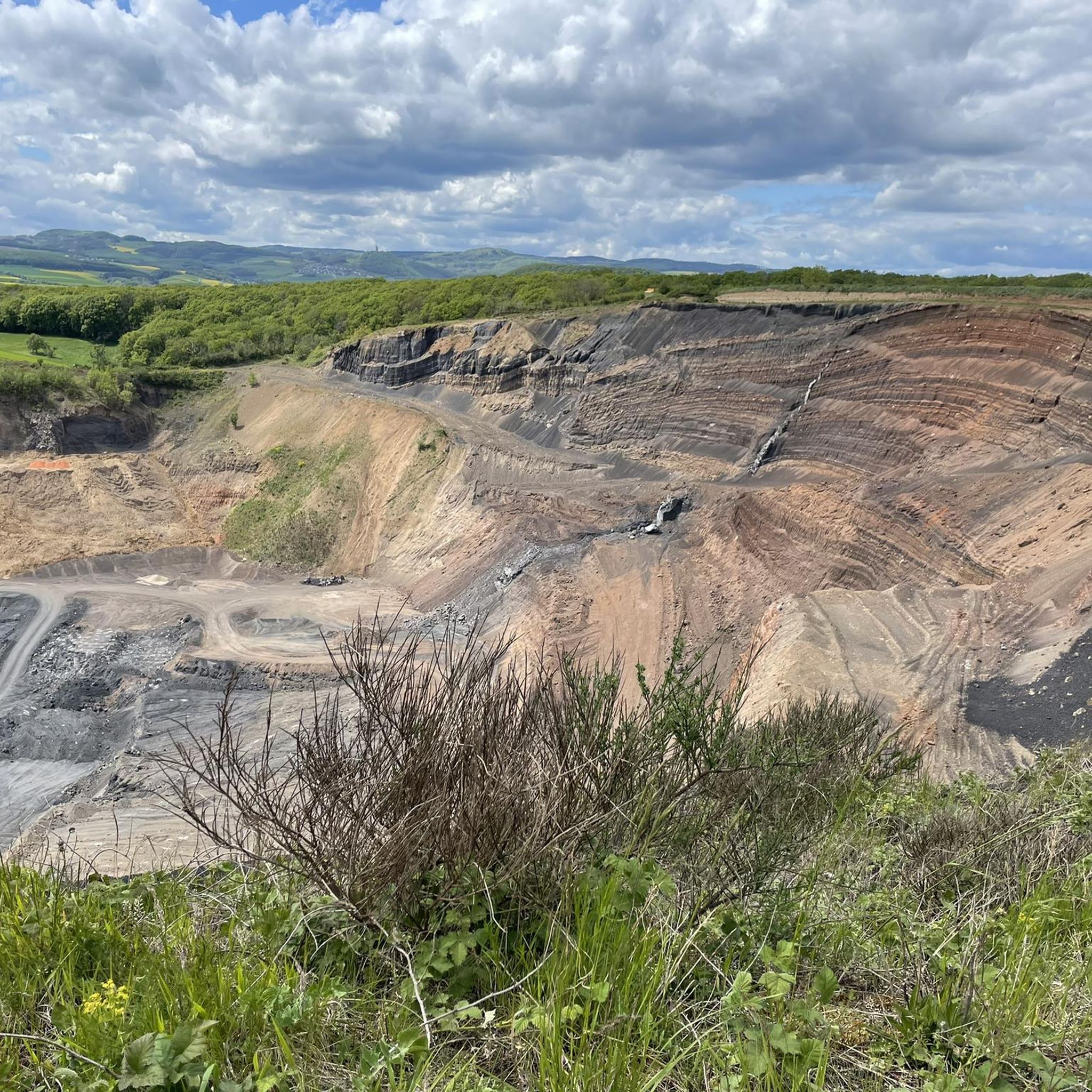
Marxe Lay (former quarry)
Highlight • Structure
Translated by Google •
Tip by

Trass Cliffs of Niederzissen
Highlight • Natural Monument
Translated by Google •
Tip by

Sign up for free to discover even more gorges around Burgbrohl.
Sign up for free
Already have an account?
Start today with a free account
Your next adventure awaits.
Login or Signup
Tips from the Community

👌🏼🥾🥾It's like a playground for adults - a wildly romantic outdoor feeling 🌊📸 Spectacular trass walls from the former volcanic eruption🌋. 🌊📸A great photo location📸
0
0

You have to leave the Quellenweg for a short while, but it is worth visiting this place.
2
0

About 200,000 years ago, a volcanic vent opened up north of Wehr am Hüttenberg, throwing out loose volcanic material. During and after the eruption, there were violent storms caused by the hot gas column meeting the cold atmosphere. Rainfall combined the volcanic ash, the weathered clay of the Devonian rocks and shattered material into a muddy mass. This mud flow poured through the valley of the Wirrbach towards the Brohltal, sloshed up the Bausenberg slope (the volcanic mountain did not yet exist at that time) and flowed on to Burgbrohl. Source: https://niederzissen.de/die-trasswaende-in-niederzissen/
2
0

Crazy that all this came from a volcanic eruption
3
0

Imposing former quarry with a spectacular gorge-like entrance, at the same time a rustic spot for a picnic, seating with a table - highly recommended!
10
1

The thickness of the trass walls in this region are absolutely impressive. They all come from a single volcanic eruption that ended within a few days or weeks. It's a good thing we weren't there at the time.
3
1

Along the trass walls, you can see the impressive rooting of the deciduous trees. The Romans and later the Dutch dug trass out of the walls to make mortar, which was mixed with water and lime to make mortar. The Dutch used gluing to build dams and harbors.
5
0
The Marxe Lay is a basalt quarry that belonged to the Marx family. The walls of the quarry are 12 meters high. At the very top you can see the remains of a crane house.
11
0
Frequently Asked Questions
What unique geological features can I explore in the Burgbrohl region?
The Burgbrohl region, part of a volcanic landscape, offers impressive gorge-like formations and unique geological features. You can explore the Waterfall in the Wolfsschlucht, an idyllic, forest-lined gorge with a waterfall. Another highlight is the Teufelsknochen and Trass Caves, which are remnants of extensive trass mining operations dating back to Roman times, offering insight into the region's geological and industrial past. The Teufelsknochen itself is a cooled lava flow.
Are there any man-made geological sites or historical features to see?
Yes, the region features several man-made sites with historical significance. The Marxe Lay (former quarry) is a notable example, with 12-meter-high basalt walls where the trail runs between these impressive rock formations. The Trass Caves are also man-made, formed from trass mining that peaked between the 17th and early 20th centuries, providing a unique glimpse into the area's industrial heritage.
What are some popular hiking trails that explore these gorges and features?
Several popular hiking trails allow you to explore the region's unique landscape. The Wolfsschlucht is part of routes like the 'Höhlen- und Schluchtensteig' and the 'Trasshöhlenweg'. The 'Vulkan- und Panoramaweg' is a 15-kilometer circular trail around Burgbrohl that offers impressive views, leads past the Trasshöhlen, and features volcanic rock formations and steep ascents. You can find more hiking options on the Hiking around Burgbrohl guide.
Are there family-friendly options for exploring the gorges around Burgbrohl?
Absolutely. The Wolfsschlucht Gorge and Tönissteiner Bach Waterfall is categorized as family-friendly, offering great rock formations and a jungle-like atmosphere. The Trass Caves are also particularly suitable for families, providing an adventurous and educational experience through the man-made caves.
What is the best time to visit the gorges and trails to avoid crowds?
To enjoy a more serene experience, it's recommended to visit during the week, especially in the morning. Popular spots like the Waterfall in the Wolfsschlucht and the Wolf Gorge Waterfall and Trass Cliffs can get quite crowded on weekends.
What kind of views and natural scenery can I expect on the trails?
The trails offer diverse natural scenery, from idyllic, forest-lined paths and waterfalls in the Wolfsschlucht to impressive views of the Brohltal railway viaduct and the lower Brohl Valley along the Vulkan- und Panoramaweg. You'll encounter volcanic rock formations, huge trass walls, and rugged ravines, providing a wild and natural atmosphere.
What other outdoor activities are available near the gorges?
Beyond hiking, the Burgbrohl area offers various outdoor activities. You can explore road cycling routes, including longer tours like the 'View of Burg Kreuzberg – Ahr loop' or moderate ones like 'Old Crane Weibern – Burgbrohl Train Station loop'. Mountain biking trails are also available, such as the 'Gänsehalsturm Observation Tower – View of Hochstein loop'. For more details, check the Road Cycling Routes around Burgbrohl and MTB Trails around Burgbrohl guides.
Are there any challenging sections on the hiking trails?
Yes, some trails include challenging sections. For instance, after the Trass Caves, the Volcano and Panorama Trail features a challenging climb, with some sections secured with ropes. The 'Teufel' (Devil) path on the Vulkan- und Panoramaweg also requires sure-footedness, especially when wet.
What makes the Wolfsschlucht a special place to visit?
The Wolfsschlucht is an idyllic gorge known for its narrow, forest-lined paths and a charming waterfall. It offers a glimpse into the Brohl Valley's natural state before extensive trass mining. Visitors describe it as having a 'jungle atmosphere' and appreciate its serene and picturesque hiking experience, making it a key highlight for exploring the region's natural heritage.
What should I know about the Trass Caves before visiting?
The Trass Caves are not natural caves but rather extensive remnants of trass mining, a volcanic ash used for mortar. They offer a unique insight into the geological history of the Eifel region and the industrial heritage of trass mining, which dates back to Roman times. Hiking through these man-made caves provides an adventurous and educational experience, suitable for families.
Are there any specific tips for hiking in the Burgbrohl gorges?
Visitors recommend going during the week to avoid crowds, especially at popular spots like the Wolfsschlucht. Be prepared for varied terrain; some paths, like those on the Vulkan- und Panoramaweg, may require sure-footedness, particularly in wet conditions. The region's trails offer a mix of natural beauty and historical insights, so take your time to explore.
Most popular attractions around Burgbrohl

Get inspired with the komoot mobile app


Explore more
Already discovered everything in this region? See additional gorges around Burgbrohl for your next adventure:
