Top 10 Caves around Kaltenborn
Caves near Kaltenborn offer a diverse range of geological formations and historical sites within the Eifel region. Kaltenborn is situated at the foot of the Eifel mountains, an area known for its volcanic past and varied landscapes. The region features both natural caves and man-made grottoes, reflecting its unique geological and cultural history. These sites provide insights into natural processes and past human activities in the Ahrweiler district.
Best caves around Kaltenborn
- The most popular caves is Black Madonna Grotto…
Last updated: May 14, 2026
Black Madonna Grotto
Highlight • Cave
Translated by Google •
Tip by

Burial Grotto on the Adenau Way of the Cross
Highlight • Religious Site
+ At the beginning one with …
Translated by Google •
Tip by

Sign up now to discover places like this
Get recommendations on the best single tracks, peaks, & plenty of other exciting outdoor places.
Sign up for free
Heinzelmännchen Cave
Highlight • Cave
Translated by Google •
Tip by

Goldloch Mine near Insul
Highlight • Historical Site
Translated by Google •
Tip by

World War II Air Raid Shelter (Rhein-Ahr-Eifel)
Highlight • Monument
Translated by Google •
Tip by

Sign up for free to discover even more caves around Kaltenborn.
Sign up for free
Already have an account?
Start today with a free account
Your next adventure awaits.
Login or Signup
Tips from the Community

The impressive structure of this open-air Stations of the Cross, beautifully embedded in nature a little above the village of Adenau, has two grottos: + At the beginning one with a depiction of Jesus' prayer on the Mount of Olives, + At the end one with a depiction of the burial of Jesus. In between, the well-known 14 Stations of the Cross are lined up along the Stations of the Cross.
10
0

<< Adenauer Way of the Cross >> "The neo-Gothic Way of the Cross is within walking distance of the market square in Adenau and can be described as a unique cultural monument due to its location and its charming composition of various stone materials from the Upper Eifel. The length of the stations is approx. 700 m with a difference in altitude of approx. 75 m. The historic Way of the Cross is also a small section of the EIFELLEITER premium hiking trail." https://www.eifel.info/a-adenauer-kreuzweg
0
0

The Judokusweg leads from Langenfeld to Niederwelschenbach and via the pilgrimage stations “Black Madonna” and Judokusbrunnen through the Achterbachtal to the pilgrimage church of St. Jost and back to Langenfeld.
1
0

The information board is also very interesting.
1
0

In the language of the island, the piece of land with the 3 tunnel entrances in the so-called Kupferberg has always been referred to as a "gold hole". However, neither gold nor other precious metals have brought any monetary benefit to the citizens of the island in recent times. Rather, after mining was abandoned in the 1930s, the tunnels served as a place of refuge from bombing raids in World War II.
8
0

Very beautiful grotto and the last station of the Adenauer Way of the Cross. If you want, you can take a contemplative break here.
2
0

On the way from St. Jost to Acht, on the Jodokusweg, the statue of the "Black Mother of God" stands at the edge of the forest. It was once brought from Africa by the "White Fathers" and placed there. The lovingly designed and maintained place invites you to linger. The rippling of the nearby Achterbach creates a calming atmosphere.
3
0

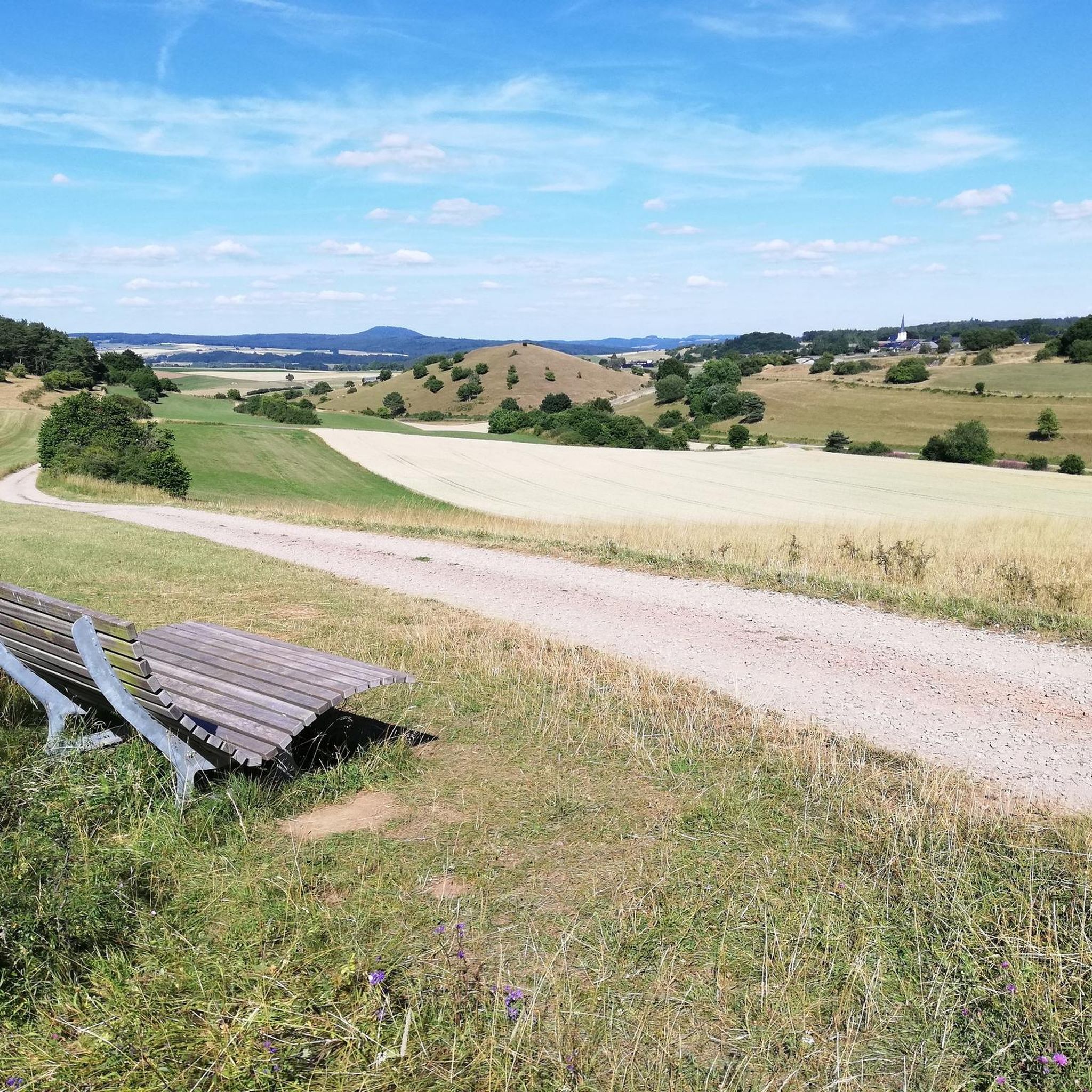
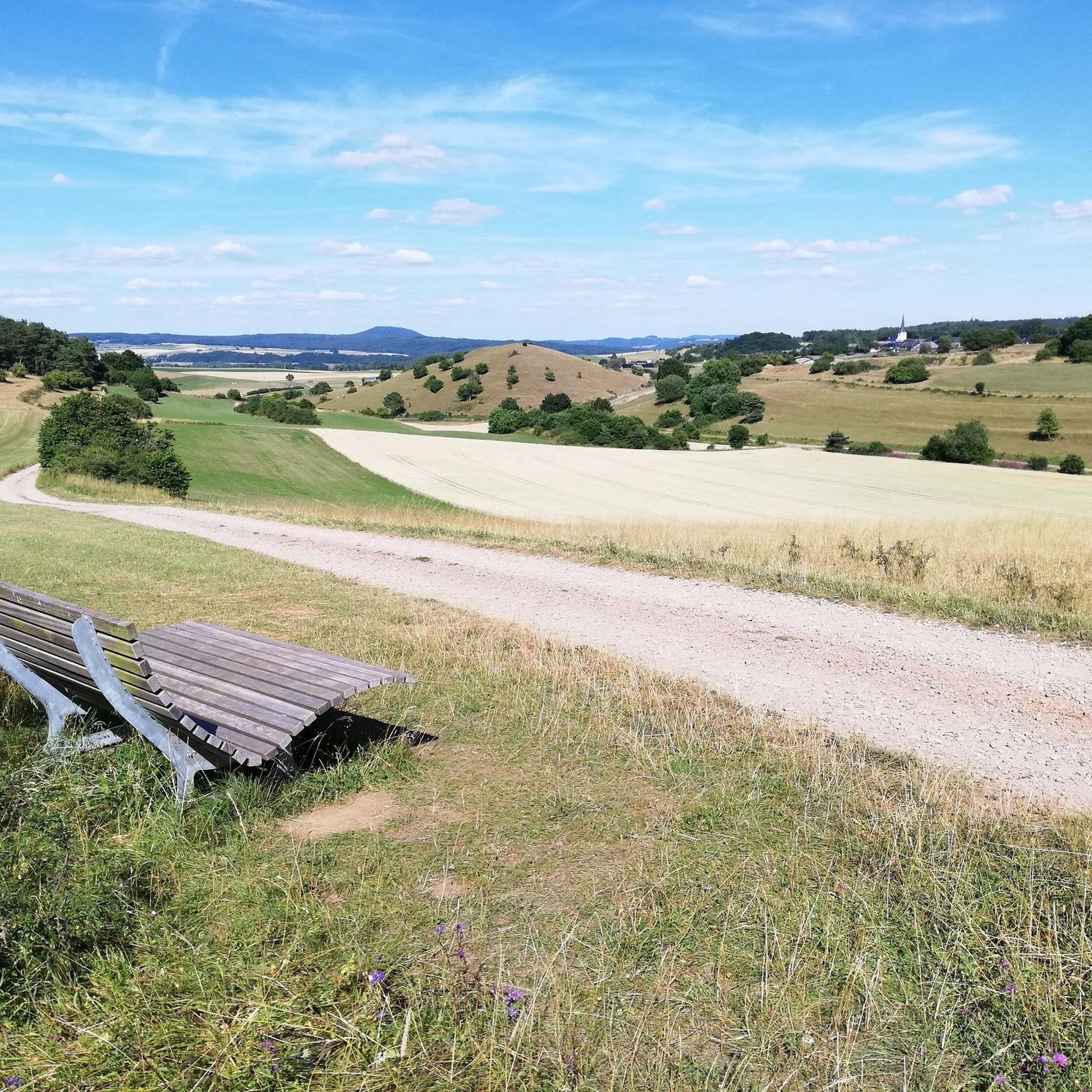
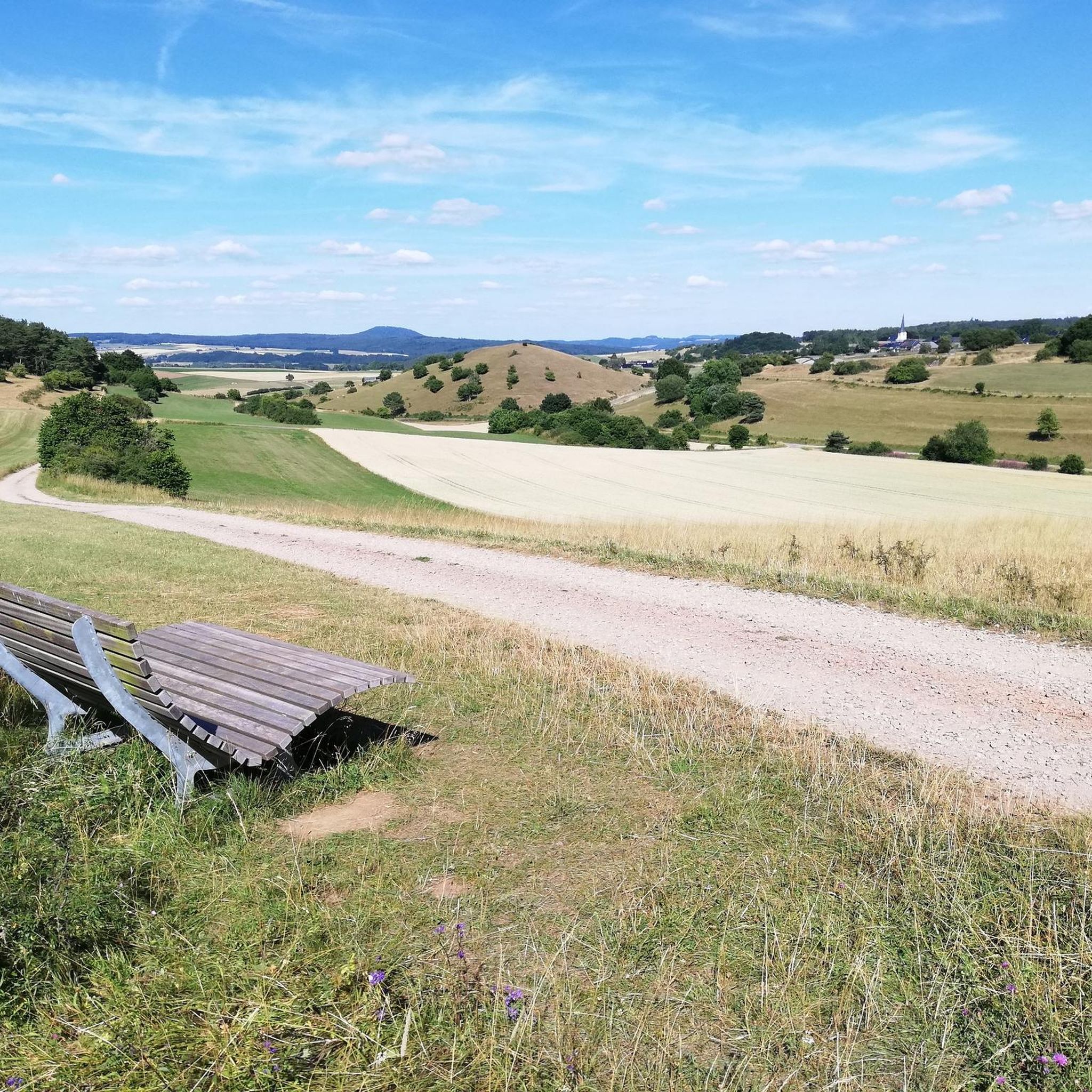
Table and benches, nice place to rest. At the nearby fountain there is water!
1
0
Frequently Asked Questions
Are there family-friendly caves around Kaltenborn?
Yes, several caves are suitable for families. The Black Madonna Grotto offers a peaceful place for reflection with a rest area. The Goldloch Insul Mining Information Site provides historical context about ore and gold mining. Additionally, the Buchenloch Cave, accessible via a small staircase, is generally considered fascinating for exploration.
What kind of historical insights can I gain from visiting caves near Kaltenborn?
The region's caves offer a rich historical perspective. You can explore the Burial Grotto on the Adenau Way of the Cross, a neo-Gothic religious site depicting scenes from the Way of the Cross. The World War II Air Raid Shelter (Rhein-Ahr-Eifel) provides a glimpse into wartime history. Further afield, the Millstone Cave at Nerother Kopf and the Birresborn Ice Caves showcase historical millstone quarrying practices.
What natural features or unique geological formations can I expect to see in the caves?
The caves around Kaltenborn offer diverse natural and geological features. The Heinzelmännchen Cave is a natural monument known for its legend and views over the Mimbachtal. The Birresborn Ice Caves are notable for their consistently low temperatures, which allow icicles and ice columns to persist into summer, creating a unique microclimate.
What outdoor activities can I do near these caves?
The Vulkaneifel region, where these caves are located, is excellent for outdoor activities. You can find numerous routes for cycling, gravel biking, and mountain biking. For example, explore routes like 'Viewpoint of the Nordschleife' for cycling, 'Bürresheim Castle – Monreal Historic Old Town' for gravel biking, or 'View of Nürburg Castle – View of Hohe Acht' for MTB trails. You can find more details on these activities in the Cycling around Kaltenborn, Gravel biking around Kaltenborn, and MTB Trails around Kaltenborn guides.
Are there any viewpoints near the caves worth visiting?
Yes, several caves offer excellent viewpoints. The Black Madonna Grotto is also a viewpoint. The Heinzelmännchen Cave provides great views over the Mimbachtal, with loungers available on the slope above for resting. The Goldloch Insul Mining Information Site also features a nice rest area with a view over the Ahr.
What should I wear or bring when exploring caves in the Kaltenborn region?
For caves like the Buchenloch Cave, it's advisable to bring a flashlight, as some sections may be unlit. For the Millstone Cave at Nerother Kopf, a flashlight is essential as it is unlit. Given the consistently cool temperatures (between -1°C and +4°C) in the Birresborn Ice Caves, even in summer, warm clothing is highly recommended if you plan to visit them.
Are there any caves near Kaltenborn that are particularly challenging to explore?
While specific difficulty levels for all caves are not always provided, some sites like the Burial Grotto on the Adenau Way of the Cross and the World War II Air Raid Shelter (Rhein-Ahr-Eifel) are categorized as 'intermediate' difficulty, suggesting they might involve some uneven terrain or require a moderate level of physical fitness. The World War II Air Raid Shelter, for instance, requires bending to enter.
Can I visit the caves year-round, or is there a best time to visit?
Most caves can be visited year-round, but some have specific considerations. The Birresborn Ice Caves, for example, serve as important winter quarters for bats and have a bat protection period from October 1st to March 31st, during which access may be restricted to protect the wildlife. For other caves, the best time often depends on your preference for hiking weather in the surrounding Eifel region.
Are there any hidden or lesser-known caves around Kaltenborn?
The region is known for a variety of cave types, including natural formations and historical man-made caves. While specific 'hidden' caves are not widely publicized for safety and preservation, the World War II Air Raid Shelter (Rhein-Ahr-Eifel) is described as being 'a bit hidden in a bend,' suggesting it's not immediately obvious to passersby and offers a unique discovery.
What do visitors enjoy most about the caves around Kaltenborn?
Visitors appreciate the diverse experiences offered by the caves. Many enjoy the peaceful and contemplative atmosphere of sites like the Black Madonna Grotto. The historical significance of places like the Burial Grotto on the Adenau Way of the Cross and the Goldloch Insul Mining Information Site is also highly valued. The scenic views from locations like the Heinzelmännchen Cave are frequently highlighted as well.
Is public transport available to reach the caves near Kaltenborn?
While specific public transport routes directly to every cave entrance are not detailed, Kaltenborn is situated at the foot of the Eifel mountains, an area with varying levels of accessibility. For many natural attractions and hiking starting points in the Eifel, a car is often the most convenient option. It's recommended to check local bus schedules for the specific cave you plan to visit, especially for those further from main towns.
Are there any cafes or places to eat near the caves?
The Black Madonna Grotto offers a lovely rest area to linger. While specific cafes directly at cave entrances are uncommon, the surrounding towns and villages in the Eifel region, such as Adenau, offer various dining options. It's a good idea to plan your visit to coincide with a stop in a nearby village for refreshments.
Most popular routes around Kaltenborn
Most popular attractions around Kaltenborn

Get inspired with the komoot mobile app


Explore more
Extend your search for the best caves by checking out these guides of the top ones around Kaltenborn:
