Top 5 Gorges around Kopp
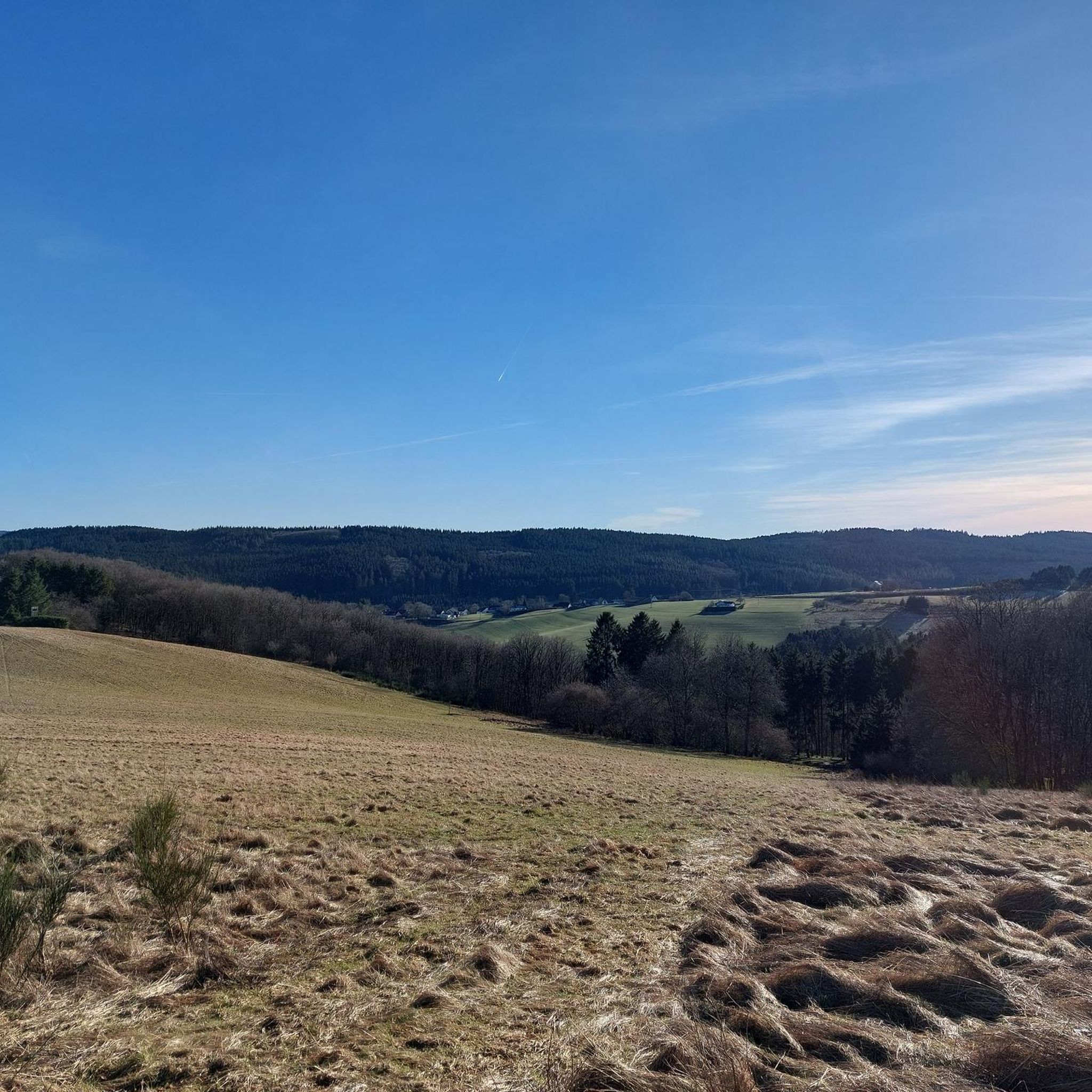
Canyons around Kopp, located in Germany's Vulkaneifel region, are characterized by dramatic gorges and unique rock formations shaped by ancient volcanic activity. This area offers diverse landscapes, from deep crevices flanked by moss-covered sandstone walls to impressive rock paths. The geological features provide opportunities for hiking and experiencing the region's natural beauty and history. Kopp serves as a starting point for exploring these rugged and scenic environments.
Best canyons around Kopp
- The most popular canyons is View of Gerolstein from…
Last updated: May 14, 2026
View of Gerolstein from the Munterley
Highlight • Viewpoint
Translated by Google •
Tip by

Altenburger Bach Valley
Highlight • Gorge
Translated by Google •
Tip by
Sign up now to discover places like this
Get recommendations on the best single tracks, peaks, & plenty of other exciting outdoor places.
Sign up for free
Picturesque rock in the Nimsbach Valley
Highlight • Natural Monument
Translated by Google •
Tip by

Schneifel Trail – Path of Peace (Schönecker Switzerland)
Highlight (Segment) • Trail
Translated by Google •
Tip by

Valley of the Rocks
Highlight • Gorge
Translated by Google •
Tip by

Sign up for free to discover even more gorges around Kopp.
Sign up for free
Already have an account?
Start today with a free account
Your next adventure awaits.
Login or Signup
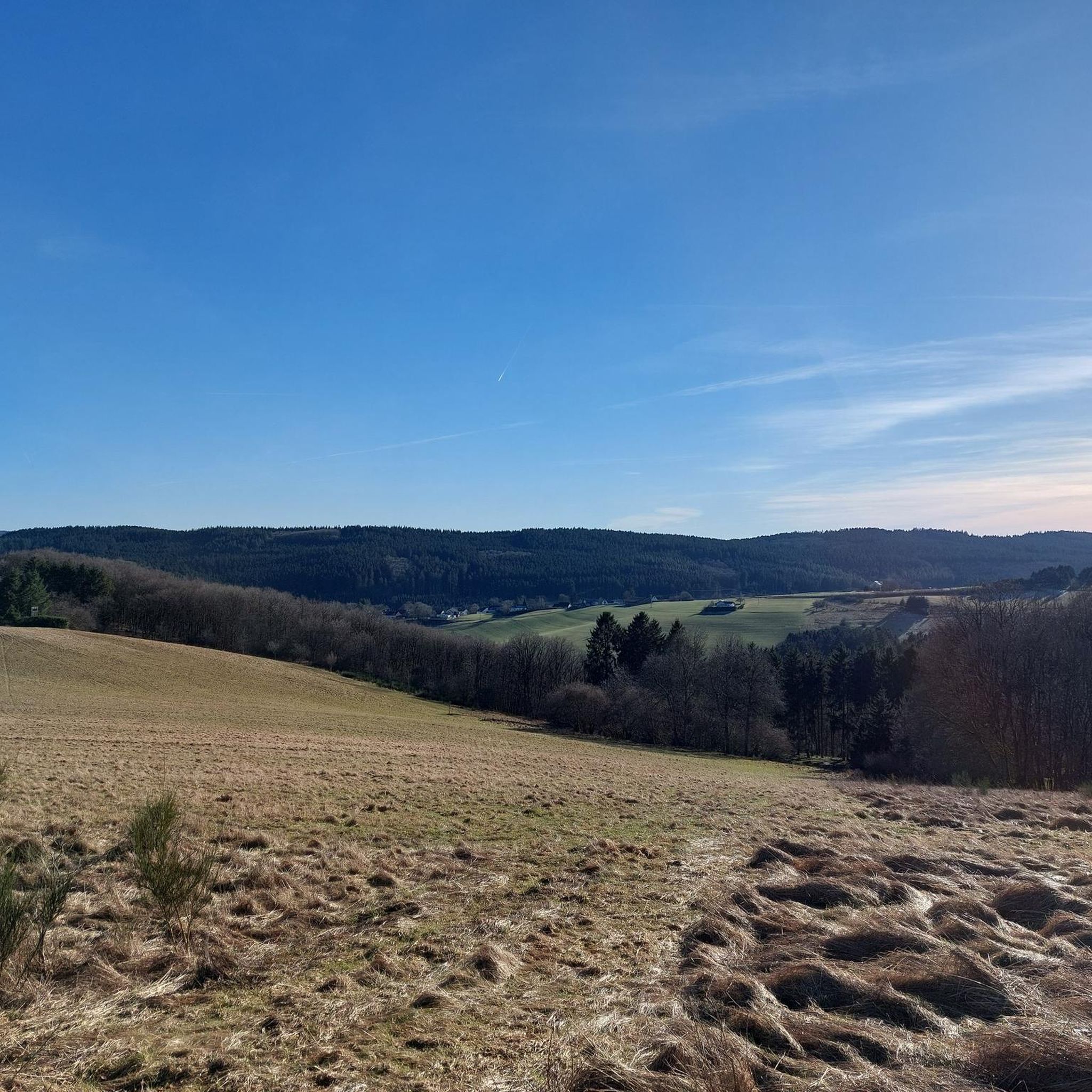
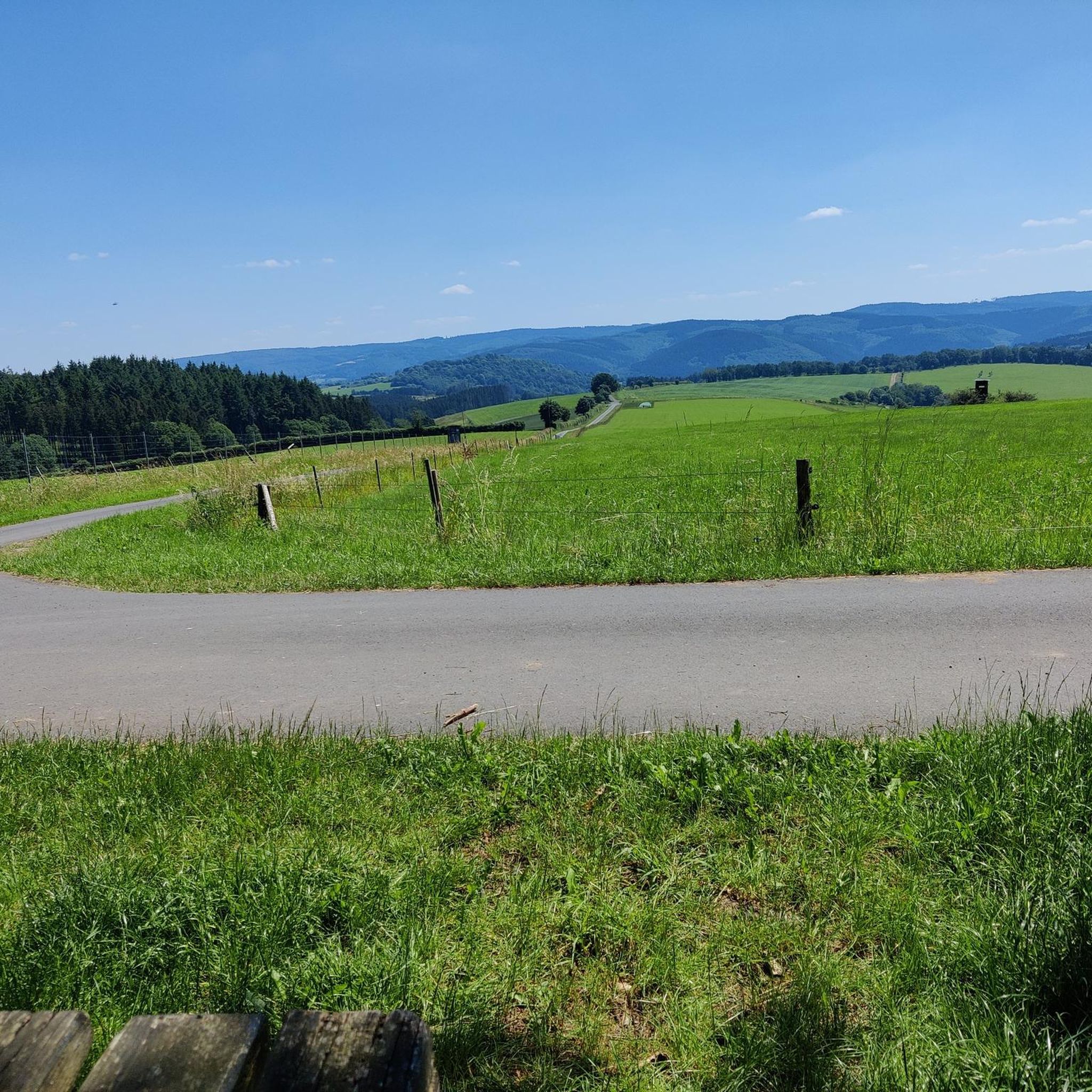
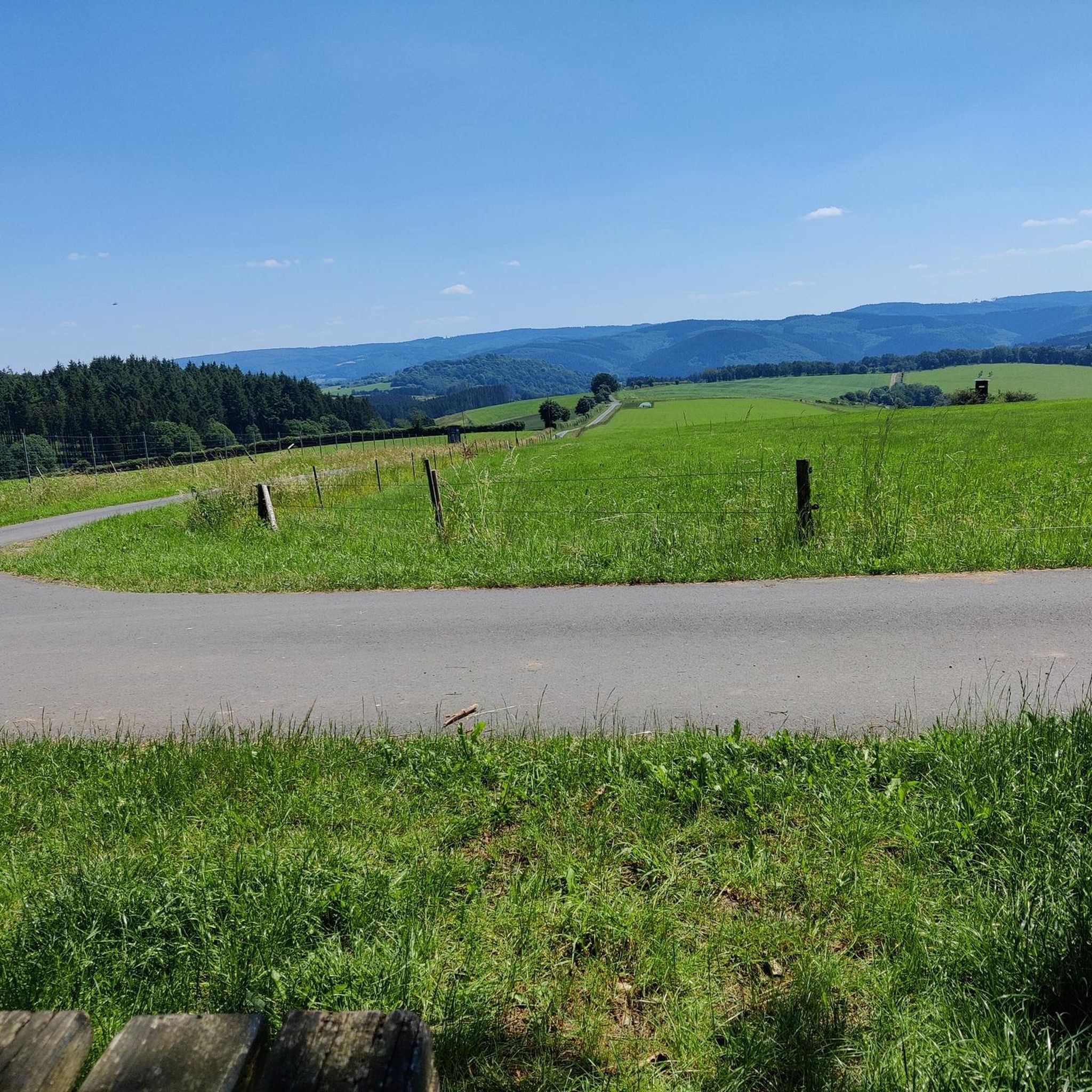
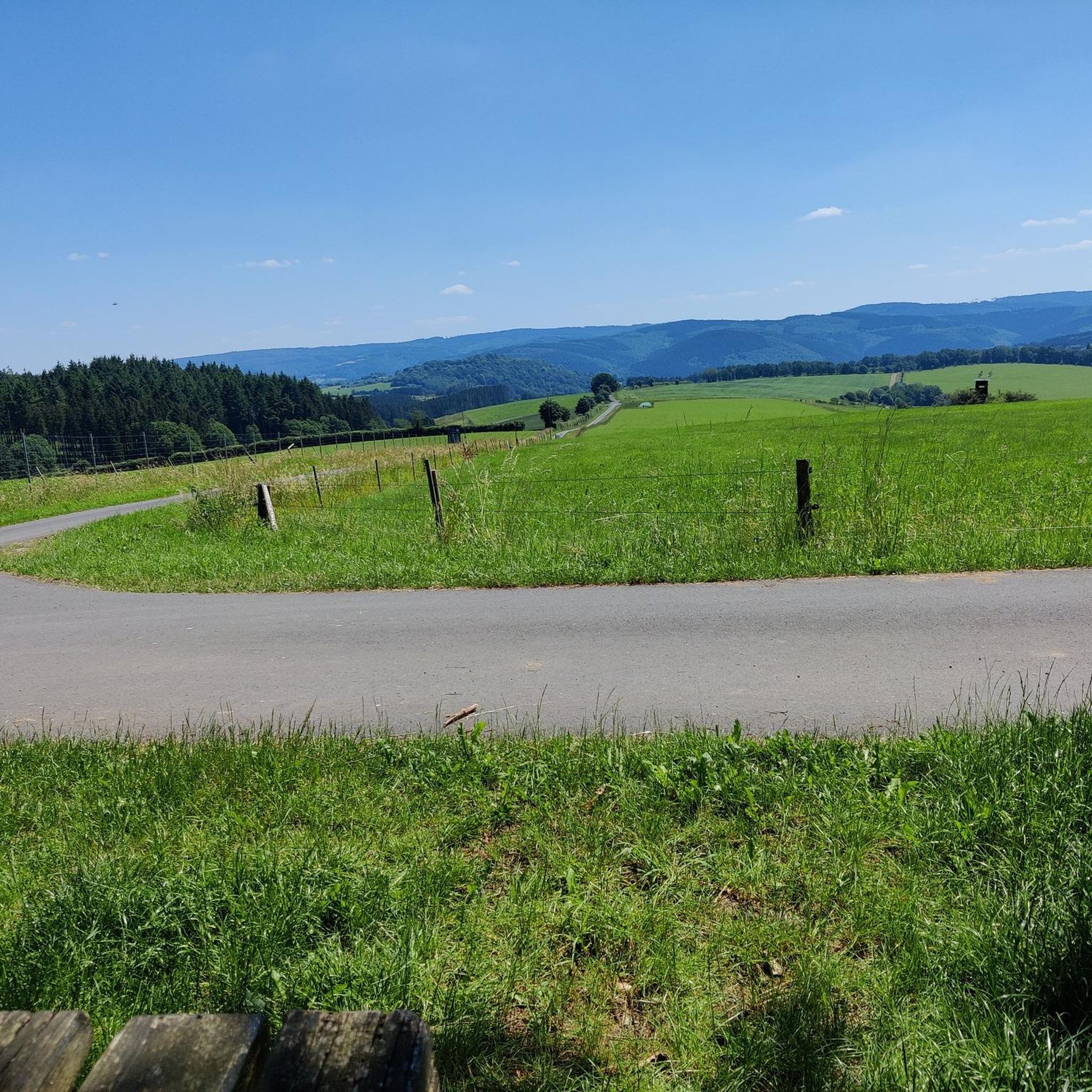

Tips from the Community

Beautiful quiet valley! Especially in autumn and winter you can enjoy the silence here!
0
1

It's simply indescribably beautiful there. You have to be there. It's also good to go when the temperature is higher as it's mostly shady. What I noticed is that there are great, clean and well-maintained benches every 150 metres or so. So you can take a little break and enjoy nature.
1
0


Beautiful idyllic creek valley. Relaxed hiking is the order of the day here.
3
0

Valley of the rocks, here you walk along a stream below the rocks, unfortunately the stream does not always have water
1
1

Beautiful hiking area 👍🏻🥾 highly recommended
3
0

"With an area of approx. 102 hectares, the area around the Gerolsteiner Dolomites has been a nature reserve since 1990. + occurring animal species: bat + occurring plant species: juniper, orchids, character plants calcareous grassland, grove rush-beech forest, woodruff-beech forest, orchid-limestone-beech forest Around 380 million years ago there was a warm, subtropical shallow sea here, in which mighty reefs of stromatopores - relatives of sponges - and corals formed. After the dolomitization, sinking and folding of the rocks, the Devonian deposits were lifted out again. Today's Gerolsteiner Dolomites were formed, which rise steeply above the Kylltal north of the center of Gerolstein. The rocks "Hustley", "Munterley", "Drohende Ley", "Große Kanzel" and "Auberg" characterize the cityscape from afar and form the landmark of Gerolstein. The most famous summit of the Gerolsteiner Dolomites is the "Munterley" - with a height of 482 meters - and offers a breathtaking view over Gerolstein, the Kylltal and far into the Vulkaneifel. Stone Age people, who settled here 30,000 years ago, obviously enjoyed this view, as evidenced by stone tools and bones found at the nearby Buchenloch Cave. Visiting the Gerolsteiner Dolomites can be perfectly combined with hiking the Felsenpfad - the northern part of the "Gerolsteiner Dolomiten Acht". The almost eight-kilometer round tour offers many magical places and geological traces." https://www.eifel.info/a-gerolsteiner-dolomites
10
0

The Altenburger Bach runs in many loops through the Altenburg valley. There are really impressive rock formations along the course of the stream.
6
0
Frequently Asked Questions
What are some notable gorges and rock formations to explore around Kopp?
The Vulkaneifel region around Kopp offers several impressive geological formations. You can visit the View of Gerolstein from the Munterley, which is part of the Gerolstein Dolomites and offers expansive views. Another popular spot is the Picturesque rock in the Nimsbach Valley, known for its idyllic creek valley. The Valley of the Rocks is also highly regarded, where trails follow a stream below impressive rock formations. Beyond these, the region features the Wolfsschlucht Gorge, Teufelsschlucht (Devil's Gorge), and the Gerolsteiner Felsenpfad, all offering unique natural experiences.
What kind of natural features can I expect to see in the gorges around Kopp?
The gorges around Kopp are a testament to the region's volcanic history, featuring dramatic rock formations, deep crevices, and moss-covered sandstone walls. You'll encounter ancient Devonian reef structures, impressive rock faces, and serene creek valleys. Some areas, like the Wolfsschlucht Gorge, resemble a small primeval forest with bubbling springs and waterfalls. The Lampertstal Gorge is known for its rich biodiversity, including colorful plants like pasque flowers and various orchid types.
Are there any historical or geological points of interest in the gorges around Kopp?
Yes, the region is rich in both geological and historical significance. The Gerolstein Dolomites, including the Munterley, are formed from a 380-million-year-old Devonian reef. The Buchenloch Cave, part of the Gerolsteiner Felsenpfad, is a prehistoric rock cave once inhabited by Neanderthals. Additionally, the Schneifel Trail – Path of Peace includes historical landmarks recalling the border region's past.
Are there family-friendly options for exploring the gorges around Kopp?
Yes, several areas are suitable for families. The Picturesque rock in the Nimsbach Valley is noted for offering a relaxed hiking experience through a beautiful, idyllic creek valley, making it a good choice for families. Many trails through the gorges are accessible and offer engaging natural environments for children to explore.
What outdoor activities can I do near the gorges around Kopp?
Beyond exploring the gorges themselves, the area around Kopp offers diverse outdoor activities. You can find numerous cycling routes, including those for touring bicycles and gravel biking. There are also many running trails available, ranging from easy loops to more challenging routes through scenic landscapes.
What are the difficulty levels of hiking trails in the gorges around Kopp?
Hiking trails in the gorges around Kopp vary in difficulty. Many trails, such as those through the Altenburger Bach Valley or the Valley of the Rocks, are generally considered intermediate. However, there are also easier paths, like those in the Nimsbach Valley, suitable for relaxed hiking, and more challenging routes that might involve steeper sections or longer distances.
When is the best time to visit the gorges around Kopp?
The gorges around Kopp are beautiful year-round, but the best time to visit for hiking and enjoying the natural scenery is typically from spring to autumn. In spring, you can witness colorful plants like pasque flowers and orchids in bloom, especially in areas like the Lampertstal Gorge. Summer offers pleasant weather for longer hikes, while autumn brings vibrant foliage. Visiting after a rainy period can also enhance the experience, as streams and waterfalls will be more active.
What should I pack for a hike in the gorges around Kopp?
When hiking in the gorges around Kopp, it's advisable to pack sturdy hiking boots suitable for uneven terrain, as trails can be rocky or muddy, especially after rain. Bring layers of clothing to adapt to changing weather conditions, rain gear, sufficient water, and snacks. A map or GPS device is also recommended, along with a first-aid kit. Don't forget your camera to capture the stunning geological formations and natural beauty.
Are dogs allowed on the trails in the gorges around Kopp?
While specific regulations can vary by trail or nature reserve, generally, dogs are welcome on many hiking trails in the Vulkaneifel region, including those through the gorges. It's always best to keep your dog on a leash to protect local wildlife and ensure the safety and comfort of other hikers. Please remember to clean up after your pet.
What do visitors enjoy most about the gorges around Kopp?
Visitors frequently praise the dramatic and unique landscapes shaped by ancient volcanic activity. They particularly enjoy the impressive rock formations, the tranquility of the creek valleys, and the extensive hiking opportunities. The View of Gerolstein from the Munterley is often highlighted for its fantastic panoramic views. Many appreciate the sense of immersion in nature and the rich geological history of the area.
Are there less crowded gorges or trails to explore around Kopp?
While popular spots like the Gerolstein Dolomites can attract visitors, the Vulkaneifel region is vast, offering many opportunities for quieter exploration. Consider exploring lesser-known sections of the Eifelsteig trail or local circular routes that might lead through equally impressive, but less frequented, gorges and rock formations. The Lampertstal Gorge, for instance, is noted for its somewhat secluded nature, contributing to a sense of calm.
Most popular attractions around Kopp

Get inspired with the komoot mobile app


Explore more
Already discovered everything in this region? See additional gorges around Kopp for your next adventure:
