Top 13 Caves around Wiesenthau
Best caves around Wiesenthau are found within the surrounding Wiesenttal region in Upper Franconia, Bavaria, an area known for its diverse karst cave systems. This landscape features natural formations and subterranean passages, offering various exploration opportunities. The region's geology contributes to a range of cave types, from accessible passage caves to more extensive systems.
Best caves around Wiesenthau
- The most popular caves is Hohle Kirche Cave, a natural monument that serves as a cave-like passage leading to a vantage…
Last updated: June 27, 2026
Hohle Kirche Cave
Highlight • Cave
Translated by Google •
Tip by

Frauenhöhle (Women's Cave)
Highlight • Cave
This naturally formed karst cave, with its three entrances, is picturesquely hidden in the forest.
trubachtal.com/de/poi/detail/583d5b59975a42c49a5335be
Translated by Google •
Tip by

Sign up now to discover places like this
Get recommendations on the best single tracks, peaks, & plenty of other exciting outdoor places.
Sign up for free
rock cellar
Highlight • Cave
Translated by Google •
Tip by
Jungferla Keller
Highlight • Cave
Translated by Google •
Tip by

Moggaster Cave
Highlight • Cave
Translated by Google •
Tip by

Sign up for free to discover even more caves around Wiesenthau.
Sign up for free
Already have an account?
Start today with a free account
Your next adventure awaits.
Login or Signup
Tips from the Community

The "Jungferla Spring" originates in this 85-meter-long, multi-branched sandstone cellar. In the 1960s, the entrance to the sandstone cellar was bricked up and overgrown for safety reasons. It was thus no longer visible, but it wasn't entirely forgotten by the residents of Baiersdorf. In 2006, the water in the renovated Jungferla Fountain dried up shortly before its inauguration. This prompted the decision to search for the spring's source in the buried sandstone cellar. After extensive excavation, the former cellar entrance was found bricked up. On December 5, 2006, the cellar was entered again for the first time. Its condition was so good that the local history society, with the support of sponsors and local businesses, renovated and restored it, redesigning the entrance area. On May 25, 2008, the cellar was reopened to the public with the first "Jungferla Cellar Festival." Due to popular demand, a "cellar festival" is now held every year on Ascension Day. Sandstone or rock cellars have a long tradition in Franconia. They were used primarily for storing beer, wine, and agricultural products. Without additional cooling, the cellars maintain a constant temperature of around 8°C year-round. Because beer was stored in the cellars, a tavern was often built nearby, usually above or in front of them – which is why even today in Franconia people still go "to the cellar" rather than to a beer garden. The cellars consist of passages of varying lengths and sizes, hewn into hillsides. The cellar is closed off with a gate. {Source: Information panel on site]
0
0

The Frauenhöhle natural monument is located north of Egloffstein Castle.
2
0

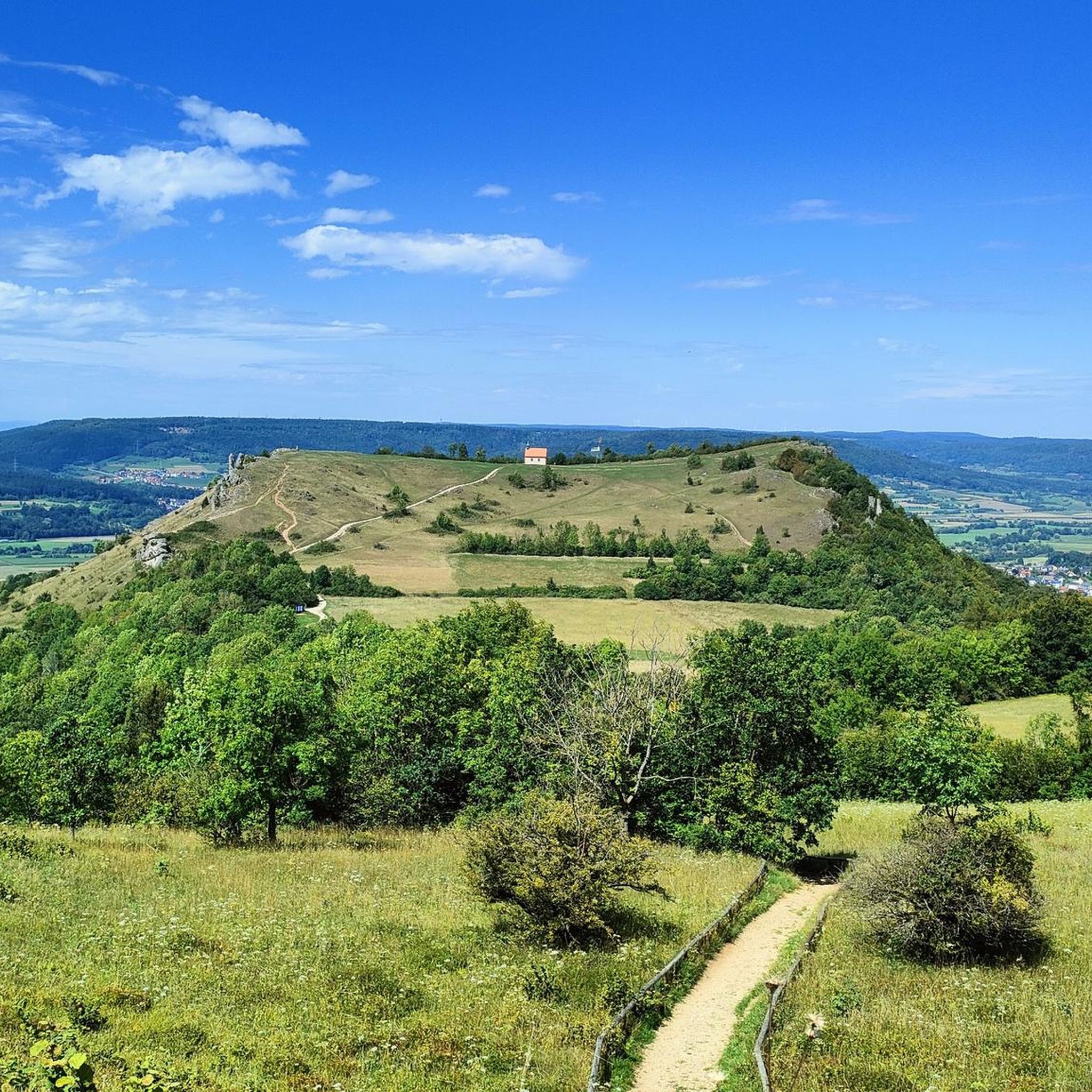
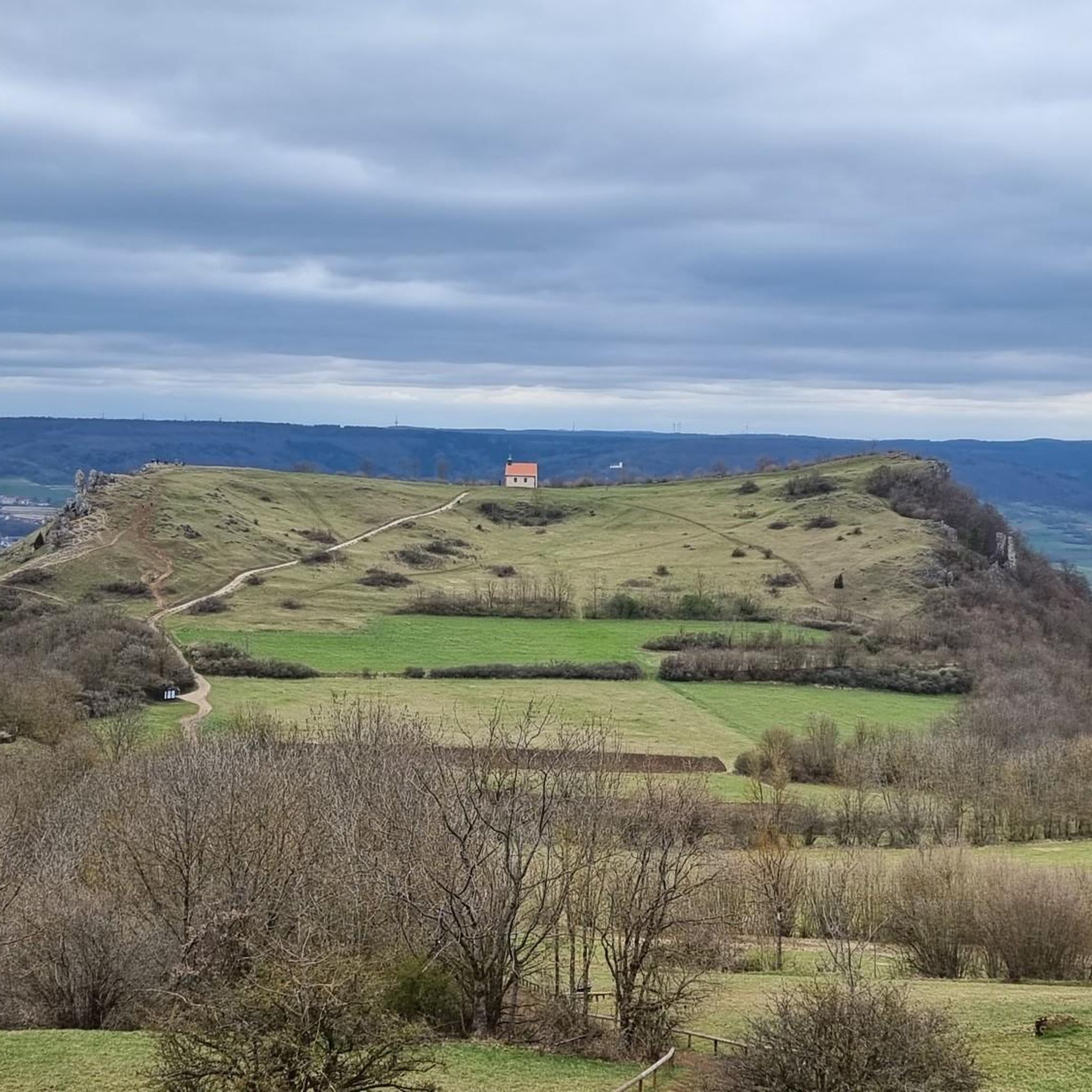
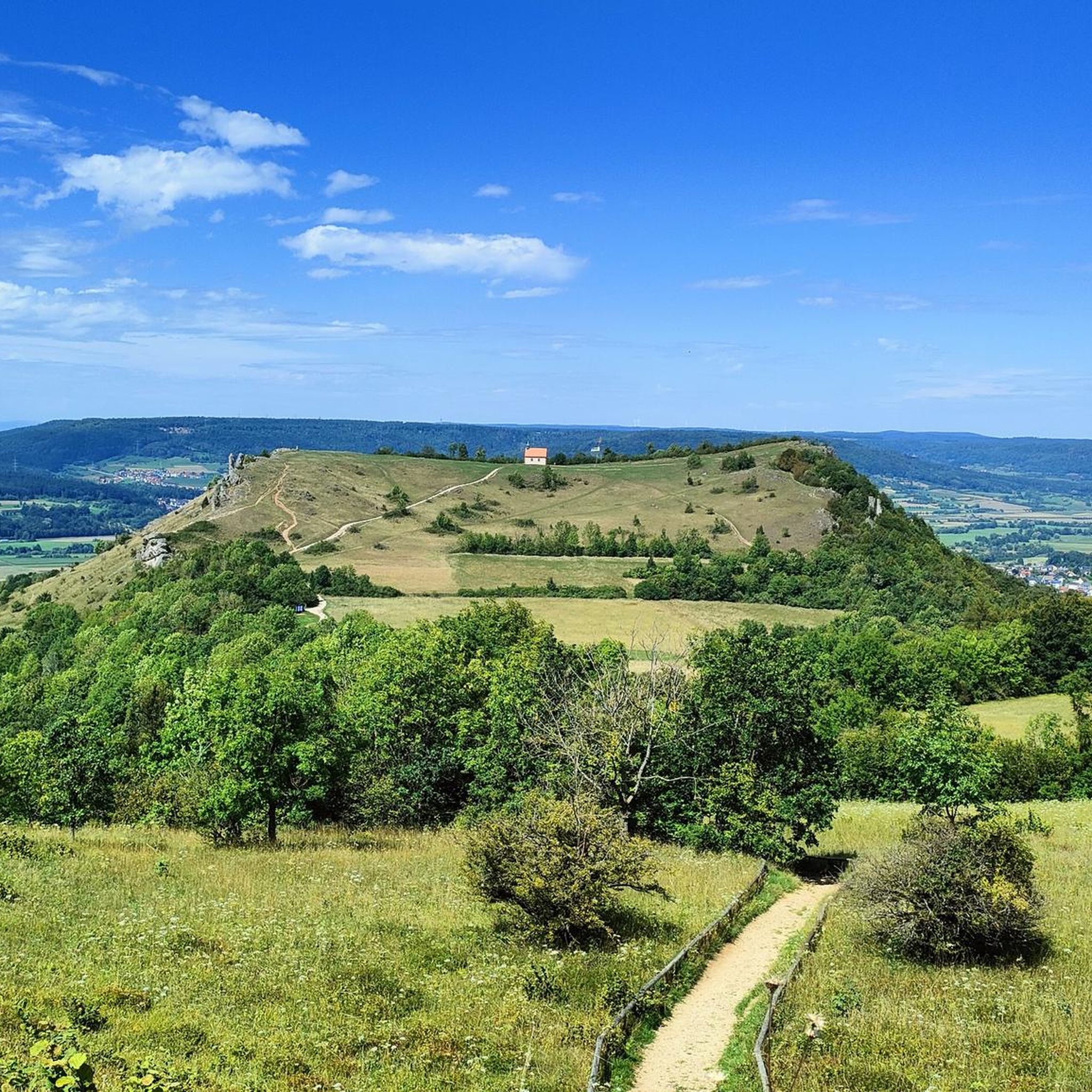
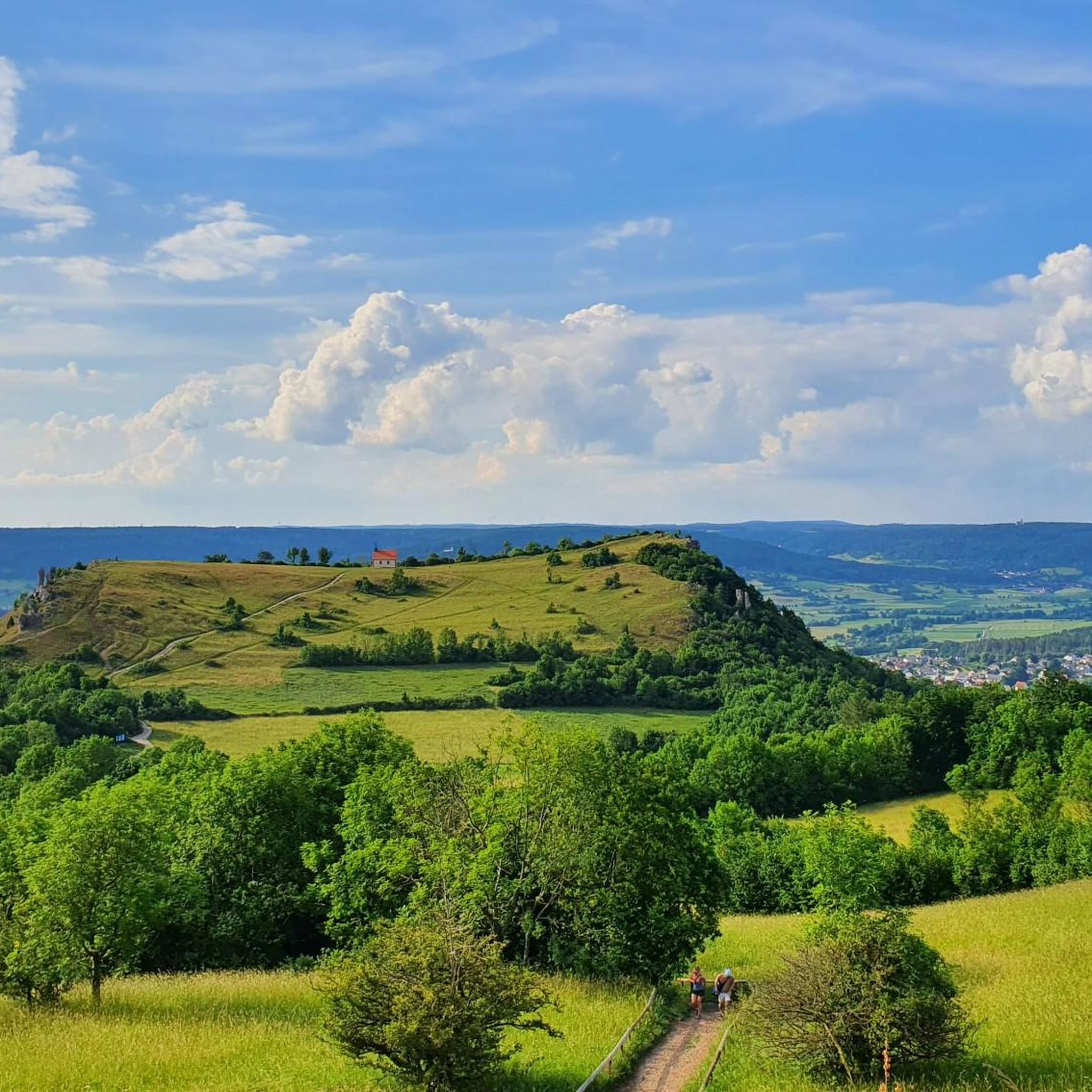
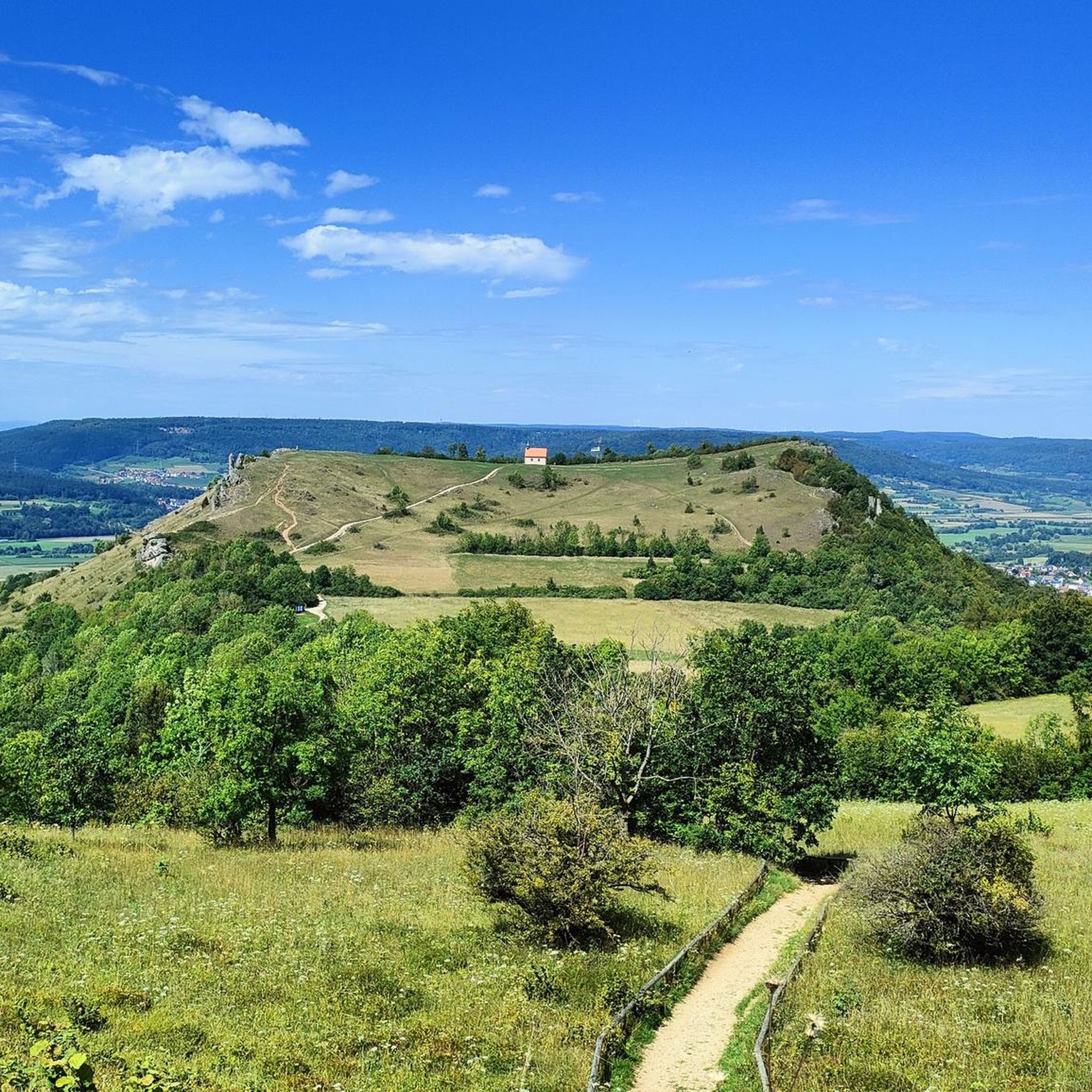
It's quite a climb, but the effort is worth it! The Hollow Church, an impressive dolomite rock formation with a passage and viewpoint, is definitely a highlight of the area!
4
0

Very beautiful little cave system that has not been converted to be suitable for tourists. So remember to wear good shoes and bring a lamp.
2
1

A typical Franconian cave, but the route is poor for mountain bikes. At the moment it is difficult to go down with a mountain bike because of the many tree trunks lying across it. Komoot also leads you to a fenced-in property that you have to go around behind a thick hedge.
1
0

Interesting with the upper cave, into which you could penetrate up to 35 m deep if the slippery ground allows it. The lower cave was once planned as a show cave (lorry tracks), but collapsed. The third cave is only about 4 meters deep and a little more difficult to reach.
1
0

Super nice view of the Trubachtal and great passage through the rock. Fun for smaller kids too. Well suited for a family hike.
6
0
Moggaster Cave is a natural karst cave with a total length of over 2000 meters and a depth of around 70 meters. This makes it one of the longest and most important caves in the Franconian Jura. The cave is listed as a natural monument (ND-03927)[1], as a ground monument D-4-6233-0051 and in the Franconian Alb Cave Register (HFA) with the register number D 110. Immediately after the entrance, the cave drops off steeply. Steep drops and fall zones make access difficult. The combined fissure and floor cave has water basins and stalactite galleries. The rock fragments covered with sinter show that stalactite formation probably began after the Würm glacial period. The lower and newly discovered parts show an untouched cave world with many formations. The cave is also of interest to zoologists and, in addition to many micro-animals, is also home to the glacier flea-like springtail. (Source and further information at: https://de.wikipedia.org/wiki/Moggaster_H%C3%B6hle)
0
2
Frequently Asked Questions
What types of caves can I explore around Wiesenthau?
The Wiesenttal region, surrounding Wiesenthau, offers a variety of subterranean experiences. You'll find natural karst caves, historical rock cellars, and cave-like passages. These range from easily traversable formations like the Hohle Kirche Cave, which leads to a vantage point, to more extensive natural systems such as the Frauenhöhle (Women's Cave).
Are there any family-friendly caves near Wiesenthau?
Yes, the rock cellar is considered family-friendly. It features a labyrinth-like tunnel system that is accessible for exploration. Remember to bring a torch for navigation, as visitors often spend about half an hour exploring its various corridors and branches.
What are some of the most popular caves in the area?
Among the most popular caves are the Hohle Kirche Cave, a natural monument offering views of the Trubachtal valley, and the Frauenhöhle (Women's Cave), a natural karst cave with three entrances. Another notable spot is the rock cellar, known for its historical labyrinthine tunnels.
What natural features or geological formations can I expect to see in these caves?
The caves in the Wiesenttal region are primarily karst formations. You can expect to see natural passages, expansive halls like those found in Ludwig Cave, and in some more challenging systems like Moggaster Cave, water basins and stalactite galleries. The Frauenhöhle offers a raw natural cave experience with its distinct karst features.
Are there any historical or cultural sites related to caves in the region?
Yes, the rock cellar is a historical site featuring a labyrinth-like tunnel system. Additionally, the Jungferla Keller is a natural monument and historical site, associated with local legends and an annual basement festival.
What should I bring or wear for cave exploration around Wiesenthau?
For many of the accessible caves, a torch or flashlight is highly recommended, especially for places like the rock cellar or Oswald Cave. Some natural caves, such as the Frauenhöhle, can have slippery terrain, so appropriate footwear is advisable. Layers of clothing are also good, as cave temperatures can be cooler than outside.
Are there any caves that are closed to the public?
Yes, the Moggaster Cave, a significant natural karst cave, is closed all year round for nature conservation and research purposes. It is one of the longest and most important caves in the Franconian Jura, but access is restricted due to its challenging nature and ecological importance.
Can I find hiking trails that incorporate caves near Wiesenthau?
Absolutely. The Wiesenttal region is excellent for combining hiking with cave exploration. Many trails lead to or pass by these subterranean features. You can find various hiking routes in the area by exploring the Hiking around Wiesenthau guide, which includes trails that often feature natural landmarks like caves.
What other outdoor activities are available near the caves around Wiesenthau?
Beyond cave exploration, the region offers a range of outdoor activities. You can find numerous MTB Trails around Wiesenthau and Road Cycling Routes around Wiesenthau. The area around Quackenschloss, for instance, also has an adjacent sport climbing area, providing additional options for active visitors.
Is there public transport available to reach the caves?
While specific public transport routes directly to every cave entrance might be limited, the Wiesenttal region is generally accessible. It's advisable to check local bus schedules or consider a combination of public transport to nearby towns and then walking or cycling to the cave sites. For detailed planning, local tourist information centers can provide the most current public transport options.
What is the best time of year to visit the caves around Wiesenthau?
The caves can generally be visited year-round, though some natural caves like the Frauenhöhle are home to bats and may have considerations during their hibernation period in winter. For surface activities like hiking to the caves, spring through autumn offers the most pleasant weather. Always check specific cave opening times and conditions if visiting during colder months.
Are permits required to visit the caves?
Most of the freely accessible natural caves and historical rock cellars in the Wiesenttal region do not require special permits for entry. However, some significant caves, like the Moggaster Cave, are permanently closed to the public for conservation reasons. For any commercial show caves in the broader Franconian Switzerland area, tickets and specific opening hours would apply, but these are typically well-advertised.
Most popular routes around Wiesenthau
Most popular attractions around Wiesenthau

Get inspired with the komoot mobile app


Explore more
Extend your search for the best caves by checking out these guides of the top ones around Wiesenthau:
