Top 5 Caves around Deudesfeld
Best caves around Deudesfeld are primarily found within the Vulkaneifel region, characterized by its volcanic landscape and historical resource utilization. The area features unique geological formations, many of which are artificial caves formed by millstone mining. These sites offer insights into the region's past and the craftsmanship of its inhabitants. The landscape provides a blend of natural features and historical significance for visitors.
Best caves around Deudesfeld
- The most popular caves is Millstone Cave at Nerother Kopf, an artificial…
Last updated: July 10, 2026
Millstone Cave at Nerother Kopf
Highlight • Cave
The millstone cave consists of lava boards and is an artificial cave in the Vulkaneifel, Rhineland-Palatinate. It was created by the production of …
Translated by Google •
Tip by

Kobesloch Hut – View over the Lieser Valley
Highlight • Mountain Hut
Translated by Google •
Tip by

Sign up now to discover places like this
Get recommendations on the best single tracks, peaks, & plenty of other exciting outdoor places.
Sign up for free
Goldglück Former Lead Mine
Highlight • Historical Site
Niederstadtfeld, Niederstadtfeld municipality
description
[...] The mine that was operated in the previous century should not go unmentioned. The field names "Am Bleiofen" and "An der Bleireinigung" …
Translated by Google •
Tip by

Mauseloch Cave
Highlight • Cave
Translated by Google •
Tip by

Cave in the Natur- und Geopark Vulkaneifel
Highlight • Cave
Translated by Google •
Tip by

Start today with a free account
Your next adventure awaits.
Login or Signup
Popular around Deudesfeld
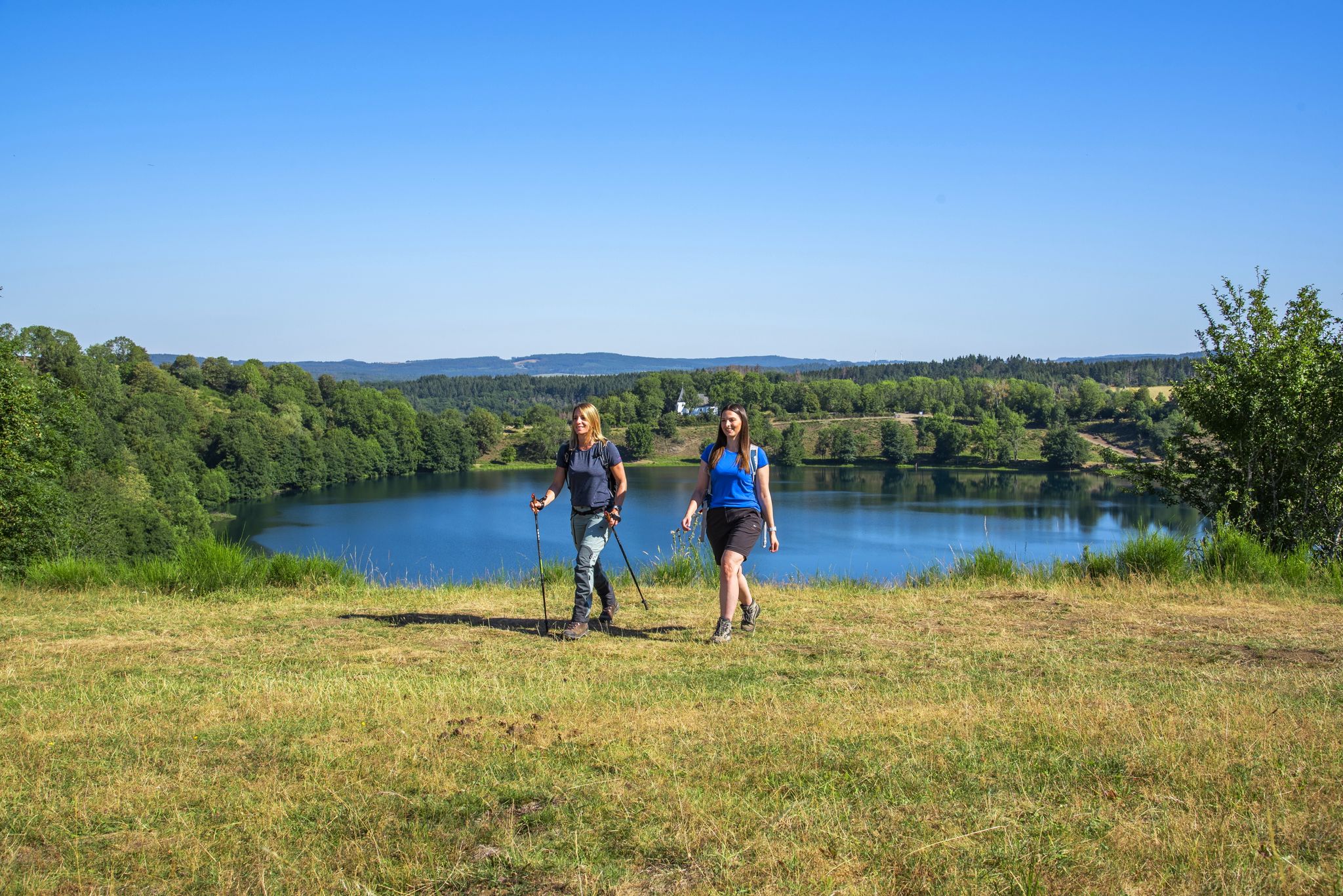
Excellent paths in the Vulkaneifel – Explore the HeimatSpuren
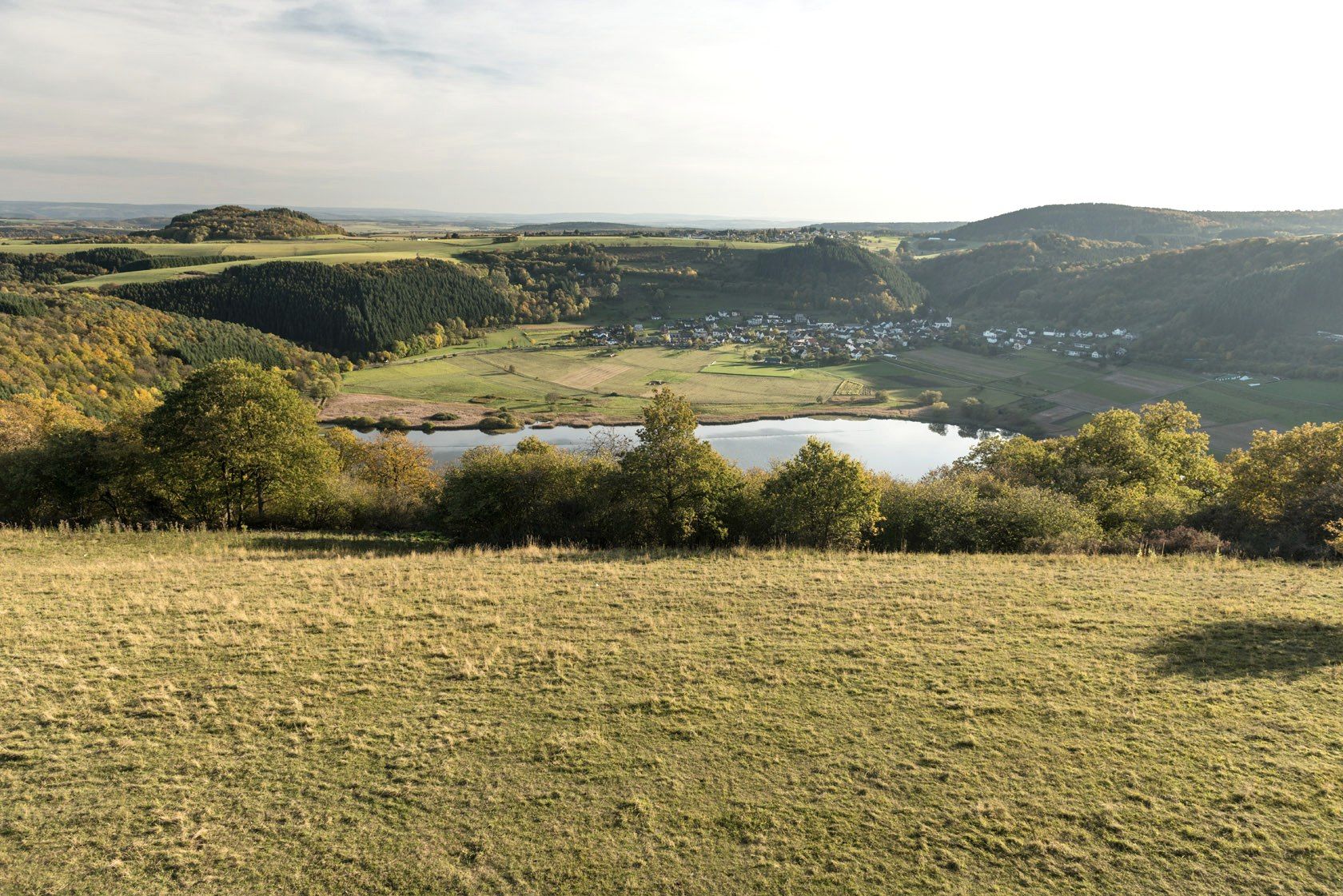
Crater lakes and lava rock – hiking in Germany’s Volcanic Eifel
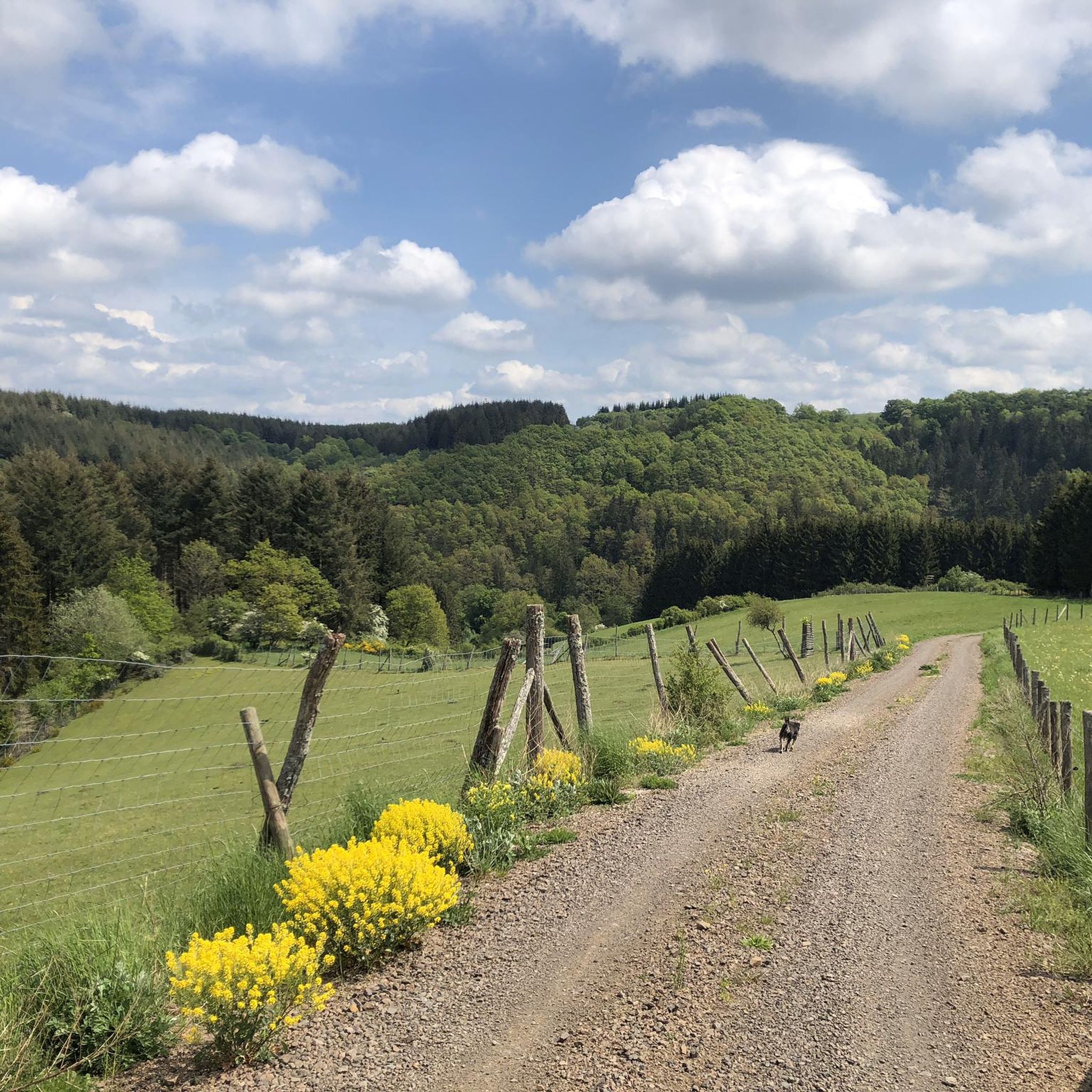
Hiking around Deudesfeld
MTB Trails around Deudesfeld
Road Cycling Routes around Deudesfeld
Cycling around Deudesfeld
Running Trails around Deudesfeld

Mountain Hikes around Deudesfeld
Gravel biking around Deudesfeld


Tips from the Community

Unfortunately, the path there is completely overgrown and impassable. As of June 25, the descent isn't worth it.
0
0

If you want to enjoy a very personal view, you can take a small, secured steep path to the left of the hut to the actual Kobesloch. The path is not long, but you should be sure-footed and not afraid of heights. A must for climbing enthusiasts.
3
0

The Kobesloch and the associated hut give us the last kick: A steep, steel cable-secured path leads to the Kobesloch - space for two - that's all the path and the hole offers. This change is just great.
5
0

Beautiful and wide panoramic view
5
0

I really liked the story of the cave under the Kobeslochhütte. I haven't looked at the cave, but I find it very exciting.
2
0

Past the hut on the left is a narrow path to the Kobesloch. You should be free from giddiness and sure-footed. Steel cables secure the way. Was a nice short detour.
5
0

Feasible with a normal bike, but not for the faint-hearted as some of the trails are bad
2
0

<< KOBE SLOT >> "... South of the mouth of the Horngraben, on the steep slope above the small Kyll, about 40 m above the valley floor to a cave mouth. The triangular opening with a base width of approx. 1.20 m and a height of 0.80 m lies at the foot of a protruding slate ridge. As far as can be seen, the wall is only formed by natural fissures in the slate. The bottom of the opening is filled with slate rubble. The entrance opens after about 4 m to a 4 m2 chamber in which you can stand upright. From there, a buried passage leads to the right. The name "Kobesloch" would come from a tramp who was hidden there about 150 years ago. The cave is always dry. ..." https://journals.ub.uni-heidelberg.de/index.php/tz/article/download/55318/59782
4
0
Frequently Asked Questions
What kind of historical insights do the caves around Deudesfeld offer?
The caves in the Vulkaneifel region, particularly those formed by millstone mining, provide a unique glimpse into the area's geological past and the historical craftsmanship of its inhabitants. For example, the Millstone Cave at Nerother Kopf showcases how volcanic rock was quarried for millstones, with unfinished blanks still visible on its walls. Another site, the Goldglück Former Lead Mine, reveals the region's industrial history, with tunnels possibly dating back to Roman times used for extracting silver, lead, and copper.
Are there natural caves or are they all man-made in this region?
While many 'caves' in the Vulkaneifel region are artificial, formed by historical mining activities like millstone quarrying, there are also natural formations. An example is the Mauseloch Cave, a natural monument approximately 10 meters long, offering an accessible natural cave experience. The Buchenloch Cave near Gerolstein, though further away, is another natural cave formed by groundwater dissolving dolomite.
What should I bring when visiting the caves around Deudesfeld?
For exploring caves like the Millstone Cave at Nerother Kopf, which is unlit, a flashlight or headlamp is essential. Comfortable walking shoes are also recommended, as many caves are accessed via hiking trails.
Are there hiking trails that lead to or incorporate these caves?
Yes, many caves are integrated into the region's hiking network. The Millstone Cave at Nerother Kopf is part of a popular walking area and accessible via trails that also lead to the Freudenkoppe Castle ruins. You can find various Mountain Hikes around Deudesfeld that explore the diverse landscape.
What other outdoor activities can I do near the caves?
The area around Deudesfeld offers a variety of outdoor activities. Besides hiking, you can explore numerous MTB Trails and Road Cycling Routes. These routes often pass through scenic volcanic landscapes and charming villages.
Are the caves around Deudesfeld suitable for families?
Many of the sites, especially those integrated into walking paths, can be suitable for families. The Kobesloch Hut – View over the Lieser Valley, for instance, is a family-friendly highlight near a cave, offering a nice break spot. For cave exploration, parental discretion is advised, especially for unlit caves where flashlights are needed.
What makes the millstone caves in the Vulkaneifel region unique?
The millstone caves are unique because they are artificial formations created by quarrying volcanic rock for millstone production, a practice dating back centuries. The porous volcanic rock was ideal for millstones due to its sharp-edged pores. These sites, like the Millstone Cave at Nerother Kopf, offer a tangible connection to the region's geological resources and historical craftsmanship.
What do visitors particularly enjoy about the caves around Deudesfeld?
Visitors appreciate the blend of natural wonder and historical insight offered by the caves. The unique geological formations, combined with the evidence of historical human activity like millstone quarrying, provide an engaging experience. The komoot community has shared over 800 photos and given more than 650 upvotes for these sites, highlighting their appeal.
Are there any caves that maintain a consistently cool temperature?
Yes, the Birresborn Ice Caves, located within a reasonable distance in the Vulkaneifel region, are known for maintaining a consistently cool temperature between -1°C and +4°C. They often retain icicles and ice formations into the summer months, offering a unique microclimate. These caves are also important winter quarters for bats, leading to seasonal closures for their protection.
Is there a cave labyrinth I can explore in the area?
The Mühlsteinhöhlen Hohenfels-Essingen, a small but impressive cave labyrinth also created through millstone mining, is accessible year-round via a circular path. It offers a fascinating exploration opportunity within the broader Vulkaneifel region.
What is the best time of year to visit the caves?
Most caves in the region are accessible year-round, though some, like the Birresborn Ice Caves, may have seasonal closures to protect bat populations during winter. Spring and autumn offer pleasant temperatures for hiking to and exploring the caves, avoiding the extremes of summer heat or winter cold.
Are there any viewpoints near the caves?
Yes, several caves are located in scenic areas with viewpoints. For instance, the Kobesloch Hut – View over the Lieser Valley is a highlight near a cave that offers a great view of the Liesertal. The Millstone Cave at Nerother Kopf is also in the summit area of a volcanic hill, providing scenic surroundings.
Most popular routes around Deudesfeld
Most popular attractions around Deudesfeld

Get inspired with the komoot mobile app


Explore more
Extend your search for the best caves by checking out these guides of the top ones around Deudesfeld:
