Top 20 Caves around Leiningen
Best caves around Leiningen are primarily found within the Palatinate Forest, a region in Rhineland-Palatinate, Germany. This area is characterized by its red sandstone formations, which have undergone weathering and erosion to create diverse geological features. The historical Leiningen territories are situated within this landscape, contributing to the natural and cultural significance of the region. Caves here often include former mining tunnels and natural rock shelters.
Best caves around Leiningen
- The most popular caves is Baybachtal Bat Cave (Slate Tunnel)…
Last updated: June 27, 2026
Baybachtal Bat Cave (Slate Tunnel)
Highlight • Cave
Translated by Google •
Tip by

Klöckners Kaul slate mine tunnel and rest area
Highlight • Cave
Translated by Google •
Tip by

Sign up now to discover places like this
Get recommendations on the best single tracks, peaks, & plenty of other exciting outdoor places.
Sign up for free
Upper and Lower Laykaul Slate Caves
Highlight • Cave
Under a huge slate rock, a man-high opening gives access to the huge "Untere Laykaul" cave, which has been expanded with tunnels. At the end of the at …
Translated by Google •
Tip by

Well-Weibches-Loch Cave
Highlight • Cave
The beautiful innkeeper's daughter betrays the residents' refuge to the Swedes during the Thirty Years' War and gets pregnant. After the end …
Translated by Google •
Tip by
Prinzenstein Mine Tunnel in Brandswald
Highlight • Cave
Translated by Google •
Tip by
Sign up for free to discover even more caves around Leiningen.
Sign up for free
Already have an account?
Start today with a free account
Your next adventure awaits.
Login or Signup
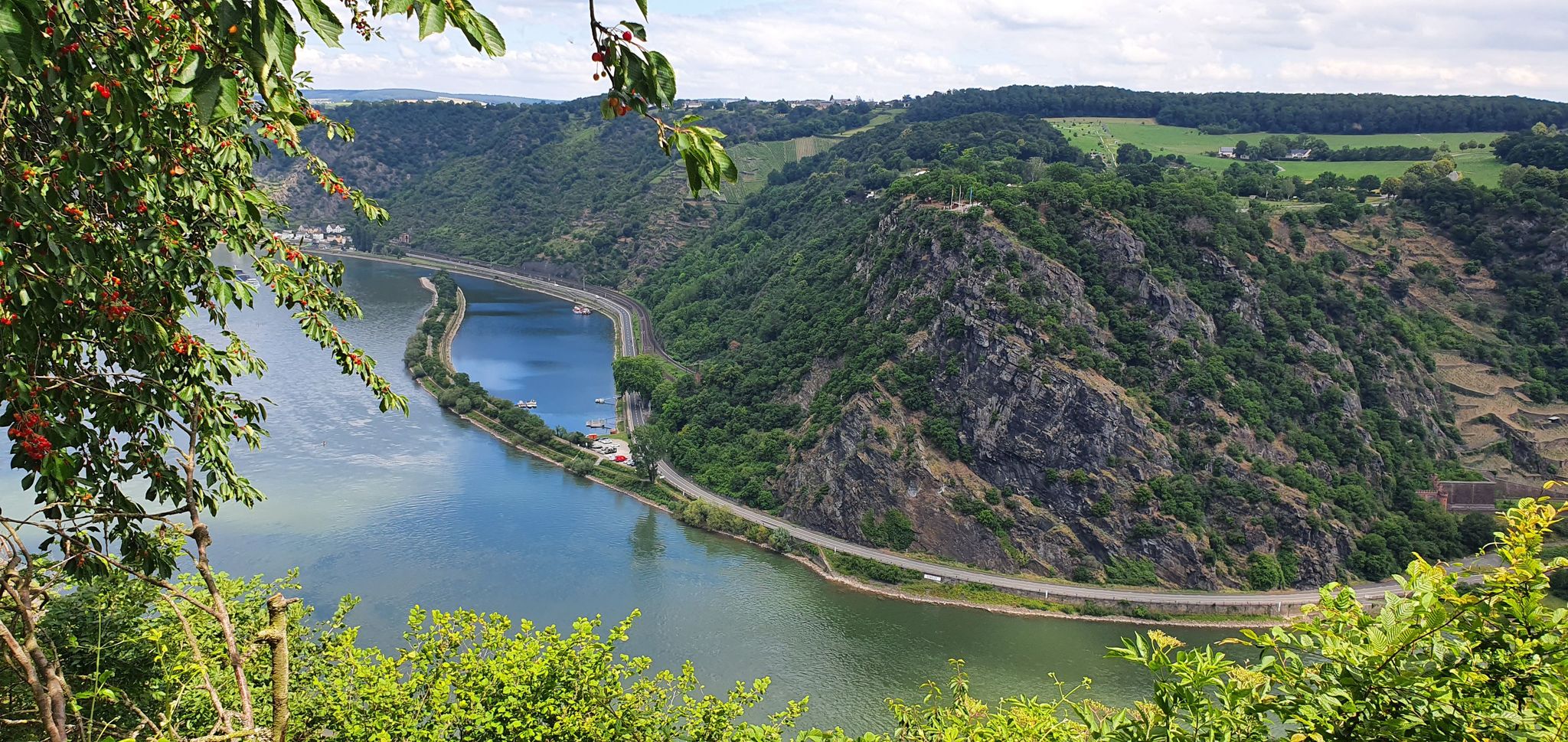
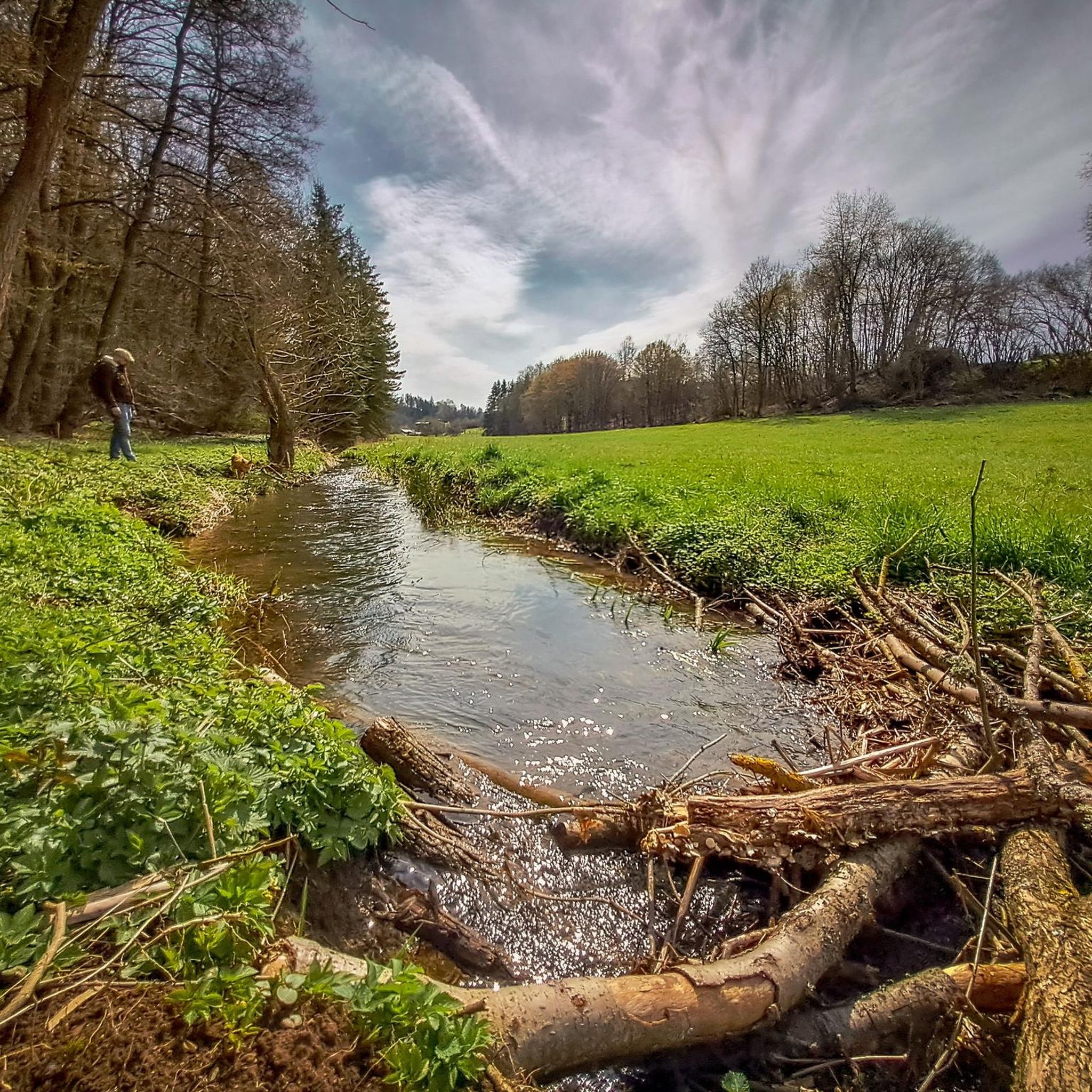
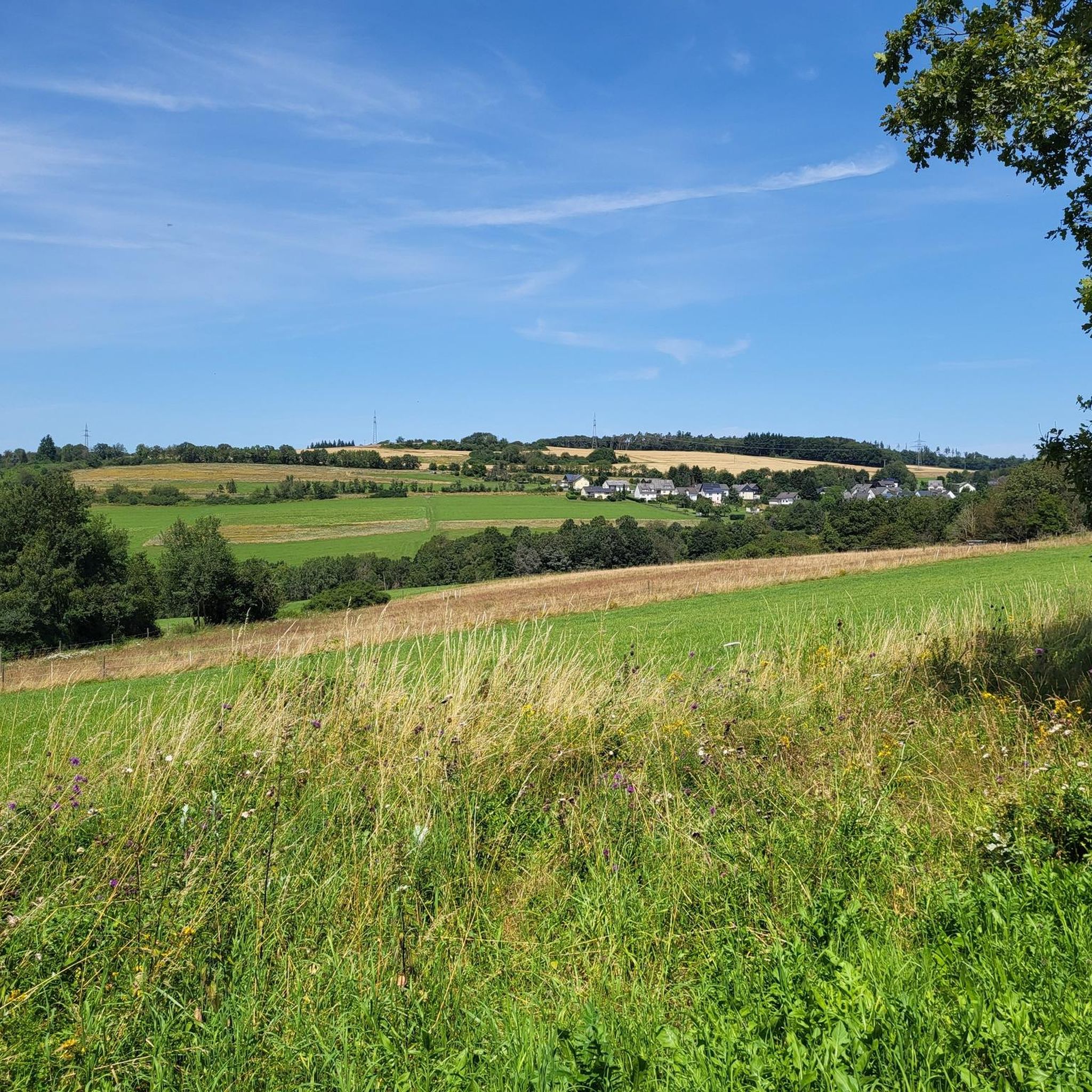
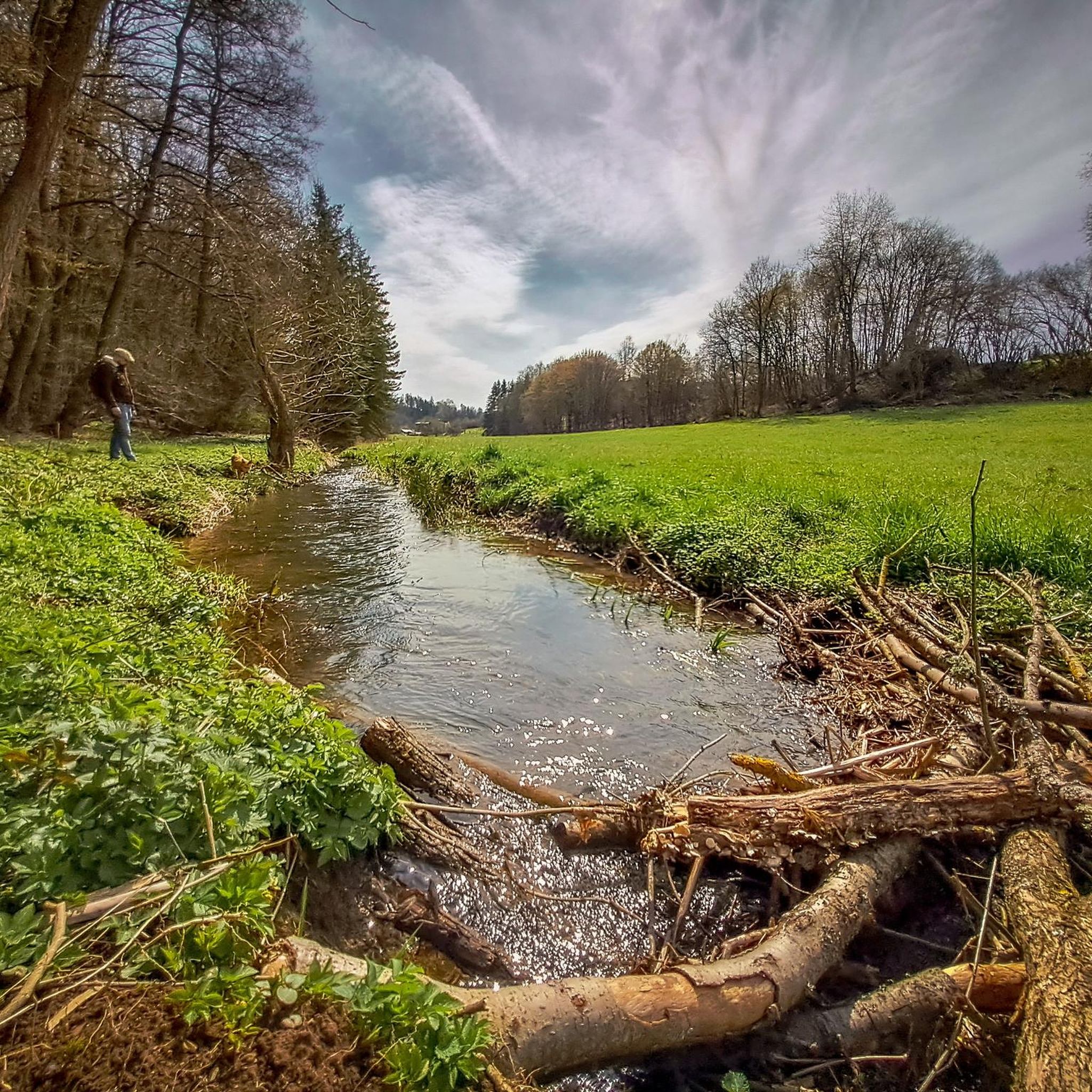

Other adventures around Leiningen

Tips from the Community

Hello, The adit is not suitable for beginners. You have to wade through at least half a kilometer of waist-deep water to 100m deep shafts. If you have questions, feel free to send a message on Instagram: @marlon.nix
0
0

An impressive natural monument. If you hike the trail in autumn or winter, the next 500 meters to the Rheinblick shelter are very difficult. The path leads steeply uphill to the right of the cave. The rocks are completely covered in leaves, so you have to clear them step by step with one foot to see where you're placing your next foot. The safety rope is of very limited help in this situation. So climb very slowly and carefully, and use your trekking poles judiciously. At the Rheinblick shelter, you can then take a breather.
1
0

Beautiful legend and great view of the stream bed
1
0

large rocky outcrop as a shelter and as a wintering place for bats
3
0

A slate mine with a nice rest area and information board.
2
0
There are quartz veins between the slate layers. You don't see them very often. The cave is damp from the dripping water, which makes it seem mystical.
0
0

This evidence of the former slate mining in the Baybachtal can be found in several places.
2
0

Even if it's tempting: Don't go in (even if the cave is open) and disturb the bats, because then they might not survive hibernation!
2
0
Frequently Asked Questions
What types of caves can I explore around Leiningen?
The Leiningen region, situated within the Palatinate Forest, features a variety of caves. You'll find natural rock shelters, historical mining tunnels, and even prehistoric dwelling caves. The area's red sandstone formations have created diverse geological features, including both natural and man-made subterranean spaces.
Are there any caves with historical significance in the Leiningen area?
Yes, several caves in the region hold historical importance. For instance, the Klöckners Kaul slate mine tunnel and rest area is a former mining site where slate was extracted. The Upper and Lower Laykaul Slate Caves also served as shelters during wartime. Additionally, the Hohfels Prehistoric Dwelling Cave is a site of ancient human habitation, and the Diebskeller Cave was historically used by highwaymen.
Which caves are known for their unique geological features?
The Palatinate Forest is known for its red sandstone formations. The Hohfels Prehistoric Dwelling Cave, for example, is a tertiary limestone reef with unique openings and passages. The Herxheim Karst Cave, though currently cordoned off, is an important geological site formed by washouts in exposed limestone millions of years ago. The Baybachtal Bat Cave (Slate Tunnel) is an old slate quarry featuring mighty slate slabs in its earth outcrops.
Are there any family-friendly caves or activities for children?
Yes, the Klöckners Kaul slate mine tunnel and rest area is considered family-friendly, offering a nice rest area at its entrance. Smaller caves like the Gerhardshöhle can also be a fun highlight for children, providing shelter and a cool spot in summer. The Dragon's Cave at Drachenfels, with its Nibelungen saga folklore, can spark imagination for all ages.
What is the best time of year to visit the caves around Leiningen?
The Palatinate Forest region is beautiful year-round. For exploring caves, spring and autumn often offer pleasant temperatures for hiking to the cave entrances. Some caves, like the Baybachtal Bat Cave, serve as wintering places for bats, so access might be restricted or limited during colder months to protect the wildlife. Always check local access information before your visit.
Are there any caves associated with local legends or folklore?
Absolutely. The Dragon's Cave at Drachenfels is steeped in folklore, with legends claiming it was once home to the lindworm (dragon) slain by Siegfried in the Nibelungen saga. Another fascinating site is the Well-Weibches-Loch Cave, which has its own local legend about an innkeeper's daughter and a haunting presence.
What kind of outdoor activities can I do near the caves?
The region around Leiningen offers various outdoor activities. You can find numerous cycling routes, including those for touring bicycles and gravel biking. There are also dedicated MTB trails. For more information on routes, you can explore the guides for Cycling around Leiningen, Gravel biking around Leiningen, and MTB Trails around Leiningen.
Are permits required to visit caves in the Leiningen area?
Most natural rock shelters and historical mining tunnels mentioned are generally accessible without special permits, though some may have restricted access due to safety or environmental protection (e.g., bat hibernation). For example, the Herxheim Karst Cave is currently cordoned off due to collapse risk. Always respect signage and any barriers in place.
What should I wear or bring when exploring caves in this region?
When visiting caves, especially those that are natural or less developed, it's advisable to wear sturdy shoes with good grip. Layers of clothing are recommended as cave temperatures can be cooler than outside. A headlamp or flashlight is essential for exploring darker sections. For some sites, like the Diebskeller Cave, access involves descending a steep, mossy staircase, so caution is advised.
What do visitors enjoy most about the caves around Leiningen?
Visitors appreciate the blend of natural beauty and historical intrigue. Many enjoy discovering the old slate quarries and mining tunnels, like the Upper and Lower Laykaul Slate Caves, finding them impressive to explore. The unique geological formations and the legends associated with places like the Well-Weibches-Loch Cave also add to the appeal, offering a glimpse into the region's past and natural wonders.
Is it possible to find hidden or less-known caves in the area?
The Palatinate Forest is rich in natural rock formations, and some caves, like the Diebskeller Cave, are not easily visible from main paths and require a bit more effort to find. While many are well-documented, the rugged terrain means there are always smaller, less-known rock shelters. Always prioritize safety and respect private property or protected areas when exploring.
Most popular routes around Leiningen
Most popular attractions around Leiningen

Get inspired with the komoot mobile app


Explore more
Extend your search for the best caves by checking out these guides of the top ones around Leiningen:
