Top 5 Castles around Stolzenau
Castles around Stolzenau, located in Lower Saxony, Germany, offer a glimpse into the region's historical significance along the Weser river. This area was strategically important, featuring former border fortresses and ducal residences. Visitors can explore remnants of medieval construction and learn about regional power struggles. The landscape combines historical sites with natural features, providing varied exploration opportunities.
Best castles around Stolzenau
- The most popular castles is Luccaburg Memorial, a historical site that marks an early medieval lowland castle. It…
Last updated: July 10, 2026
Luccaburg Memorial
Highlight • Historical Site
Translated by Google •
Tip by

Luccaburg Ruins near Loccum
Highlight • Castle
Translated by Google •
Tip by

Sign up now to discover places like this
Get recommendations on the best single tracks, peaks, & plenty of other exciting outdoor places.
Sign up for free
Eickhof Castle
Highlight • Castle
Translated by Google •
Tip by
Start today with a free account
Your next adventure awaits.
Login or Signup
Popular around Stolzenau
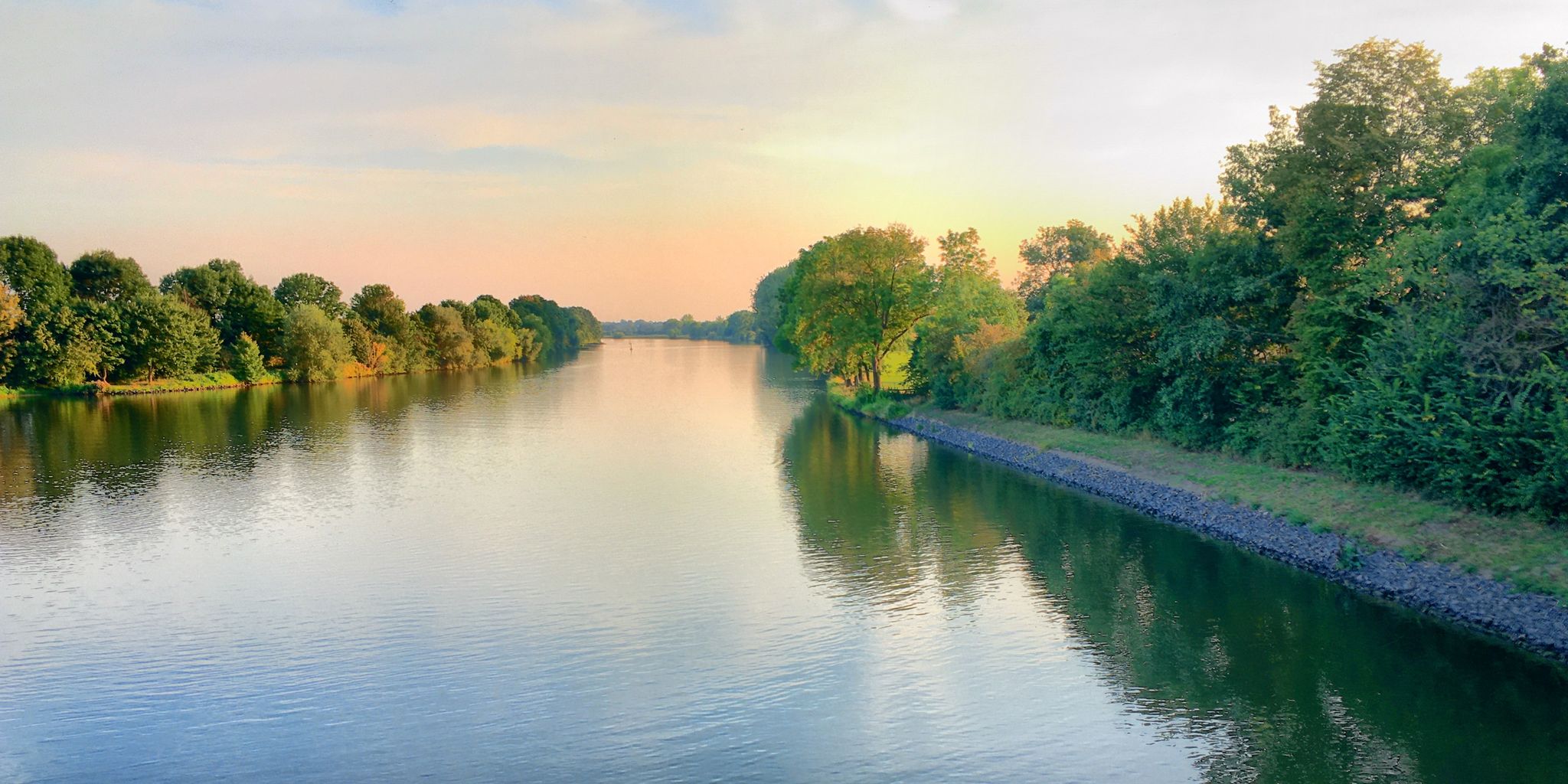
Germany's Weser Trail — Floodplains, dykes and old towns in 8 days
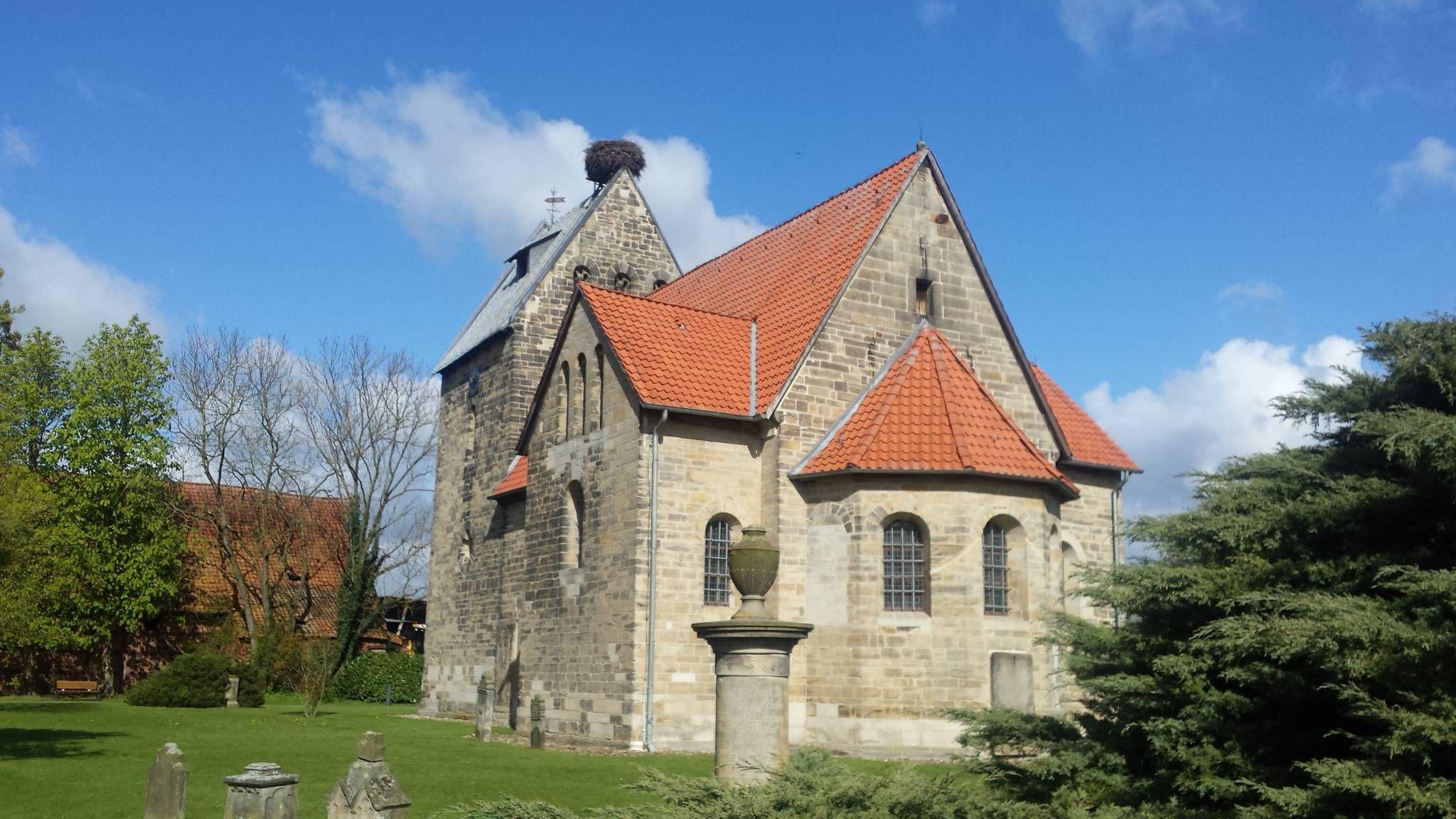
A 10-day pilgrimage in Lower Saxony – Sigwardsweg
Naturerlebnisse mit dem Rad
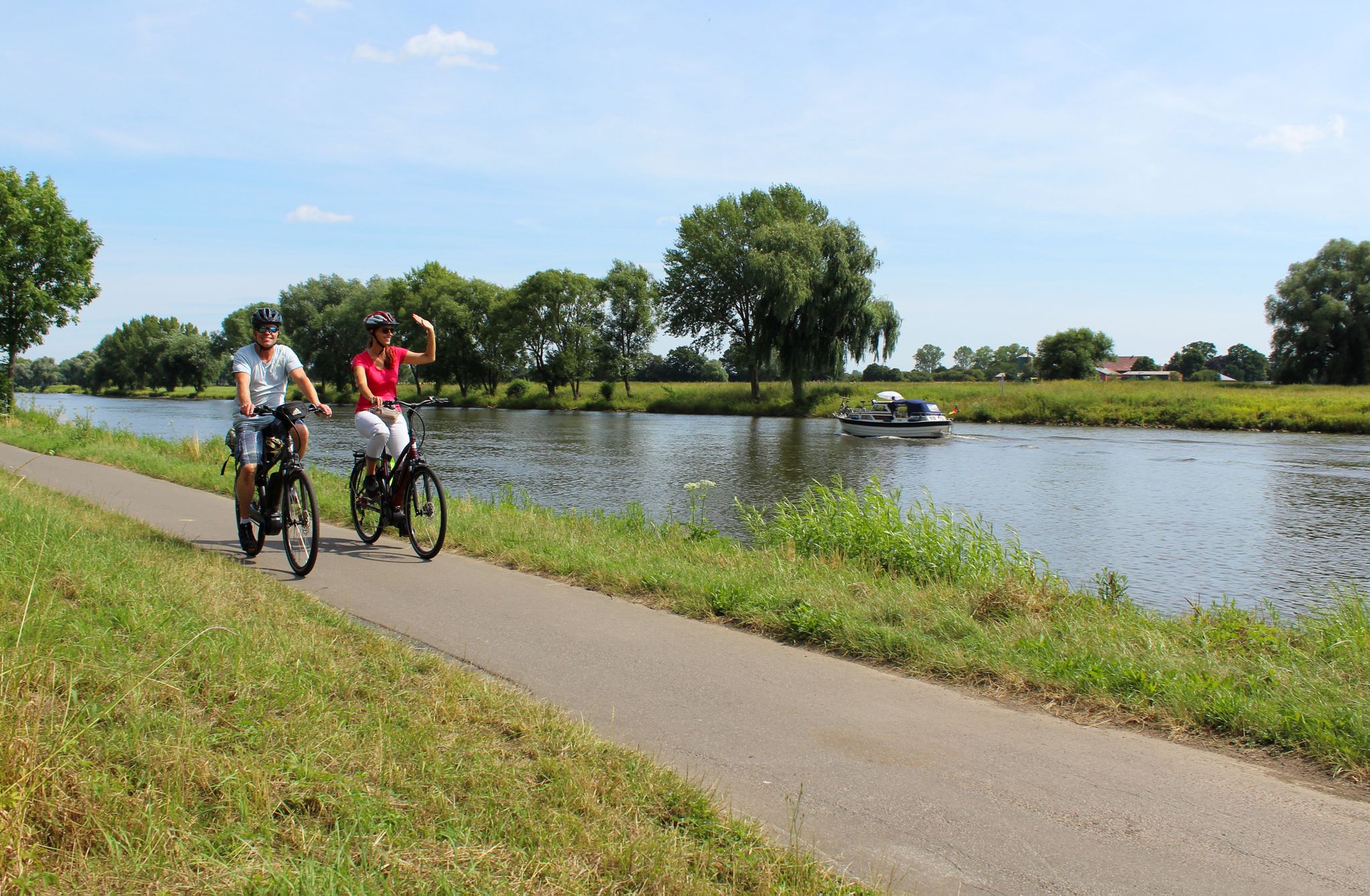
Radtouren in der Mittelweser-Region
Cycling around Stolzenau
Road Cycling Routes around Stolzenau
Hiking around Stolzenau
MTB Trails around Stolzenau
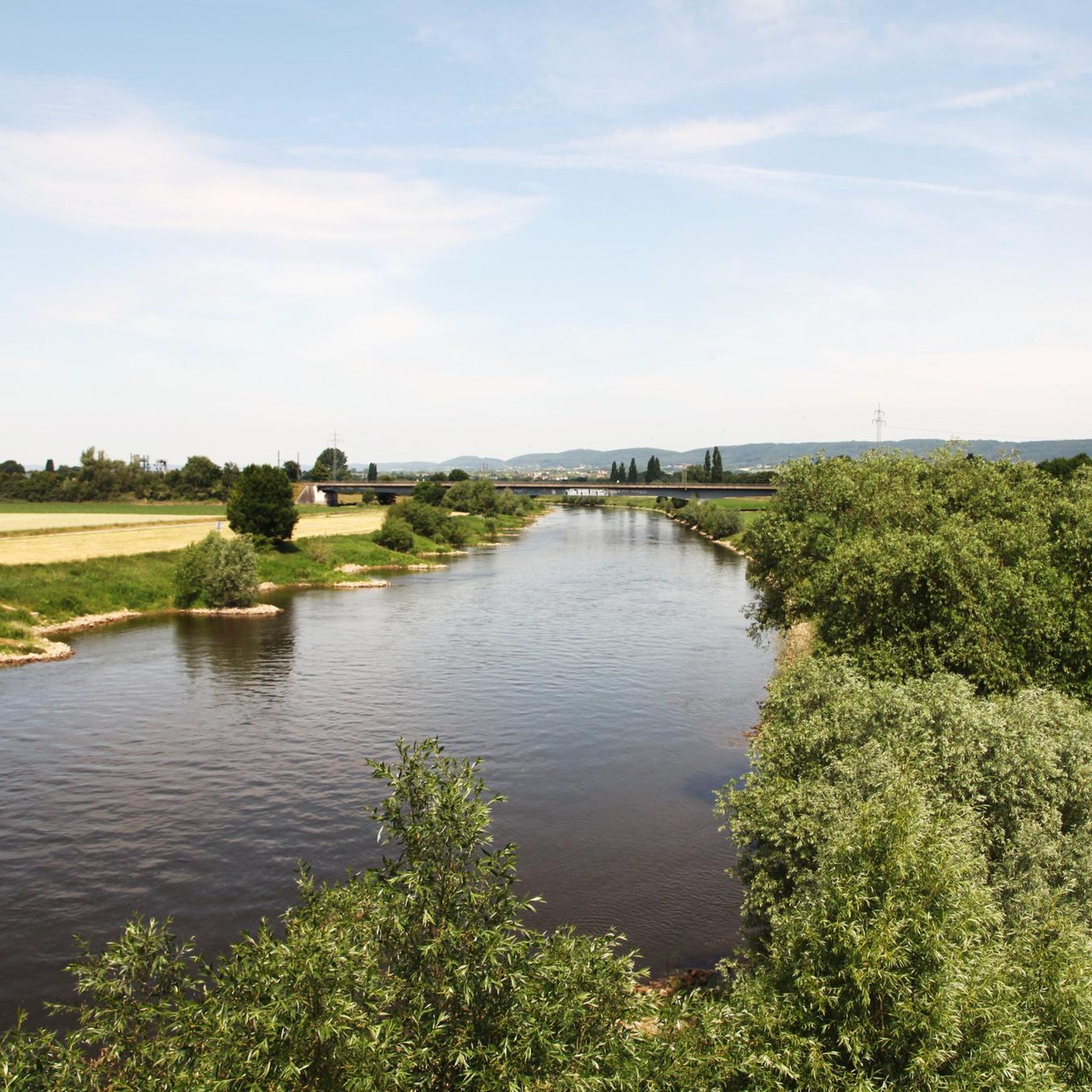
Running Trails around Stolzenau

Gravel biking around Stolzenau
Other adventures around Stolzenau


Tips from the Community

The Luccaburg was a high medieval motte-and-bailey castle of the Counts of Lucca from the 11th/12th century, it is recognizable as a powerful, round earth mound. Parts of the 2 m wide ring wall are preserved.
1
0

Luccaburg Castle was an early medieval lowland castle near Loccum. The tower hill castle of the Counts of Lucca, dating from the 11th/12th century, is recognizable as a massive, round earthen mound. Parts of the 2 m wide circular wall are preserved. A Count Burchard of Lucca is mentioned in documents around 1113 and 1130. His daughter, Beatrice of Lucca, married Count Wilbrand of Hallermund, who thus became his successor and heir. In 1163, he donated the surrounding land to Cistercian monks for the establishment of Loccum Abbey. Luccaburg Castle can only be reached on foot or by bike. Source: https://www.mittelweser-tourismus.de/poi/luccaburg/
2
0
The Luccaburg was an early medieval lowland castle near Loccum. The tower hill castle of the Counts of Lucca from the 11th/12th century can be recognized as a mighty, round mound of earth. Parts of the 2 m wide ring wall have been preserved. A Count Burchard of Lucca is mentioned in documents around 1113 and 1130. His daughter Beatrice of Lucca married Count Wilbrand of Hallermund, who thus became his successor and heir. In 1163 he donated the surrounding land to Cistercian monks to found the Loccum monastery. The Luccaburg can only be reached on foot or by bike. Source: https://www.mittelweser-tourismus.de/poi/luccaburg/
3
0

Very beautiful monument that you can explore at your leisure.
5
0

The Luccaburg gave the present-day town of Loccum its name. The castle complex was once located on a circular hill. The actual ruins of the castle now lie half a meter below ground level. The walls that can be seen today are a memorial to Prior Franzen. The castle itself had probably already been abandoned when the monks from Volkenroda settled in this area and founded their monastery here. The site was given to them in 1163 by the then lord of the castle, Wulbrand von Hallersmund.
2
0

In the forest south of Loccum lies the historic Luccaburg, a little "hidden", off the wide forest path, in the idyllic valley of the Fulde river. To be more precise, the remains of a medieval tower hill castle, which can still be seen today as a mighty, round mound. During the archaeological excavation in 1914, among other things, a double-shell, two-meter-wide ring wall made of sandstone with a radius of 39 meters was uncovered. According to finds and written sources, the castle dates back to the 9th/10th century. Century and belonged to the Counts of Lucca. At the latest after the founding of the neighboring monastery of Loccum in 1163, it was probably no longer used. Today, the Luccaburg is a wonderful place of silence, as only a few cyclists and hikers get here via the narrow, sometimes slightly muddy trail. So you can sit relaxed on the bench and watch the cattle grazing in the pasture next door.
6
0

The paths in the monastery forest around the Luccaburg invite you to run,
0
0
One can argue about whether Eickhof Castle is really a castle or rather a property. It is definitely an impressive building with an interesting history. And it is one of the few “castle-like” buildings in the district that have stood the test of time. Its origins go back to the Middle Ages: the first known owners of the lands were the Bishops of Minden and the Counts of Hoya. The von Hasberg family, a knight dynasty from Hasbergen near Delmenhorst, belonged to the feudal people of the counts (the "Hasbergsche Hof" in Nienburg also belonged to them). Probably in the 14th century the manor came to the von Hasberg family and remained in their possession until the family died out in 1828. The next owner was a lieutenant colonel von derdecke; his son sold the estate to Marbod von Kalm from Braunschweig (1858), who gradually converted the estate, which had been an agricultural estate up until then, into a modern forestry operation at the time. The old manor house was demolished; From 1870 today's "castle" was built in a contemporary style. After the death of Marbod von Kalms and a subsequent change of ownership in 1895, "Montan GmbH", a kind of economic "straw man" of the Wehrmacht, bought the castle and land and built the powder factory in the area. After the war, the British armed forces used the stately building as an officers' mess. In private ownership again since 1986, the castle has been a Zen monastery since 2006. Source and further information: https://www.liebenau.com/downloads/atei/OTAwMDAwMDk2Oy07L3Vzci9sb2NhbC9odHRwZC92aHRkb2NzL2Ntcy9saWViZW5hdS9tZWRpZW4vZG9rdW3lbnRlL2Zlhdc3RZ
1
0
Frequently Asked Questions
What types of historical castles can I explore in the Stolzenau region?
The Stolzenau region offers a variety of historical castle types, including remnants of medieval tower hill castles, former border fortresses, and Renaissance castles. You can explore sites like the early medieval Luccaburg Memorial and Luccaburg Ruins near Loccum, which are tower hill castles. While Burg Stolzenau itself is largely in ruins, its grounds offer insight into a former border fortress and ducal residence. Erichsburg Castle is noted as an impressive Renaissance castle.
What is the history of Burg Stolzenau?
Burg Stolzenau was originally built in 1346 by the Counts of Hoya as a crucial border fortress along the Weser river. It later became a residential palace in the 16th century. Unfortunately, it suffered significant destruction in 1627 during the Thirty Years' War. Today, only remnants of its water fortress, moat system, and outer bailey foundations are visible, along with informational panels explaining its historical development.
Are there any family-friendly castle sites around Stolzenau?
Yes, both the Luccaburg Memorial and Luccaburg Ruins near Loccum are considered family-friendly. These sites allow visitors to explore the remains of medieval tower hill castles in a natural setting, offering an engaging historical experience for all ages.
What is unique about Eickhof Castle?
Eickhof Castle has a rich and varied history. While its origins date back to the Middle Ages, the impressive building you see today was rebuilt in a contemporary style around 1870. After serving various purposes, including an officers' mess for the British armed forces post-WWII, it has been home to a Zen monastery since 2006, offering a unique blend of historical architecture and spiritual practice.
What natural features can I expect to see near the castles?
Many of the castle sites are nestled within natural landscapes. For instance, the Luccaburg Memorial is located within the Loccum Forest, offering a forest environment. The Luccaburg Ruins near Loccum are situated in the idyllic valley of the Fulde river, where you might even spot cattle grazing in nearby pastures. The region generally combines historical sites with natural features, providing varied exploration opportunities.
What outdoor activities can I do near the castles around Stolzenau?
The area around Stolzenau offers various outdoor activities. You can find numerous routes for cycling, running, and mountain biking. For example, there are cycling routes like the 'Weser River – Schlüsselburg Lock loop from Stolzenau' and running trails such as the 'Schlüsselburg Lock loop from Stolzenau'. You can explore more options in the Cycling around Stolzenau, Running Trails around Stolzenau, and MTB Trails around Stolzenau guides.
Are there hiking trails near the castle sites?
Yes, there are hiking opportunities, especially around the Luccaburg sites. The Luccaburg Memorial, for instance, can only be reached on foot or by bike, indicating its integration into walking paths within the Loccum Forest. The Luccaburg Ruins near Loccum are also accessed via narrow trails, making them ideal for hikers seeking a quiet, historical experience.
What do visitors enjoy most about the castles around Stolzenau?
Visitors appreciate the opportunity to delve into times long past and discover the historical significance of the region. They enjoy exploring the remnants of medieval construction, learning about regional power struggles through informational panels, and experiencing the blend of historical sites with natural features. The quiet, contemplative atmosphere at places like the Luccaburg Ruins near Loccum is also highly valued.
Can I reach the castle sites by public transport?
While specific public transport details for each site are not extensively provided, many of the castle remnants, particularly those in more natural settings like the Luccaburg sites, are best accessed on foot or by bike after reaching a nearby town. It's advisable to check local public transport options to Stolzenau or Loccum and then plan your onward journey.
Is there parking available at the castle sites?
Parking availability varies by site. For locations like Burg Stolzenau, there may be designated parking areas nearby for visitors exploring the grounds. However, some sites, such as the Luccaburg Memorial, are only accessible on foot or by bike, suggesting that parking would be at a distance from the immediate site. It's recommended to check local signage or information for specific parking details.
What is the significance of Burg Schlüsselburg in relation to Stolzenau?
Burg Schlüsselburg, built in 1336 by the Bishops of Minden, was strategically located just four kilometers south of Burg Stolzenau. This proximity indicates a historical rivalry and its importance as a counter-fortress to Burg Stolzenau. While the castle itself may not be fully intact, the area around it, including the 'Schlüsselburg barn quarter' and 'Schlüsselburg Lock', still holds historical interest and is featured in nearby cycling and running routes.
Most popular routes around Stolzenau
Most popular attractions around Stolzenau

Get inspired with the komoot mobile app


Explore more
Looking for the best castles somewhere else? Discover other guides around Stolzenau:
