Top 5 Caves around Emmerthal
Best caves near Emmerthal are found in a region known for its diverse geological formations and natural landscapes. Emmerthal is situated in an area of Germany with several interesting underground formations nearby, offering a range of experiences from historical sites to natural wildlife habitats. The surrounding area features various rock formations and natural monuments that contribute to its unique character. The broader Hameln-Pyrmont region also features significant cave systems.
Best caves around Emmerthal
- The most popular caves is Dunsthöhle Bad…
Last updated: September 30, 2026
Dunsthöhle Bad Pyrmont
Highlight • Cave
Translated by Google •
Tip by

Dunsthöhle (Vapor Cave) Bad Pyrmont
Highlight • Cave
Translated by Google •
Tip by

Sign up now to discover places like this
Get recommendations on the best single tracks, peaks, & plenty of other exciting outdoor places.
Gauss Grotto (1904)
Highlight • Cave
Translated by Google •
Tip by

Castle Tunnel
Highlight • Castle
Showing Translation
Tip by

Franzosenhöhle
Highlight • Cave
Translated by Google •
Tip by

Start today with a free account
Your next adventure awaits.
Popular around Emmerthal
Loccum-Volkenroda pilgrim's way – From monastery to monastery
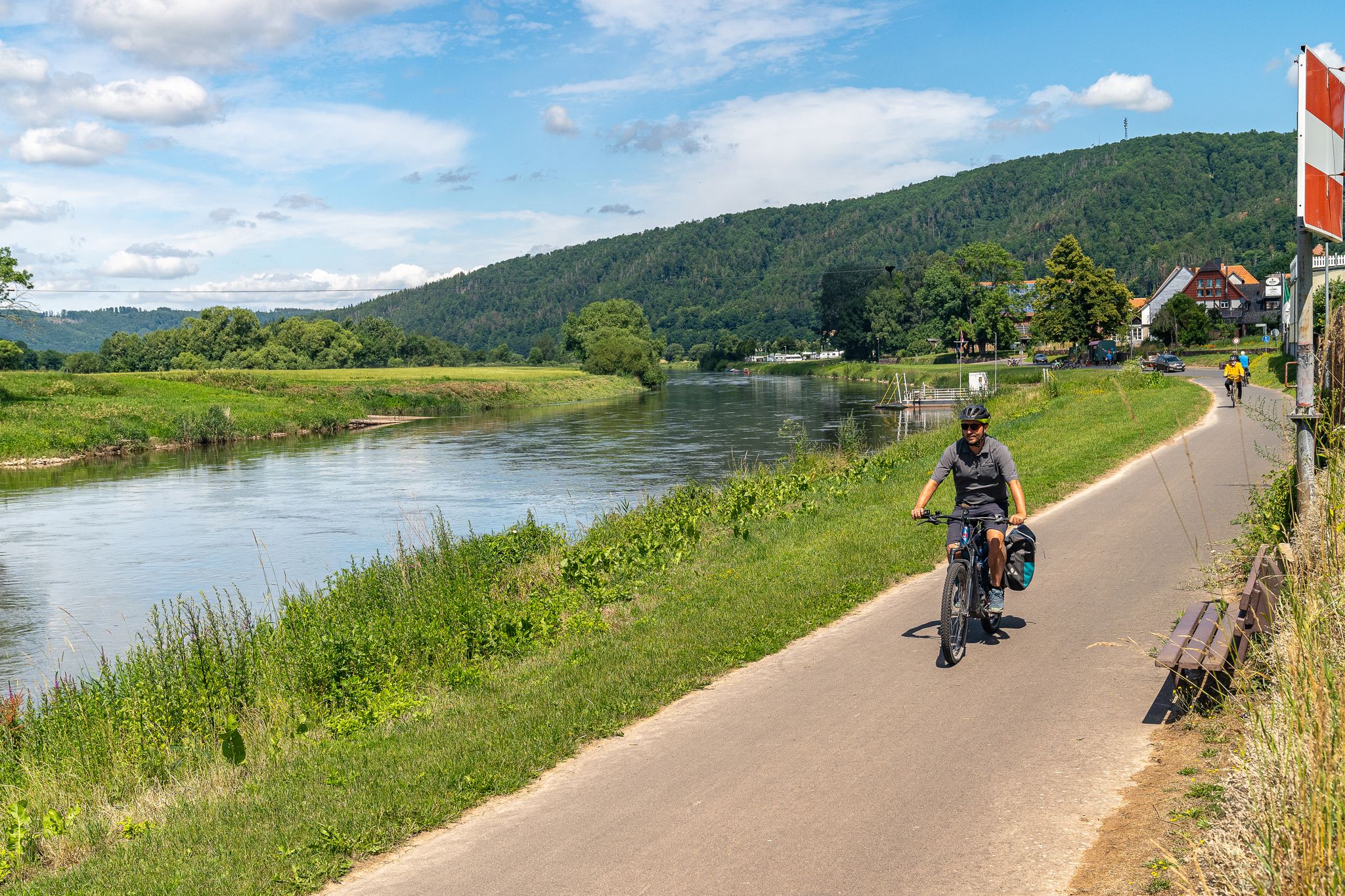
Freedom and pure cycling pleasure – Bike & Camp in the Weser Uplands
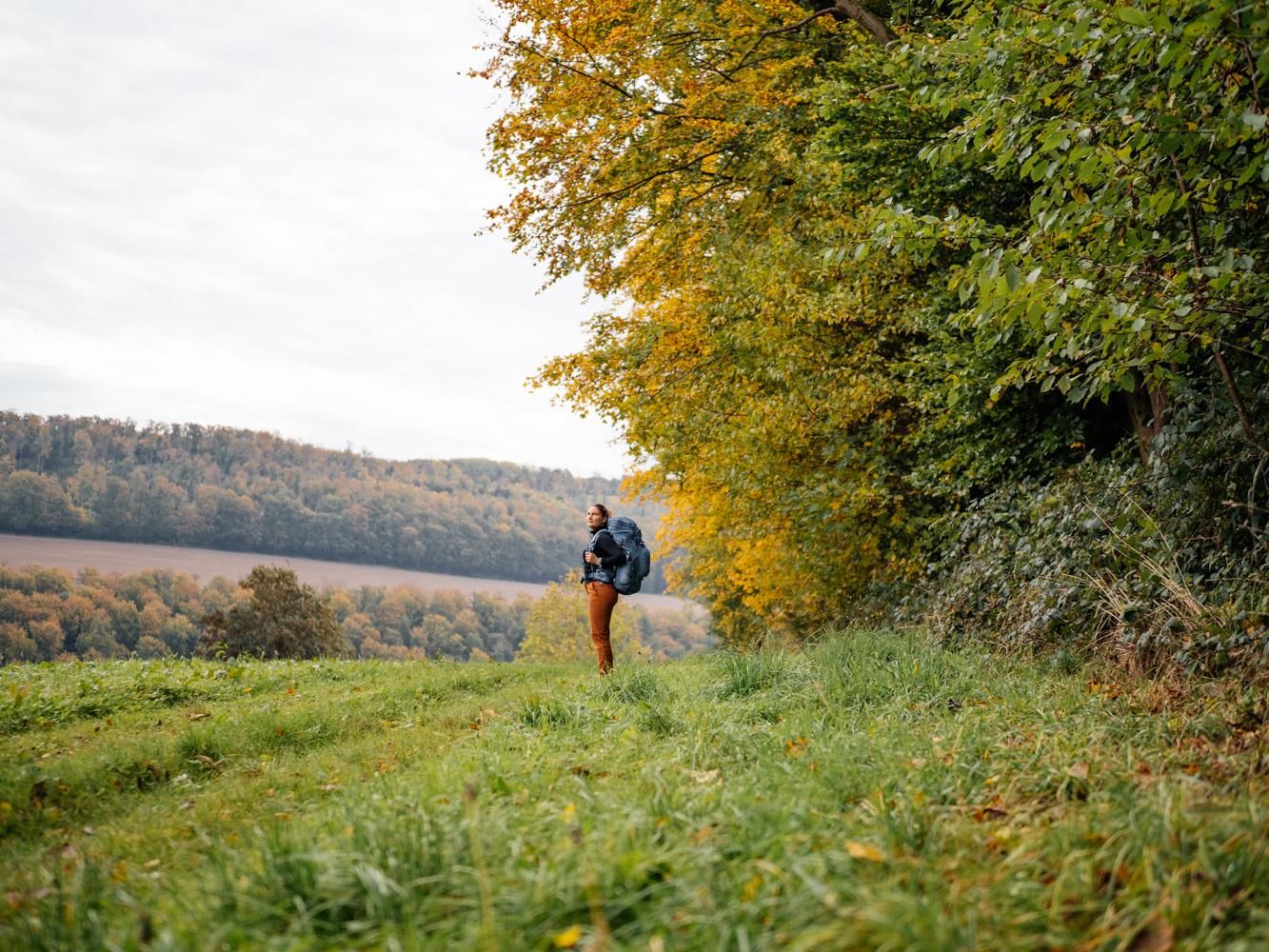
Weser Uplands Trail in autumn – out and about with Fräulein Draußen
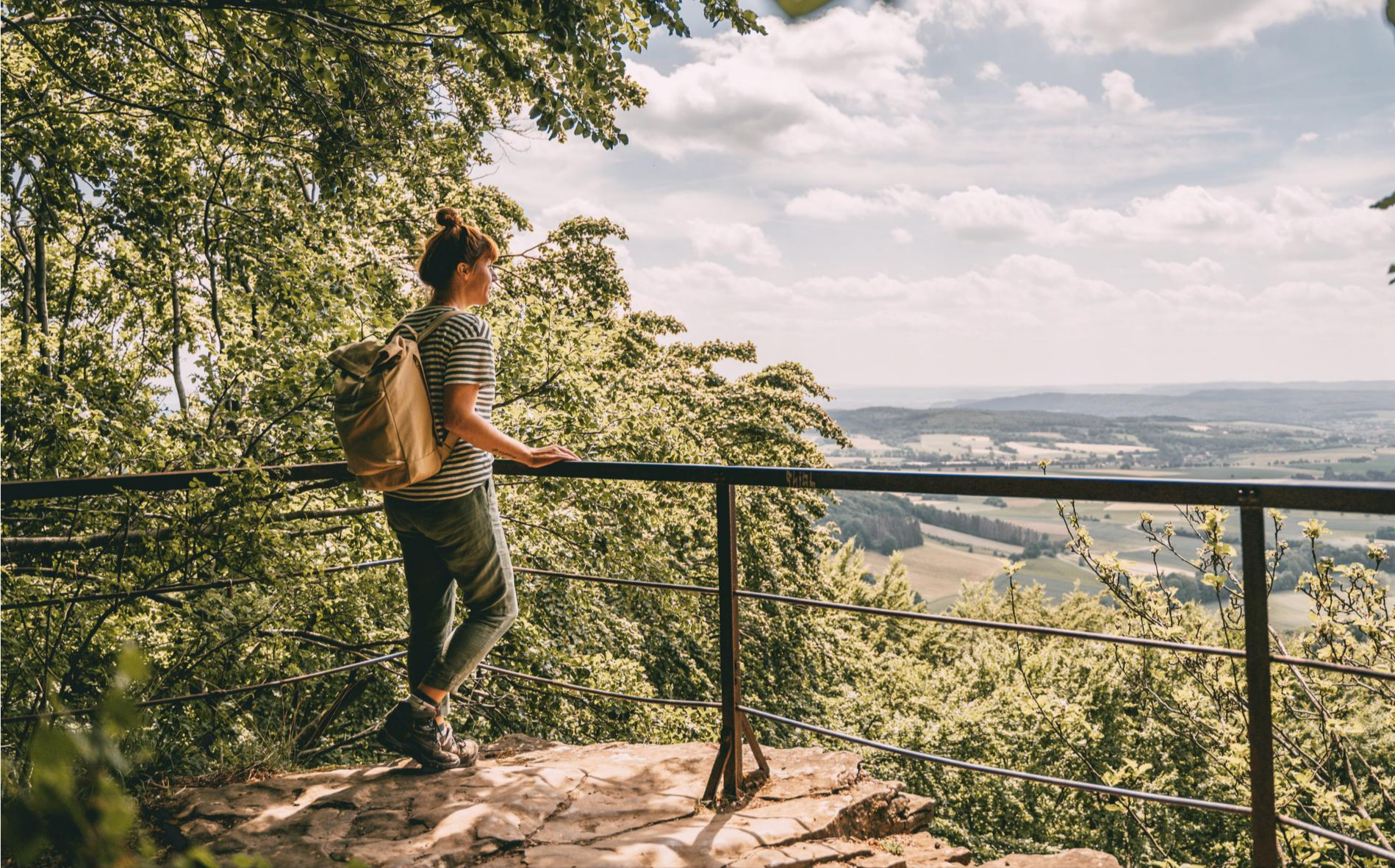
Fabulously scenic – hiking Germany’s Weserbergland Trail
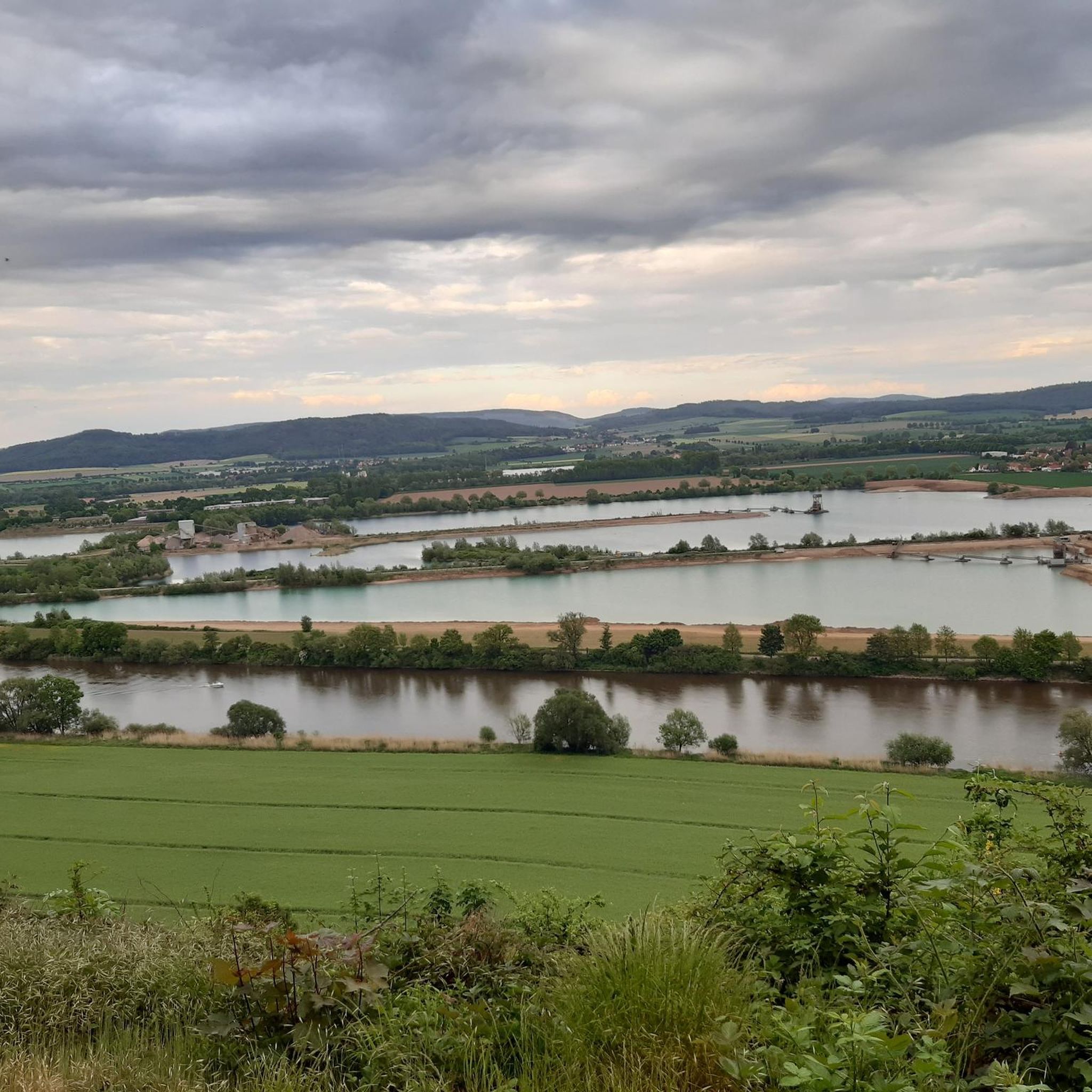
Cycling around Emmerthal
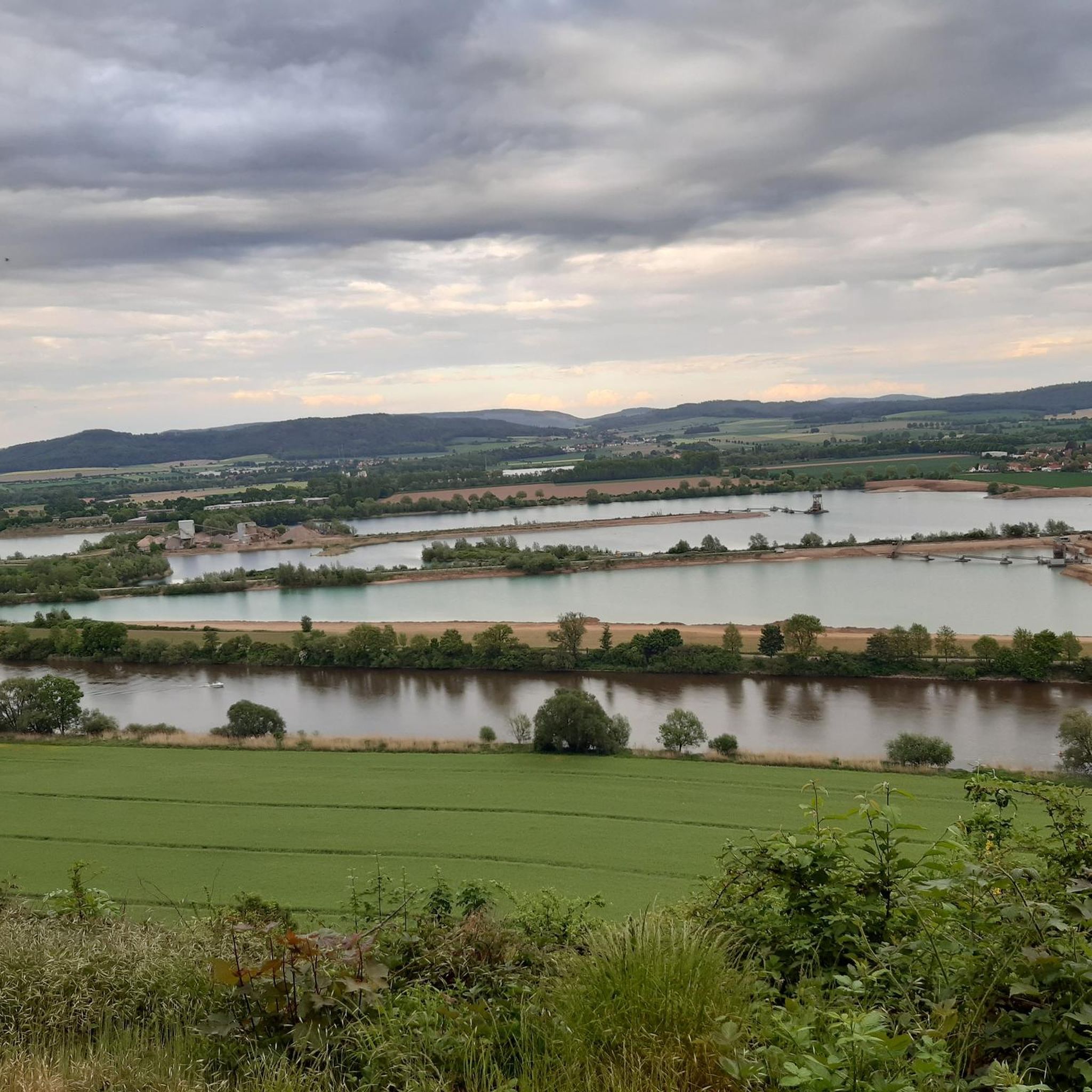
Hiking around Emmerthal
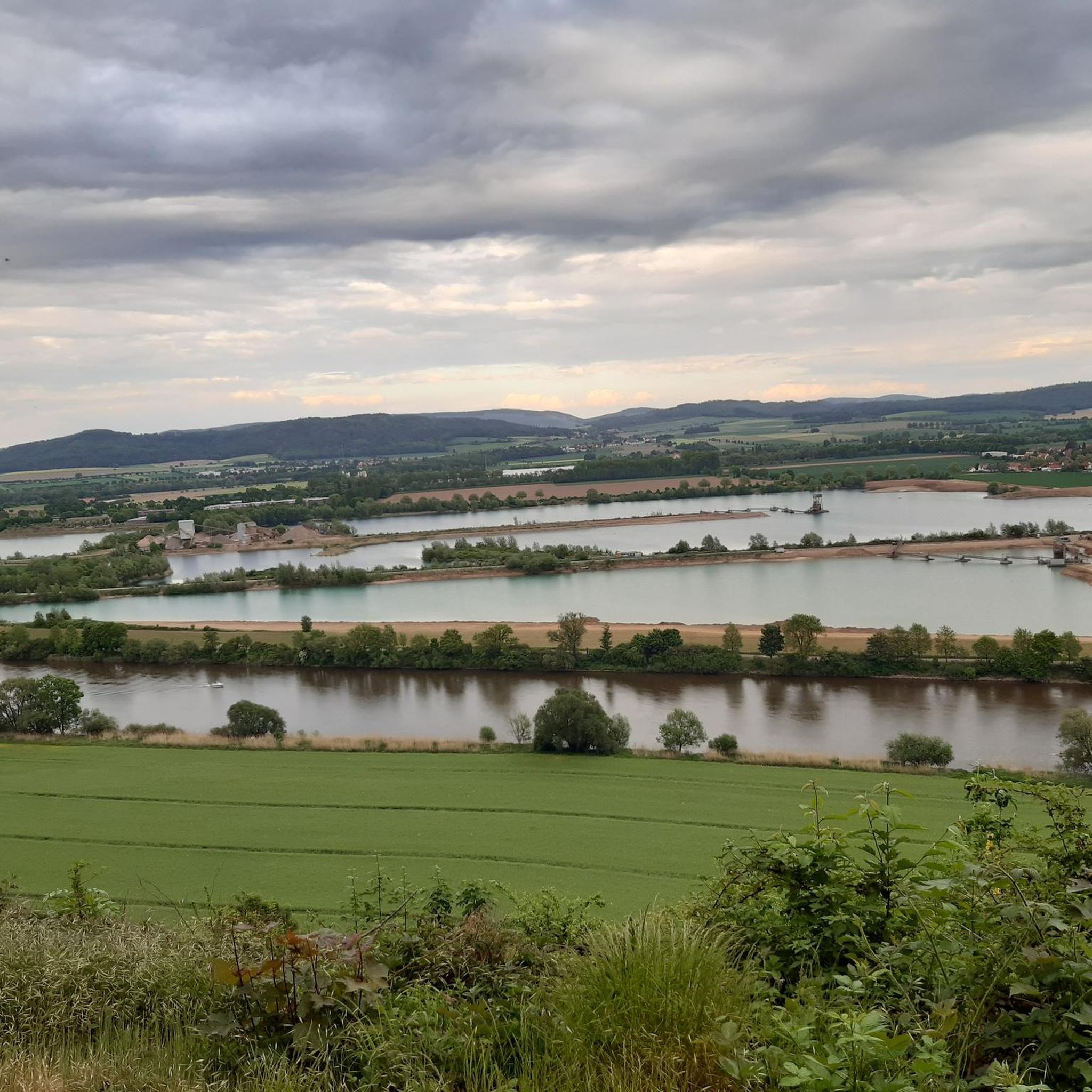
Road Cycling Routes around Emmerthal
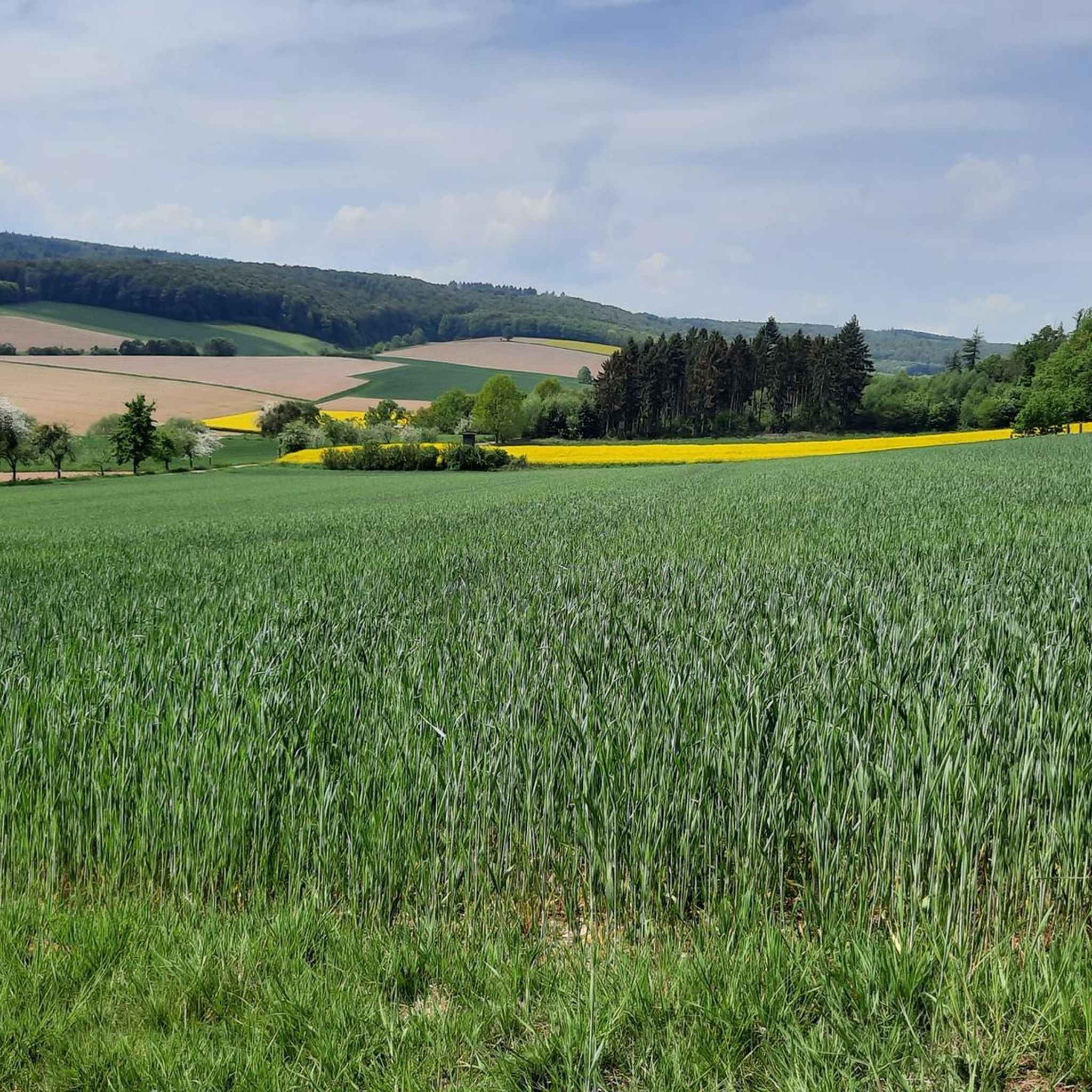
MTB Trails around Emmerthal
Running Trails around Emmerthal

Gravel biking around Emmerthal
Other adventures around Emmerthal


Tips from the Community

From the outside, it's hard to believe that there are several castle tunnels here and that they are also free to visit. Have fun discovering.
1
0

Beautiful facility to linger
0
0

The Haze Cave is unique in Germany. It is located on the site of a former quarry where red sandstone was extracted in the 17th century. Quarry workers noticed a "haze" at a certain depth that caused people to faint. Dead birds were repeatedly found in the pit. Well doctor Dr. Johann Philipp Seip came to Pyrmont in 1712 and investigated the phenomenon. He suspected it was sulfur vapor. Carbon dioxide (CO2) was only discovered a few years later as atmospheric acid. The metal half-shells symbolize the numerous springs in Bad Pyrmont.
1
0

A little hidden to the west of the path and not directly signposted. Flashlight is helpful.
0
0

You should visit. A nice experience.
2
0

The narrow, barred entrance to the Frenchmen's Cave is a little off the path.
4
0

The haze cave is on the site of a former quarry where red sandstone was quarried in the 17th century. Quarry workers noticed a "haze" at a certain depth that caused people to faint. Again and again dead birds and animals were found in the pit. When the well-known well doctor Dr. Johann Philipp Seip came to Pyrmont in 1712 and got to the bottom of the apparitions. He assumed it was sulfur vapor. Carbon dioxide (CO2) was only discovered as atmospheric acid a few years later. In self-experiments, through "repeated sweating and drawing in the sulphurous fumes", Seip found out that this does not contain any toxic substances. With the permission of Prince Friedrich Anton Ulrich zu Waldeck von Pyrmont, he had a stone vault built over the steaming pit in 1720. Above it is a small building, about "6 shoes square and 10 shoes high", to prepare a dry bath for spa guests. However, the dry weld pool could not be used continuously because of the non-constant level of carbon dioxide. Seip, on the other hand, found that people of all walks of life "vaunt good recovery and help against swelling of the feet, gout pains and stiffness of the limbs". Source: https://www.staatsbad-pyrmont.de/bad-pyrmont-erleben/naturphaenomen-dunsthoehle
0
0

The haze cave is on the site of a former quarry where red sandstone was quarried in the 17th century. Quarry workers noticed a "haze" at a certain depth that made people faint. Dead birds and animals are also found in the pit from time to time. When the well-known well doctor Dr. Johann Phillip Seip came to Pyrmont in 1712 and got to the bottom of the apparitions. He assumed it was sulfur vapor. Carbon dioxide CO2 was only discovered as atmospheric acid a few years later.
0
0
Frequently Asked Questions
What types of caves and underground formations can I explore near Emmerthal?
The region around Emmerthal offers a diverse range of underground experiences. You can find show caves like Schillat Cave with impressive stalactites and educational exhibits, historical sites such as Dunsthöhle Bad Pyrmont which is significant for its early understanding of carbon dioxide, and natural rock formations like Witches' Kitchen (Thüster Berg). There are also smaller, more adventurous caves and bat habitats.
Are there any show caves in the Emmerthal area?
Yes, the Schillat Cave, located north of Emmerthal, is Germany's northernmost stalactite cave and functions as a show cave. It features detailed reproductions of early rock paintings, a 'Fairytale Forest' section with sparkling crystals, and educational content on Earth's formation and the Ice Age.
Which caves near Emmerthal have historical significance?
The Dunsthöhle Bad Pyrmont is historically significant as it originated in a 17th-century quarry and played a role in the early understanding of carbon dioxide. Another site with historical context is the Gauss Grotto (1904), named after a son of the mathematician Carl Friedrich Gauss, located on a forest path he laid out.
Are the caves around Emmerthal suitable for families with children?
Many sites are family-friendly. Schillat Cave offers engaging educational content and a 'Fairytale Forest' section. Dunsthöhle Bad Pyrmont and Gauss Grotto (1904) are also listed as family-friendly. The combination of natural wonders and historical elements can make for an interesting outing for all ages.
What are the accessibility options for caves like Dunsthöhle Bad Pyrmont?
The Dunsthöhle Bad Pyrmont is typically visited with a guided tour, which helps manage access and provides detailed explanations. For specific accessibility needs, it is advisable to contact the site directly for the most current information on tours and facilities.
What should I know before visiting Schillat Cave?
Schillat Cave is Germany's northernmost stalactite cave and offers a unique experience with rock painting reproductions and sparkling crystal formations. It's an educational site, explaining Earth's formation and the Ice Age. Check their official website for current opening hours, tour schedules, and any specific visitor guidelines before your trip.
Are there opportunities for more adventurous caving near Emmerthal?
For those seeking a more rugged experience, the Rothestein Cave in the Ith region offers a deeper exploration. It is about 30 meters deep and requires good flashlights. This cave is accessible only from April to September as it serves as a winter habitat for bats, highlighting its ecological importance.
What is the best time of year to visit the caves around Emmerthal?
The best time to visit depends on the specific cave. Some caves, like Rothestein Cave, are only accessible from April to September due to bat protection. Show caves like Schillat Cave and historical sites like Dunsthöhle Bad Pyrmont may have year-round or seasonal operating hours, so it's best to check their individual schedules.
What outdoor activities can I combine with a visit to the caves?
The Emmerthal region offers various outdoor activities. You can find numerous road cycling routes, mountain biking trails, and running trails. For example, explore the 'Weser Bridge, Fuhlen – Weser Promenade Hameln loop' for road cycling, or the 'Klütturm Observation Tower – View over Hamelin from the Klüt loop' for mountain biking. Find more options on the Road Cycling Routes around Emmerthal, MTB Trails around Emmerthal, and Running Trails around Emmerthal guide pages.
Are there any unique natural rock formations besides caves to see?
Yes, the region features interesting rock formations such as the Witches' Kitchen (Thüster Berg), a bizarre rocky outcrop with potential historical cultic meaning. The Cliffs and Bat Caves in the Kleiner Deister also offer significant natural formations, primarily serving as habitats for bats and other wildlife.
What do visitors generally appreciate most about the caves and formations in this region?
Visitors appreciate the blend of natural geological wonders and historical context. The unique origin of Dunsthöhle Bad Pyrmont, the educational and visually stunning aspects of Schillat Cave, and the intriguing formations like Witches' Kitchen (Thüster Berg) are frequently highlighted. The komoot community has shared over 700 photos and 750 upvotes, reflecting a strong positive reception.
What equipment should I bring for exploring caves in the region?
For show caves, standard comfortable clothing and shoes are usually sufficient, as temperatures inside can be cooler. For more adventurous caves like Rothestein Cave, you will need good flashlights (headlamps are recommended) and appropriate gear for potentially rugged terrain. Always check specific requirements for the cave you plan to visit.
Most popular routes around Emmerthal
Most popular attractions around Emmerthal

Get inspired with the komoot mobile app


Explore more
Extend your search for the best caves by checking out these guides of the top ones around Emmerthal:
