Top 6 Caves around Püttlingen
Best caves around Püttlingen offers a unique exploration of both natural formations and historical underground structures, reflecting the region's rich mining heritage. While natural caverns are less common directly in Püttlingen, the area features significant man-made 'caves' like former mining adits and beer cellars. The broader Saarland region, where Püttlingen is located, also provides diverse underground experiences, from ancient temples to unique geological phenomena. Visitors can explore sites that showcase both industrial history and natural rock formations.
Best caves around…
Last updated: June 27, 2026
Burning Mountain
Highlight • Natural Monument
The surrounding area is very beautiful, however, and it is also worth walking through the small gorge.
Translated by Google •
Tip by

Former Beer Cellar at Grube Von der Heydt
Highlight • Historical Site
Translated by Google •
Tip by

Sign up now to discover places like this
Get recommendations on the best single tracks, peaks, & plenty of other exciting outdoor places.
Sign up for free
Marian Grotto, Schwarzenholz
Highlight • Religious Site
Translated by Google •
Tip by
Marian Grotto
Highlight • Religious Site
Translated by Google •
Tip by

Forest trail with cave and rock formation
Highlight (Segment) • Trail
Translated by Google •
Tip by

Sign up for free to discover even more caves around Püttlingen.
Sign up for free
Already have an account?
Start today with a free account
Your next adventure awaits.
Login or Signup
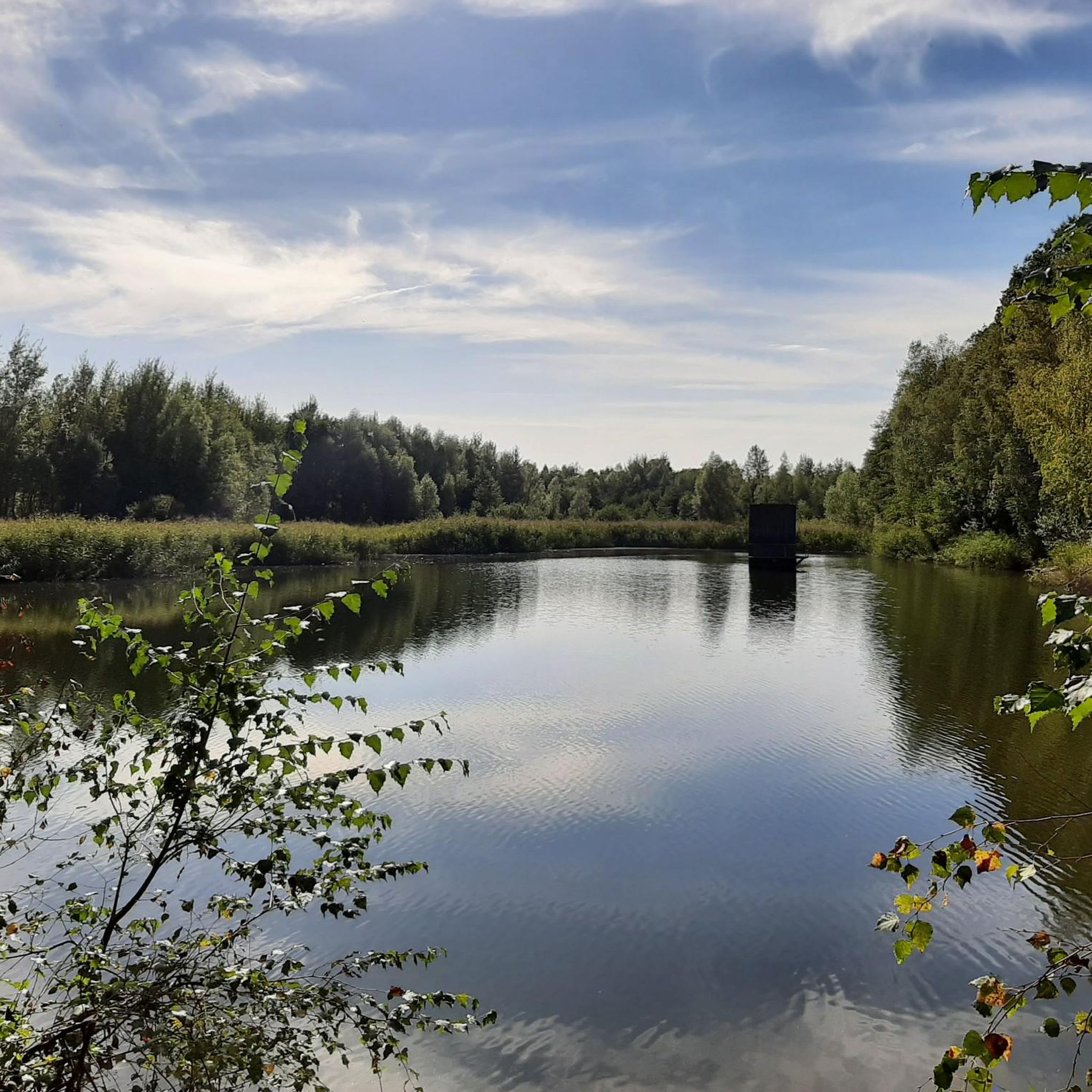
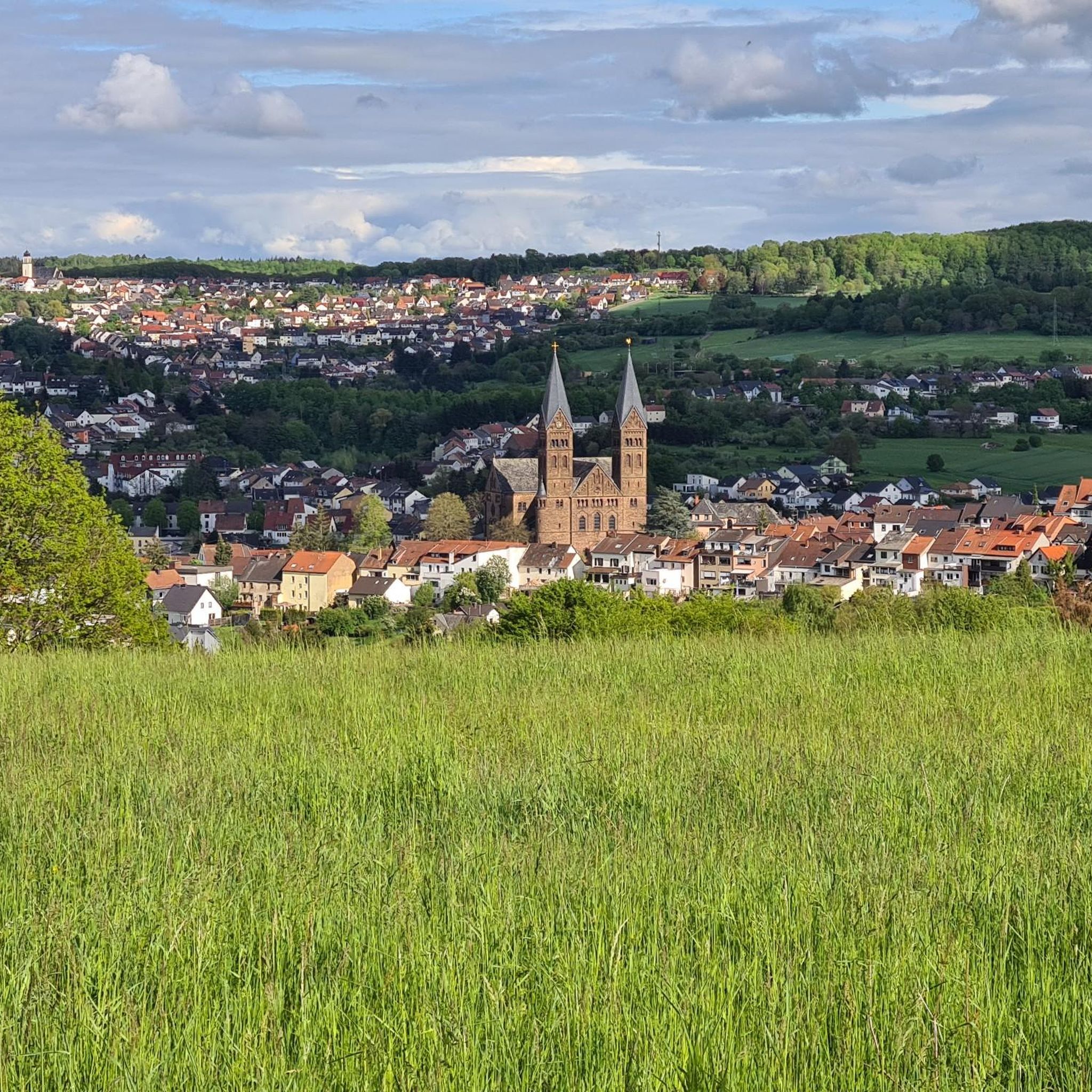
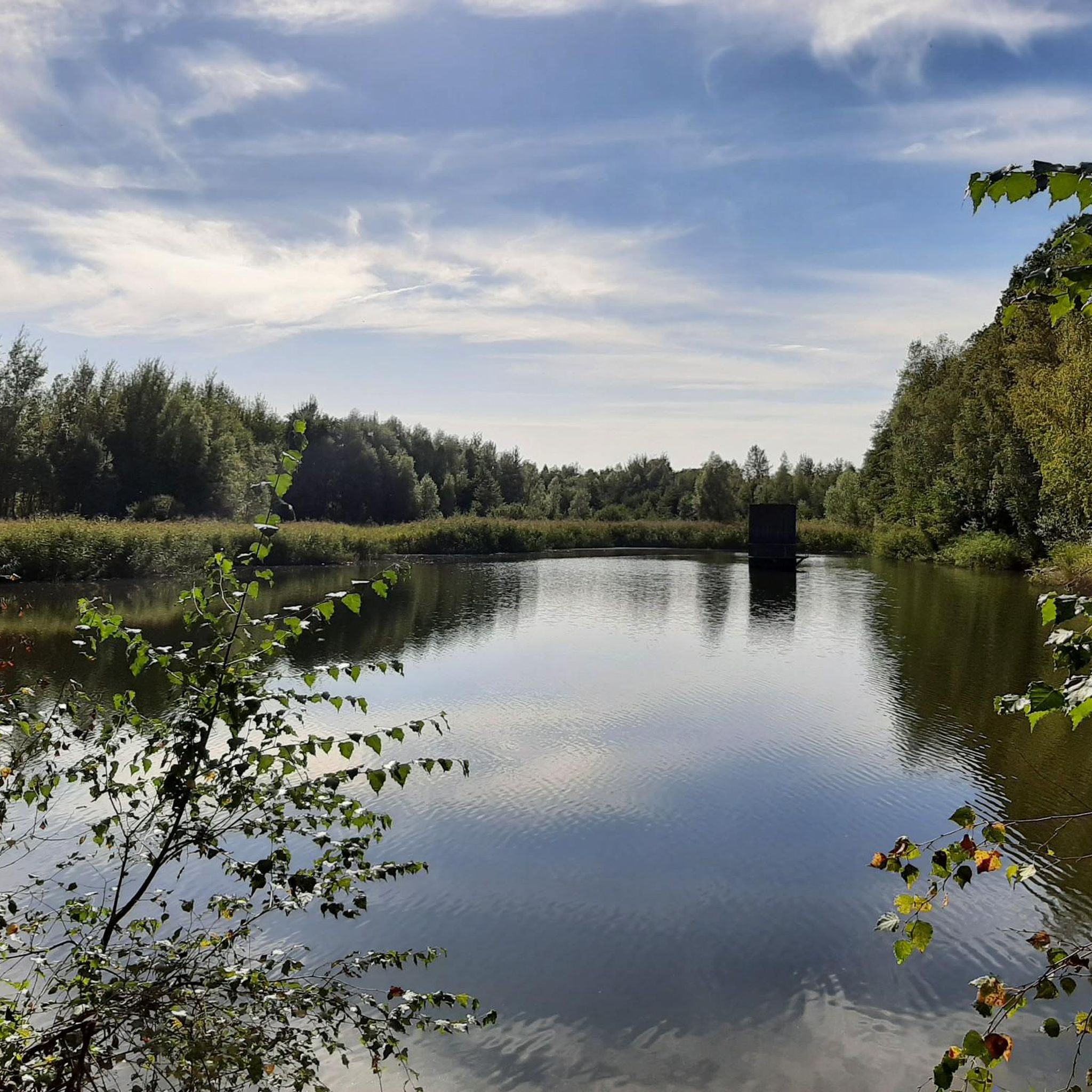
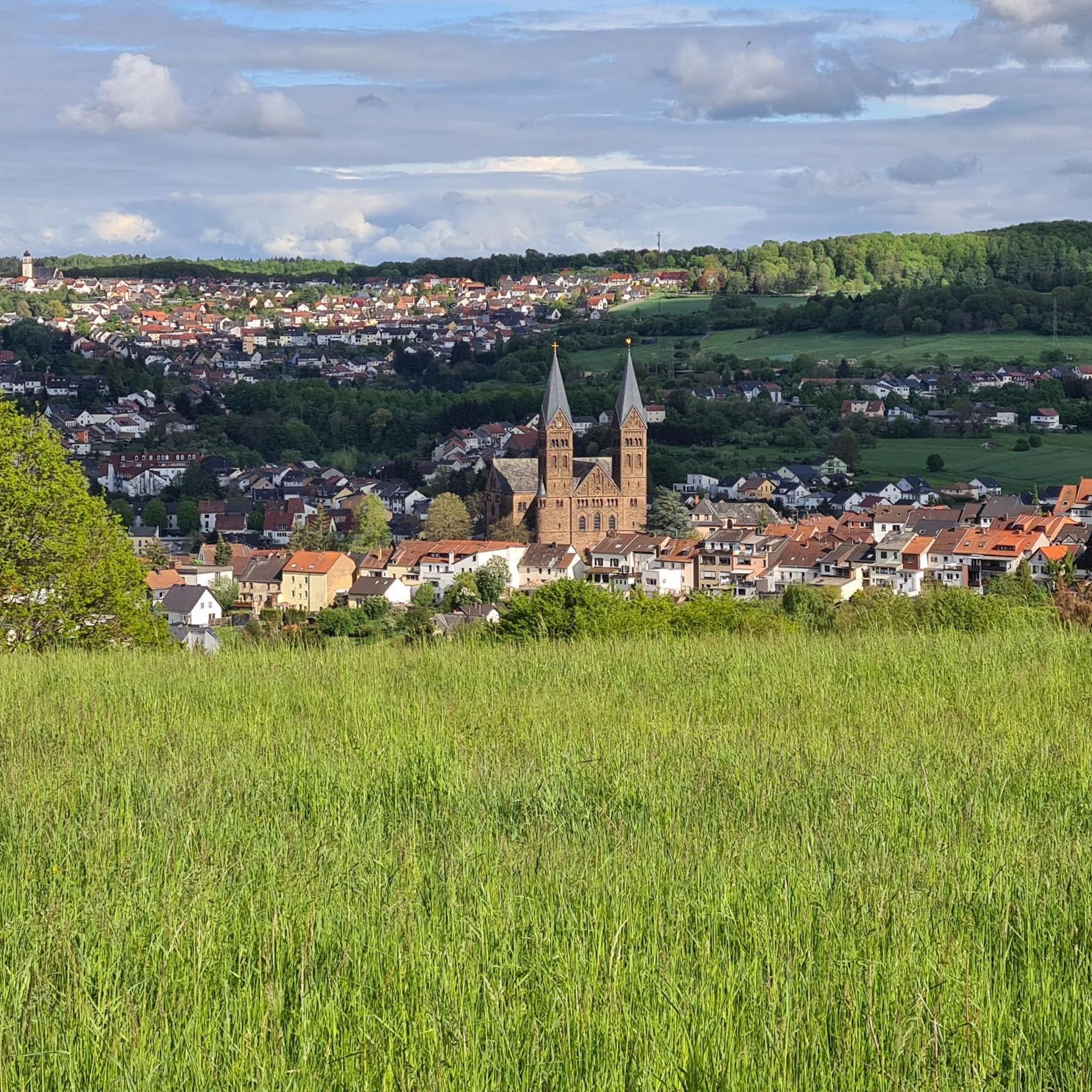
Tips from the Community


With the closure of the Amelung and Steinbach shafts in 1932 during the global economic crisis, Von der Heydt's time as an independent mine ended. In 1951 the Amelung shafts were swamped and used as extending weather shafts for the Viktoria mine in Püttlingen until 1963. During the construction of the Ludwigsstollen, the composite tunnel between the Luisenthal and Jägerfreude mines, the Amelung shafts were used in 1963 for ventilation, cable transport and material transport.[1] After the mine was finally closed in 1965, the daytime facilities were largely demolished. The mining machine house at the Amelung I shaft, a magazine building from 1885/1886 and the colliery house at the Amelung II shaft, which was built as an administration building and building in the early 1950s when the mine was reactivated, have been preserved.[2] The station building, which was built around 1870, has also been preserved. The station was used for passenger traffic until October 1959; until the end of the 1990s the one in Von der
1
0
it established the connection to the Steinbachtal in the east. The Kirchheckschächte and the Steinbachschächte were built at the Burbach tunnel.[1] Between 1865 and 1869, rope conveying was also used in the Burbach tunnel; between 1873 and 1917 the coal was transported using a chain railway.[2] In 1885 the mine employed 2,777 miners; Over 700,000 tons of coal were mined.[3] Between 1884 and 1886, the Amelung I shaft (named after the mining captain Karl Gustav Amelung, 1818–1866) was sunk; This means that the Von der Heydt mine transitioned from tunnel construction to civil engineering very late.[4] A second production shaft followed in 1899, the Amelung II shaft. In the east of the mine field, the Neuhaus I weather shaft was built in 1901. From 1920, as a result of the Treaty of Versailles, the mine was under French administration. In the district of Rastpfuhl, another weather shaft, the Pasteur or South Shaft, was sunk in 1922.
1
0
The pit - named after the banker and Prussian trade and finance minister August Freiherr von der Heydt (1801-1874) - was built in 1850 and is classified as one of the so-called railway pits that the Prussian mining treasury built when the Saar region was opened up by the Saarbrücken Railway. In 1852 the mine received a railway connection to St. Johann-Saarbrücken. In the upper Burbachtal, the location of the mine, coal mining had been carried out since at least 1770. In 1850, the approximately 1.3 kilometer long Von Heydt tunnel leading to the northwest was struck. In this tunnel, horizontal cable conveyance was used for the first time in Europe in 1862; previously it had been supported with horses. The Lampennest tunnel, which was started in 1853, served to promote the Lampennest mine, located north of the Burbachtal near Güchenbach (today Riegelsberg). Between 1855 and 1862, the approximately 2.3 kilometer long Burbach tunnel was excavated in the opposite direction.
1
0

Very great acting. I was there at minus 1 degrees. Then you can actually see the smoke. Unfortunately, you can't see it in warmer temperatures.
4
0

A childhood memory, back then often a destination on a hiking day at school.
3
0

Unfortunately, it doesn't steam like it did 30-40 years ago, but it's still worth a visit.
2
0

Very nice trail. In absolute flow down into the valley. Past a bunker. Avber attention in the first third shortly after the bunker is a huge hole in the ground. You shouldn't drive in there.
1
0
Frequently Asked Questions
What kind of underground sites can I explore around Püttlingen?
Around Püttlingen, you can explore a mix of historical man-made underground structures, such as former mining adits and cellars, alongside natural rock formations and religious grottoes. The broader Saarland region also offers unique natural phenomena and ancient historical caves.
Are there any historical mining-related underground sites to visit near Püttlingen?
Yes, you can visit the Former Beer Cellar at Grube Von der Heydt. This historical site is a man-made underground structure related to a former coal mine, offering a glimpse into the region's industrial past. Additionally, the Viktoriastollen (Victoria Adit) and Mining Museum in Püttlingen's Köllerbach-Engelangen district provides insight into coal mining heritage.
Where can I find unique natural phenomena underground in the Saarland region?
The Burning Mountain is a unique natural monument where coal seams have been burning underground for centuries, creating fissures and hot cavities. It's a fascinating experience, especially on colder days when the heat and smoke are more noticeable.
Are there any religious grottoes or tranquil spots to visit?
Yes, you can find peaceful religious grottoes. The Marian Grotto is a small grotto in the middle of the forest with a pond behind it, inviting visitors to linger. Another quiet place for reflection is the Marian Grotto, Schwarzenholz.
What natural rock formations can I see near Püttlingen?
You can visit the Hohlenstein Rock Formation. This site features the Holzer conglomerate coming to light on the slope of a hill, also known as Hohlenstein, offering an interesting natural feature to explore.
Are there any ancient historical caves in the broader Saarland region?
Yes, the Mithras Cave (Heathen Chapel) on the Halberg, located in the Regionalverband Saarbrücken, is a former temple dedicated to the ancient Mithras cult. It provides insights into Roman religious history and is often built underground or carved into rock.
What is the best time to visit the underground sites around Püttlingen?
For sites like the Burning Mountain, colder days are recommended as the heat and smoke from the burning coal seams are more noticeable. For other historical or religious sites, visits are generally pleasant year-round, though checking specific opening hours for museums or guided tours is advisable.
Are there family-friendly underground attractions in the area?
Many of the sites, including the religious grottoes like the Marian Grotto and Marian Grotto, Schwarzenholz, are considered family-friendly. The Burning Mountain is also suitable for families, offering a unique natural spectacle.
What outdoor activities can I combine with visiting these underground sites?
The region around Püttlingen offers various outdoor activities. You can find numerous hiking trails, including easy to moderate routes like the 'Wayside Cross – Jesus Statue at Köllerbach loop' or the 'Simschel Pond – Simschel Waterworks loop'. There are also MTB trails and cycling routes available.
What do visitors enjoy most about the underground sites near Püttlingen?
Visitors appreciate the unique blend of industrial heritage and natural beauty. The historical mining sites offer a deep dive into the region's past, while natural phenomena like the Burning Mountain provide a rare spectacle. The tranquil grottoes are valued for their peaceful atmosphere, and the overall variety of sites is highly rated by the komoot community, with over 240 upvotes and 190 photos shared.
Are there any large geological caves in the Saarland region?
Yes, for those willing to travel a bit further, the Schlossberg Caves (Schlossberghöhlen) in Homburg are notable. They are the largest Buntsandstein caves in Europe, with three levels open to visitors and guided tours available, offering significant geological and historical interest.
Can I explore other historical mining sites beyond the Beer Cellar?
Beyond the Former Beer Cellar at Grube Von der Heydt, the region also features the Viktoriastollen (Victoria Adit) and a Mining Museum in Püttlingen. For a different type of mining history, an old iron ore mine can be found above the Netzbachtal, though its entrance is mostly filled in.
Most popular routes around Püttlingen
Most popular attractions around Püttlingen

Get inspired with the komoot mobile app


Explore more
Extend your search for the best caves by checking out these guides of the top ones around Püttlingen:
