Top 19 Caves around Hollnich
Best caves around Hollnich are primarily former mine tunnels and slate caves located within the Hunsrück region. This area, known for its rich geological history, features significant deposits of slate and other minerals. These sites offer a unique blend of industrial heritage and natural formations, providing crucial habitats for local wildlife, especially bats. Visitors can explore these historical underground structures and the surrounding natural landscapes.
Best caves around Hollnich
- The most popular caves is Baybachtal Bat Cave (Slate Tunnel),…
Last updated: September 30, 2026
Baybachtal Bat Cave (Slate Tunnel)
Highlight • Cave
Translated by Google •
Tip by

Klöckners Kaul slate mine tunnel and rest area
Highlight • Cave
Translated by Google •
Tip by

Sign up now to discover places like this
Get recommendations on the best single tracks, peaks, & plenty of other exciting outdoor places.
Katzenloch Slate Mine
Highlight • Cave
Translated by Google •
Tip by

Swing near the Dwarf Cave (Zwergenhöhle)
Highlight • Cave
Translated by Google •
Tip by

Schnäirersch Leyebruch Slate Mine
Highlight • Cave
Translated by Google •
Tip by
Sign up for free to discover even more caves around Hollnich.
Already have an account?
Start today with a free account
Your next adventure awaits.
Tips from the Community

There's always something new to discover here
0
0

Who likes it
1
0

Hike "Dünnbachpfad" at the Dwarf Cave
1
0

A beautiful spot... nature 🌳🍄🟫
0
0

large rocky outcrop as a shelter and as a wintering place for bats
3
0

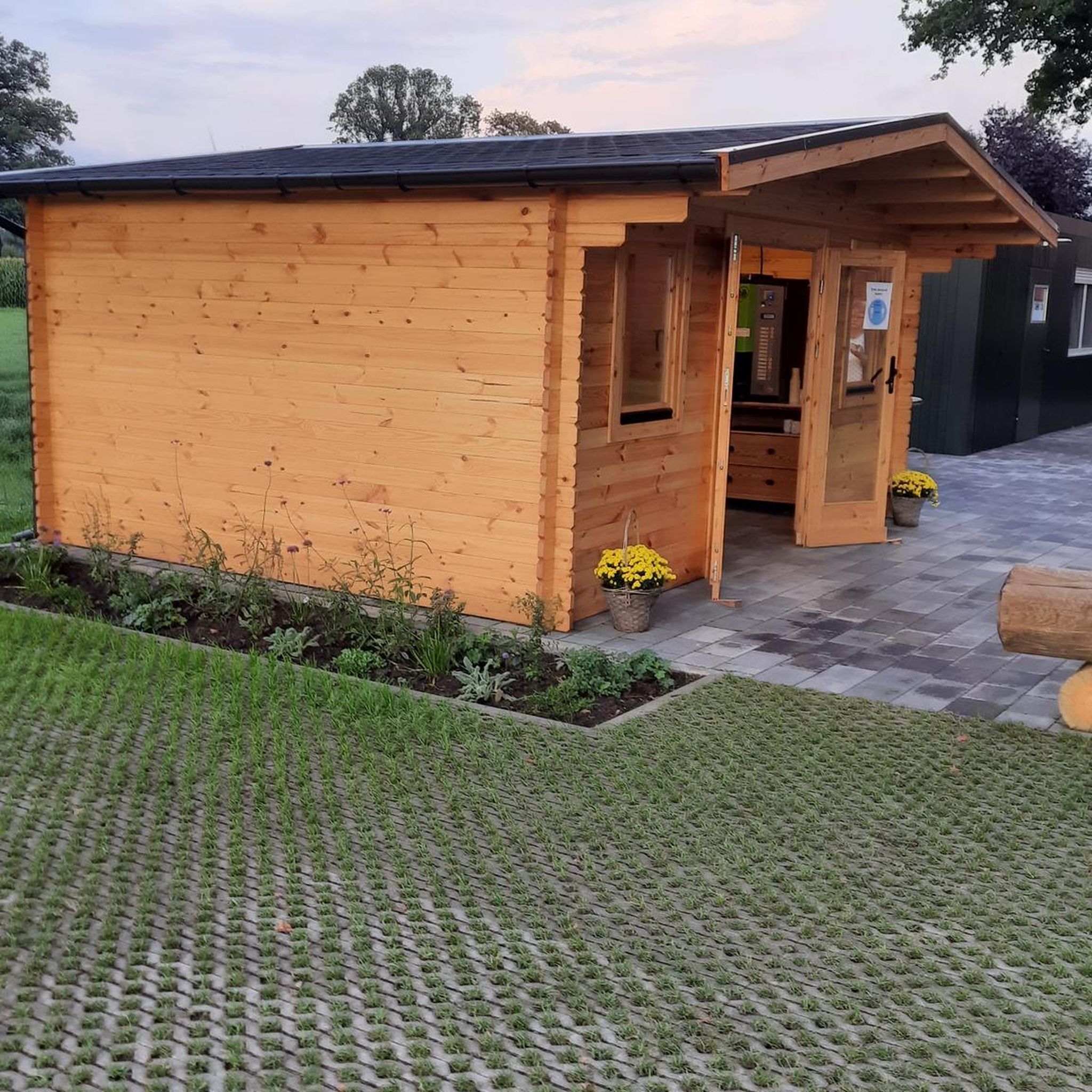
A slate mine with a nice rest area and information board.
2
0

This evidence of the former slate mining in the Baybachtal can be found in several places.
2
0
Whether this is a real highlight remains to be seen. We also used the swing and had fun!
1
0
Frequently Asked Questions
What kind of caves can I expect to find around Hollnich?
The caves around Hollnich are primarily former mine tunnels and slate caves located within the Hunsrück region. These sites offer a unique blend of industrial heritage and natural formations, often serving as crucial habitats for local wildlife, especially bats. They are not typically karst caves with stalactites and stalagmites, but rather underground structures resulting from historical mining activities.
Are there any historical sites related to mining near Hollnich?
Yes, the Hunsrück region has a rich mining history. You can explore sites like the Klöckners Kaul slate mine tunnel and rest area, which features a lovingly designed rest area at the entrance of a former mining site. Another historical spot is the Katzenloch Slate Mine, where roofing slate was mined between 1921 and 1924, though it's not accessible for entry. The Upper and Lower Laykaul Slate Caves also hold significant historical past as former slate mines.
Can I visit caves that are important for wildlife?
Absolutely. The Baybachtal Bat Cave (Slate Tunnel) is a prime example. This former roof slate pit features tunnel entrances extending several hundred meters into the mountain and now serves as a sheltered sleeping place for bats, making it a point of interest for nature enthusiasts. Many other former mine tunnels in the Hunsrück are also closed off by bars to provide essential sheltered sleeping places for bats, contributing to local biodiversity.
Are there family-friendly caves or activities for children?
Yes, some sites are particularly suitable for families. The Klöckners Kaul slate mine tunnel and rest area offers a pleasant spot for a break. The Swing near the Dwarf Cave (Zwergenhöhle) is also noted as an entertaining place for a rest in the immediate vicinity of a cave. Additionally, the Schnäirersch Leyebruch Slate Mine, though not very deep, is often used by children as a playground.
What are the accessibility considerations for these caves?
Many of the former mine tunnels and slate caves are not accessible for entry, often due to safety reasons or to protect bat habitats. For instance, the Baybachtal Bat Cave entrance is barred, and the Katzenloch Slate Mine is not accessible. However, you can still appreciate their historical significance and natural surroundings from the outside. Some sites, like Klöckners Kaul, offer accessible rest areas at the entrance.
Do I need a permit to visit the caves around Hollnich?
Generally, no specific permits are required to visit the exterior areas or designated rest spots of these former mine tunnels and slate caves. However, as many are closed off to protect wildlife or for safety, direct entry into the tunnels is usually not permitted and would require special authorization if available, which is rare for these sites.
What is the best time of year to explore the caves and surrounding area?
The Hunsrück region, where Hollnich is located, is excellent for outdoor activities. Spring and autumn offer pleasant temperatures for exploring the surrounding natural landscapes and the exteriors of the caves. During these seasons, the foliage is vibrant, and conditions are generally good for hiking and cycling. Winter might be suitable for viewing bat habitats from a distance, but access to trails can be limited by snow or ice.
Are there hiking trails that lead to these caves?
Yes, the caves are often integrated into the region's extensive network of hiking trails. You can find numerous routes that pass by or lead to these historical mining sites. For more information on hiking opportunities in the area, you can explore running trails around Hollnich, which often overlap with hiking paths.
What other outdoor activities can I do near the caves?
The Hunsrück region offers a variety of outdoor activities. You can find numerous cycling routes, including those suitable for touring bicycles, such as those listed in Cycling around Hollnich. Mountain biking is also popular, with trails available as detailed in MTB Trails around Hollnich. Many of these routes allow you to combine cave exploration with other outdoor adventures.
What geological features are prominent in the caves of the Hunsrück region?
The Hunsrück region is known for its rich geological history, particularly significant deposits of slate from the Devonian period. The 'caves' in this area are primarily former slate mines, showcasing the mighty slate slabs in earth outcrops and the trapezoidal mining techniques used to extract slate. The region also has historical deposits of copper ores and gemstones, which led to various mining tunnels.
What do visitors enjoy most about the caves around Hollnich?
Visitors appreciate the unique blend of industrial heritage and natural beauty. The historical significance of the former slate mines, combined with their role as crucial habitats for bats, makes them fascinating. The lovingly designed rest areas, like the one at Klöckners Kaul, and the opportunity to explore the surrounding natural landscapes are also highly valued by the komoot community.
Are there any caves that served as shelters during historical events?
Yes, the Upper and Lower Laykaul Slate Caves in the Hunsrück region served as shelters for residents during air raids in World War II. This historical use earned the place the nickname 'Zittertal' (Trembling Valley), adding another layer of historical significance to these former mining sites.
Where can I find parking when visiting the caves?
Parking availability varies by specific location. Many of the cave sites, especially those integrated into hiking trails or with rest areas, often have designated parking spots nearby. It's advisable to check local signage or trail information for specific parking instructions when planning your visit to individual cave locations.
Most popular routes around Hollnich
Most popular attractions around Hollnich

Get inspired with the komoot mobile app


Explore more
Extend your search for the best caves by checking out these guides of the top ones around Hollnich:
