Top 9 Caves around Alterkülz
Best caves around Alterkülz are primarily former mining sites in the Hunsrück region, offering a glimpse into the area's industrial heritage. Alterkülz is situated in a landscape shaped by historical slate and ore extraction. These subterranean features, while not natural caves, provide unique exploration opportunities for those interested in the region's past. The surrounding area features varied terrain, making it suitable for hiking and discovering these historical sites.
Best caves around Alterkülz
- The most popular caves is Katzenloch Slate Mine…
Last updated: September 30, 2026
Katzenloch Slate Mine
Highlight • Cave
Translated by Google •
Tip by

Schnäirersch Leyebruch Slate Mine
Highlight • Cave
Translated by Google •
Tip by
Sign up now to discover places like this
Get recommendations on the best single tracks, peaks, & plenty of other exciting outdoor places.
Three Mine Adits at the Goschelbach
Highlight • Cave
Translated by Google •
Tip by
Slate Cave (Schieferhöhle)
Highlight • Cave
Translated by Google •
Tip by

Ore mine (barred)
Highlight • Cave
The tunnel entrance is very low and secured with a padlock.
Translated by Google •
Tip by
Sign up for free to discover even more caves around Alterkülz.
Already have an account?
Start today with a free account
Your next adventure awaits.
Tips from the Community

There's always something new to discover here
0
0

A beautiful spot... nature 🌳🍄🟫
0
0

Ideal for explorers big and small
1
0

About 300 meters upstream from the Apollo pit (where the Sosberger Bach is called Goschelbach for short before it becomes the Pfahlbach) a tunnel mouth opens directly on the gravel forest path in the rock. You can follow the tunnel for about 10 meters into the mountain, but it wasn't driven any further. On the opposite side of the valley there are two tunnels in the slope above and below a rather overgrown farm road. Below the path there is an open tunnel that leads about 35 meters straight into the mountain. However, the surrounding slate rubble already points to the tunnel above it, which is located in a cut in the ground. The rubble area in front suggests a tunnel that leads far into the mountain, but unfortunately it is filled with water right from the start. There is no end in sight.
2
0

Not very deep, but certainly an adventure for smaller children.
0
0
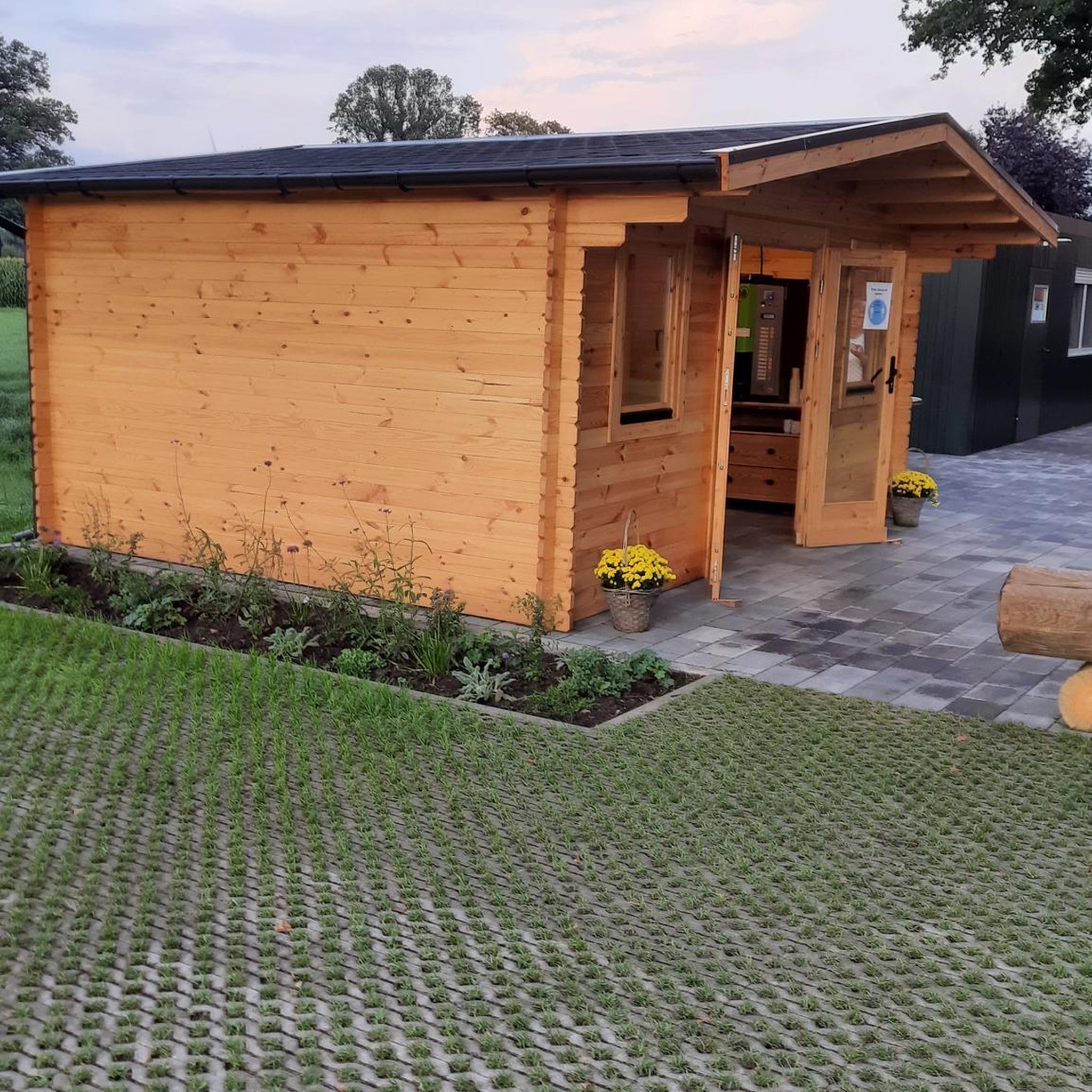
There is also a rest stop directly at the slate quarry
2
3
In 1880, Friedrich Wilhelm Franz from Wohnroth began digging a tunnel in the Katzenloch forest. He wanted to mine the coveted roofing slate here. However, the work was not crowned with success, the slate was of little use. He wasn't blue enough, as the technical term goes. Not hard enough we would say, it weathered too easily on the roof. So the work was soon abandoned. Today, the short, angled tunnel, also known as the Schnäirersch Leyebruch, is often used by children as a playground. Source: https://wohnroth-hunsrueck.de/geschichte-und-geschichten/schiefergruber.html
0
0
Beautiful slate cave, looks very exciting
1
0
Frequently Asked Questions
What kind of "caves" can I expect to find around Alterkülz?
The subterranean features around Alterkülz are primarily former mining sites, not natural caves. The region has a rich history of slate and ore extraction, and these historical mines offer a unique glimpse into the area's industrial past. While some are accessible, many are restricted or require specialized arrangements.
Are there any publicly accessible "caves" or underground sites near Alterkülz?
Yes, some former mining sites are accessible to the public. For instance, you can walk a few meters into the Slate Cave (Schieferhöhle), which is a natural monument and part of a hiking route. The Schnäirersch Leyebruch Slate Mine is a short, angled tunnel often used by children as a playground. However, sites like the Katzenloch Slate Mine and the Ore mine are generally barred or not accessible today.
Which of these sites are suitable for families with children?
The Schnäirersch Leyebruch Slate Mine is particularly suitable for families. It's a short, angled tunnel that is not very deep and is often enjoyed by children as a playground. It offers a safe and engaging experience for younger explorers.
What historical insights can I gain from visiting these sites?
These sites offer a direct connection to the Hunsrück region's industrial heritage. You can see the remnants of slate and ore mining operations, including tunnels and quarry areas. For example, the Katzenloch Slate Mine was in operation for roofing slate extraction, and the Schinderhannes Cave is an old slate gallery. These locations provide insight into the hard work and methods of past miners.
Are there hiking trails that incorporate these underground sites?
Yes, several hiking routes in the area allow you to discover these historical sites. The Slate Cave (Schieferhöhle), for instance, is part of the "Schieferhöhlen-Weg" hiking route. You can find various hiking options around Alterkülz, including routes that pass by these former mines, by visiting the Hiking around Alterkülz guide.
What is the best time of year to visit the caves and mines around Alterkülz?
The best time to visit is generally during the milder months, from spring to autumn, when hiking conditions are most favorable. This allows for comfortable exploration of the outdoor areas surrounding the mines and easier access to sites like the Slate Cave (Schieferhöhle). Always check local conditions, especially after heavy rain, as some tunnels might accumulate water.
What other outdoor activities can I do near Alterkülz?
Beyond exploring the historical mines, Alterkülz and the surrounding Hunsrück region offer excellent opportunities for various outdoor activities. You can find numerous routes for hiking, road cycling, and gravel biking. These guides provide detailed routes and information for exploring the diverse landscapes of the region.
Are there any specific safety considerations for visiting these sites?
Many of the former mines are not officially developed for tourism, and some, like the Ore mine, are barred for safety reasons or to protect wildlife like bats. Always respect barriers and signage. If you do enter accessible tunnels, be aware of uneven ground, potential water accumulation, and low ceilings. It's advisable to bring a flashlight and wear sturdy footwear.
Where can I find parking when visiting these sites?
Parking availability varies by location. For sites integrated into hiking routes, you can often find designated parking areas at trailheads or in nearby villages. It's recommended to check specific route descriptions on Komoot for parking suggestions relevant to the particular mine or cave you plan to visit.
Are there any cafes or restaurants nearby for refreshments?
While the immediate vicinity of some remote mine sites might not have direct amenities, the villages around Alterkülz, such as Alterkülz itself or nearby communities, offer cafes and restaurants where you can find refreshments and local cuisine after your exploration.
What is the geological significance of the Alterkülz region?
The geology of the Alterkülz region is defined by its rich deposits of slate and ore, which led to extensive mining activities. These geological features, particularly the slate, were historically valuable for roofing and other uses, shaping the landscape and economy of the Hunsrück area for centuries.
Can I explore the Schinderhannes Cave?
The Schinderhannes Cave is an approximately 15-meter deep slate gallery near Leideneck. While it's a historical site, its side exits have already collapsed, and it's not set up for extensive public exploration. Its connection to the legendary outlaw Schinderhannes is also considered unlikely by historians.
Most popular routes around Alterkülz
Most popular attractions around Alterkülz

Get inspired with the komoot mobile app


Explore more
Extend your search for the best caves by checking out these guides of the top ones around Alterkülz:
