Top 9 Caves around Keidelheim
Best caves around Keidelheim are found within the Rhein-Hunsrück-Kreis, a region known for its slate-rich geology. This area features a combination of natural slate caves and former mining tunnels. These sites offer insights into the region's geological history and past industrial activities. The landscape often includes challenging hiking trails alongside streams.
Best caves around Keidelheim
- The most popular caves is Love Cave, a cave located near the youth camp site on the Kauerbach. This site is noted for its…
Last updated: May 14, 2026
Ore mine (barred)
Highlight • Cave
The tunnel entrance is very low and secured with a padlock.
Translated by Google •
Tip by

Love Cave
Highlight • Cave
Translated by Google •
Tip by

Sign up now to discover places like this
Get recommendations on the best single tracks, peaks, & plenty of other exciting outdoor places.
Sign up for free
Slate gallery
Highlight • Cave
Translated by Google •
Tip by
Cave Entrance at Lametbach
Highlight • Cave
de.wikipedia.org/wiki/Mengerschied?wprov=sfla1
Translated by Google •
Tip by
Slate Cave (Schieferhöhle)
Highlight • Cave
Immediately after the very low entrance, …
Translated by Google •
Tip by
Sign up for free to discover even more caves around Keidelheim.
Sign up for free
Already have an account?
Start today with a free account
Your next adventure awaits.
Login or Signup
Tips from the Community

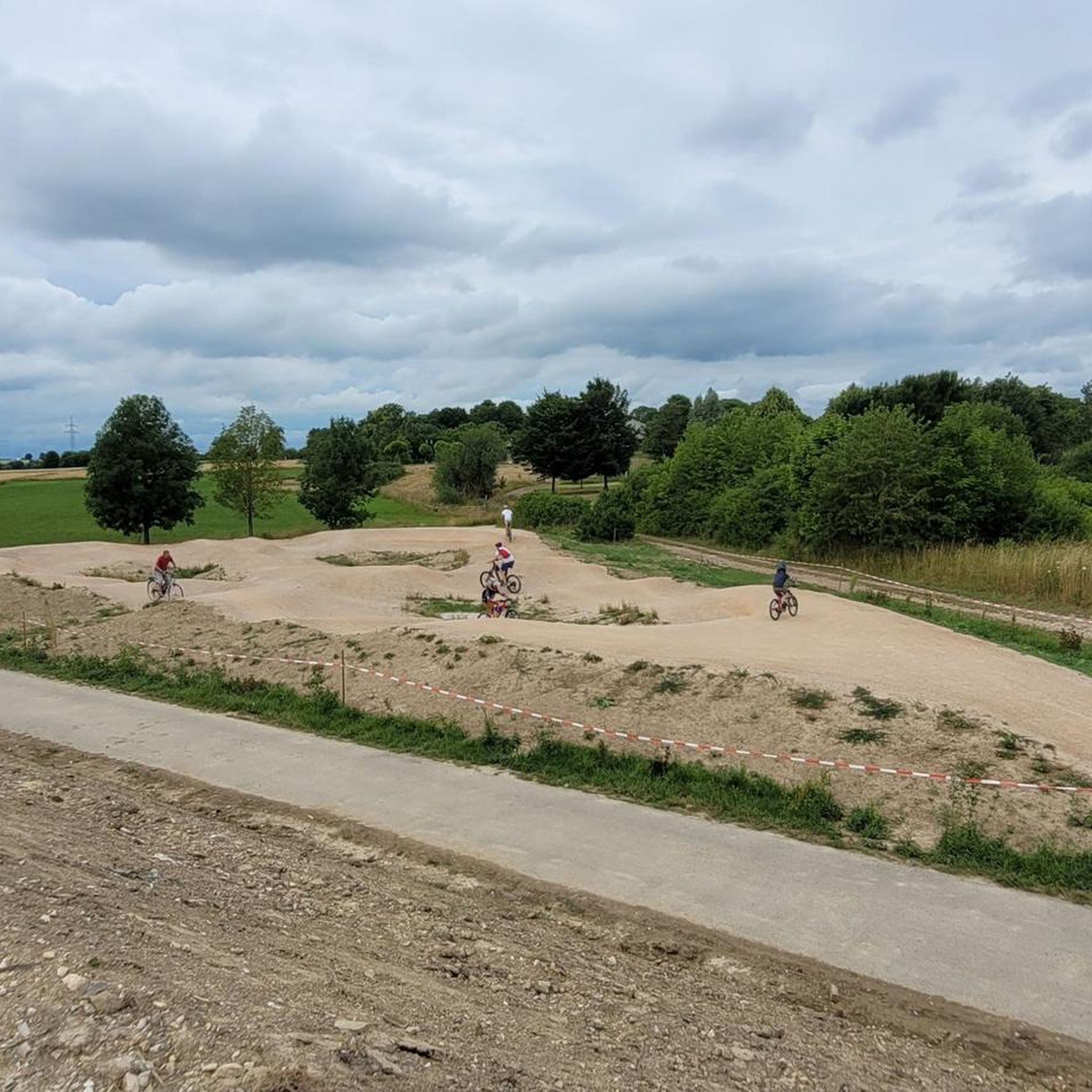
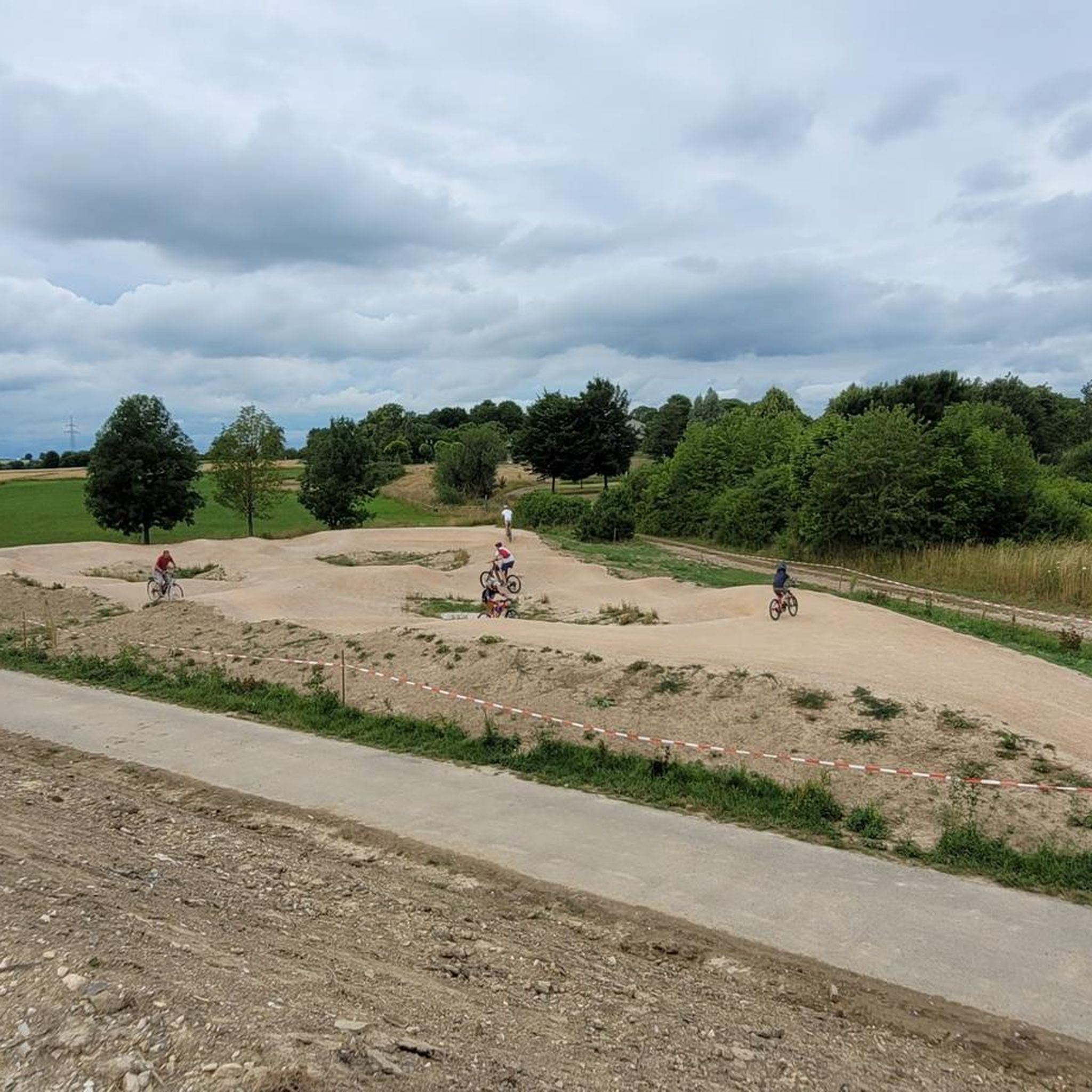
Very cool corner for biking
0
0

The cave entrance is located behind Mengerschied & Eichenmühle on the Lametbach https://de.wikipedia.org/wiki/Mengerschied?wprov=sfla1
0
0
I didn't know about it until today, but it exists. Near the youth camp site on the other side of the Kauerbach. There is already a love canyon!
0
0

In addition to some open slate quarries, not far from the path is the entrance to a cave in which slate was also mined. Immediately after the very low entrance, a standing-height mining dome opens up, which leads to a water-filled basin, which may even have been the access to deeper tunnels. On the side of the pool, two tunnels go a few meters further.
0
0
The former mining activity is clearly visible at a slate heap by the roadside. To the right and above the heap is a side tunnel leading into the mountain (therefore not directly visible from the path). This tunnel extends approximately 10 meters into the mountain before reaching a sluice gate with two steel doors. Passing through these doors, one enters a large mining chamber. This tunnel was likely used as a blasting chamber. A few meters further to the right, i.e., to the south, is another tunnel that forks at a right angle after a few meters. The right branch ends after a few meters, while the left branch continues for at least 50 meters further into the mountain and then opens into a large mining chamber where spoil heaps have been piled up.
1
0

The tunnel goes in almost 50 meters, and shortly before the end a shaft goes down but it doesn't go any further.
2
0

You'd love to know where he is going, right?
1
0
I walked past it a whopping 55 times before, on the 56th attempt and with minimal February vegetation, I noticed the gate off the path. The tunnel entrance is very low and secured with a padlock. Exploration 11/22: Actually, only the entrance is a bit low. After that, it's easy to descend 60 meters into the mountain, slightly crouching. After 40 meters, a small mining chamber branches off to the left, followed by a shaft leading vertically down about 10 meters. Roughly estimated, it's about 6 meters. With an opening of about 1x1 meters, a misstep would be impossible to catch and could cause significant damage. It's quite possible that there's a side branch in the remaining 10 meters, and there's definitely a tunnel leading off to the side at the bottom of the shaft. This largely unknown tunnel is one of the sites of the Wellmich-Werlau vein train, which includes, for example, the Werlau shaft https://www.komoot.de/highlight/1371659, the Gustav shaft https://www.komoot.de/highlight/3100074 and the Camilla mine https://www.komoot.de/highlight/1099786 and which ends not far from the Eid mine on the Geierberg near Alterkülz https://de.wikipedia.org/wiki/Grube_Eid.
5
0
Frequently Asked Questions
What types of caves can I explore around Keidelheim?
The region around Keidelheim, within the Rhein-Hunsrück-Kreis, offers a mix of natural slate caves and former mining tunnels. These sites provide insight into the area's geological history and past industrial activities, showcasing the slate-rich landscape.
What are some unique caves to visit near Keidelheim?
You can explore the Love Cave, known for its 'love canyon' feature near the Kauerbach youth camp. Another interesting spot is the Slate gallery, a historical site with visible former mining activity and tunnels extending into the mountain. The Cave Entrance at Lametbach, located behind Mengerschied and Eichenmühle, is also a popular spot.
What historical significance do the caves in the Rhein-Hunsrück-Kreis hold?
Many caves in the Rhein-Hunsrück-Kreis are former mining tunnels and slate pits, reflecting the region's industrial heritage. Sites like the Baybachtal Bat Cave (a former roof slate pit) and the Upper and Lower Laykaul Slate Caves were used for slate extraction and even served as air-raid shelters during World War II, earning the area the nickname 'Zittertal' (Trembling Valley).
Are the caves around Keidelheim generally accessible to the public?
Many of the former mining tunnels and natural slate caves in the region are accessible, though some, like the Prinzenstein Mine Tunnel, may have sealed entrances with small openings. Some sites, such as the Ore mine (barred), have gated entrances but allow for some exploration inside. Always be prepared with a flashlight and sturdy shoes, as conditions can vary.
Are there family-friendly options for exploring caves near Keidelheim?
While specific 'family-friendly' designations are not always available for these historical mining sites, the general exploration of the natural slate caves and former tunnels can be an educational experience for families interested in history and geology. Always assess the specific conditions of each site, as some may involve low entrances or uneven terrain.
What is the best time of year to visit the caves in this region?
The caves can generally be visited year-round. However, for sites that involve hiking to reach them, spring and autumn offer pleasant temperatures and beautiful scenery. During winter, some entrances might be less accessible due to snow or ice, and bat protection measures might restrict access to certain tunnels.
What should I wear or bring when exploring caves near Keidelheim?
When exploring the caves and tunnels, it is advisable to wear sturdy shoes suitable for uneven terrain. A flashlight or headlamp is essential, as many of these sites are unlit. Depending on the specific cave, you might also consider wearing older clothes that you don't mind getting dirty.
Are permits required for caving in the Rhein-Hunsrück-Kreis?
For general exploration of publicly accessible former mining tunnels and natural slate caves, permits are typically not required. However, for more extensive or technical caving in specific areas, especially those with sensitive ecosystems or historical significance, it is always best to check with local authorities or caving clubs for any specific regulations or access restrictions.
Are there hiking trails that lead to or pass by these caves?
Yes, the region offers numerous hiking opportunities. For instance, the Baybachklamm area, where the Baybachtal Bat Cave is located, is known for its challenging hiking trails alongside the Baybach stream. You can find various hiking routes around Keidelheim, including the Kondbach Circular Trail or the Keidelheimer Path to Simmern. Explore more options on the Hiking around Keidelheim guide.
What other outdoor activities can I do near the caves around Keidelheim?
Beyond cave exploration and hiking, the area around Keidelheim is excellent for cycling. You can find routes for gravel biking, such as the Schinderhans Cycle Path Tunnel, or road cycling, like the Romantic World Heritage route in the Upper Middle Rhine Valley. Discover more options in the Gravel biking around Keidelheim guide and the Road Cycling Routes around Keidelheim guide.
Is parking available near the cave entrances or trailheads?
Parking availability varies by location. For popular hiking areas that lead to caves, you can often find designated parking spots at trailheads. For more remote or less-known cave entrances, parking might be limited to roadside pull-offs. It's advisable to research specific locations beforehand.
Can I reach the caves around Keidelheim using public transport?
Public transport options to reach specific cave entrances directly might be limited, as many are in more natural or rural settings. However, you can often use regional buses to reach towns and villages near the caves, and then continue on foot via hiking trails. Planning your route in advance with local transport schedules is recommended.
Most popular routes around Keidelheim
Most popular attractions around Keidelheim

Get inspired with the komoot mobile app


Explore more
Extend your search for the best caves by checking out these guides of the top ones around Keidelheim:
