Offenbach an der Queich
Offenbach an der Queich
Top 20 Huts and Cabins around Offenbach an der Queich
Best huts around Offenbach an der Queich are situated in Germany's Southern Wine Route, an area characterized by vineyards, forests, and the Palatinate Forest. The region offers various types of huts, from traditional forest huts providing refreshments to modern resting places. These structures serve as points of interest for hikers and visitors exploring the natural landscape. The area's terrain includes rolling hills and forested paths, making it suitable for diverse outdoor activities.
Best huts around Offenbach an der Queich
- The…
Last updated: July 10, 2026
Ringelsberghütte (PWV Frankweiler)
Highlight • Mountain Hut
Translated by Google •
Tip by

St. Anna hut (PWV Burrweiler)
Highlight • Mountain Hut
Translated by Google •
Tip by

Sign up now to discover places like this
Get recommendations on the best single tracks, peaks, & plenty of other exciting outdoor places.
Sign up for free
Hoppeditzelhäuschen
Highlight • Rest Area
From landauland.southern wine route:
HOPPING DITZEL COTTAGE
The Hoppeditzelhäusel is located on the Abtsberg, west of Impflingen, in the middle …
Translated by Google •
Tip by

Fort Hut
Highlight • Mountain Hut
Translated by Google •
Tip by

Shelter on the Treidlerweg
Highlight • Mountain Hut
Translated by Google •
Tip by

Sign up for free to discover even more huts and cabins around Offenbach an der Queich.
Sign up for free
Already have an account?
Start today with a free account
Your next adventure awaits.
Login or Signup
Popular around Offenbach an der Queich
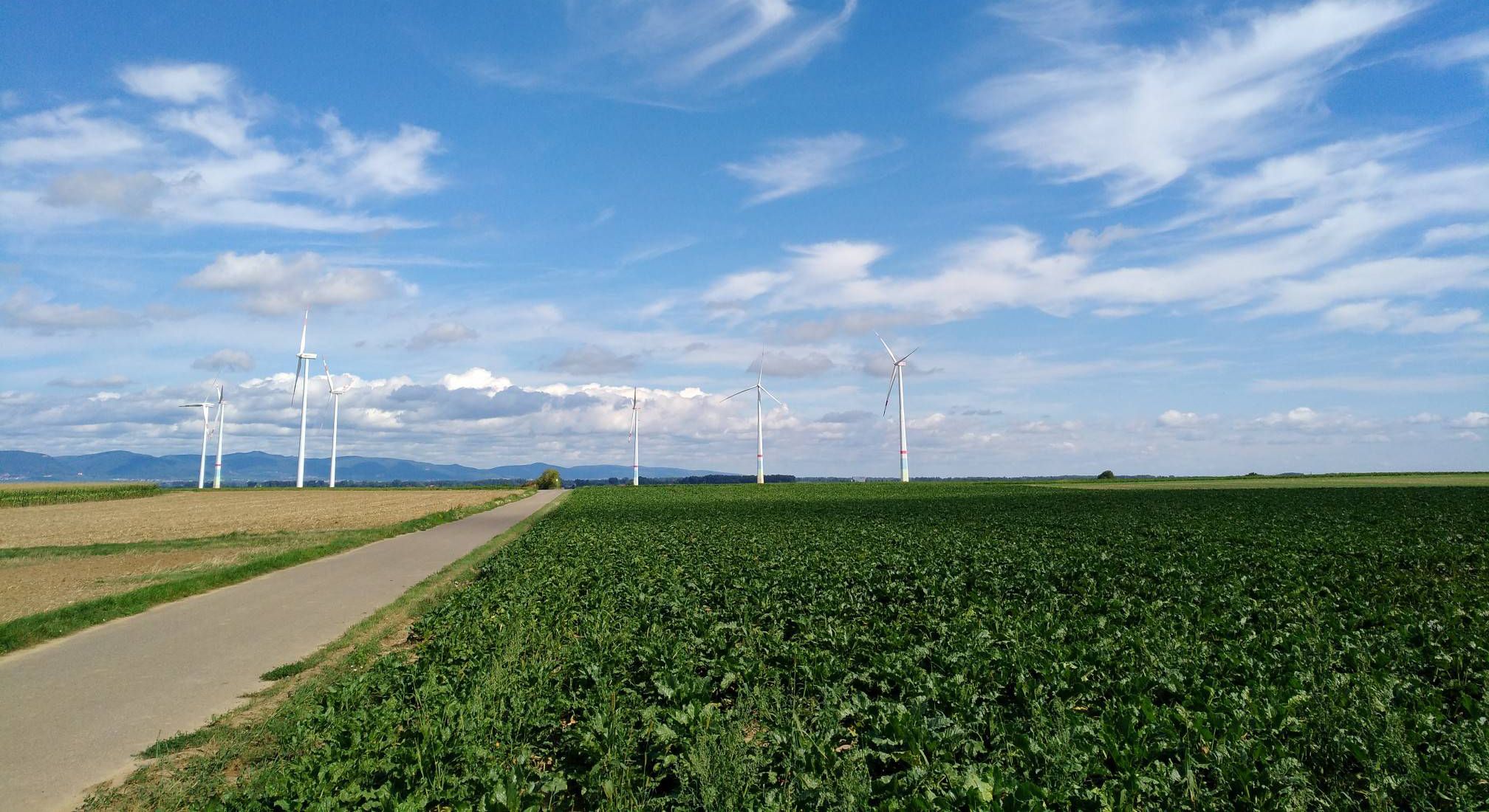
The 'Kraut und Rüben' cycleway — through the Palatinate in 3 stages
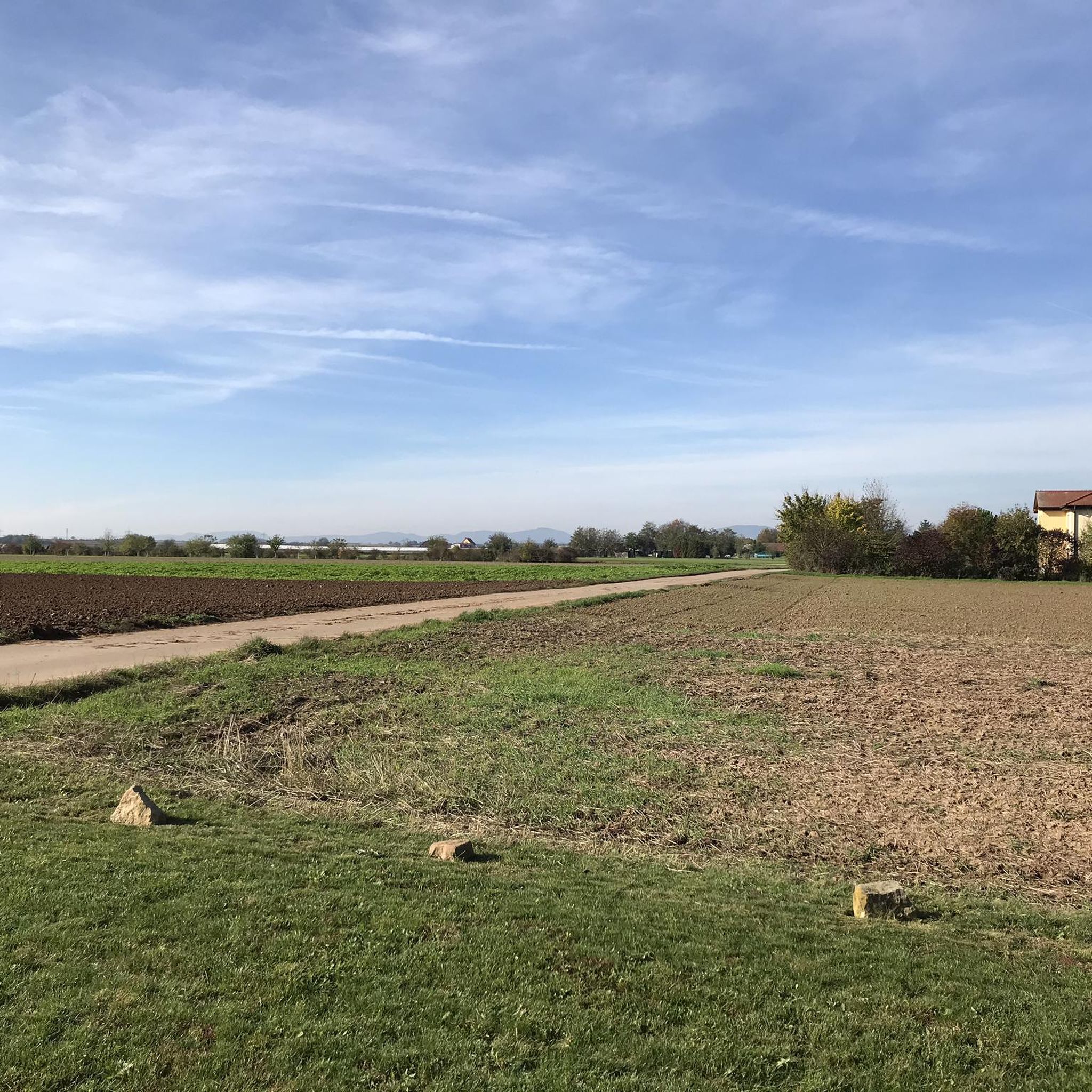
Cycling around Offenbach an der Queich
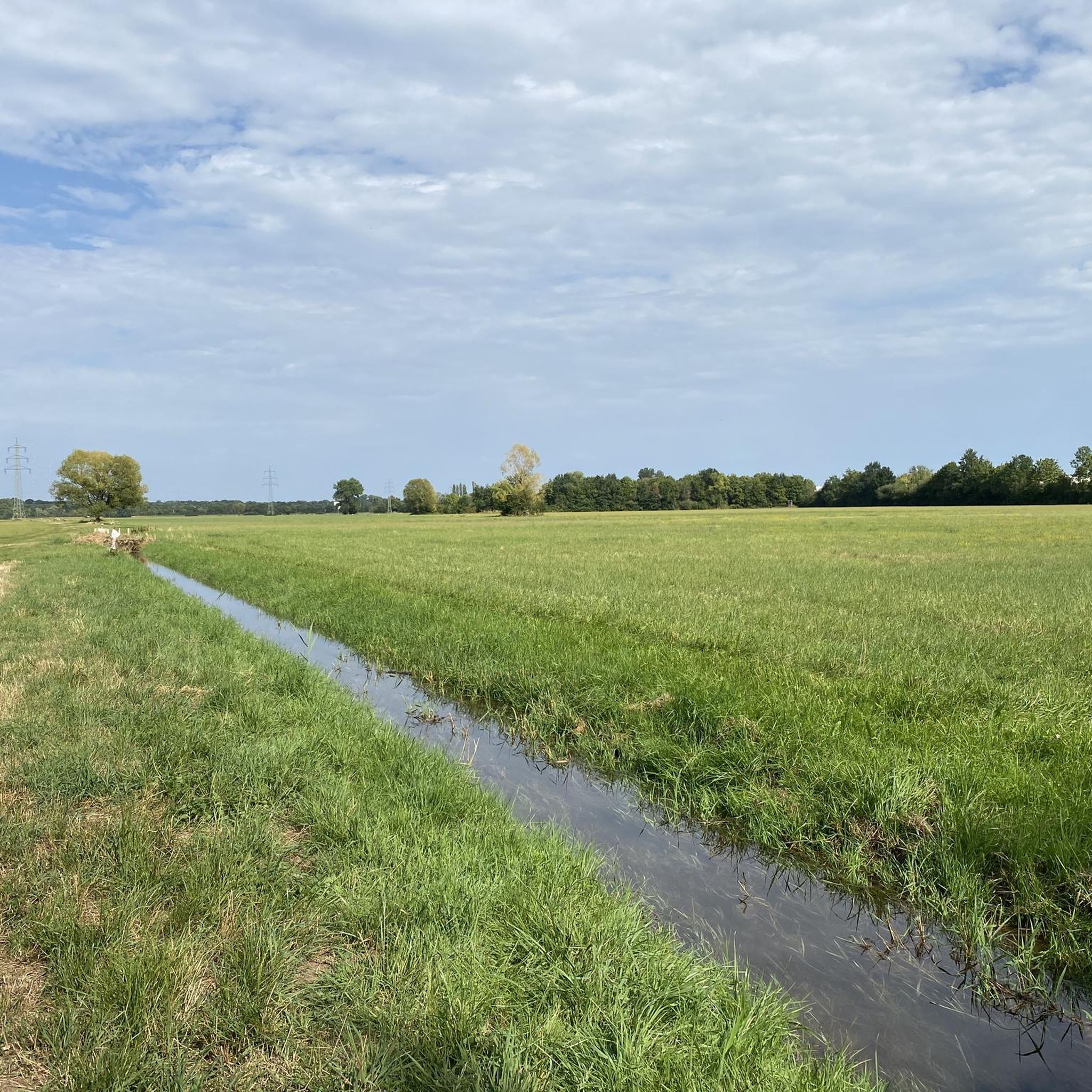
Hiking around Offenbach an der Queich
Road Cycling Routes around Offenbach an der Queich
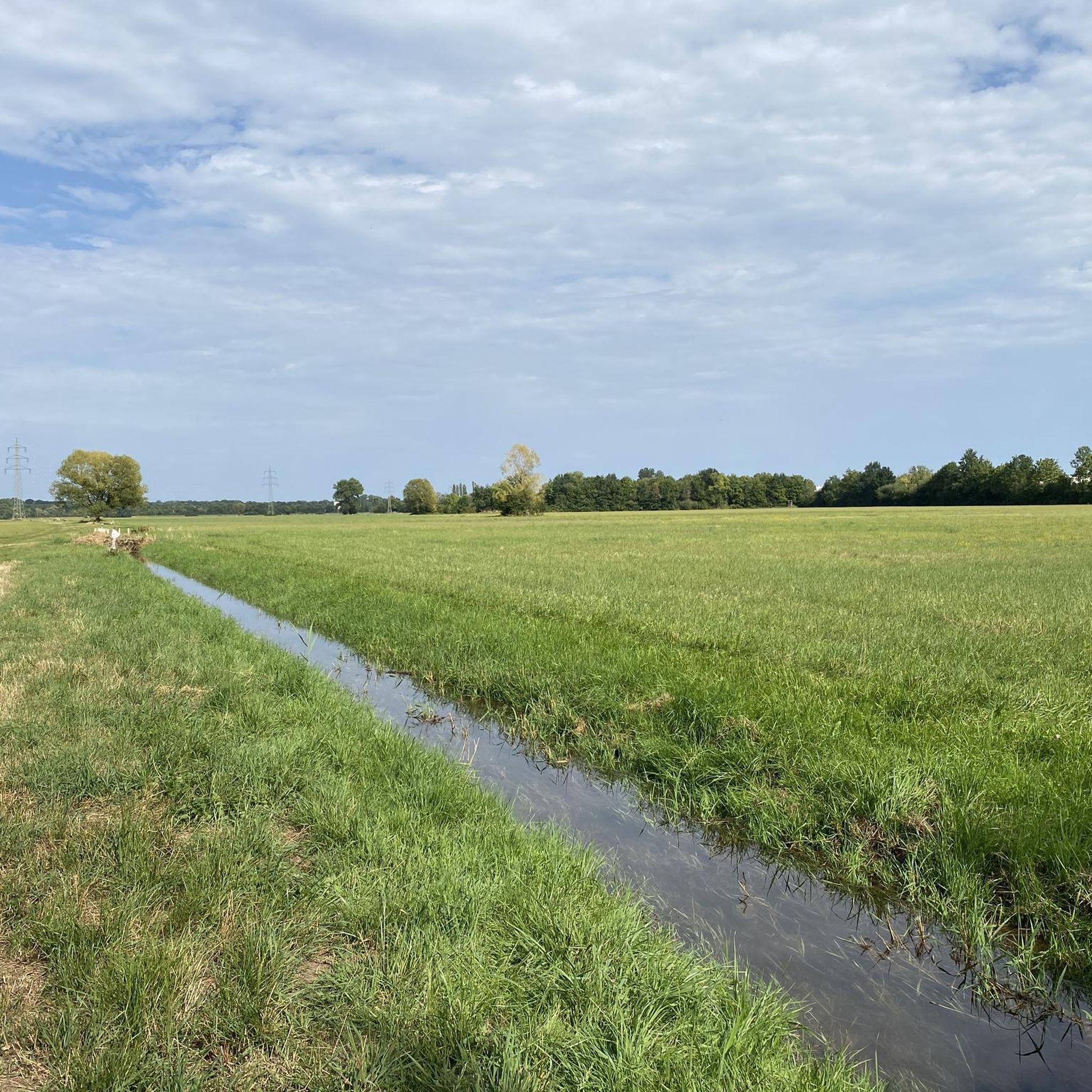
Running Trails around Offenbach an der Queich
Gravel biking around Offenbach an der Queich
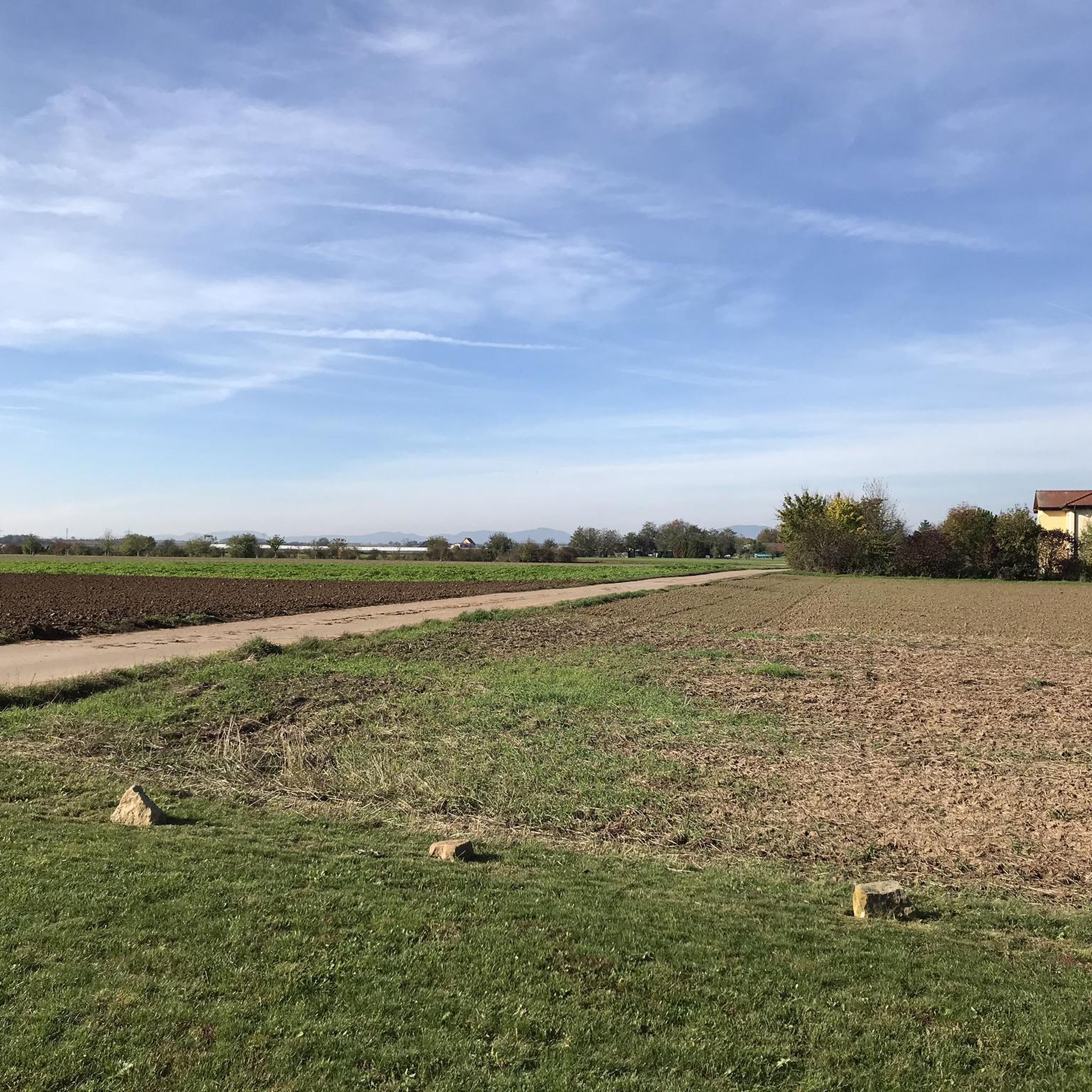
MTB Trails around Offenbach an der Queich
Other adventures around Offenbach an der Queich

Tips from the Community

Landau Fortress was a polygonal fortification located in Landau in the Palatinate. Construction took place between 1688 and 1691. The completely outdated fortress was demolished in 1871, having been downgraded to a depot in 1867. Almost all of the structures below street level have been preserved. Today, several military buildings and many residential buildings are still visible in the city, along with the locks and walls along the rivers, and fortifications in parks. Among these, the largest remaining structure is the wall of the fort built in 1702 (with a length of 3.3 km). Following the Thirty Years' War, the Imperial City of Landau was placed under the protection of France by the Peace of Westphalia in 1648. Following the end of the War of the Palatine Succession in 1697, the city, along with ten other Alsatian imperial cities, was also legally ceded to France in the Peace of Rijswijk of 1697. As early as 1673/74, France had destroyed Landau's medieval city fortifications. With the Peace of Nijmegen, Landau came under French control and, with the simultaneous loss of the right-bank fortress of Philippsburg (1679), became its easternmost outpost, receiving a permanent French garrison in 1680. In September 1687, the military engineer Vauban arrived in Landau to develop a fortification plan. He submitted this plan to King Louis XIV on October 9, who gave his approval in November. Construction began later that same year on the 7-kilometer-long Albersweiler Canal, designed to facilitate the rapid transport of building materials such as timber, lime, and stone by barge. The foundation stone was laid at the end of April 1688 in the presence of the Minister of War, the Marquis de Louvois. Vauban initially oversaw the construction, but relinquished this responsibility to Jacques de Tarade in 1689. With the help of sixteen royal battalions under the command of General Montclar and approximately 14,000 construction workers (more recent studies cite a significantly lower number) from the surrounding area, the fortification was built in the second Vauban style. On the night of June 23-24, 1689, a devastating fire destroyed most of the town and provided an opportunity to modernize the garrison town's layout. This resulted in the creation of straight, wide streets and squares for troop deployments. ... Source: https://de.wikipedia.org/wiki/Festung_Landau#Weblinks
0
0

Nice place for a break, great view
1
0

Very nicely designed break location. Also suitable for smaller groups.
3
0

There are many great things to discover in the fort - like this shelter
0
0


Ideal for resting along the way
2
1

Great rest area with a beautiful view
1
1

Nice hut to sit outside too
0
0
Frequently Asked Questions
What types of huts can I find around Offenbach an der Queich?
The region offers a variety of huts, from traditional forest huts providing refreshments to modern resting places and historical shelters. You'll find rustic Palatinate Forest huts like the Ringelsberghütte (PWV Frankweiler), modern structures such as the Hoppeditzelhäuschen in the vineyards, and historical sites like the Fort Hut.
Are there family-friendly huts in the area?
Yes, many huts around Offenbach an der Queich are family-friendly. For example, the Ringelsberghütte (PWV Frankweiler) has a redesigned playground, and the St. Anna hut (PWV Burrweiler) is popular with families. The Hoppeditzelhäuschen is also suitable for families, offering a great picnic spot.
Which huts offer the best views?
For panoramic views, the Hoppeditzelhäuschen is an excellent choice, featuring a panoramic bench overlooking the vineyards and the Palatinate Forest. The St. Anna hut (PWV Burrweiler) also provides a great view from the nearby Anna Chapel.
Can I find traditional Palatinate food at these huts?
Yes, you can enjoy traditional Palatinate hut food at several locations. The St. Anna hut (PWV Burrweiler) is known for its very tasty Palatinate dishes. The Ringelsberghütte (PWV Frankweiler) also offers a rustic experience with a great cake selection.
Are there any historical huts or shelters to visit?
Yes, the Fort Hut is a notable historical site, built on a wall from the 1700s as part of the Landau Fortress. It offers a glimpse into the region's past fortifications.
What outdoor activities can I do near the huts around Offenbach an der Queich?
The area around Offenbach an der Queich is ideal for various outdoor activities. You can explore numerous MTB trails, enjoy gravel biking routes through vineyards and forests, or go road cycling. Many huts serve as excellent starting points or rest stops for these adventures.
Are there any huts that provide shelter during bad weather?
Yes, the Shelter on the Treidlerweg is specifically noted as a helpful refuge if you are surprised by a storm or rain. The Hoppeditzelhäuschen, a modern concrete house, also offers a perfect resting place if it's a bit rainy.
What do visitors appreciate most about the huts in this region?
Visitors frequently praise the rustic charm and beautiful terraces of huts like the Ringelsberghütte (PWV Frankweiler), the tasty Palatinate food at places like the St. Anna hut (PWV Burrweiler), and the modern, well-designed resting spots with great views, such as the Hoppeditzelhäuschen. The community has shared over 600 photos and given more than 1400 upvotes, highlighting the diverse appeal of these locations.
Are there specific opening days for the huts?
Many of the traditional huts, especially those run by associations, have specific opening days. For instance, the Ringelsberghütte (PWV Frankweiler) is typically open on Sundays, while the St. Anna hut (PWV Burrweiler) is usually open on Sundays, public holidays, and Wednesdays. It's always a good idea to check current opening times before your visit.
Can I find accommodation near Offenbach an der Queich that offers a unique experience?
While not a traditional hiking hut, for a unique overnight stay, consider the 'Racoon - Außergewöhnliches Tinyhauserlebnis' in Landau in der Pfalz, which is close to Offenbach an der Queich. It offers a cozy, unconventional accommodation option praised for its tasteful furnishings and proximity to the Reptilium zoo.
Are there any huts suitable for a picnic?
Yes, the Hoppeditzelhäuschen is ideal for a picnic. It features a picnic bench and several bar tables with a view of the vineyards, making it a perfect spot to enjoy your own food and drinks.
Most popular routes around Offenbach an der Queich
Most popular attractions around Offenbach an der Queich

Get inspired with the komoot mobile app


Explore more
Find more beautiful huts and cabins around Offenbach an der Queich by checking out the top ones in these nearby places:
