Top 9 Castles around Kollweiler
Best castles around Kollweiler are found in the scenic Palatinate Forest, an area characterized by its rolling hills and dense woodlands. This region offers a blend of natural beauty and historical significance, making it suitable for outdoor exploration. The landscape around Kollweiler features numerous historical sites, including castle ruins that provide insights into the area's past. Visitors can explore these remnants while enjoying the natural surroundings.
Best castles around Kollweiler
- The most popular castles is Keep of Alt-Wolfstein Castle,…
Last updated: October 14, 2026
Ruins of Neu-Wolfstein Castle
Highlight • Castle
Translated by Google •
Tip by

Keep of Alt-Wolfstein Castle
Highlight • Castle
Translated by Google •
Tip by

Sign up now to discover places like this
Get recommendations on the best single tracks, peaks, & plenty of other exciting outdoor places.
Historic Old Town of Wolfstein
Highlight • Historical Site
Translated by Google •
Tip by

Michelsburg Ruins at Remigiusberg
Highlight • Castle
Translated by Google •
Tip by
Heidenburg Ruins
Highlight • Historical Site
Translated by Google •
Tip by

Sign up for free to discover even more castles around Kollweiler.
Already have an account?
Start today with a free account
Your next adventure awaits.
Tips from the Community

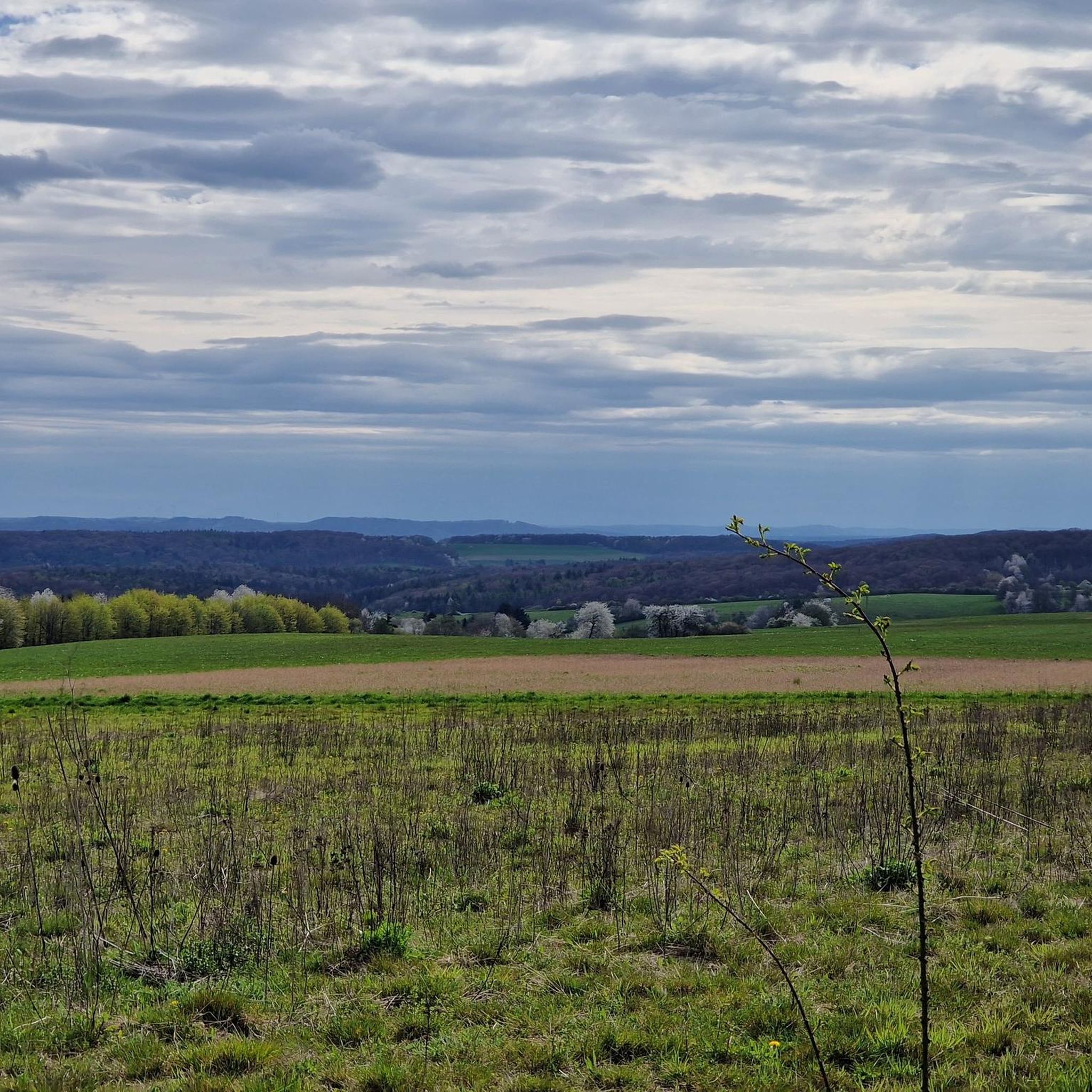
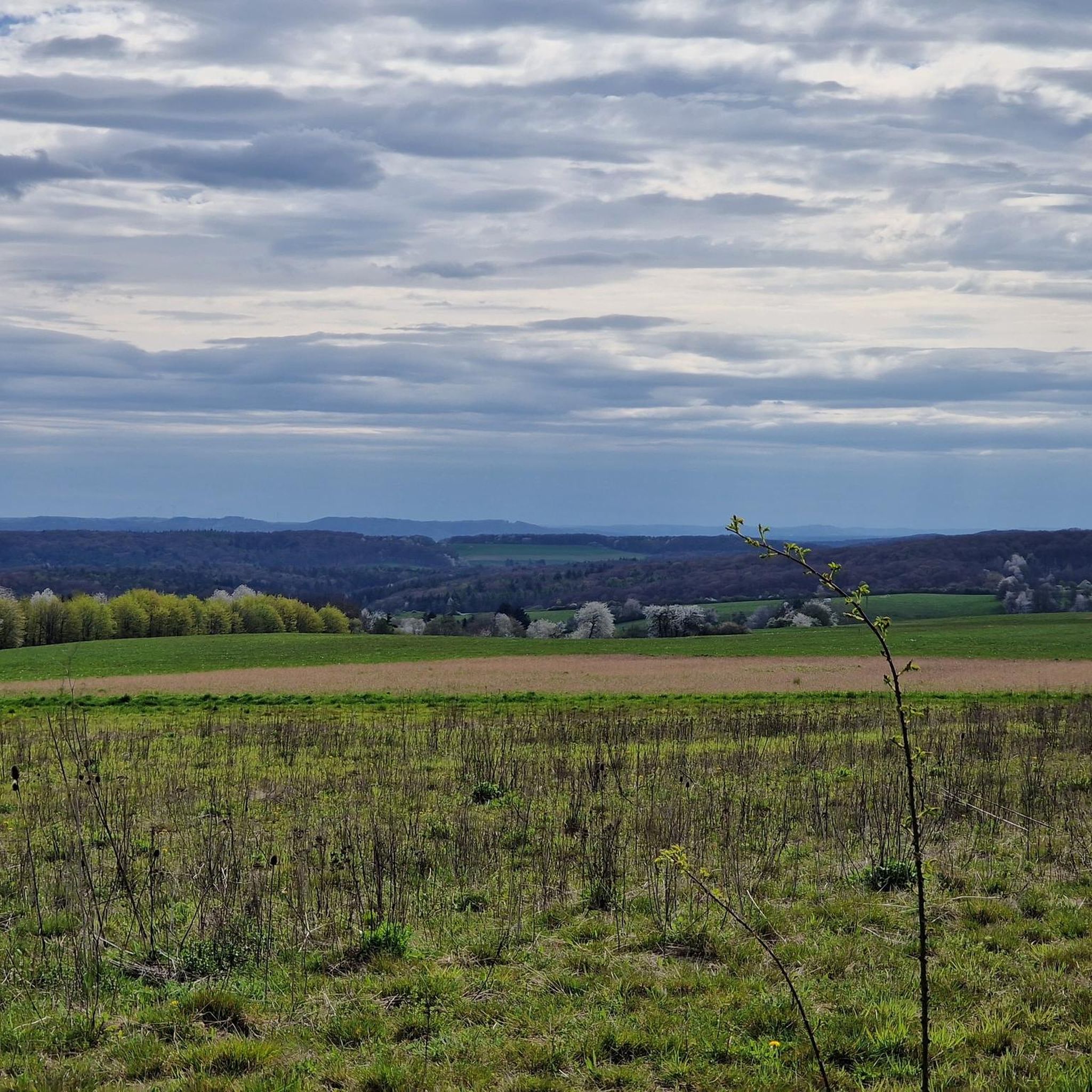
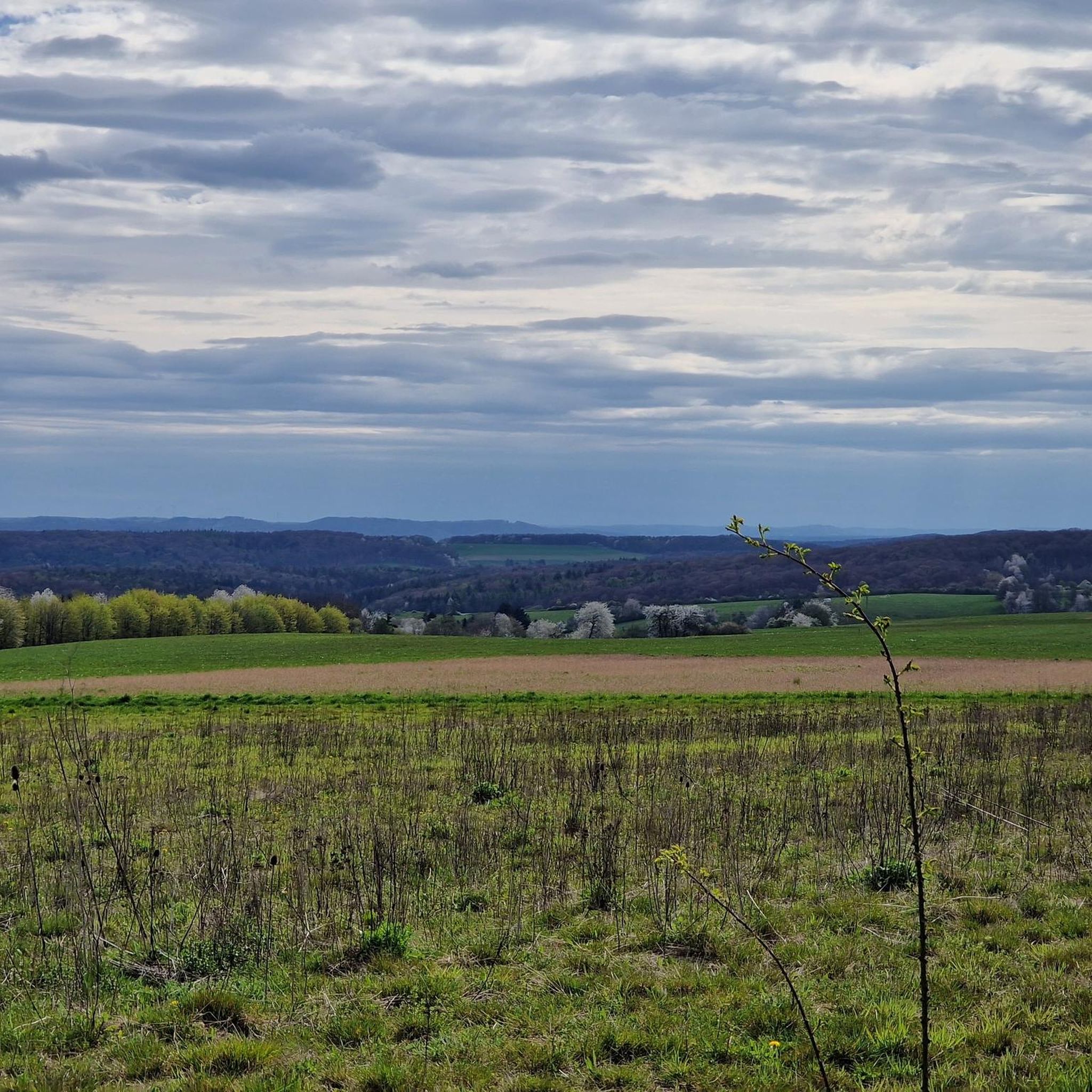
Uphills with e-support no problem. Great view, nice resting place at the Heidenburg.
0
0

The old town offers some beautiful half-timbered houses and places to stop for a bite to eat.
0
0

🏘️ Historic Old Town Wolfstein – Half-timbered houses, history & narrow alleys The old town of Wolfstein impresses with lovingly restored half-timbered houses, winding alleys, and traces of medieval urban development. Here, living history meets a cozy atmosphere – ideal for a short detour off the main path. Tip: Definitely take a look into the side alleys – they often hide the most beautiful details and small photo opportunities.
0
0
The Counts of Veldenz once reigned supreme over the land here – today, the mighty remains of the walls bear witness to a turbulent past. The Michelsburg Castle was built in the 13th century and later destroyed by French troops. 📌 Tip: Through the narrow window in the main wall, you can gaze directly into the expanse of the West Palatinate – a quiet moment with great symbolic significance. If you like, take a seat on the bench in front and simply let the history take effect.
0
1
This lovingly designed overview panel impressively demonstrates how the Remigiusberg developed from an important monastery and castle site into the cultural landscape it is today. Only a ruin of the Michelsburg remains – but the historical spirit of the place remains. 📌 Tip: If you take a moment to read the panel carefully, you'll gain a historical perspective on the entire area in just a few glances. Ideal for a thoughtful break before visiting the church or stopping at a restaurant.
0
1

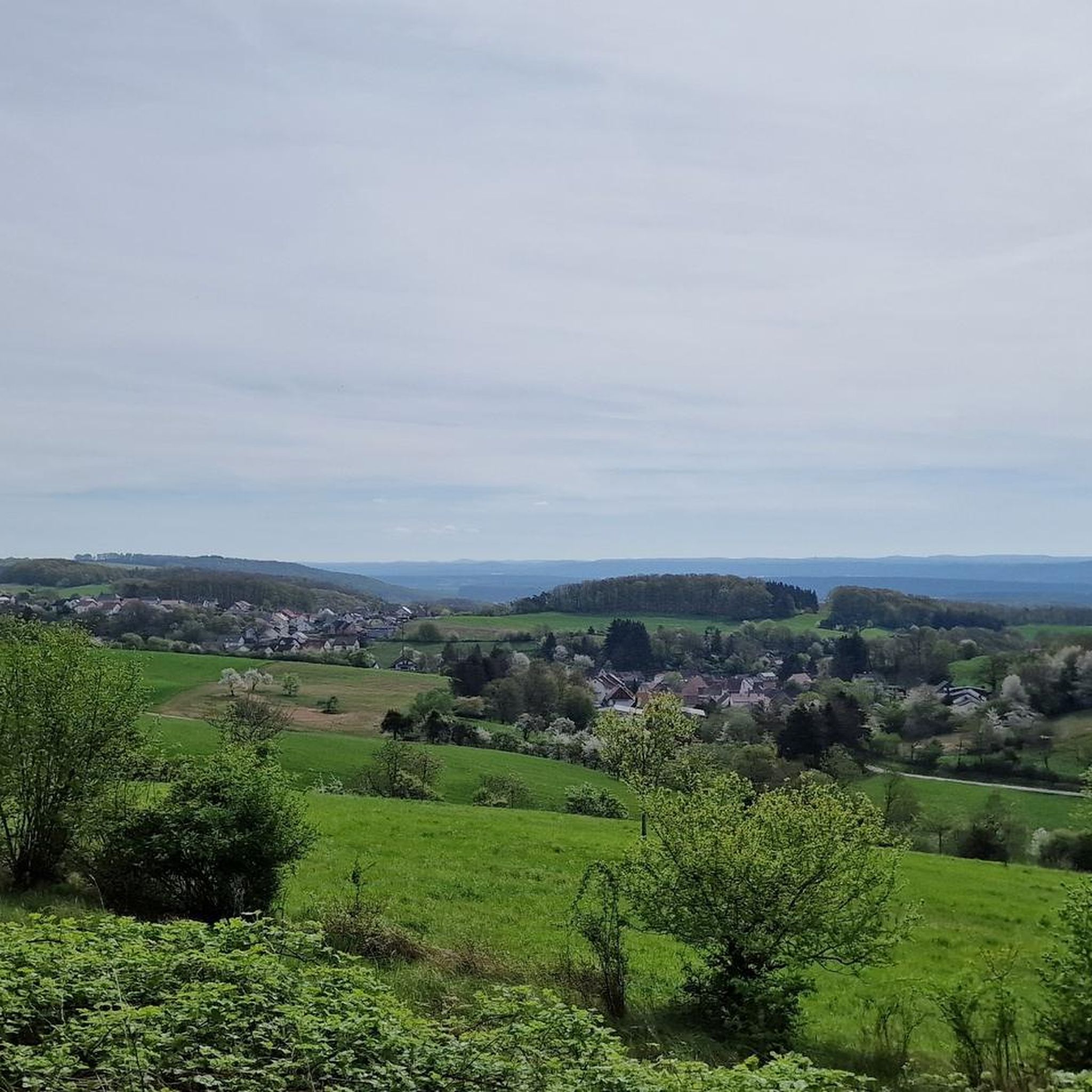
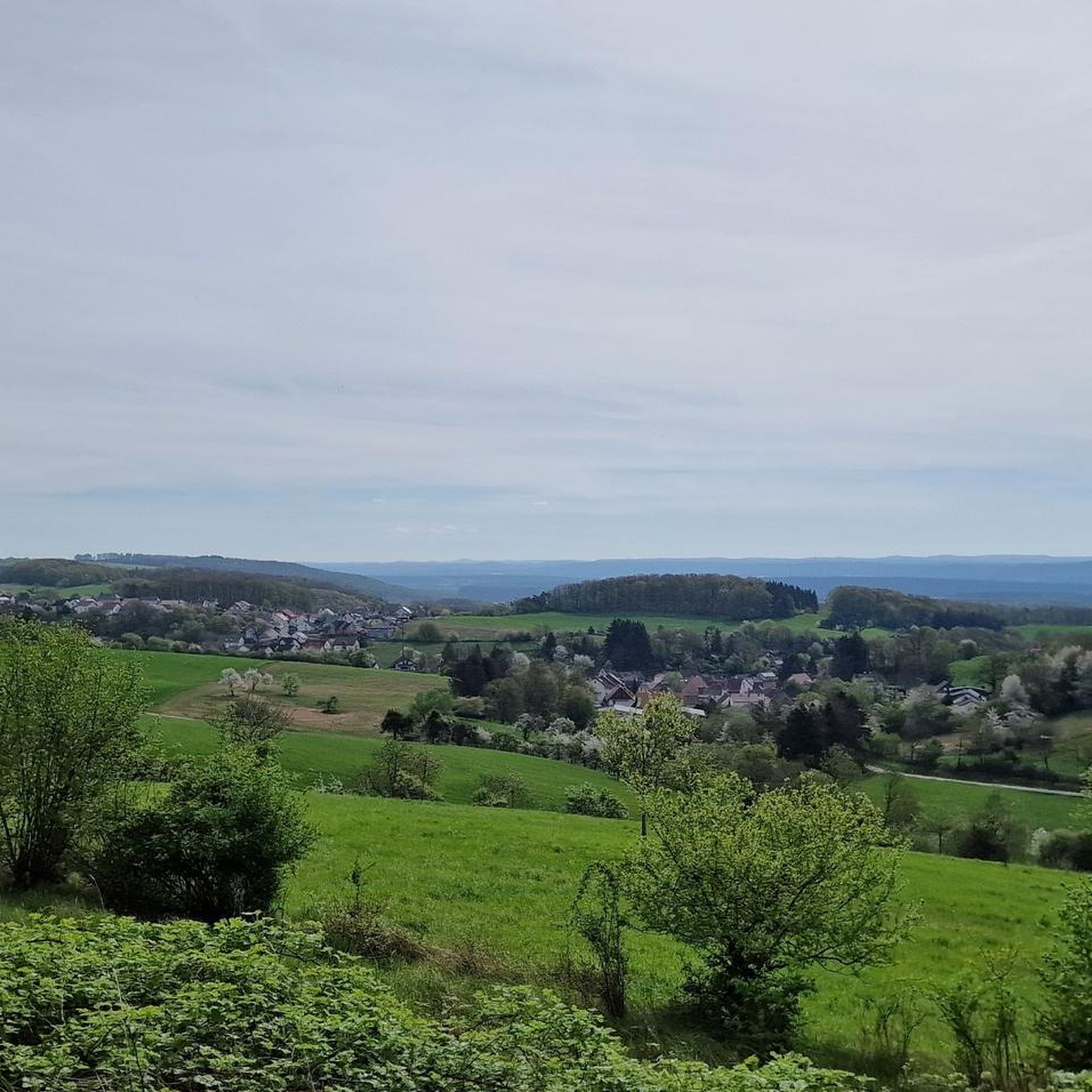
From the castle you have a beautiful view of the Glan valley.
1
0

The Michelsburg Castle and the neighboring former provost church of St. Remigius on the Remigiusberg near Haschbach, in the center of the Glan Valley, are the historical heart of the Remigiusland region. The first documented mention of an illegally built hilltop castle dates back to 1127, when Benedictine monks purchased it from a knight named Adelbert. The monks used the stones of the former castle to build the Benedictine provost church of St. Remigi, the remnant of which is the Remigius Church. Count Henry II of Zweibrücken built a second castle out of wood in 1260 – during the inheritance disputes of the counts of Veldenz – after the first male line of counts of Veldenz had died out in 1259. This castle was later expanded and furnished with stone, and a chapel (dedicated to St. Michael) was built inside. In 1543, Count Palatine Rupert of Veldenz made the castle his secondary residence and had a princely crypt built in the provost church. Little is known about what happened to the castle in later centuries, but it was reportedly still intact in 1708 and changed hands several times. In 1868, it came into the possession of the St. Remigiusberg Catholic Church Foundation. Today, the 20-meter-high shield wall, remnants of the palace, the ring wall, and the moat are preserved.
5
0
The Michelsburg Castle and the neighboring former provost church of St. Remigius on the Remigiusberg near Haschbach, in the center of the Glan Valley, are the historical heart of the Remigiusland region. The first documented mention of an illegally built hilltop castle dates back to 1127, when Benedictine monks purchased it from a knight named Adelbert. The monks used the stones of the former castle to build the Benedictine provost church of St. Remigi, the remnant of which is the Remigius Church. Count Henry II of Zweibrücken built a second castle out of wood in 1260 – during the inheritance disputes of the counts of Veldenz – after the first male line of counts of Veldenz had died out in 1259. Later, this castle was expanded and furnished with stone, and a chapel (dedicated to St. Michael) was built inside. In 1543, Count Palatine Rupert of Veldenz made the castle his secondary residence and had a princely crypt built in the provost church. Little is known about what happened to the castle in later centuries, but it was reportedly still intact in 1708 and changed hands several times. In 1868, it came into the possession of the St. Remigiusberg Catholic Church Foundation. Today, the 20-meter-high shield wall, remnants of the palace, the ring wall, and the moat are preserved.
5
1
Frequently Asked Questions
What are some of the most popular castles to visit around Kollweiler?
Among the most popular are the Keep of Alt-Wolfstein Castle, offering magnificent views, and the Ruins of Neu-Wolfstein Castle, known for its rich history and beautiful vistas over Wolfstein. Visitors also appreciate the Heidenburg Ruins for its historical significance and lookout tower.
Are there any significant historical castles slightly further afield from Kollweiler?
Yes, while not directly in Kollweiler, Nanstein Castle near Landstuhl is a significant historic landmark. It's a ruined medieval spur castle with a rich history, including its association with Franz von Sickingen, and offers panoramic views and insights into European castle evolution.
What kind of views can I expect from the castles around Kollweiler?
Many of the castle ruins around Kollweiler offer excellent viewpoints. For example, the Keep of Alt-Wolfstein Castle provides magnificent views of the surrounding hills and forests. Similarly, the Ruins of Neu-Wolfstein Castle and Heidenburg Ruins offer beautiful views over Wolfstein and the wider area.
Are there family-friendly castle ruins to explore near Kollweiler?
Yes, the Heidenburg Ruins are considered family-friendly. Besides the historical site and viewpoint, it features a nice playground, making it suitable for families with children.
What historical insights can I gain from visiting these castles?
The castles offer a glimpse into the region's past. The Ruins of Neu-Wolfstein Castle, for instance, has a rich history of changing hands and being rebuilt after destruction. The Michelsburg Ruins at Remigiusberg is considered the historical heart of the Remigiusland region, with a history dating back to 1127 and remnants of a shield wall and palace.
What outdoor activities can I combine with a visit to the castles?
The region around Kollweiler is ideal for various outdoor activities. You can find numerous MTB trails, road cycling routes, and gravel biking routes that often pass by or near these historical sites, allowing you to combine exploration with active recreation.
Are there hiking opportunities to reach the castles?
Yes, many of the castles are accessible via hiking trails. For example, the climb to the Keep of Alt-Wolfstein Castle is a rewarding hike. The surrounding Palatinate Forest offers a blend of natural beauty and historical significance, making it suitable for outdoor exploration on foot.
What is the best time to visit the castles around Kollweiler?
The castles are generally enjoyable year-round. However, for hiking and outdoor exploration, spring and autumn offer pleasant temperatures and beautiful scenery. Summer provides longer daylight hours, while winter visits can offer a unique, serene atmosphere, though some facilities might have reduced hours.
What do visitors particularly enjoy about the castles in this region?
Visitors frequently highlight the magnificent views from the castle ruins, such as those from the Keep of Alt-Wolfstein Castle. The historical significance and the opportunity to explore ancient structures like the Ruins of Neu-Wolfstein Castle are also highly appreciated. The blend of nature and history makes for a captivating experience.
Can I find other historical sites besides castles in the Kollweiler area?
Yes, the region is rich in historical sites. Besides the castle ruins, you can explore the Historic Old Town of Wolfstein, which features a charming old town with beautiful half-timbered houses. The Michelsburg Ruins at Remigiusberg also includes the neighboring former provost church of St. Remigius.
Are there any castles that are less well-known but still worth visiting?
While not a hidden gem in the strictest sense, the Michelsburg Ruins at Remigiusberg offers a compelling experience. It's the historical heart of the Remigiusland region, with imposing remains and great views, providing a deeper dive into the area's medieval past beyond the more frequently visited Wolfstein castles.
Most popular routes around Kollweiler
Most popular attractions around Kollweiler

Get inspired with the komoot mobile app


Explore more
Looking for the best castles somewhere else? Discover other guides around Kollweiler:
