Top 13 Caves around Niedermoschel
Caves around Niedermoschel primarily consist of historical mining tunnels and adits, reflecting the region's industrial past. These sites, often locally referred to as caves, offer insights into traditional mining techniques and their historical significance, including their use as wartime shelters. Many of these former tunnels now serve as important ecological sites, providing habitats for bats. The landscape around Niedermoschel is characterized by these man-made subterranean structures, distinct from natural stalactite caves.
Best caves around Niedermoschel
- The most popular caves is…
Last updated: July 10, 2026
Rock Tunnel on the Ho-Chi-Minh Trail
Highlight • Cave
Translated by Google •
Tip by

Cave near the castle in Naturpark Soonwald-Nahe
Highlight • Cave
Translated by Google •
Tip by

Sign up now to discover places like this
Get recommendations on the best single tracks, peaks, & plenty of other exciting outdoor places.
Sign up for free
Schmittenstollen Visitor Mine
Highlight • Historical Site
Translated by Google •
Tip by

Schinderhannesloch Cave
Highlight • Cave
Translated by Google •
Tip by

Teufelshöhle (Schinderhannes Cave)
Highlight • Cave
Translated by Google •
Tip by

Sign up for free to discover even more caves around Niedermoschel.
Sign up for free
Already have an account?
Start today with a free account
Your next adventure awaits.
Login or Signup
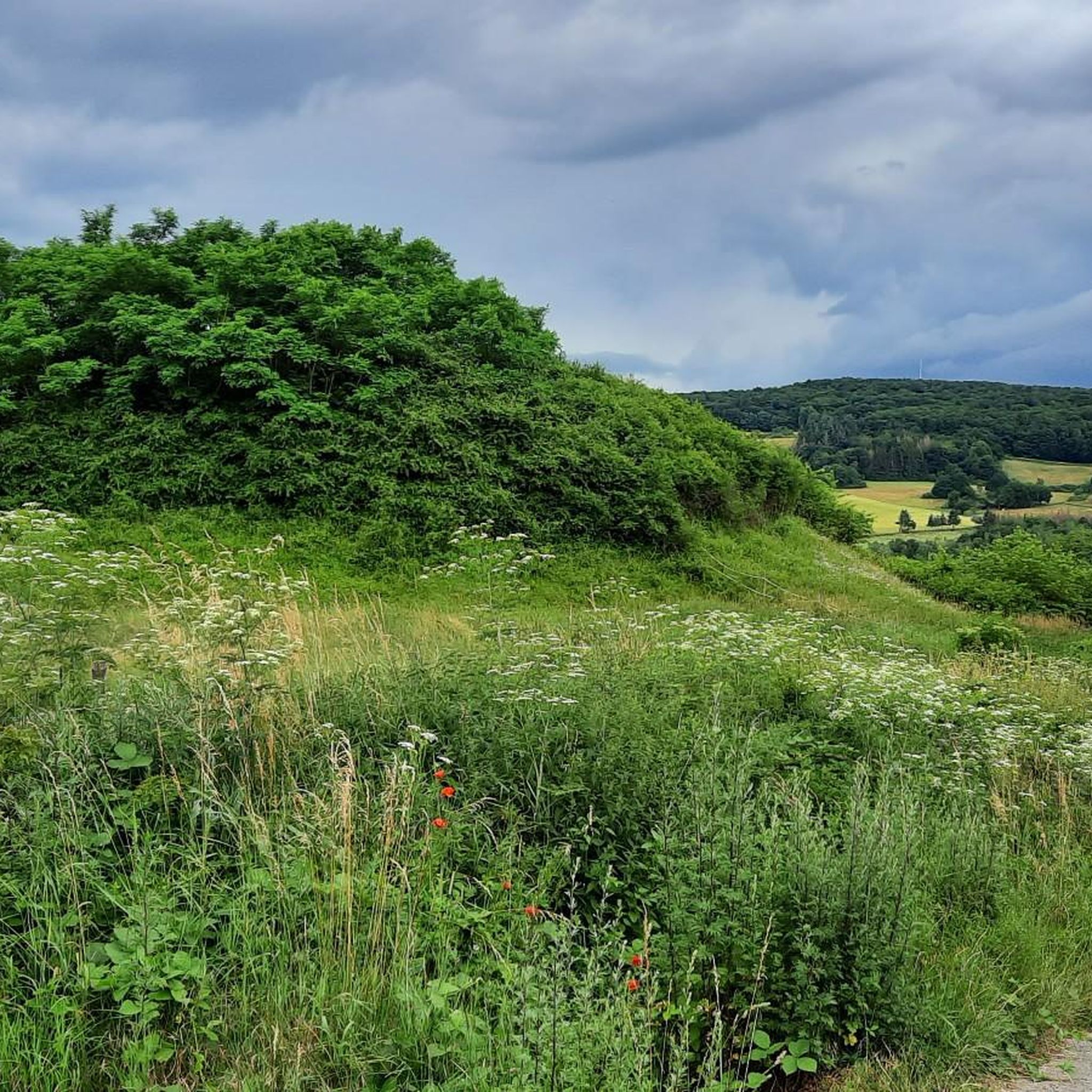
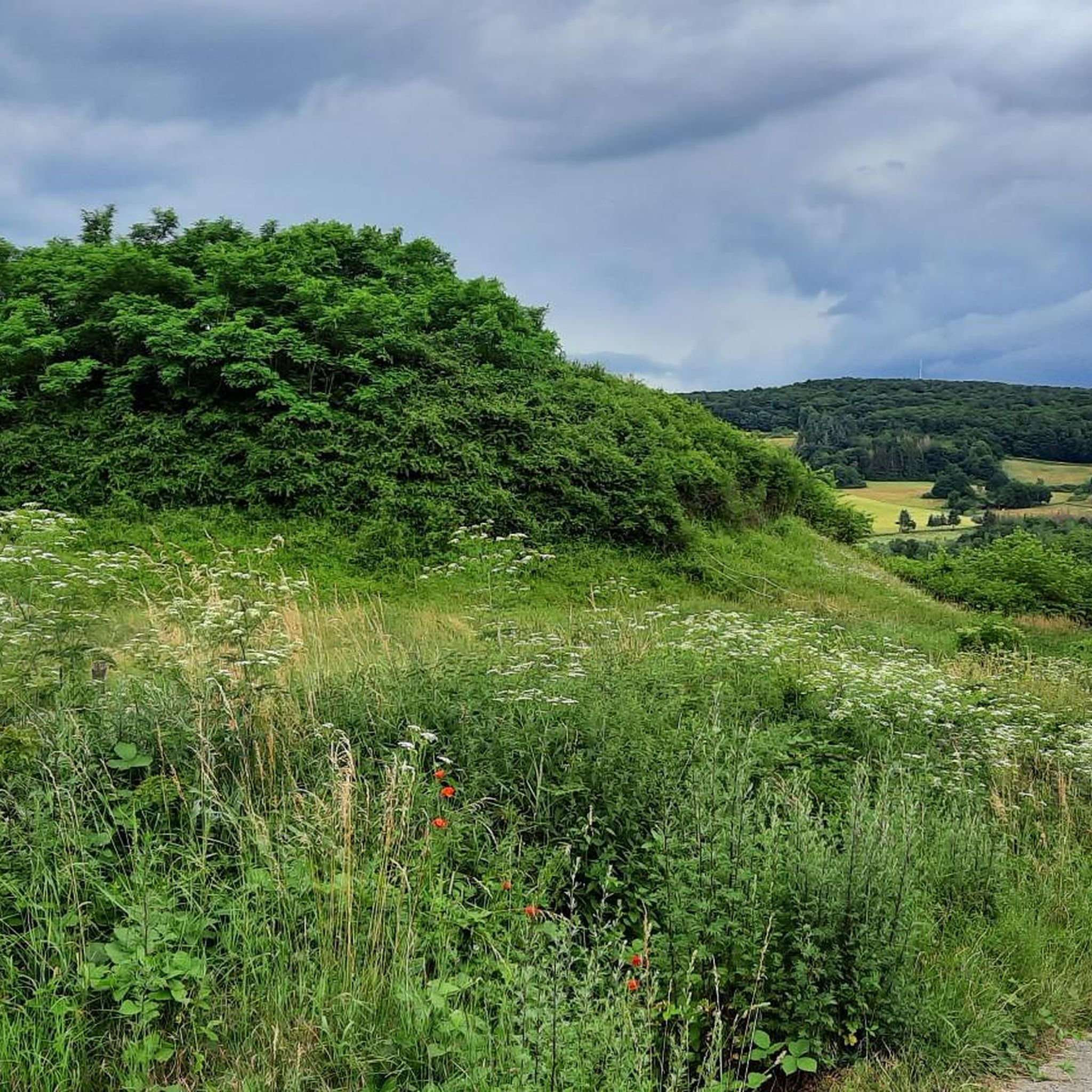
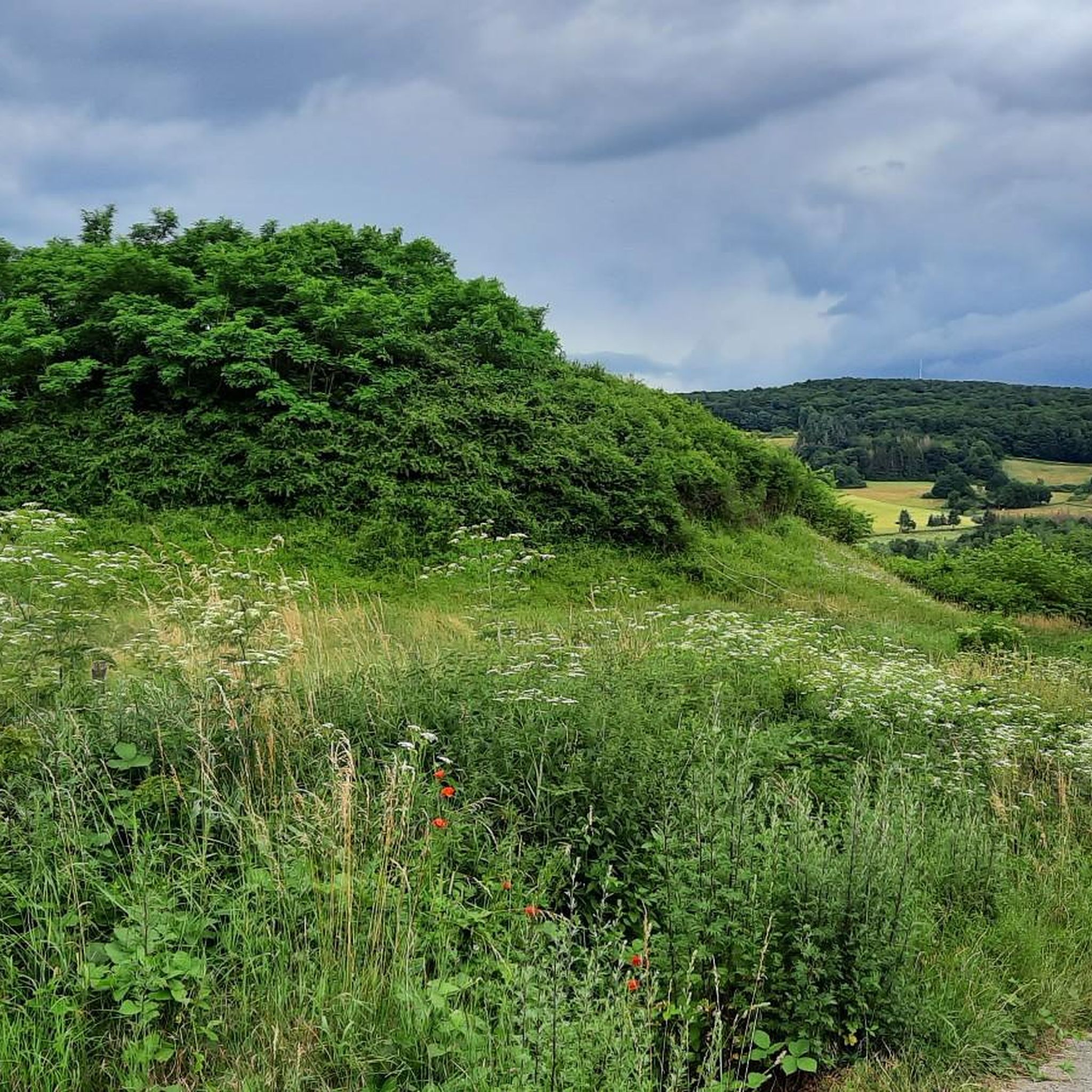
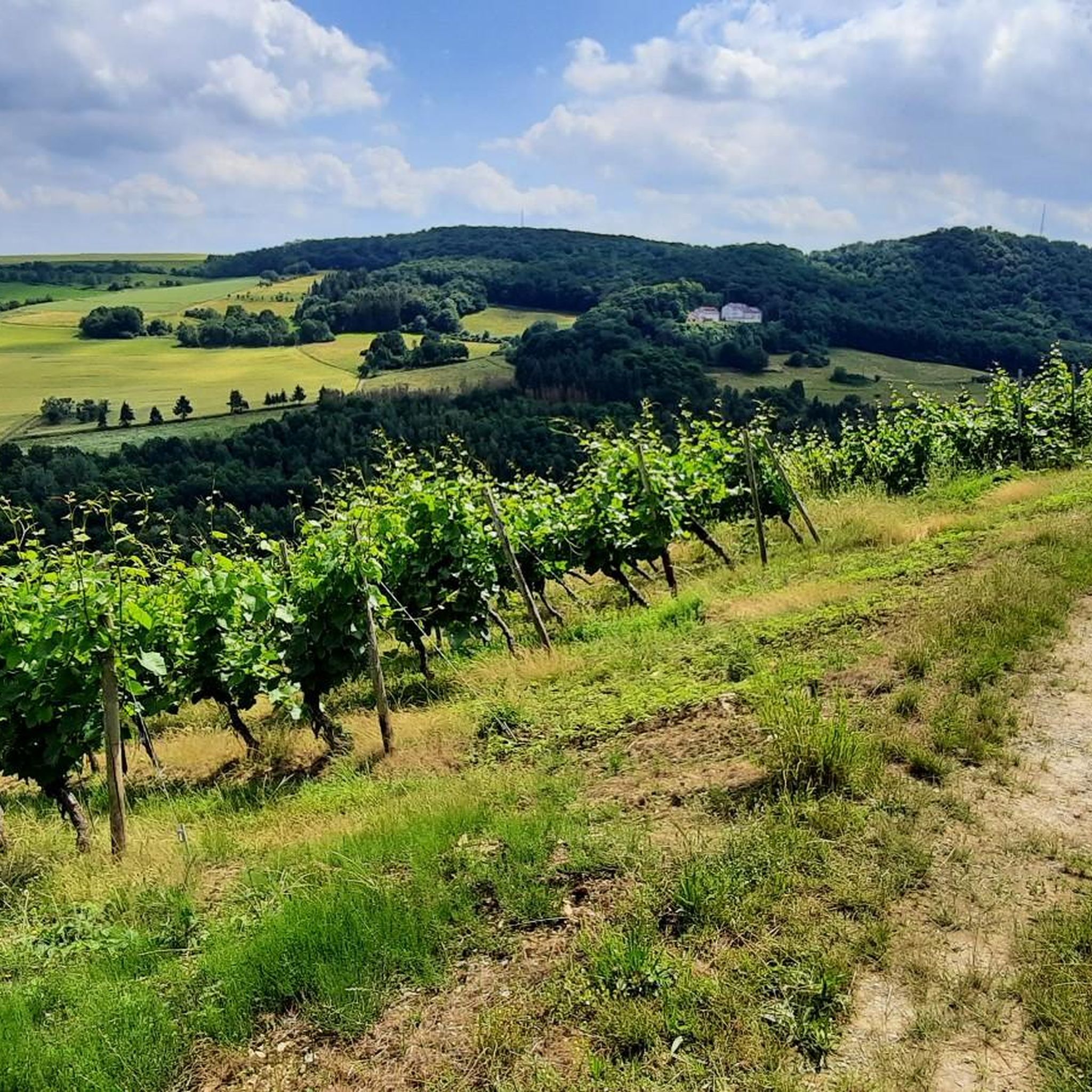
Tips from the Community

Short shadow break in the rocks
6
0

It's just a shame that this pretty little cave is apparently being used by many as a trash can. That really shouldn't be the case!
1
0

If you look into the small cave, it looks as if there is a small passage leading further into the rock - but I didn't investigate it any further.
3
0

small cave, of unknown origin
1
0

Very low cave in the entrance
0
0

Small cave on the way up or down to the castle.
3
0

Unfortunately misused as a garbage and toilet cave, there are people
2
0

So he wasn't just on the road in the Hunsrück 😜
0
0
Frequently Asked Questions
What kind of subterranean sites can I expect to find around Niedermoschel?
The region around Niedermoschel is primarily known for historical mining tunnels and adits, which are often locally referred to as caves. These sites offer a glimpse into the area's industrial past, including slate and mercury mining. While not natural stalactite caves, many now serve as important ecological habitats for bats.
Are there any family-friendly caves to visit near Niedermoschel?
Yes, the Schmittenstollen Visitor Mine is particularly suitable for families. It offers informative tours through passages from different mining periods, making history engaging for all ages.
What historical significance do the caves in the Niedermoschel area hold?
Many of the 'caves' in the Niedermoschel area are former mining tunnels, such as the Schmittenstollen Visitor Mine, which was a mercury mine. Others, like the Upper and Lower Laykaul Slate Caves mentioned in regional context, served as air-raid shelters during World War II, offering a direct link to the region's wartime past and traditional mining techniques.
Can I explore any natural rock formations or tunnels in the area?
Yes, you can visit the Rock Tunnel on the Ho-Chi-Minh Trail. This natural monument features a small, impressive tunnel through the rock, providing a shaded passage and a notable photo opportunity.
Are there any caves associated with local folklore or legends?
The Schinderhannesloch Cave is linked to local folklore regarding the robber Schinderhannes. While it's a 6-meter-long test tunnel from a mining area, stories suggest he may have used tunnels on the Lemberg to share loot with his accomplices.
What outdoor activities can I do near the caves around Niedermoschel?
The region offers various outdoor activities. You can find numerous routes for gravel biking, running, and road cycling. These routes often pass by or are close to some of the historical mining sites and natural features.
What is the best time of year to visit the caves in Niedermoschel?
Many of the former mining tunnels in the region, including the Schmittenstollen Visitor Mine, serve as important bat habitats, especially in winter. While the visitor mine offers tours during its season (typically until late autumn), some other tunnels might be closed or less accessible in winter to protect the bats. Spring to autumn generally offers the best conditions for exploring the surrounding areas and accessible sites.
Are there any caves that are important for wildlife?
Yes, many of the former mining tunnels and adits in the Niedermoschel region have become significant ecological sites. For example, the Schmittenstollen Visitor Mine provides a winter habitat for 15,000 bats across 7 species. The Baybachtal Bat Cave (Slate Tunnel) is another notable example, named for its current use as a bat habitat.
Is there a natural stalactite cave in the broader region?
While not directly in Niedermoschel, Sophie's Cave (Sophienhöhle) near Burg Rabenstein is a renowned natural stalactite cave in the broader region. It's known for its beautiful formations, cave bear dens, and a unique cave bear skeleton, offering a different kind of subterranean experience if you're willing to travel further.
What do visitors particularly enjoy about the caves and tunnels in Niedermoschel?
Visitors appreciate the historical insights offered by sites like the Schmittenstollen Visitor Mine, finding the tours informative and impressive. The Rock Tunnel on the Ho-Chi-Minh Trail is enjoyed for its unique natural feature and as a pleasant, shaded passage. The overall appeal lies in discovering the region's industrial heritage and unique natural formations.
Are there any accessible tunnels that I can enter freely?
The Bienstandstollen Copper Mine near Teschenmoschel is mentioned as a freely accessible tunnel. However, it's noted that some visitors might find going inside not to their preference, so discretion is advised.
What should I know about the Teufelshöhle (Schinderhannes Cave)?
The Teufelshöhle (Schinderhannes Cave) is a historical site where Romans extracted sandstone and later served as a home for Germanic settlers. It's also linked to the robber Schinderhannes. Access can be challenging, as routes may be overgrown, requiring some off-path navigation, especially outside of winter and spring.
Most popular routes around Niedermoschel
Most popular attractions around Niedermoschel

Get inspired with the komoot mobile app


Explore more
Extend your search for the best caves by checking out these guides of the top ones around Niedermoschel:
