Top 10 Caves around Bayerfeld-Steckweiler
Best caves around Bayerfeld-Steckweiler are primarily found in the surrounding Donnersbergkreis district, offering insights into the region's geological and industrial past. The area features historical mining tunnels, known as "Stollen," which were once active copper, silver, iron, and cobalt mines. These sites provide a factual look at centuries of mining traditions and the geological history influenced by volcanic activity. Visitors can explore man-made tunnels and shafts, showcasing the methods of historical mining.
Best caves around Bayerfeld-Steckweiler
- The most popular caves…
Last updated: May 15, 2026
Katharina I Mine
Highlight • Historical Site
Translated by Google •
Tip by

Lourdes Grotto Falkenstein
Highlight • Religious Site
Translated by Google •
Tip by

Sign up now to discover places like this
Get recommendations on the best single tracks, peaks, & plenty of other exciting outdoor places.
Sign up for free
Bienstandstollen Copper Mine
Highlight • Cave
Translated by Google •
Tip by

Nativity Scene at Falkensteiner Gorge
Highlight • Structure
Translated by Google •
Tip by

Marienthaler Klause Cave
Highlight • Cave
Translated by Google •
Tip by

Sign up for free to discover even more caves around Bayerfeld-Steckweiler.
Sign up for free
Already have an account?
Start today with a free account
Your next adventure awaits.
Login or Signup

Tips from the Community

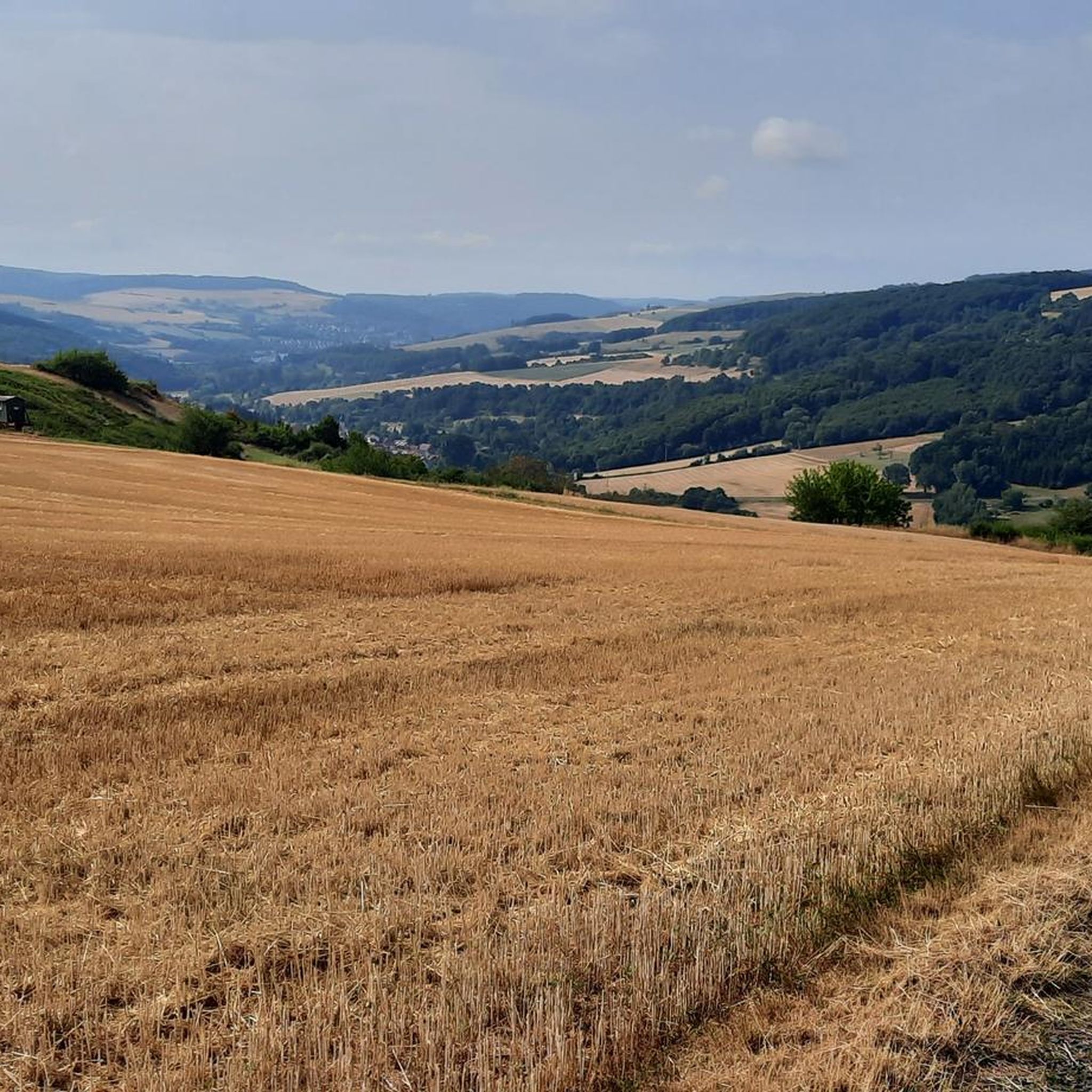
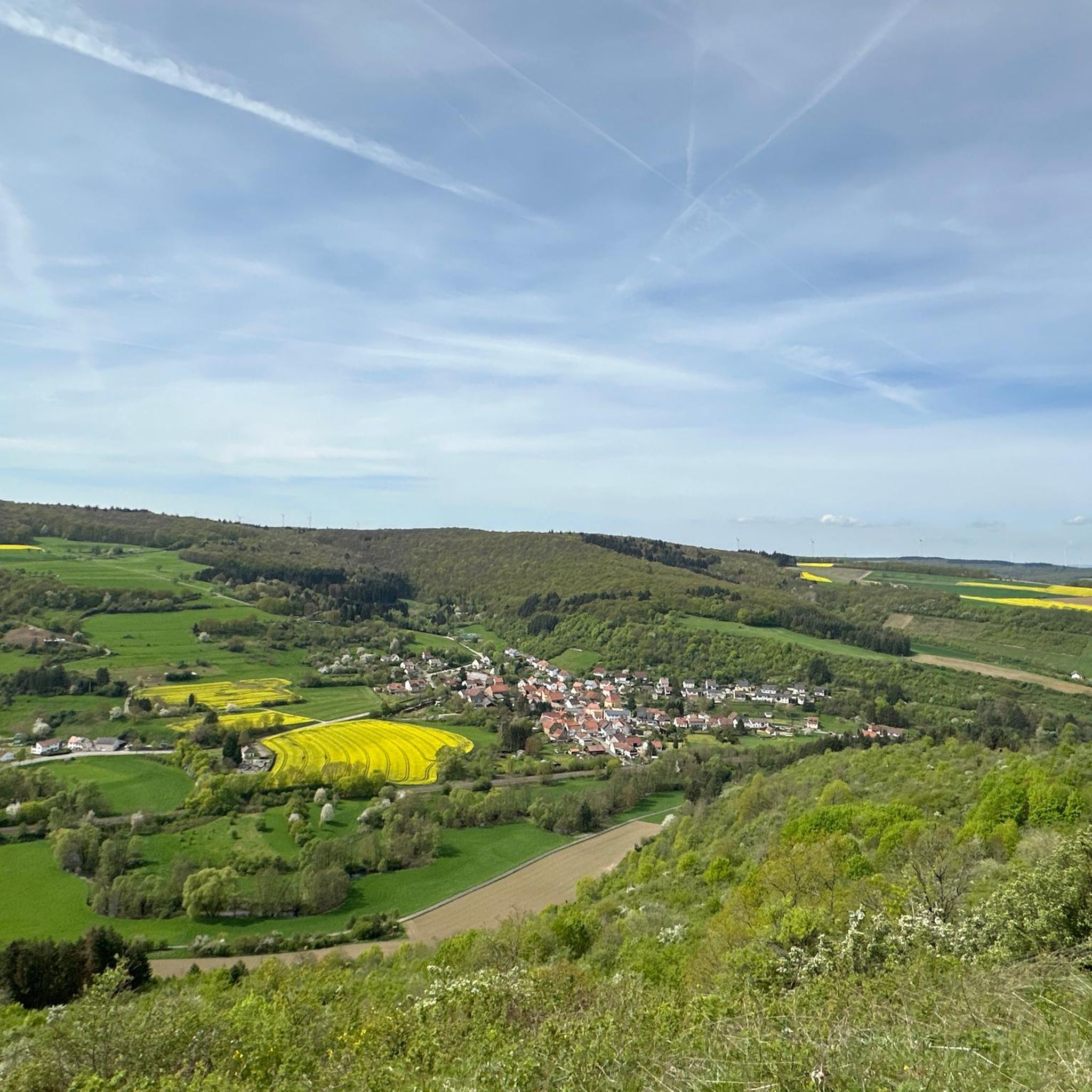
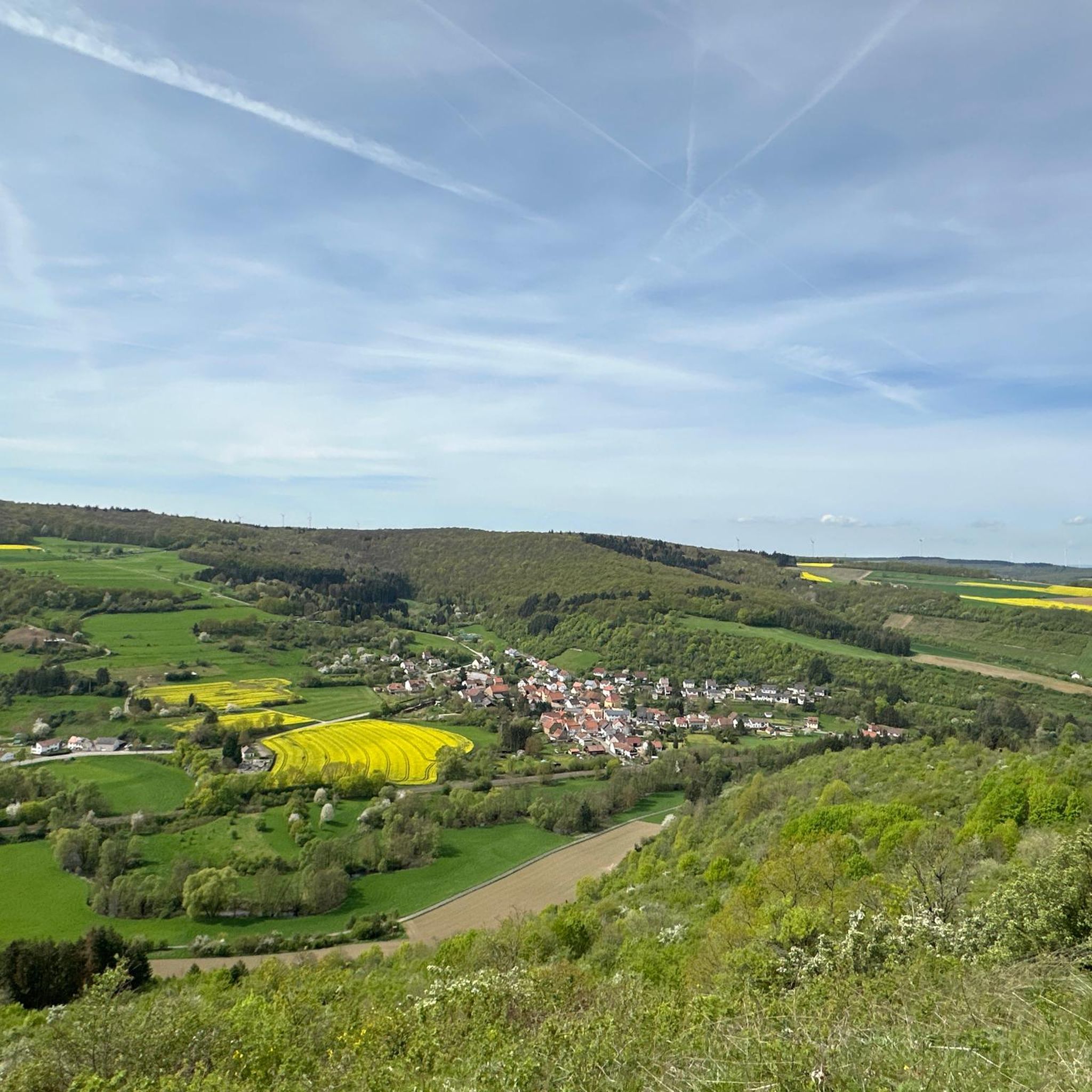
A beautiful place to slow down. You can also take a break here with a picturesque panoramic view.
0
0

should be seen once
0
0
Always worth a visit, great landscape
0
0

Everything has an end, only a sausage has two… and every fence has a hole somewhere.
8
1
Unfortunately, it's become rather neglected... what a shame.
3
0

I think that's very nice.
0
0

oldest copper mines in the Imsbach mining area
2
0

The stairs to the shrine of the Madonna
1
0
Frequently Asked Questions
What kind of "caves" can I expect to find around Bayerfeld-Steckweiler?
The region around Bayerfeld-Steckweiler is primarily known for its historical mining tunnels, often called "Stollen," rather than natural caves with stalactites. These man-made tunnels offer a unique glimpse into centuries of mining for copper, silver, iron, and cobalt, showcasing the industrial heritage and geological history of the area.
What are some of the most historically significant mining tunnels in the area?
The Imsbach mining region, near Bayerfeld-Steckweiler, is rich in history. Notable sites include the Katharina I Mine, which was in operation as early as the 14th century, and the Bienstandstollen Copper Mine, dating back to the early 16th century. These sites provide insight into the region's long mining traditions.
Are there any natural geological formations to explore near Bayerfeld-Steckweiler?
Yes, the Falkensteiner Schlucht (Falkenstein Gorge) near Imsbach offers a distinct rocky landscape with unique geological formations. While primarily a gorge, it features smaller tunnels and rock shelters, remnants of mining or natural structures within its volcanic rock. It provides a different kind of experience focused on natural geological wonders.
Are the mining tunnels around Bayerfeld-Steckweiler suitable for families with children?
Many of the historical mining tunnels, such as the Bienstandstollen Copper Mine, are considered family-friendly. Visitors can often enter with a flashlight to observe mineral deposits. The Pfälzisches Bergbaumuseum in Imsbach also complements the underground tours with exhibits suitable for all ages, making it an educational experience.
What should I wear when visiting the mining tunnels?
Temperatures inside the tunnels can be cooler than outside, even in summer. It's advisable to wear sturdy shoes and bring a jacket or warm layers. A flashlight is also recommended for exploring some of the darker sections of the tunnels.
Can I bring my dog to the caves or mining tunnels?
While specific rules for each site may vary, many outdoor areas and hiking trails around the mining tunnels are dog-friendly. However, access for dogs inside the actual tunnels might be restricted for safety or conservation reasons. It's best to check with individual visitor mines or attractions beforehand.
What is the best time of year to visit the caves and mining sites?
The historical mining tunnels and outdoor geological sites can generally be visited year-round. However, spring and autumn offer pleasant temperatures for exploring the surrounding hiking trails and outdoor areas. Some visitor mines might have specific opening seasons, so it's advisable to check their schedules.
What other outdoor activities can I do near these caves?
The region around Bayerfeld-Steckweiler offers various outdoor activities. You can find numerous hiking trails, including historical mining hiking trails like the Eisenweg and Kupferweg in Imsbach. For cycling enthusiasts, there are options for MTB trails, cycling routes, and gravel biking, often incorporating scenic views and historical points of interest.
Are there any religious or spiritual sites related to caves in the area?
Yes, the Lourdes Grotto Falkenstein, located near the Falkenstein castle ruins, is a small rock grotto housing a Madonna. It's a quiet, reflective spot that invites visitors to linger.
What geological features are prominent in the caves and surrounding landscape?
The mining tunnels primarily showcase mineral deposits like copper, silver, iron, and cobalt ores. The broader geological landscape, especially around the Falkensteiner Schlucht, is characterized by unique rock formations resulting from volcanic activity dating back around 200 million years, differing from the typical red sandstone of the region.
Where can I learn more about the mining history of the region?
Beyond exploring the tunnels themselves, the Pfälzisches Bergbaumuseum (Palatinate Mining Museum) in Imsbach provides comprehensive exhibits detailing the mining processes, tools, and the diversity of local minerals. Additionally, information boards along the historical mining hiking trails offer in-depth context.
Are there any experimental or unique tunnels to visit?
The B-Tunnel Katharinental is an experimental mine from the early 20th century. Its large cross-section and irregular shape are characteristic of tunnel construction from that period, reflecting rapid advancement through blasting techniques used to develop new ore deposits.
Most popular routes around Bayerfeld-Steckweiler
Most popular attractions around Bayerfeld-Steckweiler

Get inspired with the komoot mobile app


Explore more
Extend your search for the best caves by checking out these guides of the top ones around Bayerfeld-Steckweiler:
