Top 5 Caves around Oberwiesen
Caves around Oberwiesen are primarily found in the surrounding Donnersbergkreis region, as the municipality of Oberwiesen itself does not feature significant natural cave systems. The area is characterized by its geological history, including ancient sea beds and historical mining activities. These sites offer insights into both natural formations and human interaction with the landscape over centuries.
Best caves around Oberwiesen
- The most popular caves is Weinheimer Trift Fossil Site, a natural monument that shows deposits from a sea around…
Last updated: June 27, 2026
Weinheimer Trift Fossil Site
Highlight • Natural Monument
Translated by Google •
Tip by

Swiss House
Highlight • Viewpoint
Translated by Google •
Tip by

Sign up now to discover places like this
Get recommendations on the best single tracks, peaks, & plenty of other exciting outdoor places.
Sign up for free
Schinderhannes Cave
Highlight • Cave
Translated by Google •
Tip by
Marienthaler Klause Cave
Highlight • Cave
Translated by Google •
Tip by

Celtic Star Interpretation at the Marienthaler Klause
Highlight • Historical Site
Translated by Google •
Tip by

Start today with a free account
Your next adventure awaits.
Login or Signup
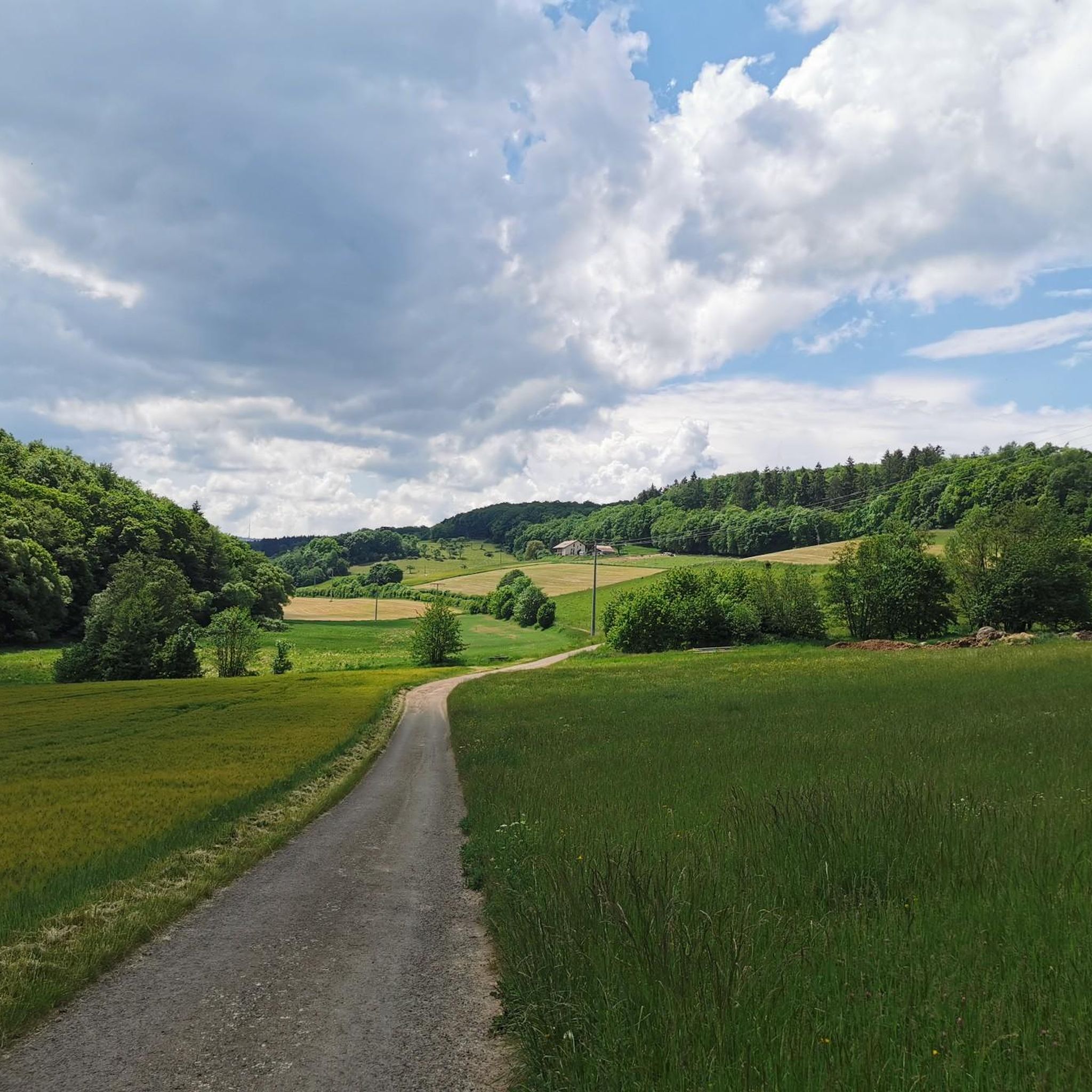
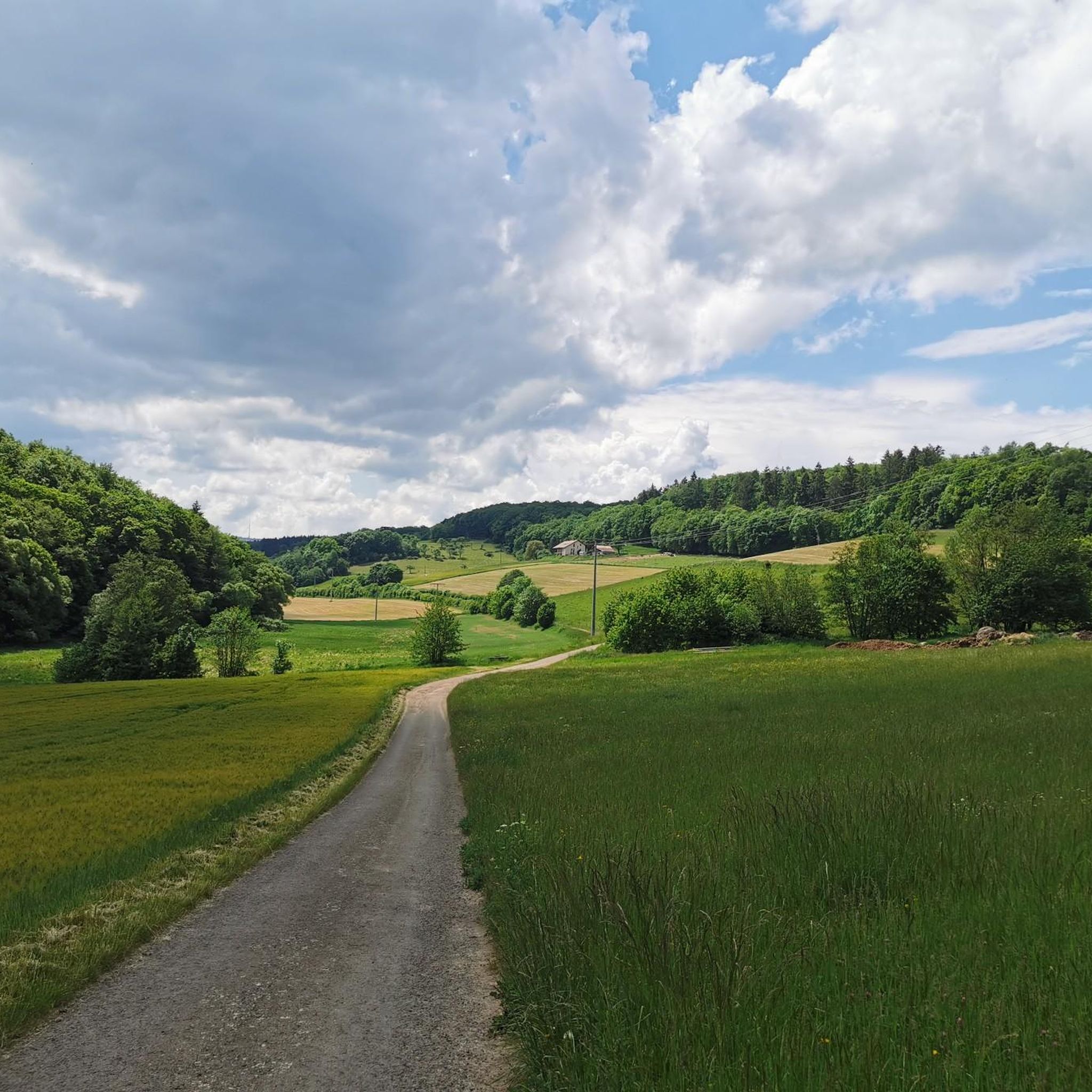
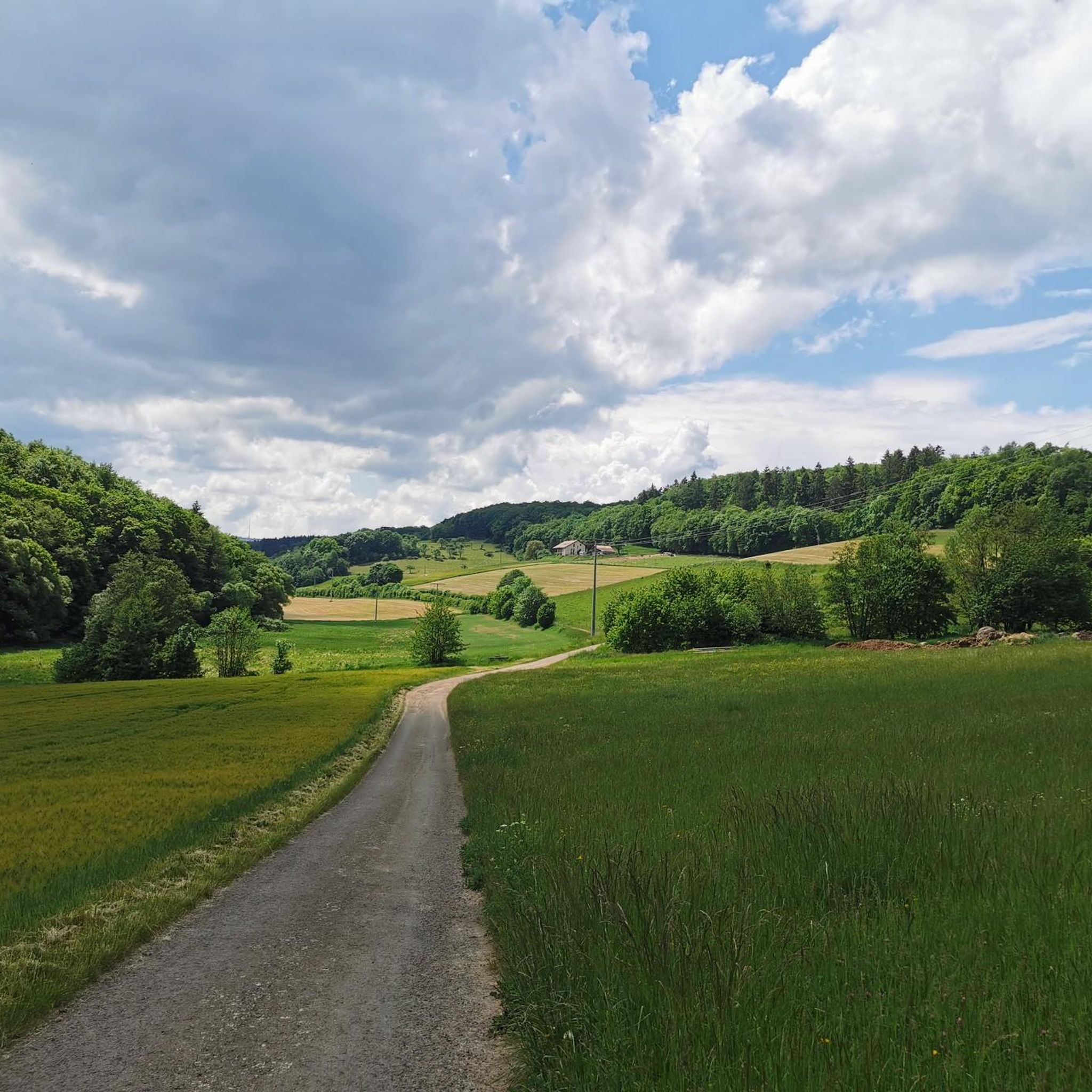
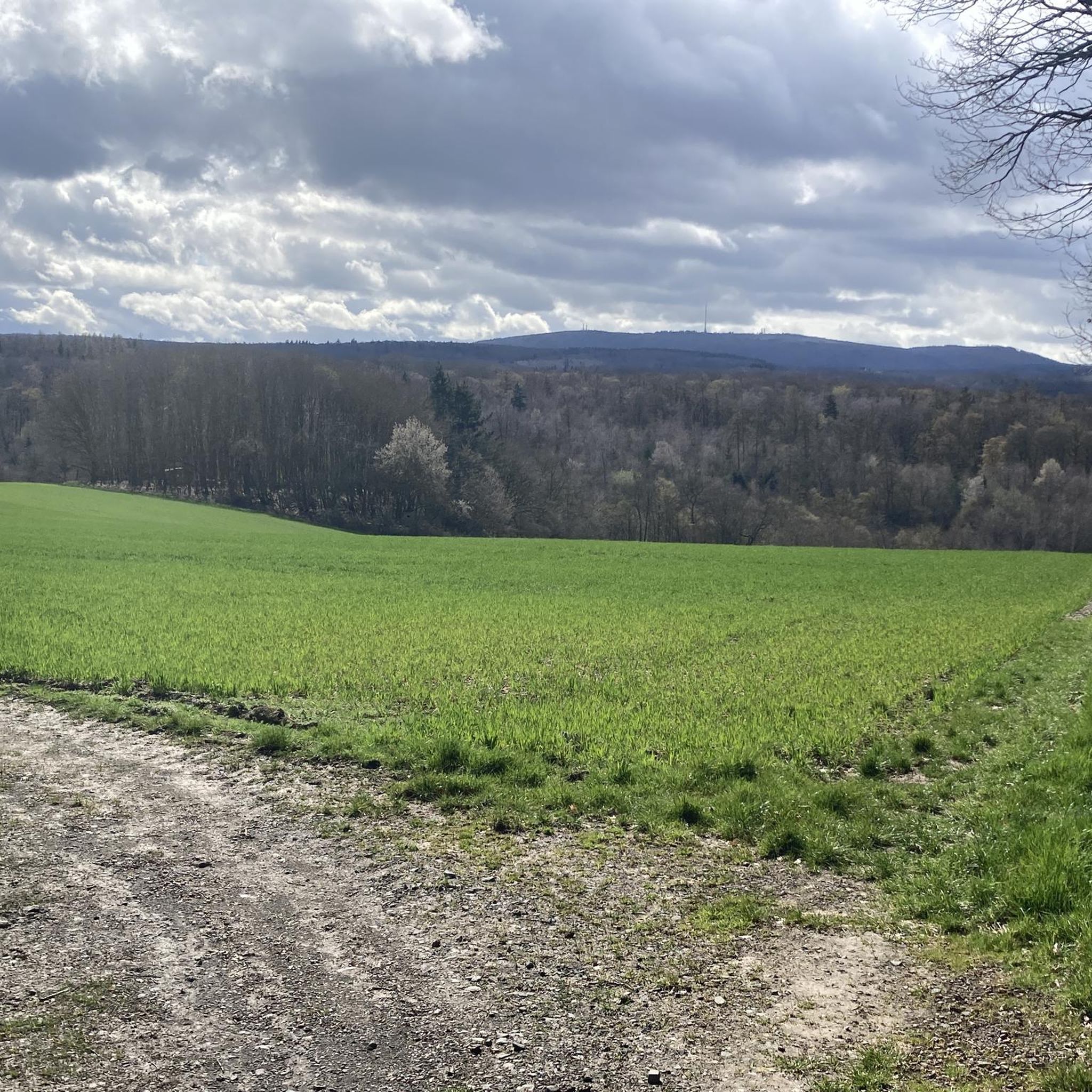

Tips from the Community

A beautiful view. But there's a lot of renovation work to be done, I'd say.
1
0

Unfortunately, the Swiss house looks run-down. The roof terrace is locked, but there's also a great view from below the house.
0
0

https://www.myheimat.de/alzey/c-freizeit/die-trift-in-weinheim_a123601 Yes, there actually used to be a sea here!
1
0
The drift shows marine deposits from the Oligocene period (30 million years ago). Mussels and snails are the most common fossils, but fish remains such as shark teeth and small creatures and micro plants can also be seen. The caves at the base were created during World War II. They served as a place of refuge from air raids. The area is protected by a fence.
1
0

You should be sure-footed and be able to guide your dog safely.
1
2

Deeply narrow but warm even in winter.Narrow steep path up to here.Be careful, wait.But brilliant hiding place!!!!😄✌️
0
0

The Trift is a petrified seabed.
1
0

There is seating there.
1
1
Frequently Asked Questions
What kind of 'caves' can I expect to find around Oberwiesen?
The municipality of Oberwiesen itself does not feature significant natural cave systems. Instead, the 'caves' in the surrounding Donnersbergkreis region are primarily historical mining tunnels and geological formations. These sites offer a unique blend of natural history and human heritage, showcasing ancient sea beds and centuries of mining activities.
Are there any natural geological sites to explore near Oberwiesen?
Yes, the Weinheimer Trift Fossil Site is a notable natural monument. It features deposits from a sea that existed around 30 million years ago, where researchers have identified different sea levels and found fossils, including a sea cow. It also served as an air-raid shelter during World War II.
What historical 'caves' or underground sites are there?
You can visit the Schinderhannes Cave, a 60-meter-long historical site that was formerly a mercury mine dating back to the 14th century. Another historical site is the Marienthaler Klause Cave, a small chamber believed to have been a lodge entrance, possibly inhabited by Celtic Druids, or a mine from the Middle Ages.
Are there any challenging trails to reach these cave sites?
Yes, the path to the Schinderhannes Cave from the Swiss House is considered adventurous and challenging. It is recommended for those with firm footing, no vertigo, and good footwear due to its narrow and exposed sections.
What is the significance of the Marienthaler Klause Cave?
The Marienthaler Klause Cave is a historically interesting place. It's thought to have been a lodge entrance, possibly used by Celtic Druids for star observation before the birth of Christ, or a mine from the Middle Ages. A nearby highlight, Celtic Star Interpretation at the Marienthaler Klause, provides more context on this.
Are there any viewpoints near the cave sites?
Yes, the Swiss House, while no longer serviced, offers a beautiful view. It's also a starting point for the adventurous path to the Schinderhannes Cave.
What outdoor activities can I do near these caves?
The region around Oberwiesen offers various outdoor activities. You can explore numerous cycling routes, such as those found in the Cycling around Oberwiesen guide. For road cycling enthusiasts, there are routes like those in the Road Cycling Routes around Oberwiesen guide. If you prefer off-road adventures, consider the gravel biking trails detailed in the Gravel biking around Oberwiesen guide.
Is there a gypsum mine called Oberwiesen that I can visit?
There is a notable gypsum mine and museum called Gipsbergwerk Oberwiesen, but it is located in Schleitheim-Oberwiesen, Switzerland, not in Oberwiesen, Germany. The Gipsmuseum Schleitheim Oberwiesen offers underground tours and insights into gypsum mining history. Visitors are advised to wear warm clothes and sturdy shoes for the tour.
What should I wear when visiting the cave sites around Oberwiesen?
For sites like the Schinderhannes Cave, sturdy shoes are essential due to the adventurous and potentially challenging paths. While the 'caves' here are not extensive natural systems requiring specialized caving gear, comfortable clothing suitable for hiking and exploring historical sites is always recommended.
Are the cave sites around Oberwiesen suitable for families?
The Weinheimer Trift Fossil Site offers an interesting educational experience for families interested in geology and history. However, some paths, like the one to the Schinderhannes Cave, are described as adventurous and challenging, making them less suitable for very young children or those with mobility concerns.
What do visitors appreciate most about the cave sites in this region?
Visitors often appreciate the unique combination of natural history, such as the ancient sea deposits at the Weinheimer Trift Fossil Site, and the rich human heritage found in the historical mining tunnels like the Schinderhannes Cave and Marienthaler Klause Cave. The opportunity to explore sites with connections to Celtic Druids and medieval miners makes for a fascinating experience.
Most popular attractions around Oberwiesen

Get inspired with the komoot mobile app


Explore more
Extend your search for the best caves by checking out these guides of the top ones around Oberwiesen:
