Top 4 Caves around Biedesheim
Caves around Biedesheim offer diverse geological and historical insights within the Rhineland-Palatinate region of Germany. The area is characterized by its varied natural landscape, including sandstone formations and volcanic remnants. While Biedesheim itself does not host major caves, the surrounding Palatinate region provides access to unique subterranean attractions. These range from natural rock formations shaped by ancient geological processes to historical sites reflecting human interaction with the landscape.
Best caves around Biedesheim
- The most popular caves is Ritterstein No. 293:…
Last updated: June 27, 2026
Ritterstein No. 293: Hohfels Prehistoric Dwelling Cave
Highlight • Cave
Translated by Google •
Tip by

Prehistoric cave in the Hohfels (CLOSED)
Highlight • Cave
Translated by Google •
Tip by

Sign up now to discover places like this
Get recommendations on the best single tracks, peaks, & plenty of other exciting outdoor places.
Sign up for free
Karst Cave Natural Monument
Highlight • Cave
Translated by Google •
Tip by

Grotto in the City Park
Highlight • Structure
Translated by Google •
Tip by

Hubertus Shelter
Highlight • Mountain Hut
Translated by Google •
Tip by

Sign up for free to discover even more caves around Biedesheim.
Sign up for free
Already have an account?
Start today with a free account
Your next adventure awaits.
Login or Signup
Tips from the Community

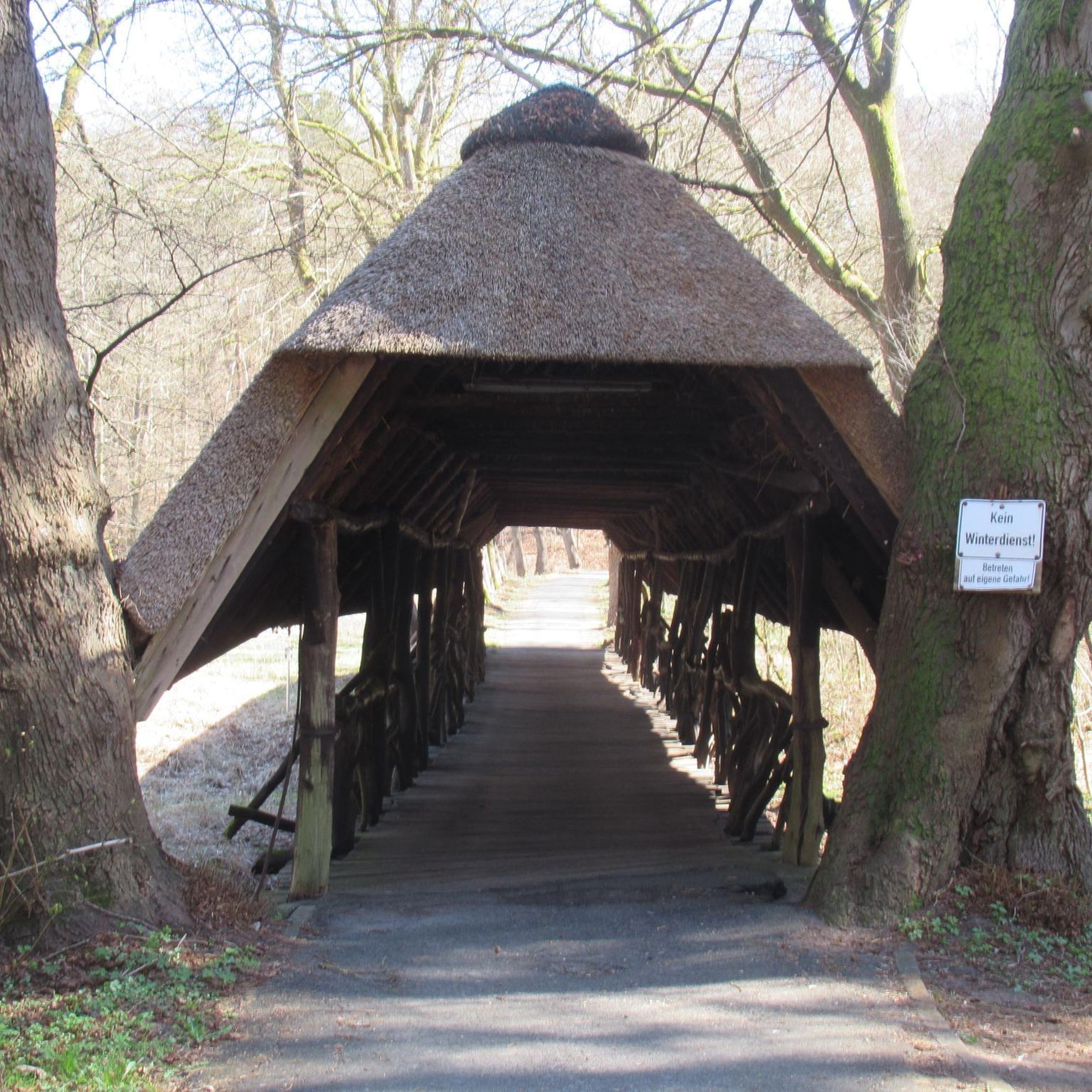
There are several warning signs Danger to life... Danger of collapse
0
0


Very impressive And well described by @Herbert Picker!
1
0

I liked the view of Asselheim from the Ritterstein
0
0

You can find a list of knight stones here: https://de.m.wikipedia.org/wiki/Liste_der_Rittersteine
1
0

A special structural feature in the city park is the artificially created two-arched grotto made of shell limestone. It was built in 1893 from stalactite formations from Greußen in Thuringia. If the weather is bad you can also sit here in the dry
5
0

Interesting little cave, building instructions from nature for building the vault
0
0

This is one of over 300 memorial stones erected by the Palatinate Forest Association (PWV). Its arrow points to a roughly 30 square meter cave dwelling "on the northern slope of the Höllenberg" and "in the Hohfels rock formation within the Tertiary limestone reef": https://www.komoot.de/highlight/1137121 Excavations have revealed evidence of human presence from around 40,000 BC (Lower Paleolithic) to around 5,000 BC (Upper Paleolithic)" and human burials in the Early and High Middle Ages. "The cave is now inaccessible due to the risk of collapse. The path leading to it is also overgrown with hedges, making passage impossible." Source (partially quoted verbatim): https://www.kuladig.de/Objektansicht/KLD-343754
1
0
Frequently Asked Questions
What types of caves can I explore around Biedesheim?
The region around Biedesheim offers a diverse range of subterranean experiences. You can find natural rock formations, historical dwelling caves, and unique geological phenomena. Examples include the Ritterstein No. 293: Hohfels Prehistoric Dwelling Cave, which is a tertiary limestone reef with archaeological significance, and the Lightning tubes of Battenberg, known for their ochre-colored sandstone formations. The Karst Cave Natural Monument also showcases interesting natural vault construction.
Are there any caves with historical significance near Biedesheim?
Yes, several caves in the region have historical importance. The Ritterstein No. 293: Hohfels Prehistoric Dwelling Cave is a notable example, where archaeological finds like wild animal bones and ceramic vessels suggest human habitation in the Middle Ages. Further afield, the region also features sites like the Roman Copper Mine and Quarry Pützlöcher, and the Lavakeller in Mendig, which were historically used for basalt mining and cold storage by breweries.
What unique geological formations can be found in the caves around Biedesheim?
The area is rich in unique geological features. The Lightning tubes of Battenberg are particularly impressive, featuring ochre-colored sandstone formations that are a mineralogical phenomenon resulting from sintering and erosion. The Karst Cave Natural Monument also offers a glimpse into natural vault construction. Beyond these, you can find natural monuments like the Bears' Cave near Rodalben, carved from red sandstone, and the Elfengrotte near Bad Bertrich, formed by ancient basalt flows.
Are there family-friendly caves or grottoes to visit?
Yes, there are options suitable for families. The Grotto in the City Park is an artificially created two-arched grotto made of shell limestone, offering an interesting and accessible experience. While not a natural cave, the Hubertus Shelter is also listed as family-friendly and provides a nice spot for a break.
What do visitors enjoy most about the caves around Biedesheim?
Visitors frequently appreciate the unique natural beauty and historical insights offered by the caves. For instance, the Lightning tubes of Battenberg are praised for their impressive and pretty formations, especially when surrounded by poppy flowers. The Karst Cave Natural Monument is noted for its interesting natural architecture. The komoot community has contributed 345 photos and 349 upvotes across various highlights, indicating a strong appreciation for the region's subterranean attractions.
Are there any caves that are natural monuments?
Absolutely. Several caves and formations in the area are designated natural monuments. These include the Ritterstein No. 293: Hohfels Prehistoric Dwelling Cave, the Lightning tubes of Battenberg, and the Karst Cave Natural Monument. These sites are protected for their geological, historical, or ecological significance.
What outdoor activities can I combine with a visit to the caves?
The region around Biedesheim is excellent for various outdoor activities. You can find numerous hiking, running, and mountain biking trails. For example, there are several running loops from Kindenheim, Ebertsheim, and Zellertal, as well as hiking routes like the St. Peter's Church loop from Zellertal or the Quirnheim Airfield loop. Mountain bikers can explore trails such as the Pfrimm Valley Viaduct loop. You can find more details on these activities in the Hiking around Biedesheim, Running Trails around Biedesheim, and MTB Trails around Biedesheim guides.
Are there specific trails or routes that lead to these caves?
Many caves are integrated into local hiking networks. For instance, the Ritterstein No. 293: Hohfels Prehistoric Dwelling Cave can be reached via a narrow path from the Ritterstein on the wine trail. The Karst Cave Natural Monument is a beautiful spot located directly on the Palatinate Weinsteig. For other caves, it's advisable to check local hiking maps or specific highlight descriptions for access details.
What should I bring when visiting caves in the Biedesheim area?
While specific requirements vary by cave, it's generally recommended to wear sturdy shoes, especially if exploring natural formations or less developed sites. For some caves, like the Millstone Caves of the Rother Kopf, bringing a flashlight and a helmet is advised. Always check specific visitor information for each cave you plan to visit, as conditions can vary.
Are there any caves in the region known for unique natural phenomena like ice formations?
Yes, the Volcanic Eifel region, within reasonable distance, is home to the Birresborner Ice Caves. These caves offer guided tours where visitors can experience the interplay of ice, rock, and history. In colder winters, impressive icicles can also form within the freely accessible Millstone Caves of the Rother Kopf near Gerolstein, offering a unique visual spectacle.
Can I find any mythical or legendary caves in the area?
Yes, the region has its share of folklore. The Dragon's Cave (Drachenhöhle) at Drachenfels is a notable example. According to local legend, this cave beneath the south rock was once home to the lindworm, a dragon-like creature slain by the mythical hero Siegfried, adding a touch of ancient myth to your exploration.
What is the best season to visit the caves around Biedesheim?
Many caves in the region are accessible year-round. However, some natural caves, like the Buchenloch Cave in the Gerolstein Dolomites, may be temporarily closed in winter to protect hibernating bats. For caves with potential ice formations, such as the Millstone Caves, colder winters would be ideal. Always check specific opening times and conditions for each cave before planning your visit.
Most popular routes around Biedesheim
Most popular attractions around Biedesheim

Get inspired with the komoot mobile app


Explore more
Extend your search for the best caves by checking out these guides of the top ones around Biedesheim:
