Top 14 Caves around Gonbach
Best caves around Gonbach are primarily historical mining sites and unique rock formations located in the wider Donnersberg region. This area, situated in the Palatinate Forest, is known for its rich geological history and past mining activities. While Gonbach itself does not feature prominent natural caves, the surrounding landscape offers insights into historical human interaction with the subterranean environment. These sites provide a glimpse into the region's industrial heritage and ancient dwellings.
Best caves around Gonbach
- The most popular caves…
Last updated: May 15, 2026
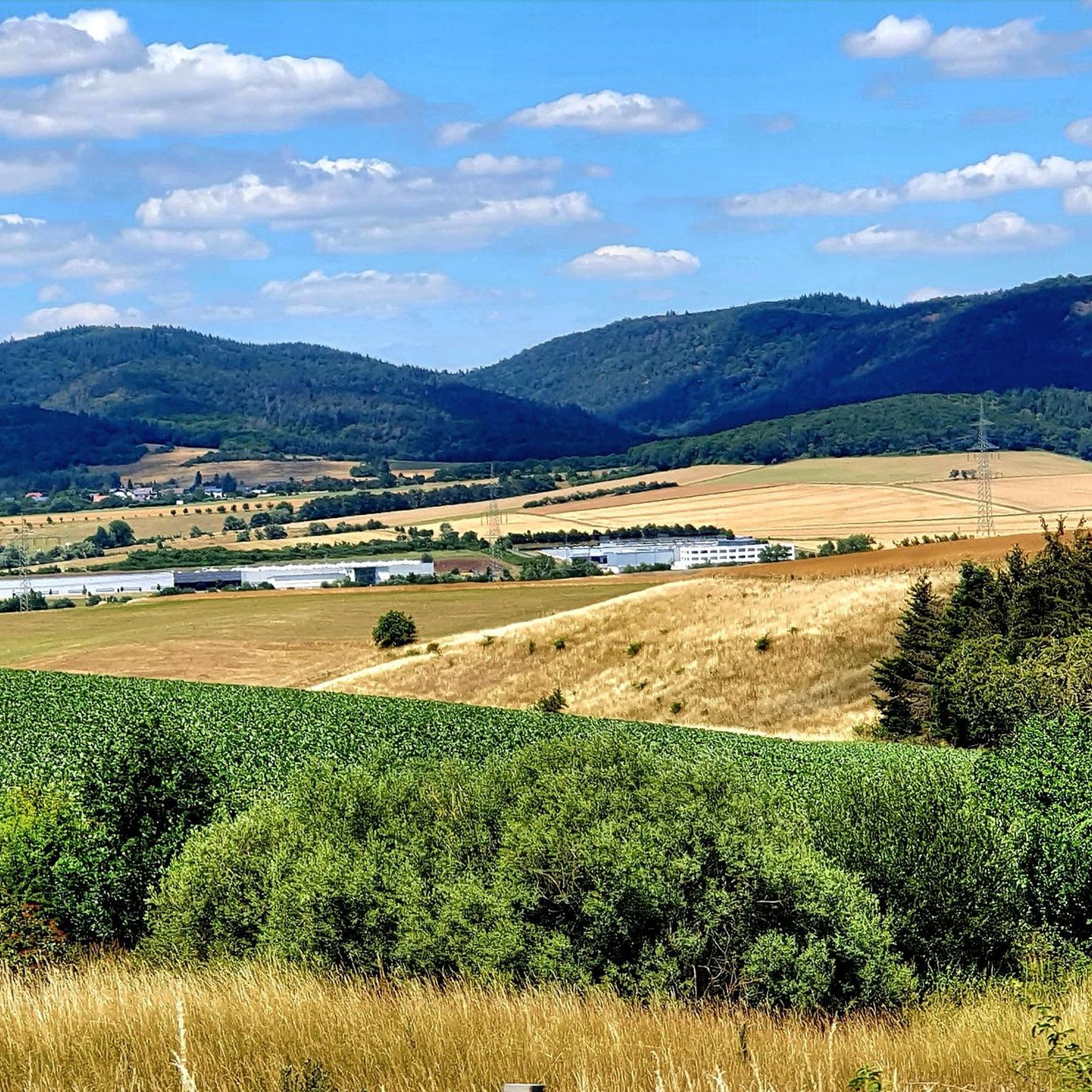
Börrstadt Hermitage
Highlight • Cave
Translated by Google •
Tip by

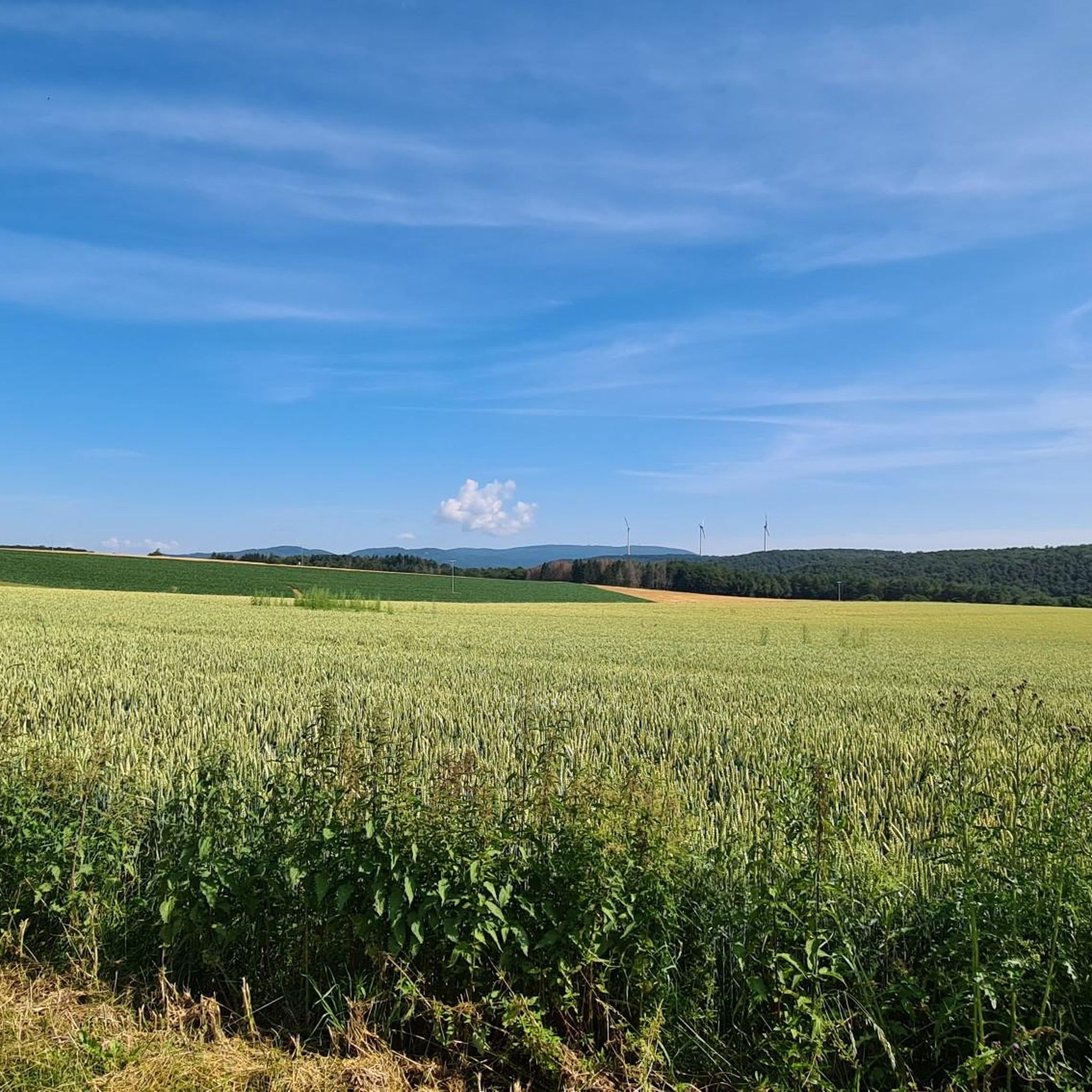
Iron Gate
Highlight • Historical Site
Translated by Google •
Tip by

Sign up now to discover places like this
Get recommendations on the best single tracks, peaks, & plenty of other exciting outdoor places.
Sign up for free
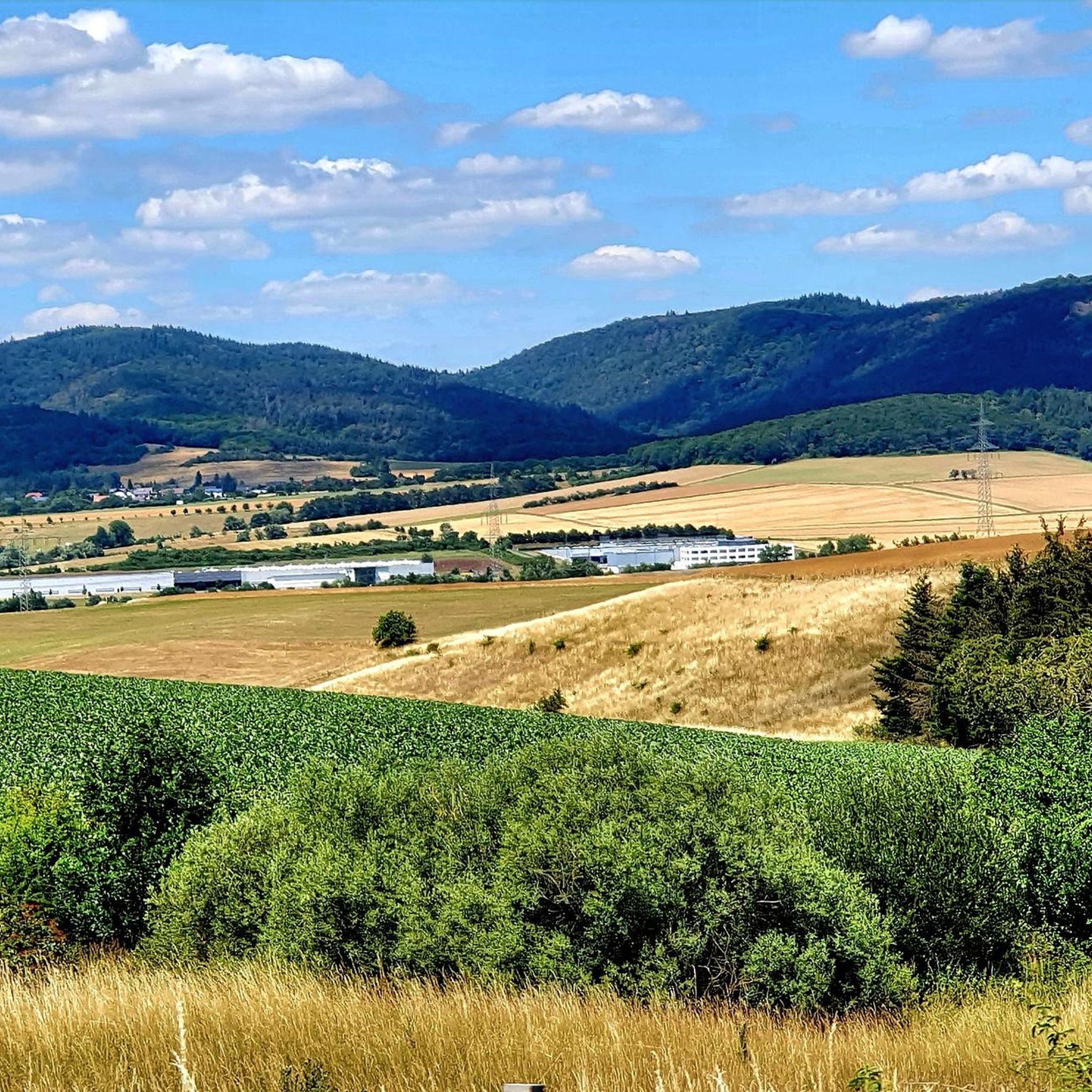
White Mine — Visitor Mine
Highlight • Historical Site
Translated by Google •
Tip by
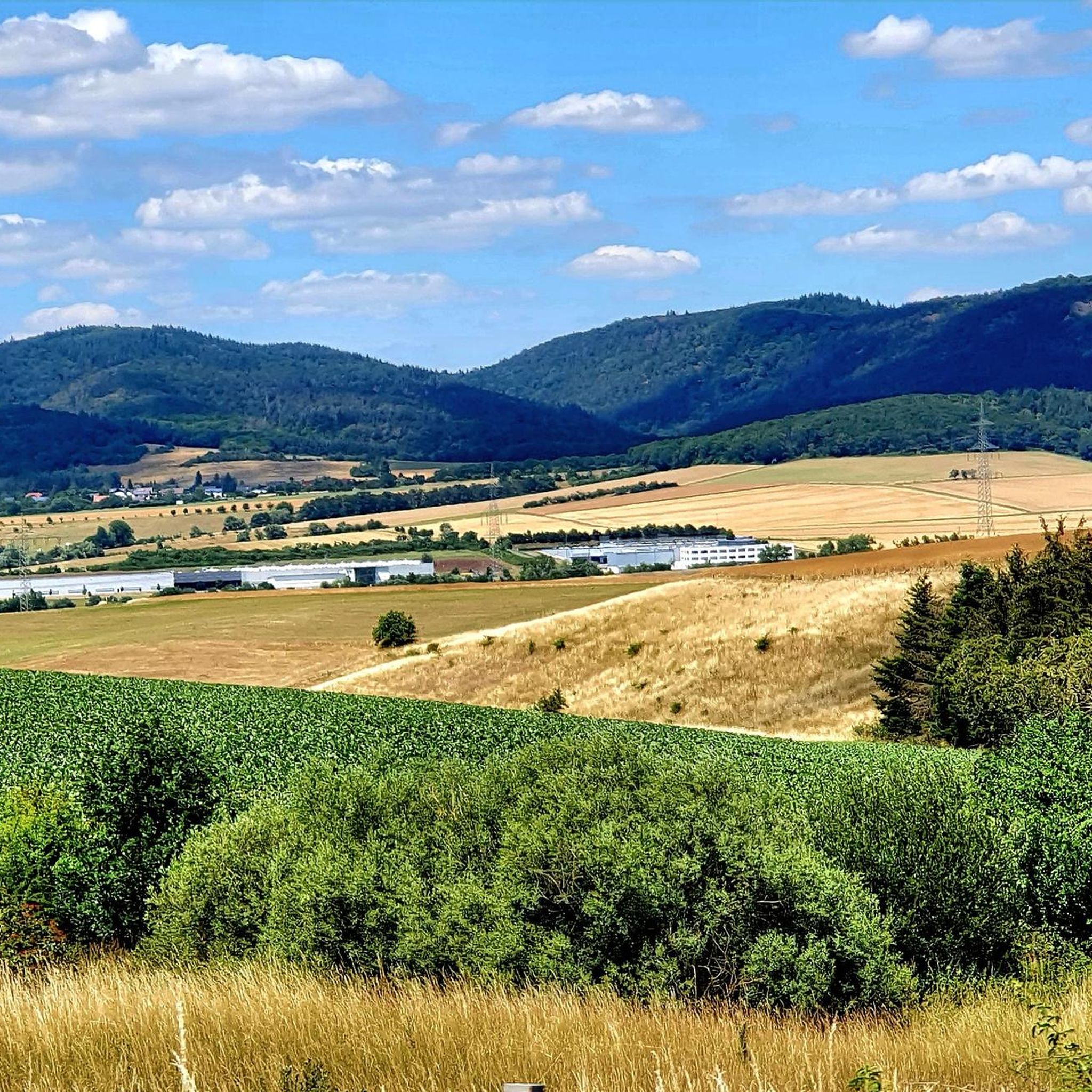
Katharina I Mine
Highlight • Historical Site
Translated by Google •
Tip by

Maria Iron Ore Mine
Highlight • Historical Site
Translated by Google •
Tip by

Sign up for free to discover even more caves around Gonbach.
Sign up for free
Already have an account?
Start today with a free account
Your next adventure awaits.
Login or Signup

Tips from the Community

Always worth a visit, great landscape
0
0

Everything has an end, only a sausage has two… and every fence has a hole somewhere.
8
1

Unfortunately, it only opens 1-2 days a month during the summer months. Check in advance!
1
0

oldest copper mines in the Imsbach mining area
2
0

Part of the mining history around Imsbach. An information board provides information about iron ore mining.
6
1
Mining was already taking place here in Roman times. From 1941 onwards it was no longer profitable to operate such small mines!
3
0
Frequently Asked Questions
What types of 'caves' can I explore around Gonbach?
The 'caves' around Gonbach are primarily historical mining sites and unique rock formations, rather than natural limestone caves. You'll find former copper and iron ore mines, as well as rock-carved dwellings like the Börrstadt Hermitage, which offer insights into the region's industrial heritage and ancient human interaction with the subterranean environment.
Are there any natural caves in Gonbach itself?
Gonbach itself does not feature prominent natural caves that are considered tourist attractions or natural wonders. The region's geological interest lies more in its historical mining activities and man-made subterranean structures.
What is the historical significance of the caves near Gonbach?
The caves are significant for their rich mining history. Sites like the Katharina I Mine, a former copper mine, date back to the 14th century, while the Maria Iron Ore Mine has a concession dating to 1902. These sites reveal centuries of ore extraction and human ingenuity.
Are the caves around Gonbach suitable for families?
Yes, some sites are considered family-friendly. For example, the Iron Gate, a historical mining tunnel, is categorized as family-friendly. The White Mine — Visitor Mine also offers insights into the former miner's world, which can be an educational experience for families.
What outdoor activities can I combine with a visit to the caves?
The region around Gonbach, particularly the Palatinate Forest, offers numerous outdoor activities. You can find various hiking trails, including easy and moderate loops like the 'Gnome Houses loop' or the 'Donnersbergblick Bench' trail. There are also road cycling routes and MTB trails for different skill levels.
What is the best time to visit the caves and the Gonbach region?
The Palatinate Forest region around Gonbach is generally pleasant to visit during spring, summer, and autumn for outdoor activities. For exploring the historical mining sites, conditions inside the 'caves' remain relatively constant year-round, but access trails might be more enjoyable in drier weather.
Are there any dog-friendly trails or cave sites near Gonbach?
While specific dog-friendly cave access might vary, many hiking trails in the surrounding Palatinate Forest are suitable for dogs. It's advisable to check individual site regulations for historical mines or hermitage access with pets.
How long does it typically take to explore these cave sites?
Exploration time varies by site. For places like the Börrstadt Hermitage or the Iron Gate, a visit might take less than an hour. Larger visitor mines or more extensive historical sites could require more time, especially if combined with nearby hiking.
What should I wear when visiting the cave sites?
Even in summer, temperatures inside mines and rock formations can be cool. It's recommended to wear layers and sturdy footwear suitable for uneven terrain. A headlamp or flashlight is also advisable for exploring darker sections of some sites.
Where can I find parking for the cave sites around Gonbach?
Parking availability varies by specific site. Many historical mining areas and trailheads in the Donnersberg region will have designated parking. For example, if you plan to hike, you might find parking near Münchweiler an der Alsenz train station, which serves as a starting point for several routes.
Are there cafes or pubs near the cave sites for refreshments?
While direct amenities at every cave site are unlikely, you can find cafes, pubs, and accommodation in nearby towns such as Münchweiler an der Alsenz or Sippersfeld. These towns serve as good bases for exploring the wider region.
What geological features are prominent in the caves around Gonbach?
The geological features around Gonbach are primarily related to the region's history of copper and iron ore mining. You'll observe exposed rock faces, tunnels, and shafts that reveal the mineral veins and geological strata that were exploited for centuries. These are not typically characterized by dripstone formations found in natural limestone caves.
Most popular attractions around Gonbach

Get inspired with the komoot mobile app


Explore more
Extend your search for the best caves by checking out these guides of the top ones around Gonbach:
