Top 14 Caves around Langsur
Best caves around Langsur are primarily located in the nearby region of Kordel, within the Landkreis Trier-Saarburg, offering a diverse range of underground experiences. This area features natural rock formations, historically modified caves, and ancient Roman mining sites. The landscape around Langsur and Kordel is characterized by its scenic valleys and forested areas, providing a setting for exploring these geological and historical landmarks. These sites are often integrated into popular hiking trails, making them accessible for outdoor enthusiasts.
Best caves…
Last updated: June 27, 2026
Genoveva Cave
Highlight • Cave
Translated by Google •
Tip by

Roman copper mine and quarry Pützlöcher
Highlight • Historical Site
Translated by Google •
Tip by

Sign up now to discover places like this
Get recommendations on the best single tracks, peaks, & plenty of other exciting outdoor places.
Sign up for free
Nitteler Cliffs Trail
Highlight (Segment) • Trail
Translated by Google •
Tip by

Hinkelsgret Shelter
Highlight • Gorge
Translated by Google •
Tip by

Lourdes Grotto
Highlight • Religious Site
"Mary's grottos are referred to as Lourdes grottos, which are replicas of the grotto of Massabielle near Lourdes in southern France and Our …
Translated by Google •
Tip by

Sign up for free to discover even more caves around Langsur.
Sign up for free
Already have an account?
Start today with a free account
Your next adventure awaits.
Login or Signup
Tips from the Community

Even today, blocks of stone with Roman numerals and inscriptions can be found in the mine. It is believed that quarrying continued into the 3rd century, as a coin of Emperor Maximinus Thrax was found in the tunnel. Much later, in the 18th century, the search for ore and copper resumed using state-of-the-art blasting techniques, creating new tunnels approximately 114 meters deep. However, the main tunnel collapsed during this process. Source: https://eifelfuehrer.de/touristische-ziele/geschichtliche-zeugnisse/puetzloecher
36
0
The Roman copper mine "Pützlöcher," located between Kordel and Butzweiler, is one of the oldest in Germany and means "waterhole." Here, in the 2nd century, ores such as malachite and azurite were mined at a depth of 20 meters. However, these ores were not found in large deposits, so the Romans later focused on the nearby quarry. The stones from this quarry were used, among other things, for the construction of the Porta Nigra. Source: https://eifelfuehrer.de/touristische-ziele/geschichtliche-zeugnisse/puetzloecher
43
0

A little bit of info from Wikipedia: "Mary's grottos are referred to as Lourdes grottos, which are replicas of the grotto of Massabielle near Lourdes in southern France and Our Lady of Lourdes. According to her own statements, St. Bernadette saw the Mother of God in this grotto in 1858. A Madonna figure adorns the grotto at the place of the Marian apparitions, the original of which Joseph-Hugues Fabisch created for Massabielle in 1864 according to Bernadette's instructions." The representation is always in a grotto and one always sees a girl kneeling at a distance in front of Mary.
1
0

The Porta Nigra in Trier, the Cologne Cathedral and the Reichstag in Berlin have something in common! The building blocks come from the same area near Butzweiler near Trier. "Pützlöcher" is the popular name for a Roman quarry in which the large blocks for the construction of the Porta Nigra were cut out of the rock. Previously, copper ore was mined here.⚒️
12
1
"Pützlöcher": Roman quarry in which large blocks were cut out of the rock to build the Porta Nigra. Before that, copper ore was mined here.⚒️
8
0

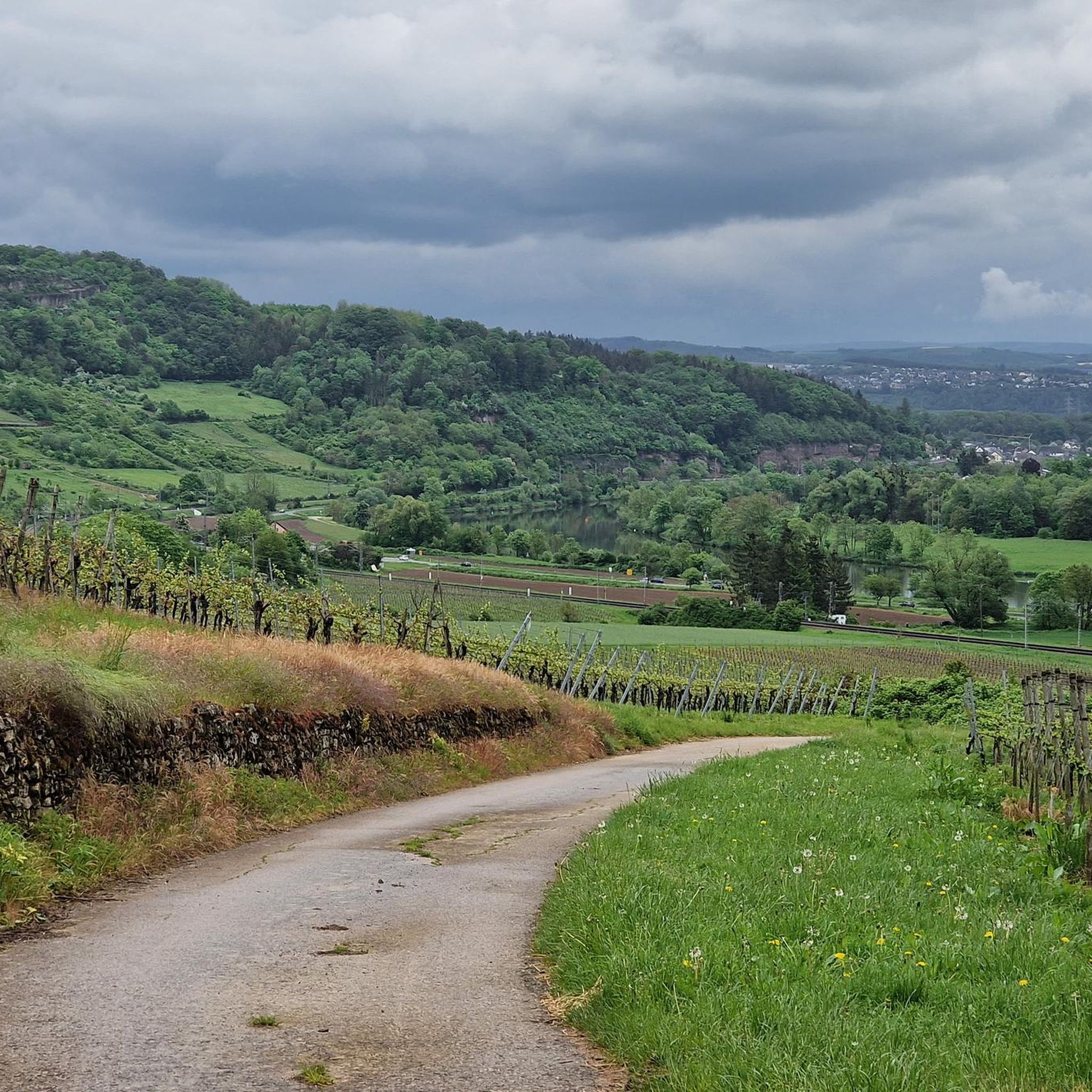
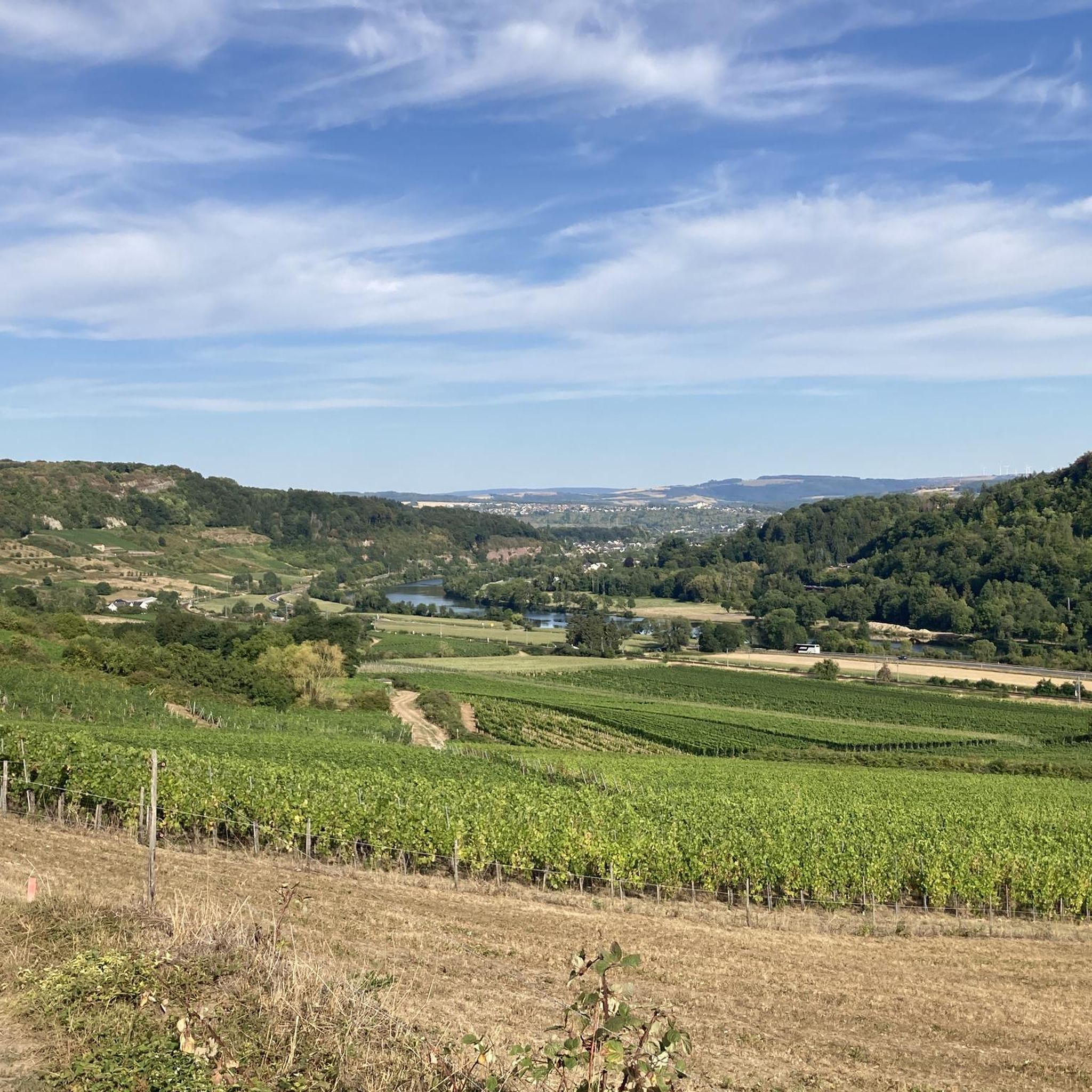
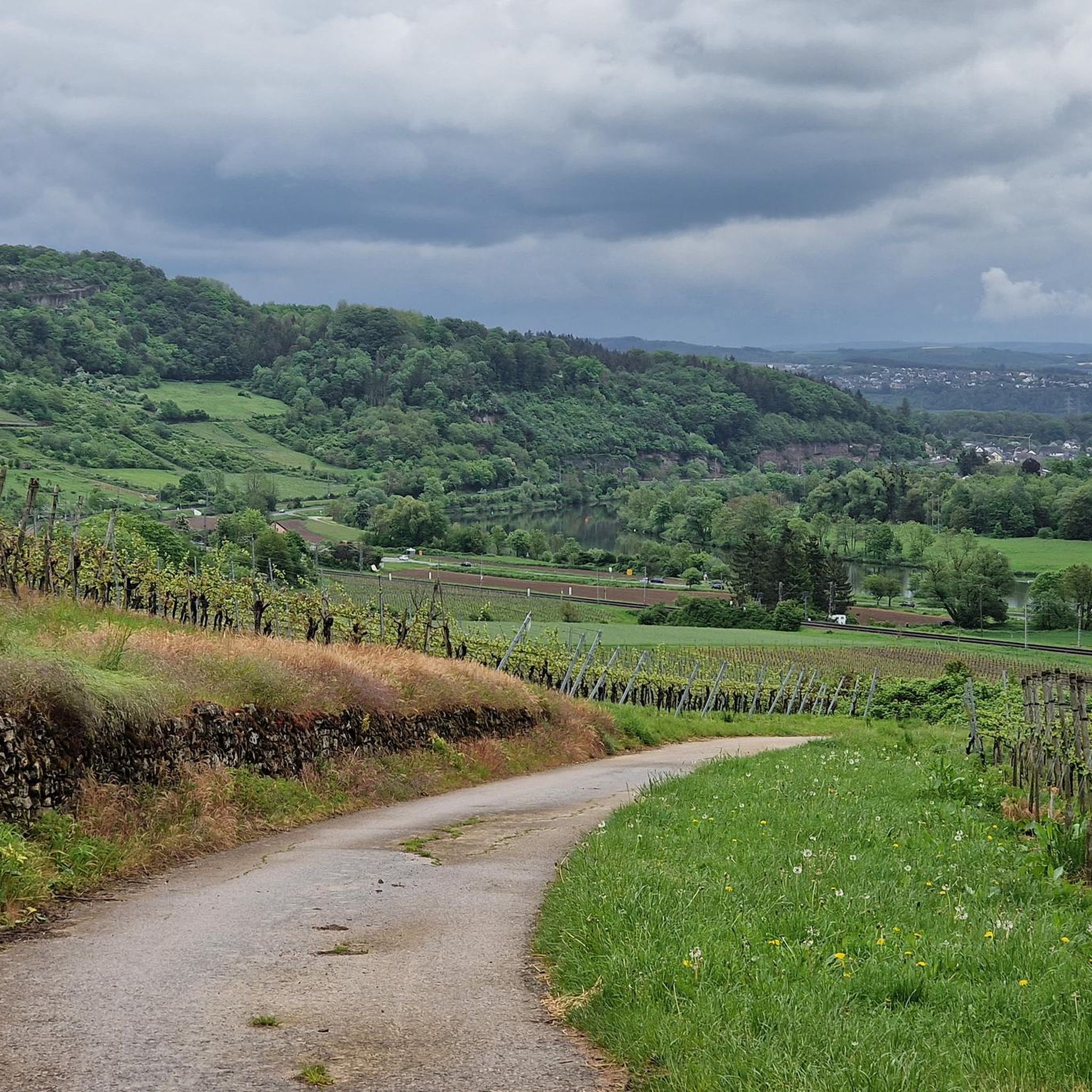
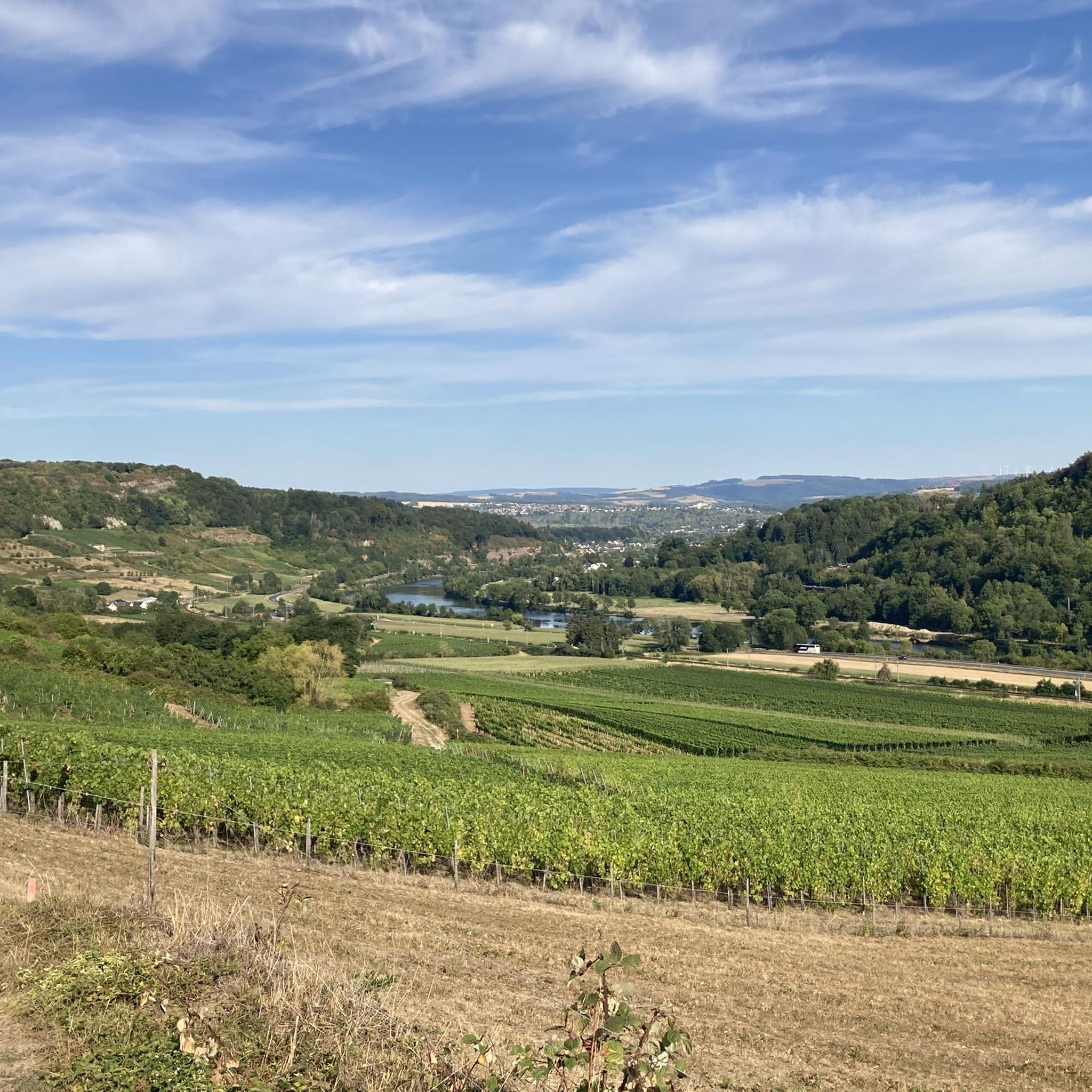
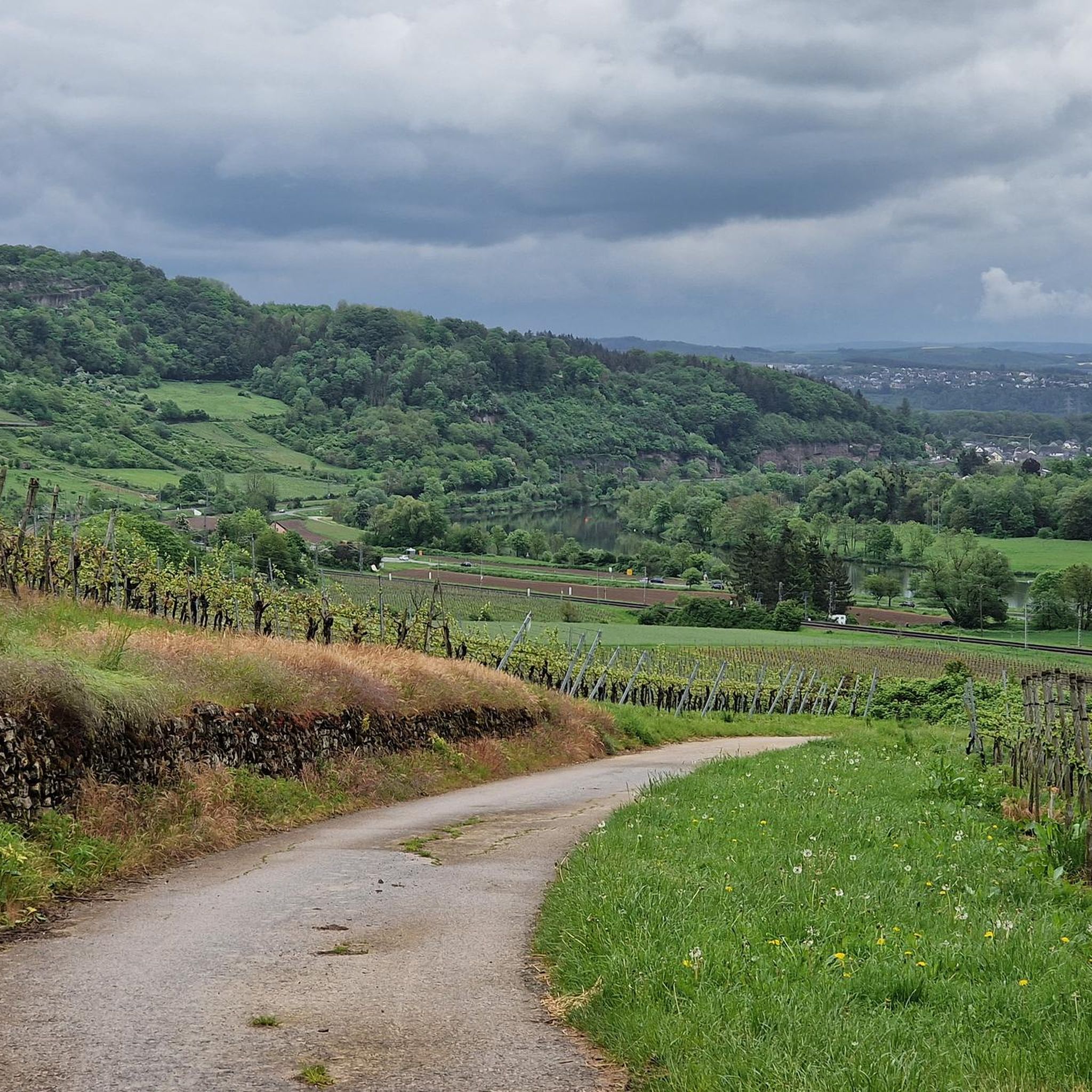
Don’t know where to have a walk or a run when in Nittel? Without a doubt go there. The view is nice and there are a lot of small paths to the left or right to explore, including a small (maybe dangerous) cave in the rocks. It’s also a part of the Moselsteig that leads to the forest and more!
0
0

Great trail with beautiful views
0
0

Nice little waterfall. I wouldn't have expected that.
2
0
Frequently Asked Questions
What types of caves and underground sites can I explore near Langsur?
Near Langsur, primarily in the Kordel region, you can explore a diverse range of sites. These include natural rock formations like the Genoveva Cave, historically modified hermitages such as the Klausenhöhle, and ancient Roman mining sites like the Roman copper mine and quarry Pützlöcher. There's also the Hinkelsgret Shelter, a gorge with historical significance as a refuge.
Where are the main cave attractions located relative to Langsur?
The most notable cave attractions, including the Klausenhöhle, Genovevahöhle, and Pützlöcher, are located in the nearby region of Kordel, within the Landkreis Trier-Saarburg. Kordel is a short distance from Langsur, making these sites easily accessible for visitors to the area.
What is the historical significance of the caves near Langsur?
The caves and underground sites near Langsur hold significant historical value. The Klausenhöhle served as a hermitage until the 18th century, with evidence of human modification for dwelling and prayer. The Pützlöcher are an ancient Roman quarry and one of Germany's oldest Roman mines, where copper ore was extracted and stones were quarried for structures like the Porta Nigra. The Hinkelsgret Shelter was a refuge during the Thirty Years' War.
Can I combine a visit to the caves with hiking?
Yes, many of the cave sites are integrated into popular hiking trails. For example, the Klausenhöhle, Genovevahöhle, and Pützlöcher are all points of interest along the 'Römerpfad' (Roman Path) premium hiking trail. You can find various hiking routes around Langsur that incorporate these natural and historical landmarks. Explore more options on the Hiking around Langsur guide.
Are the caves suitable for families with children?
Many of the sites are suitable for families. The Genoveva Cave offers an impressive natural experience, and the Pützlöcher Roman Quarry provides a fascinating historical insight into Roman engineering. The 'Römerpfad' trail, which connects several of these sites, is also generally accessible for families. For a unique experience, the Lourdes Grotto is also considered family-friendly.
What should I bring or wear when visiting the caves?
For sites like the Klausenhöhle, it's advisable to bring a torch for better visibility inside. Generally, when exploring caves or underground sites, wear sturdy footwear suitable for uneven terrain. Layers of clothing are also recommended as temperatures inside can be cooler than outside. If you plan to hike, ensure you have appropriate hiking gear.
Are there any guided tours available for the underground sites?
For the Pützlöcher Roman Quarry, guided tours into the mine shafts can be arranged through local associations, offering a more immersive historical experience. For other sites like the Klausenhöhle and Genovevahöhle, self-guided exploration is common, especially as they are freely accessible.
What is the best time of year to visit the caves near Langsur?
The caves and associated hiking trails are generally accessible year-round. However, spring and autumn offer pleasant temperatures for hiking and exploring the surrounding natural beauty. During winter, some paths might be slippery, and a torch is even more essential for darker cave interiors. Summer provides longer daylight hours for extended exploration.
Are there any other outdoor activities I can do near these caves?
Absolutely! The region around Langsur and Kordel is excellent for various outdoor activities. Besides hiking, you can enjoy gravel biking or mountain biking on numerous trails. For gravel biking, check out the Gravel biking around Langsur guide. For mountain biking, explore the MTB Trails around Langsur guide. Many routes pass by scenic viewpoints and natural monuments.
Are the caves accessible by public transport, or do I need a car?
While having a car offers the most flexibility to reach the various cave sites and trailheads, some areas around Kordel are accessible by public transport. It's recommended to check local bus schedules for routes connecting to Kordel. From Kordel, many sites like the Klausenhöhle and Genovevahöhle are reachable via hiking trails.
What natural features can I expect to see around the caves?
Beyond the caves themselves, the region boasts impressive natural features. You'll encounter wild-romantic rock formations, scenic valleys, and dense forested areas, particularly along the Kyll Valley. The Nitteler Cliffs Trail, for instance, offers great views of the Mosel and Nittel, showcasing the area's diverse landscape.
What do visitors enjoy most about the caves and sites near Langsur?
Visitors frequently appreciate the unique blend of history and nature. The opportunity to explore ancient Roman sites like the Pützlöcher, delve into the solitude of a former hermitage at Klausenhöhle, and experience the impressive natural rock formations of Genoveva Cave, all while hiking through beautiful landscapes, is a major draw. The historical context and the chance to imagine past lives are often highlighted.
Is there parking available near the cave attractions?
Yes, parking is generally available near the trailheads and access points for the main cave attractions in the Kordel area. Specific parking information can often be found on local tourism websites or at the start of popular hiking trails like the Römerpfad.
Most popular routes around Langsur
Most popular attractions around Langsur

Get inspired with the komoot mobile app


Explore more
Extend your search for the best caves by checking out these guides of the top ones around Langsur:
