Top 7 Caves around Bonerath
Best caves around Bonerath are primarily found in the broader Eifel region, as Bonerath itself does not feature notable natural caves. The area is characterized by its volcanic geology, which has led to the formation of various unique underground structures. These include natural grottoes, historical mining tunnels, and ancient rock shelters. The region offers a diverse range of subterranean experiences, from geological formations to sites of historical significance.
Best caves around Bonerath
- The most popular caves is Grube Barbara Mine…
Last updated: June 27, 2026
Mertesnaf Mine
Highlight • Structure
Translated by Google •
Tip by

Friedrichstollen Thomm
Highlight • Cave
Translated by Google •
Tip by
Sign up now to discover places like this
Get recommendations on the best single tracks, peaks, & plenty of other exciting outdoor places.
Sign up for free
Barbara-Hoffnung Slate Mine in Thomm
Highlight • Cave
Translated by Google •
Tip by
Grube Barbara Mine
Highlight • Historical Site
Translated by Google •
Tip by

Walk-In Slate Mine (Saar-Hunsrück Nature Park)
Highlight • Cave
Translated by Google •
Tip by

Sign up for free to discover even more caves around Bonerath.
Sign up for free
Already have an account?
Start today with a free account
Your next adventure awaits.
Login or Signup
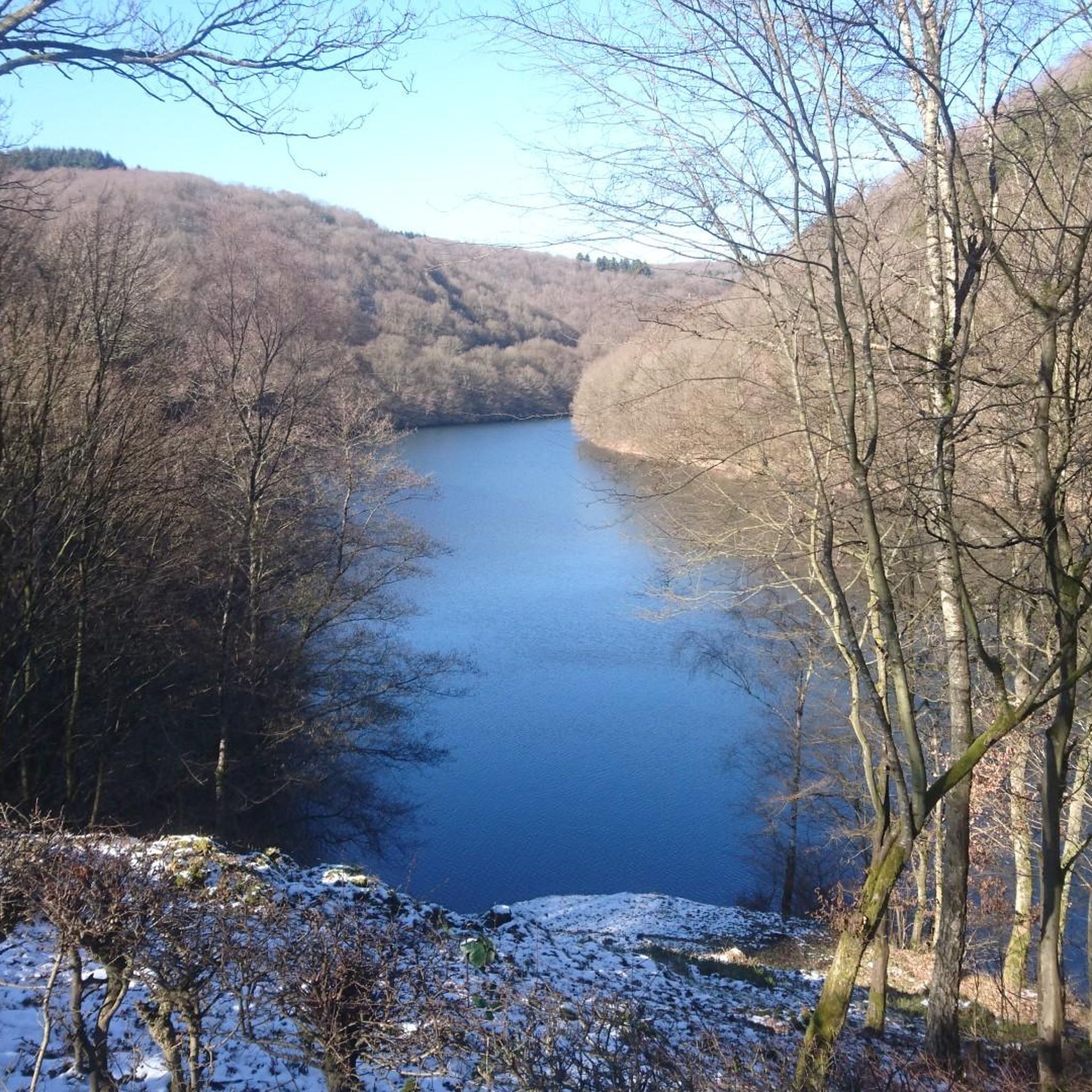
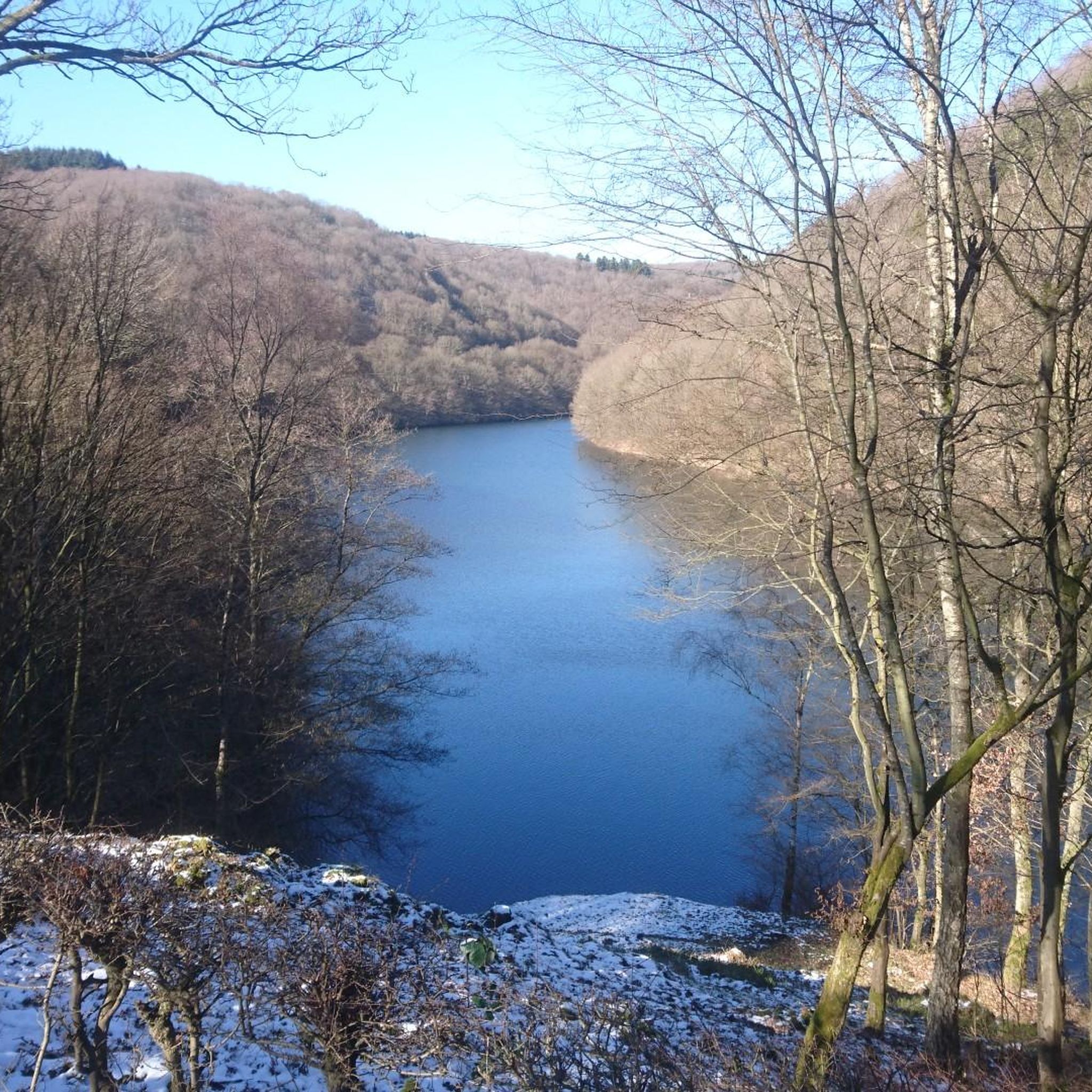
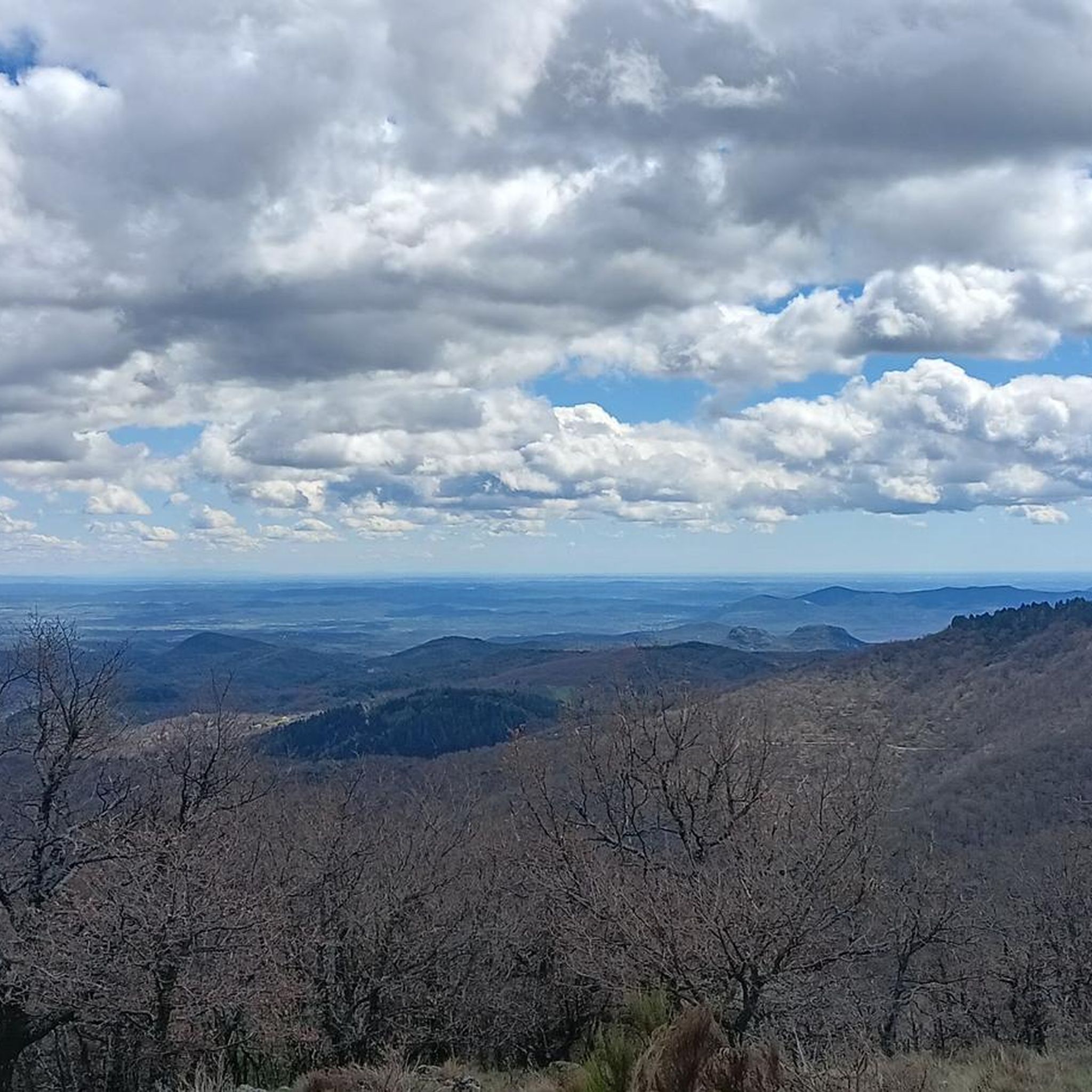
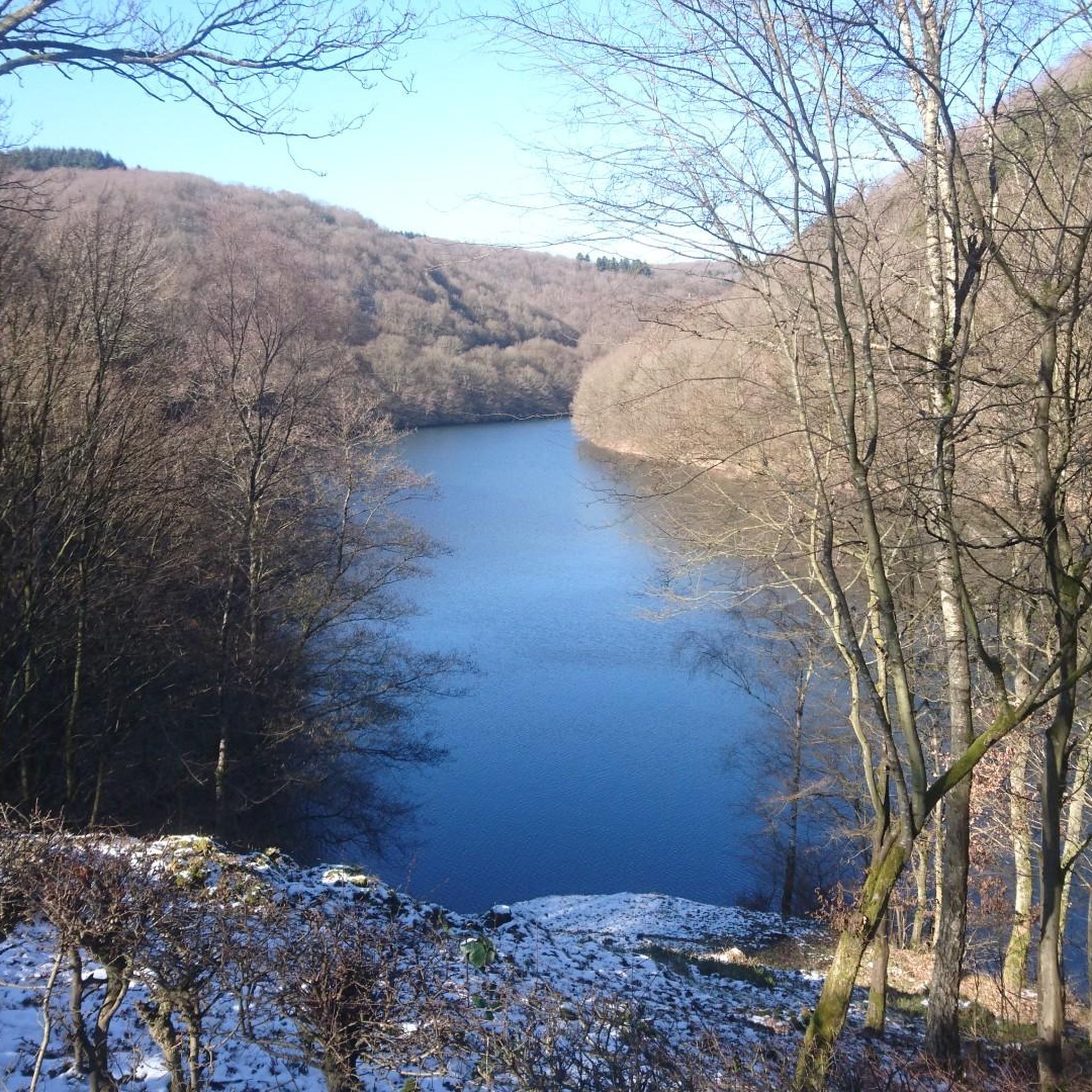
Tips from the Community

This is where you come out after the tour through the visitor mine.
2
0

Walkable slate tunnel, information board and a nice picnic area, don't forget your flashlight
0
0

That's great. Don't forget to take a flashlight with you
0
0

Remember the flashlight... it's worth it
2
0
Simply an experience for young and old. Visit the mine!
1
0

Interesting information about the slate tunnel, up to 10m accessible
1
0

From a topological point of view, the Thommen mining area is very homogeneous, since the mining areas did not develop depending on the epoch, but the mining centers remained topologically the same over the entire funding period. The origins of Thommen slate mining can be found in the area of the Sattelberg. At least since the end of the 17th century, two main mining areas were important for Thommen slate mining. On the one hand the districts "Heckenberg" and "Hesselnbüsch" bordering on the district "Sattelberg" and the adjacent district "An der Köpp", on the other hand the actual "Thomerberg" with the adjacent district "Brasilienberg". Until the commercial restructuring of mining in 1863, these areas remained the main extraction areas. After 1863, Thommen slate mining concentrated almost exclusively on the "Thomerberg" and the adjoining "Brasilienberg" with the various large mines. Little changed in this constellation until shortly before the First World War. The most productive pits by far, such as the pits "Mertesnaf I", "Mertesnaf II", "Neue Mertesnaf", "Mertesnafergraben" and "Alte Graebenkaul" were located on the natural border between Thommerberg and Brazil Mountain, the so-called "Mertesnafgraben". .
4
0
From a topological point of view, the Thommen mining area is very homogeneous, since the mining areas did not develop depending on the epoch, but the mining centers remained topologically the same over the entire funding period. The origins of Thommen slate mining can be found in the area of the Sattelberg. At least since the end of the 17th century, two main mining areas were important for Thommen slate mining. On the one hand the districts "Heckenberg" and "Hesselnbüsch" bordering on the district "Sattelberg" and the adjacent district "An der Köpp", on the other hand the actual "Thomerberg" with the adjacent district "Brasilienberg". Until the commercial restructuring of mining in 1863, these areas remained the main mining areas. After 1863, Thommen slate mining concentrated almost exclusively on the "Thomerberg" and the adjoining "Brasilienberg" with the various large mines. Little changed in this constellation until shortly before the First World War. The most productive pits by far, such as the pits "Mertesnaf I", "Mertesnaf II", "Neue Mertesnaf", "Mertesnafergraben" and "Alte Graebenkaul" were located on the natural border between Thommerberg and Brazil Mountain, the so-called "Mertesnafgraben". .
4
0
Frequently Asked Questions
What kind of caves can I explore around Bonerath?
The region around Bonerath, particularly the broader Eifel area, offers a mix of historical mining tunnels and natural geological formations. You can find former slate mines, such as the Grube Barbara Mine and the Barbara-Hoffnung Slate Mine in Thomm, as well as natural grottoes formed by volcanic activity or groundwater.
Are there any family-friendly caves in the area?
Yes, the Grube Barbara Mine is a historical site and visitor mine that offers an experience suitable for all ages. It's a great option for families looking to explore.
What historical caves or mines can I visit near Bonerath?
You can explore several historical sites, including the Barbara-Hoffnung Slate Mine in Thomm, which is a former roofing slate mine with two pits connected by a 100-meter stairwell. Another option is the Walk-In Slate Mine (Saar-Hunsrück Nature Park), which provides interesting information about slate mining and is accessible up to 10 meters deep.
Are there any natural caves or grottoes to see, beyond the historical mines?
Yes, in the broader Eifel region, you can find natural formations like the Elf Grotto near Lutzerath, formed by volcanic activity. The Birresborner Eishöhlen (Ice Caves) in the Gerolstein region are also freely accessible natural caves, historically used as 'refrigerators' and known for impressive icicles in cold winters.
What is the difficulty level for exploring caves around Bonerath?
The difficulty varies. Some sites like the Grube Barbara Mine are suitable for all ages. Others, such as the Barbara-Hoffnung Slate Mine in Thomm, are considered challenging due to features like a 100-meter stairwell. The Walk-In Slate Mine (Saar-Hunsrück Nature Park) is intermediate and accessible up to 10 meters.
What should I wear or bring when visiting the caves?
When visiting caves, it's generally advisable to wear sturdy shoes and bring a flashlight, especially for deeper or less illuminated sections like the Walk-In Slate Mine. Even in summer, cave temperatures can be cool, so a light jacket might be comfortable.
Are there any caves that are freely accessible?
Yes, the Birresborner Eishöhlen (Ice Caves) in the Gerolstein region are freely accessible. These millstone caves offer a unique natural experience.
Can I find any Stone Age caves in the region?
Yes, the Falkenlay Stone Age Caves near Lutzerath are smaller caves in volcanic rock where archaeological finds suggest they were inhabited by Stone Age hunters between 2000 and 4000 BC.
What outdoor activities or routes are available near the caves?
The area around Bonerath offers various outdoor activities. You can find numerous cycling routes, including road cycling and gravel biking. For example, explore routes like the 'Covered bridge over the Ruwer River – Ruwer Covered Wooden Bridge loop' for road cycling or 'Over the back of the Hochwald' for gravel biking. You can find more details on Road Cycling Routes around Bonerath, Cycling around Bonerath, and Gravel biking around Bonerath.
What do visitors particularly enjoy about the caves around Bonerath?
Visitors appreciate the historical insights offered by the former slate mines and the unique geological formations. The Grube Barbara Mine is particularly enjoyed as an experience for all ages. The community has shared over 40 photos and given more than 30 upvotes for the caves in the region, highlighting their appeal.
Are there any caves that offer insights into volcanic geology?
Yes, the Eifel region is known for its volcanic geology. The Elf Grotto near Lutzerath was formed by volcanic activity, and the Millstone Caves of the Rother Kopf near Gerolstein offer deep insights into the interior of the volcanic Eifel.
Are there any caves formed by groundwater erosion?
Yes, the Buchenlochhöhle in Gerolstein, located in the nature reserve of the Gerolstein Dolomites, was formed millions of years ago by groundwater dissolving the rock. It is open year-round for exploration.
Most popular routes around Bonerath
Most popular attractions around Bonerath

Get inspired with the komoot mobile app


Explore more
Extend your search for the best caves by checking out these guides of the top ones around Bonerath:
