Top 7 Caves around Geisfeld
Best caves around Geisfeld are found within the wider region, known for its karst landscape and subterranean formations. The area offers a variety of natural and historical cave sites. These geological features provide insights into the region's natural history and past human activities. Visitors can explore different types of caves, from natural rock shelters to former mining tunnels.
Best caves around Geisfeld
- The most popular caves is Schinderhannes Cave, a cave and natural monument that features a five-meter deep…
Last updated: July 10, 2026
Schinderhannes Cave
Highlight • Cave
The formation of the Wacken goes back to the Permian Age (250 …
Translated by Google •
Tip by

Small Cave
Highlight • Cave
Translated by Google •
Tip by

Sign up now to discover places like this
Get recommendations on the best single tracks, peaks, & plenty of other exciting outdoor places.
Sign up for free
Bat Cave
Highlight • Cave
Translated by Google •
Tip by

Mountain tunnel and bat cave
Highlight • Cave
Translated by Google •
Tip by
Sankt-Gotthard Mine – Lead Ore Mine Neunkirchen
Highlight • Historical Site
Translated by Google •
Tip by
Sign up for free to discover even more caves around Geisfeld.
Sign up for free
Already have an account?
Start today with a free account
Your next adventure awaits.
Login or Signup
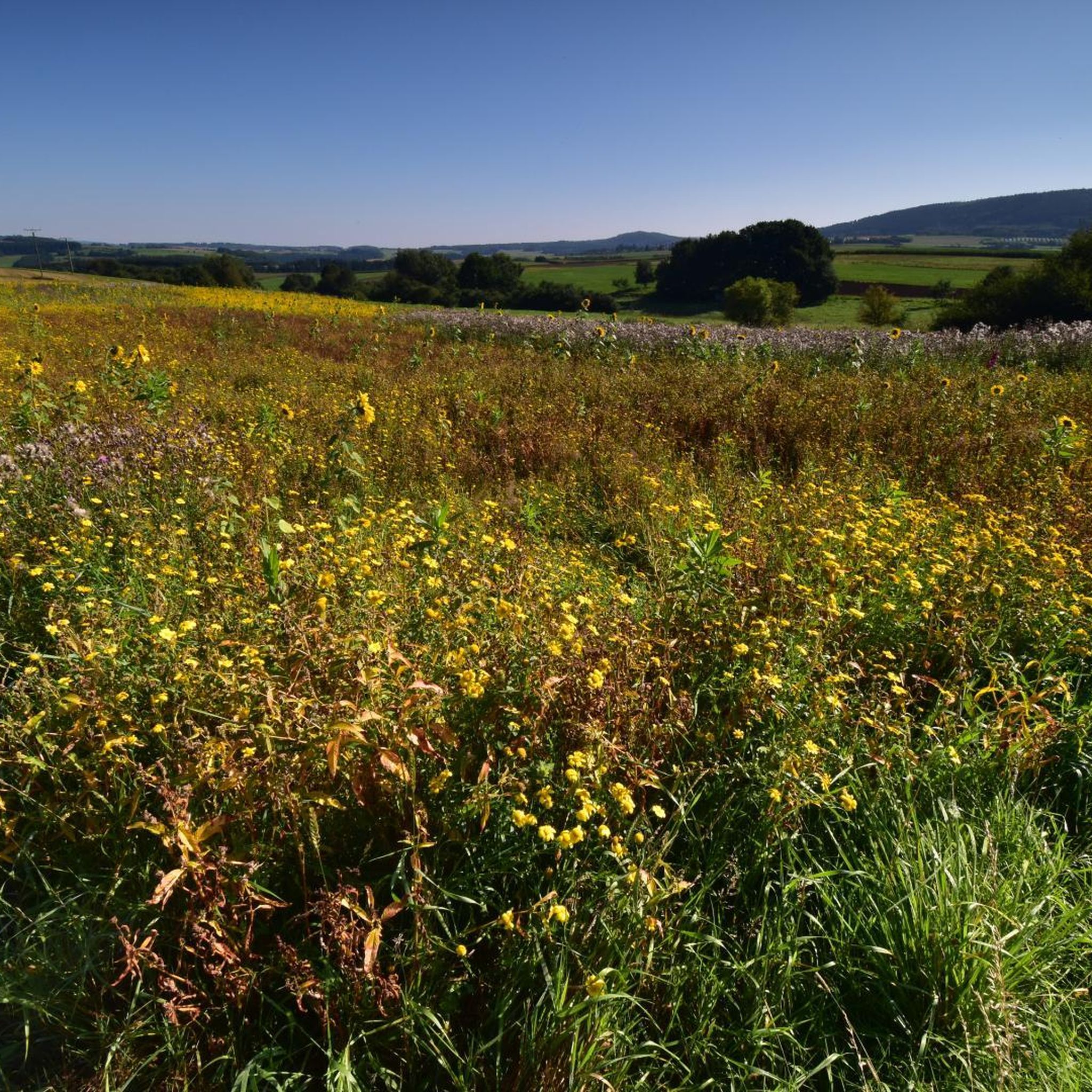
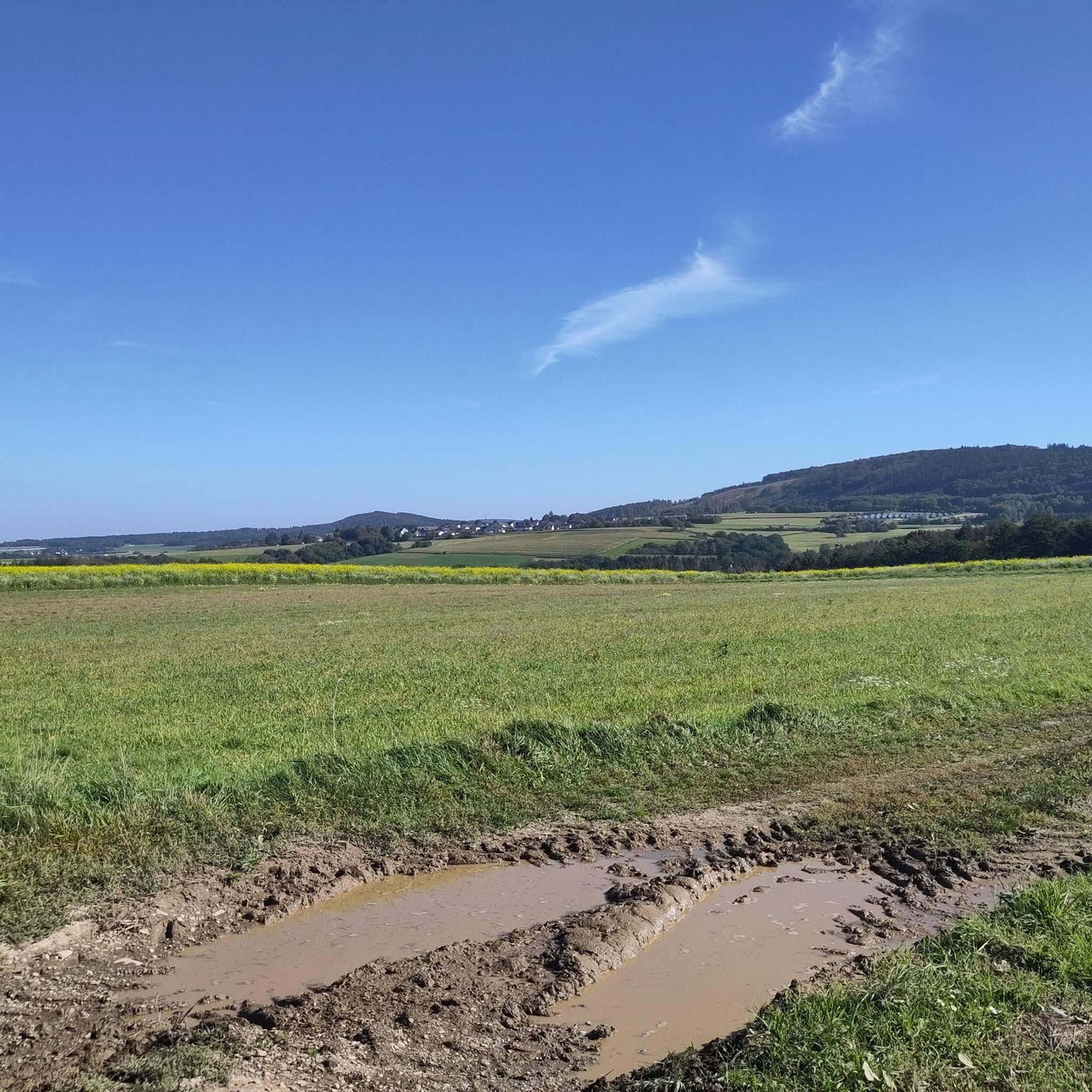
Tips from the Community

Easily accessible via a forest road, there is a deep cut and two tunnels in the hillside. The steep slope below is largely covered with rubble. Lead ore was mined here until the 19th century. At the mine's peak, up to 200 people were employed there. The tunnels led up to 200 meters deep into the mountain. The upper one is secured by fences. The mine also includes the smelting mill below, which was converted into a stamp mill for crushing the ore. Operations ceased in 1870. https://kulturdb.de/einobjekt.php?id=34595
1
0

Too many mosquitoes - I didn't want to look any closer
0
1

It's barred, but the door was open today. But with my meniscus injury, I didn't want to climb down.
1
1

Cannot be entered! It's closed because of the bats
0
0

Hopefully the lucky stone will always be there. He who seeks finds
1
1

A small detour of 20m is always worthwhile for a photo.
0
1

Apparently a tunnel entrance created by miners in bygone times?
2
0
Frequently Asked Questions
Which are the most notable caves to visit in the wider Geisfeld region?
While Geisfeld itself has local natural features like Schinderhannes Cave, the surrounding Franconian Switzerland region offers impressive show caves. The most highly recommended are the Binghöhle (Bing Cave) in Streitberg and the Devil's Cave (Teufelshöhle) in Pottenstein. These offer unique geological formations and guided tours.
What makes the Binghöhle (Bing Cave) unique among regional caves?
The Binghöhle in Streitberg is unique because it formed in layered limestone, unlike other caves in the Franconian Jura which are typically in dolomite. It features a long, tunnel-like passage, approximately 270 meters, adorned with extraordinary calcite crystals and unique calcite water marks. It's also known for its modern lighting system.
What can I expect to see at the Devil's Cave (Teufelshöhle) in Pottenstein?
The Devil's Cave is renowned for its rich stalactite and stalagmite formations, with many given descriptive names like the Barbarossa Cathedral and the Pipe Organ. You can also see a reconstructed skeleton of a 30,000-year-old cave bear. The cave boasts one of Germany's largest cave entrances, often called the 'gateway to the underworld'.
Are there any caves around Geisfeld with historical significance?
Yes, Schinderhannes Cave is a natural monument with historical ties, rumored to have been a camp for a robber captain. Additionally, the Mountain tunnel and bat cave is a former mining tunnel, reflecting the region's past mining activities.
Are there family-friendly caves to visit near Geisfeld?
The Binghöhle in Streitberg is considered a family-friendly option due to its accessible, horizontal passage. Guided tours provide informative insights, and dogs on leashes are even permitted. The constant 9°C temperature makes it a refreshing escape.
What are the typical temperatures inside the caves in the Franconian Switzerland region?
Both the Binghöhle and the Devil's Cave maintain a constant temperature of approximately 9°C (48°F) year-round. This makes them a cool retreat on hot summer days and a dry alternative during rainy weather.
Can I explore caves around Geisfeld on my own, or are guided tours required?
For prominent show caves like the Binghöhle and the Devil's Cave, guided tours are standard and highly recommended to learn about their geology and history. Some local natural features, like Small Cave, might allow initial exploration, but access further inside is often restricted for safety or protection.
Are there any caves around Geisfeld that are important for wildlife?
Yes, the Bat Cave is notable for its role as a bat habitat. Entry to this cave is restricted, especially during the bat protection period from October 1st to March 31st, to protect the bat population during hibernation. The Mountain tunnel and bat cave is also barred to protect bats.
What outdoor activities can I combine with a visit to the caves near Geisfeld?
The region around Geisfeld offers various outdoor activities. You can find numerous hiking trails, including easy hikes. For cycling enthusiasts, there are gravel biking routes and MTB trails available, allowing you to explore the diverse landscape.
What should I wear when visiting caves in the Geisfeld region?
Given the constant cool temperature of around 9°C inside the caves, it's advisable to wear warm clothing, even on a hot day. Comfortable, sturdy shoes are also recommended for walking on potentially uneven or damp surfaces.
Are there any caves near Geisfeld that are former mining tunnels?
Yes, the Mountain tunnel and bat cave is believed to be an entrance created by miners in bygone times. Another example is the Sankt-Gotthard Mine – Lead Ore Mine Neunkirchen, where lead ore was mined until the 19th century, featuring tunnels that led deep into the mountain.
Is there an external resource for more information about the Devil's Cave?
Yes, you can find additional information about the Devil's Cave (Teufelshöhle) on Wikipedia.
Most popular routes around Geisfeld
Most popular attractions around Geisfeld

Get inspired with the komoot mobile app


Explore more
Extend your search for the best caves by checking out these guides of the top ones around Geisfeld:
