Top 14 Caves around Graach an der Mosel
Best caves around Graach an der Mosel are found in a region characterized by the Mosel river valley, terraced vineyards, and historical settlements. The landscape is shaped by the river, presenting diverse natural and man-made geological formations. While Graach an der Mosel is primarily recognized for its viticulture, the broader Mosel region offers opportunities for subterranean exploration. These features contribute to the area's appeal for outdoor activities and historical discovery.
Best caves around Graach an der Mosel
- The most popular…
Last updated: July 10, 2026
Vaulted Cellars of Mont Royal Fortress
Highlight • Historical Site
Translated by Google •
Tip by

Sandstone Staircase and Defense Tunnel, Mont Royal
Highlight • Historical Site
Translated by Google •
Tip by

Sign up now to discover places like this
Get recommendations on the best single tracks, peaks, & plenty of other exciting outdoor places.
Sign up for free
Bat Cave with Waterhouse and Pond (Moselle Valley)
Highlight • Cave
Translated by Google •
Tip by

Slate Cave
Highlight • Cave
Translated by Google •
Tip by

Catacomb
Highlight • Cave
Translated by Google •
Tip by

Sign up for free to discover even more caves around Graach an der Mosel.
Sign up for free
Already have an account?
Start today with a free account
Your next adventure awaits.
Login or Signup

Tips from the Community

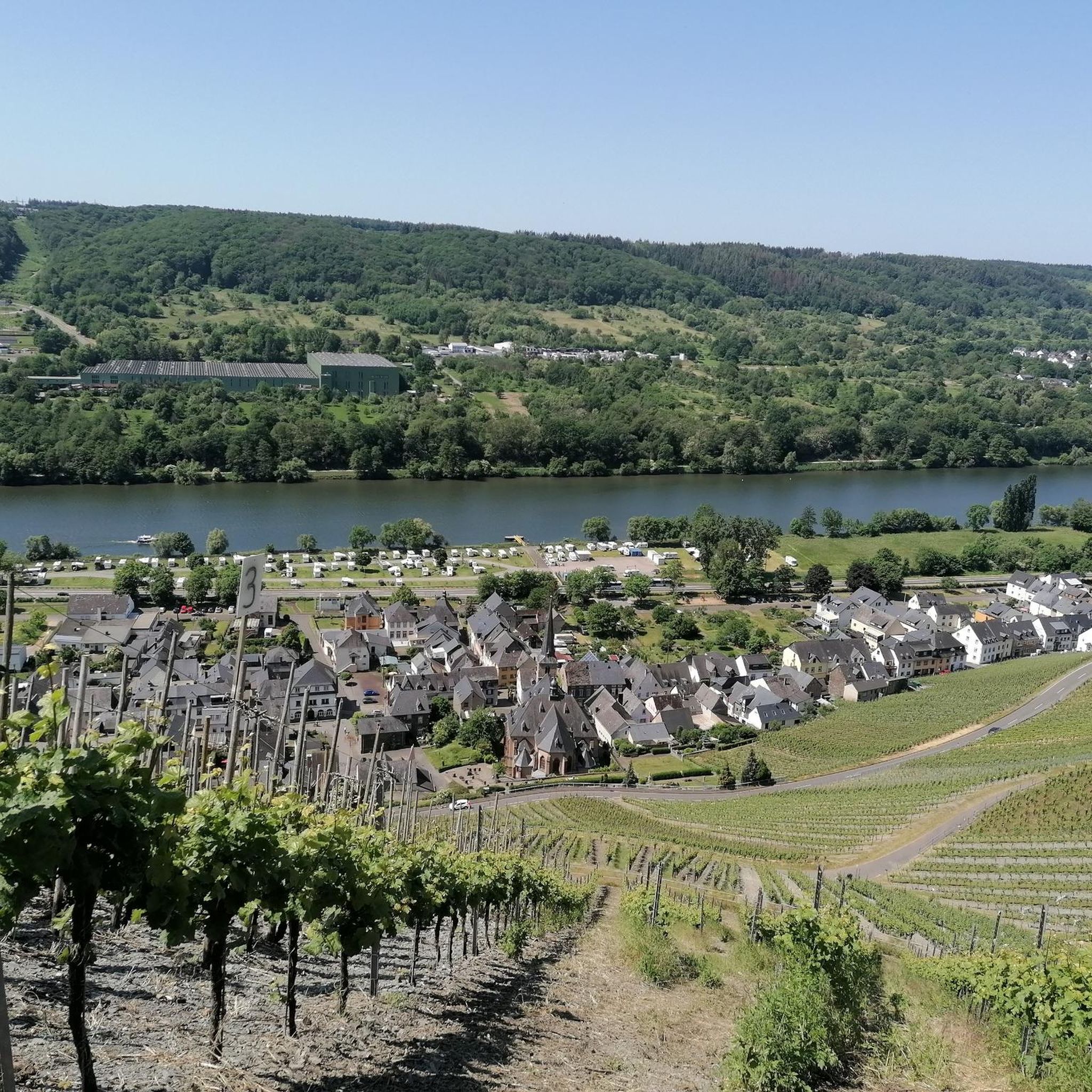
The ruins of Mont Royal fortress lie above Traben-Trarbach on a bend in the Moselle River and were built at the end of the 17th century by order of the French Sun King, Louis XIV. The complex covered an area of 50 hectares and offered space for up to 12,000 soldiers and 3,000 horses. It was intended to serve as a supply base for the French Rhine Army and to control the central Rhineland. Only eleven years after construction began, following the Peace of Rijswijk in 1697, the French destroyed the fortress themselves in 1698 to avoid surrendering it to their opponents. Today, only a few remains of the once mighty fortress are visible. These include sections of the walls, casemates, cellar vaults, and defensive ditches. A large part of the ruins is overgrown by forest.
1
0

At first glance, the spiral sandstone staircase appears to be enclosed by a gate. However, this only prevents ascent. The descent leads into darkness via the stairs, which are partially slippery due to rubble, followed by a tunnel leading to a loooong, equally slippery staircase that descends into the depths. This tunnel then leads into a long, equally slippery tunnel with loopholes on the sides, at the end of which you return to daylight. Sturdy footwear and sufficient lighting, or good accident insurance, are recommended!
1
0
All that remains of the barracks, i.e. the accommodation buildings, are numerous vaulted cellars, which have collapsed in many places, creating a huge crater field.
0
1
Cave in a huge rock, where slate was also mined. The cave, which leads slightly downwards, is filled with leaves that are sometimes waist-high at the entrance, so you have to feel your way carefully with your feet because there are large rocks, deep holes and slippery slate slabs under the leaves.
0
0

Small cave that you can tread carefully (clammy, slippery, there is sometimes water in it). The illumination with the mobile phone is completely sufficient, the light yield for a mobile phone photo without a flash was even sufficient.
1
0


I was there once in the summer, but unfortunately everything in front of the cave was overgrown and I didn't want to go through the bushes in short clothes. I made up for it and went there in the winter. Very beautiful. A small pond has formed. The water is crystal clear.
0
0
Frequently Asked Questions
What types of caves can I explore around Graach an der Mosel?
The region offers a variety of subterranean experiences, including natural caves formed by erosion, historical defense tunnels, and former slate mining sites. You can find formations shaped by both natural processes and human activity.
Are there any historical caves or tunnels to visit?
Yes, you can explore the Sandstone Staircase and Defense Tunnel, Mont Royal. This historical site features a spiral sandstone staircase leading into a tunnel with loopholes, offering a glimpse into the region's past. Another historical site is the Genoveva Cave, located south of Kordel, which has provided shelter to humans for thousands of years, with evidence from the Palaeolithic era to modern times.
What should I bring when exploring caves in the Mosel region?
For caves like the Slate Cave or the Sandstone Staircase and Defense Tunnel, sturdy footwear is essential as surfaces can be slippery and uneven. A flashlight or sufficient lighting is also highly recommended, as it can be very dark inside.
Are there any caves known for natural features or wildlife?
The Bat Cave with Waterhouse and Pond (Moselle Valley) is noted for its natural features and potential wildlife. It's located near a water house and contains a small pond inside.
Can I combine cave exploration with hiking?
Absolutely. Many caves in the broader Mosel region are accessible via hiking trails. For instance, the Genoveva Cave can be reached via premium hiking trails like the Eifelsteig or Römerpfad. Additionally, a slate cave near Trittenheim is part of a hiking tour that includes the famous Trittenheimer Apotheke vineyard.
What kind of outdoor activities can I do near these caves?
Beyond cave exploration, the area around Graach an der Mosel offers numerous outdoor activities. You can find excellent running trails, road cycling routes, and general cycling tours that allow you to experience the scenic Mosel river valley and its vineyards.
Are there any challenging cave explorations?
Yes, the Sandstone Staircase and Defense Tunnel, Mont Royal is considered challenging due to its partially slippery stairs and dark interior, requiring sturdy footwear and good lighting. The Catacomb also presents a challenge with a steep serpentine path and an interior that can be filled with deep leaves, concealing rocks and slippery slate slabs.
What is the geological significance of caves in the Mosel region?
The caves in the Mosel region showcase diverse geological formations. Some, like the Genoveva Cave, were formed over millions of years by natural erosion and frost. Others, such as the slate caves, highlight the region's history of slate extraction, which was used for roofing and other purposes, revealing insights into local industries.
What do visitors enjoy most about exploring caves near Graach an der Mosel?
Visitors appreciate the blend of natural wonder, historical intrigue, and the opportunity to combine cave exploration with scenic hiking. The unique features, from spiral sandstone staircases to natural ponds and historical mining sites, offer a diverse and engaging experience.
Are there any smaller or less demanding caves to visit?
Yes, the Small Cave in the Moselle Valley offers a less demanding option, though it is quite tiny. The Slate Cave can also be explored carefully, but visitors should still be prepared for clammy and potentially slippery conditions and bring a flashlight.
Is there a cave related to slate mining history?
Yes, a slate cave near Trittenheim is part of a hiking tour and provides insight into the region's slate mining history. This cave was once a site for slate extraction, used for roofing and other coverings, and offers a historical perspective on local industries.
Most popular routes around Graach an der Mosel
Most popular attractions around Graach an der Mosel

Get inspired with the komoot mobile app


Explore more
Extend your search for the best caves by checking out these guides of the top ones around Graach an der Mosel:
