Top 11 Caves around Bausendorf
Best caves around Bausendorf are found in the surrounding regions of Bernkastel-Wittlich, the Eifel, and the Moselle Valley. The area features a mix of natural caves with geological and historical significance, alongside man-made underground structures. These subterranean sites offer insights into ancient human habitation, volcanic activity, and historical military engineering. The landscape is characterized by volcanic formations, river valleys, and unique rock structures.
Best caves around Bausendorf
- The most popular caves is Falkenlay Stone Age Caves, a cave that…
Last updated: September 30, 2026
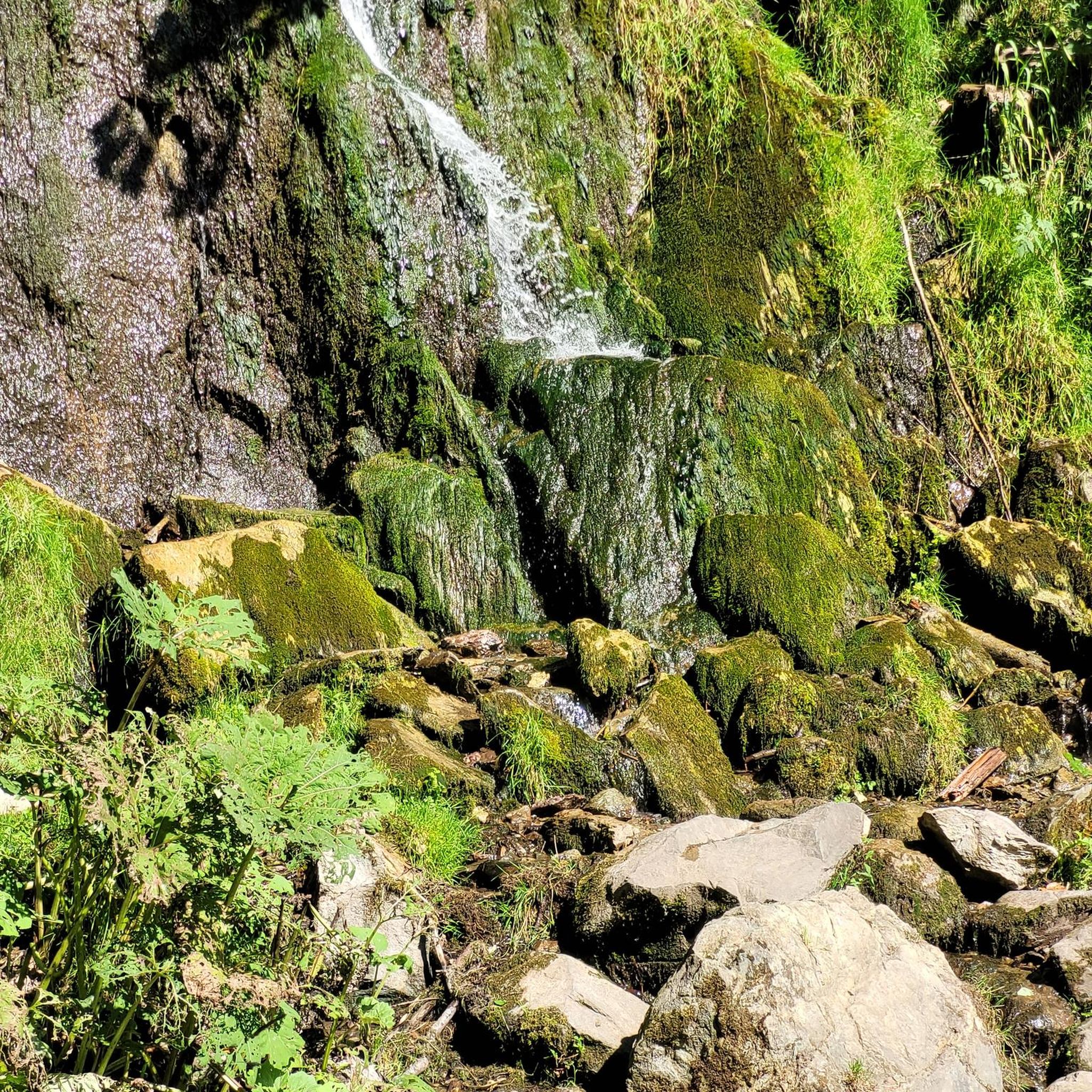
Elf Grotto and Elbesbach Waterfall
Highlight • Cave
The …
Translated by Google •
Tip by

Falkenlay Stone Age Caves
Highlight • Cave
Showing Translation
Tip by

Sign up now to discover places like this
Get recommendations on the best single tracks, peaks, & plenty of other exciting outdoor places.
Falkenlay Stone Shelter and Viewpoint
Highlight • Mountain Hut
Translated by Google •
Tip by

The old Lippi
Highlight • Structure
Translated by Google •
Tip by

Vaulted Cellars of Mont Royal Fortress
Highlight • Historical Site
Translated by Google •
Tip by

Sign up for free to discover even more caves around Bausendorf.
Already have an account?
Start today with a free account
Your next adventure awaits.
Other adventures around Bausendorf

Tips from the Community

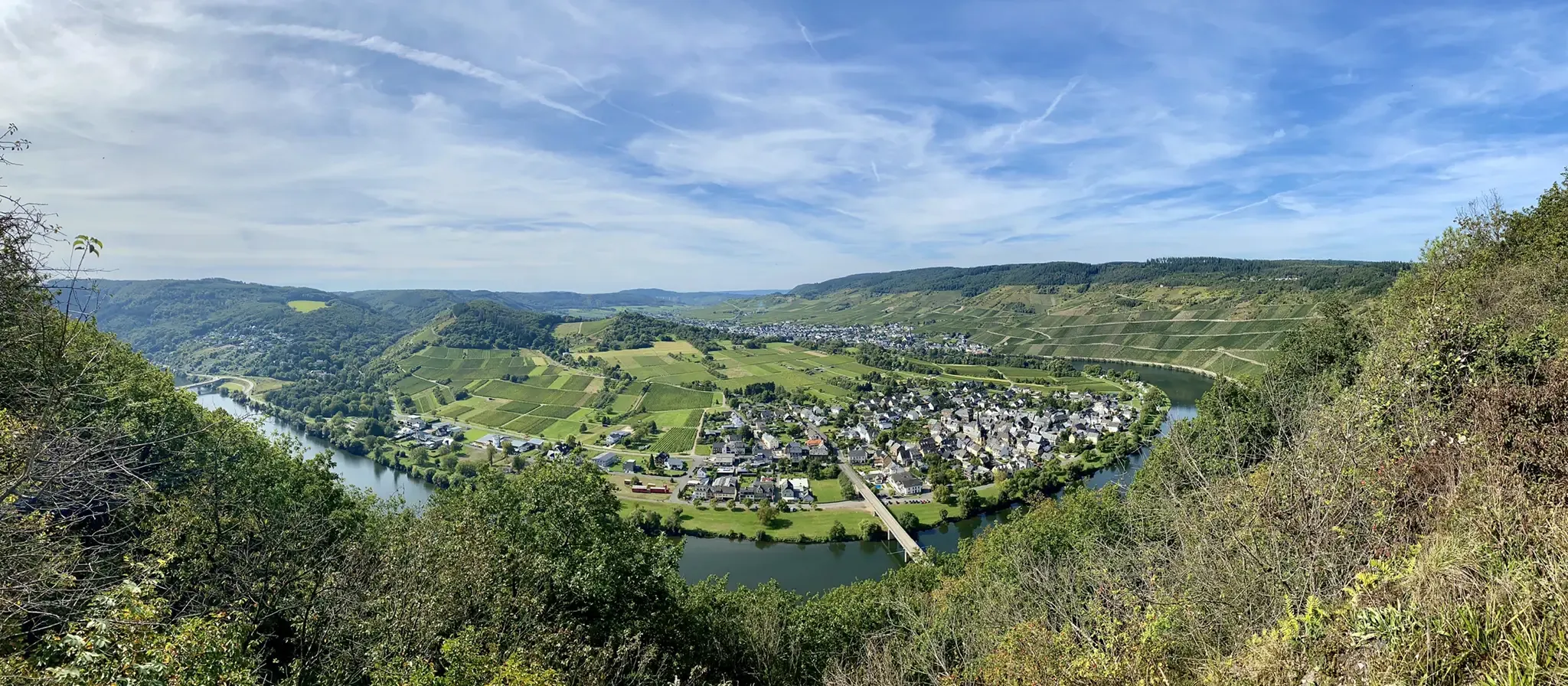
The ruins of Mont Royal fortress lie above Traben-Trarbach on a bend in the Moselle River and were built at the end of the 17th century by order of the French Sun King, Louis XIV. The complex covered an area of 50 hectares and offered space for up to 12,000 soldiers and 3,000 horses. It was intended to serve as a supply base for the French Rhine Army and to control the central Rhineland. Only eleven years after construction began, following the Peace of Rijswijk in 1697, the French destroyed the fortress themselves in 1698 to avoid surrendering it to their opponents. Today, only a few remains of the once mighty fortress are visible. These include sections of the walls, casemates, cellar vaults, and defensive ditches. A large part of the ruins is overgrown by forest.
1
0

The success of the film "Tatort Falkenlay" inspired the idea of building a concrete replica of the main character, the old Lippi, for the film crew, the community, and guests. Apparently, it's located in the cave of events, and so the idea was born! What should it look like? He prefers to indulge in his favorite pastime: relaxing around the campfire! A friendly neighbor lent his face and hands to create lifelike casts. They constructed the upper body skeleton from strong wire. The legs were made from plumbing pipes and attached to the body. Now the hard work began. Everything had to be filled with scrap paper, wrapped several times, and then rewired. After dressing Lippi in old pants, they could begin the concrete work. Now the fine details of the body were modeled. The head, face, hands, and feet, which had been pre-cast, were placed in their designated places. The masterpiece was complete! With the kind support of the Kennfus volunteer fire department, Lippi then moved to his cave beneath the Falkenlay!
1
0

All that remains of the barracks, i.e. the accommodation buildings, are numerous vaulted cellars, which have collapsed in many places, creating a huge crater field.
0
1


There is so much to discover on this section
1
1

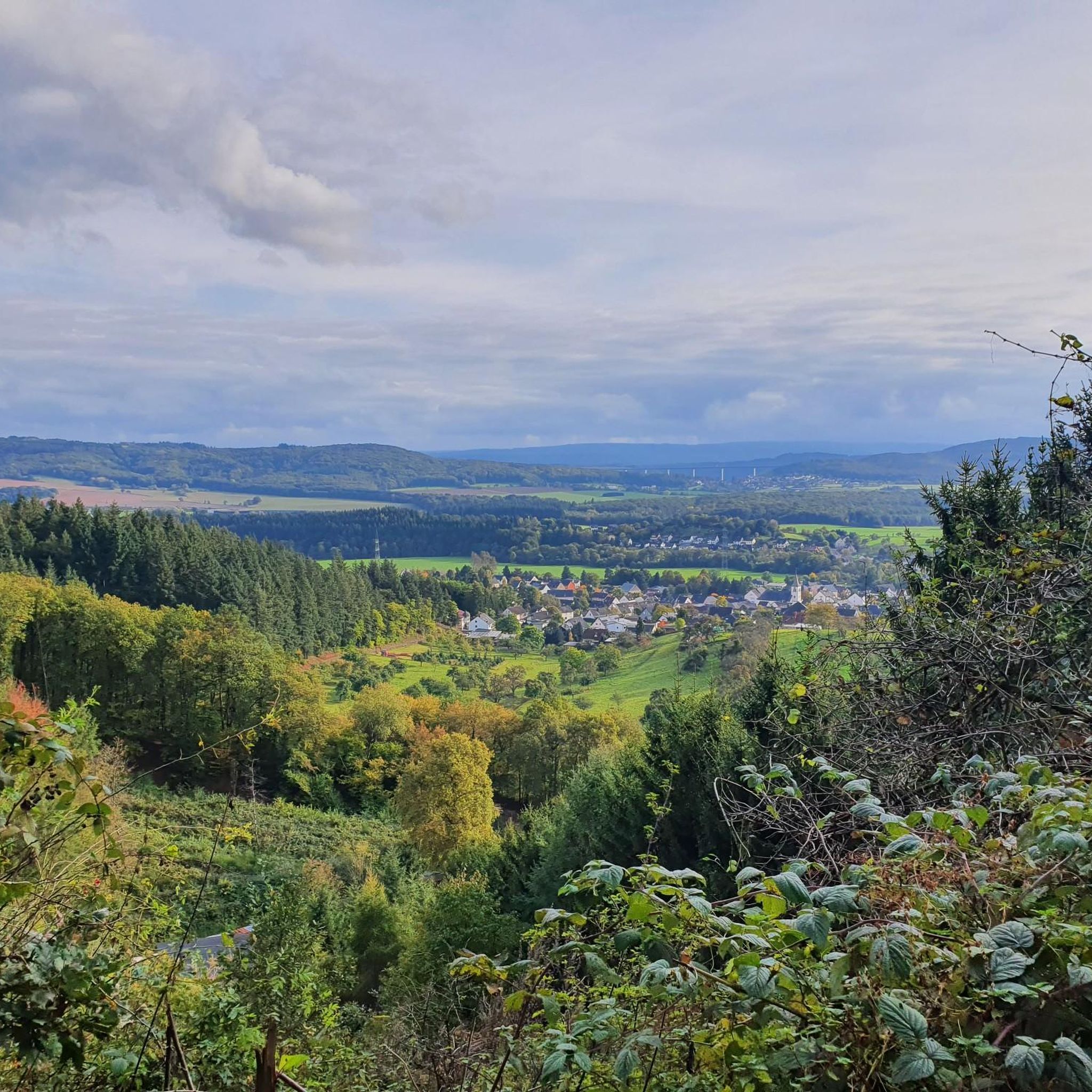
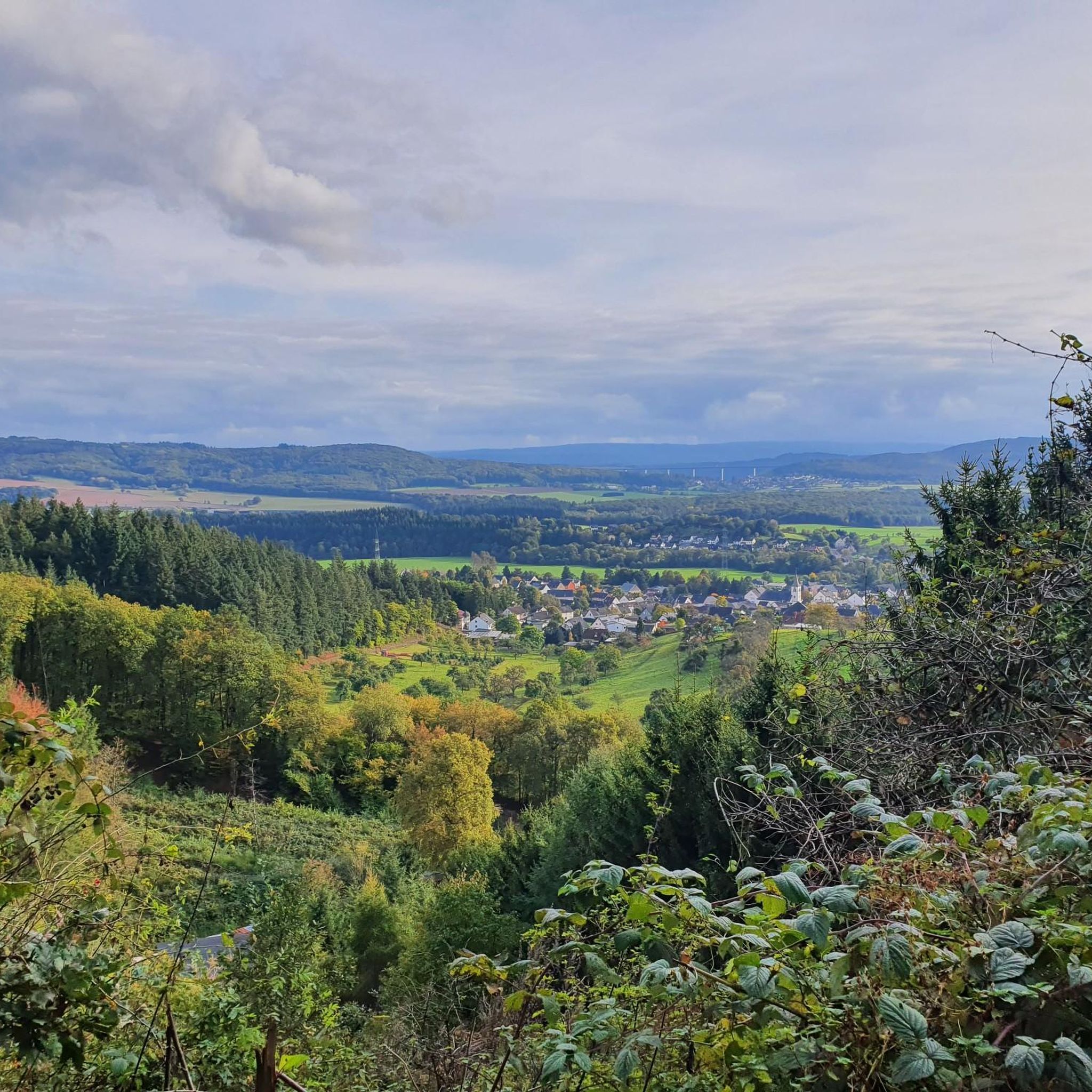
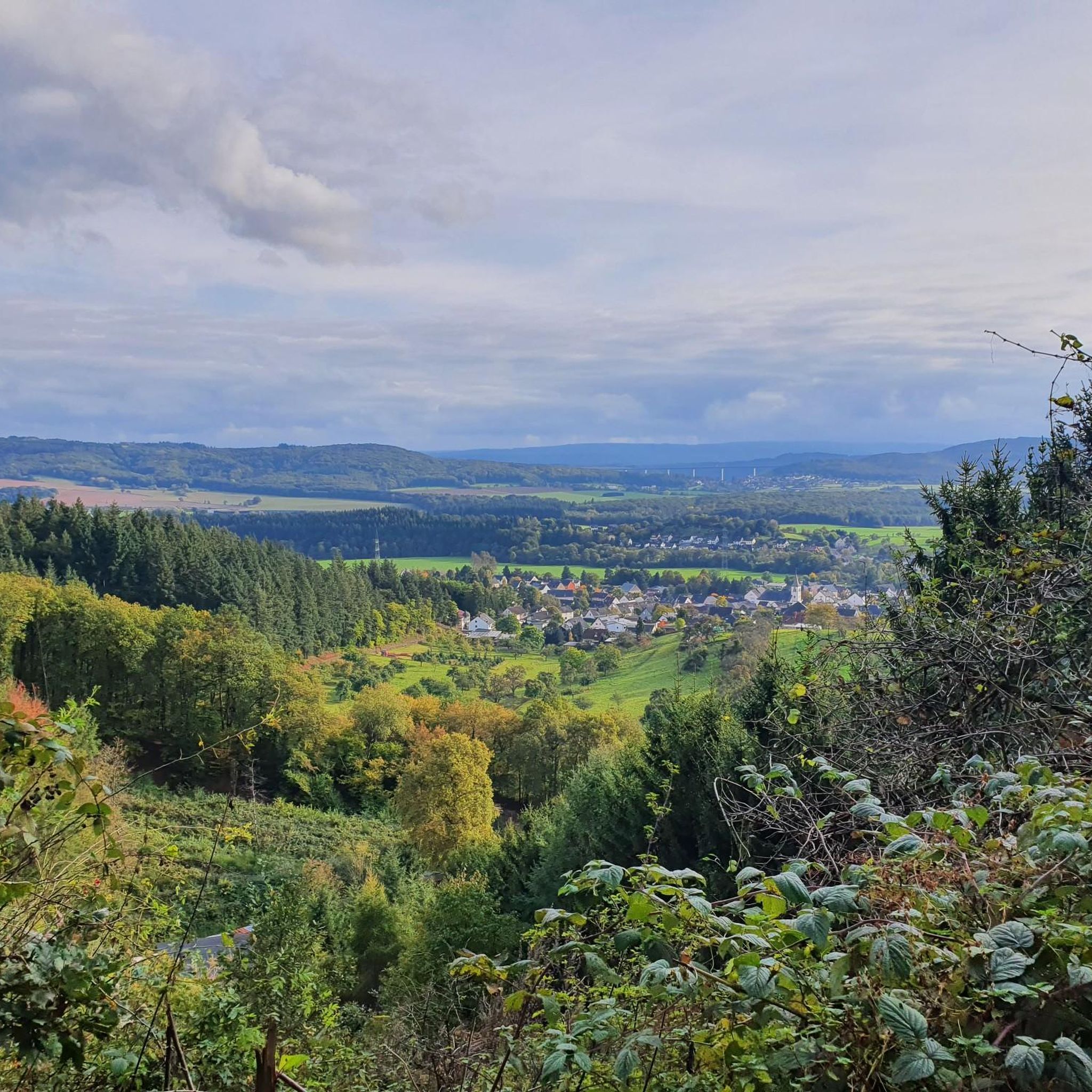
A hut with a great view of the valley.
4
0

Caves and a nice rest area with information board
2
0
Shelter and a great view awaits us on the Falkenlay, a carved falcon greets us, and there is also information
5
0
Frequently Asked Questions
What types of caves can I explore around Bausendorf?
The region offers a diverse range of subterranean sites, including natural caves with significant geological and historical importance, such as the Falkenlay Stone Age Caves and the Elf Grotto and Elbesbach Waterfall. You can also find impressive man-made structures like the extensive Vaulted Cellars of Mont Royal Fortress and historical wine cellars in Traben-Trarbach.
Are there any caves with historical significance in the area?
Yes, several caves boast rich history. The Falkenlay Stone Age Caves show evidence of habitation by Stone Age hunters. The Schinderhannes Cave is linked to the notorious robber Schinderhannes. The Buchenlochhöhle was used by Neolithic inhabitants and as a refuge during WWII, while the Genoveva Cave served as a shelter since the Paleolithic era. The Vaulted Cellars of Mont Royal Fortress are remnants of a 17th-century military stronghold.
Which caves are suitable for families with children?
The Falkenlay Stone Age Caves are great for exploration with children. The Elf Grotto and Elbesbach Waterfall and the Elfengrotte and Teufelsbrücke at Elbesbach, Bad Bertrich are also family-friendly natural attractions. Guided tours at the Birresborner Ice Caves can also be an exciting experience for families.
What unique geological features can be found in the caves?
The Elf Grotto and Elbesbach Waterfall features basalt lava formations resembling stacked cheese wheels. The Schinderhannes Cave is uniquely carved into shale. The Birresborner Ice Caves are known for their 'cold trap effect,' which causes ice to persist well into summer. The Buchenlochhöhle is a karst cave formed by groundwater, and the Genoveva Cave is a natural sandstone cave shaped by river erosion.
Are there any caves that are important for nature conservation, especially for bats?
Yes, several caves are crucial bat habitats. The Schinderhannes Cave, Birresborner Ice Caves, and Buchenlochhöhle all serve as important winter quarters or habitats for bats. For conservation reasons, access to these caves is often restricted during bat protection periods, typically from October 1st to March 31st for the Schinderhannes Cave, and generally open from April 15th to October 15th for the Birresborner Ice Caves.
What is the best time of year to visit the caves around Bausendorf?
The best time to visit depends on the specific cave. Many natural caves, especially those important for bat conservation like the Birresborner Ice Caves and Schinderhannes Cave, have restricted access during winter (October to March). Generally, spring to autumn (April to October) offers the best conditions for exploration, with guided tours often available during this period.
Are there guided tours available for any of the underground sites?
Yes, guided tours are available for the Birresborner Ice Caves, allowing visitors to explore the tunnels and learn about their history and unique ecosystem. Guided tours are also offered for the Vaulted Cellars of Mont Royal Fortress and some of the historical wine cellars in Traben-Trarbach, providing historical context and insights into their engineering and viticulture.
What should I wear or bring when visiting the caves?
For most caves, sturdy shoes are highly recommended due to uneven and potentially slippery terrain. A flashlight is essential for exploring darker sections, especially in caves like the Buchenlochhöhle or the Sandstone Staircase and Defense Tunnel, Mont Royal. Even in summer, temperatures inside caves can be cool, so a light jacket might be advisable.
Can I combine a cave visit with hiking?
Absolutely. Many caves are accessible via hiking trails. The Buchenlochhöhle can be reached via the Gerolsteiner Felsenpfad and the Eifelsteig. The Genoveva Cave is accessible via the Eifelsteig and Römerpfad. You can also find numerous hiking routes around Bausendorf, such as those listed in the Hiking around Bausendorf guide, which can be combined with visits to nearby caves.
Are there any unique or quirky cave attractions in the area?
Yes, The old Lippi is a unique installation featuring a concrete replica of a film character relaxing by a campfire, located within a cave. This quirky spot provides an unexpected point of interest for visitors.
What other outdoor activities can I do near the caves around Bausendorf?
Besides exploring caves, the region offers excellent opportunities for various outdoor activities. You can find numerous hiking trails, including easy to moderate loops like the 'Alfbach – Olkenbach Playground loop from Bausendorf' in the Hiking around Bausendorf guide. Cycling is also popular, with routes like the 'Kröv Vineyards – Lieser Cycle Path loop from Ürzig (DB)' available in the Cycling around Bausendorf guide. For runners, there are trails such as the 'Alfbach loop from Kinderbeuern' in the Running Trails around Bausendorf guide.
What are the Vaulted Cellars of Mont Royal Fortress?
These are extensive man-made underground cellar vaults that are part of the ruins of the Mont Royal fortress near Traben-Trarbach. Built by Louis XIV's master builder Vauban in the late 17th century, these structures housed thousands of soldiers and horses. Today, visitors can explore the remnants of the fortress and its impressive cellar vaults, offering a unique glimpse into military history and engineering. Guided tours are available during the season.
Most popular routes around Bausendorf
Most popular attractions around Bausendorf

Get inspired with the komoot mobile app


Explore more
Extend your search for the best caves by checking out these guides of the top ones around Bausendorf:
