Top 20 Caves around Starkenburg
Best caves around Starkenburg are primarily found within the broader Odenwald area, a region known for its historic Starkenburg Castle in Heppenheim. The landscape features diverse geological formations, including show caves and historical mining sites. This area offers opportunities to explore natural underground structures and learn about past industrial activities.
Best caves around Starkenburg
- The most popular caves is Altlay Slate Mine and Hitzelbach Stream, a cave that highlights the long tradition of slate mining in Altlay. This site…
Last updated: August 20, 2026
Altlay Slate Mine and Hitzelbach Stream
Highlight • Cave
Mining has a long tradition in Altlay. In addition to agriculture, it served as a second pillar for earning a living. In addition to the mining …
Translated by Google •
Tip by

Slate mining
Highlight • Historical Site
Mining has a long tradition in Altlay. In addition to agriculture, it served as a second pillar for earning a living. In addition to the mining …
Translated by Google •
Tip by
Sign up now to discover places like this
Get recommendations on the best single tracks, peaks, & plenty of other exciting outdoor places.
Sign up for free
The Altlayer "Schießkeller"
Highlight • Historical Site
Shortly before the end of World War II, work began on driving a tunnel into the mountain at this point. It was supposed to serve the inhabitants …
Translated by Google •
Tip by
Vaulted Cellars of Mont Royal Fortress
Highlight • Historical Site
Translated by Google •
Tip by

Climbing section near Collisturm
Highlight • Climb
Starting point: Zeller Black Cat Fountain.
Translated by Google •
Tip by

Sign up for free to discover even more caves around Starkenburg.
Sign up for free
Already have an account?
Start today with a free account
Your next adventure awaits.
Login or Signup
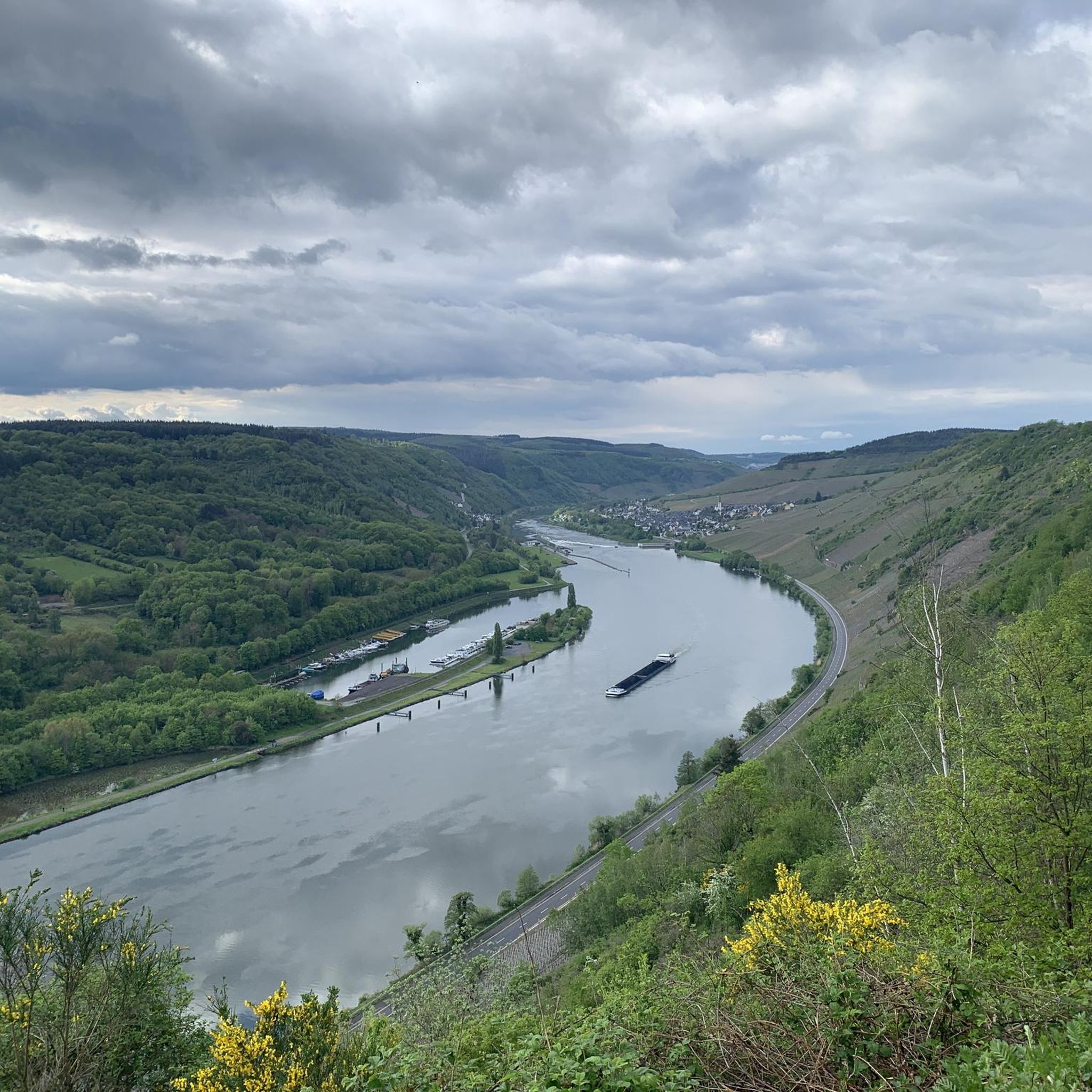
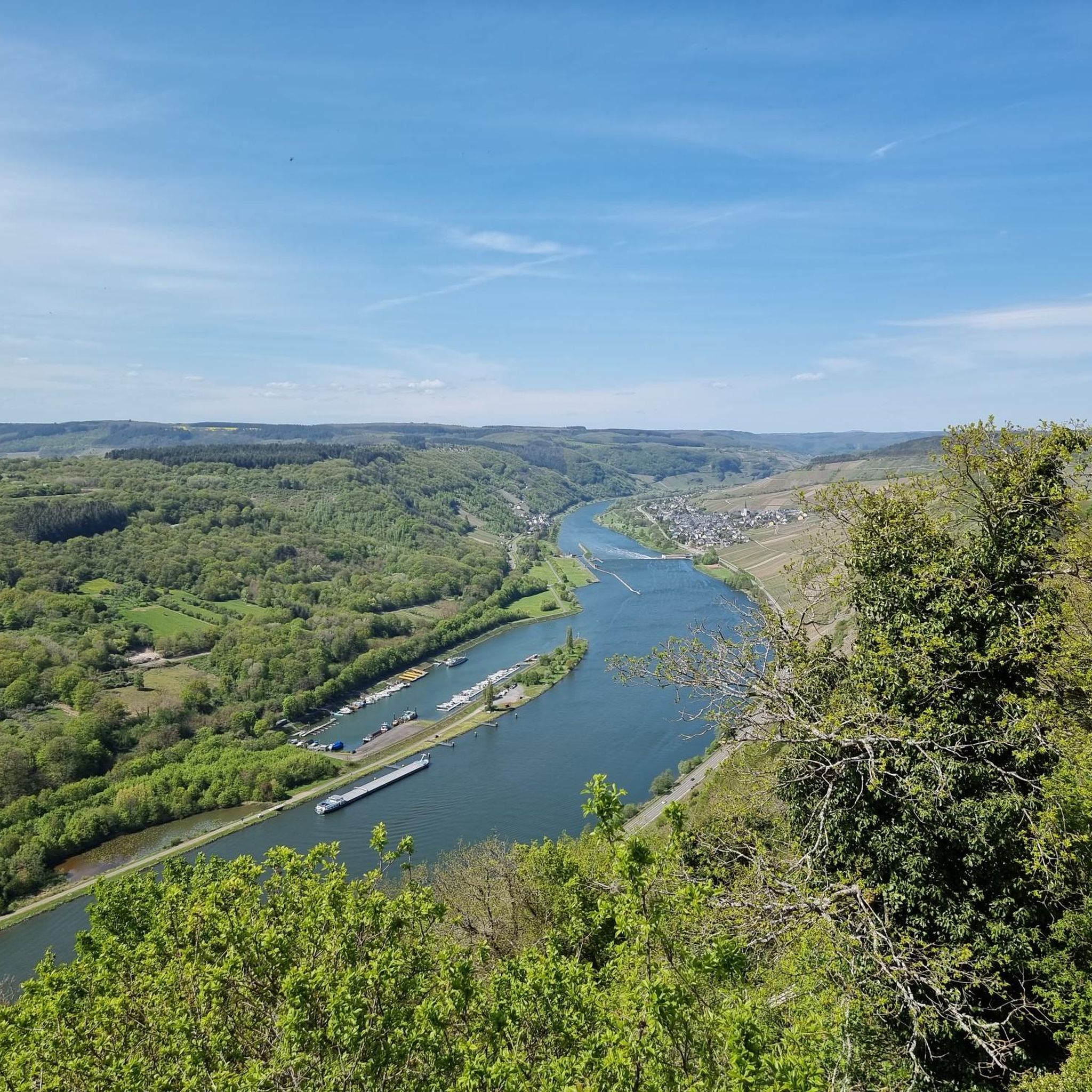
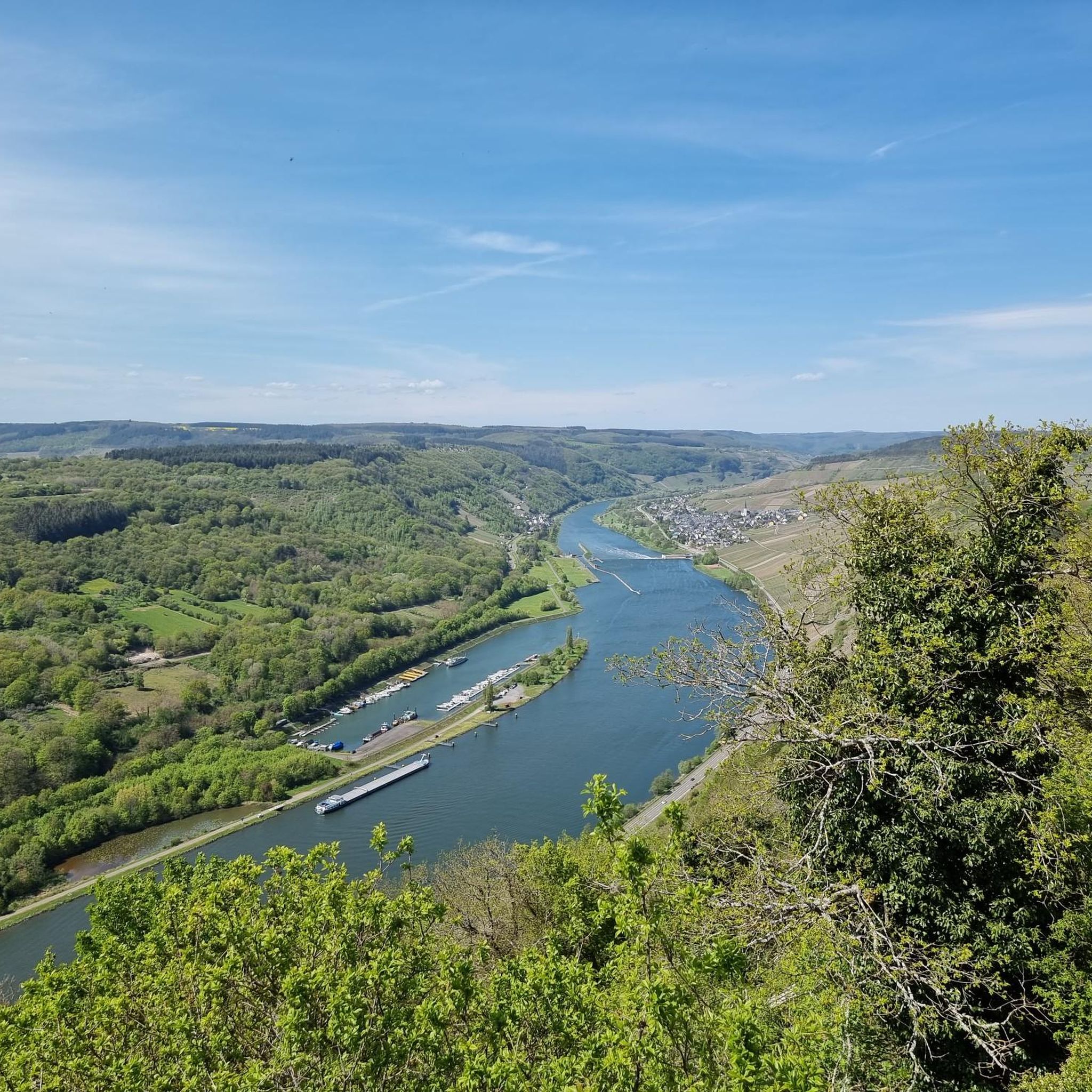
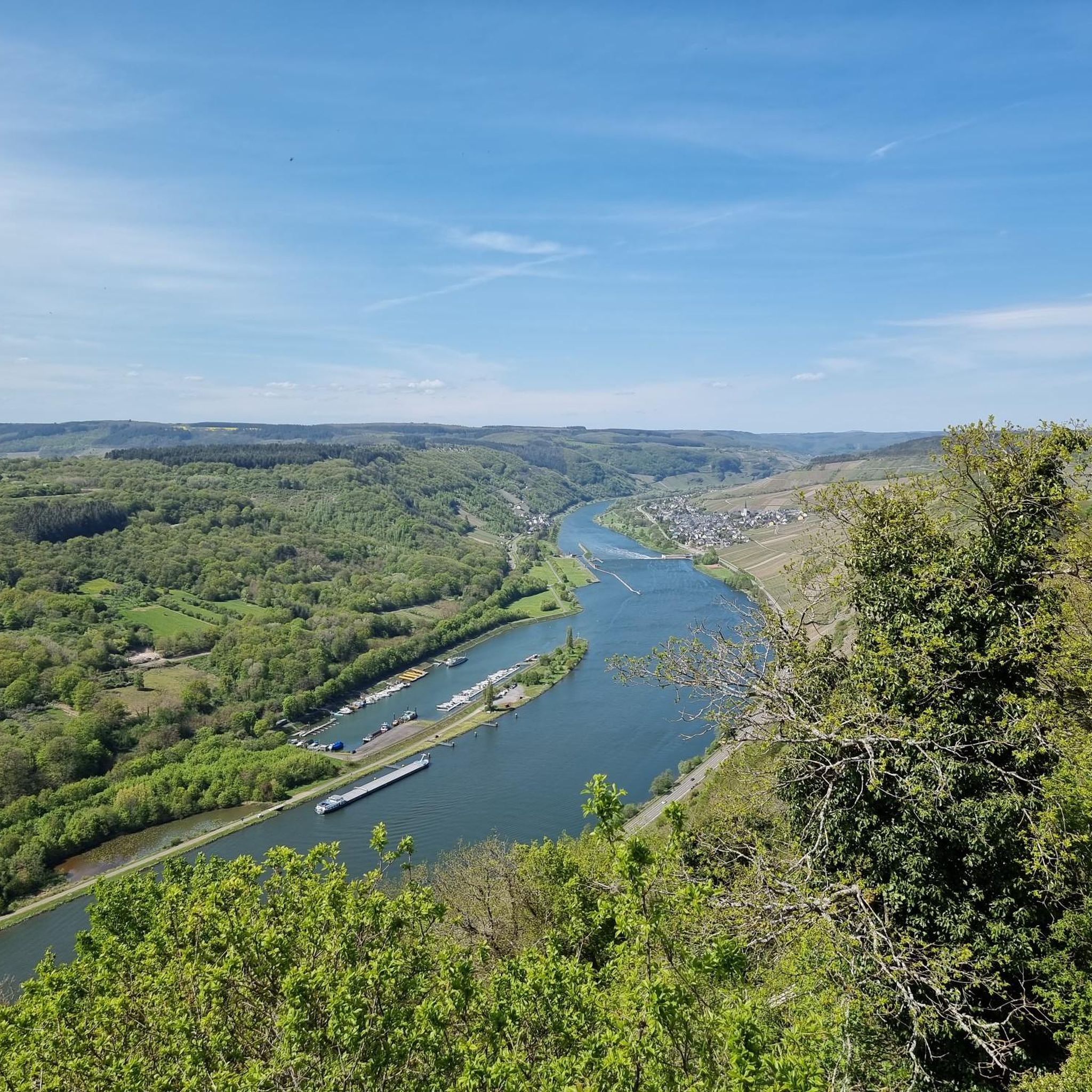

Tips from the Community

On the Traumschleife Altlayer Schweiz trail, there are also a few information boards about the slate mining that took place here.
0
0

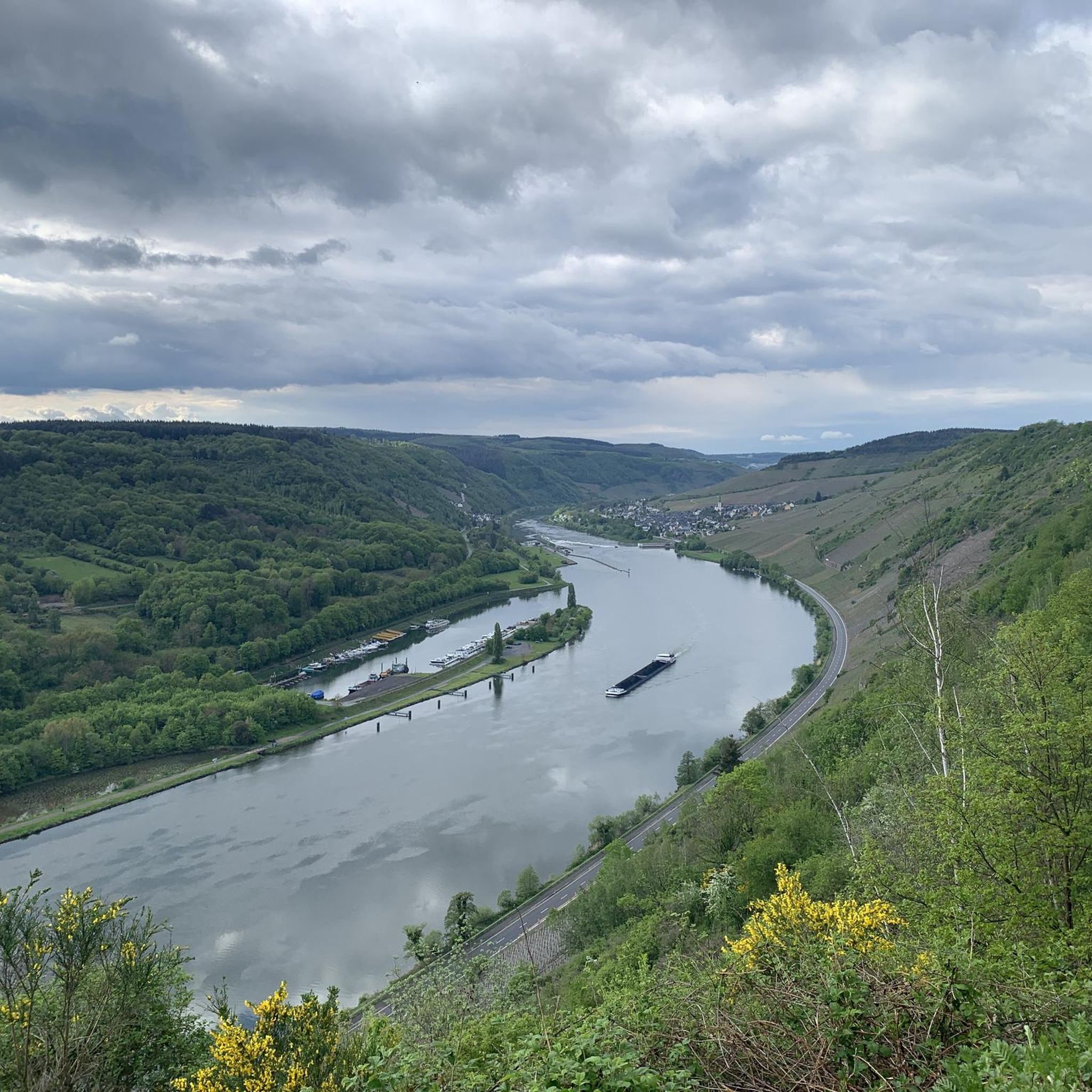
The ruins of Mont Royal fortress lie above Traben-Trarbach on a bend in the Moselle River and were built at the end of the 17th century by order of the French Sun King, Louis XIV. The complex covered an area of 50 hectares and offered space for up to 12,000 soldiers and 3,000 horses. It was intended to serve as a supply base for the French Rhine Army and to control the central Rhineland. Only eleven years after construction began, following the Peace of Rijswijk in 1697, the French destroyed the fortress themselves in 1698 to avoid surrendering it to their opponents. Today, only a few remains of the once mighty fortress are visible. These include sections of the walls, casemates, cellar vaults, and defensive ditches. A large part of the ruins is overgrown by forest.
1
0

View of Zell from the Collis Tower
0
0

All that remains of the barracks, i.e. the accommodation buildings, are numerous vaulted cellars, which have collapsed in many places, creating a huge crater field.
0
1

Historically interesting, sure, but it's just a "dark hole."
1
1

Construction began at the end of World War II and was intended to serve as an air raid shelter. After the war, explosives were stored here. May 30, 2019.
0
0

A nice little climbing spot, but it can easily be bypassed by a small path.
0
0

Mining has shaped the village of Altlay and its residents and given the village its name Altlay. In local dialect, a lay is a roofing slate. Anyone who visits the narrow stream valleys around Altlay will not fail to notice striking evidence of mining here and there. Here, at every turn, you come across the remains of what was once a fairly extensive, predominantly small-scale roofing slate mining operation. Slate is still mined in Altlay today. Source: https://www.tourenplaner-rheinland-pfalz.de/de/punkt/bergwerk/altlayer-schiefergrube/2798106/
0
0
Frequently Asked Questions
What are the main types of underground attractions around Starkenburg?
The Starkenburg region, particularly within the broader Odenwald area, offers a mix of natural show caves and historical mining sites. The most prominent natural cave is the Eberstadter Tropfsteinhöhle, known for its impressive dripstone formations. Additionally, you can explore historical slate mines, such as the Altlay Slate Mine and Hitzelbach Stream, which highlight the region's industrial past.
Which cave is considered the most significant natural cave in the Starkenburg region?
The most significant natural cave in the Starkenburg/Odenwald area is the Eberstadter Tropfsteinhöhle (Eberstadt Stalactite Cave). Discovered in 1971, it's renowned for its unique and well-preserved dripstone formations, including stalagmites, stalactites, and sinter terraces. It's considered one of the most beautiful show caves in Germany.
Are there any family-friendly caves or underground experiences near Starkenburg?
Yes, the Eberstadter Tropfsteinhöhle is very family-friendly. It features well-constructed, step-free paths, making it accessible for visitors of all ages, including those with strollers or wheelchairs. Guided tours provide an engaging experience for children and adults alike, explaining the cave's geology and history.
What kind of geological features can I expect to see in the caves?
In the Eberstadter Tropfsteinhöhle, you'll witness a stunning array of dripstone formations, such as slender stalagmites, conical stalactites, sinter flags, and terraces. Many have imaginative names like the 'White Woman of Eberstadt' and the 'Wedding Cake.' The cave formed within Muschelkalk (shell limestone) over one to five million years. In the historical mining sites like Slate mining, you'll see the geological layers from which slate was extracted.
What is the best time of year to visit the caves around Starkenburg?
Caves like the Eberstadter Tropfsteinhöhle maintain a constant temperature of about 11 degrees Celsius year-round. This makes them an excellent destination regardless of the season. They offer a cool escape in summer and a warm retreat in winter. However, it's always advisable to check specific opening hours, especially outside of peak tourist seasons.
How accessible are the caves for visitors with mobility challenges?
The Eberstadter Tropfsteinhöhle is notably accessible. It boasts approximately 600 meters of well-constructed, step-free paths, making it suitable for wheelchair users and those with walking difficulties. This commitment to accessibility ensures a comfortable experience for a wide range of visitors.
What historical insights can I gain from visiting the underground sites?
Beyond natural formations, the region offers a glimpse into its industrial past. Sites like the Altlay Slate Mine and Hitzelbach Stream demonstrate the arduous manual work involved in slate mining, which was a significant economic activity. You can learn about the techniques used to drive tunnels and extract slate blocks, providing a tangible connection to the region's heritage.
Are there any unique or unusual underground features to explore?
Yes, the Eberstadter Tropfsteinhöhle is unique for its pristine condition, largely due to electric lighting being used since its discovery, preserving the chalk-white color of its formations. Another interesting site is The Altlayer "Schießkeller", a tunnel originally intended as an air-raid shelter during WWII, later used for storing explosives, offering a fascinating piece of local history.
What should I wear when visiting the caves?
Given the constant temperature of around 11 degrees Celsius and high humidity (about 95%) inside the Eberstadter Tropfsteinhöhle, it's recommended to wear a light jacket or sweater, even in summer. Comfortable, closed-toe shoes are also advisable for walking on potentially damp surfaces.
What outdoor activities can I combine with a cave visit near Starkenburg?
The Starkenburg region, part of the Geo-Naturpark Bergstraße-Odenwald, offers numerous outdoor activities. You can find various hiking trails, including easy routes like the 'Starkenburg Hiking Stones' loop. There are also running trails and cycling routes that allow you to explore the scenic landscapes surrounding the caves.
Are there any challenging cave-related activities for experienced adventurers?
For those seeking a more adventurous experience, the Climbing section near Collisturm offers a challenging via ferrata that includes cave elements. This section requires surefootedness and a head for heights, featuring steep ladders and pin crossings, providing a thrilling outdoor challenge.
Where can I find information about the geology of the region?
The Eberstadter Tropfsteinhöhle is part of the Geo-Naturpark Bergstraße-Odenwald, which is dedicated to showcasing the region's geological heritage. The visitor center adjacent to the cave provides comprehensive information about the cave's formation and the ancient Muschelkalk sea, offering a deeper understanding of the local geology.
Most popular routes around Starkenburg
Most popular attractions around Starkenburg

Get inspired with the komoot mobile app


Explore more
Extend your search for the best caves by checking out these guides of the top ones around Starkenburg:
