Top 20 Caves around Lütz
Best caves around Lütz Germany include former slate mining tunnels and natural rock formations. The region is characterized by its historical slate industry, with many old mines now serving as natural monuments and habitats. These underground structures offer insights into the area's industrial past and geological features.
Best caves around Lütz
- The most popular caves is Baybachtal Bat Cave (Slate Tunnel), a cave that is an old slate quarry. This site is now a wintering place for bats, with…
Last updated: August 20, 2026
Baybachtal Bat Cave (Slate Tunnel)
Highlight • Cave
Translated by Google •
Tip by

Klöckners Kaul slate mine tunnel and rest area
Highlight • Cave
Translated by Google •
Tip by

Sign up now to discover places like this
Get recommendations on the best single tracks, peaks, & plenty of other exciting outdoor places.
Sign up for free
Katzenloch Slate Mine
Highlight • Cave
Translated by Google •
Tip by

Small cave on the Felsensteig
Highlight • Cave
Translated by Google •
Tip by

Slate Mining Tunnels on Strimmiger Berg
Highlight • Cave
Translated by Google •
Tip by

Sign up for free to discover even more caves around Lütz.
Sign up for free
Already have an account?
Start today with a free account
Your next adventure awaits.
Login or Signup
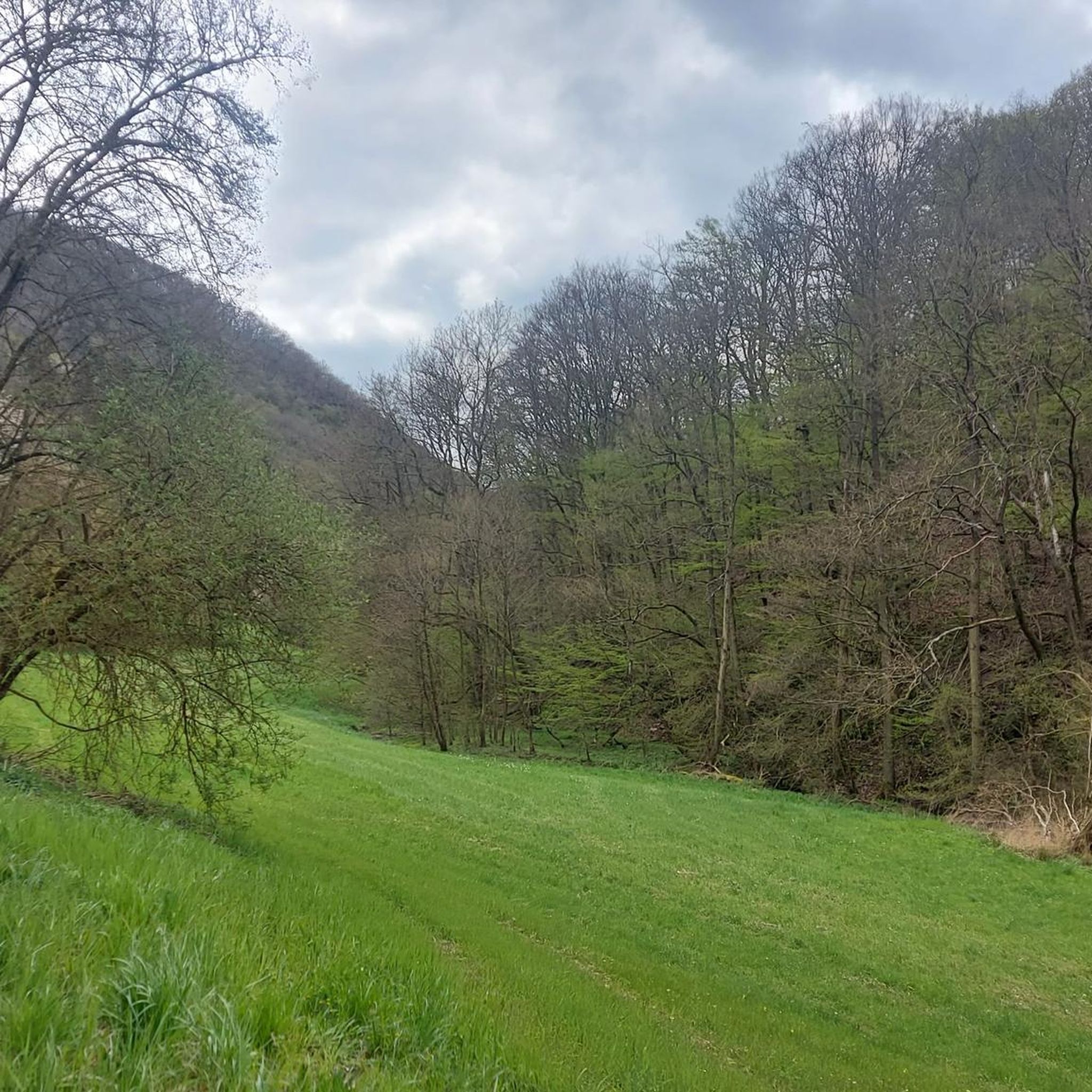
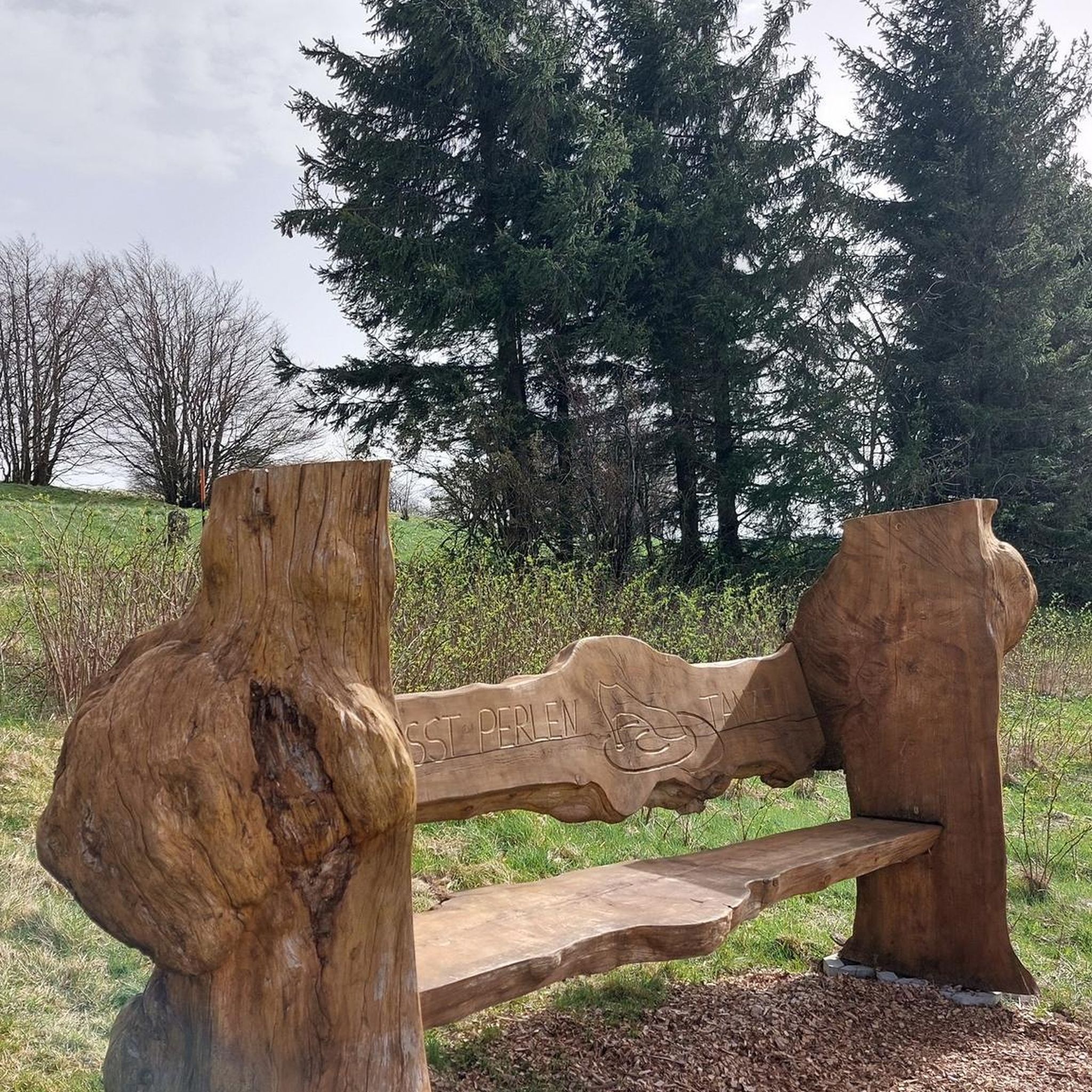
Tips from the Community

There's always something new to discover here
0
0

A beautiful spot... nature 🌳🍄🟫
0
0

large rocky outcrop as a shelter and as a wintering place for bats
3
0

A slate mine with a nice rest area and information board.
2
0

This evidence of the former slate mining in the Baybachtal can be found in several places.
2
0

Even if it's tempting: Don't go in (even if the cave is open) and disturb the bats, because then they might not survive hibernation!
2
0

There is also a rest stop directly at the slate quarry
2
3

Old slate quarry that was left to the bats. The entrance is barred and cannot be entered.
5
0
Frequently Asked Questions
What types of caves can I explore around Lütz?
The caves around Lütz are primarily former slate mining tunnels and natural rock formations. These sites offer a glimpse into the region's industrial past and geological features. Examples include the Baybachtal Bat Cave (Slate Tunnel), which is an old slate quarry, and the Klöckners Kaul slate mine tunnel.
Are there any family-friendly caves to visit in the Lütz area?
Yes, some cave sites around Lütz are suitable for families. The Klöckners Kaul slate mine tunnel and rest area features a prepared rest area at its entrance, making it a comfortable stop. Additionally, the Small cave on the Felsensteig is described as manageable and particularly interesting for children.
What historical significance do the caves around Lütz hold?
Many caves in the Lütz region are former slate mining tunnels, reflecting the area's rich industrial history. Sites like the Slate Mining Tunnels on Strimmiger Berg were manually driven into the mountain for slate extraction and later served as protection from air raids during wartime. The Katzenloch Slate Mine also represents this historical mining activity.
Can I enter all the caves around Lütz?
No, not all cave entrances are accessible. Many former mining tunnels, such as the Baybachtal Bat Cave (Slate Tunnel) and the Slate Mining Tunnels on Strimmiger Berg, are barred or closed with grids. This is often for safety reasons due to the danger of collapse, and to protect bats that use them as wintering habitats.
Are there any traditional show caves with guided tours near Lütz?
The caves directly around Lütz are primarily historical mining tunnels and natural formations, not traditional show caves with extensive visitor infrastructure like those found in other parts of Germany. If you are looking for large, developed show caves with guided tours and impressive stalactite formations, you would need to travel to other regions of Germany, such as the Atta Cave in Sauerland or the Devil's Cave near Pottenstein.
What outdoor activities can I combine with a visit to the caves?
The Lütz area offers various outdoor activities. You can explore nearby hiking trails, such as those found in the Mountain Hikes around Lütz guide. There are also options for MTB Trails and Gravel biking routes in the vicinity, allowing you to enjoy the natural landscape surrounding the cave sites.
What do visitors appreciate most about the caves in Lütz?
Visitors often appreciate the historical insights provided by the former slate mining tunnels and the natural beauty of the rock formations. The prepared rest area at Klöckners Kaul slate mine tunnel is frequently highlighted as a lovely spot. The smaller, more accessible caves like the Small cave on the Felsensteig are also popular for a quick rest and for engaging children.
Are there any natural monuments among the caves in Lütz?
Yes, several cave sites around Lütz are recognized as natural monuments. The Baybachtal Bat Cave (Slate Tunnel) and the Small cave on the Felsensteig are examples of natural monuments in the region, often providing important habitats for local wildlife.
What is the best time to visit the caves around Lütz?
The caves around Lütz, being mostly outdoor historical sites or natural formations, can generally be visited year-round. However, for comfortable exploration of the surrounding trails and to fully appreciate the natural environment, spring, summer, and early autumn are ideal. During winter, some paths might be slippery, and bat habitats should be respected with minimal disturbance.
Are there any specific safety considerations when visiting these cave sites?
Given that many of these are former mining tunnels or natural formations, it's important to observe any posted warnings or closures. Entrances to sites like the Baybachtal Bat Cave and the Slate Mining Tunnels on Strimmiger Berg are barred for safety reasons and to protect wildlife. Always stay on marked paths and do not attempt to enter closed-off areas.
Where can I find more information about the geological features of the Lütz caves?
The caves in Lütz are primarily associated with slate mining, indicating the presence of slate rock formations. While specific geological details for each small cave might not be readily available, the historical context of slate extraction provides insight into the local geology. The earth outcrops near the Baybachtal Bat Cave still show mighty slate slabs.
Most popular attractions around Lütz

Get inspired with the komoot mobile app


Explore more
Extend your search for the best caves by checking out these guides of the top ones around Lütz:
