Top 13 Gorges around Filz
Best canyons around Filz are primarily characterized by deep river valleys and impressive gorges, offering diverse geological formations. This region features areas where rivers have carved paths through volcanic rock, creating steep-sided passages. The landscape includes narrow trails alongside waterways, often with unique rock formations and lush forest environments. These areas provide opportunities to explore natural river courses and geological features.
Best canyons around Filz
- The most popular canyons is Wooden Bridges in the Endert Valley, a bridge that…
Last updated: April 29, 2026
Wooden Bridges in the Endert Valley
Highlight • Bridge
Translated by Google •
Tip by

Wild Endert Valley Trail
Highlight • Trail
Translated by Google •
Tip by

Sign up now to discover places like this
Get recommendations on the best single tracks, peaks, & plenty of other exciting outdoor places.
Sign up for free
Strohner Switzerland
Highlight • Gorge
Translated by Google •
Tip by

Idyllic Alfbach Valley
Highlight • Gorge
Translated by Google •
Tip by

Strohner Schweiz Gorge (Alfbach Valley)
Highlight • Gorge
Translated by Google •
Tip by

Sign up for free to discover even more gorges around Filz.
Sign up for free
Already have an account?
Start today with a free account
Your next adventure awaits.
Login or Signup
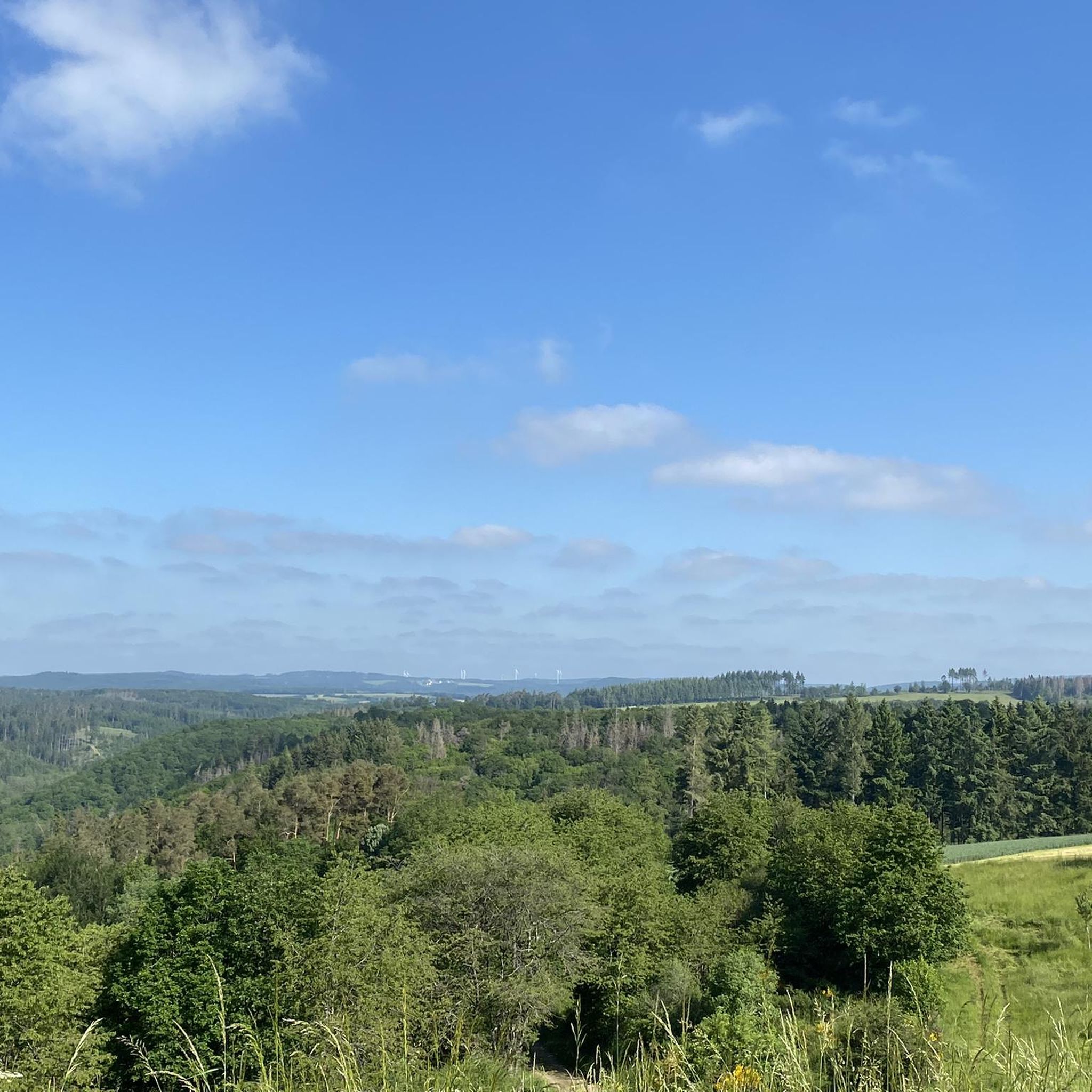
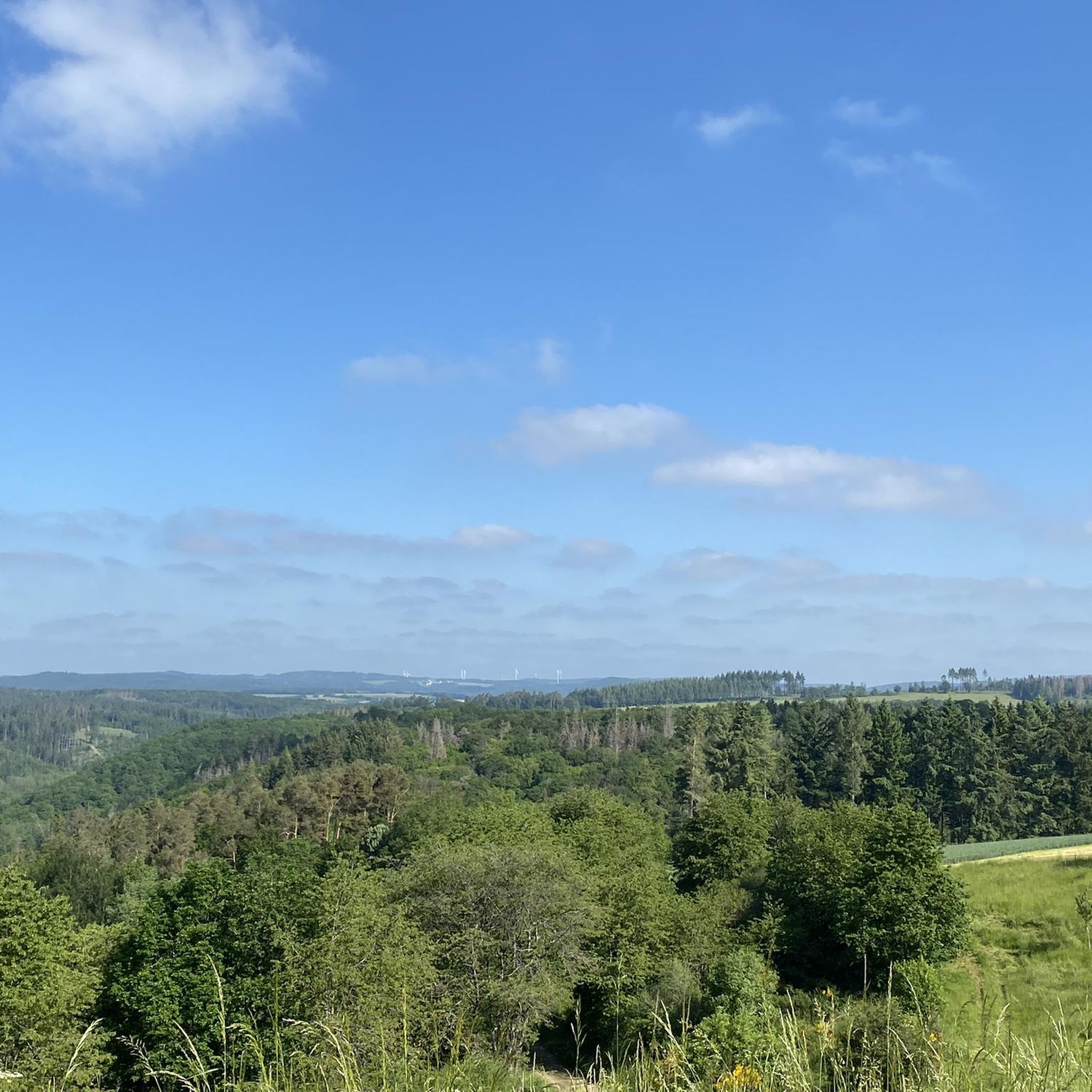
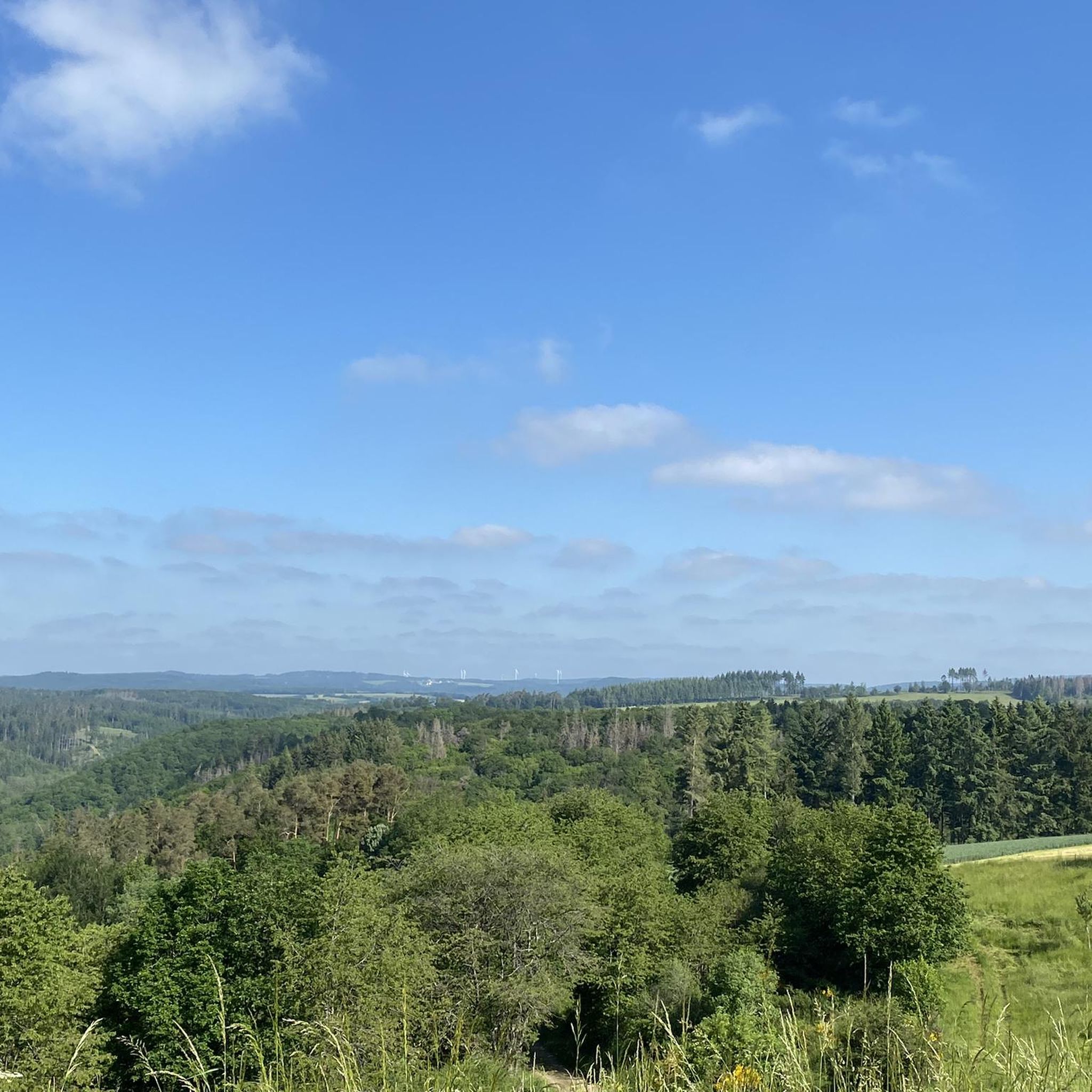
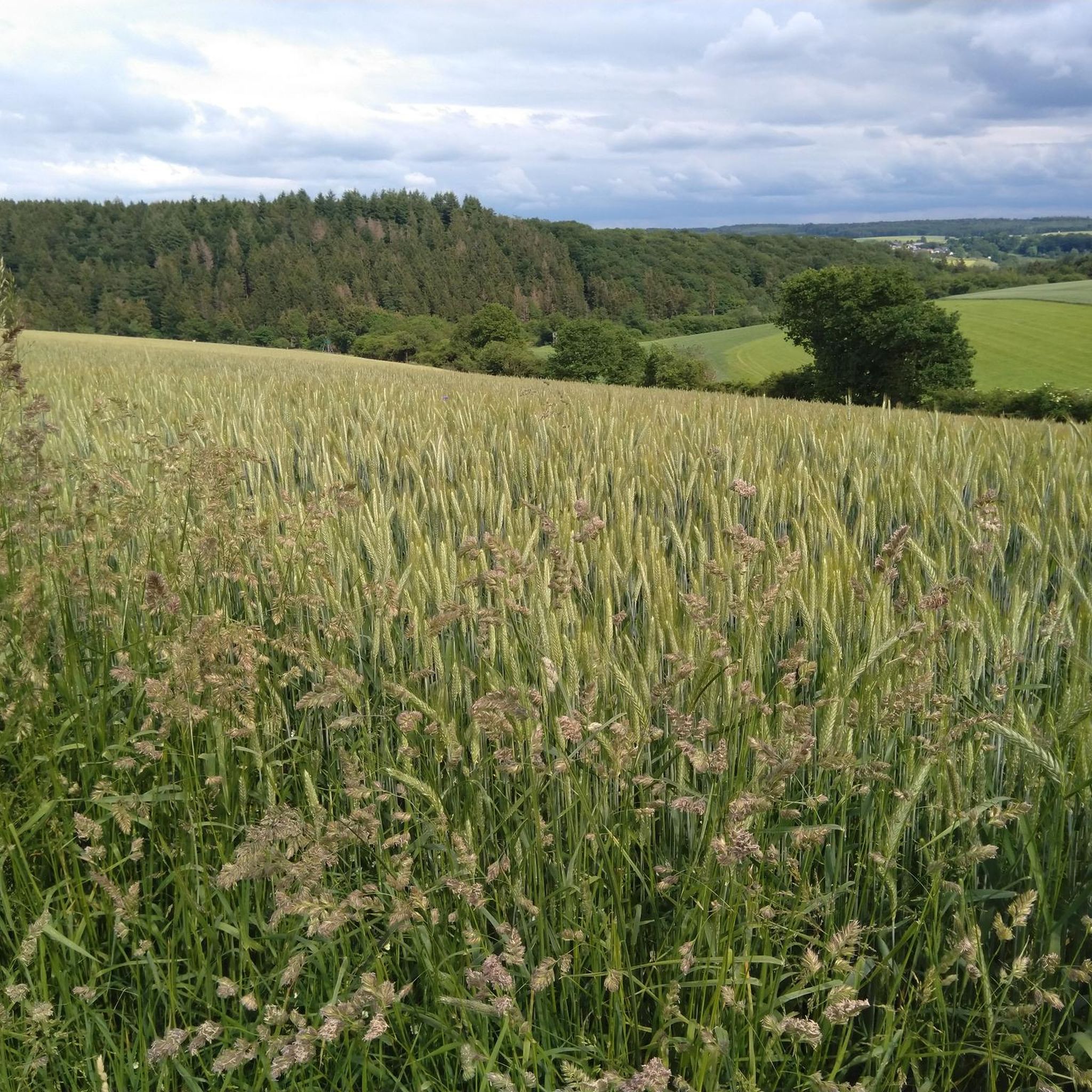

Tips from the Community

It's worth it because it's simply beautiful here.
0
0

Simply experience a wonderful piece of nature.
0
0

Beautiful valley along the stream. The Alfbach is integrated into the hiking trail "Strohner Schweiz"
0
0


In this section the paths are narrow and exciting.
0
0

The Alf (also: "Alfbach") is a nearly 52 km long, orographically left tributary of the Moselle. The Alf rises about 1 km northeast of Hörscheid in the Volcanic Eifel. From its source at 549 m above sea level, the Alf initially flows in a southerly direction. The first town on its route is Darscheid, past whose eastern edge it flows. The next towns directly along its course are Gillenfeld and Strohn. In its upper reaches up to Strohn, the Alf flows for a long time in a wide and broadly gravelled valley, which is followed from near Steiningen to just before Udler, which is also outside the valley basin, briefly by the A 48 motorway and then for a longer period by the A 1 motorway, and a little later, starting at the Mehren industrial estate and ending at Gillenfeld, the Maare-Mosel cycle path, which runs there on the route of the former railway line from Wittlich to Daun. In the following middle section, which continues southwards to Bausendorf, the course of the Alf is quite winding and is more deeply embedded in the Eifel hills; there are only mills on the river. While the direction of the river was predominantly south up to Bausendorf, it turns east there and flows through the towns of Kinderbeuern and Bengel, south of the Kondelwald. Around 3.5 km downstream from Bengel, it abruptly turns north, as the ridge with the Reiler Hals blocks the further route eastwards to the Moselle, which is only 500 m away. After the Alf has taken in the Üßbach from the northwest, by far its largest tributary, whose partial catchment area even exceeds its own up to that point, it breaks its way eastwards for less than three kilometres through the Moselle mountains and then flows into the Moselle from the left in Alf in the Cochem-Zell district at 92 m above sea level. After a 52 km long course with an average bed gradient of 8.8 ‰, the Alf flows into the river 459 meters below its source.
0
0
A beautiful, narrow path, on which you feel completely safe, leads through the short stretch of Strohner Schweiz, along the wildly romantic Alfbach.
2
0
Frequently Asked Questions
What kind of geological formations can I expect to see around Filz?
While Filz itself is known for its bog and moorland landscapes, the surrounding region, particularly Bavaria, features impressive gorges. These are deep river valleys with steep sides, where water has carved paths through volcanic rock, creating dramatic passages and unique rock formations. You'll find narrow trails alongside waterways, often with lush forest environments.
What are some popular gorges to visit near Filz?
Visitors frequently enjoy the Wooden Bridges in the Endert Valley, known for its relaxing atmosphere along the river. Another favorite is the Wild Endert Valley Trail, offering diverse landscapes with rushing water, mills, and footbridges. The Strohner Switzerland gorge is also highly regarded, where you can hike through steep lava walls towering above the Alfbach.
What do visitors enjoy most about exploring the gorges around Filz?
Visitors particularly appreciate the tranquil and wild nature of these areas. Many describe the experience as wonderfully relaxing, with the sounds of splashing water and chirping birds. The diverse landscapes, from narrow meadow paths to impressive rock formations and historic mills, also receive high praise. The Wild Endert Valley Trail was even voted the most beautiful hiking trail in Germany in 2019 by a specialist magazine.
Are there family-friendly trails in the gorges near Filz?
Many trails in the gorges around Filz offer accessible sections suitable for families. While some paths can be narrow or involve uneven terrain, the overall experience of following waterways and discovering natural features is enjoyable for various age groups. For example, the path along the Wooden Bridges in the Endert Valley is known for its relaxing atmosphere.
What natural features can I expect to see in the gorges around Filz?
You'll encounter a variety of natural features, including deep river valleys, steep-sided passages, and unique volcanic rock formations. The region is characterized by waterways carving through ancient rock, leading to impressive lava walls, cascades, and lush forest environments. The Strohner Switzerland, for instance, showcases the power of water carving through ancient volcanic rock.
What outdoor activities can I do near these gorges?
Beyond exploring the gorges themselves, the Filz region offers a range of outdoor activities. You can find numerous hiking opportunities, including easy and moderate trails. For cycling enthusiasts, there are also various routes available. For more details on hiking, check out the Hiking around Filz guide, and for cycling, explore the Cycling around Filz guide.
Are there hiking trails near the gorges around Filz?
Yes, there are many hiking trails available. For example, the Wild Endert Valley Trail is a popular hiking route. You can also find a variety of other hiking options, from easy to moderate, such as the 'Ulmen Castle Ruins – View of the Ulmener Maar loop from Auderath' or the 'Maismühle – Rest Area in the Üßbachtal loop from Wollmerath'. More information can be found in the Hiking around Filz guide.
What is the best time to visit the gorges around Filz?
While specific seasonal recommendations aren't provided, the natural beauty of the gorges, with their rushing water and lush forests, suggests that spring and autumn would offer pleasant temperatures and vibrant scenery. Summer is also suitable, though trails might be busier. Always check local weather conditions before your visit.
What should I wear for hiking in the gorges?
Sturdy shoes are highly recommended for hiking in the gorges around Filz, as paths can be narrow, stony, and sometimes uneven. Layered clothing is advisable to adapt to changing weather conditions, and rain gear might be useful depending on the forecast.
Are there any hidden gem gorges or less-known spots worth exploring?
While the main highlights are well-loved, the Idyllic Alfbach Valley, a section within the larger Strohner Switzerland area, is described as a beautiful, narrow path along a wildly romantic stream. It's a relatively short but very scenic section that offers a similar experience to the more famous Endert Valley but might feel a bit more secluded.
Can I bring my dog on the hiking trails in the gorges?
While specific regulations for dogs are not detailed, many natural trails in Germany are dog-friendly, provided dogs are kept on a leash. It's always best to check local signage or specific trail rules before heading out with your pet to ensure a pleasant experience for everyone.
Is public transport available to reach the gorges near Filz?
Information on specific public transport routes to the gorges is not provided. However, for planning your trip, it's advisable to research local bus or train connections to nearby towns like Cochem or Ulmen, from which you might be able to access the trailheads. Some areas might require a car for convenient access.
Most popular attractions around Filz

Get inspired with the komoot mobile app


Explore more
Already discovered everything in this region? See additional gorges around Filz for your next adventure:
