Top 5 Caves around Steinigtwolmsdorf
Best caves around Steinigtwolmsdorf are primarily historical mining tunnels and natural rock formations. The region, known for its geological composition, particularly the Lausitzer Granodioritmassiv, features underground structures related to historical quartz mining. These sites offer insights into the area's industrial heritage and geological features. The area provides opportunities to explore the remnants of past mining activities and unique rock formations.
Best caves around Steinigtwolmsdorf
- The most popular caves is Grubschützer Robber's Cave and Climbing Rocks, a cave that is…
Last updated: July 11, 2026
Boulder field on Angstberg
Highlight • Natural Monument
Translated by Google •
Tip by

Grubschützer Robber's Cave and Climbing Rocks
Highlight • Cave
Before and after there are also climbing rocks with appropriate safety devices that are hammered into the granite.
Translated by Google •
Tip by

Sign up now to discover places like this
Get recommendations on the best single tracks, peaks, & plenty of other exciting outdoor places.
Sign up for free
Mouth of the Historical Drainage Tunnel (Erbstolln) at Valtenberg
Highlight • Historical Site
Translated by Google •
Tip by

Kuxloch Mining Tunnel
Highlight • Cave
Translated by Google •
Tip by

Entrance to the Earth Tunnel (Erdhollin)
Highlight • Cave
Translated by Google •
Tip by

Start today with a free account
Your next adventure awaits.
Login or Signup
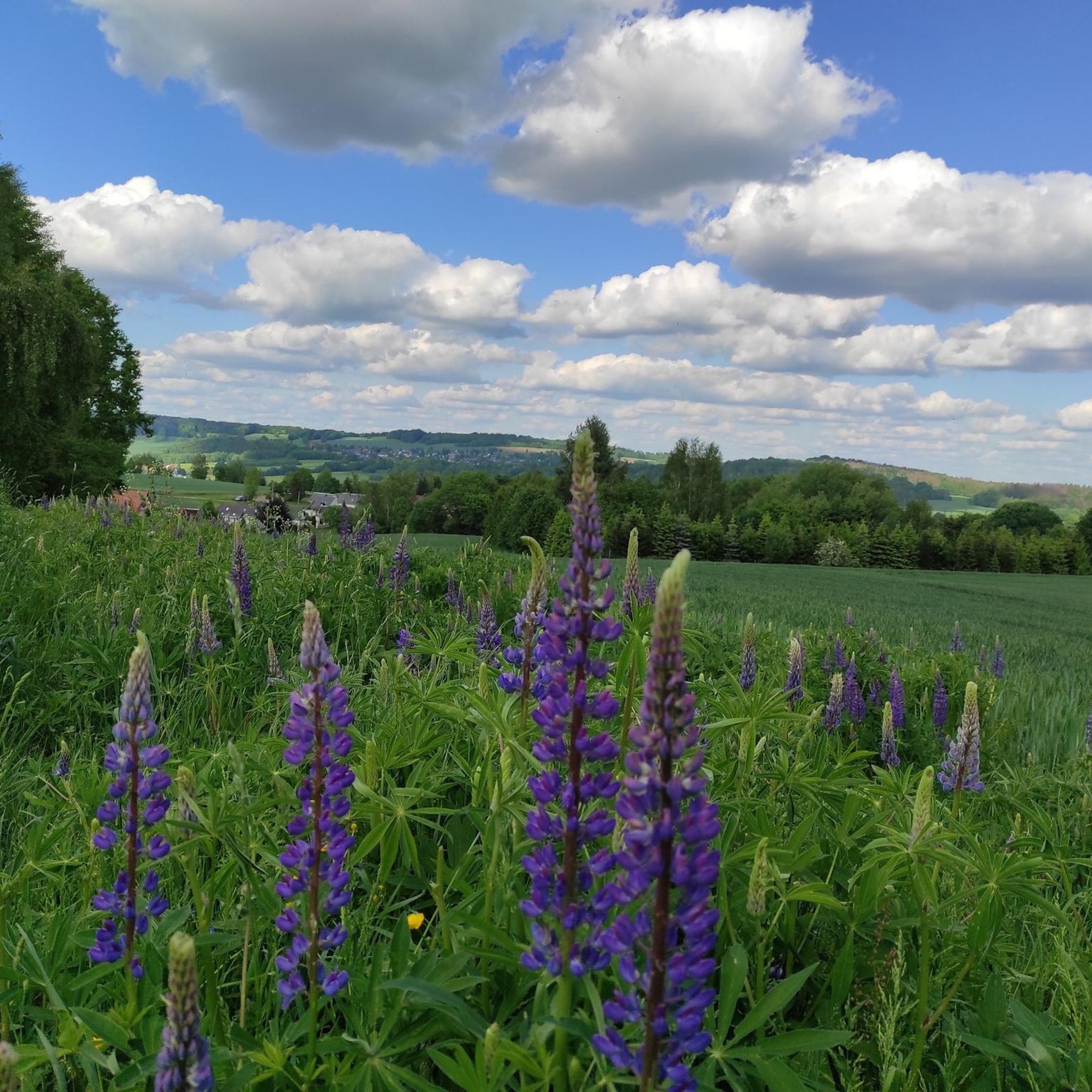
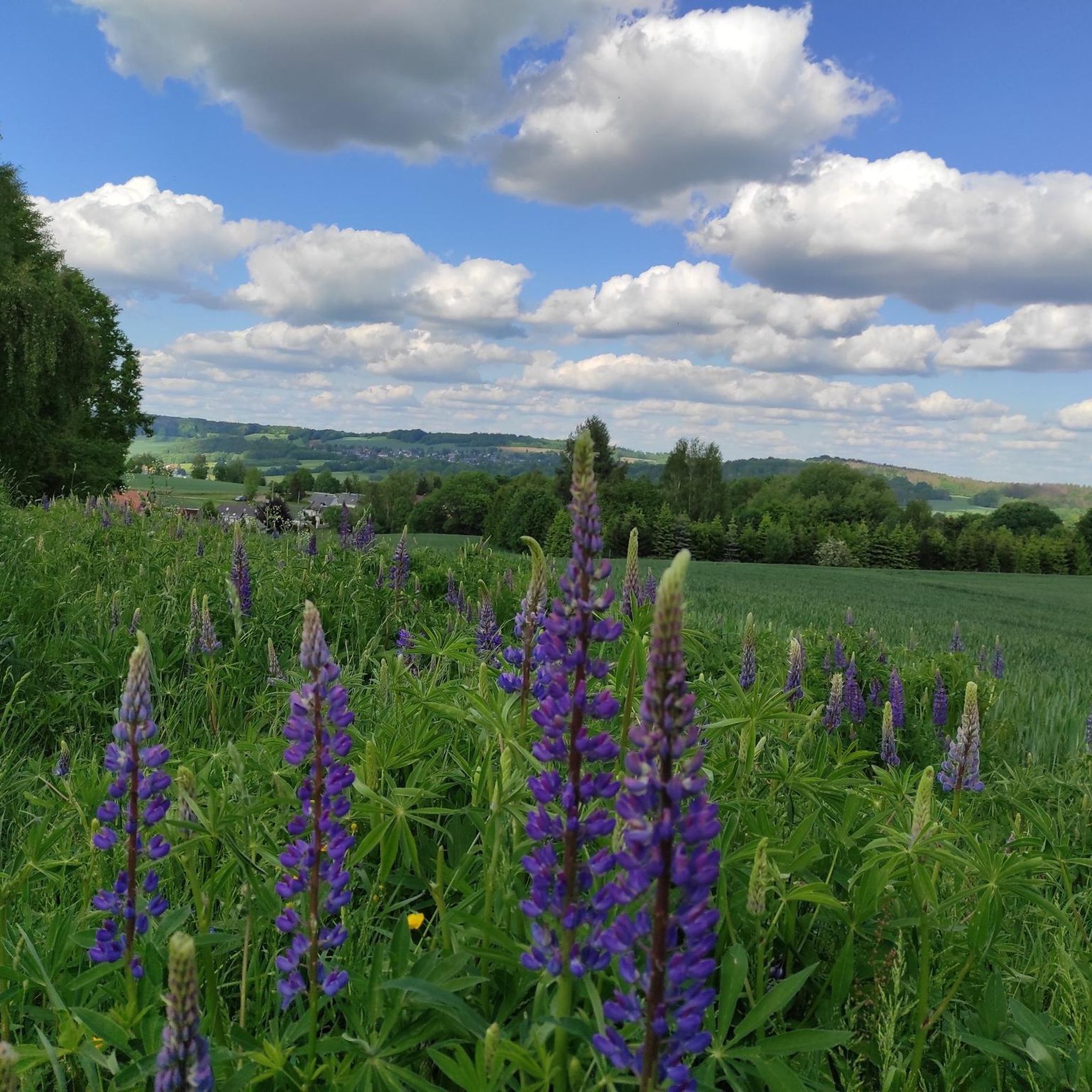
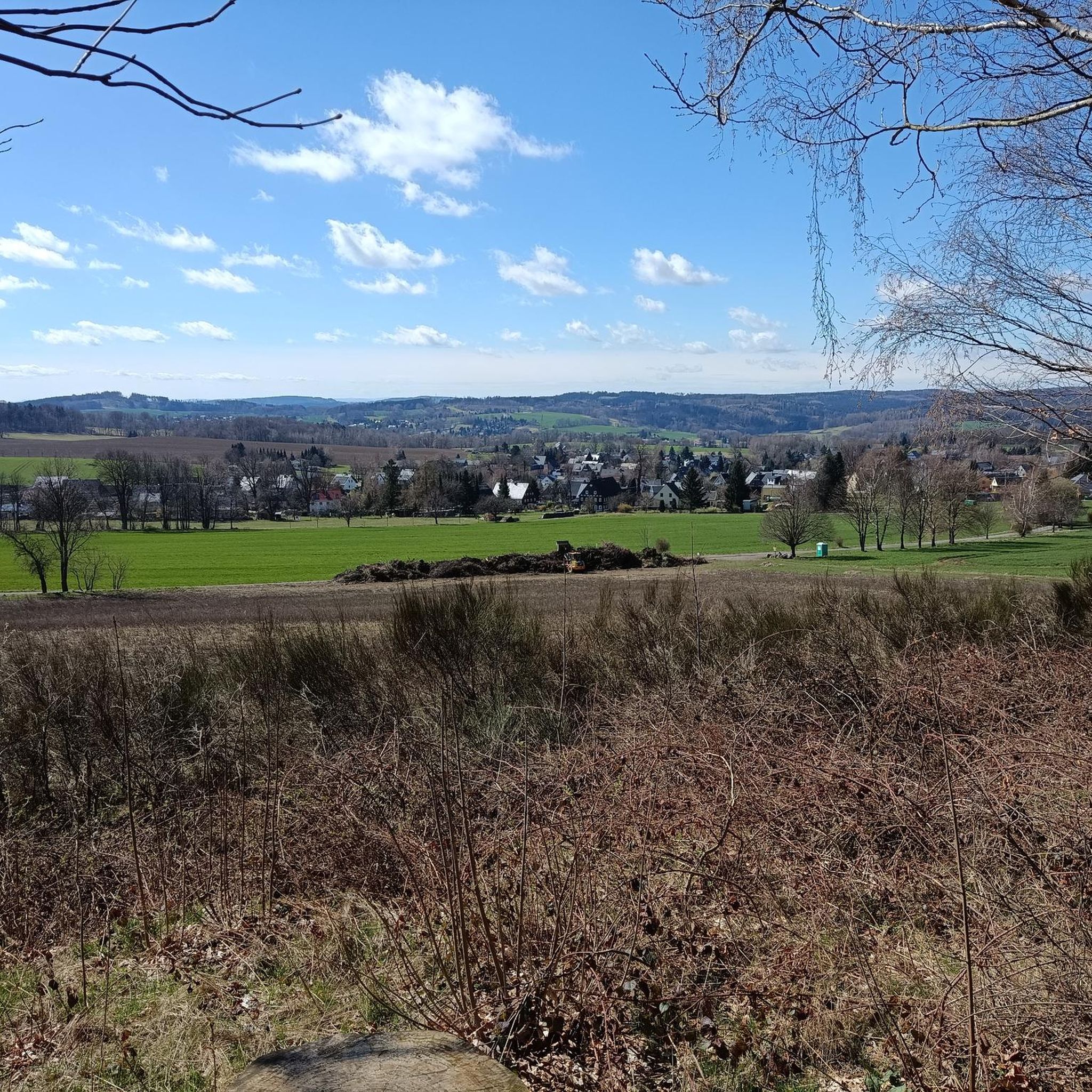
Tips from the Community

nice place at Spreelauf
1
0

The traditional mining association Hohwald has put something together here: information boards about the tunnel and the history, benches, a rest area, a guest book! Great. The way to get there has to be found first.
2
0

Probably an old drainage tunnel for the mine above.
0
0
Very nice insight into the history of mining at Valtenberg.
2
0

Spreetal right!
1
0

A cut in the granite rock, often called the robber's cave. Before and after there are also climbing rocks with appropriate safety devices that are hammered into the granite.
2
0
The boulders partly form caves, the terrifying Pan Dietrich is said to be up to mischief here at night. On the right-hand side of the path between Mönchswalde and Wilthen is a mountain covered with coniferous wood, which is called Pan-Dietrich. That is what he is called after a wild robber baron who plied his trade there in the times of the law of the fist, oppressed the area from his castle, indulged in highway robbery on weekdays and hunted on Sundays and public holidays, cruelly treating the game Death rushed and the farmers' fields were devastated. In life everything went as he wished, but in death God's punishment met him. For he is condemned to eternity to go about as a night hunter in spring and autumn. From his ruined castle, which now consists only of a mass of stones thrown together in a circle, the noisy hunting party rises, circles a few miles, and disappears into the mountain at dawn. St. Bonifacius, who often in vain warns the knight to give up his wild life, strides ahead of the procession. But death rides behind, a skeleton of legs on a great owl. Its appearance is said to announce war, plague, death, undergrowth or other misfortunes.
0
0

The path can hardly be found. At the beginning completely disheveled and then overgrown with weeds up to the chin.
1
0
Frequently Asked Questions
What kind of caves can I expect to find around Steinigtwolmsdorf?
The caves around Steinigtwolmsdorf are primarily historical mining tunnels and natural rock formations. The region is known for its geological composition, featuring underground structures related to historical quartz mining, as well as natural boulder fields that create cave-like spaces.
Are there any historical mining tunnels to explore near Steinigtwolmsdorf?
Yes, the area has significant historical mining tunnels. You can visit the Mouth of the Historical Drainage Tunnel (Erbstolln) at Valtenberg, which offers insights into the region's mining history with information boards and a rest area. Another notable site is the Kuxloch Mining Tunnel, a 12-meter-long tunnel dating back to around 1600. Historically, the Goldberg area also features extensive tunnels from quartz mining.
Can I find natural rock formations or cave-like structures in the area?
Absolutely. The Boulder field on Angstberg is a natural monument where large blocks of stone form cave-like structures within the forest, associated with local legends. Additionally, the Grubschützer Robber's Cave and Climbing Rocks is a natural cut in the granite rock, often referred to as a robber's cave.
Are there family-friendly cave experiences around Steinigtwolmsdorf?
Yes, the Grubschützer Robber's Cave and Climbing Rocks is considered a little adventure, especially for children. It's a natural cut in the granite rock and also features climbing rocks with safety devices.
What outdoor activities can I combine with a visit to the caves?
The region around Steinigtwolmsdorf offers various outdoor activities. You can explore gravel biking routes, tackle MTB trails, or enjoy running trails. Many of these routes pass through scenic landscapes and near historical sites.
What is the Kuxloch Mining Tunnel?
The Kuxloch Mining Tunnel is a 12-meter-long historical mining tunnel dating back to approximately 1600. It's a significant historical site that offers a glimpse into the region's past mining activities.
What is the significance of the Goldberg area regarding caves?
The Goldberg area near Steinigtwolmsdorf is historically significant for its quartz mining. Records mention 'fairly extensive tunnels' and discovered cavities from past mining operations, including a *Stollen* (tunnel) for mining and another for drainage. While primarily of historical and geological interest, it showcases the region's mining heritage and unique rock crystal formations.
Are there any legends associated with the natural formations?
Yes, local legends are associated with the Boulder field on Angstberg. It is said that the terrifying Pan Dietrich, a wild robber baron, is up to mischief here at night, and his noisy hunting party rises from his ruined castle, which is now a mass of stones.
What kind of geological features can be observed in the area's caves?
The region's geological features include the Lausitzer Granodioritmassiv and quartz veins. Historically, the Goldberg area was known for beautiful rock crystal formations (Bergkristalle) extracted from these quartz veins, offering insights into the local geological composition.
Is there an old drainage tunnel I can visit?
Yes, you can visit the Mouth of the Historical Drainage Tunnel (Erbstolln) at Valtenberg. This site provides a nice insight into the history of mining at Valtenberg, complete with information boards and a rest area.
What do visitors enjoy most about the caves around Steinigtwolmsdorf?
Visitors appreciate the unique blend of historical mining sites and natural rock formations. The Grubschützer Robber's Cave is noted as a fun adventure, especially for children, and the historical sites like the Erbstolln at Valtenberg are valued for their educational insights and well-maintained information.
Are there any climbing opportunities near the caves?
Yes, at the Grubschützer Robber's Cave and Climbing Rocks, you'll find climbing rocks with appropriate safety devices hammered into the granite, offering an additional activity alongside exploring the cave.
Most popular routes around Steinigtwolmsdorf
Most popular attractions around Steinigtwolmsdorf

Get inspired with the komoot mobile app


Explore more
Extend your search for the best caves by checking out these guides of the top ones around Steinigtwolmsdorf:
