Top 5 Gorges around Cunewalde
Best canyons around Cunewalde are characterized by their unique geological formations and diverse ecosystems. Located in Saxony, Germany, the region features scenic gorges and rocky valleys, offering natural landscapes and hiking opportunities. These areas, often referred to as "Skalas" in the Sorbian language, are typically breakthrough valleys carved by local rivers. They provide varied terrain for exploration, from steep slopes to near-natural stream beds.
Best canyons around Cunewalde
- The most popular canyons is Georgewitz Gorge, a gorge that is…
Last updated: June 27, 2026
Georgewitz Gorge
Highlight (Segment) • Gorge
Translated by Google •
Tip by

Georgewitzer Skala Nature Reserve (Löbauer Wasser Gorge)
Highlight • Gorge
Translated by Google •
Tip by

Sign up now to discover places like this
Get recommendations on the best single tracks, peaks, & plenty of other exciting outdoor places.
Sign up for free
Drehsaer Switzerland
Highlight • Gorge
Translated by Google •
Tip by

Höllental
Highlight • Gorge
Translated by Google •
Tip by

Start today with a free account
Your next adventure awaits.
Login or Signup
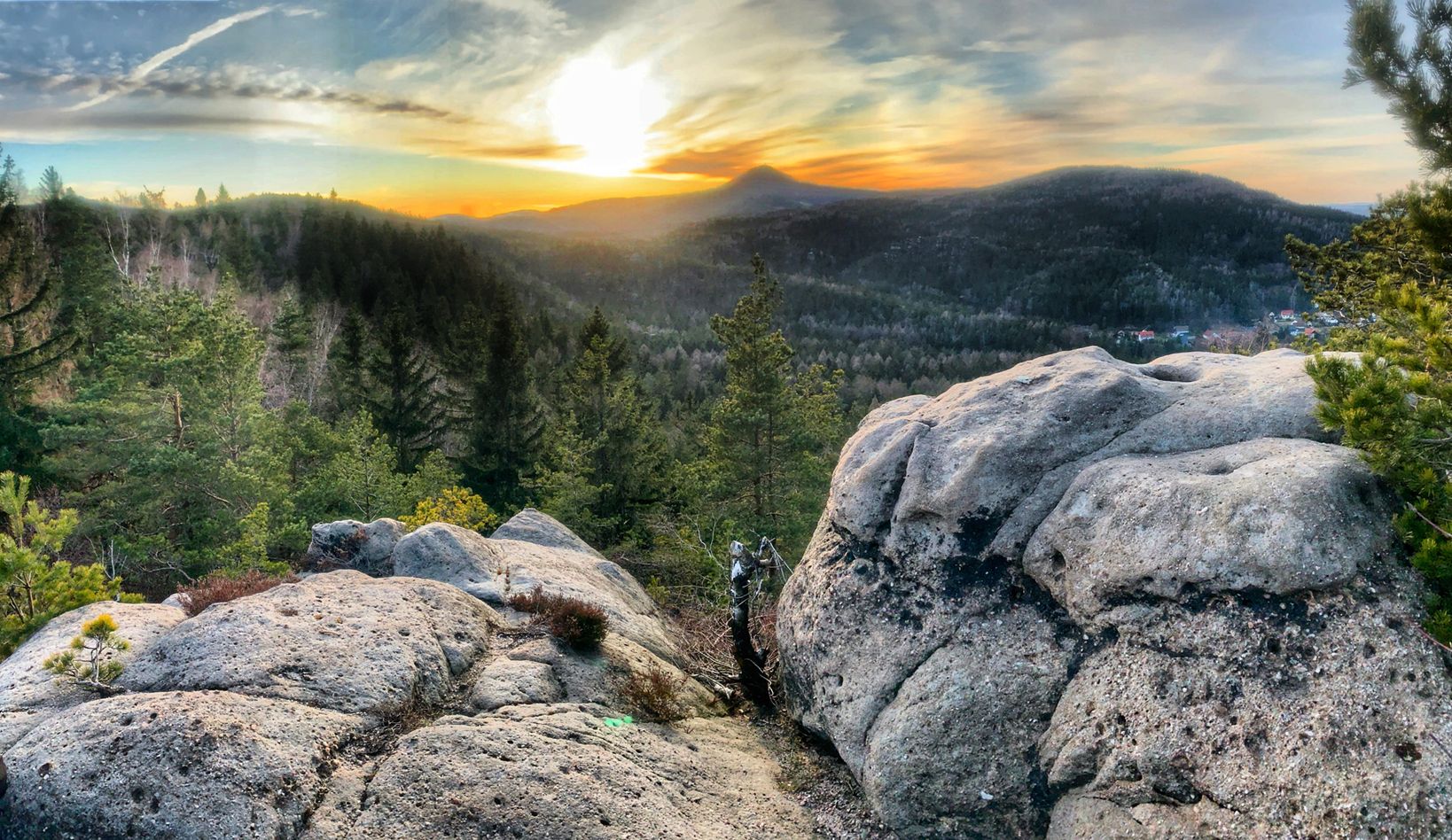
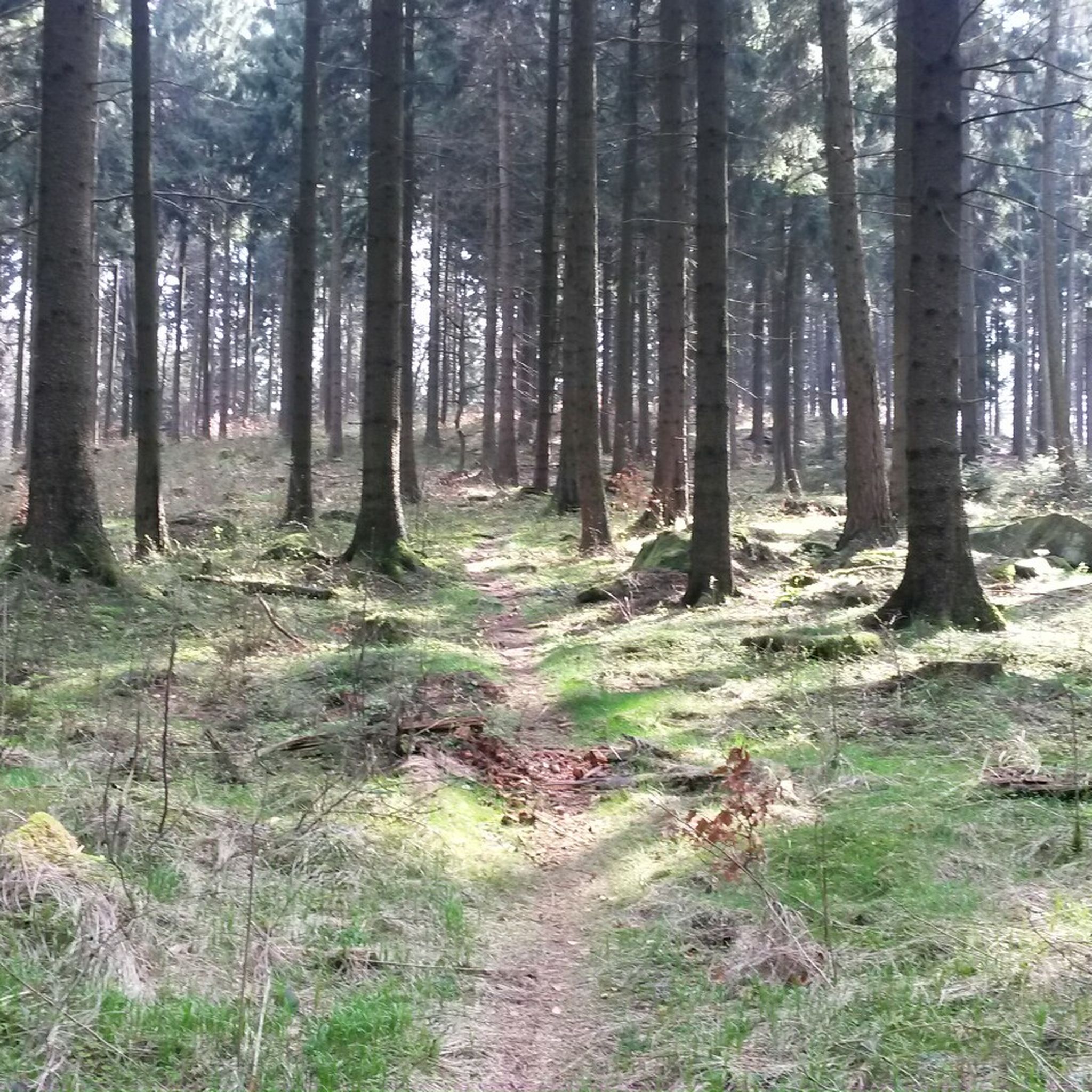
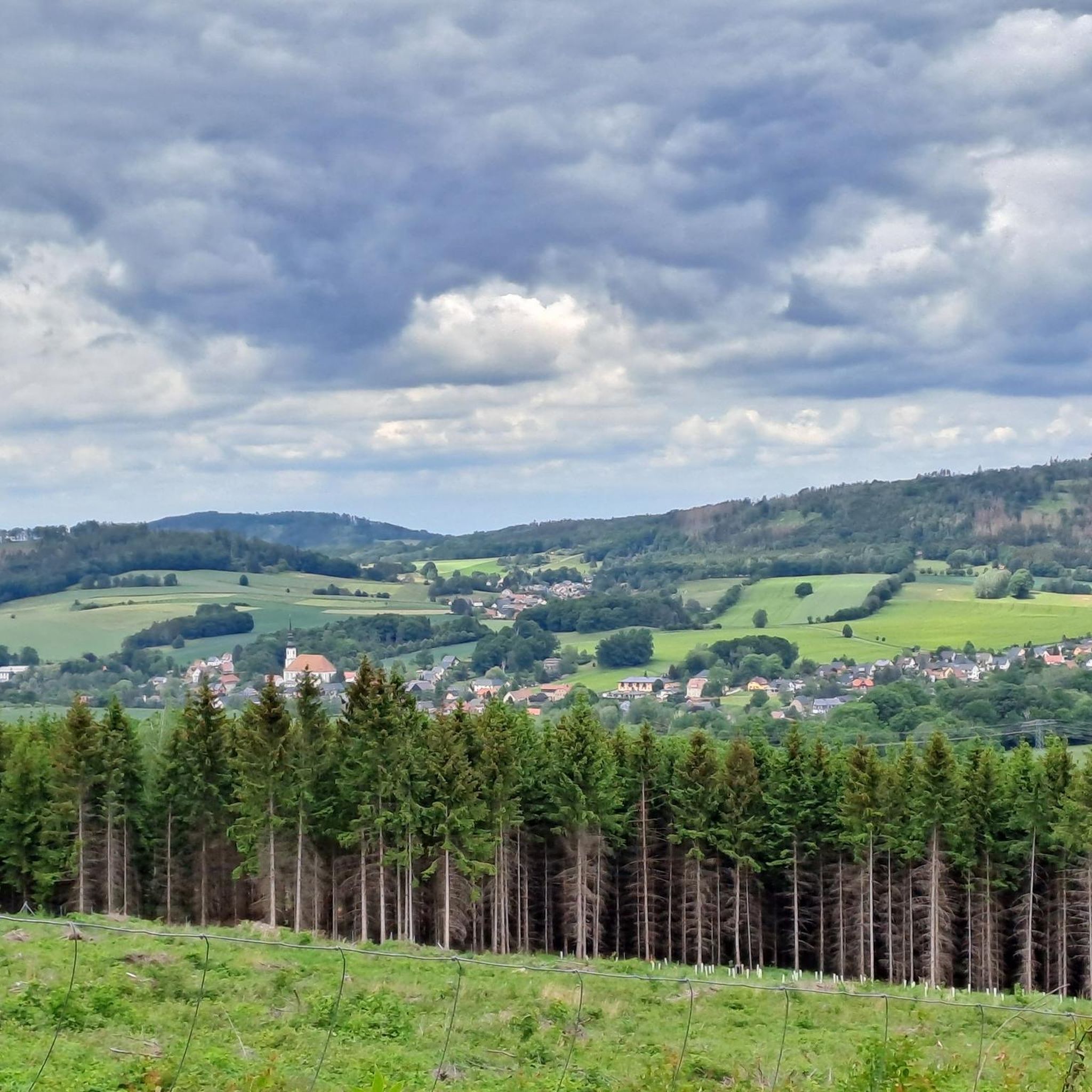
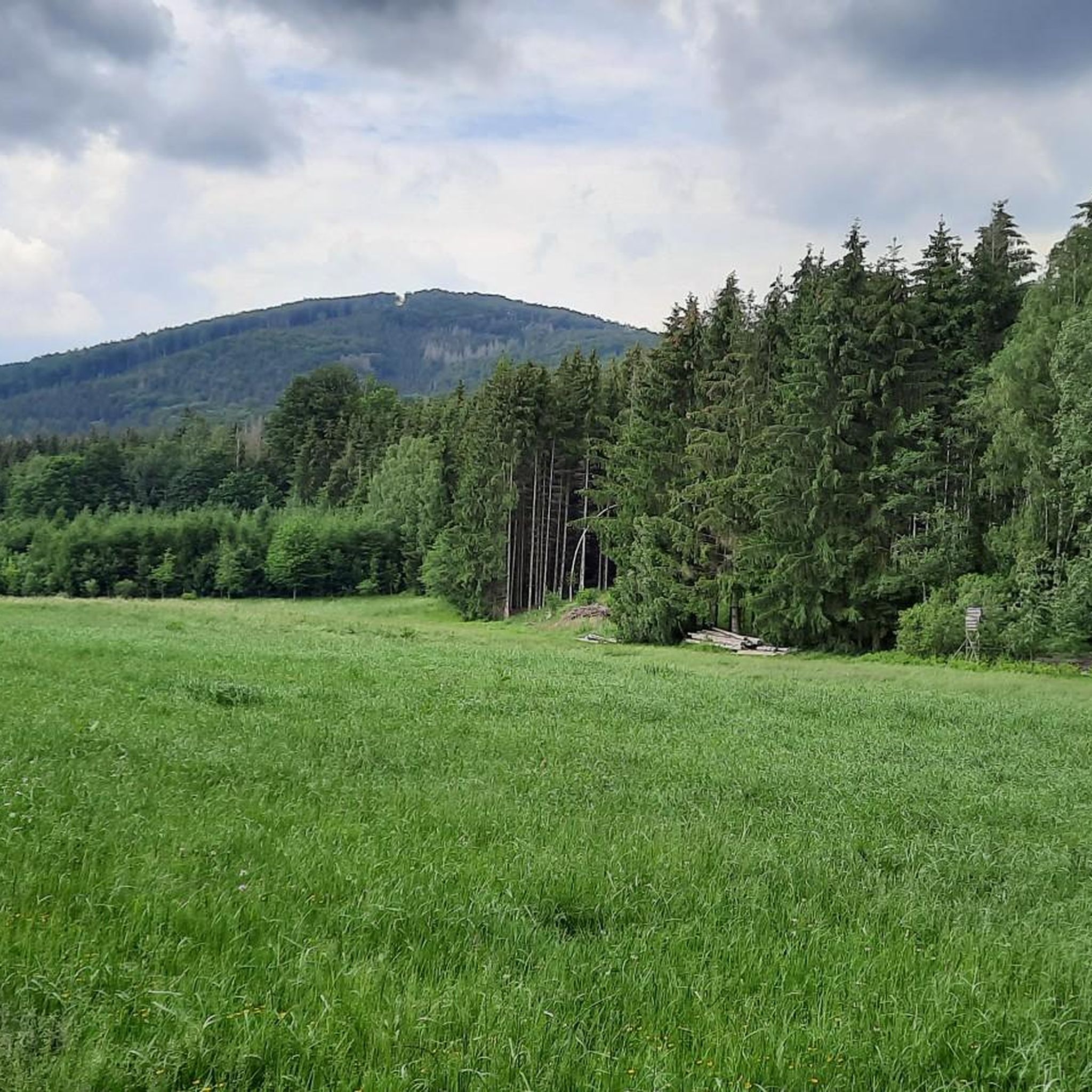
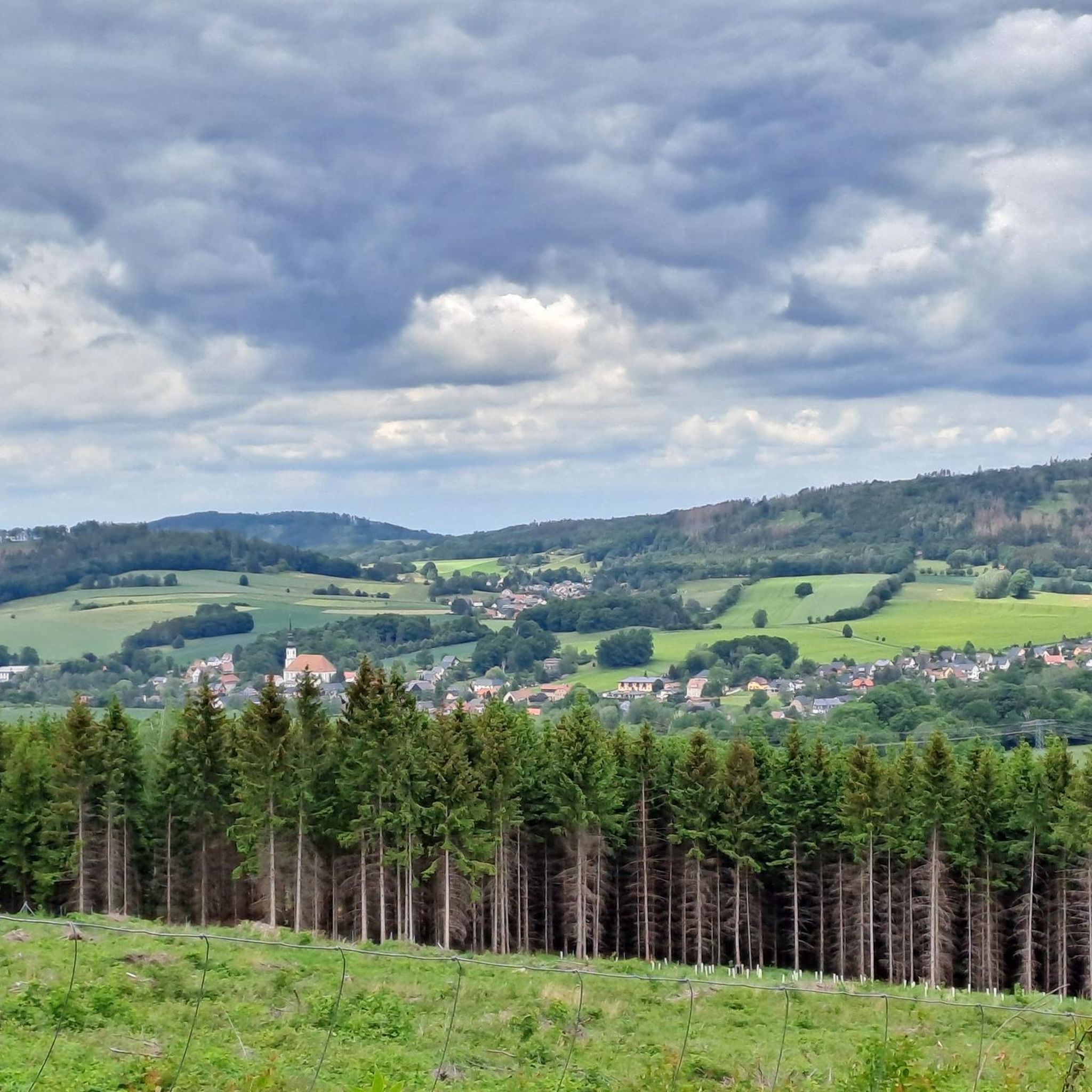
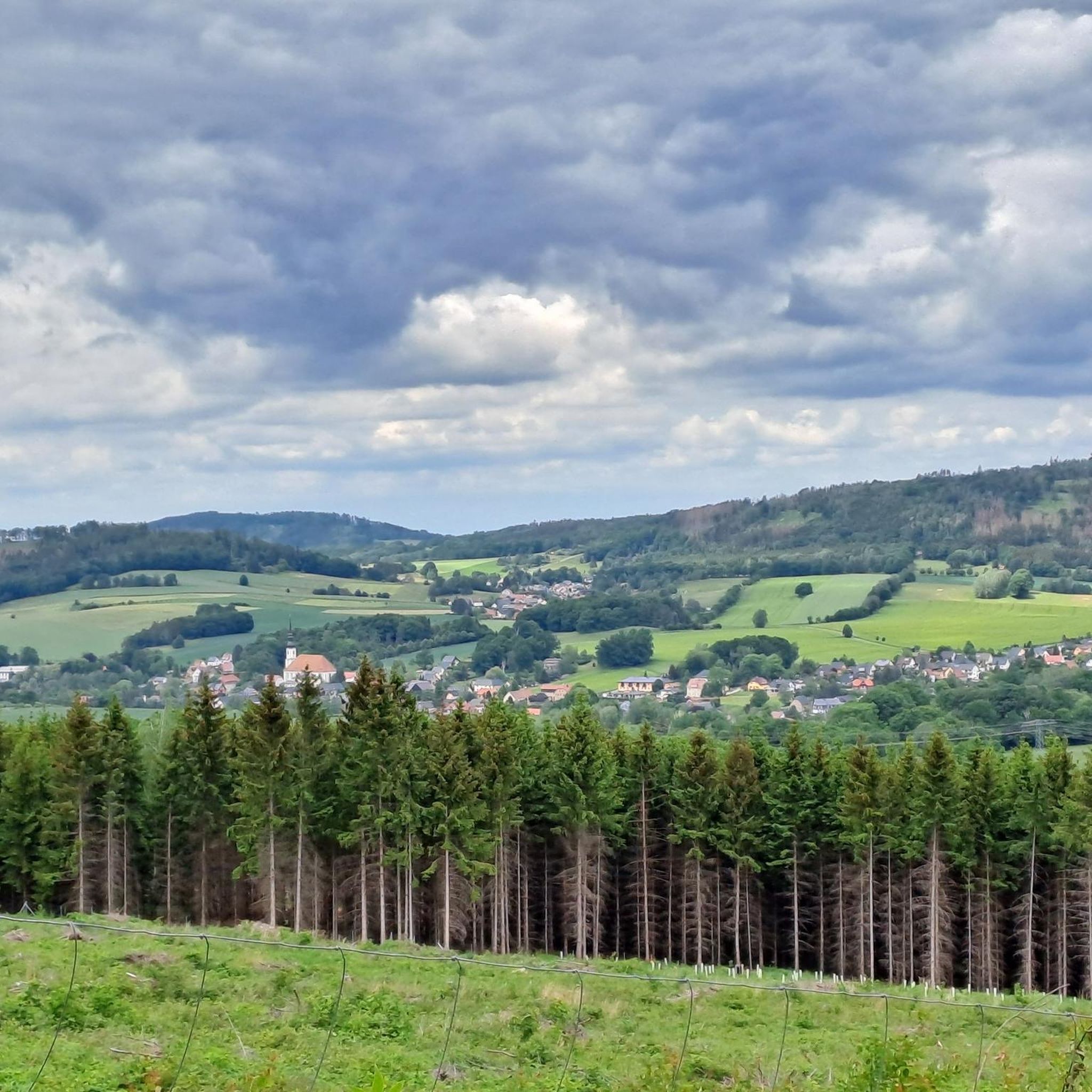

Other adventures around Cunewalde


Tips from the Community

A mini-Switzerland with slopes and rocks, a stream (Steindörfler Wasser). Very beautiful scenery.
1
0

A real insider tip for a nice hike without many people.
0
0
A beautiful untouched piece of earth🥰
2
0

The Georgewitzer Skala, a small rocky valley in the foothills of the Lusatian mountains (north of the Löbauer mountain), has been on our list of things to visit for a long time. The Löbau water, which once made its way through the rocks there, still ripples happily to this day. A hiking trail leads through the valley, which is worth seeing and is up to 35 m deep in places - on one side and back again on the other.
2
0

The Georgewitzer Skala was created over a length of approx. 1.3 km by the erosive action of the Löbau water as a deeply incised, south-north oriented, canyon-like rocky valley (skala = Slavic term for rock). This form of a breakthrough valley is more common in Upper Lusatia, especially in the Upper Lusatia region (cf. Gröditzer scale, Lausk scale). The geological source rock, the West Lusatian granodiorite or the Zweiglimmergranodiorite, was removed by the erosion process over thousands of years. The geological subsoil is mainly covered by nutrient-rich loess loam and river gravel from the Vistula ice age. The valley has steep slopes, rock faces and crevices, the Löbau water has a near-natural stream bed with many blocks. The wooded rocky slopes on both sides of the stream rise from 210 m above sea level. NN in the valley floor up to a height of 240 m above sea level. NN and go with a moderate incline into a plateau. A large number of very different near-natural forest communities, such as pedunculate oak-hornbeam forest rich in linden trees, sessile oak-beech forest rich in hornbeam and hornwort-black alder shoreline characterize the scale. As special features of the avifauna, kingfishers, lesser woodpeckers and gray wagtails can be mentioned. Hollow Corydalis, Black Lungwort, Lily of the Valley and Greater Chickweed occur as protected plant species due to the weakly alkaline-influenced granodiorite weathering soil of the basalt mountains. Source: Wikipedia
2
0
A wonderful piece of hiking trail on the pilgrim path.
0
1

Great gorge in a small space.
2
0

The breakthrough valley washed out by the slowly flowing Löbauer water is a protected area. You walk through a unique area with beautiful beech, linden and oak forests, in which plants and animals worth protecting, such as the kingfisher and swallowtail, are to be found.
5
0
Frequently Asked Questions
What kind of natural features can I expect to see in the gorges around Cunewalde?
The gorges around Cunewalde, often locally called "Skalas," are characterized by unique geological formations. You'll find breakthrough valleys carved by rivers, steep slopes, rocky valleys, and near-natural stream beds. These areas showcase diverse ecosystems with rich flora and fauna, including various deciduous trees and specific plant species.
Are there any unique plant or animal species in the gorges near Cunewalde?
Yes, the gorges are home to diverse ecosystems. For example, the Georgewitz Gorge features beautiful beech, linden, and oak forests, supporting protected plants like Hollow Corydalis and animals such as kingfishers and swallowtails. The Gröditzer Skala also boasts a rich ecosystem with sessile oaks, hornbeams, and specific plant species like large-flowered foxglove.
What is the Gröditzer Skala, and what makes it special?
The Gröditzer Skala is a picturesque rocky valley and nature reserve near Cunewalde. It was formed during the Elster Ice Age by the Löbauer Water carving into the Northern Lusatian graywacke. It's known for its geological significance, diverse ecosystem, and the accessible Skala-Rundweg hiking trail. The impressive, ten-arched Gröditz Viaduct, now a hiking path, also passes through it.
What is the "Wolf Gorge" near Großer Röder, and what can I do there?
The "Wolf Gorge" (Wolfsschlucht) near the Großer Röder river offers an idyllic hiking experience through a small side valley. This area is known for its wild and romantic scenery, featuring rock formations and lush natural surroundings, perfect for leisurely walks or more active hikes. The Großer Röder river itself provides picturesque views through diverse landscapes.
Are there hiking trails suitable for families in the gorges around Cunewalde?
While specific family-friendly ratings aren't always available for individual gorges, many of these rocky valleys offer accessible paths. The Skala-Rundweg in the Gröditzer Skala is an accessible round trip, and the Drehsaer Switzerland is described as a wonderful piece of hiking trail, often suitable for various skill levels. It's always recommended to check specific trail details for elevation and terrain before heading out with children.
What is the difficulty level of hiking trails in the gorges near Cunewalde?
Many trails in the gorges around Cunewalde, such as those in Georgewitz Gorge, Drehsaer Switzerland, and Höllental, are generally rated as intermediate. They can feature steep slopes, rocky sections, and natural stream beds. While some paths are accessible, others might require a moderate level of fitness due to varied terrain.
Can I bring my dog on the canyon trails around Cunewalde?
Generally, many natural trails in Germany are dog-friendly, especially if dogs are kept on a leash. However, specific regulations can vary for nature reserves like the Gröditzer Skala or other protected areas. It's advisable to look for local signage or check with regional tourism information for the specific gorge you plan to visit to confirm dog policies.
What other outdoor activities are available near the gorges around Cunewalde?
Beyond hiking in the gorges, the region around Cunewalde offers a variety of outdoor activities. You can explore numerous road cycling routes, such as the Rail trail – Löbau–Cunewalde Rail Trail loop. Mountain biking is also popular, with trails like the Mountainbike loop from Cunewalde. For those who enjoy gravel biking, options like the Cunewalder Valley Rail Trail are available.
What is the best time of year to visit the gorges around Cunewalde?
The gorges around Cunewalde are beautiful throughout the year, but spring and autumn are particularly recommended. In spring, the deciduous forests burst with new growth and wildflowers. Autumn offers stunning foliage colors. Summer is also pleasant for hiking, though it can be warmer. Winter can provide a serene, snow-covered landscape, but some paths might be slippery or less accessible.
Are there any historical or cultural points of interest within or near these gorges?
Yes, some gorges have historical connections. The Way of St. James, a historic pilgrimage route, passes through the Gröditzer Skala. Within this area, you can also see the impressive Gröditz Viaduct, a former railway bridge now used as a hiking path, offering a glimpse into the region's industrial history. The Drehsaer Switzerland is also part of a pilgrim path.
What do visitors enjoy most about the gorges around Cunewalde?
Visitors frequently appreciate the wild and romantic scenery, the unique geological formations, and the diverse natural beauty. The peaceful atmosphere of places like Georgewitz Gorge and Drehsaer Switzerland, with their forests, streams, and rock formations, are often highlighted. The opportunity for tranquil walks and experiencing nature up close is a major draw.
Are there any less-frequented or 'hidden gem' gorges to explore?
While the main gorges are well-known, the region has many smaller, idyllic rocky valleys. For instance, the Höllental, situated between the Weifaer Höhe and mountains near Wehrsdorf, offers a beautiful experience where rivulets converge to form forest water. Exploring paths like the less-frequented route to View of Georgewitzer Skala from Kleinradmeritz can also lead to quieter discoveries.
Most popular routes around Cunewalde
Most popular attractions around Cunewalde

Get inspired with the komoot mobile app


Explore more
Already discovered everything in this region? See additional gorges around Cunewalde for your next adventure:
