Attractions and Places To See in the Aravali Range - Top 6
Best attractions and places to see in the Aravali Range include ancient forts, temples, and natural landscapes. This ancient mountain range stretches across Rajasthan, Haryana, Gujarat, and Delhi, offering a diverse array of sites. The region is characterized by its rugged terrain, historical significance, and rich biodiversity. Visitors can explore cultural landmarks and wildlife sanctuaries nestled within the hills.
Best attractions and places to see in the Aravali Range
- The most popular attractions is Ranakpur Jain Temple (Chaumukha Mandir), a religious building known as one of the most important Jain temples in the subcontinent. It is a stunning marble temple featuring over 1,400 intricately carved pillars.
- Another must-see spot is Kumbhalgarh Fort, a castle and UNESCO World Heritage Site. This majestic fortress boasts the second-longest wall in the world and is the birthplace of Maharana Pratap.
- Visitors also love Ram Pol (Entrance Gate), a man-made monument that serves as one of the prominent gates of Kumbhalgarh fort. It is known for its massive walls and impressive architecture, reflecting the fort's strategic importance.
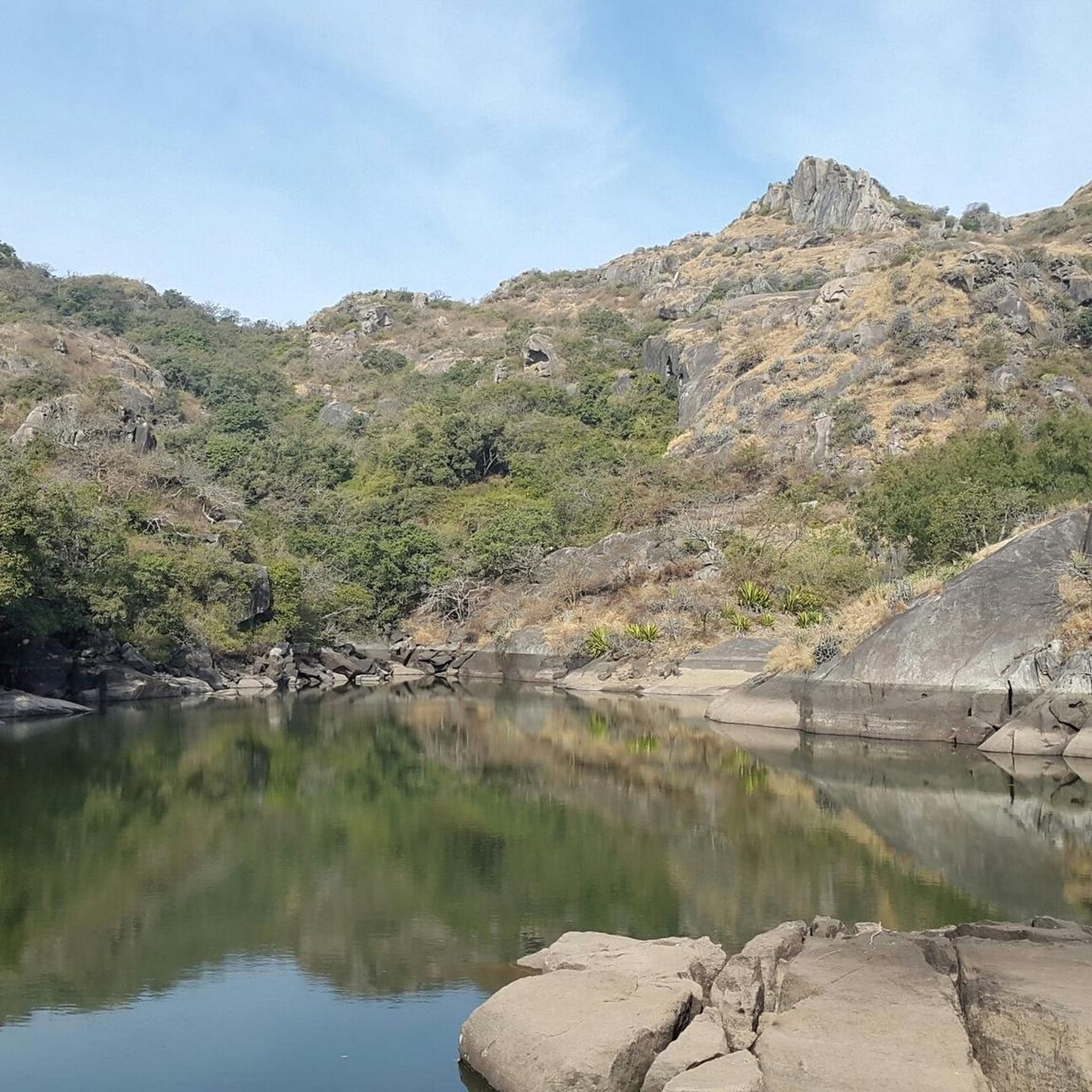
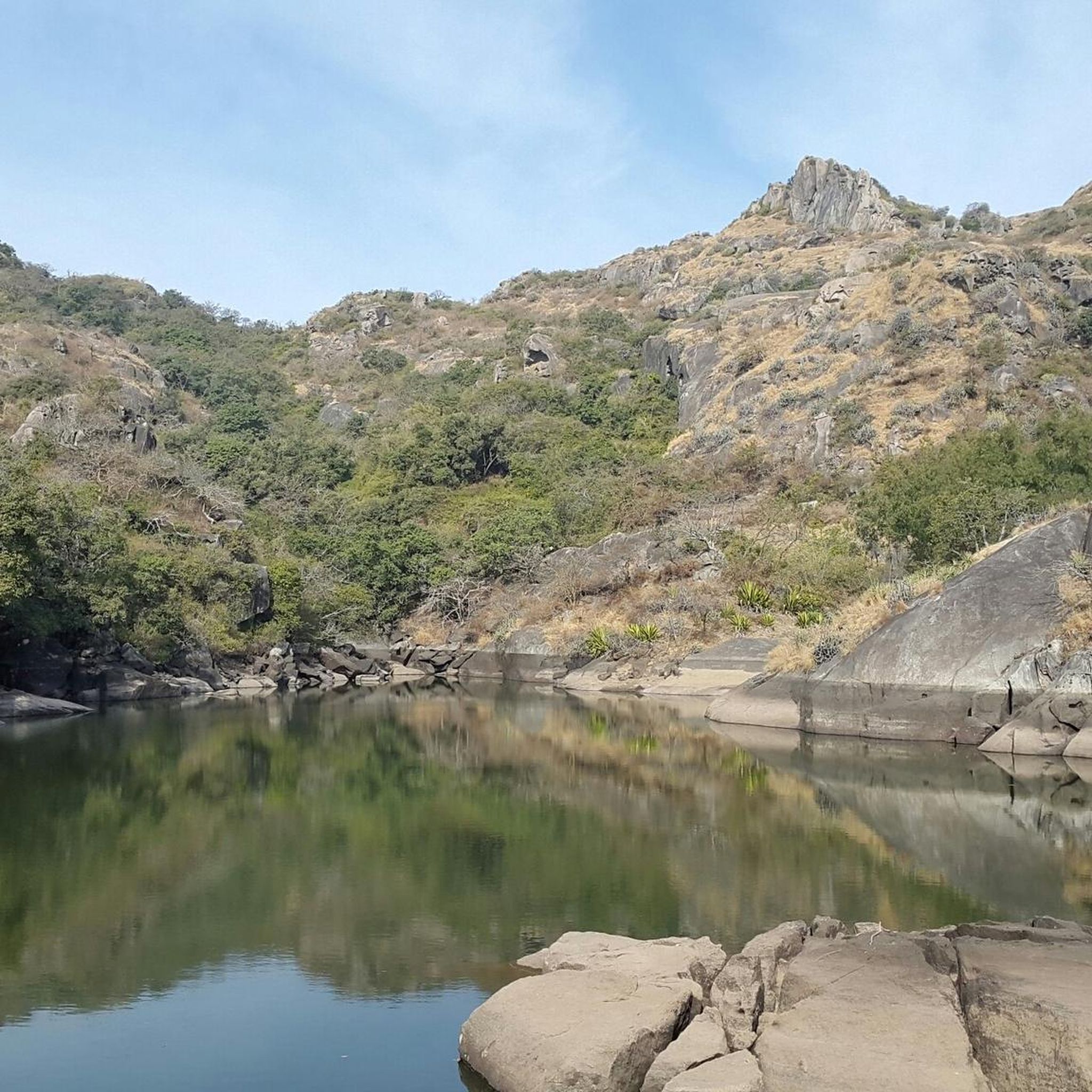
- Aravali Range is known for its ancient forts, temples, and wildlife sanctuaries. The region offers a variety of attractions to see and explore, from historical sites to natural features like lakes and peaks.
- The attractions in the Aravali Range are appreciated by the komoot community, with 5 upvotes and 53 photos shared.
Last updated: July 1, 2026
Ranakpur Jain Temple (Chaumukha Mandir)
Highlight • Religious Site
I can't get it on the highlight.
Translated by Google •
Tip by

Kumbhalgarh Fort
Highlight • Castle
His father was the ruler of the kingdom of Mewar with its capital at Chittor. Birthplace of Maharana Pratap.....The birthplace of Rana Pratap is said to be in the mansion called Jhalia ka Malia or the palace of Queen Jhalia....This simple palace is located near Pagda Pol...It consists made of rubble stones with simple walls and a flat roof. Traces of painting can be seen on the walls.
Translated by Google •
Tip by

Sign up now to discover places like this
Get recommendations on the best single tracks, peaks, & plenty of other exciting outdoor places.
Sign up for free
Ram Pol (Entrance Gate)
Highlight • Monument
Translated by Google •
Tip by
Bhairav Pol Gate
Highlight • Historical Site
Translated by Google •
Tip by
Start today with a free account
Your next adventure awaits.
Login or Signup
Popular around Aravali Range
Tips from the Community

A magnificent Jain temple. The imposing main temple is one of the five holy Jain pilgrimage centers and has a particularly good temple complex. The important place of worship covers an area of approximately 3,600 m². White marble runs through the main temple "Chaumukha Mandir", which has a total of 1,444 individually designed pillars in the main temple.
0
0

Very worth seeing, you have to see it
0
0

Kumbhalmer is the name of a 15th-century fortress in the northwestern Indian state of Rajasthan. After Chittorgarh, it is the second largest fortified complex in Rajasthan in terms of area and has been recognized as a UNESCO World Heritage Site since 2013 as one of several hill forts.
0
0
Maharana Pratap was born here on May 9, 1540 at Kumbhalgarh Fort, Rajasthan. He is the eldest son of Udai Singh II and Maharani Jaiwanta Bai. ... His father was the ruler of the kingdom of Mewar with its capital at Chittor. Birthplace of Maharana Pratap.....The birthplace of Rana Pratap is said to be in the mansion called Jhalia ka Malia or the palace of Queen Jhalia....This simple palace is located near Pagda Pol...It consists made of rubble stones with simple walls and a flat roof. Traces of painting can be seen on the walls.
0
0
The Bhairav Pole serves as one of the access points to the fort and is named after the local deity Bhairav.
0
0
Ram Pol or Ram Gate is one of the prominent gates of Kumbhalgarh fort. Kumbhalgarh Fort is known for its massive walls and impressive architecture. Ram Pol serves as the entrance to the fort and is named after Rana Ram, a noblewoman from Mewar who played a significant role in the fort's history. It is a testament to the rich heritage and strategic importance of the Kumbhalgarh fort.
0
0

More pictures are in my tour 'Ranakpur, Jain Temple. India from September 15th, 2023. I can't get it on the highlight.
1
0
The Adinath Temple of Ranakpur in the Indian state of Rajasthan is one of the most important Jain temples in the subcontinent. The Adinath Temple is located in a wooded valley in the middle of rather dry hills in the village of Ranakpur, almost 95 km (driving distance) northwest of the city of Udaipur at an altitude of approx. 485 m. The dammed river flows nearby, approx. 1.5 km north of the town Stream Sukri, which only carries water after heavy or prolonged rainfall. According to an inscription on a copper plate, the construction of the temple dates back to a dream of the businessman Dharna Shah, who commissioned it around 1430; It therefore dates back to the time of Maharana Kumbha (r. 1433–1468), the prince of Mewar who resided in Udaipur. The temple was completed in 1458. In the 17th century it was almost forgotten; Gangs of robbers (dacoits) were up to mischief in the area. Restorations were only carried out around the middle of the 20th century. Wikipedia
0
0
Frequently Asked Questions
What historical sites can I explore in the Aravali Range?
The Aravali Range is rich in history. You can visit the magnificent Kumbhalgarh Fort, a UNESCO World Heritage Site known for having the second-longest wall in the world and being the birthplace of Maharana Pratap. Also, explore its impressive entrance gates like Ram Pol. Other notable historical sites in the region include Chittorgarh Fort, Bala Quila (Alwar Fort), and the ancient Eklingji Temple near Udaipur.
Are there any significant religious sites in the Aravali Range?
Yes, the Aravali Range is home to several important religious sites. The Ranakpur Jain Temple (Chaumukha Mandir) is a must-see, renowned for its stunning marble architecture and over 1,400 intricately carved pillars. Other significant temples include the Dilwara Jain Temples in Mount Abu, the Jagdish Temple in Udaipur, and the Shrinathji Temple in Nathdwara.
What natural attractions can I find in the Aravali Range?
The Aravali Range offers diverse natural beauty. You can visit Mount Abu, Rajasthan's only hill station, which features Guru Shikhar, the highest peak in the range, offering panoramic views. Nakki Lake in Mount Abu is perfect for boat rides. Other natural features include Siliserh Lake near Alwar, Lake Pichola in Udaipur, and the Zanzari Waterfall.
What wildlife sanctuaries are located in the Aravali Range?
The Aravali Range is known for its rich biodiversity and hosts several wildlife sanctuaries. Key ones include Sariska Tiger Reserve, Mount Abu Wildlife Sanctuary, Jessore Sloth Bear Sanctuary, and Kumbhalgarh Wildlife Sanctuary. These areas offer opportunities to spot various species like tigers, leopards, sloth bears, and diverse birdlife.
Are there family-friendly attractions in the Aravali Range?
Absolutely. The Ranakpur Jain Temple (Chaumukha Mandir) is considered family-friendly. Mount Abu, with its serene Nakki Lake and boat rides, is also a great option for families. Udaipur, often called the 'Venice of the East,' offers attractions like the City Palace and boat rides on Lake Pichola, along with the peaceful Saheliyon Ki Bari royal garden.
What outdoor activities can I do near the attractions in the Aravali Range?
The rugged terrain of the Aravali Range is ideal for outdoor activities. You can find numerous cycling routes, ranging from easy to difficult, particularly around Udaipur. For more details on routes, check out the Cycling in the Aravali Range guide. Hiking is also popular, with trails near Udaipur and Mount Abu. Explore the Hiking in the Aravali Range guide for specific routes.
What are some popular hiking trails in the Aravali Range?
The Aravali Range offers various hiking opportunities. Popular trails include those around Udaipur, such as the 'View of Lake Pichola – Gangaur Ghat loop' and the 'Jagdish Temple – City Palace Udaipur loop.' Near Mount Abu, you can enjoy the 'Nakki Lake loop.' These trails vary in difficulty from easy to moderate. For more options, refer to the Hiking in the Aravali Range guide.
What is the best time to visit the Aravali Range?
The best time to visit the Aravali Range is generally during the cooler, drier months from October to March. The weather is pleasant for exploring historical sites, engaging in outdoor activities like hiking and cycling, and enjoying wildlife safaris. Summers can be very hot, and the monsoon season (July to September) brings heavy rainfall, which can affect travel plans, though it also makes the landscape lush.
Are there any unique or 'hidden gem' attractions in the Aravali Range?
Beyond the well-known sites, the Aravali Range holds some unique spots. The Roda Temples and Kaleshwari Group of Monuments in the Gujarat part of the Aravallis offer ancient religious and historic insights. Bhangarh Fort near Alwar is famous for its ruins and intriguing tales, often considered one of India's most haunted places, providing a different kind of historical experience.
What do visitors enjoy most about the attractions in the Aravali Range?
Visitors frequently praise the intricate architecture and historical significance of sites like the Ranakpur Jain Temple, noting its stunning marble carvings. The grandeur and historical tales associated with Kumbhalgarh Fort, including its massive walls and the birthplace of Maharana Pratap, also leave a lasting impression. The blend of ancient history, cultural heritage, and natural beauty, from serene lakes to panoramic viewpoints, is highly appreciated.
Which cities in the Aravali Range offer a good base for exploring?
Udaipur, often called the 'Venice of the East,' is an excellent base due to its central location amidst the Aravalli Hills and its numerous attractions like the City Palace and Lake Pichola. Mount Abu, Rajasthan's only hill station, is another great option, especially for those seeking cooler climates and natural beauty. Alwar also serves as a good starting point for exploring nearby forts and lakes.
Most popular routes in the Aravali Range

Get inspired with the komoot mobile app


Explore more
Still not found the Highlight you’re looking for? See guides of the top attractions in other regions:
