Top 14 Lakes around Ockholm
Best lakes around Ockholm are primarily coastal features and unique water bodies shaped by the region's proximity to the North Sea. Ockholm, located in Nordfriesland, Schleswig-Holstein, Germany, is characterized by its coastal landscape, including the Wadden Sea, a UNESCO World Heritage site. This area is known for its tidal mudflat system and significant natural habitats. Visitors typically engage in activities related to the sea, such as mudflat hikes and experiencing the North Sea coast.
Best lakes around Ockholm
- The most…
Last updated: August 21, 2026
Lüttmoorsee Saltwater Lagoon
Highlight • Lake
Translated by Google •
Tip by

Fething Rainwater Pond
Highlight • Monument
Translated by Google •
Tip by

Sign up now to discover places like this
Get recommendations on the best single tracks, peaks, & plenty of other exciting outdoor places.
Sign up for free
Old Ponds of Bordelumer Heide
Highlight • Lake
see pictures.
Translated by Google •
Tip by

Bottschlotter Lake
Highlight • Lake
Translated by Google •
Tip by

Lüttmoorsee Lagoon
Highlight • Lake
Translated by Google •
Tip by

Sign up for free to discover even more lakes around Ockholm.
Sign up for free
Already have an account?
Start today with a free account
Your next adventure awaits.
Login or Signup

Tips from the Community


Frozen ice floes on the lake
0
0

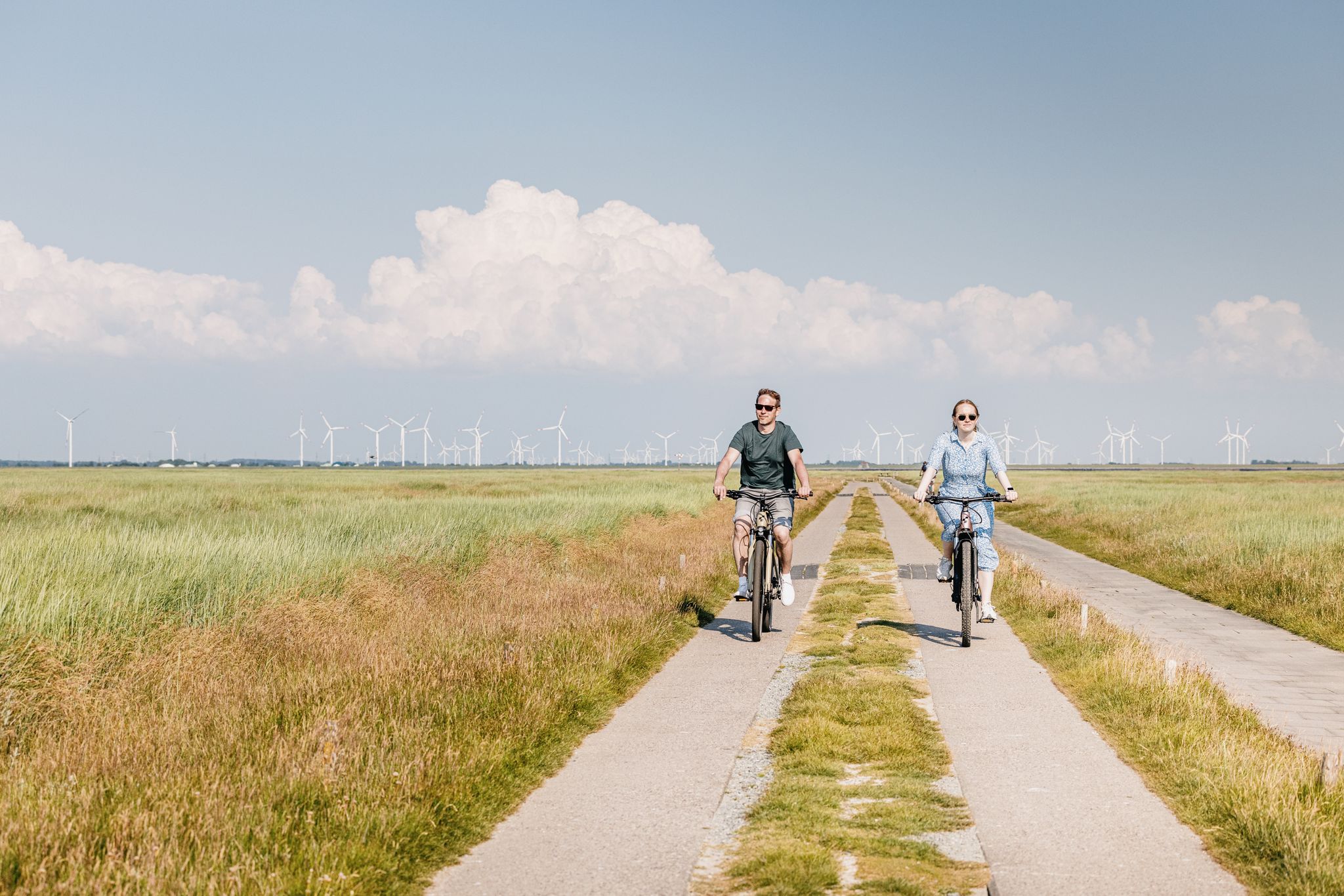
It is only a few kilometers from Dagebüll harbor and you reach a district of Dagebüll: Fahretoft. A lovely place with lots of little thatched-roof houses on mounds. Lots of nature awaits you and if you drive a little further you will reach the Bottschloter Lake. This little spot on earth is wonderfully recommended for hikes and bike tours. https://www.dagebuell-tourismus.de/vor-ort-umgebung/orte/fahretoft
3
0

Nature lovers will get their money's worth here. Binoculars are recommended for observing the birds.
1
0

This two lane trail still exists and it runs through beautiful moorland. At the Hochstand, follow the small path slightly to the right, which then widens again immediately. The wider path, slightly to the left, ends in the reeds.
1
0

Fething (North Frisian: di / jü Feeding) is a special water storage basin on the Halligen and terps in the marshland on the German and Dutch North Sea coasts. Fethinge are rainwater collecting basins that were usually used as cattle troughs and give the impression of a normal pond. Mostly they were created at the highest point, i.e. in the middle of the Hallig or Terft. Since the surface water of the meadows and thus possibly also dung could get into Fethinge, they were usually not suitable as reservoirs for drinking water. For this purpose, a separate cistern, the so-called Sood, was created, in which the rainwater from the roofs could collect. Drinking water was a precious commodity on the Halligen and in the marshland. Due to the island location and the small size of a Hallig, even the groundwater consists of salt water. The Fethinge only lost its task in the middle of the 20th century when the water supply was gradually expanded. In the meantime, the still existing fethings have been placed under monument protection. Source: Wikipedia
4
0

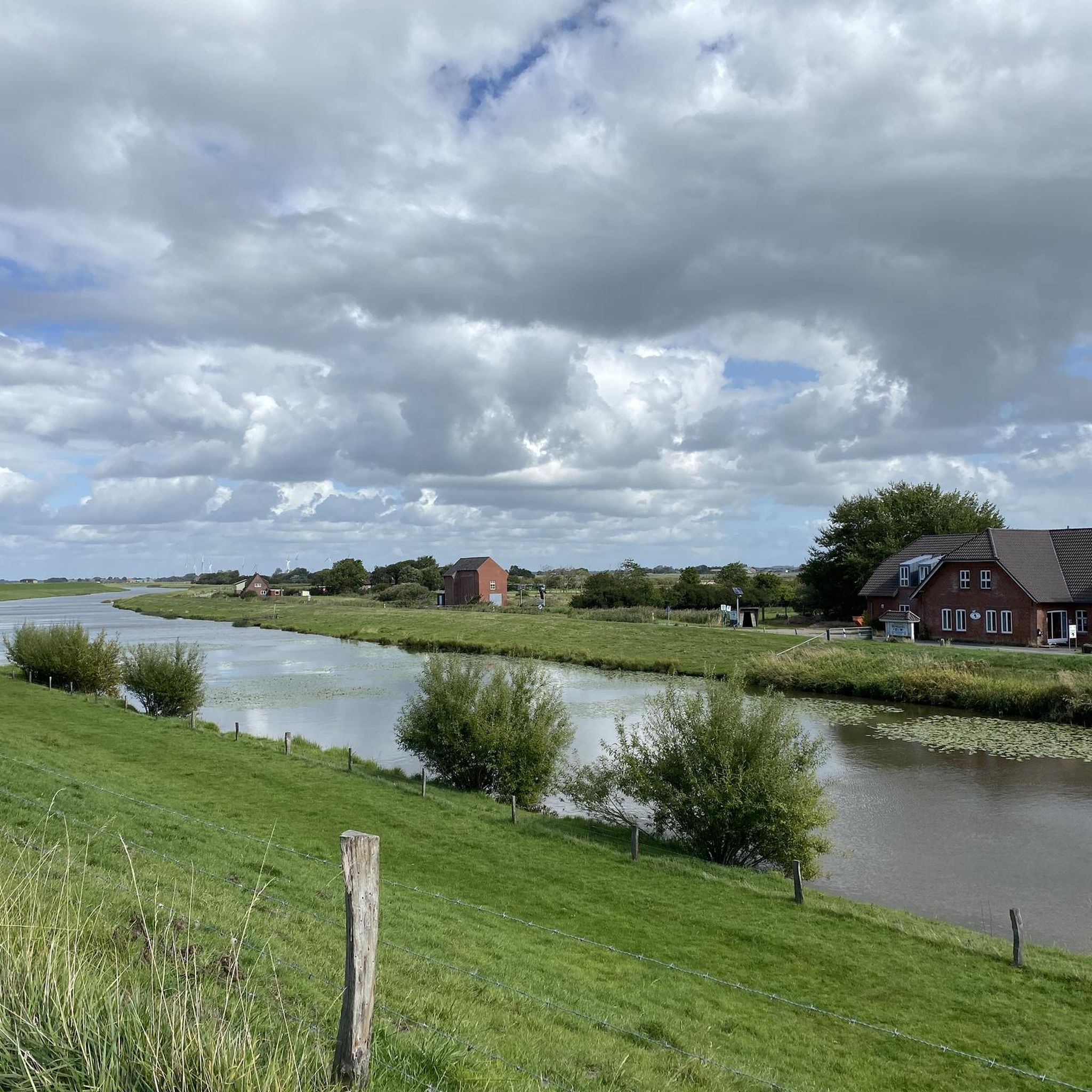
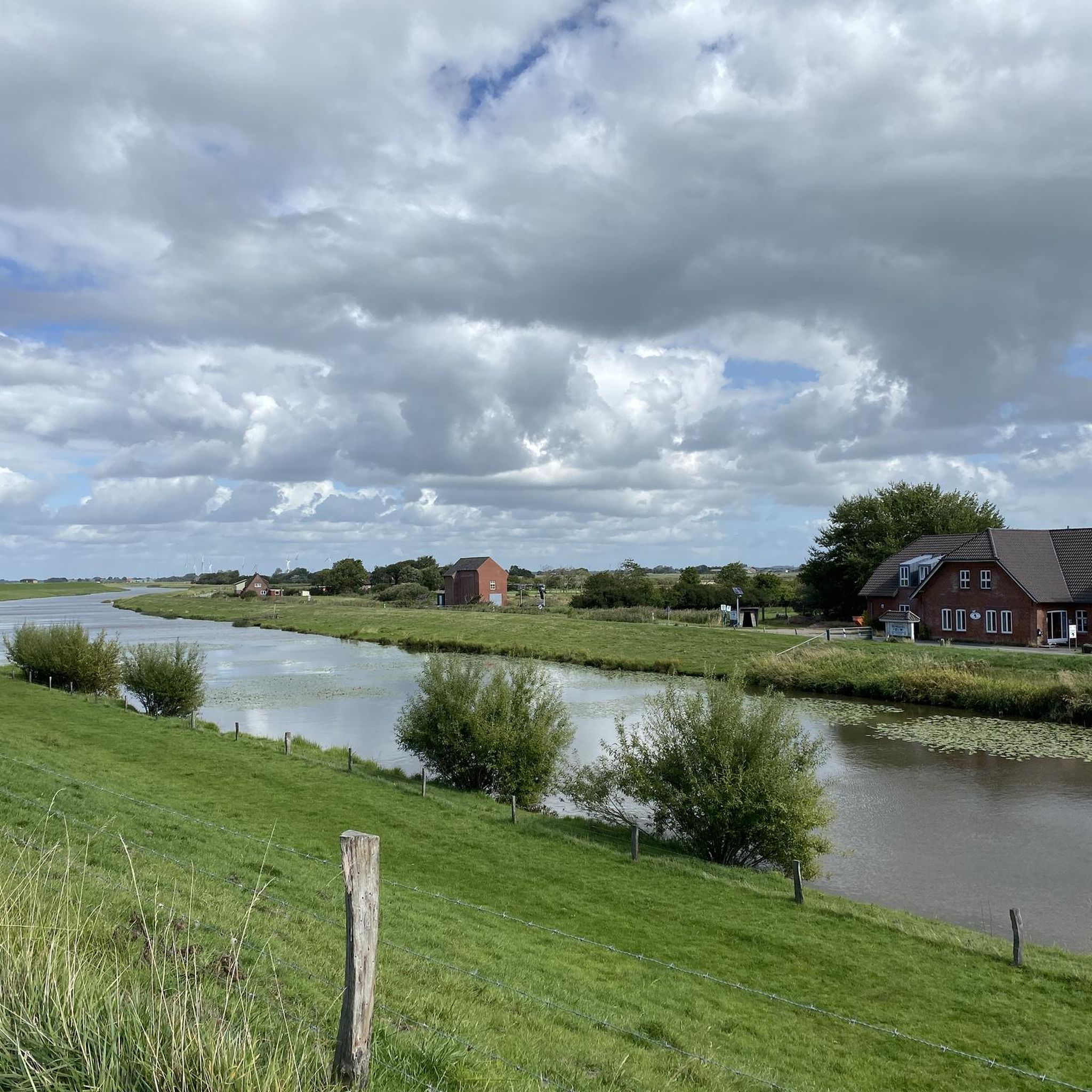
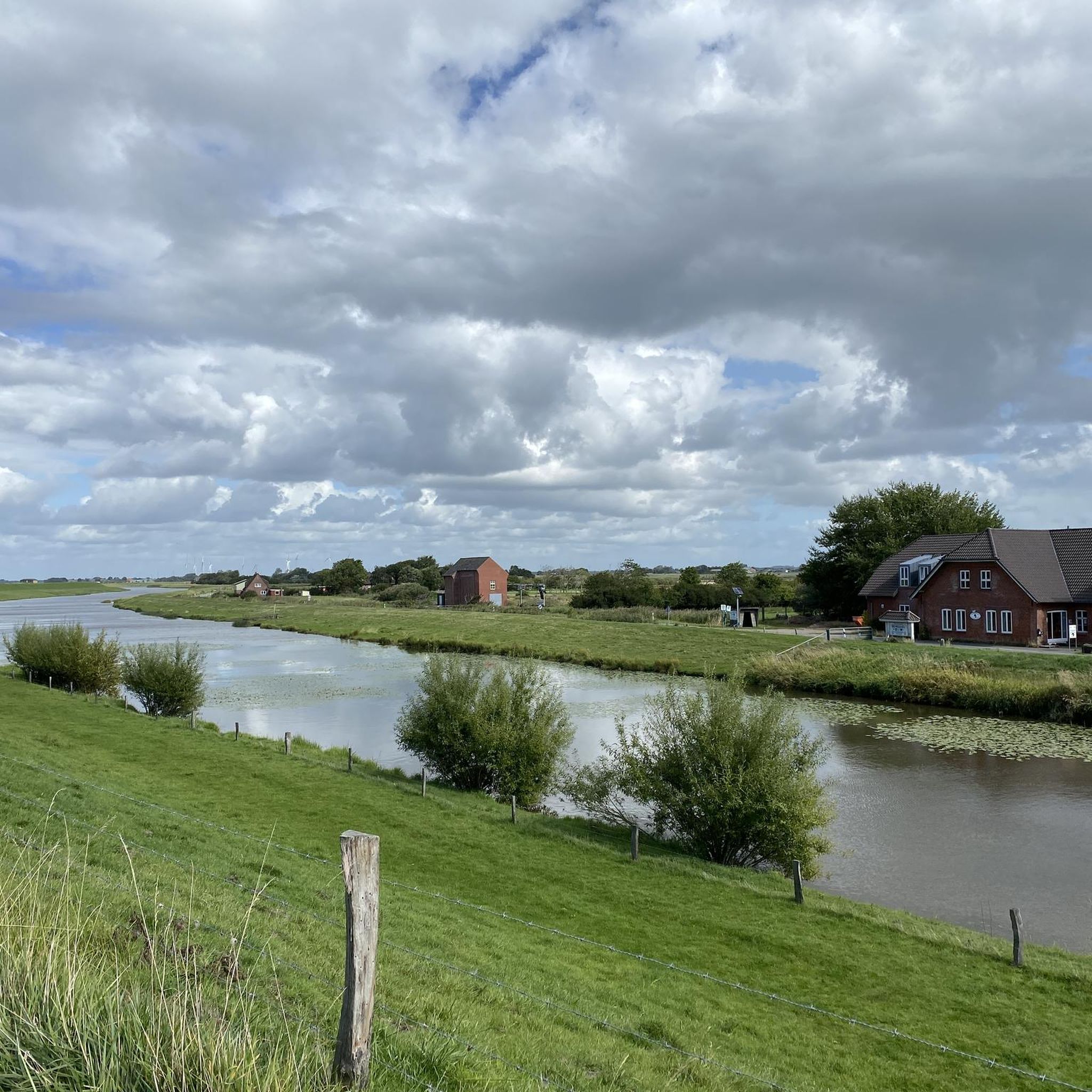
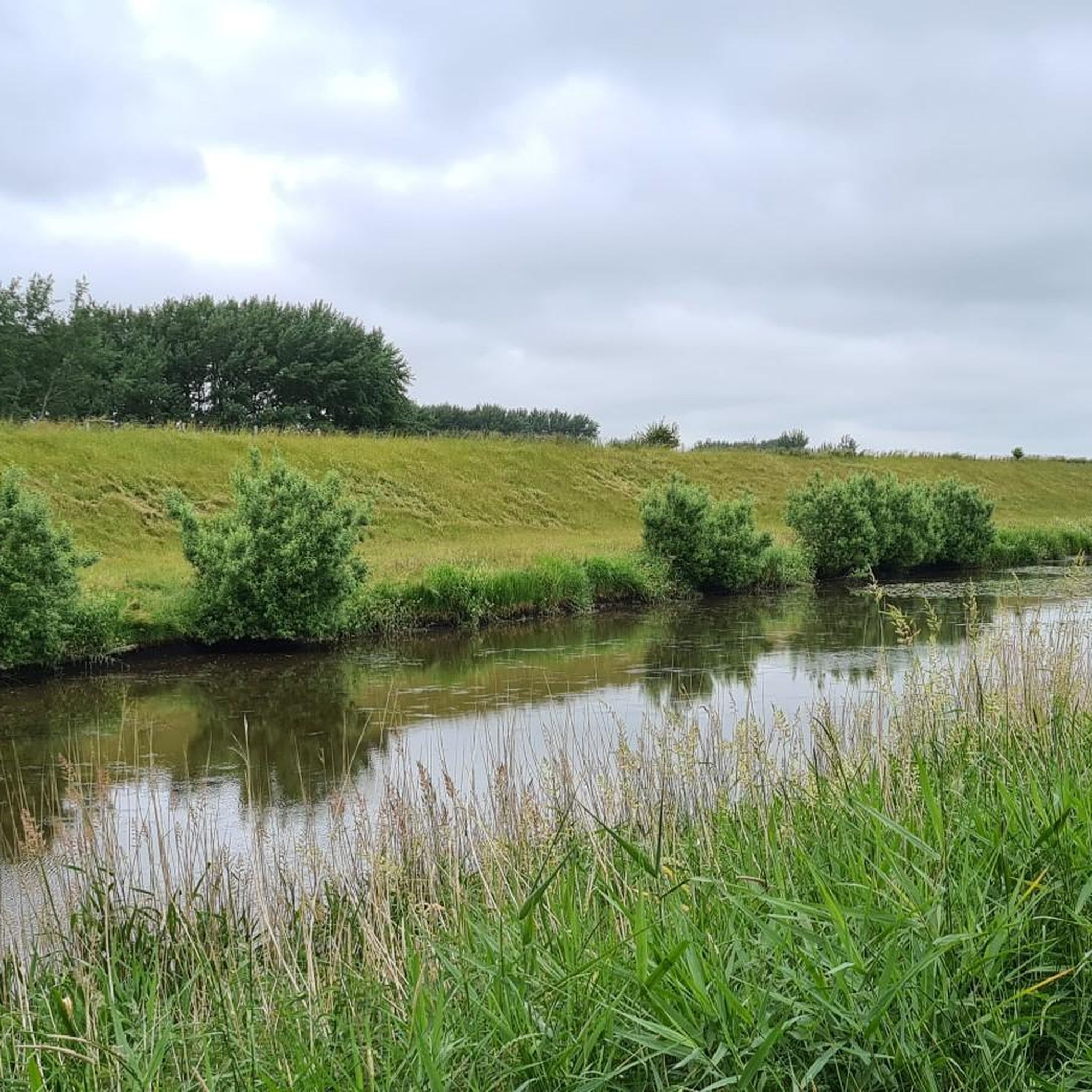
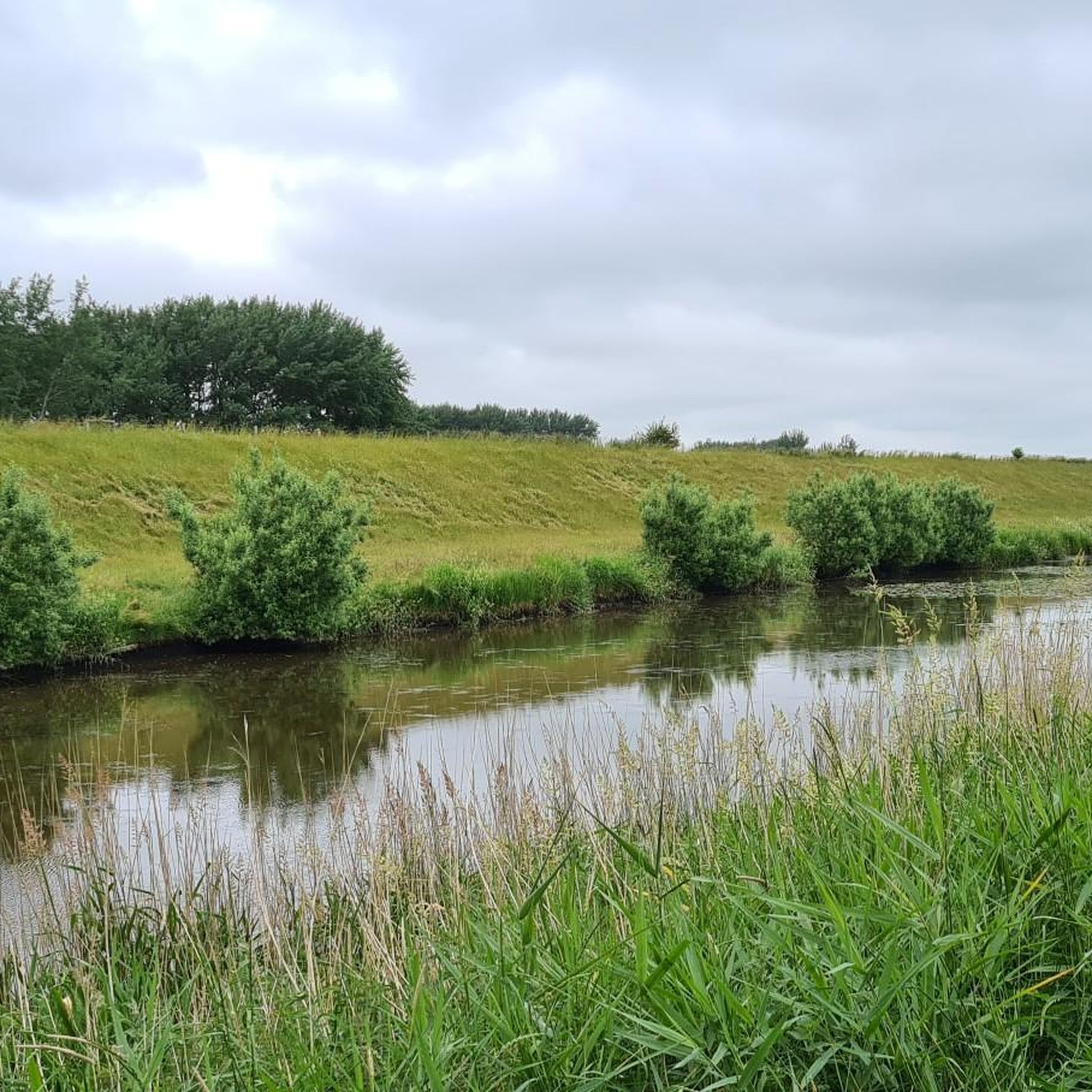
The Lüttmoorsee is a saltwater lagoon in Schleswig-Holstein near Reußenköge. The lake area is 2.75 km² and the mean depth is less than one meter, the deepest point is just 1.7 meters. The Lüttmoorsee has a catchment area of 3.65 km² and is located in the Eider river basin district and in the Beltringharder Koog nature reserve. In 1987, the Lüttmoorsee was created when a coastal protection project created a dike behind which the salt water lagoon was created.
3
0
Frequently Asked Questions
What kind of "lakes" can I expect to find around Ockholm?
The region around Ockholm is primarily characterized by its proximity to the North Sea and the unique Wadden Sea, a UNESCO World Heritage site. Therefore, the "lakes" you'll encounter are often coastal features like saltwater lagoons, historical mill ponds, and specialized rainwater storage basins, rather than traditional inland freshwater lakes. These water bodies offer diverse experiences related to the coastal landscape.
Are there family-friendly water bodies to visit near Ockholm?
Yes, several water bodies around Ockholm are suitable for families. The Lüttmoorsee Saltwater Lagoon is a natural monument and bird sanctuary, offering easy hikes. Bottschlotter Lake is great for observing migratory birds, and Mühlenteich Bredstedt features a surrounding park. The Wild Goose Observation at the North Sea Coast is also a popular spot for all ages.
What are some unique natural features to explore near Ockholm?
Beyond the Wadden Sea itself, you can explore the Lüttmoorsee Saltwater Lagoon, which is a significant bird sanctuary and a natural monument. Its shallow waters and coastal location make it a unique ecosystem. The Bottschlotter Lake is another natural viewpoint known for migratory bird observation.
Are there historical sites related to water bodies in the Ockholm area?
Yes, the region has interesting historical connections to water management. The Mühlenteich Bredstedt is a historical mill pond, first mentioned in 1457, which was created by damming the Hollebeck stream. Additionally, the Fething Rainwater Pond is a special type of water storage basin historically used on the Halligen and terps, now often under monument protection.
What kind of wildlife can I observe near the water bodies?
The area is particularly rich in birdlife. The Lüttmoorsee Saltwater Lagoon is a designated bird sanctuary, making it an excellent spot for birdwatching. You can also observe migratory birds at Bottschlotter Lake. The Wild Goose Observation at the North Sea Coast allows you to see various geese species, including Barnacle, Brent, and Greylag geese, throughout the year.
What outdoor activities can I do near these water bodies?
The coastal nature of Ockholm lends itself to various outdoor activities. You can enjoy easy hikes around the Lüttmoorsee Saltwater Lagoon or explore the area around Bottschlotter Lake by bike or on foot. For more structured routes, consider exploring the easy hikes around Ockholm or the general hiking trails in the region.
Are there easy walking trails around the water bodies?
Yes, there are easy walking opportunities. The area around Lüttmoorsee Saltwater Lagoon offers an easy hike, though it's good to note that facilities like toilets are sparse. The Mühlenteich Bredstedt has a pleasant surrounding park suitable for a relaxing stroll. You can find more options for easy hikes around Ockholm that often incorporate these scenic spots.
What is the best time to visit the water bodies around Ockholm?
The best time to visit largely depends on your interests. For birdwatching, spring and autumn are ideal for observing migratory birds at spots like Bottschlotter Lake and Lüttmoorsee Saltwater Lagoon. Wild geese can be seen year-round at the North Sea Coast observation points. Generally, warmer months are pleasant for walking and cycling, but the coastal landscape offers unique beauty even in cooler seasons.
Can I go cycling near the water bodies in Ockholm?
Absolutely! The flat coastal terrain around Ockholm is well-suited for cycling. Bottschlotter Lake is specifically recommended for bike tours. You can also explore various MTB trails around Ockholm, many of which offer views of the unique water landscapes and the North Sea coast.
What makes the Fething Rainwater Pond unique?
The Fething Rainwater Pond is a special historical water storage basin found on the Halligen and terps in the marshland of the German and Dutch North Sea coasts. These ponds were crucial for collecting rainwater, primarily used as cattle troughs, before modern water supply systems were established. They are now often protected as historical monuments, offering a glimpse into traditional coastal life.
What do visitors enjoy most about the water bodies around Ockholm?
Visitors particularly enjoy the tranquility and unique natural beauty of the area. Many appreciate the opportunity for birdwatching, especially at the Lüttmoorsee Saltwater Lagoon and Bottschlotter Lake. The historical context of sites like Mühlenteich Bredstedt and Fething Rainwater Pond also adds a fascinating dimension to their visits. The easy accessibility for walks and bike tours is also highly valued.
Are there viewpoints to enjoy the water landscapes?
Yes, several spots offer great views. Bottschlotter Lake is itself a designated viewpoint, perfect for observing the lake and its birdlife. Additionally, the Wild Goose Observation at the North Sea Coast provides excellent vantage points for both wildlife and the expansive coastal waters.
Most popular routes around Ockholm
Most popular attractions around Ockholm

Get inspired with the komoot mobile app


Explore more
Still not found your perfect lake around Ockholm? Check out the guides of these regions to see even more beautiful places.
