Top 9 Lakes around Emmelsbüll-Horsbüll
Lakes around Emmelsbüll-Horsbüll offer diverse natural settings in a region characterized by its proximity to the North Sea and the German-Danish border. The area features a mix of man-made fishing lakes and natural bodies of water, providing opportunities for tranquil recreation. This landscape is shaped by its coastal environment and historical borderland characteristics, making it distinct for visitors.
Best lakes around Emmelsbüll-Horsbüll
- The most popular lakes include the Rosenkranz–Rudbøl Border Crossing, an other man-made highlight that features the Ruttebüller…
Last updated: July 11, 2026
View of the Wadden Sea from the Föhr dike
Highlight • Viewpoint
Translated by Google •
Tip by

Rosenkranz–Rudbøl Border Crossing
Highlight • Structure
Translated by Google •
Tip by

Sign up now to discover places like this
Get recommendations on the best single tracks, peaks, & plenty of other exciting outdoor places.
Sign up for free
Rosenkranz–Rudbøl Border Crossing
Highlight • Structure
Translated by Google •
Tip by
Fething Rainwater Pond
Highlight • Monument
Translated by Google •
Tip by

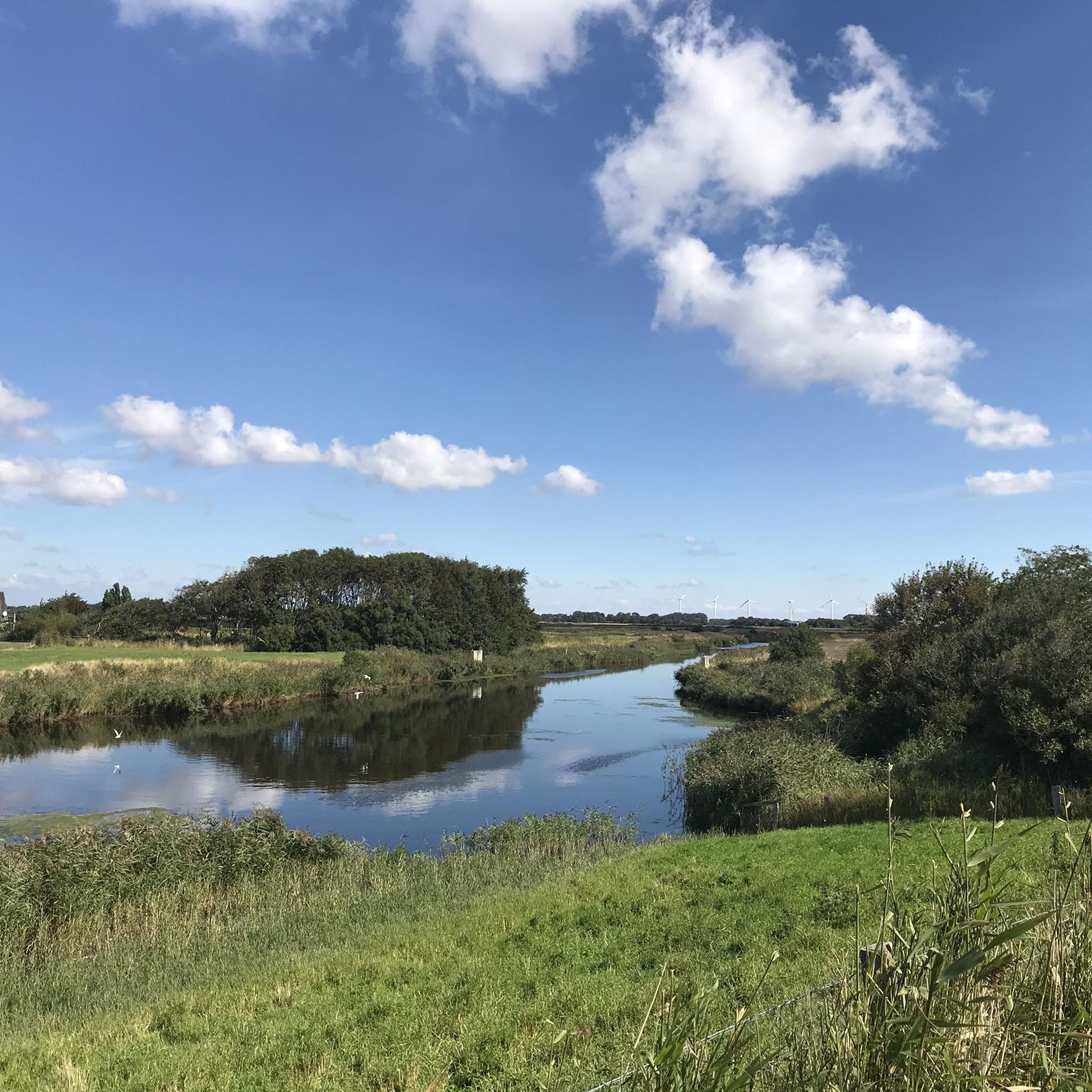
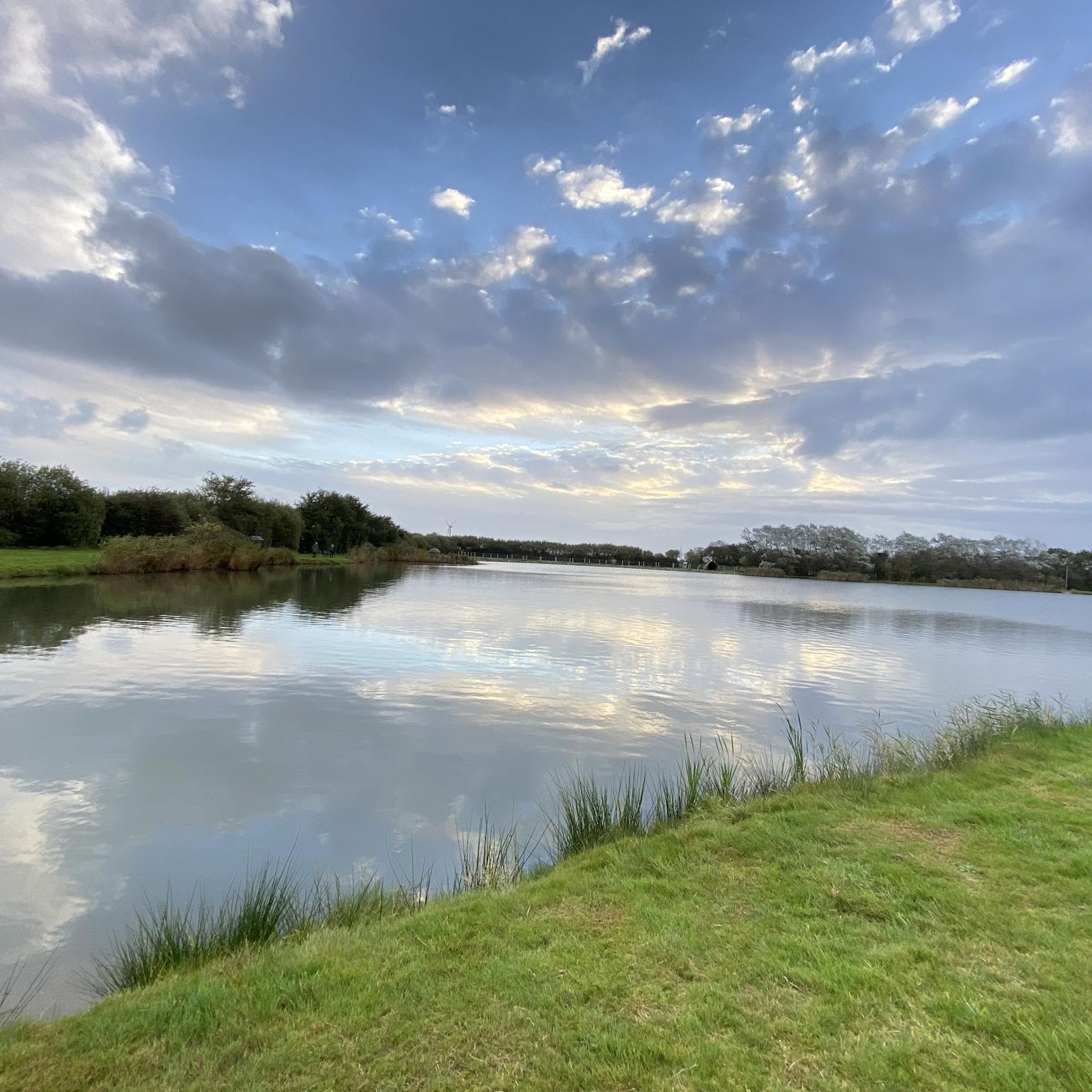
Hülltofter Tief Lake
Highlight • Lake
also a small KloHaus is present ... 😀
Translated by Google •
Tip by

Sign up for free to discover even more lakes around Emmelsbüll-Horsbüll.
Sign up for free
Already have an account?
Start today with a free account
Your next adventure awaits.
Login or Signup
Tips from the Community

Without a sign, you wouldn't notice that you're walking into another country... It's nice how easy this can be these days.
1
0

the landscape is simply moving
0
0
A moving landscape even beyond the wild boar fence
0
0

Beautiful view over the North Sea to the mainland
1
2

The Rosenkranz - Rudbøl border crossing is one of the craziest border crossings between Germany and Denmark. It probably has the most unusual border line. The border between Germany and Denmark runs for a length of around 130 metres in the middle of the narrow road and also right through the Ruttebüller Lake. If you walk along this road, you will see the border stones in the asphalt. So Germany is on the eastern side, Denmark on the western side. The most likely explanation for this border line is probably in the lake. Half of it should belong to both countries in order to offer fishermen and reed cutters on both sides the same opportunities. The western Koog, however, should definitely be given to Denmark. It was agreed that the route should be in the middle of the dike crest towards the Koog and the road runs exactly over the dike crest. Every 10 years, and always when the year ends with a "...4", a delegation from both countries inspects the correct position of the border markers. In this case, that means that Danes and Germans go out on the water in a boat and check the border buoy on the lake and replace it if necessary. From the border crossing, a bridge leads over the Vidå to Rudbøl. Small cafes and restaurants, a fairly large and beautifully located campsite and a small, cozy hostel underline the inviting charm of this community. https://weites.land/grenzuebergang-rosenkranz-rudbol-grenzroute-daenemark-deutschland/
3
0

A very nice border crossing. We had very nice weather here. As you can see in the collage. Have fun on your tours!
2
0

The place to unwind
4
3

Old landmark in the street. DRP stands for German Reich Prussia
2
0
Frequently Asked Questions
What unique lakes can I find near Emmelsbüll-Horsbüll?
The region features several unique bodies of water. The Rosenkranz–Rudbøl Border Crossing is notable for the Ruttebüller See (Rudbøl Sjø), where the German-Danish border runs directly through the lake. Another interesting spot is the Fething Rainwater Pond, a historical rainwater collecting basin used on Halligen and terps.
Are there lakes suitable for swimming in Emmelsbüll-Horsbüll?
Yes, you can find designated swimming areas. The Hülltofter Tief Bathing Area offers a small beach and facilities. Additionally, the Wehle Natural Swimming Area provides a serene natural pool with surrounding lawns, formed from a dike break.
Where can I go fishing near Emmelsbüll-Horsbüll?
For anglers, the Forellensee Horsbüll (Trout Lake Horsbüll) is a prime destination. It's a commercial fishing lake regularly stocked with various species like rainbow trout, salmon trout, and carp. The Ruttebüller See is also popular for fishing, with pike, perch, and zander being common catches.
What is special about the Ruttebüller See (Rudbøl Sø)?
The Ruttebüller See is unique because a portion of the German-Danish national border runs directly through it, offering a rare geopolitical curiosity. It's also a popular spot for fishing and offers serene locations for relaxing strolls or bike rides.
Can I go cycling or walking near the lakes?
Yes, the area around the lakes is suitable for cycling and walking. The Ruttebüller See, for instance, is ideal for a relaxing stroll or bike ride. For more extensive routes, you can explore various cycling and running trails in the region. Find more options on the Cycling around Emmelsbüll-Horsbüll guide or the Running Trails around Emmelsbüll-Horsbüll guide.
Are there any historical sites near the lakes?
The Rosenkranz–Rudbøl Border Crossing itself is a historical site due to its unusual border layout. The nearby Emil Nolde Foundation in Neukirchen also adds cultural and historical appeal for visitors to the Ruttebüller See area. The Fething Rainwater Pond is also a historical monument.
Are the lakes around Emmelsbüll-Horsbüll suitable for families?
Many of the lakes and their surroundings are family-friendly. The Hülltofter Tief Bathing Area and the Wehle Natural Swimming Area are great for families looking for swimming and relaxation. The Rosenkranz–Rudbøl Border Crossing also offers an interesting educational experience for families.
Are there dog-friendly options around the lakes?
While specific dog-friendly trails are not explicitly listed for each lake, the general outdoor nature of the region, including many walking and cycling paths, often accommodates dogs. Always ensure dogs are kept on a leash and follow local regulations, especially around bathing areas or nature reserves.
Are there accessible trails or facilities near the lakes?
The Rosenkranz–Rudbøl Border Crossing, which includes the Ruttebüller See, is noted as wheelchair accessible, offering an option for visitors with mobility needs to experience this unique location.
When is the best time to visit the lakes in Emmelsbüll-Horsbüll?
The lakes are enjoyable year-round, but the warmer months from spring to early autumn are ideal for swimming, cycling, and extended walks. Anglers can enjoy fishing throughout the year, with specific seasons being better for certain fish species. Winter offers tranquil, often solitary, experiences for walks.
How close are the lakes to the Wadden Sea, and what activities can I do there?
The region's lakes are in close proximity to the North Sea and the Wadden Sea. You can find viewpoints like the View of the Wadden Sea from the Föhr dike, offering stunning vistas. The Wadden Sea itself provides opportunities for hiking, especially guided mudflat walks, and birdwatching, showcasing the unique coastal environment.
Are there rivers near Emmelsbüll-Horsbüll suitable for recreation?
While the focus is on lakes, the Vidå and Kongeå rivers are mentioned as nearby options for recreation. These rivers are primarily known for fishing, particularly for eels and pike, and offer tranquil natural settings for those interested in riverine activities.
Most popular routes around Emmelsbüll-Horsbüll
Most popular attractions around Emmelsbüll-Horsbüll

Get inspired with the komoot mobile app


Explore more
Still not found your perfect lake around Emmelsbüll-Horsbüll? Check out the guides of these regions to see even more beautiful places.
