Top 8 Castles around Breest
Best castles around Breest are situated in Mecklenburg-Vorpommern, a region known for its historical architecture and natural landscapes. The area features a collection of medieval fortifications and stately manor estates, reflecting centuries of regional history. These sites offer insights into past eras, from defensive outposts to aristocratic residences. The surrounding environment, including the Tollense Valley, complements the historical exploration.
Best castles around Breest
- The most popular castles is Landskron Castle Ruins, a castle that is probably the most impressive…
Last updated: October 28, 2026
Landskron Castle Ruins
Highlight • Castle
The "Veste Landskron" (as it is also called) was built between 1576 and 1579 …
Translated by Google •
Tip by

Broock Manor Estate
Highlight • Historical Site
Translated by Google •
Tip by

Sign up now to discover places like this
Get recommendations on the best single tracks, peaks, & plenty of other exciting outdoor places.
Burg Klempenow
Highlight • Castle
Translated by Google •
Tip by

Wietzow Manor
Highlight • Castle
Translated by Google •
Tip by

Site of Burg Osten
Highlight • Historical Site
East Castle was built in the early 13th century. built by the Fam. von der Osten. In the 30 year old
It was broken up during the war and …
Translated by Google •
Tip by

Sign up for free to discover even more castles around Breest.
Already have an account?
Start today with a free account
Your next adventure awaits.
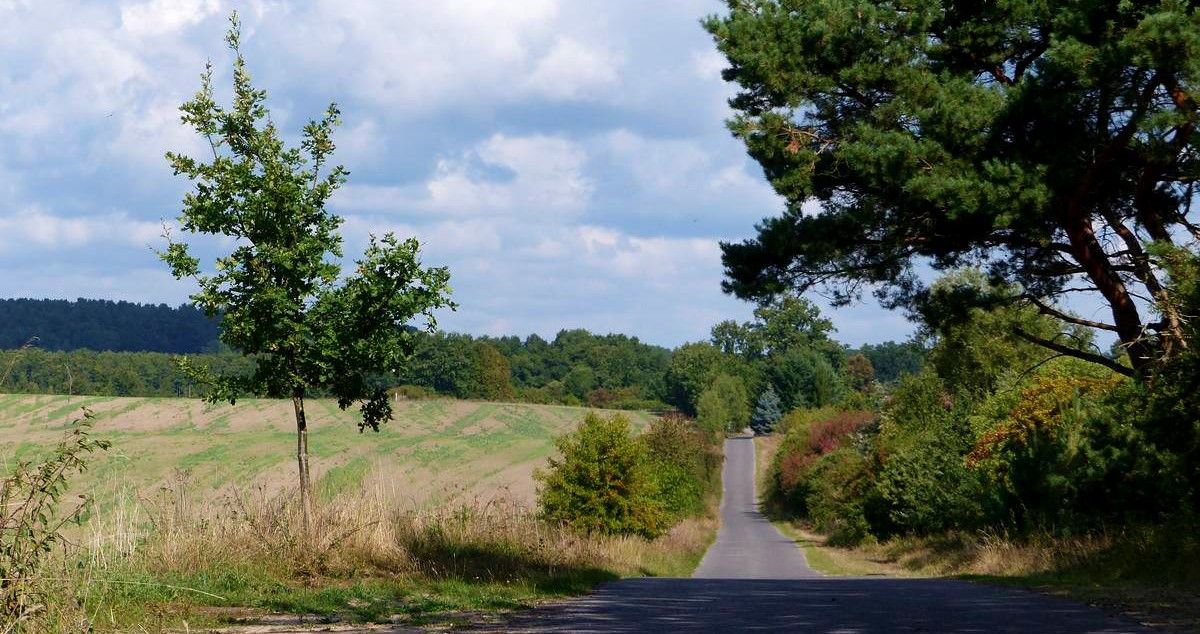
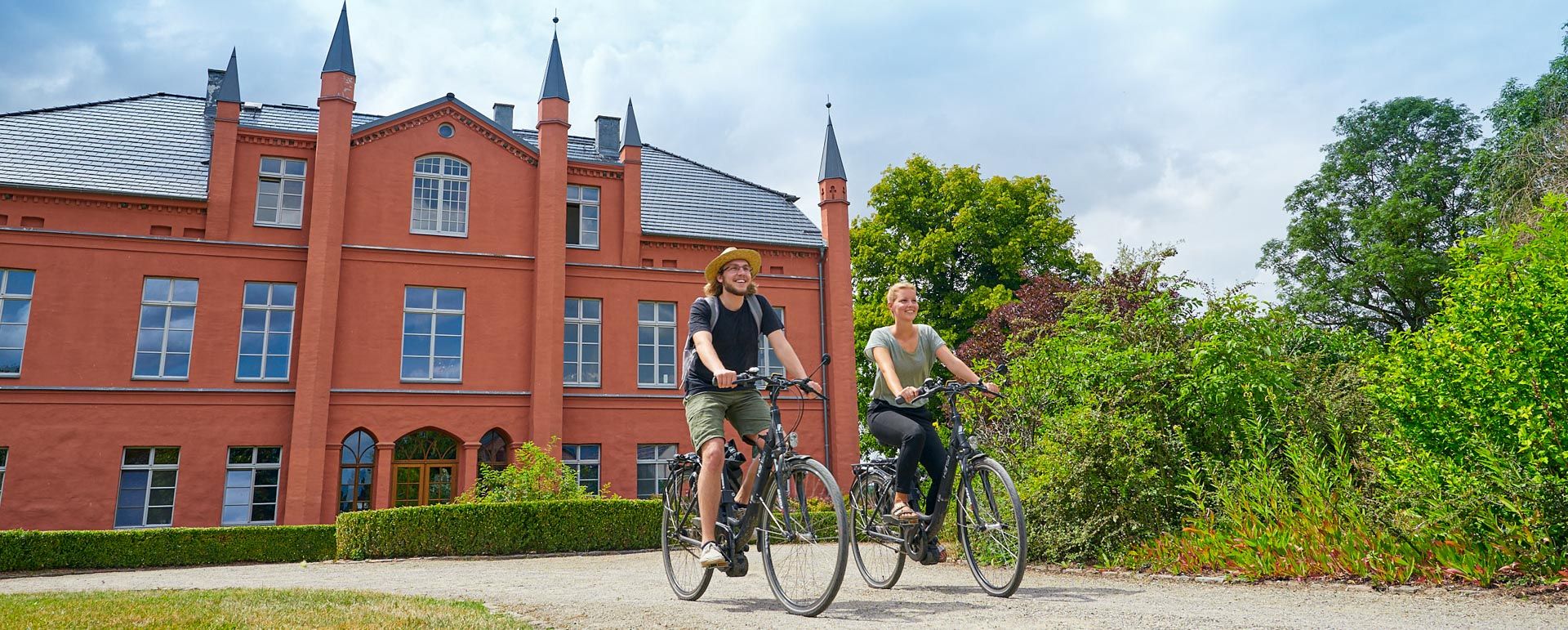
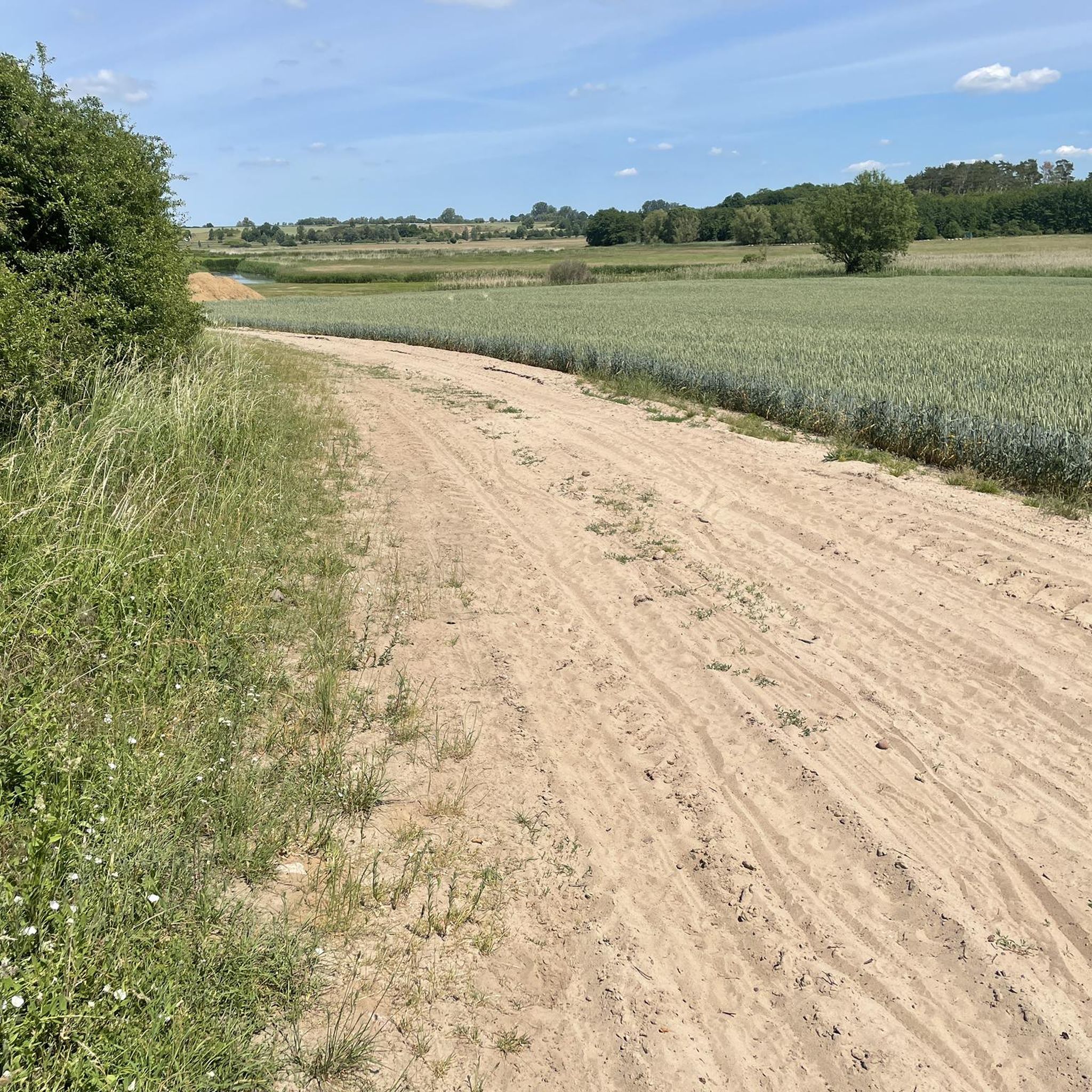


Tips from the Community

The castle is the only largely preserved lowland castle in Mecklenburg-Vorpommern. It was built in the mid-13th century (around 1240/1250, first mention often linked to 1231 or 1331) as a Pomeranian border castle on an alluvial sand island at the confluence of the Tollense and Landgraben rivers – in the middle of a marshy glacial valley. It belonged to a series of fortifications that protected the crossings over the Tollense. From the 14th century onwards, the von Heydebreck (also Heydebeck) family resided here. Joachim I and especially his son Heinrich IV (late 14th/early 15th century) are considered typical robber barons: they are said to have undertaken raids in turbulent times to increase their wealth and power – at the same time, however, Heinrich was also an advisor at the Pomeranian court. This fits perfectly with the classic image of the medieval robber baron.
1
0
In popular belief, Landskron, along with the neighboring castles of Spantekow, Klempenow, and Conerow, was considered a robber baron's nest. The lords were said to have attacked merchants between Anklam, Demmin, Friedland, and other cities. Particularly curious: they allegedly communicated using golden horns, which were said to have been captured from "Turkish" guards during the time of Barbarossa. According to legend, one tower (hunger tower) served as a prison for hostages held for ransom.
0
0
Rarely fully preserved ensemble: Late Baroque symmetrical farmyard with six buildings in front around a courtyard paved with fieldstones, stable, riding hall, park and remains of the medieval castle complex (Schlossberg an der Tollense as a protected monument). This makes the complex a special feature among the country's manor complexes.
0
0
The estate had a long history of ownership (including the von Perselin, von Blücher, von Linden, von Heyden-Linden, von Neetzow families, and again von Blücher). After expropriation in 1945 and GDR use (including apartments, Konsum shop, VEG kitchen), the ensemble was renovated from 1994 under Raik Mulsow; later owners (from 2011 including Jörg Kröger) continued the restoration of the house and chapel in the park.
0
0

Beautiful castle with an interesting past.
3
0

Beautiful, secluded location in the heart of the Tollense Valley, surrounded by farmland and meadows. I'm already looking forward to its completion and opening.
1
0

Broock Castle, once the social center of the region and the largest private stud farm in Western Pomerania, will be expanded into a supra-regional conference and cultural center in the coming years. Since May 2023, our guests will be served in the new village shop with café-bistro and beer garden.
2
0
It was a double moated castle, as the two brothers Hartwig and Heinrich Maltzahn had a terrible falling out. The upper wall was called "the right castle", the lower wall "the outer castle". Both had their own gates and bridges to the land route! The upper part was partially destroyed when the Tollense was straightened. Unfortunately, the remains of the foundations can no longer be viewed today because there is no access to them and everything is overgrown!
1
0
Frequently Asked Questions
Which castles offer the most impressive ruins or historical insights around Breest?
For impressive ruins, Landskron Castle Ruins is highly recommended, known as one of the most striking castle ruins in Mecklenburg-Western Pomerania. It was built between 1576 and 1579 and offers many beautiful corners to discover. For a deeper dive into history, Burg Klempenow, a 13th-century fortification, provides a tangible connection to centuries of regional history and architectural evolution.
Are there family-friendly castles to visit near Breest?
Yes, both Burg Klempenow and Wietzow Manor are noted as family-friendly. Burg Klempenow often hosts various events like castle festivals and markets, making it engaging for all ages. Wietzow Manor offers a glimpse into a preserved historical setting, described as a place where time has stood still, which can be a unique experience for families.
What kind of historical sites can I explore besides castles in the Breest area?
Beyond traditional castles, you can visit Broock Manor Estate, a stately baroque-style building from the 1770s. It's currently undergoing extensive renovation to become a cultural and event center. Another site of historical interest is the Site of Burg Osten, which was a double-moated castle built in the early 13th century, though today only the moat and some wall remains are visible.
What outdoor activities can I do near the castles around Breest?
The area around Breest offers various outdoor activities. You can find numerous routes for mountain biking, road cycling, and hiking. For example, there are easy hikes like the 'Landskron Castle Ruins – Großer Landgraben River loop' or 'Burg an der Tollense loop'. Cyclists can explore routes such as 'View of the Tollense River – Burg Klempenow loop'. You can find more details on these activities in the MTB Trails around Breest, Road Cycling Routes around Breest, and Easy hikes around Breest guides.
Which castle is best for history enthusiasts interested in medieval fortifications?
For those interested in medieval fortifications, Burg Klempenow is an excellent choice. Originally constructed in the 13th century, it served as a crucial defensive outpost along the border with Mecklenburg. Its history includes periods of Swedish rule and significant renovations, offering a deep insight into medieval architecture and strategic importance. The castle's evolution reflects centuries of regional conflicts and changes.
Are there any cafes or amenities available near the castles?
Yes, at Broock Manor Estate, a new village shop with a café-bistro and beer garden has been opened since May 2023, offering refreshments. Burg Klempenow also offers Sunday coffee with delicious homemade cakes, especially during its various markets and events. Additionally, a neighboring canoe station directly on the Tollense rents boats.
What is the best time of year to visit the castles around Breest?
While castles can be visited year-round, the warmer months from spring to autumn generally offer the most pleasant conditions for exploring the outdoor grounds and enjoying any events. For instance, Burg Klempenow hosts various festivals and markets during these seasons, which can enhance your visit. The surrounding natural landscapes, like the Tollense Valley, are also particularly beautiful during these times.
Can I bring my dog to the castles or on nearby walks?
While specific dog policies for each castle might vary, the general outdoor nature of many sites, especially ruins like Landskron Castle Ruins, often allows for dog-friendly visits, typically on a leash. Many of the nearby hiking and cycling routes are also suitable for walks with dogs, allowing you to explore the historical sites and surrounding nature together.
How long should I plan for a visit to a castle in the Breest area?
The duration of your visit can vary. For extensive sites like Burg Klempenow, especially during an event or if you wish to explore the exhibitions, you might spend a couple of hours. Landskron Castle Ruins can also occupy a couple of hours, especially if you bring a picnic to enjoy on the large meadow. For smaller sites or quick stops, 30-60 minutes might suffice.
Are there any less crowded or 'hidden gem' castles to discover?
While not a fully preserved castle, the Site of Burg Osten offers a glimpse into a historical fortification that is less frequented. It was a double-moated castle from the early 13th century. Although only the moat and some wall remains are visible today, it provides a quiet, reflective experience away from larger crowds. Wietzow Manor, described as a place where time has stood still, also offers a unique, preserved historical setting that might feel like a hidden gem.
What makes Broock Manor Estate a significant historical site?
Broock Manor Estate is significant as a stately baroque-style building from the 1770s. It was once the social center of the region and the largest private stud farm in Western Pomerania. After a period of varied use and vacancy, it is now undergoing extensive renovation to be transformed into a supra-regional conference and cultural center, preserving its rich history for future generations.
Most popular attractions around Breest

Get inspired with the komoot mobile app


Explore more
Looking for the best castles somewhere else? Discover other guides around Breest:
