Top 13 Gorges around Grosselfingen
Best canyons around Grosselfingen are found within the wider Swabian Alb region, a karst landscape known for its unique geological formations. This area features "Schluchten," which are gorges or ravines carved by water erosion over time, revealing deep valleys and dramatic rock formations. Grosselfingen serves as a starting point for exploring these natural attractions, which showcase the region's geological history and diverse ecosystems. The landscape offers opportunities for outdoor activities amidst impressive natural scenery.
Best canyons around Grosselfingen
- The most…
Last updated: August 21, 2026
Hohenzollerngraben
Highlight • Gorge
Translated by Google •
Tip by

Wolf Gorge
Highlight • Gorge
Translated by Google •
Tip by

Sign up now to discover places like this
Get recommendations on the best single tracks, peaks, & plenty of other exciting outdoor places.
Sign up for free
Starzeltal Valley
Highlight • Gorge
Translated by Google •
Tip by

Historic stone bridge in the Wolfsschlucht
Highlight • Bridge
Translated by Google •
Tip by

Escarpment Edge of the Swabian Jura
Highlight • Natural Monument
Translated by Google •
Tip by

Sign up for free to discover even more gorges around Grosselfingen.
Sign up for free
Already have an account?
Start today with a free account
Your next adventure awaits.
Login or Signup
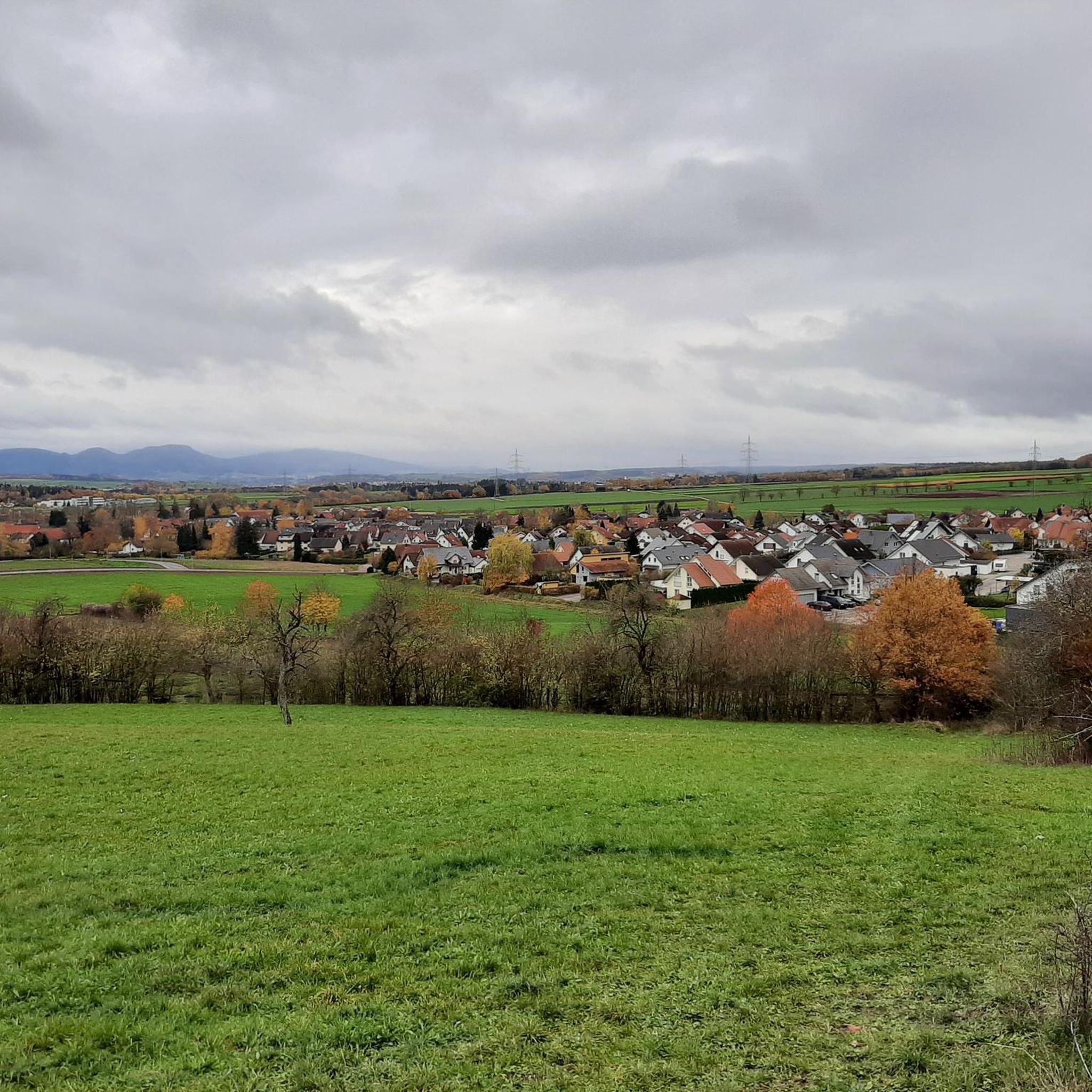
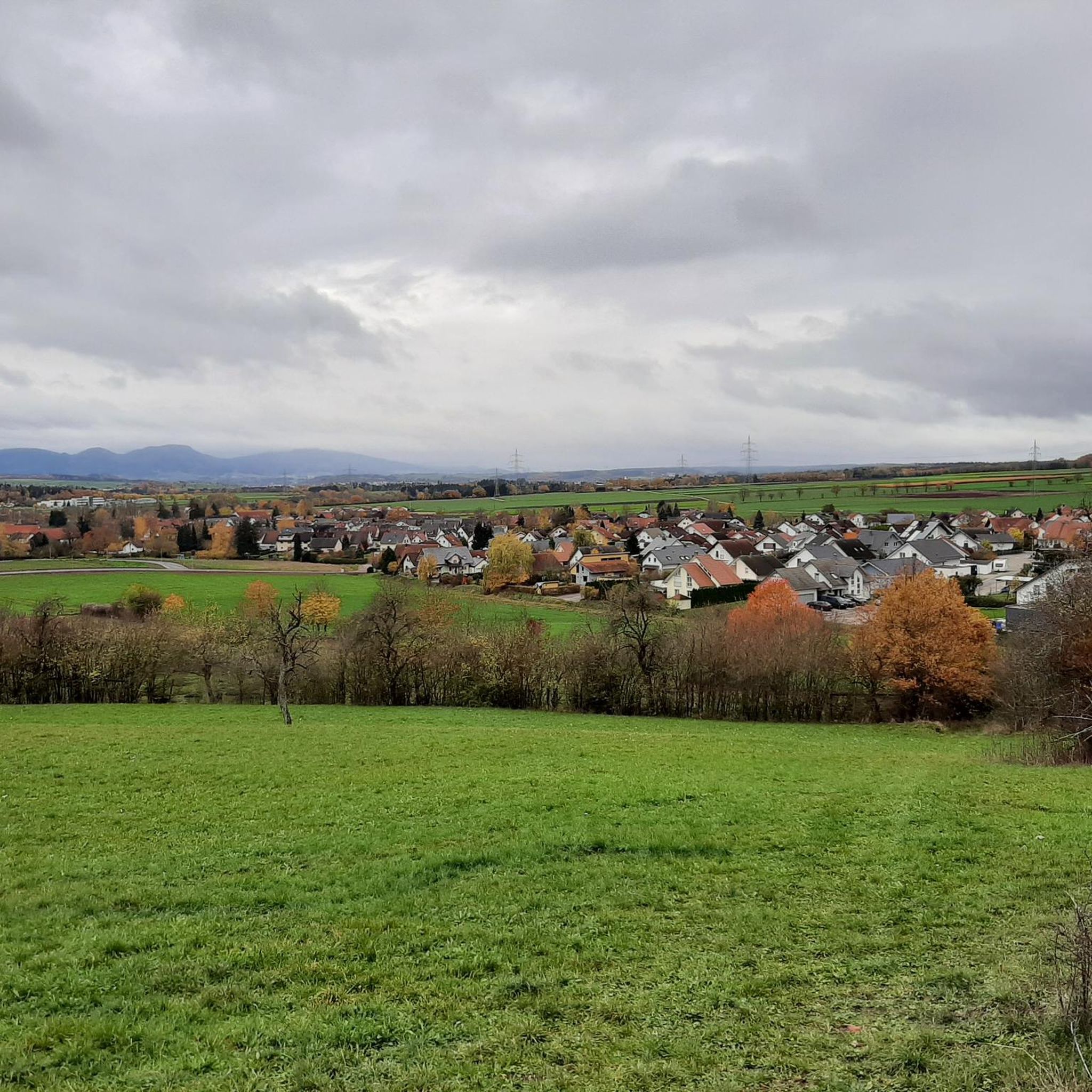
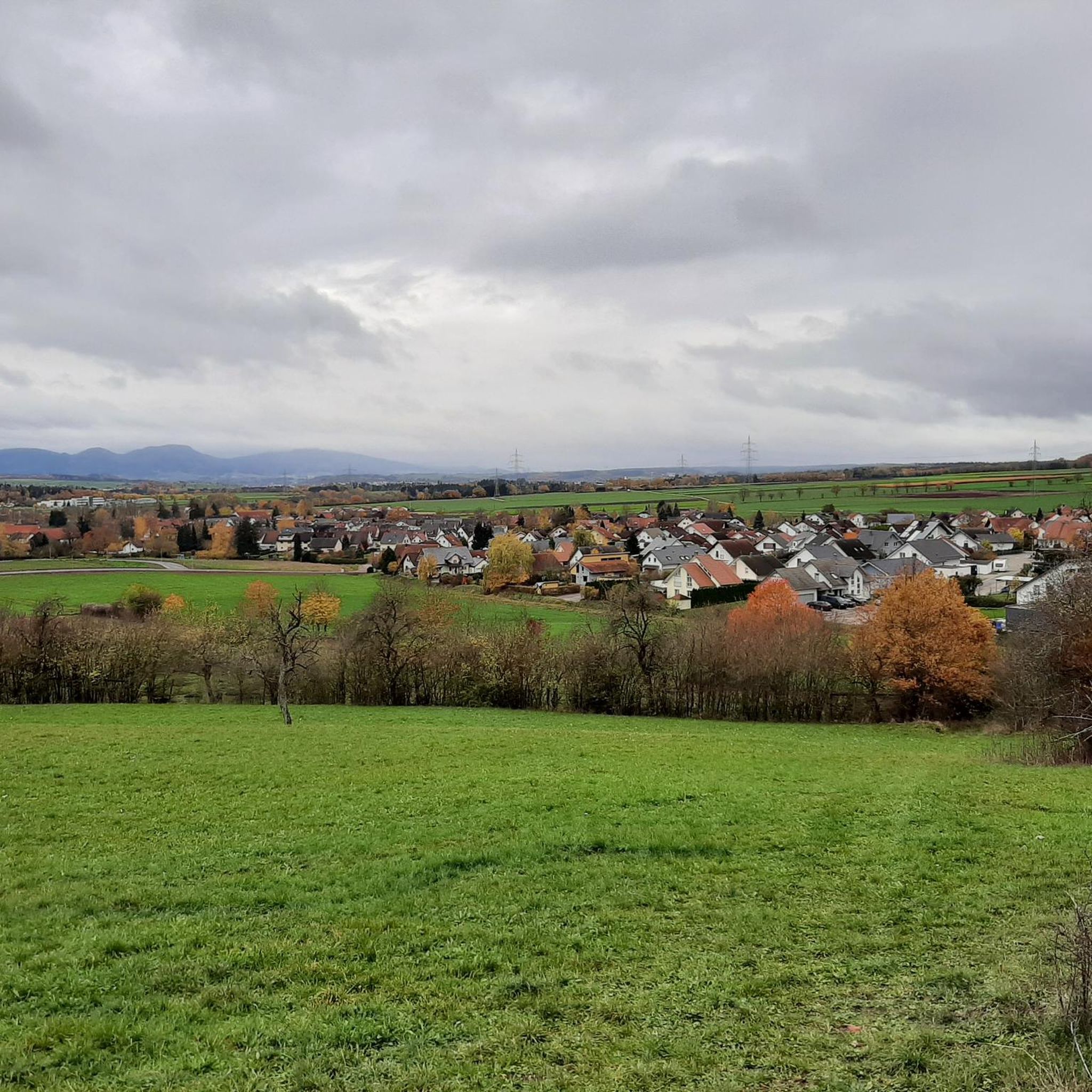
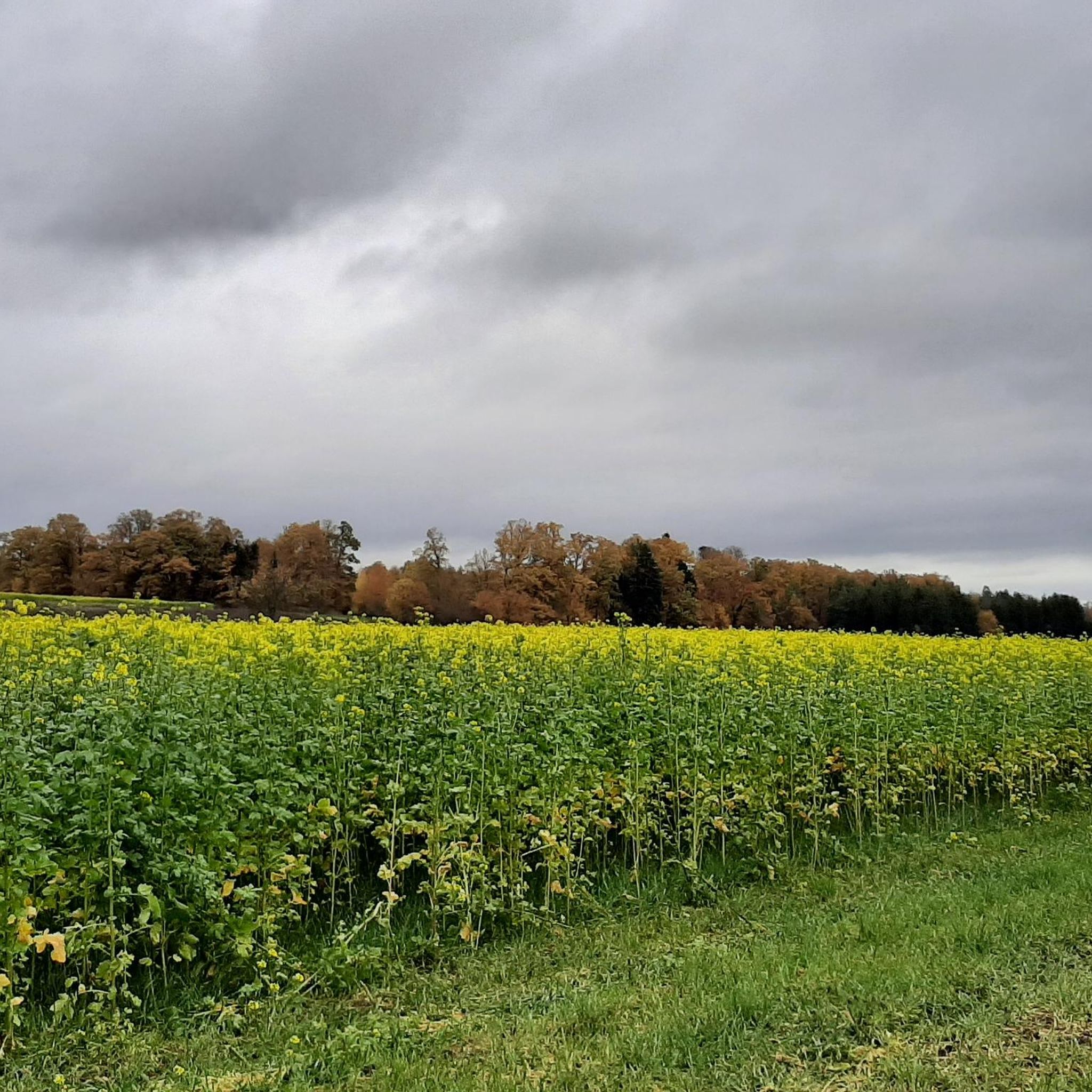

Tips from the Community

Stone bridge at the upper end of the Wolff Gorge, over which the hiking trail also leads and from which there is a beautiful view into the gorge.
3
0

A geological peculiarity is included in the tour.
8
0

The Hohenzollern Graben is a geological fault line that stretches from southwest Germany to Austria. It was created by tensions in the Earth's crust that led to shifts millions of years ago. The rift is particularly striking along the Swabian Alb, where it clearly shapes the landscape. Rock layers are exposed here that would otherwise remain hidden. The area is of great interest to geologists because it provides deeper insights into the development of Central Europe.
2
0

There are always impressive cracks on the edge of the cliff, but these have nothing to do with the Zollerngraben. The fault zone even runs across the Albtrauf and is actually higher than the surrounding area.
4
0

The power plant in Starzeltal supplies environmentally friendly electricity, around 140,000 kWh per year. This is enough to supply 40 households.
11
0

The name “eaves edge” requires no further explanation.
3
0
The Hohenzollern Graben was formed 15 million years ago as a result of the tectonic tensions caused by the folding of the Alps under the pressure of the African plate and the associated uplift of the Swabian Alb. The enormous forces created cracks, crevices and trenches. Although it is a collapse area, the terrain inside the graben towers above its surroundings. This so-called relief reversal is particularly evident in the example of the Hohenzollern, where a height difference of up to 350 meters is reached. As a witness mountain, it owes its position and formation to the harder, more erosion-resistant types of rock inside the graben. On the Alb plateau, too, the hilly, wooded terrain along the graben stands out from the flatter, unforested surroundings outside the graben. Source: https://de.wikipedia.org/wiki/Hohenzollerngraben#Entstehung If the above is correct, this is nothing more than a crack/cleft but not the Zollerngraben.
5
0

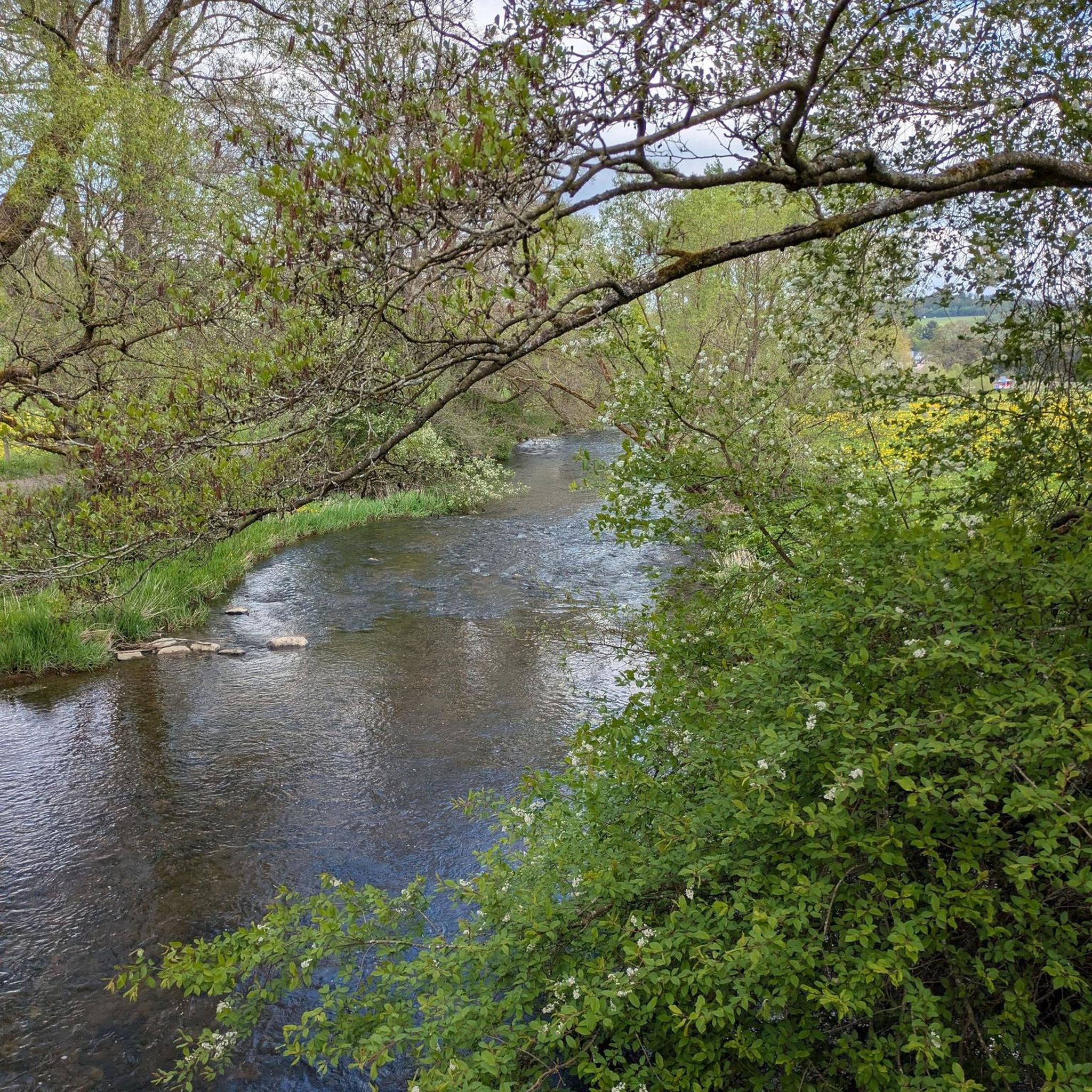
In the upper part of the valley you are almost always alone
4
0
Frequently Asked Questions
What kind of natural features can I expect to see in the gorges around Grosselfingen?
The region around Grosselfingen, part of the Swabian Alb, is a karst landscape. This means you'll encounter unique geological formations like exposed limestone, dramatic rock faces, and deep valleys carved by water erosion. These areas often feature diverse flora and fauna due to their unique microclimates, along with lush vegetation and flowing streams. A notable example is the Escarpment Edge of the Swabian Jura, where the Alb drops dramatically, revealing rugged rocky outcrops and ancient trees.
Are there specific geological points of interest among the gorges?
Yes, the region is rich in geological significance. The Hohenzollerngraben is a prime example, representing a geological fault line that exposes rock layers and offers insights into Central Europe's geological development. The entire Swabian Alb showcases the powerful erosive force of water over time, creating the deep gorges and valleys you can explore.
What are the hiking conditions like in the gorges near Grosselfingen?
Hiking through the gorges often involves narrow, sometimes steep, and potentially slippery paths. Good footwear is essential. For instance, the Wolf Gorge features challenging sections with imposing rocks. While some paths are shaded and protected by ancient trees, others might be exposed. Always be prepared for varied terrain.
Are there family-friendly hiking options in the gorges around Grosselfingen?
Yes, some areas are suitable for families. The Starzeltal Valley is described as a natural valley with a river and forest, offering a scenic landscape suitable for hiking. While some gorges have challenging sections, there are often alternative paths or less strenuous routes available for those with less mobility or families with children.
What kind of outdoor activities can I do near these gorges?
The region around Grosselfingen offers excellent opportunities for various outdoor activities, primarily hiking and mountain biking. You can find numerous trails that lead through the picturesque landscapes, including routes with views of Hohenzollern Castle. For hiking, explore options like the 'Forest Christmas Trail' or 'View of Hohenzollern Castle' loops. Mountain bikers can enjoy trails such as the 'Starzel Valley Trail' or 'Neckar River at Bad Niedernau' loop. More details on these activities can be found in the Hiking around Grosselfingen and MTB Trails around Grosselfingen guides.
What is the best time of year to visit the gorges near Grosselfingen?
The gorges offer scenic beauty throughout the year. Spring brings lush greenery and flowing streams, while autumn showcases vibrant fall foliage. Summer is ideal for longer hikes, but paths can be slippery after rain. Winter hiking is possible, but some paths might be more challenging due to ice or snow, especially in steeper gorge sections. Always check local weather conditions before heading out.
Are there any historical sites or landmarks to see within or near the gorges?
Yes, the region combines natural beauty with historical elements. Within the Wolf Gorge, you can admire a historic stone bridge. Additionally, the wider Grosselfingen area provides views of landmarks like Hohenzollern Castle, which can often be incorporated into hiking routes near the gorges.
What should I know about parking and public transport when visiting the gorges?
While specific parking details for each gorge vary, many hiking trails in the Grosselfingen area start from designated 'Wanderparkplatz' (hiking car parks). Public transport options to reach the starting points of trails may be limited, so planning your journey in advance is recommended. It's advisable to check local transport schedules or consider driving to trailheads.
What makes the Swabian Alb region unique for these 'canyon-like' experiences?
The Swabian Alb is a unique karst landscape, meaning it's formed from soluble rocks like limestone. This geological characteristic has led to the creation of deep 'Schluchten' (gorges or ravines) through water erosion over millions of years. These formations reveal ancient rock layers and support diverse ecosystems, making the region a blend of geological wonder and rich biodiversity, distinct from other landscapes.
Are dogs allowed on the trails in the gorges?
Generally, dogs are welcome on hiking trails in the region. However, given the sometimes steep, narrow, and slippery paths within the gorges, it's crucial to keep dogs on a leash for their safety and the safety of other hikers. Always ensure your dog is capable of handling the terrain, and be mindful of any specific local regulations or nature reserve rules that might apply.
What are some viewpoints offering scenic panoramas of the gorges and surrounding landscape?
Many trails in the region lead to stunning viewpoints. The Escarpment Edge of the Swabian Jura offers fantastic panorama points where you can witness the Alb dropping about 300 meters into the valley. Other trails around Grosselfingen also provide excellent views, including those of Hohenzollern Castle and the picturesque valleys carved by the region's rivers.
Most popular routes around Grosselfingen
Most popular attractions around Grosselfingen

Get inspired with the komoot mobile app


Explore more
Already discovered everything in this region? See additional gorges around Grosselfingen for your next adventure:
