Top 10 Caves around Steinbach-Hallenberg
Best caves around Steinbach-Hallenberg are found within the surrounding Thuringian Forest region, part of the UNESCO Global Geopark Thuringia Inselsberg - Drei Gleichen. This area features a variety of underground formations, including natural caves, historical mining tunnels, and visitor mines. The landscape is characterized by its geological diversity, offering insights into both natural processes and historical human activity.
Best caves around Steinbach-Hallenberg
- The most popular caves is Burnt Stone Tunnel, a cave that is a medieval tunnel about 20…
Last updated: May 15, 2026
Burnt Stone Tunnel
Highlight • Cave
A tunnel steeped in history, after which an incredibly beautiful view opens up. Be sure to take a break and enjoy the view.🥰
Translated by Google •
Tip by

Hülloch Cave
Highlight • Cave
Translated by Google •
Tip by

Sign up now to discover places like this
Get recommendations on the best single tracks, peaks, & plenty of other exciting outdoor places.
Sign up for free
Finstertal Visitor Mine
Highlight • Historical Site
Translated by Google •
Tip by

Butterbrunnen Tunnel Portal
Highlight • Structure
It is the mouth …
Translated by Google •
Tip by

Historic Mining Trail on the Ringberg
Highlight (Segment) • Trail
The mining path …
Translated by Google •
Tip by
Sign up for free to discover even more caves around Steinbach-Hallenberg.
Sign up for free
Already have an account?
Start today with a free account
Your next adventure awaits.
Login or Signup
Popular around Steinbach-Hallenberg
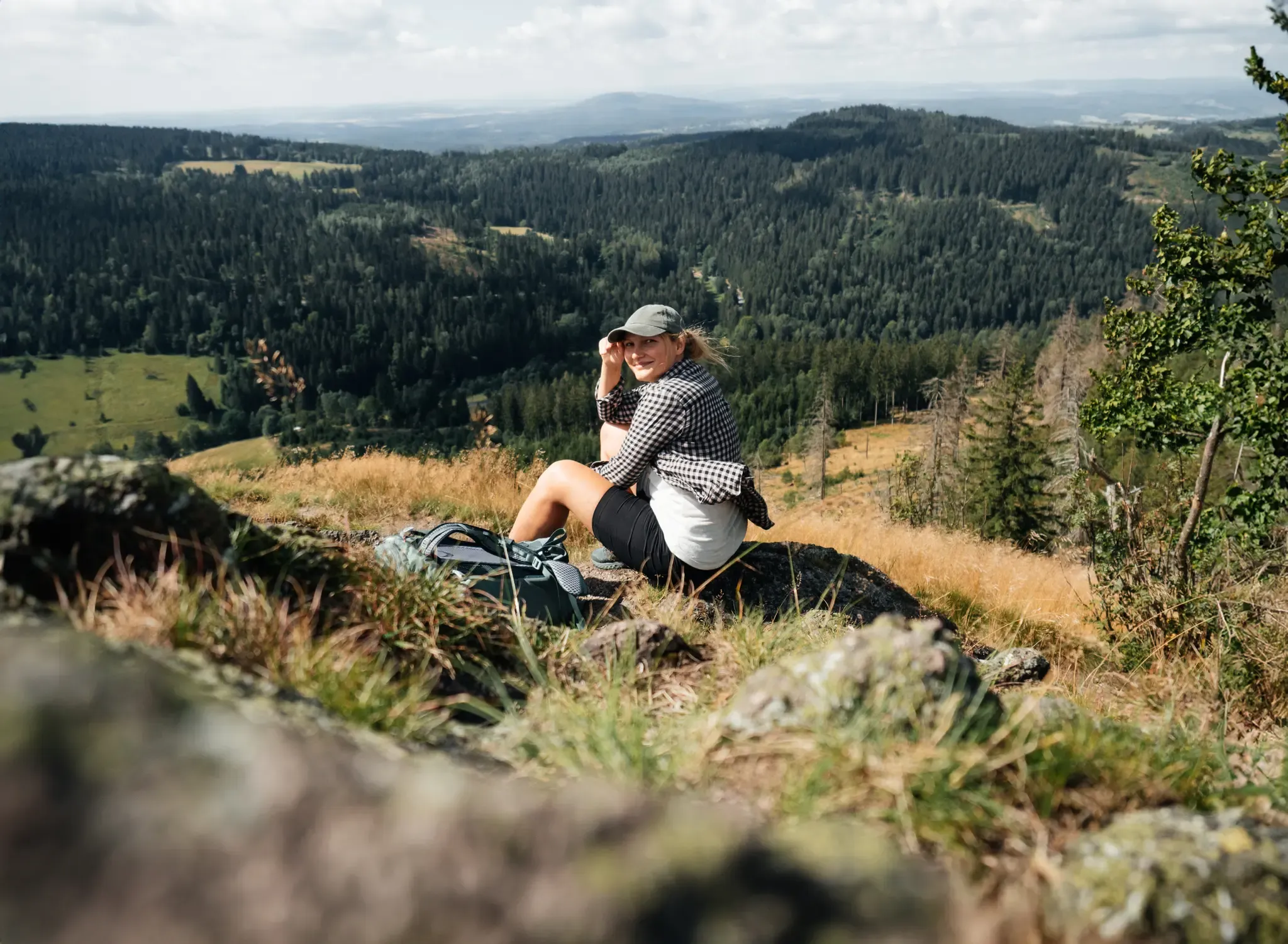
More than 'just' trees – Draußen in the Thuringian Forest
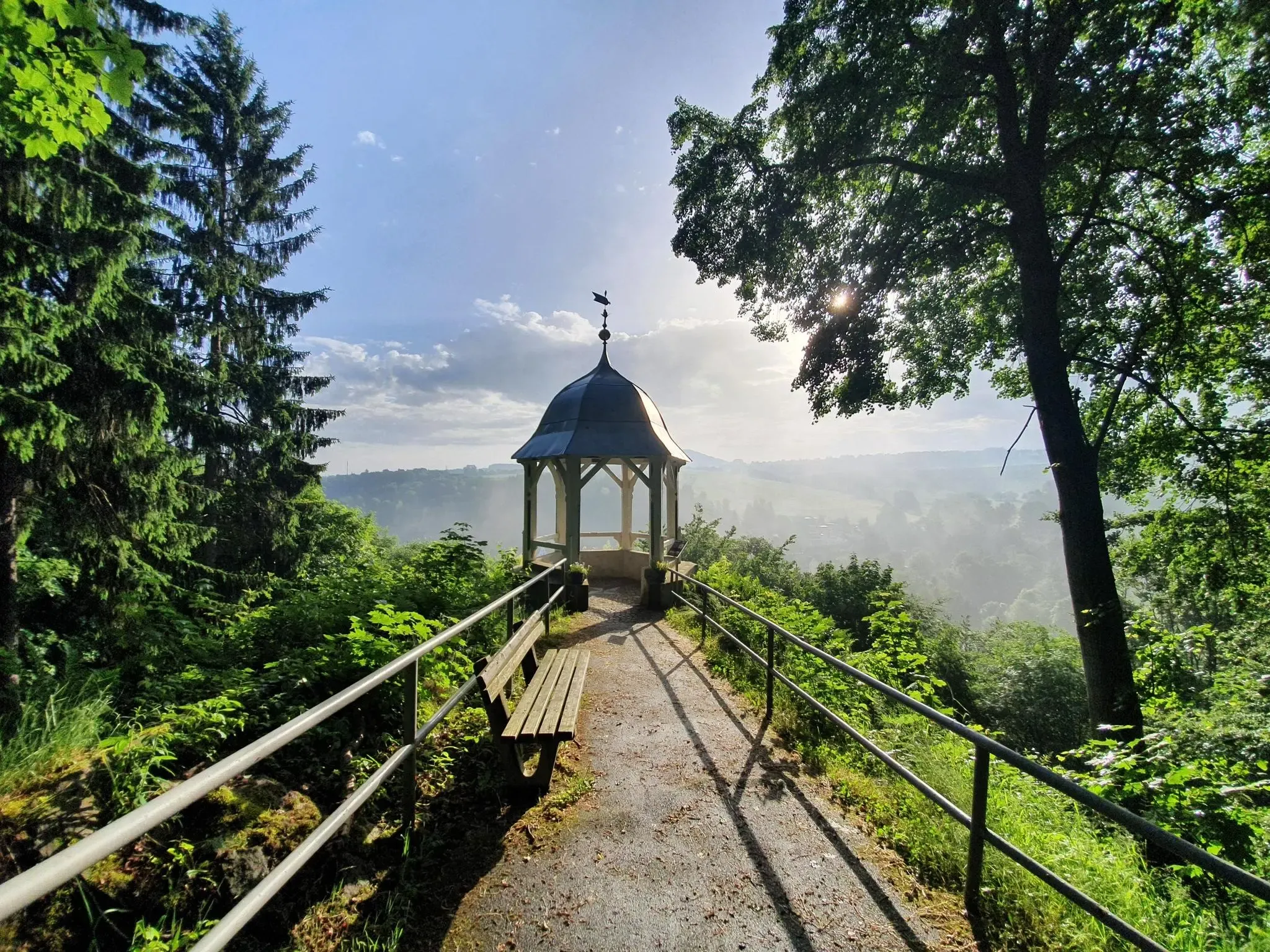
#GoFurther – discover the views of Germany!
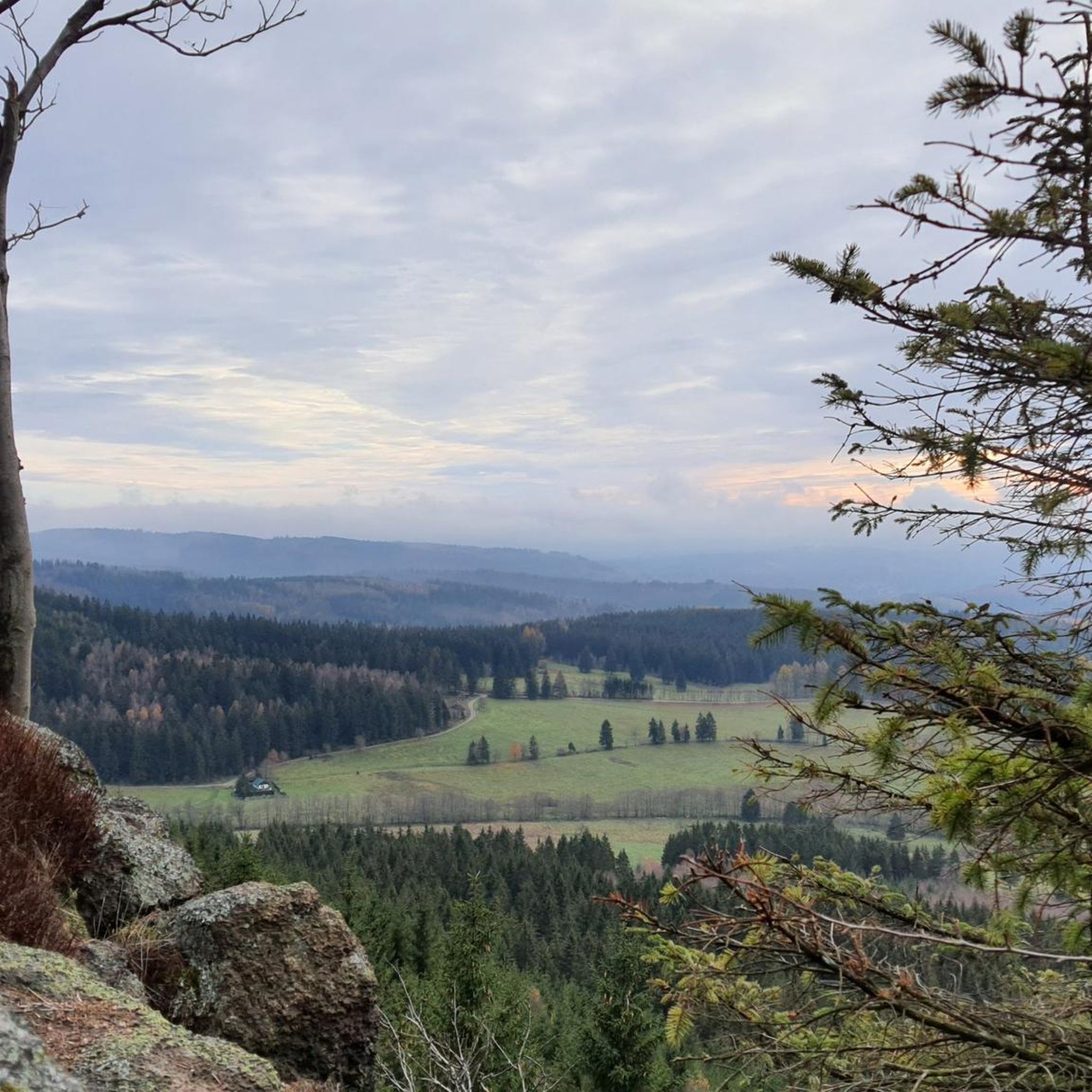
Hiking around Steinbach-Hallenberg
MTB Trails around Steinbach-Hallenberg
Cycling around Steinbach-Hallenberg
Road Cycling Routes around Steinbach-Hallenberg
Running Trails around Steinbach-Hallenberg

Gravel biking around Steinbach-Hallenberg
Mountain Hikes around Steinbach-Hallenberg
Other adventures around Steinbach-Hallenberg


Tips from the Community

The Hülloch is a natural cave that was created by the erosion of rock. Due to its unique appearance and its location in the picturesque Marderbachgrund, the cave is a popular destination for hikers and nature lovers.
12
0

Great visitor mine in the small village of Asbach (Schmalkalden), very informative tours...
0
0

The small visitor mine with its museum is worth a visit. You can learn a lot about mining and the town of Asbach. Opening times and further information here: https://www.museumwilhelmsburg.de/museen/besucherbergwerk-finstertal.html
3
0

The burnt out stone at Oberhof is an artificial breakthrough through the rock. It was important for the Lütsche Flößgraben when it was built. The alternation of fire and ice-cold water made the stone brittle and could be worked with mining tools. A 38 m long, 2.3 m high and 2.2 m wide tunnel was created. If you follow the path further you come to the “Hohen Stein” with a wonderful view. The path back to Oberhof leads past the upper Sieglitzteich. Source: http://www.wandern-im-thueringer-wald.de/ausbrenner-stein-luetsche-floessgraben
12
0

Take Touringen stamp 383 with you and enjoy the peace and quiet in the forest 🌲
2
0
Absolutely great mine with a guided tour if desired & very nice opportunities for breaks 🏚🥰
1
0
Touringen stamp 383 on the Finstertal Mine nature trail 🚲🌲
0
0

Nicely prepared tunnel entrance
0
0
Frequently Asked Questions
What types of caves can I explore near Steinbach-Hallenberg?
The region around Steinbach-Hallenberg offers a diverse range of underground experiences. You can explore natural caves formed by rock erosion, such as the Hülloch Cave, as well as historical mining tunnels and visitor mines like the Finstertal Visitor Mine. There are also unique geological formations like the Goetz Cave, known as the largest accessible fissure and crevice cave in Germany.
Are there any family-friendly caves to visit in the area?
Yes, several caves and underground sites are suitable for families. The Burnt Stone Tunnel is a short, medieval tunnel with scenic views that families can enjoy. The Finstertal Visitor Mine offers an engaging historical experience for all ages, showcasing mining history and fluorescent minerals. Additionally, the Butterbrunnen Tunnel Portal is an interesting historical site that is also family-friendly.
Which caves offer insights into the region's history and geology?
For history and geology, the Finstertal Visitor Mine is excellent, detailing iron ore mining and geological conditions. The Burnt Stone Tunnel is a medieval tunnel used for wood removal. Further afield, the Marienglashöhle combines natural gypsum crystal grottos with historical gypsum and copper mining, while the Altensteiner Höhle is Thuringia's oldest show cave, formed in ancient reef limestone and containing Ice Age cave bear bones.
What makes the Goetz Cave unique?
The Goetz Cave, located near Meiningen, is unique as the largest accessible fissure and crevice cave in both Germany and Europe. Formed by a landslide approximately 25,000 years ago, it allows visitors to explore 420 meters across four parallel fissures and three levels, with some crevices reaching up to 50 meters in height. It also holds archaeological significance with remains of bison, bears, and wild horses found within.
Can I see impressive natural formations or crystals in any of the caves?
Yes, the Marienglashöhle near Friedrichroda is renowned for one of Europe's largest and most beautiful gypsum crystal grottos, featuring transparent gypsum crystals up to 90 cm long. It also boasts an underground lake with enchanting reflections. The Hülloch Cave, a natural cave formed by rock erosion, offers a unique appearance for hikers and climbers.
Are there any caves that were used for purposes other than mining?
Yes, the Burnt Stone Tunnel is a medieval tunnel that was created to facilitate the removal of wood. The Beerberg Grotto, a geological highlight, historically provided shelter for smugglers and hikers. The Butterbrunnen Tunnel Portal is also associated with mining history and is known as a winter quarter for rare bats.
What outdoor activities can I combine with a cave visit near Steinbach-Hallenberg?
The region is excellent for hiking. You can find numerous trails, such as those mentioned in the Easy hikes around Steinbach-Hallenberg guide, or more challenging routes in the Hiking around Steinbach-Hallenberg guide. Many caves, like the Hülloch Cave, are popular destinations for hikers and climbers, often located along scenic routes.
What is the best time to visit the caves around Steinbach-Hallenberg?
Many visitor mines and show caves, such as the Finstertal Visitor Mine, typically have seasonal opening times, often from April to October. Natural caves and tunnels like the Burnt Stone Tunnel or Beerberg Grotto can generally be visited year-round, though conditions may vary with weather. Some caves, like Marienglashöhle, even host special events like concerts in winter.
Are there any caves with underground lakes or streams?
Yes, the Marienglashöhle features a serene underground lake with enchanting reflections. The Altensteiner Höhle also boasts a running stream and a small cave lake within its impressive underground spaces.
What should I wear when exploring caves in this region?
Cave temperatures are typically cool and constant, regardless of the outside weather. It's advisable to wear warm layers, even in summer. Sturdy, closed-toe shoes with good grip are essential, as surfaces can be damp and uneven. For natural caves, a headlamp or flashlight is recommended.
Are there any caves known for hosting cultural events?
The Marienglashöhle is known for hosting concerts "underground" in winter, illuminated by candles, offering a unique acoustic experience. Similarly, the Altensteiner Höhle features a large "cathedral" (Höhlendom) that serves as a venue for concerts and theater performances, blending natural beauty with cultural events.
What do visitors enjoy most about the caves and underground sites near Steinbach-Hallenberg?
Visitors frequently appreciate the unique geological formations, the rich historical insights into mining, and the scenic views offered by some locations. The combination of natural beauty, such as the gypsum crystals in Marienglashöhle, and the historical significance of sites like the Finstertal Visitor Mine, makes for a memorable experience. Many also enjoy the integration of these sites into hiking trails.
Most popular routes around Steinbach-Hallenberg
Most popular attractions around Steinbach-Hallenberg

Get inspired with the komoot mobile app


Explore more
Extend your search for the best caves by checking out these guides of the top ones around Steinbach-Hallenberg:
