Top 8 Caves around Utendorf
Best caves around Utendorf are found in the German state of Thuringia, a region characterized by diverse geological formations and historical mining sites. The area offers a range of underground attractions, from natural caverns to former mines transformed into show caves. These sites provide insights into geological processes and historical human activity. Utendorf serves as a base for exploring these notable natural features and attractions in the surrounding landscape.
Best caves around Utendorf
- The most popular caves is Goetz Cave…
Last updated: April 29, 2026
Goetz Cave
Highlight • Cave
Translated by Google •
Tip by

Limbachsweg
Highlight • Trail
Translated by Google •
Tip by

Sign up now to discover places like this
Get recommendations on the best single tracks, peaks, & plenty of other exciting outdoor places.
Sign up for free
Sandstone and Fairy Tale Cave Walldorf
Highlight • Cave
Translated by Google •
Tip by

Halsbergloch Crevice Cave
Highlight • Cave
Translated by Google •
Tip by

Armlöcher Natural Monument
Highlight • Natural Monument
Translated by Google •
Tip by

Sign up for free to discover even more caves around Utendorf.
Sign up for free
Already have an account?
Start today with a free account
Your next adventure awaits.
Login or Signup

Tips from the Community

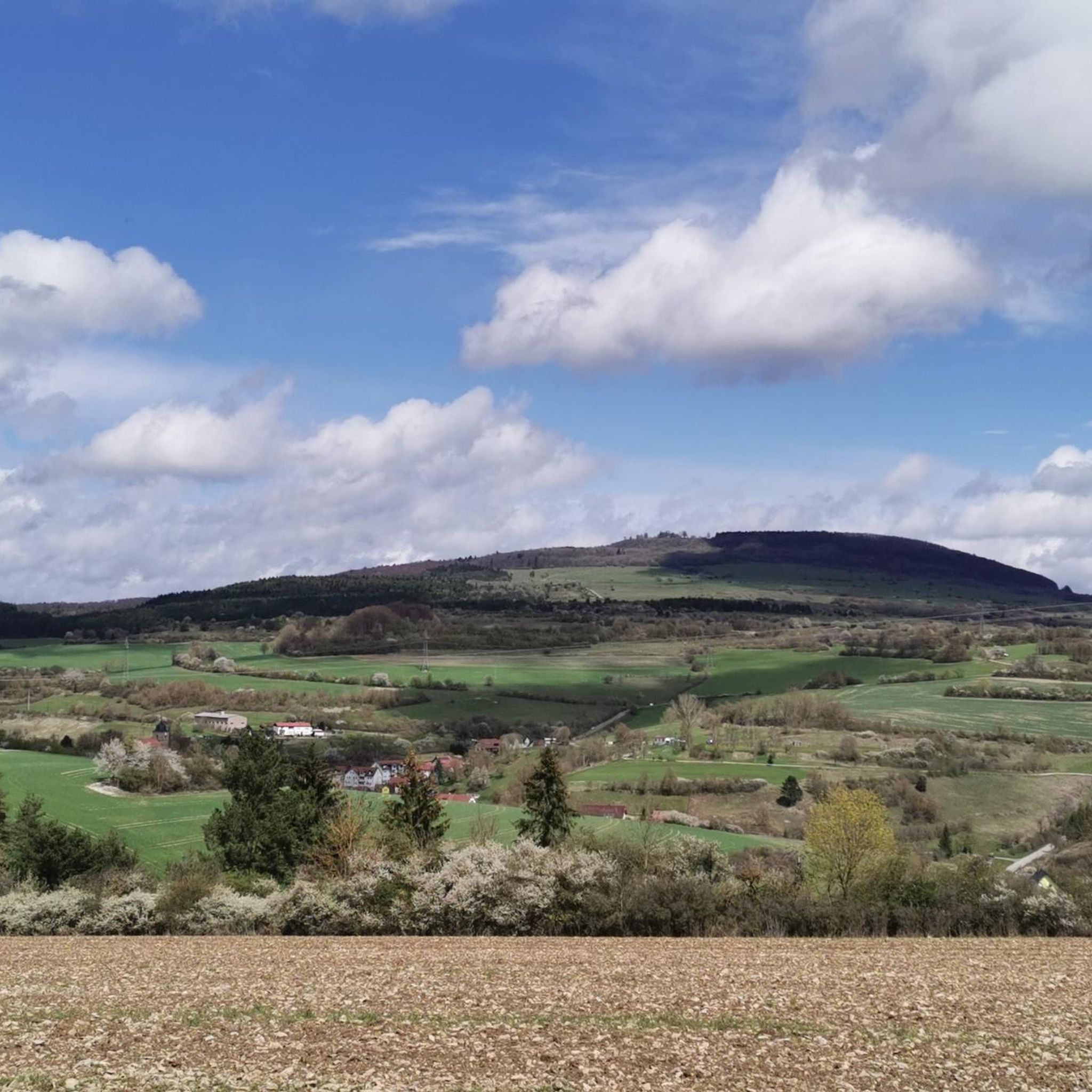
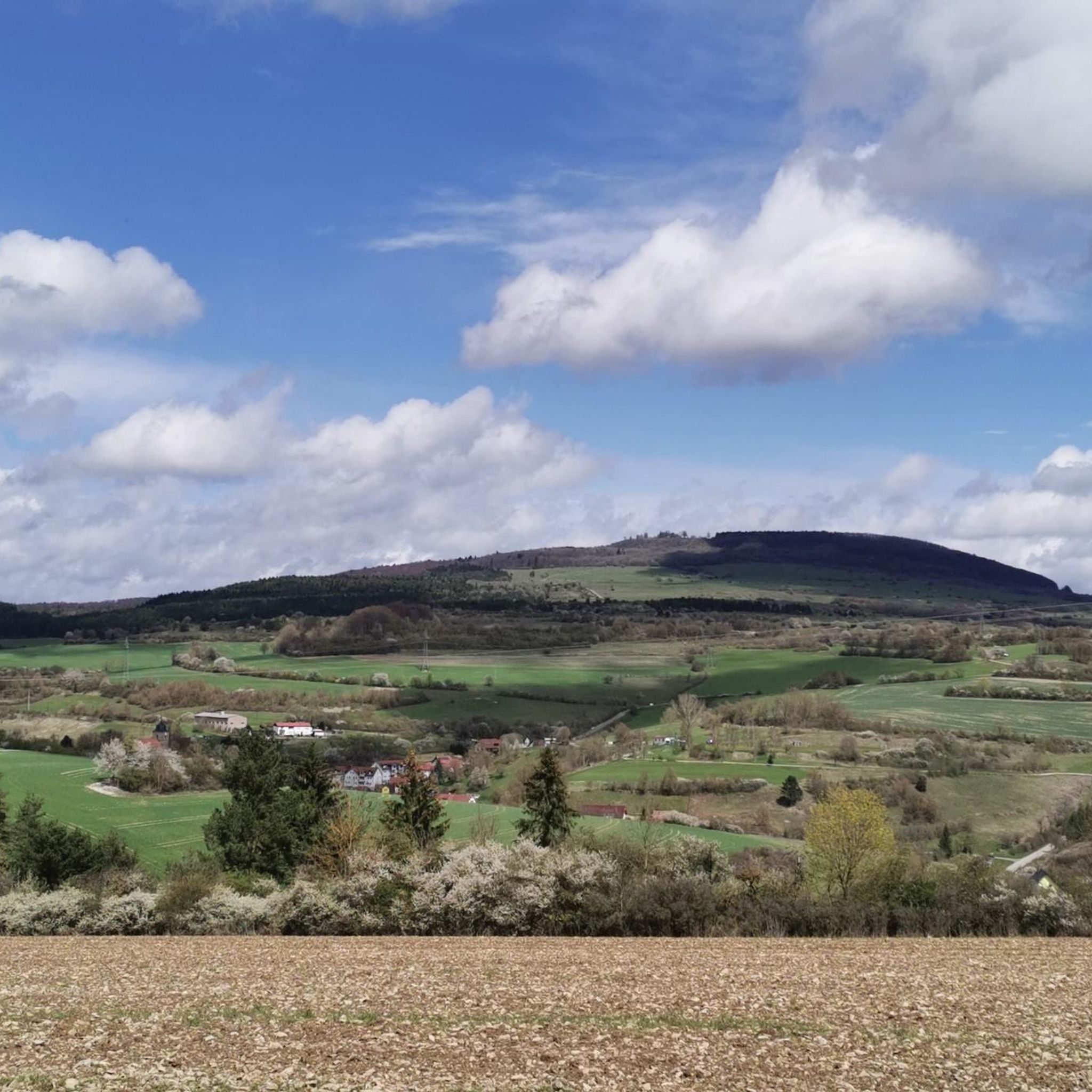
The armholes are worth seeing.
1
0


The sandstone and fairytale cave is first and foremost a mine where sand was extracted. It is one of the largest caves of its kind and has 2500 columns. Mining in the cave began around the year 1800. The work was very arduous and not lucrative. Often all family members, including children, worked in the cave and yet sand people lived in poor conditions and lived to a maximum age of 40. Huge information boards hang on the cave that tell of the history of the cave, but also of individual fates. Today, visitors can enjoy the sandstone cave and explore it at their own pace. The labyrinth-like path leads up to 50 m below the surface and you do lose your bearings after a while, but the path is well marked off with walls. While in the first third you can still feel the seriousness of this work thanks to some representations and figures, in the last third the diagrams are replaced by lovingly prepared fairytale pictures. Magnificent backdrops have been created underground that you can look at at your leisure. Nevertheless, you will always come across the geological peculiarities and the work of the miners. A brilliant mix for the whole family. You mostly walk bent over, as the ceiling height is only 1.50 m. However, you can often stand upright at the various stations. A jacket is also recommended, as it is only 8 degrees in the cave. The cave visit is rounded off by a mini amusement park, which you can go through for free. The rides are paid for with coins. There are also a few animal enclosures. With homemade cakes and a large selection of food, you can also eat very cheaply and very well here! There is something to eat both directly at the cave and in the mini amusement park below. The selection there is similar. You should plan at least 2 hours for the visit, but longer with children.
1
0
The merchant Götz actually only wanted to set up a beautiful mountain garden when he came across this cave. He and his friends investigated the discovered fissure cave and later employed miners from the Ruhr area to develop it further and to cut passages between the crevices and to secure the cracks in the rock. He did not live to see the full expansion, but his widow continued it. The cave is now open to visitors and can be explored on a 40-minute guided tour. Although the cave does not have any outstanding features such as stalactites, it is still worth seeing. The narrow and very high cracks in the rock were created by rock slides towards the Werra valley. The cave is therefore simply an impressive natural spectacle with an interestingly designed guided tour. Unfortunately, the cave has not been able to be explored in the usual way for 3 years now. A landslide in the upper area meant that the upper exit can no longer be used. Instead, you have to struggle up all the stairs and then go back down again straight away. This feels quite bumpy and pointless on the tour... If you decide to visit, you should bring a jacket with you. The temperature in the cave is a constant 8 degrees. The waiting time until the tour is perfect to while away on the terrace, where there are warm dishes and various drinks - all with a wonderful view of Meiningen.
0
0

Great for children and adults. On a short circular route (approx. 25-30 minutes) you can take in the beautiful shapes and colors and the children can enjoy the fairy tales shown. It's always 8-10 degrees inside, so don't dress too lightly. The paths have no steps and are easy to walk on. Sometimes it's time to duck your head. Parking is free, entry family ticket (2+2) 20,- Afterwards you can spend time in the restaurant or use the paid play equipment (50 cent coins required). Money exchange machine is on site.
0
0

It was still closed but I'll stop by again to take a closer look.
0
0

Reinhold Goetz discovered the gap and gap cave in 1915. With 50 m high gorges, it is the largest cave open to visitors in Germany.
11
0

The armholes look best when they are filled with water.
6
0
Frequently Asked Questions
What types of caves can I explore near Utendorf?
The region around Utendorf offers a diverse range of underground experiences. You can find natural crevasse caves, such as Goetz Cave, and man-made sandstone caves like Sandstone and Fairy Tale Cave Walldorf. Additionally, Thuringia is home to impressive show caves that were once mines, featuring unique geological formations and historical insights.
Are there any family-friendly caves in the area?
Yes, Sandstone and Fairy Tale Cave Walldorf is particularly family-friendly, offering a magical journey through an underground labyrinth with fairy tale scenes. The Saalfeld Fairy Grottoes also provide family activities with the Grottoneum adventure museum and the Feenweltchen adventure forest.
Which caves are known for their unique geological features?
The Saalfeld Fairy Grottoes are renowned for being the 'most colorful show caves in the world,' displaying vibrant mineral formations. The Marienglashöhle Friedrichroda features one of Europe's largest gypsum crystal druses. The Barbarossa Cave is geologically unique as one of only two accessible anhydrite caves globally, known for its distinct white and gray rock formations.
Can I visit historical mining sites underground?
Absolutely. The Merkers Adventure Mine offers a unique experience, taking you 860 meters below the surface into a former potash salt mine. You can explore vast networks of tunnels and see a crystal grotto with immense salt crystals. The Saalfeld Fairy Grottoes also originated as an alum shale mine, and Marienglashöhle combines natural caverns with historical gypsum and copper mining.
What is the largest accessible crevasse cave near Utendorf?
Goetz Cave is Europe's largest accessible crevasse cave, featuring impressive 50-meter-high gorges. It is one of the largest caves open to visitors in Germany.
What should I wear when visiting the caves?
Caves generally maintain a cool, consistent temperature year-round. For instance, Goetz Cave is around 8 degrees Celsius. It's advisable to wear warm clothing and sturdy, non-slip footwear, as the ground can be wet and slippery.
Are there hiking opportunities that include cave visits?
Yes, the Limbachsweg trail is a great option. This route combines cultural history with geological peculiarities, passing by Europe's largest cleft and crevice cave and offering numerous viewpoints and a castle ruin. You can find more hiking routes in the area by visiting the Hiking around Utendorf guide.
What other outdoor activities can I do near the caves around Utendorf?
Beyond cave exploration, the region offers various outdoor activities. You can find numerous routes for gravel biking and mountain biking. For detailed routes and guides, check out the Gravel biking around Utendorf and MTB Trails around Utendorf guides.
What makes the Saalfeld Fairy Grottoes so special?
The Saalfeld Fairy Grottoes are unique for their unparalleled vibrant mineral formations, recognized as the 'most colorful show caves in the world.' Originally an alum shale mine, water rich in minerals transformed it into a breathtaking display of colorful stalagmites and stalactites. The 'Fairy Kingdom' chamber, with its illuminated mineral deposits reflected in a pool, is a particular highlight.
Is there a cave near Utendorf known for its acoustics or events?
The Marienglashöhle Friedrichroda is known for its special acoustic properties, making it a popular venue for regular concerts and events. Additionally, the Merkers Adventure Mine features a massive underground concert hall with impressive acoustics.
What is the significance of the Merkers Adventure Mine?
The Merkers Adventure Mine is significant for its colossal scale and rich historical importance. Beyond being a former potash salt mine, it served as a hiding place for Nazi gold and valuable artworks during World War II, offering a unique glimpse into both mining history and a pivotal moment in global history.
Are there any natural monuments related to caves in the area?
Yes, the Armlöcher Natural Monument is a notable natural feature that includes cave elements. The Halsbergloch Crevice Cave is another natural monument, an approximately 8-meter-deep cleft cave in the lower shell limestone.
Most popular routes around Utendorf
Most popular attractions around Utendorf

Get inspired with the komoot mobile app


Explore more
Extend your search for the best caves by checking out these guides of the top ones around Utendorf:
