Top 7 Caves in See-Gaster
Best caves in See-Gaster are located in a region characterized by its diverse natural landscape, including significant geological formations. The area features various cave types, from natural karstic systems to historical mining tunnels and unique Nagelfluh formations. These natural features offer opportunities for exploration and provide insights into the region's geology and history.
Best caves in See-Gaster
- The most popular caves is Seerenbach Falls and Rinquelle, a waterfall and cave system that includes one of Europe's largest karst springs.…
Last updated: June 27, 2026
Seerenbach Falls and Rinquelle
Highlight (Segment) • Waterfall
Translated by Google •
Tip by

Gubel Cave and Waterfall on the Vordere Töss
Highlight • Cave
The "cave" is comfortably furnished with table and benches, a lovingly bricked clay oven and all kinds of decoration
Officially there …
Translated by Google •
Tip by

Sign up now to discover places like this
Get recommendations on the best single tracks, peaks, & plenty of other exciting outdoor places.
Sign up for free
Bethlehem Grotto
Highlight • Religious Site
Translated by Google •
Tip by

Dragon Cave
Highlight • Cave
Translated by Google •
Tip by
Echeltswil-Goldingen Coal Mine
Highlight • Cave
The best way to get into the ravine is from the south or from the bridge up the stream. There you will find a collapsed …
Translated by Google •
Tip by
Nagelfluh Tunnel Cave
Highlight • Cave
Translated by Google •
Tip by
Nagelfluh Cave
Highlight • Cave
Translated by Google •
Tip by
Start today with a free account
Your next adventure awaits.
Login or Signup
Popular around See-Gaster
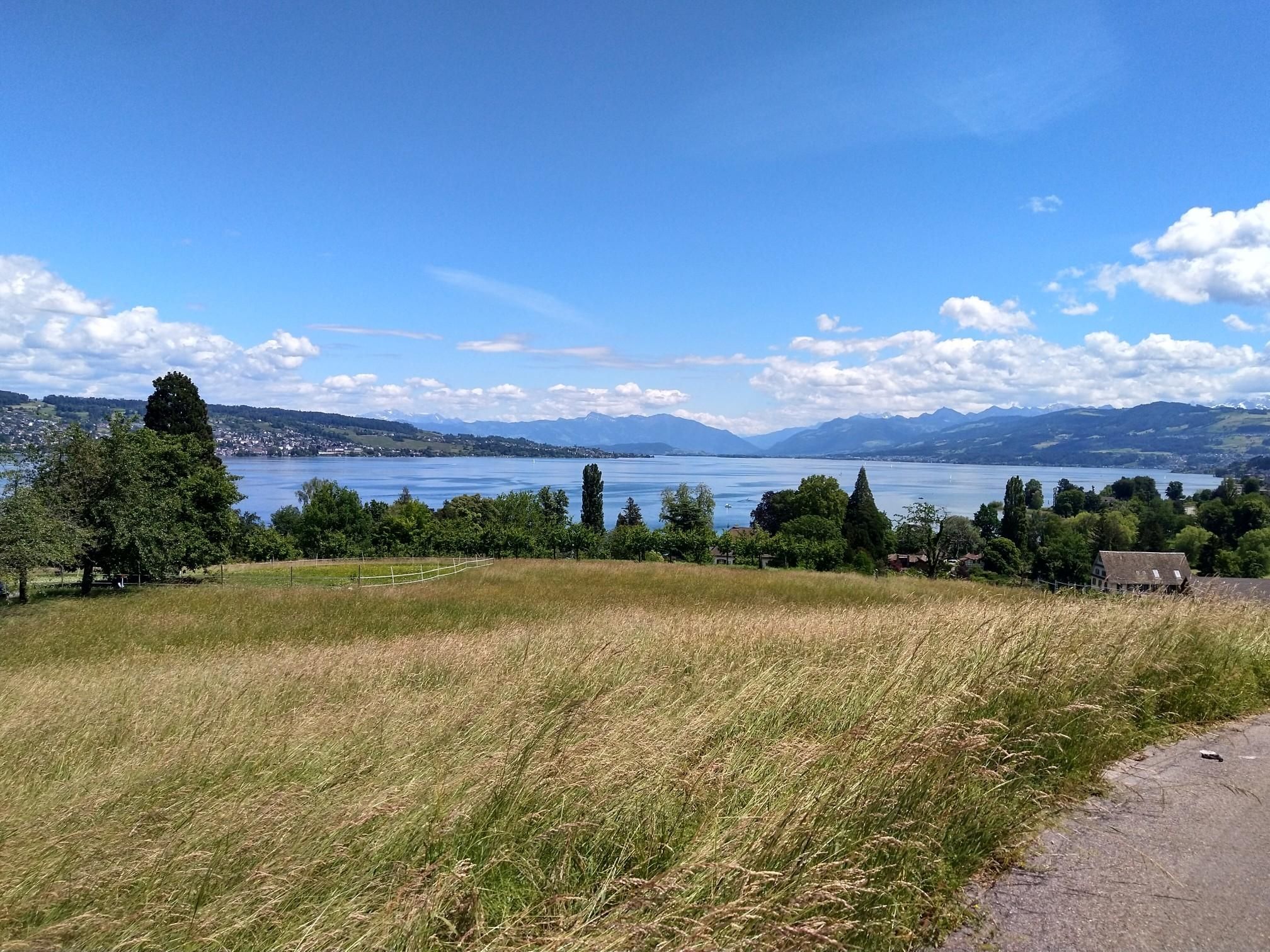
Lake Zurich loop – A land of contrasts
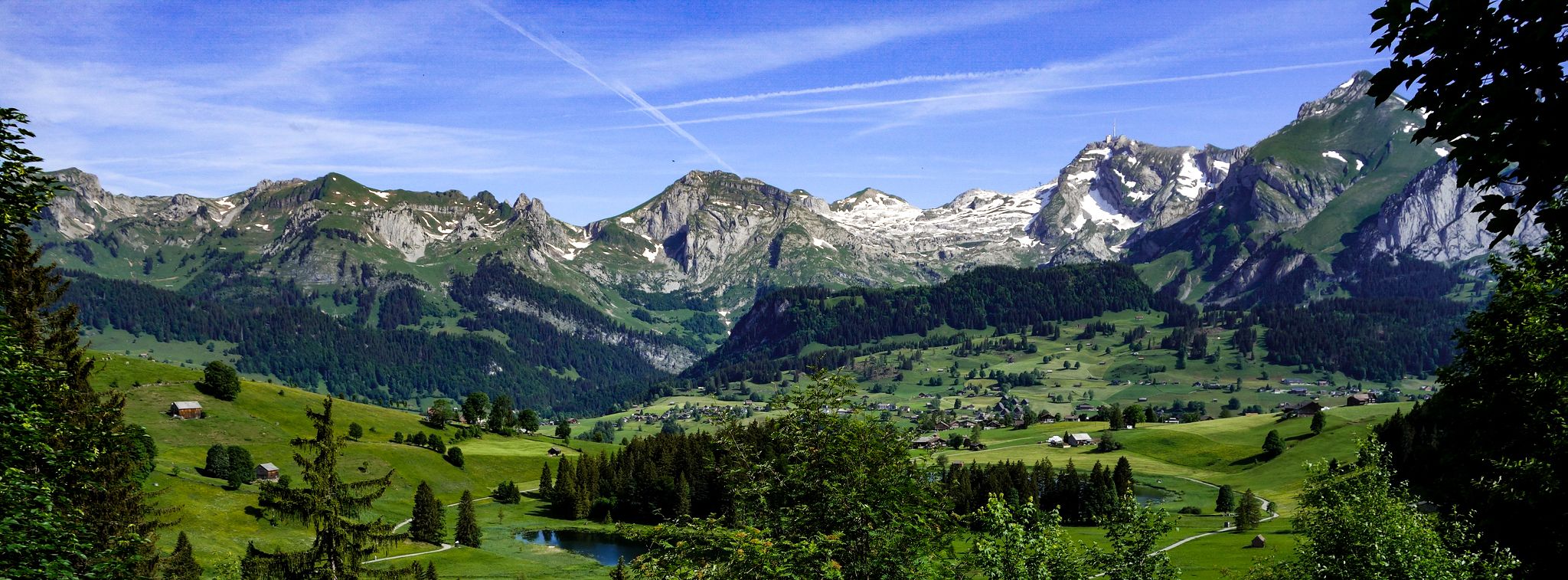
Toggenburger Höhenweg – Demanding hiking near St. Gallen
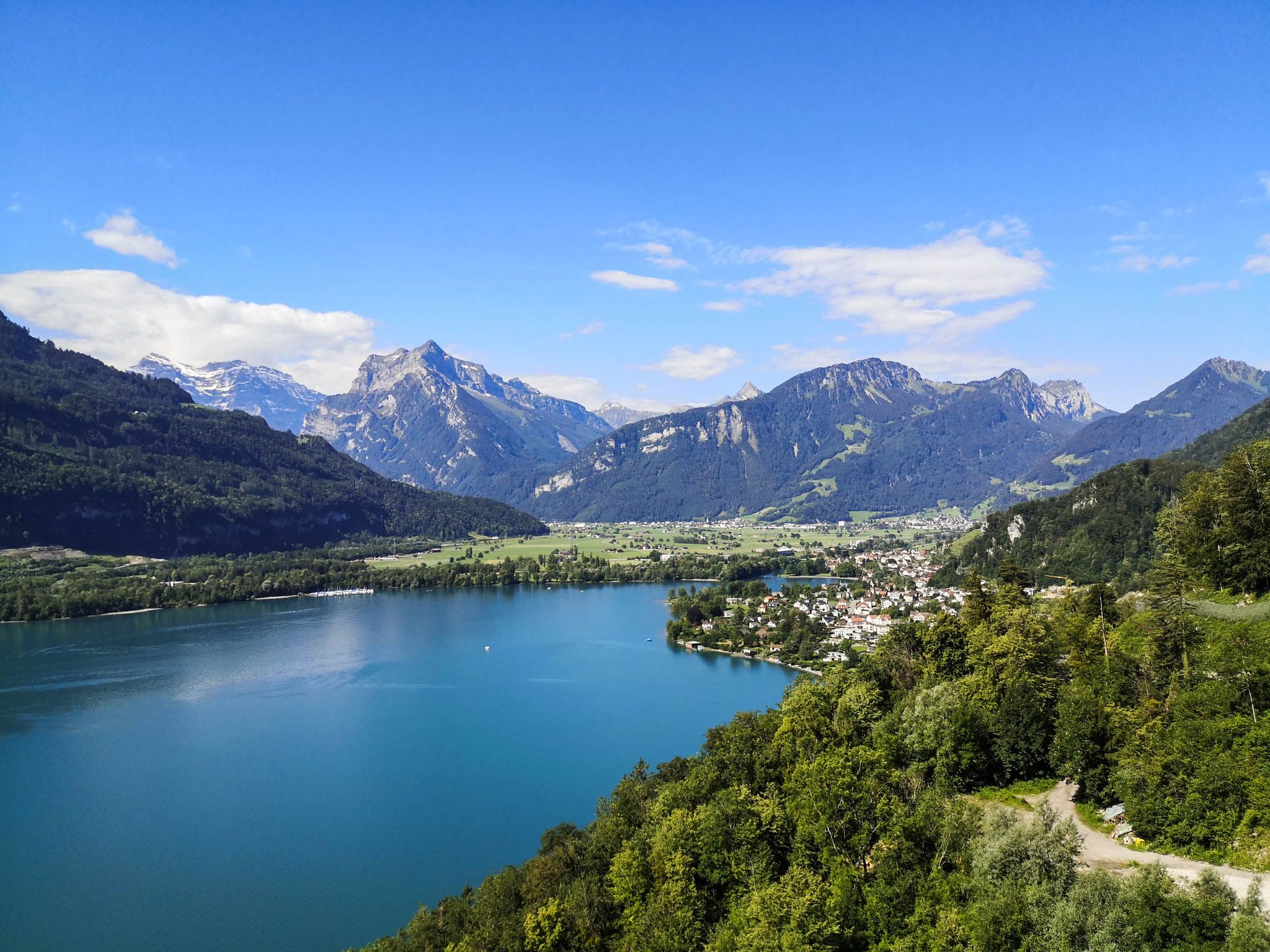
Alpine Panorama Trail in Switzerland – Keep your eyes on the mountains
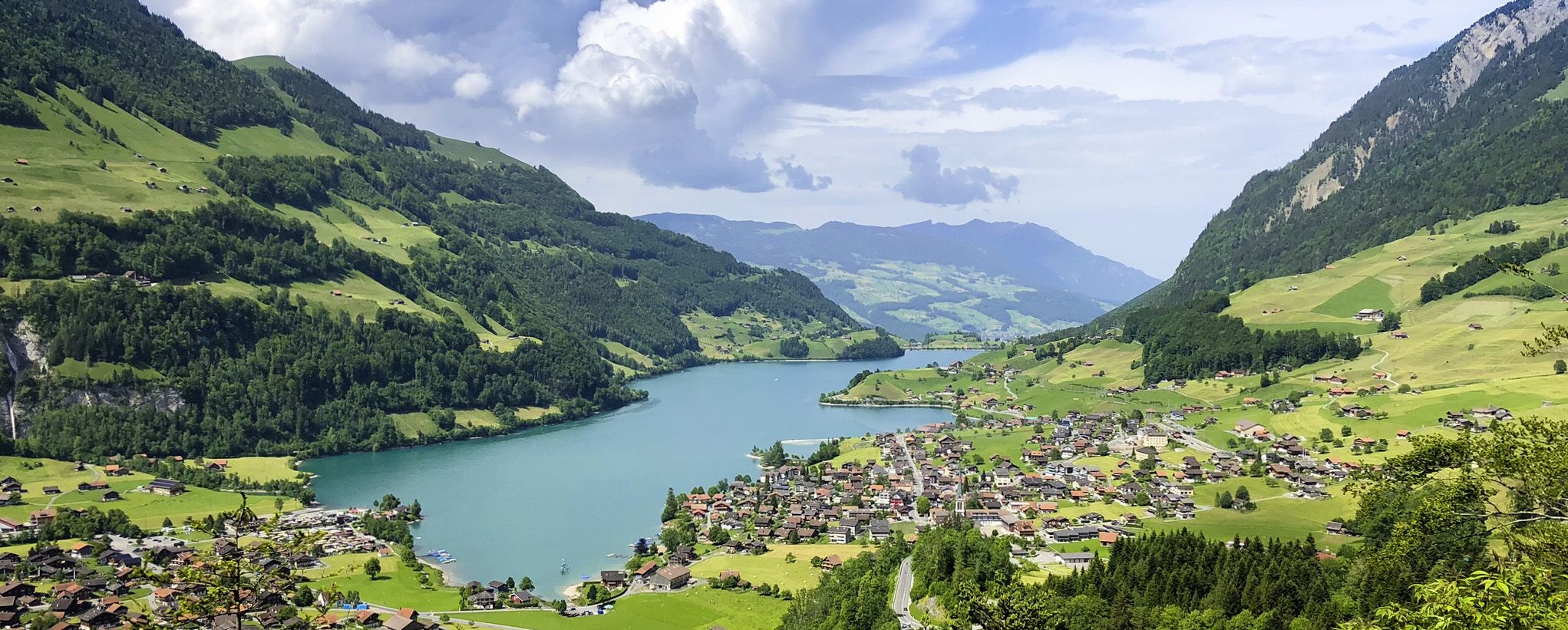
The Lakes Route – Picture-postcard views in the Swiss alpine foothills
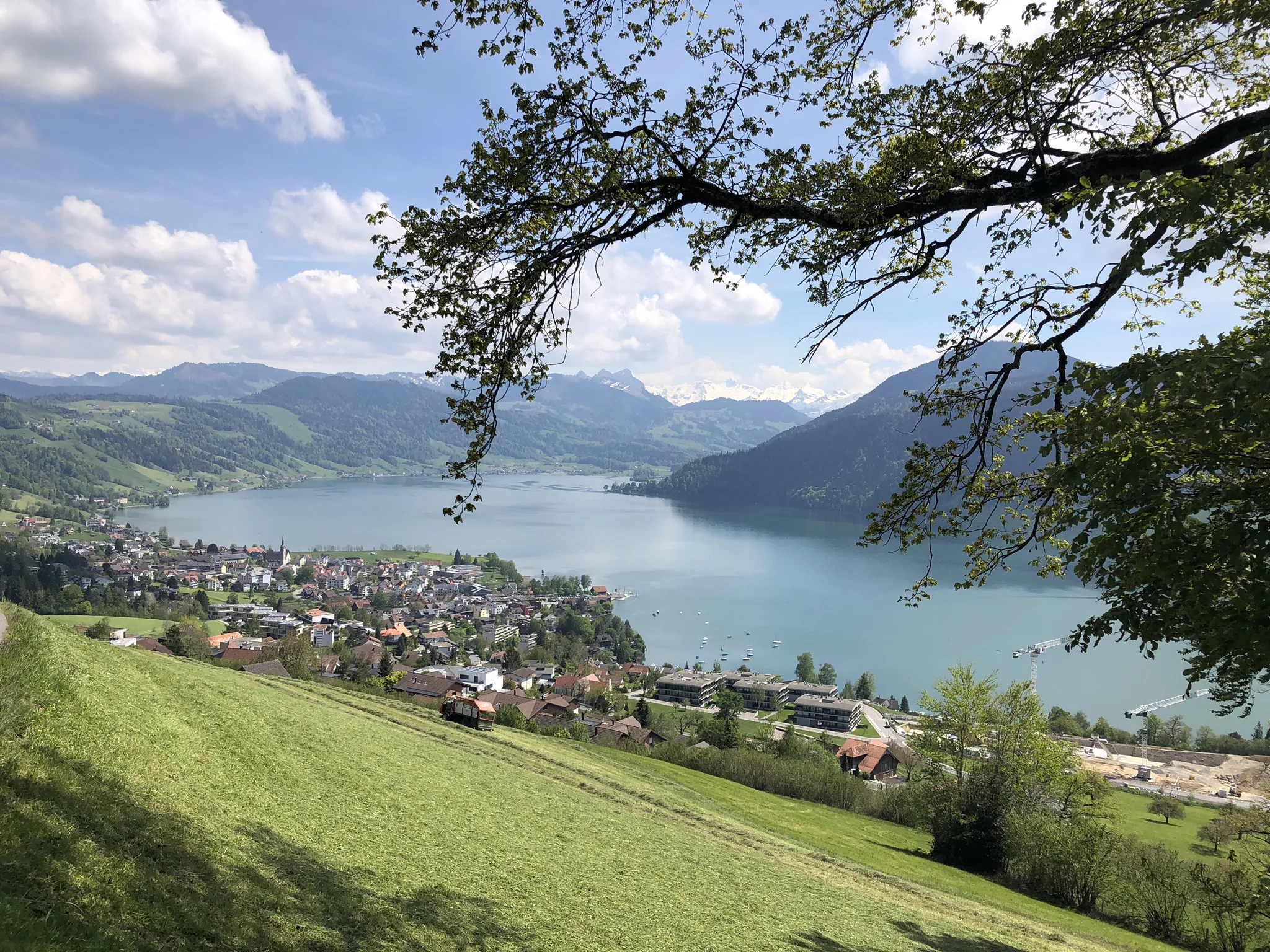
The Herzroute – Cycling through the heart of Switzerland
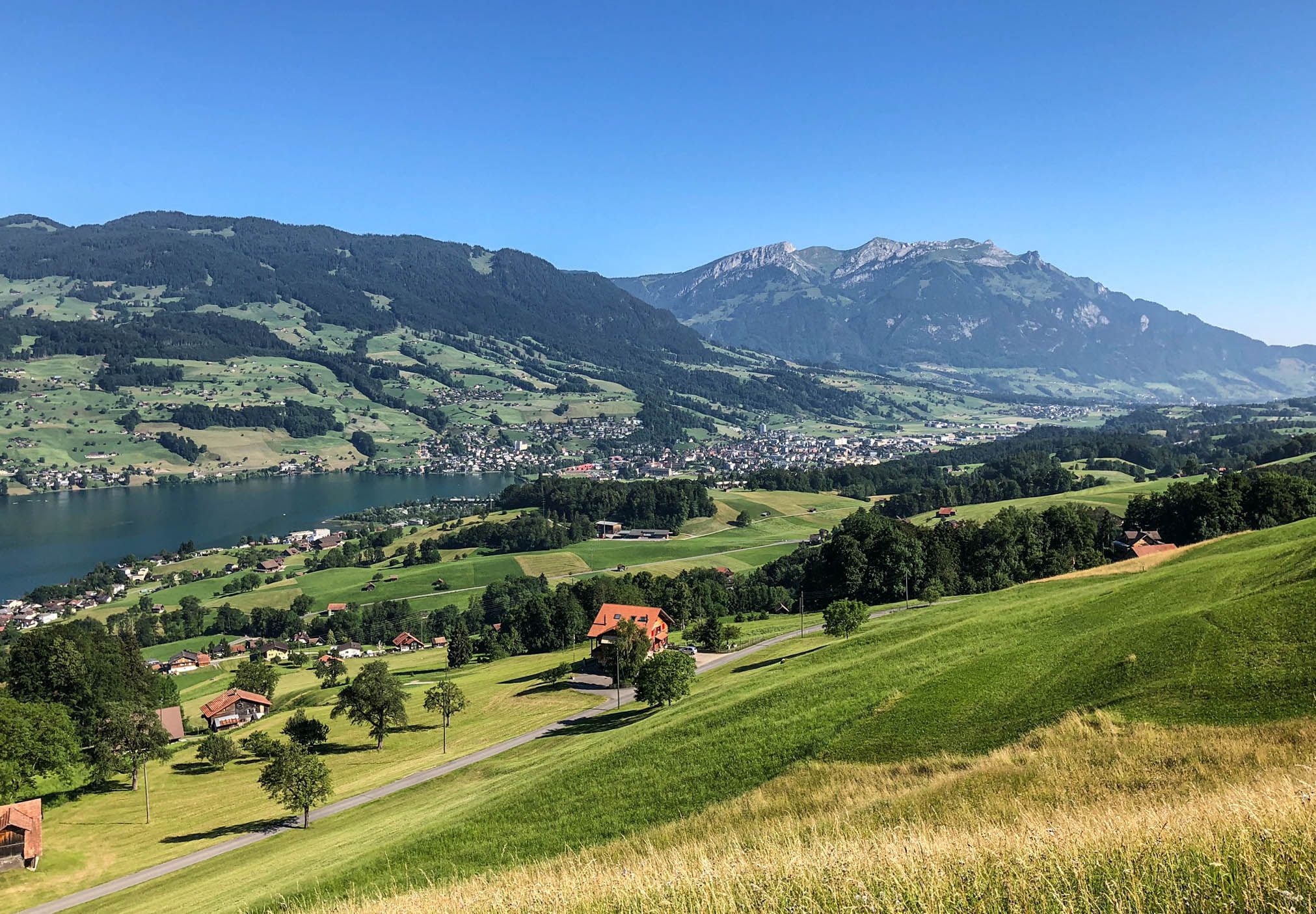
Via Jacobi – Following the Way of St James across Switzerland
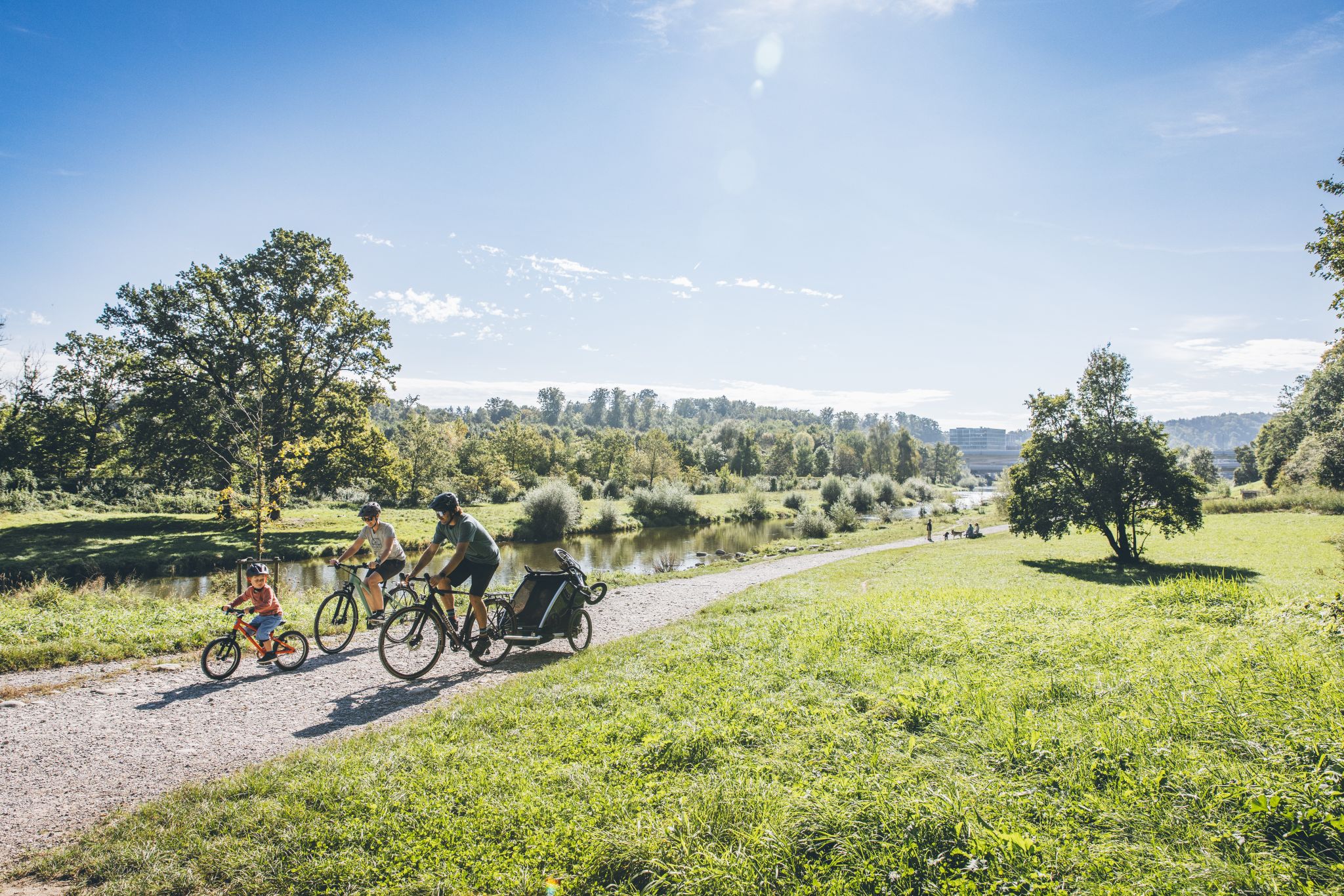
Family fun on two wheels – cycling routes with children around Zürich
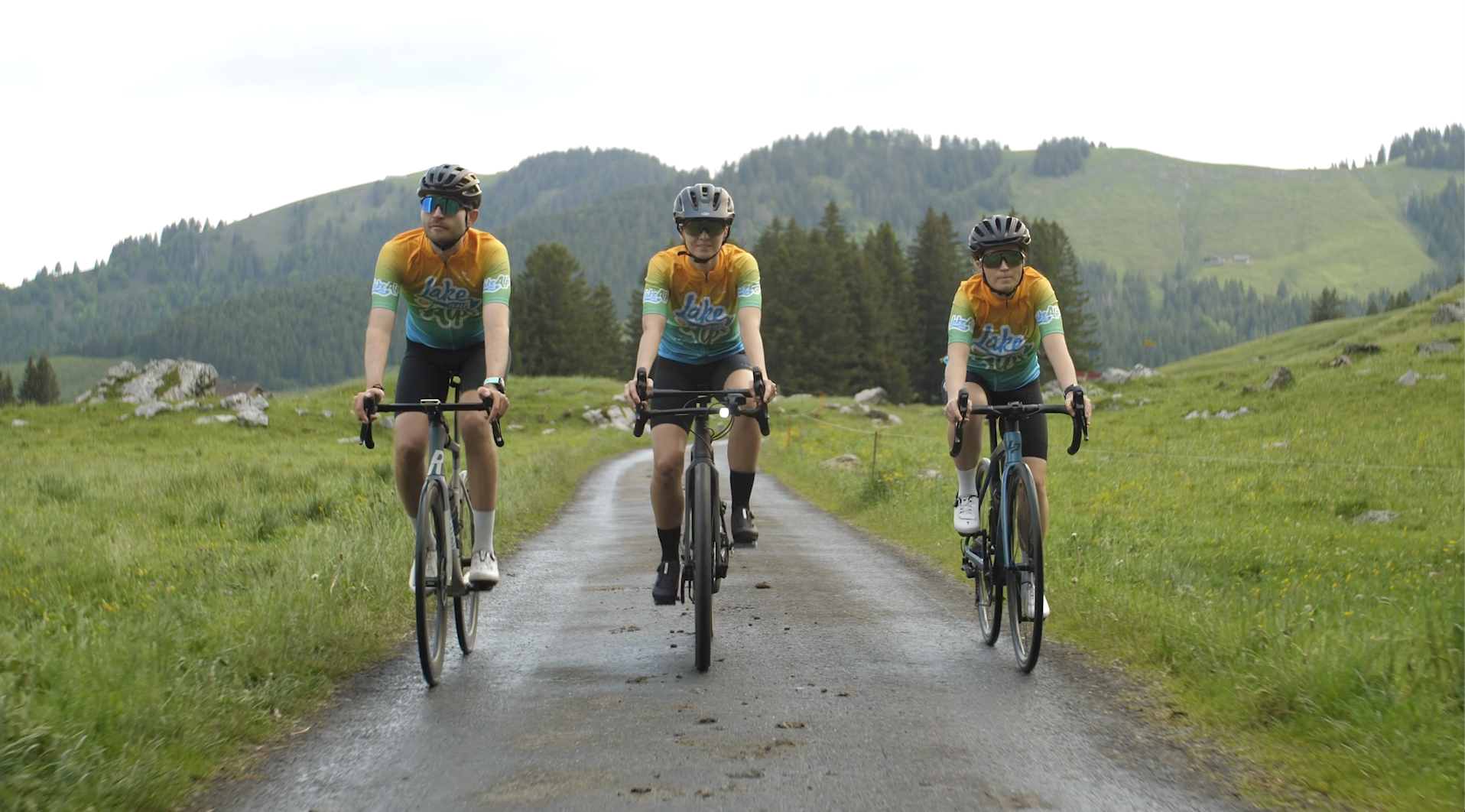
Lake and Alps Adventure – explore 100 dreamy places in our cycling region!
Lake and Alps Main Route – Your Path To Adventure!
Züri Escape Challenge
Other adventures in See-Gaster


Tips from the Community

The cave is on the other side of the stream, the entrance is about chest height and it is about 3m deep!
0
0
DESCENT AT YOUR OWN RISK! The best way to get into the ravine is from the south or from the bridge up the stream. There you will find a collapsed cave and a second one, which is still accessible for a good 15m until the groundwater makes it difficult to go any further. Brown coal was mined here from 1842 until the end of the First World War, in a good 336m tunnel.
2
0

Standing on the viewing platform at the Seerenbach Falls, you are almost awed by the thundering waterfalls. From here you can see the vertical rock face and the waterfalls cascading down into the valley. They are only topped by the white, foaming Rin spring right next to it.
0
0
In this park there are several Maria caves and Christian images scattered along the paths.,
1
0
The good 20m deep cave, which is written with dragon cave. From the wide entrance, which you can enter while crouching, continue standing in a semicircle to a small opening further along the path. https://youtu.be/cosTFgY4_P0
1
0

A short hiking trail from Betlis leads to the gigantic Seerenbach Falls, which at a height of 600 meters are among the largest waterfalls in Europe. The Seerenbach Falls can be seen from afar, thundering down the vertical rock face in three stages. Gigantic spectacle of nature The best view of all three levels of the waterfall is from the chapel in Betlis. The middle of the three cascades is one of the highest free-falling waterfalls in the world with a height of 305 meters. Refreshing destination Coming from Weesen or Quinten, the Seerenbach Falls with the source of the Rin are a special highlight of every hike. It is a short hike from the picturesque village of Betlis to stand on the viewing platform at the foot of the third cascade and watch the roaring waterfalls up close. In warm weather, they provide cool refreshment. In spring after the snow has melted or after heavy rainfall, the Seerenbach Falls are particularly impressive due to the large amounts of water. Mystery source of Rin Where the Seerenbach falls imposingly fall into the valley, they unite with the Rinquelle, one of the largest karst springs in Europe. At the beginning of the 20th century, researchers began to study the source of the Rin and the cave system that branched out for kilometers. There is a turnoff about three kilometers from the cave entrance. From here the water disappears inside the mountain. Where? That will probably remain a secret. See also: Christian Steiner - cave diver at Lake Walen
1
0
A 50m long tunnel in the Nagelfluhfels, the two entrances of which can be found along the edge of the forest. Over two 2m high, only the entrances are reinforced with masonry and the openings must be entered while crouching.
0
0
Very nice place, nice furnishings and the cave can be discovered on your knees after the entrance, then immediately while crouching! Definitely epic for a swim there, but was a little too frosty for me with the snow and ice.
0
0
Frequently Asked Questions
What are some unique natural features of caves in See-Gaster?
The See-Gaster region features diverse geological formations. You can find caves with massive Nagelfluh overhangs, such as the Gubel Cave and Waterfall on the Vordere Töss, and significant karst spring systems like the Rinquelle, which is part of the Seerenbach Falls and Rinquelle system.
Are there any historical caves or mining tunnels to explore in See-Gaster?
Yes, the region has historical sites like the Echeltswil-Goldingen Coal Mine, which operated until the end of World War I. Today, you can find a collapsed cave and another accessible one extending about 15 meters.
Are there family-friendly caves in See-Gaster?
The Bethlehem Grotto is considered family-friendly. This site features multiple grottos and Christian images within a park setting, offering an accessible and gentle exploration experience.
Do I need a permit or key to access certain caves in See-Gaster?
For adventurous explorations like the Goldloch Tunnel, you need to obtain a key for the entrance gate. These keys are typically available from local mountain restaurants such as Tierhag or Sennhütte-Strahlegg.
What outdoor activities can I combine with a visit to the caves in See-Gaster?
The See-Gaster region offers various outdoor activities. You can explore extensive MTB trails, enjoy road cycling routes around Lake Walen, or embark on touring bicycle trips through the scenic landscape.
What is the best time of year to visit caves in See-Gaster?
Visiting caves is generally possible year-round, but spring after snowmelt or after heavy rainfall can make waterfalls, like those at Seerenbach Falls, particularly impressive due to increased water flow. Always check local conditions before your visit.
What should I wear when exploring caves in See-Gaster?
Caves can be cool and damp, even in summer. Wear sturdy, waterproof footwear and layers of clothing that you don't mind getting dirty. A headlamp or flashlight is essential for visibility, especially in less developed caves.
Are there caves in See-Gaster suitable for beginners or those seeking easy access?
While some caves like the Goldloch Tunnel are challenging, others offer easier access. The Bethlehem Grotto is easily accessible within a park setting. For the Gubel Cave, you can follow a wooden path and then a narrow footpath to reach a sheltered resting spot.
Can I explore the Nagelfluh Tunnel Cave?
Yes, the Nagelfluh Tunnel Cave is a 50-meter-long tunnel. Its entrances are reinforced with masonry, but you will need to crouch to enter as they are about two meters high.
What makes the Dragon Cave unique?
The Dragon Cave features a wide entrance that requires crouching to enter. Inside, it forms a semicircle, allowing visitors to stand for most of the exploration until reaching a smaller opening further along the path.
Are there any caves in See-Gaster that offer a more adventurous experience?
The Goldloch Tunnel provides a more adventurous experience. After obtaining a key, you'll encounter an iron ladder leading to a shaft, followed by a tunnel to a second ladder that descends to the lowest floor, where water-filled tunnels can be observed.
Most popular routes in See-Gaster
Most popular attractions in See-Gaster

Get inspired with the komoot mobile app


Didn’t find what you were looking for?
Discover more caves in See-Gaster region by region:
Explore more
Extend your search for the best caves by checking out these guides of the top ones in See-Gaster:
