Top 10 Caves in Mainz-Bingen
Caves in Mainz-Bingen offer a diverse range of underground experiences within the Rhineland-Palatinate region of Germany. The district is characterized by its position along the Rhine River, featuring historical towns and a landscape shaped by both natural geological processes and human activity. This area includes both natural rock formations and significant man-made underground structures, reflecting centuries of local history and industry. Visitors can explore sites ranging from small natural fissures to extensive historical mining tunnels and cellar systems.
Best caves…
Last updated: July 11, 2026
Steeg Slate Mine
Highlight • Cave
To the right …
Translated by Google •
Tip by

Slate cave on the Serpentine Path Kaub
Highlight • Cave
Translated by Google •
Tip by
Sign up now to discover places like this
Get recommendations on the best single tracks, peaks, & plenty of other exciting outdoor places.
Sign up for free
Mönchholzkopf Slate Mine
Highlight • Historical Site
Translated by Google •
Tip by
Small Cave Entrance
Highlight • Cave
Translated by Google •
Tip by

Water tunnel
Highlight • Cave
Translated by Google •
Tip by
Old quarry and gallery
Highlight • Cave
Translated by Google •
Tip by
Portal of Gute Hoffnung Mine
Highlight • Cave
Translated by Google •
Tip by
Slate mine tunnel
Highlight • Cave
Translated by Google •
Tip by
Zechborn Stollen
Highlight • Cave
Translated by Google •
Tip by
Start today with a free account
Your next adventure awaits.
Login or Signup
Popular around Mainz-Bingen
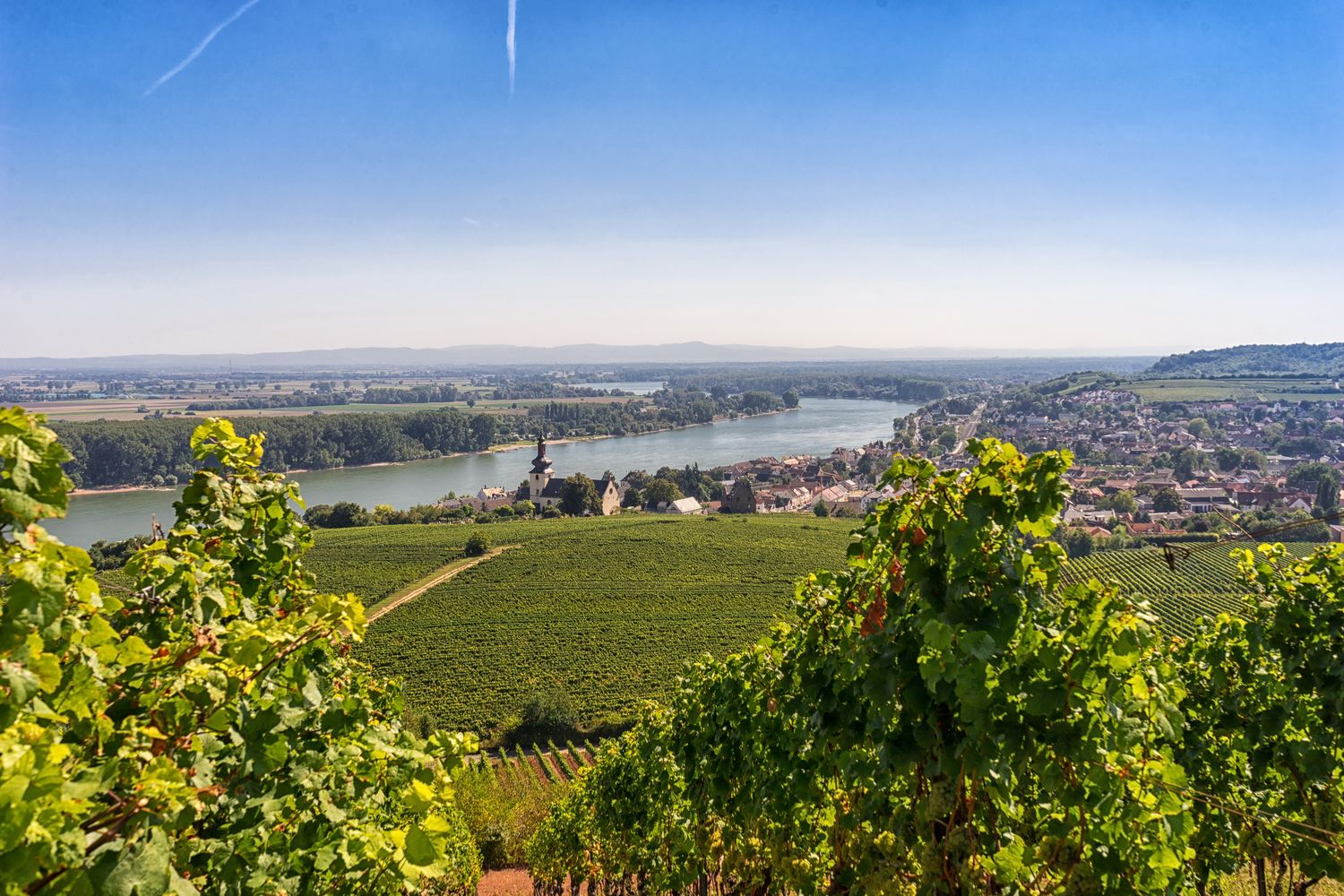
RheinTerrassenWeg – Hike through vineyards along Germany's River Rhine
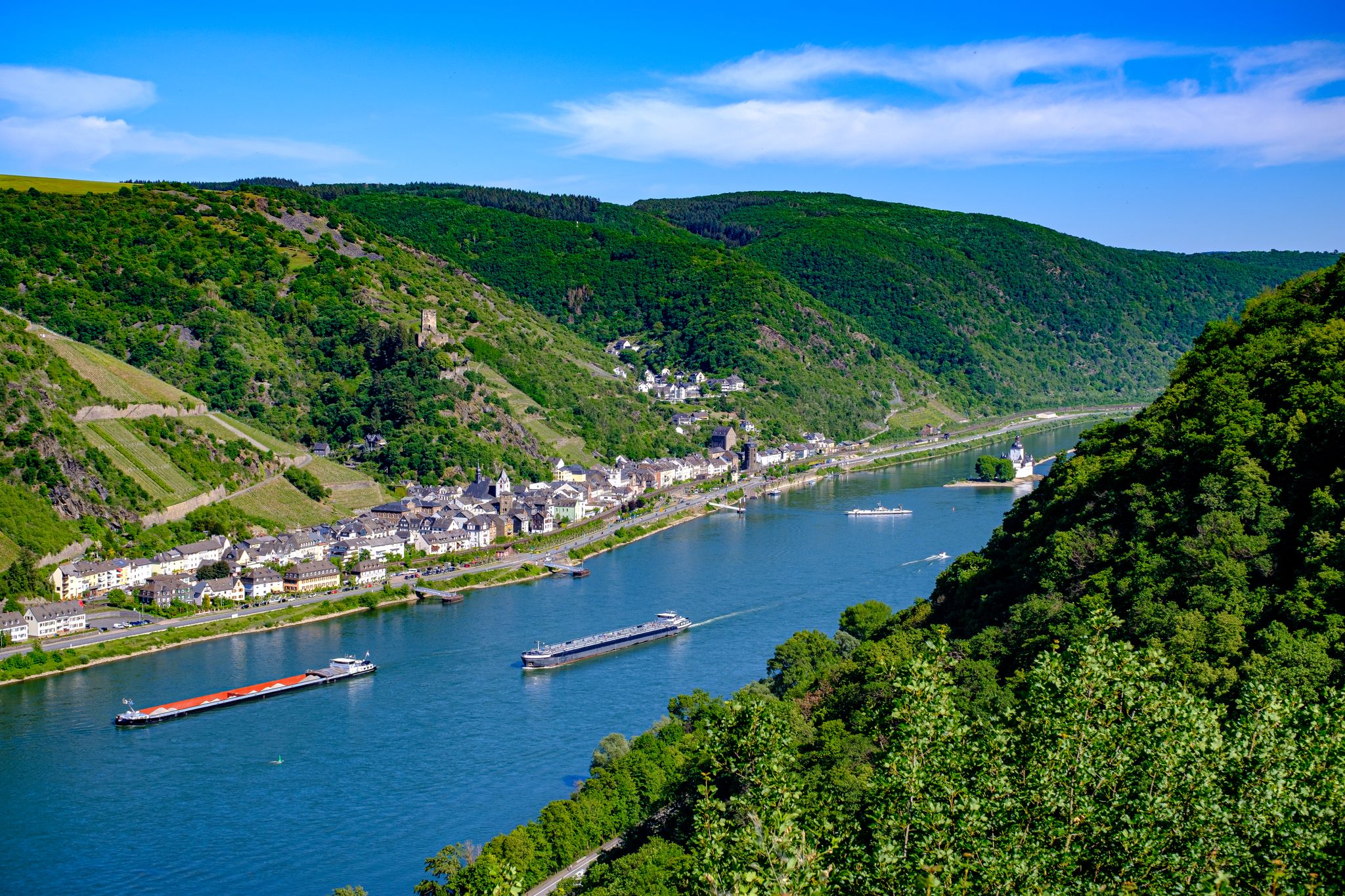
The Rhine Castle Trail – 13 stages of pure Rhine romanticism
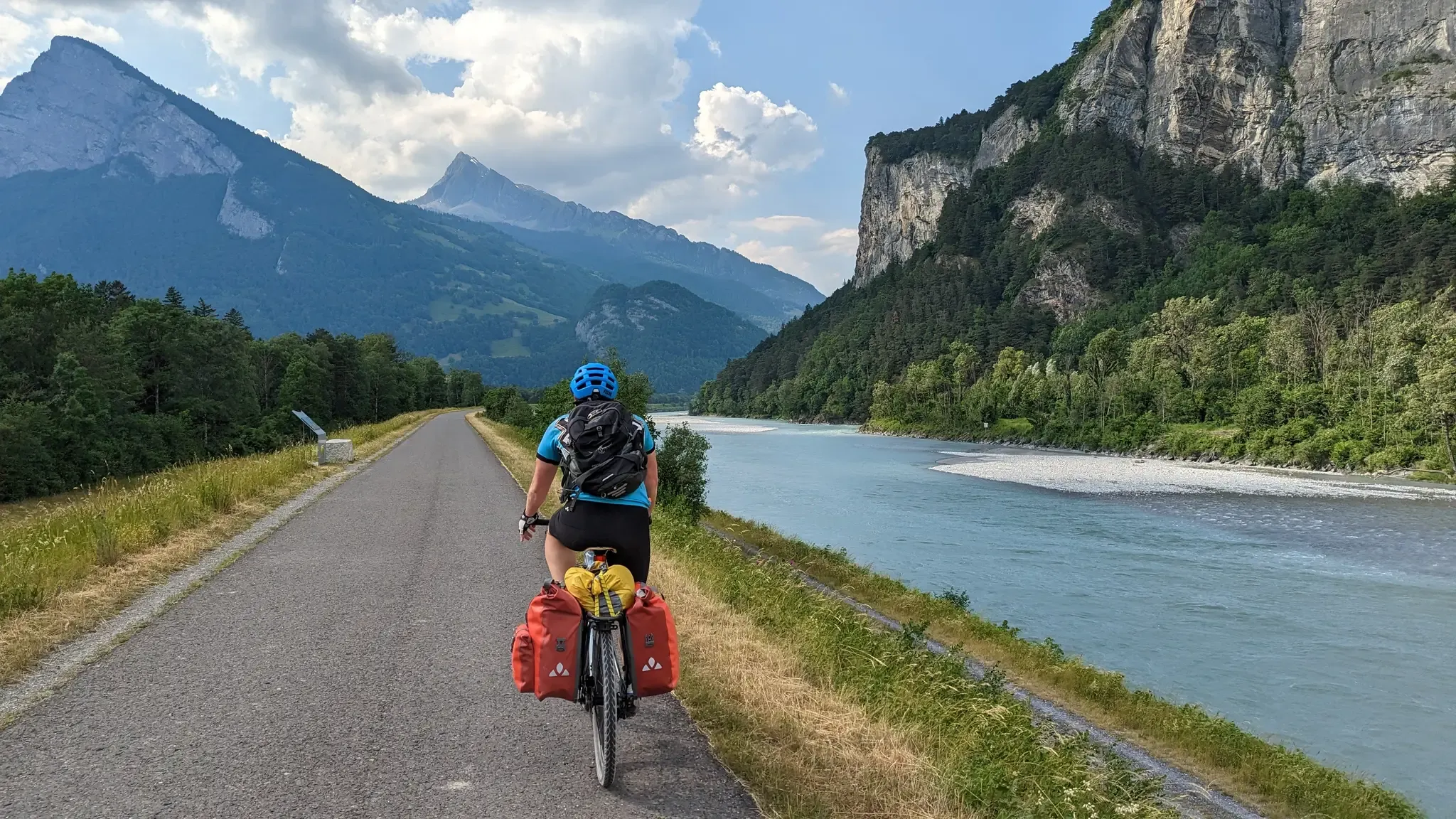
The Rhine Cycle Path — From the source to the North Sea
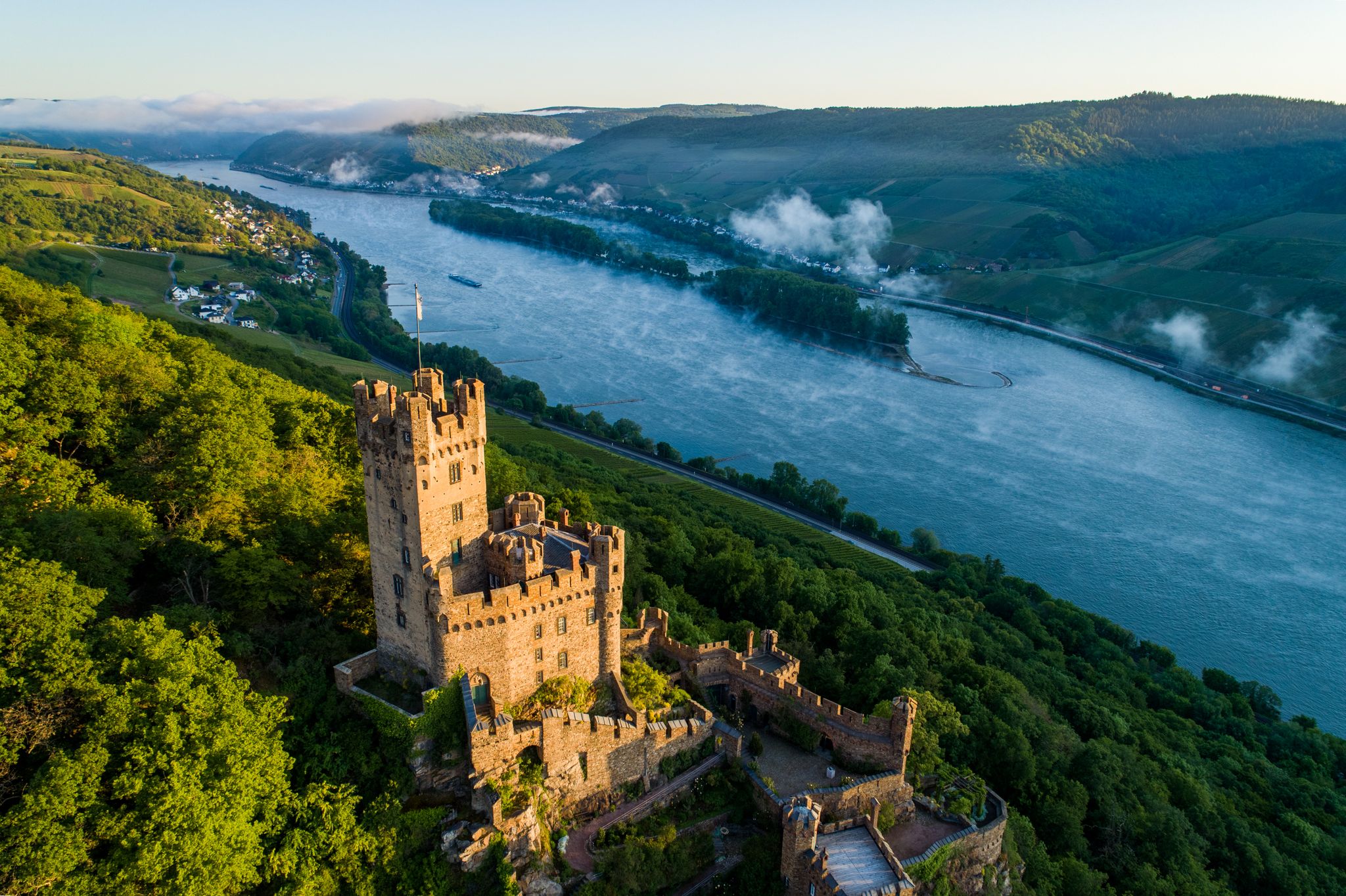
Stunningly beautiful – hiking on the RheinBurgenWeg
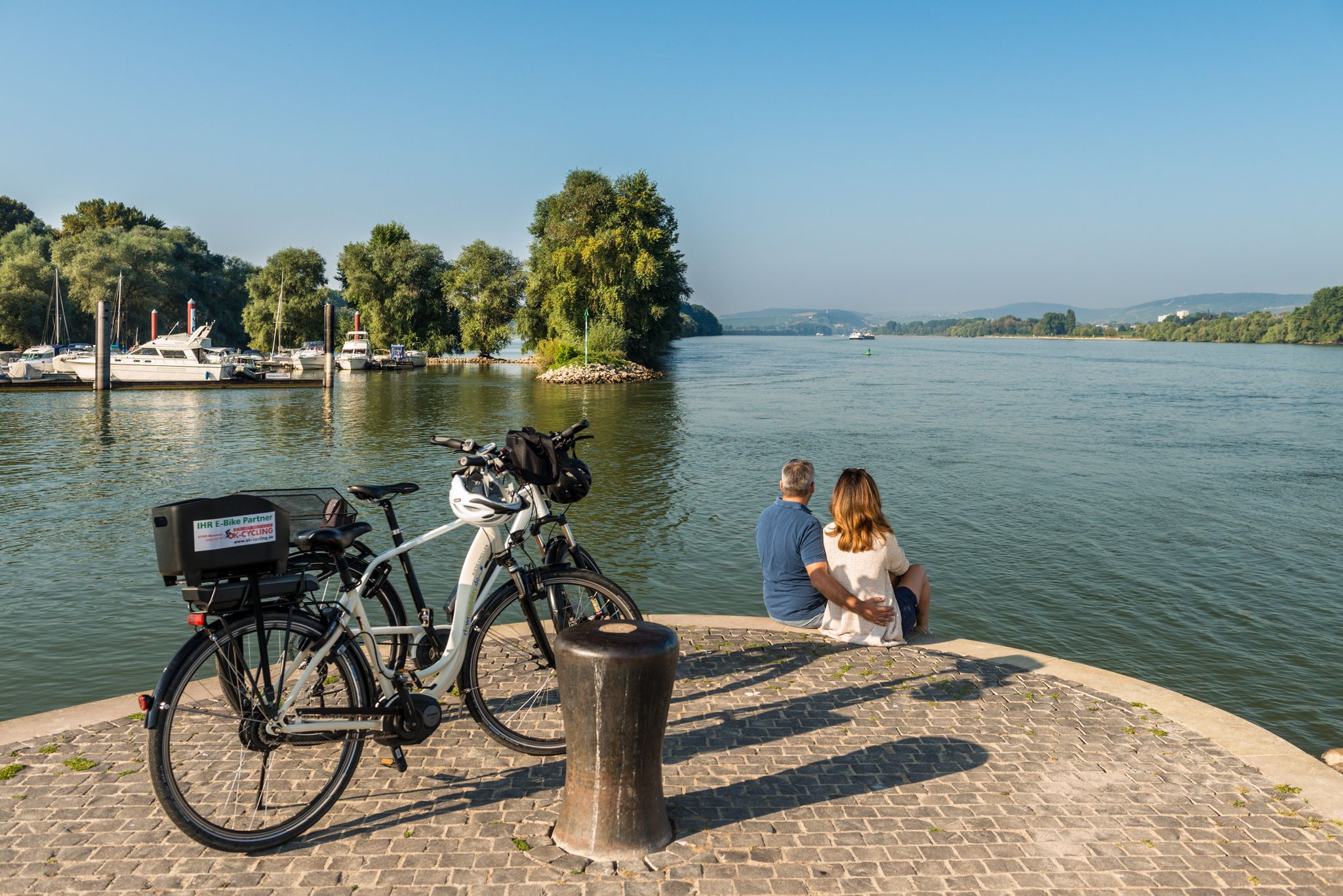
Cycling in Rheinhessen between Rhine and wine
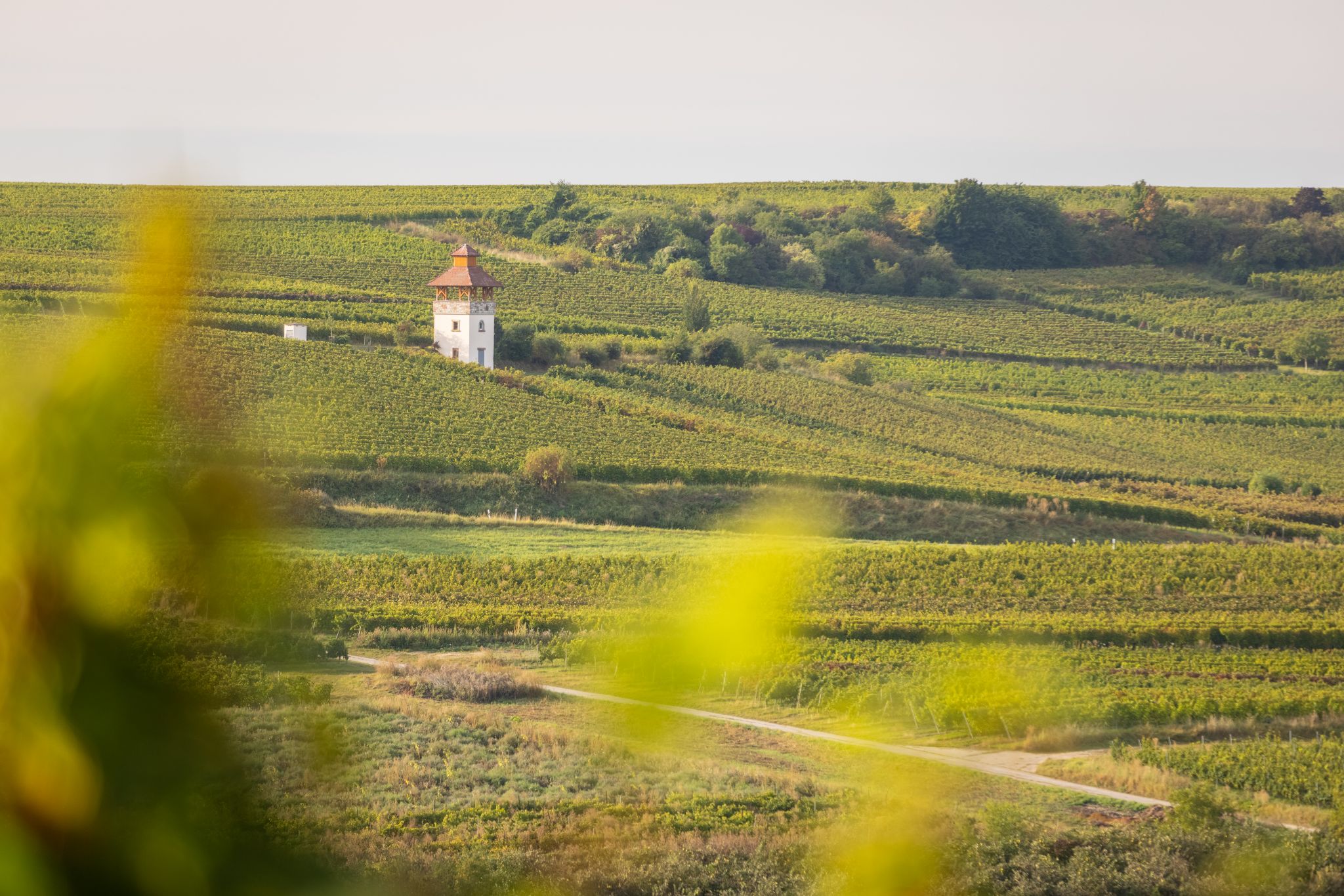
Vineyards and half-timbered houses – hiking magic in Rheinhessen
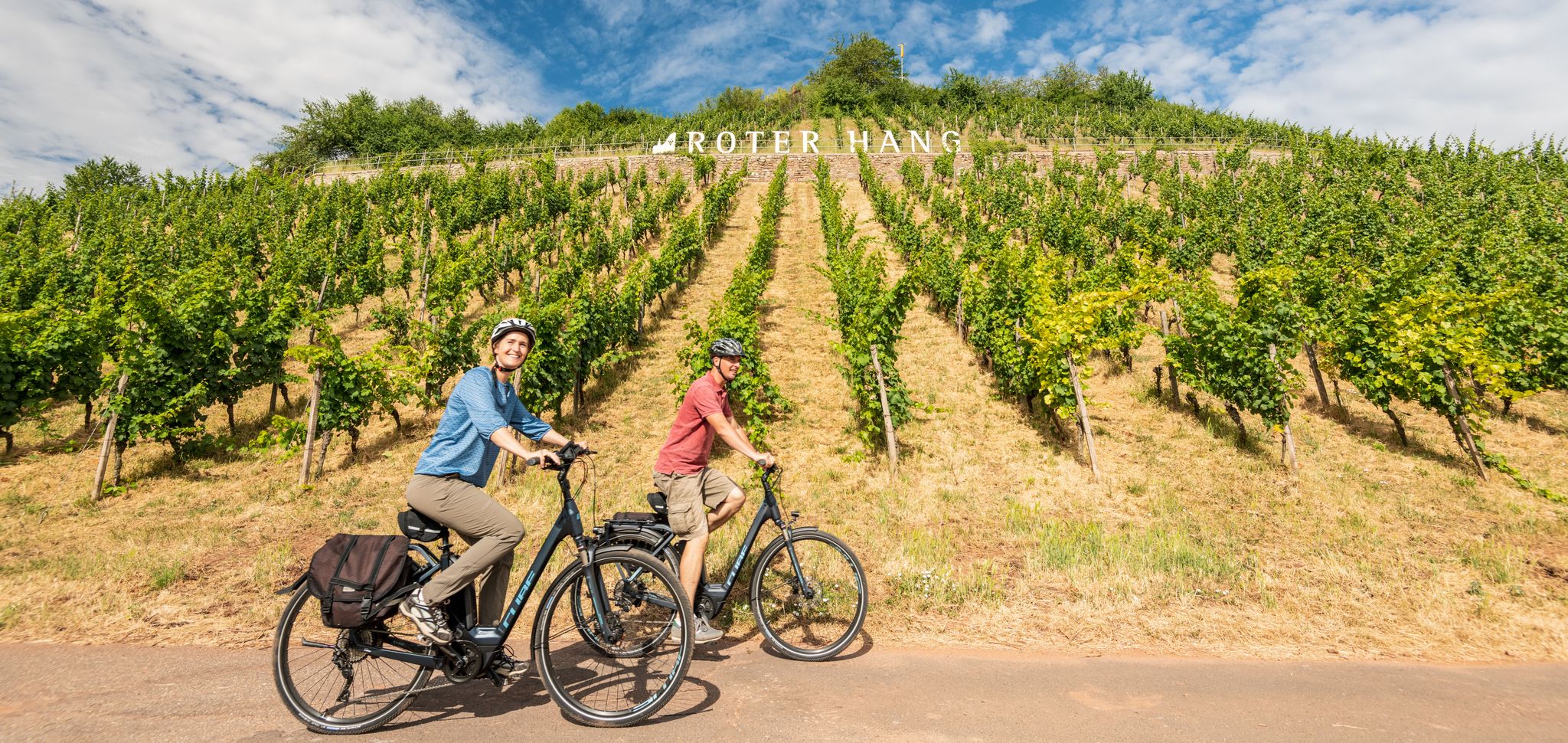
From the city to a sea of vines – cycling Tours in Rheinhessen

Out into spring – glorious hikes with the RMV
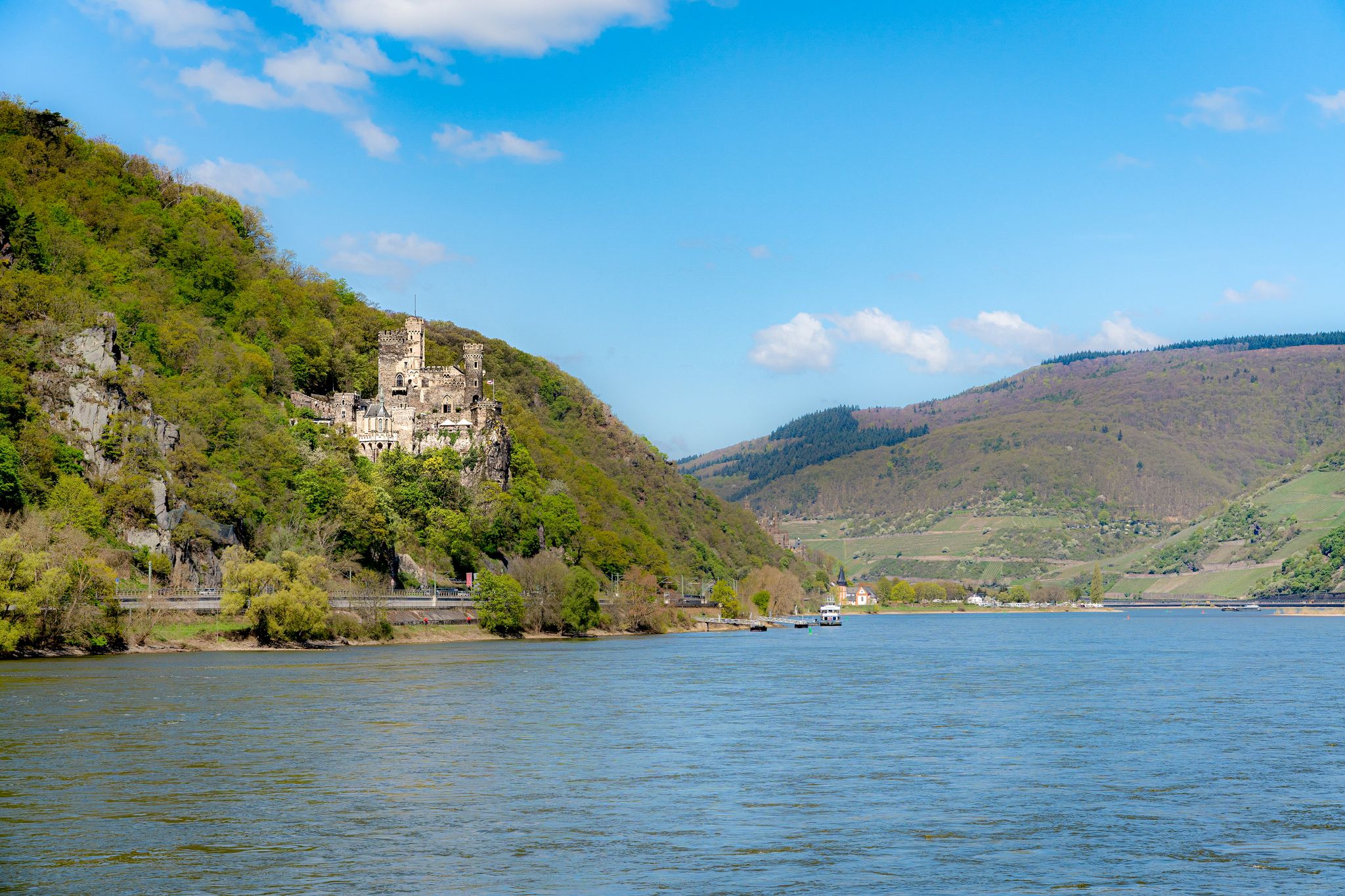
D-Route 8: Rhine Route
Peak tour through Germany: the highest pass and mountain roads
Other adventures in Mainz-Bingen


Tips from the Community


On the serpentine path (World Heritage Trail) to the Traumschleifchen there is a small shelter
1
0

Spectacular insight into slate mining
0
0

There are several slate mines around Steeg where mining continued until the 20th century. The mines are closed with steel bars for safety reasons.
0
0

Located directly on the street.
1
0


Directly on the path, a square opening leads into a spacious tunnel, which, however, leads diagonally down and is filled with water.
0
0
Frequently Asked Questions
What kind of underground experiences can I find in Mainz-Bingen?
Mainz-Bingen offers a mix of natural rock formations and significant man-made underground structures. You can explore historical mining tunnels like the Steeg Slate Mine, extensive cellar systems such as the Oppenheim Cellar Labyrinth, and small natural rock shelters like the Small Cave Entrance.
Are there guided tours available for the underground sites?
Yes, for historical sites like the Oppenheim Cellar Labyrinth, guided tours are available. These tours are highly recommended to learn about the 'city under the city' and its history as a hiding place and camp during wartime. For other sites, exploration might be self-guided.
What are the opening hours for the Oppenheim Cellar Labyrinth?
The Oppenheim Cellar Labyrinth has varying opening hours: from March to October, it's open Monday to Saturday from 10 a.m. to 5 p.m., and Sundays from 10 a.m. to 4 p.m. From November to February, it's open Monday to Friday from 10 a.m. to 5 p.m., and Saturdays from 11 a.m. to 2 p.m., remaining closed on Sundays. Tickets for guided tours can be booked at the Tourist Info next to the town hall.
Are the caves in Mainz-Bingen suitable for families with children?
The Oppenheim Cellar Labyrinth is generally considered family-friendly, offering an engaging historical experience. For natural caves, sites like the Small Cave Entrance offer a brief, accessible experience. However, some mining tunnels, such as the Steeg Slate Mine, can be partially water-filled and might be more challenging for very young children.
What should I wear when exploring caves in Mainz-Bingen?
For sites like the Steeg Slate Mine, where tunnels can be partially water-filled, waterproof footwear is advisable. Generally, comfortable clothing suitable for cooler, damp conditions and a reliable flashlight (even your phone's flashlight can help) are recommended for exploring darker sections.
Are there any historical caves or underground sites beyond Mainz-Bingen?
Yes, in the broader region, you can find sites like the Mainzer Unterwelten (Mainz Underworlds) at Fort Josef, which offers tours of historical military underground structures. Further afield in the Hunsrück region, the small Schinderhannes Cave is notable for its historical association with the legendary robber Schinderhannes.
What kind of geological features can be observed in the caves?
The region features caves formed in shale rock, often due to tectonic forces creating fissures. In the Steeg Slate Mine, you can observe machining marks from past mining operations, showcasing the industrial history intertwined with the geology. Other sites like the Old quarry and gallery also reveal insights into local rock formations and mining techniques.
What outdoor activities can I combine with a visit to the caves?
Mainz-Bingen offers various outdoor activities. You can find excellent hiking trails, such as the Hiwweltour Bismarckturm or Hiwweltour Westerberg. For cyclists, there are numerous gravel biking routes like the Vineyard Path in Rhenish Hesse. Running trails are also popular, including those in the Lenneberg Nature Playground area.
Are there any less-known or 'hidden gem' underground sites?
Beyond the more popular sites, you can explore places like the Mönchholzkopf Slate Mine, where the tunnel is barred for bats but you can still see remains of buildings and tools in the quarry. Another interesting spot is the Water tunnel, offering a different kind of underground exploration.
What is the best time of year to visit the caves in Mainz-Bingen?
Many underground sites, especially historical ones like the Oppenheim Cellar Labyrinth, are accessible year-round, with specific opening hours for different seasons. The cool temperatures underground can be particularly refreshing on hot summer days. For natural caves, accessibility might depend on weather conditions, but generally, they can be visited throughout the year.
Do I need a permit to explore the caves in Mainz-Bingen?
For guided tours of sites like the Oppenheim Cellar Labyrinth, you will need to purchase a ticket. For smaller, natural cave entrances or old mining tunnels that are publicly accessible, a permit is typically not required, but always respect any signage regarding access restrictions, especially for protected areas or bat habitats like the Mönchholzkopf Slate Mine.
Are there any accessible caves for visitors with mobility challenges?
While many natural caves and older mining tunnels in the region may have uneven terrain or require some agility, the Oppenheim Cellar Labyrinth, being a structured historical site with guided tours, might offer more accessible sections. It's best to inquire directly with the tour operators about specific accessibility options for visitors with mobility challenges.
Most popular routes in Mainz-Bingen
Most popular attractions in Mainz-Bingen

Get inspired with the komoot mobile app


Didn’t find what you were looking for?
Discover more caves in Mainz-Bingen region by region:
