Top 20 Castles in Zwettl
Best castles in Zwettl are found in the picturesque Waldviertel region of Austria, offering a glimpse into a rich history. This area is characterized by its granite rock formations and river valleys, providing strategic locations for historical fortifications. Visitors can explore a variety of medieval sites, from well-preserved castles to impressive ruins. The landscape around Zwettl combines natural beauty with significant cultural landmarks.
Best castles in Zwettl
- The most popular castles is Burg Rappottenstein, a castle that is strategically…
Last updated: July 11, 2026
Schloss Waldreichs
Highlight • Castle
Nothing remains of the original moated castle.
Translated by Google •
Tip by

Lichtenfels Castle Ruins
Highlight • Castle
Translated by Google •
Tip by

Sign up now to discover places like this
Get recommendations on the best single tracks, peaks, & plenty of other exciting outdoor places.
Sign up for free
Burg Rappottenstein
Highlight • Castle
Rapottenstein Castle tells of …
Translated by Google •
Tip by

Waldreichs Castle
Highlight • Castle
Translated by Google •
Tip by

Ottenschlag Castle
Highlight • Castle
Translated by Google •
Tip by
Arbesbach Castle Ruins (Stockzahn of the Waldviertel)
Highlight • Castle
Translated by Google •
Tip by

Arbesbach Castle Ruins
Highlight • Castle
Translated by Google •
Tip by

Austrian Freemasons' Museum at Rosenau Castle
Highlight • Castle
Translated by Google •
Tip by

Lichtenfels Castle Ruins and Lake
Highlight • Castle
Showing Translation
Tip by

Lichtenfels Castle Ruins
Highlight • Castle
Translated by Google •
Tip by

Sign up for free to discover even more castles in Zwettl.
Sign up for free
Already have an account?
Start today with a free account
Your next adventure awaits.
Login or Signup
Popular around Zwettl
Ysper-Weitental circular hiking trail – Unwind in Austria
North-South Trail through Austria – Small country, big paths!
The Path of Life — A (spiritual) hike through northeastern Austria
Eisenwurzen Trail – Hiking through Austria from north to south
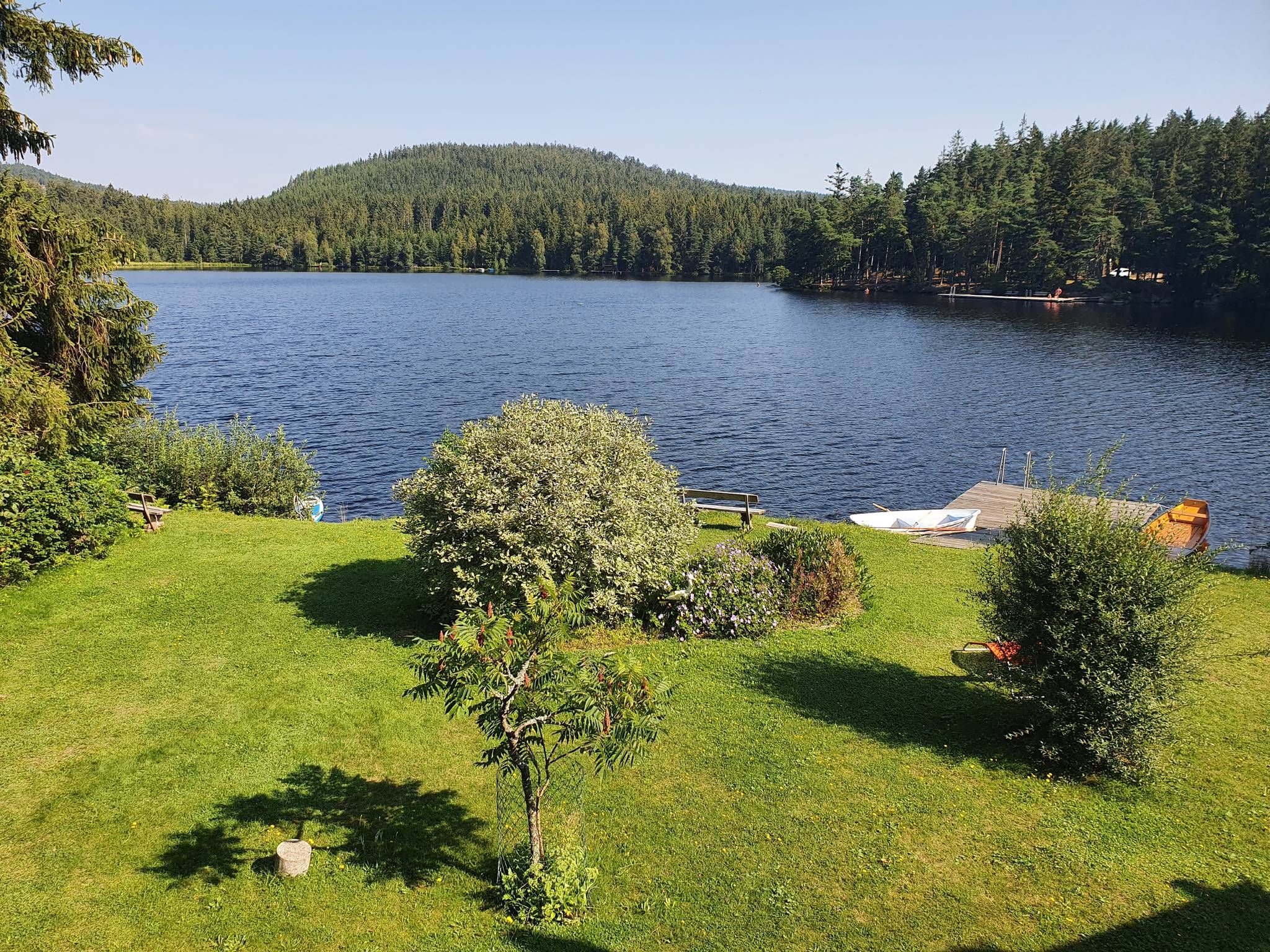
Kremstal Trail — Hiking along rivers through Lower Austria
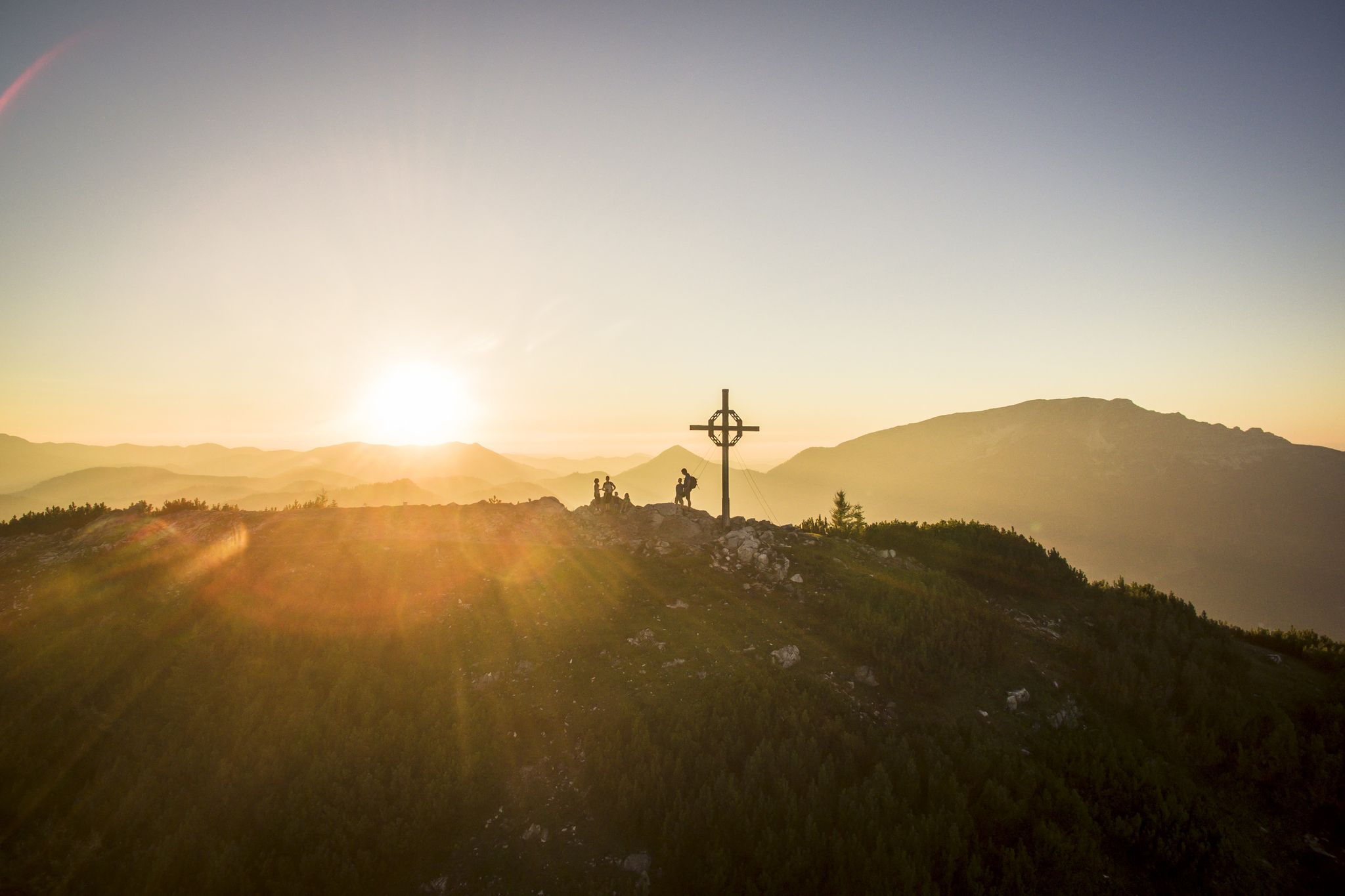
Hiking with a view – certified hiking villages in Lower Austria
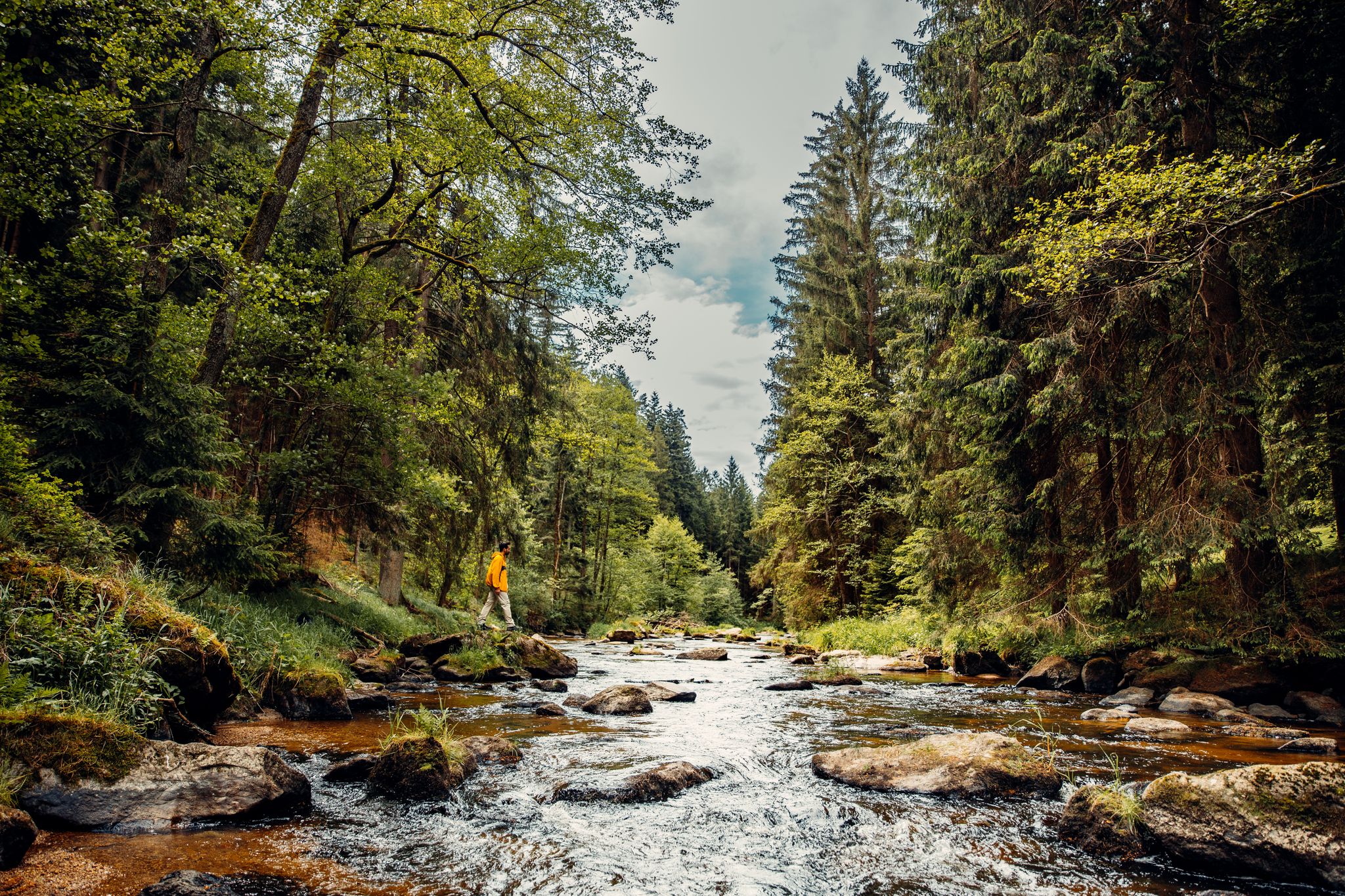
Cliffs, a gorge and vineyards – day hikes in the Waldviertel
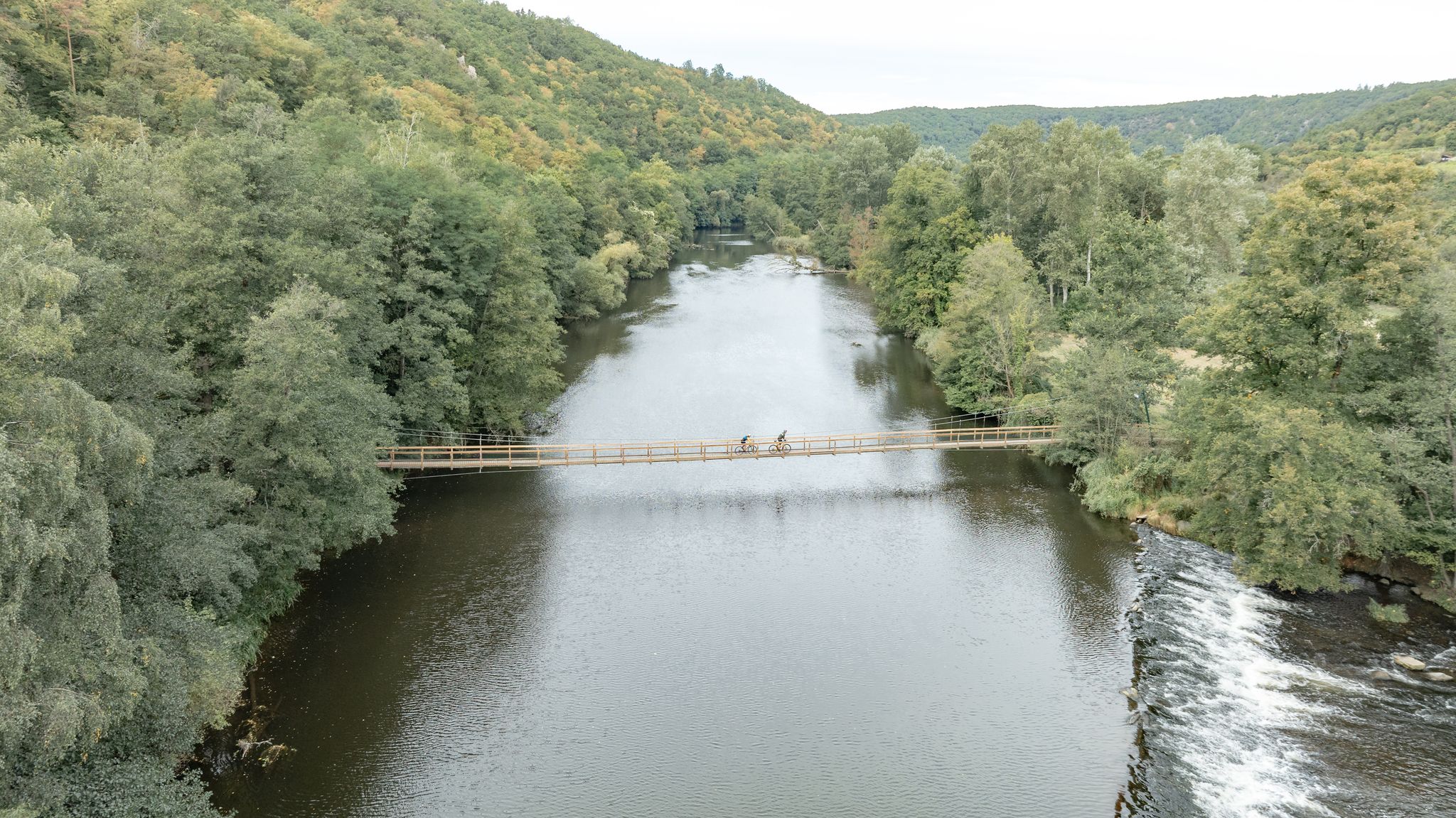
Long and short cycling Tours in the Waldviertel
An MTB adventure in Austria's loneliest region – Granite Trail

Discover Austria’s most beautiful family cycle paths with woom
Other adventures in Zwettl


Tips from the Community

From the 15th century onwards, Lichtenfels changed hands frequently until the castle came to Rastenberg in 1628. As the new owners moved their seat of power to Rastenberg, the slow decay of Lichtenfels began in 1774. In 1790, the Freiherrn von Bartenstein, who owned Rastenberg and Lichtenfels, sold the majority of the castle's roof to Stift Zwettl. The reason for this was the roof tax introduced by Emperor Joseph II, which was calculated based on the size of the roof areas. Numerous noble families throughout the country had their cold and uninhabitable castles de-roofed at that time to save taxes. In 1804, the last inhabitant left Lichtenfels castle, which has been owned by the Thurn-Valsassina family together with Rastenberg since 1872. The Romanesque chapel, formerly dedicated to the Apostle Paul, was a destination for small pilgrimages for a long time; the last one took place in 1960 from Friedersbach. Lichtenfels castle ruins can be visited all year round (at your own risk).
0
0
From the 15th century onwards, Lichtenfels frequently changed owners until the castle came into the possession of Rastenberg in 1628. As the new owners relocated their seat of power to Rastenberg, the slow decay of Lichtenfels began in 1774. In 1790, the barons von Bartenstein, who owned Rastenberg and Lichtenfels, sold the majority of the castle's roof to the Zwettl Abbey. The reason for this was the roof tax introduced by Emperor Joseph II, which was calculated based on the size of the roof areas. Numerous noble families throughout the country had their cold and uninhabitable castles stripped of their roofs at that time to save taxes. In 1804, the last inhabitant left Lichtenfels Castle, which, together with Rastenberg, has been owned by the Thurn-Valsassina family since 1872. The Romanesque chapel, formerly dedicated to the Apostle Paul, was a destination for small pilgrimages for a long time, the last of which took place in 1960 from Friedersbach. Lichtenfels Castle ruins can be visited all year round (at your own risk).
0
0
On a peninsula in the Ottenstein reservoir, the Lichtenfels castle ruins rise picturesquely. Before the creation of the reservoir (1954-1957) and the construction of the federal road B38 with the bridge completed in 1957, the Lichtenfels castle, first mentioned in 1248, stood lonely on a rocky ridge high above the Kamp river. In the 13th century, an important ministerial family resided here, initially bearing the nickname „Tursen“, deriving from Rauheneck castle near Baden, and towards the end of this century took the name „Lichtenfels“. Under their rule were numerous surrounding places, such as Friedersbach, for example. During the Hussite invasions of 1427/28, Lichtenfels served as a storage place for the archives and treasures of the Zwettl Abbey.
0
0
The Lichtenfels castle ruins rise picturesquely on a peninsula in the Ottenstein reservoir. Before the construction of the reservoir (1954-1957) and the erection of the federal road B38 with the bridge completed in 1957, the Lichtenfels castle, first mentioned in 1248, lay lonely on a rocky ridge high above the Kamp. In the 13th century, an important ministerial family resided here, initially bearing the nickname "Tursen", deriving from Rauheneck Castle near Baden, and towards the end of this century bearing the name "Lichtenfels". Numerous surrounding villages were under their dominion, including Friedersbach, for example. During the Hussite invasions of 1427/28, Lichtenfels served as a storage place for the archives and treasures of the Zwettl Abbey.
0
0

No Merlot here — the shelf stands empty, quiet, waiting for a bottle that never comes. Kein Merlot hier — das Regal bleibt leer, still, wartend auf eine Flasche, die nie kommt. Pas de Merlot ici — l'étagère reste vide, silencieuse, attendant une bouteille qui n'arrive jamais. No hay Merlot aquí — el estante queda vacío, silencioso, esperando una botella que nunca llega.
0
0
Schloss Waldreichs was first documented in 1258. Around 1400, Kaspar and Bernhard von Waldreichs are mentioned as feudal lords. After its destruction by an executionary army of the estates in 1446–1448, it was rebuilt as a fortress around 1450 under Hans Harrasser. The present-day ruin in the east wing, the chapel, and the eastern tower date from this period. In 1460, it was enfeoffed to Vinzenz Stodoligk. From 1519–1536, it was united with the Lordship of Ottenstein. Between 1530–1534, it was converted into a moated castle under Eustach Stodoligk. From 1533, it was a free property. In 1536, the complex passed to the Barons of Altena, who expanded it with a zwinger and a manor farm. After its conquest and plundering by imperial troops, the complex was rebuilt again and subsequently changed owners frequently. When it passed to Heinrich von Pereira-Arnstein in 1815, it was united with the Lordship of Wetzlas.
0
0
Schloss Waldreichs was first mentioned in documents in 1258. Around 1400, Kaspar and Bernhard von Waldreichs are mentioned as feudal lords. After its destruction by an execution army of the estates in 1446–1448, it was rebuilt around 1450 under Hans Harrasser as a fortress. The present ruin in the east wing, the chapel, and the eastern tower date from this period. In 1460, it was enfeoffed to Vinzenz Stodoligk. From 1519–1536, it was united with the Herrschaft Ottenstein. From 1530–1534, it was converted into a water castle under Eustach Stodoligk. From 1533, it was a free property. In 1536, the complex passed to the Barons von Altena, who expanded it with a zwinger and a manor farm. After its conquest and plundering by imperial troops, the complex was rebuilt again and subsequently changed owners frequently. When it passed to Heinrich von Pereira-Arnstein in 1815, it was united with the Herrschaft Wetzlas.
0
0

Arbesbach Castle is a top highlight that you should definitely plan a visit to. Even from a distance, you can recognize the so-called "Waldviertel's fang" (Stockzahn des Waldviertels). Once you arrive at the site, 126 steps lead up to the entrance where admission (currently €2.50) is payable in coins or by card. Then it continues inside upwards to the platform, which offers a fantastic view. There is also a circular path around the tower, which however requires some surefootedness and suitable shoes.
0
0
Frequently Asked Questions
What are some of the most historically significant castles to visit in the Zwettl region?
The Zwettl region is rich in history. Burg Rappottenstein is an ancient and elegant castle showcasing Romanesque, Gothic, and Renaissance styles, with a history dating back to the Kuenringer family. The Arbesbach Castle Ruins, also known as the "Stockzahn of the Waldviertel," was built in the late 12th century and served as a district court. Lichtenfels Castle Ruins, dating to the 12th century, famously served as a secret vault for Zwettl Abbey's treasures during the Hussite Wars.
Are there any castle ruins in the Zwettl area that offer great views?
Yes, the Arbesbach Castle Ruins are known for their impressive views. You can climb the Ferdinandwarte/Alexanderwarte via 127 steps to enjoy magnificent panoramas that extend all the way to the Alps. The Lichtenfels Castle Ruins, located on a peninsula of the Ottenstein reservoir, also offer stunning natural scenery alongside its majestic remains.
What kind of architectural styles can I expect to see in the castles around Zwettl?
The castles in the Zwettl region display a fascinating blend of architectural styles reflecting their long histories. Burg Rappottenstein, for example, features Romanesque, Gothic, and Renaissance elements, including 16th-century Renaissance frescoes and Gothic vaults. Many ruins, like those at Arbesbach and Lichtenfels, retain their medieval foundations and structures, offering a glimpse into earlier building techniques.
Are there family-friendly castles or historical sites near Zwettl?
Yes, several sites are suitable for families. Burg Rappottenstein offers guided tours that can be engaging for older children, and its castle garden provides a pleasant space. While Schloss Waldreichs itself cannot be visited inside, the Lower Austrian Falconry & Birds of Prey Center located there is freely accessible and often a hit with families. Ottenschlag Castle and Rosenau Castle are also categorized as family-friendly.
What outdoor activities can I do near the castles in Zwettl?
The region around Zwettl's castles is excellent for outdoor activities. You can find numerous hiking and cycling opportunities. For example, there are several routes near the castles that are part of the Waterfall hikes in Zwettl guide, or you can explore the Cycling in Zwettl guide for routes like the Thaya Tour Waldviertel or the Waldviertler Hochlandweg. The Lichtenfels Castle Ruins are particularly noted as an ideal destination for hikers.
What is the best time of year to visit the castles in Zwettl?
The best time to visit the castles in Zwettl is generally from spring to autumn. Burg Rappottenstein offers guided tours from May to September, with weekend openings in April and October. The Arbesbach Castle Ruins are open year-round from 7 AM to 10 PM, allowing for visits even in colder months, though the views are often clearest in good weather.
Are there any castles that are particularly well-preserved or offer a complete historical experience?
Burg Rappottenstein is one of the most well-preserved castles in the region. It allows visitors to explore its five forecourts, eight gates, Renaissance frescoes, Gothic vaults, and even a castle dungeon, providing a comprehensive historical experience. Zwettl Abbey, while not a castle, is also a significant historical and architectural masterpiece that has preserved much of its medieval appearance.
Can I visit castles that are not just ruins but also serve as cultural centers?
Yes, Göpfritz an der Wild Castle, first mentioned in the 14th or 15th century, now functions as a community center and hosts chamber music concerts, making it a cultural hub in the region.
What natural features are associated with the castles in the Zwettl area?
The castles are often integrated with the natural landscape. Burg Rappottenstein is perched on a granite rock in the valley of the small Kamp river. The Arbesbach Castle Ruins stand on a massive granite rock, offering views of the surrounding Waldviertel highlands. Lichtenfels Castle Ruins are uniquely situated on a peninsula of the Ottenstein reservoir, blending medieval architecture with stunning water scenery.
Are there any castles near Zwettl that are particularly popular with the komoot community?
Yes, the komoot community appreciates several castles in the region. Burg Rappottenstein is the most popular, known for its strategic location and architectural blend. Schloss Waldreichs is also a favorite, idyllically situated on cycle paths, and Arbesbach Castle Ruins are highly regarded for their historical significance and panoramic views.
Can I find cafes or restaurants near the castles in Zwettl?
While specific cafes directly within every castle are not common, some locations offer amenities. Ottenschlag Castle is listed as having a cafe and restaurant. For the Arbesbach Castle Ruins, the key for the tower can be obtained from a local bakery/cafe, suggesting nearby options for refreshments.
Are there any castles that were part of a larger defensive network?
Yes, the region's history includes such defensive structures. Schloss Waldreichs was once part of a ring of fortified castles built to protect the Austrian Mark. Similarly, Burg Rappottenstein was a strong link in a chain of fortifications along the Kamp River, protecting the country from invasions.
Most popular routes in Zwettl
Most popular attractions in Zwettl

Get inspired with the komoot mobile app


Didn’t find what you were looking for?
Explore Zwettl’s best castles region by region:
Explore more
Looking for the best castles somewhere else? Discover other guides in Zwettl:
