Top 3 Caves in South Dakota
Best caves in South Dakota are primarily located in the Black Hills, a region known for its unique geological formations and significant natural landscapes. This area features extensive subterranean systems, including some of the world's longest caves. The caves offer insights into geological processes and hold cultural importance for various Native American nations. Surface areas surrounding these caves also present diverse ecosystems with native wildlife.
Best caves in South Dakota
- The most popular caves is Wind Cave's Natural Entrance, a cave that is considered a sacred place for many Native American nations. This modest entrance is known as Maka Oniye, or "breathing earth," and is regarded as the birthplace of the Lakota nation.
- Another must-see spot is Jewel Cave National Monument Visitor Center, a cave that is the 3rd longest in the world. The cave features crystal-covered walls with formations such as cave bacon and cave popcorn.
- Visitors also love Wind Cave National Park, a natural monument that encompasses both extensive prairie and hills above ground and one of the world's longest cave systems below. The park is home to roaming wildlife, including bison and elk, alongside its subterranean wonders.
- South Dakota is known for its boxwork formations, glittering calcite crystals, and diverse speleothems. These caves offer a variety of geological features, from rare honeycomb-like structures to sparkling crystal-lined passages.
- The caves in South Dakota are appreciated by the komoot community, with 3 upvotes and 7 photos shared by visitors.
Last updated: May 15, 2026
Wind Cave's Natural Entrance
Highlight • Cave
Maka Oniye in Lakota means the earth that breathes. This underground origin is a sacred place for many Native American nations. Nothing stops you from meditating here and then taking the elevator a little further on which allows you to go into the bowels of the earth. The two sites are complementary.
Translated by Google •
Tip by

Jewel Cave National Monument Visitor Center
Highlight • Cave
It is necessary to enter the caves with a guide.
Tip by

Sign up now to discover places like this
Get recommendations on the best single tracks, peaks, & plenty of other exciting outdoor places.
Sign up for free
Wind Cave
Highlight • Cave
You descend quite deep into the belly of the earth during the visit, and it can be quite cool there.
For the Lakotas this place is sacred, because according to their legend, it is the exact place of their emergence from the underground world to the outside world. For more information, visit the National Park Service web page dedicated to this site: nps.gov/wica/index.htm
Translated by Google •
Tip by
Wind Cave National Park
Highlight • Cave
Below the surface, there is Wind Cave, which is one of the longest caves in the world. The caves are open for visits, as long as you go with a guide.
Tip by
Start today with a free account
Your next adventure awaits.
Login or Signup
Popular around South Dakota
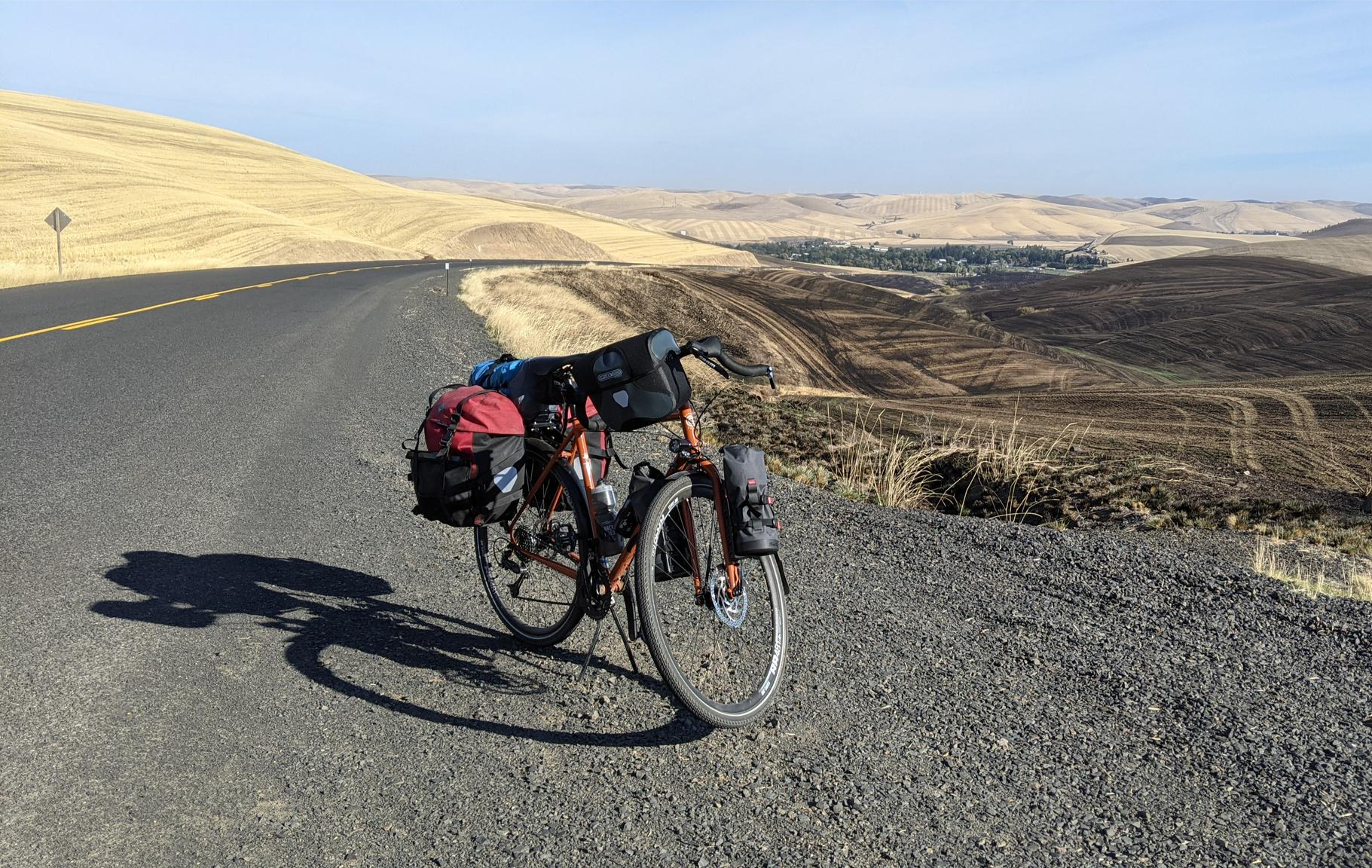
The Lewis & Clark Trail — Following the Corps of Discovery
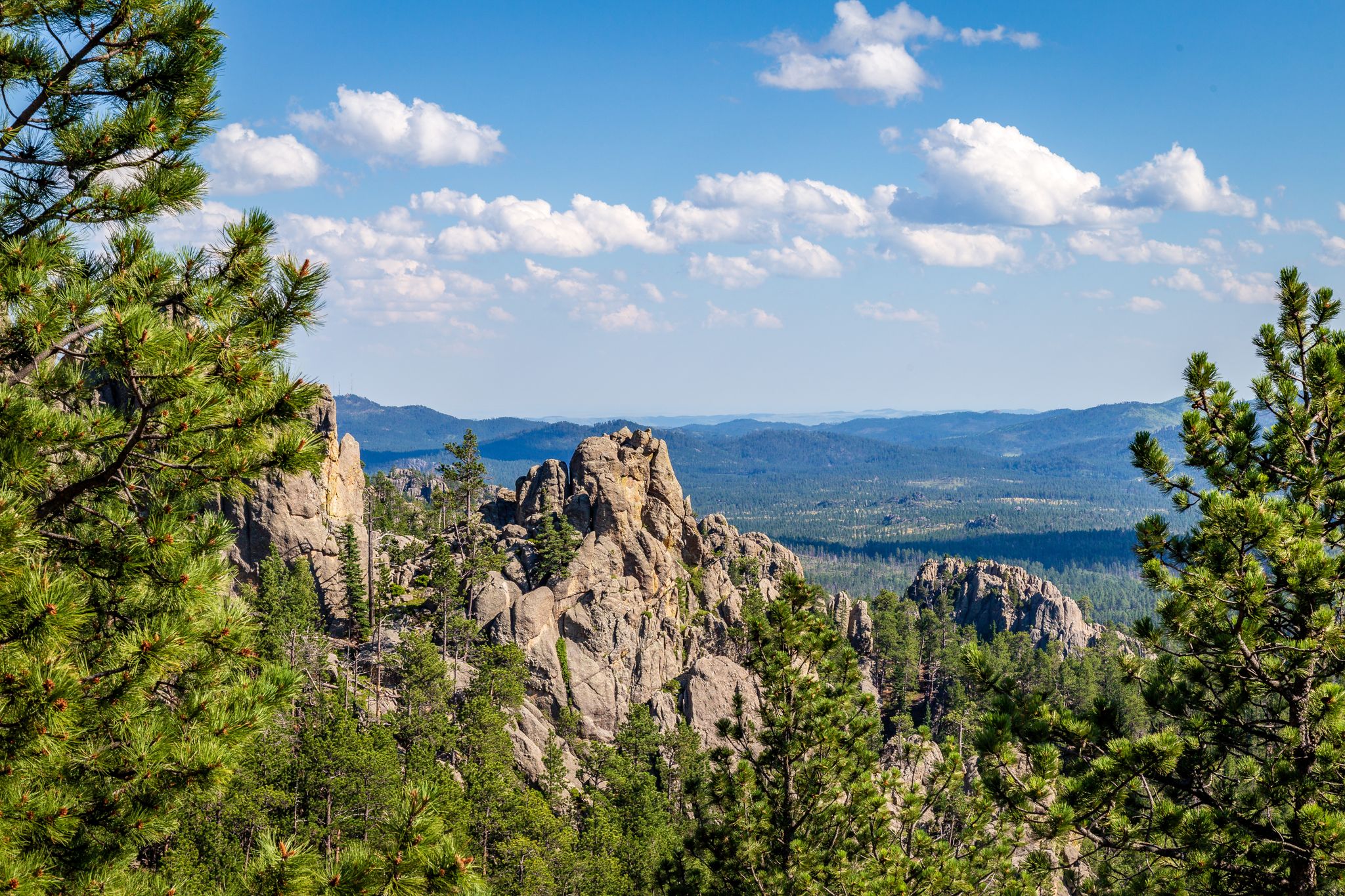
Centennial Trail: Deer Creek Trailhead to Needles Highway — Hiking the heart of the Black Hills
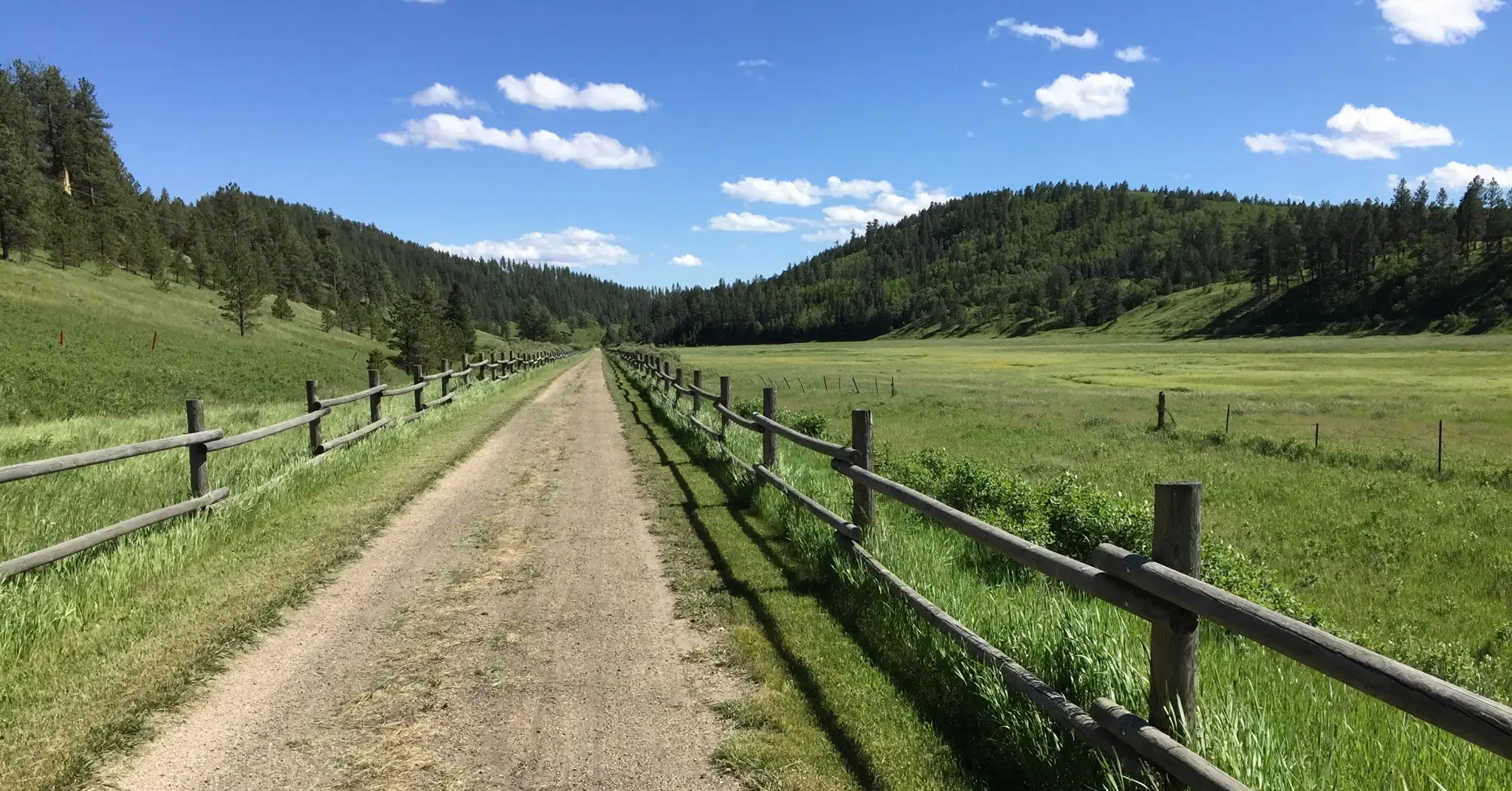
George S. Mickelson Trail — rail to trail through Black Hills gold country
In the heart of the Black Hills in South Dakota – Centennial Trail
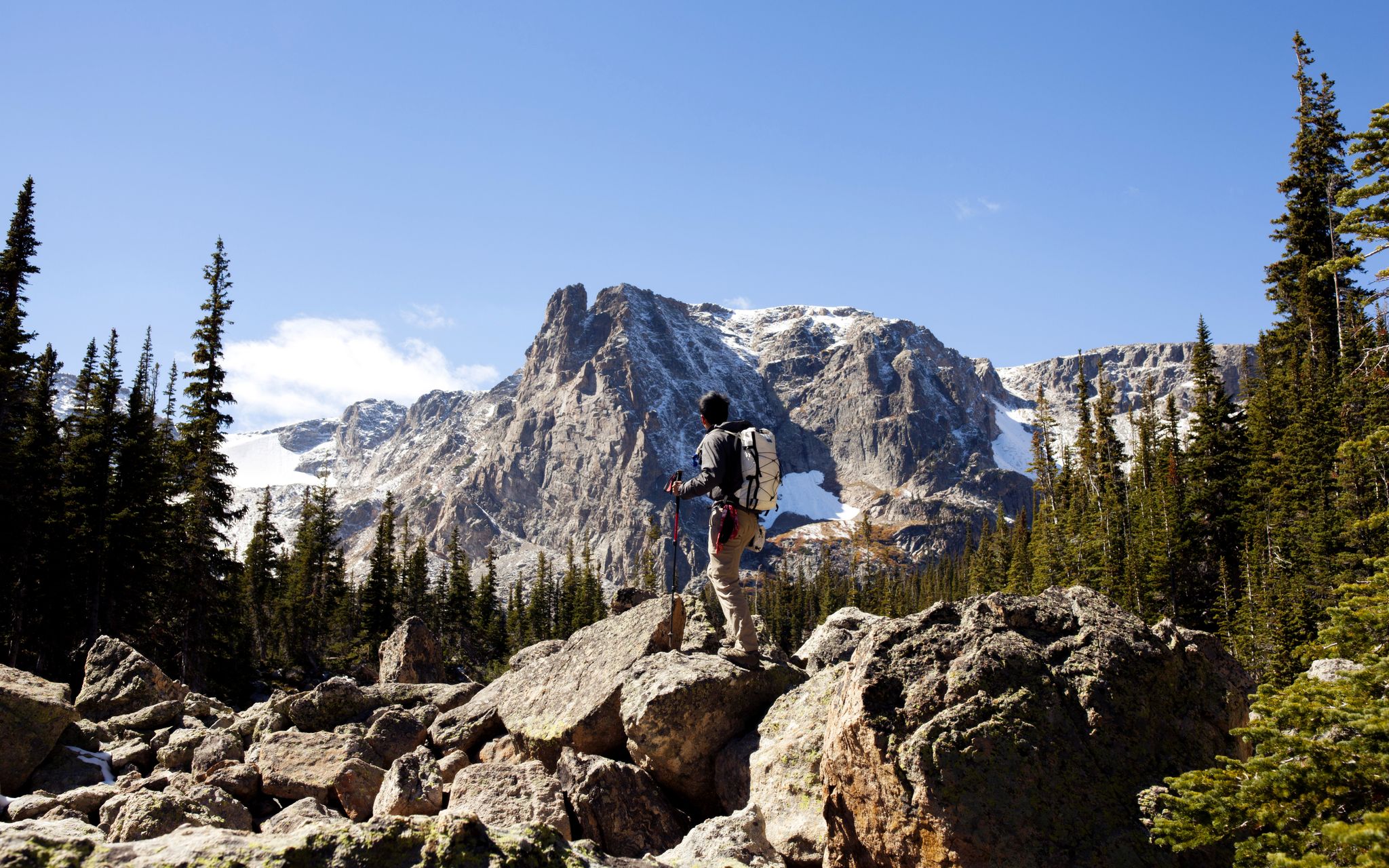
From the mountain peaks to the prairie – Rocky Mountains and Great Plains
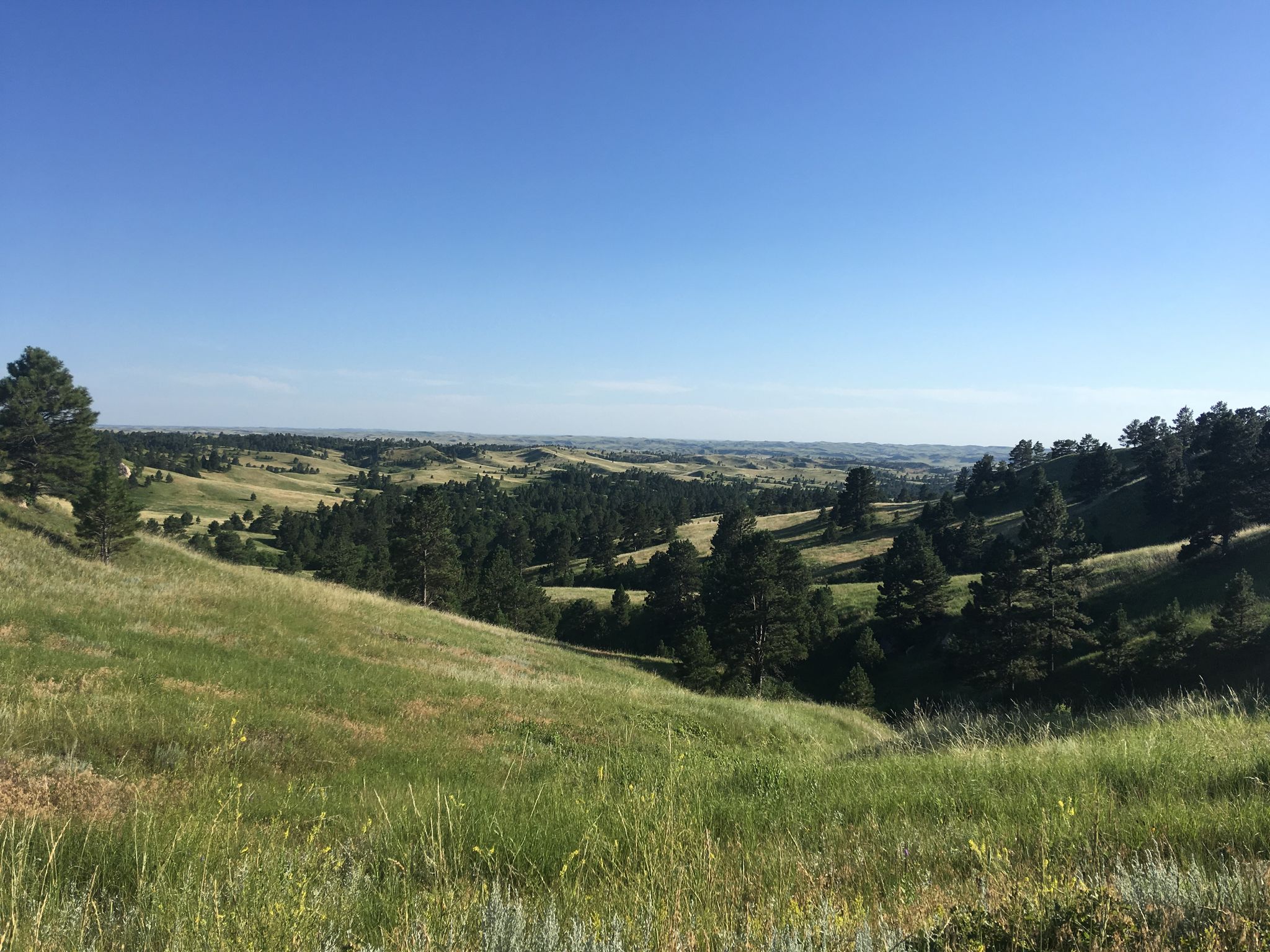
Paha Sapa in South Dakota and Wyoming — the Black Hills loop
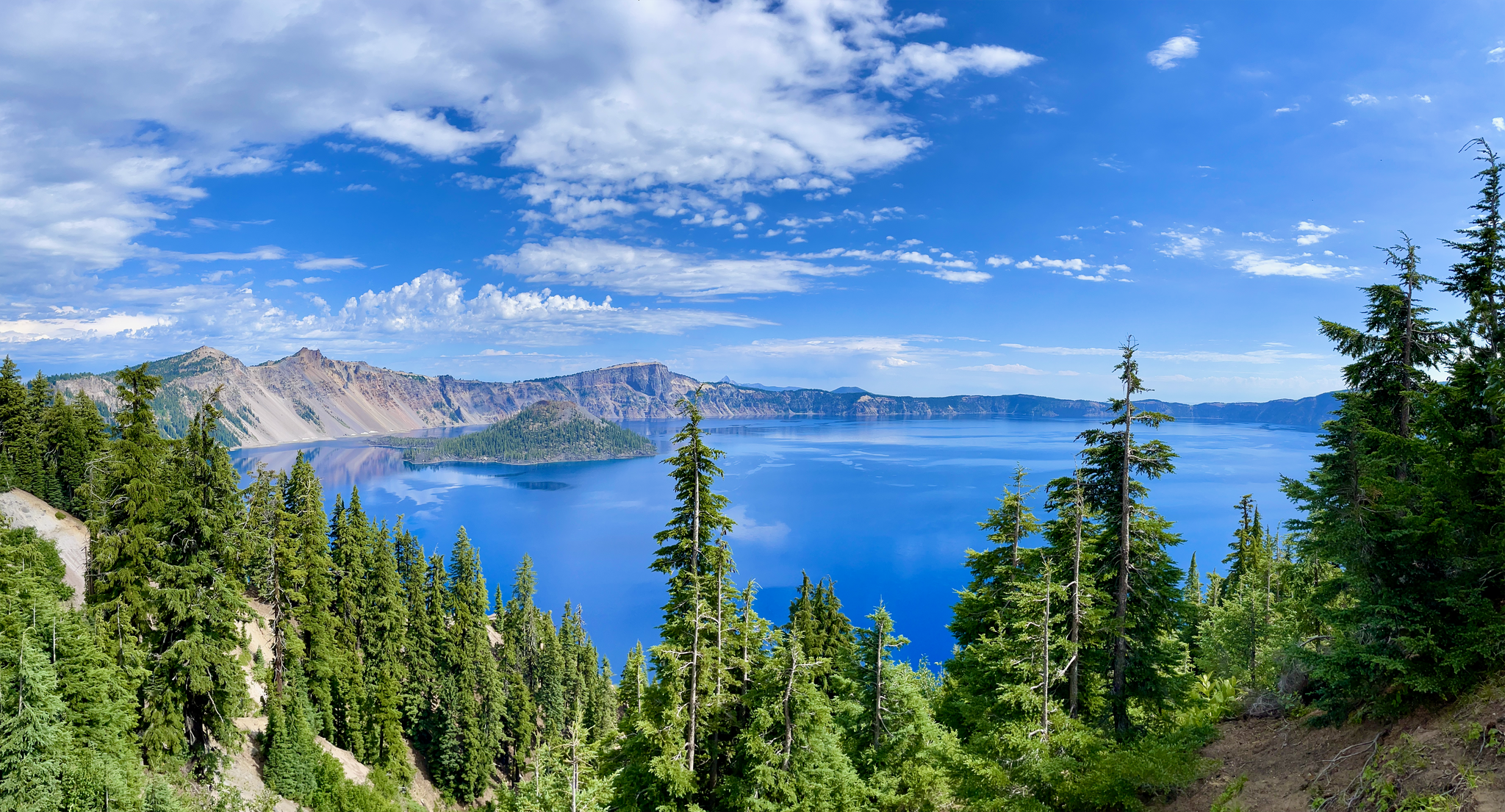
The pristine beauty of the US National Parks
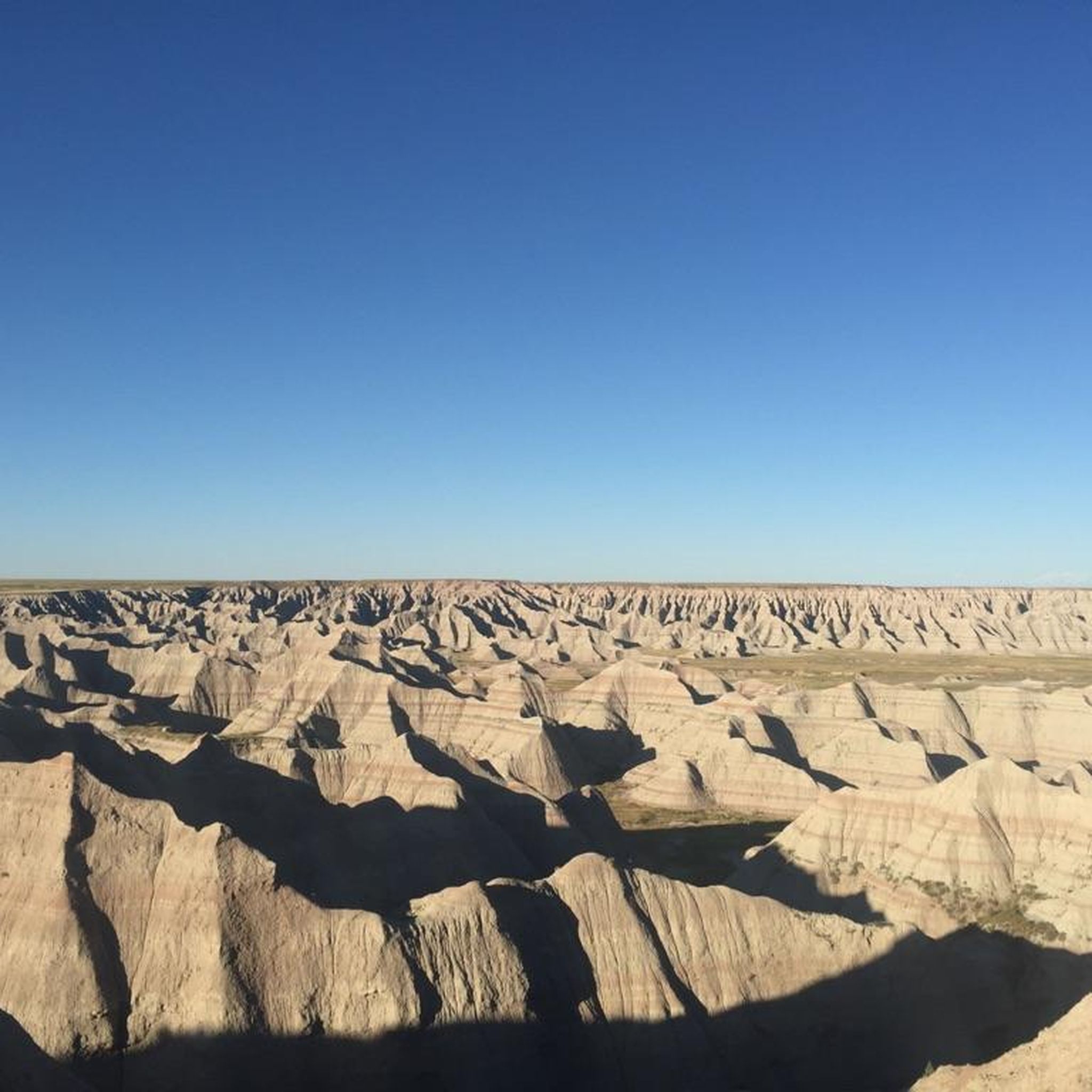
Hiking in South Dakota
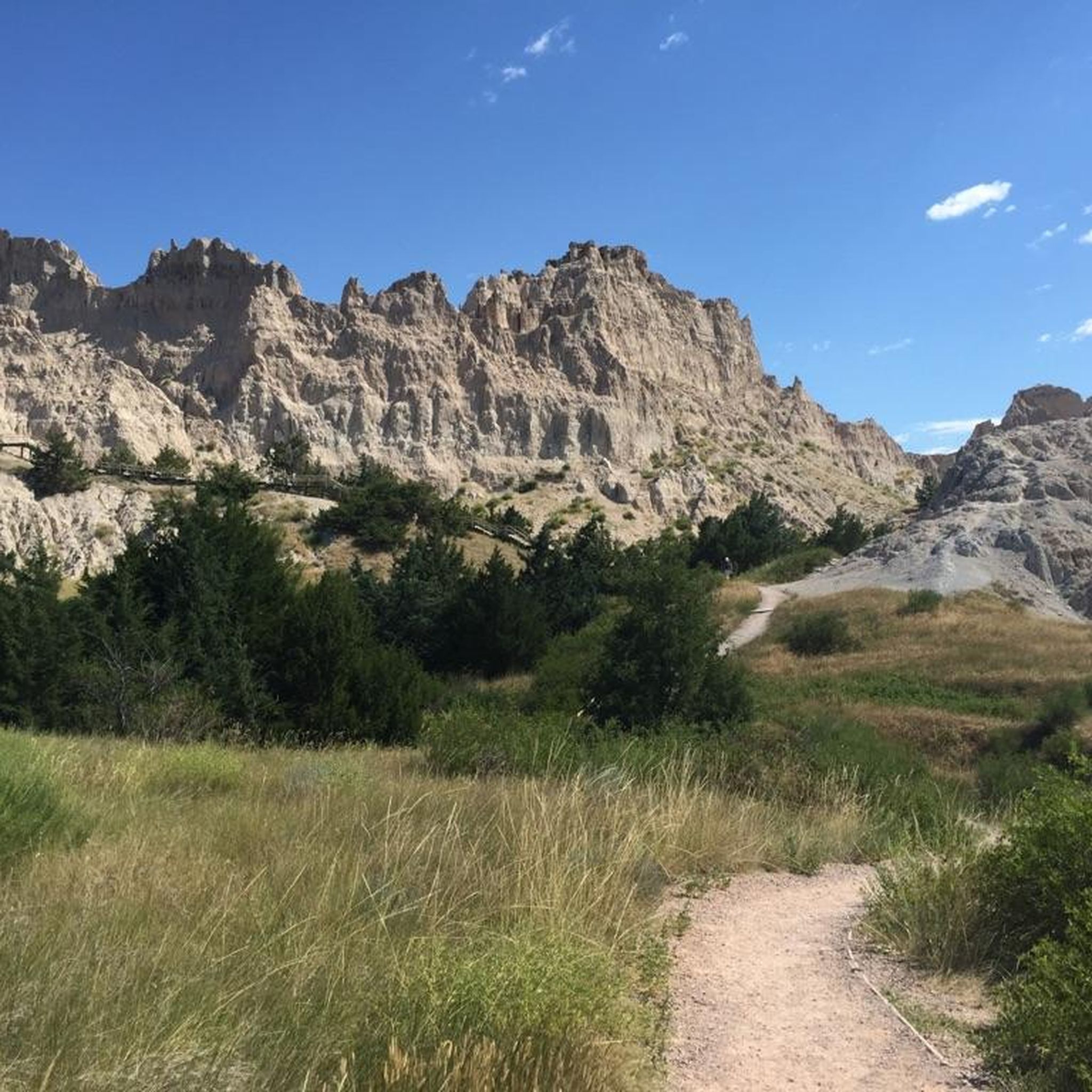
Cycling in South Dakota
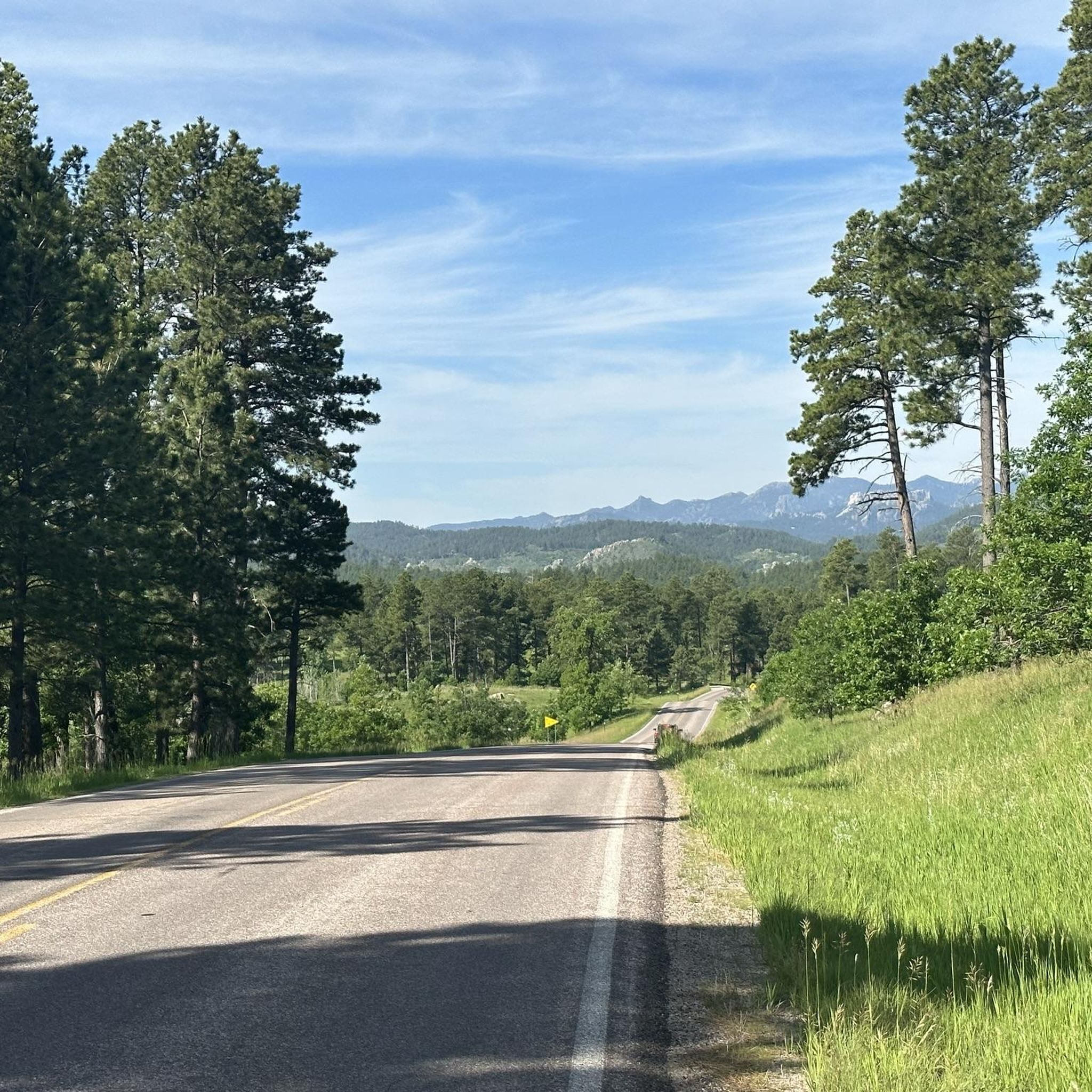
Road Cycling Routes in South Dakota
Other adventures in South Dakota


Tips from the Community

Discreet and natural entrance to the wind cave.
1
0
A large cave.
1
0

The natural entrance to Wind Caves is very discreet. It has nothing to do with the gigantic underground caves that can be visited a little further away by going to the very busy Visitor Center. Here, it is the spiritual aspect that prevails. This modest entrance is, in fact, considered the place of emergence of the Lakota nation. Maka Oniye in Lakota means the earth that breathes. This underground origin is a sacred place for many Native American nations. Nothing stops you from meditating here and then taking the elevator a little further on which allows you to go into the bowels of the earth. The two sites are complementary.
2
0

Jewel Cave National Monument is the 3rd longest cave in the world. The cave has crystal covered walls, showing off such formations as cave bacon and cave popcorn. It is necessary to enter the caves with a guide.
1
0
Jewel Cave National Monument is the 3rd longest cave in the world. The cave has crystal covered walls, showing off such formations as cave bacon and cave popcorn. It is necessary to enter the caves with a guide.
0
0
This is the location of the naturally formed entrance to Wind Cave. Contrary to the size and complexity of the cave beneath the ground, the entrance is only 10 inches wide. You can visit this site without a guide. If you want to enter the cave, you will need to hire a guide.
0
0
Wind Cave National park is home to 2 unique worlds. Above ground, there is prairie and hills, with roaming wildlife, including bison and elk. Below the surface, there is Wind Cave, which is one of the longest caves in the world. The caves are open for visits, as long as you go with a guide.
0
0

Seemingly in contradiction with the vast, complicated cave system below, the largest and most well-known natural entrance to Wind Cave is only about 10 inches wide. You can visit this entrance without being a part of an official tour; it is just a few hundred yards from the Visitor Center along a paved path. This is a very spiritual place for over 20 different Native American groups; it is considered the birthplace of the Lakota nation. In modern Lakota, this place is called Maka Oniye or "breathing earth," and is the passageway from where the first humans and bison emerged from deep below the earth. Many tribes utilize the park and this entrance to the Wind Cave for ceremonies. You might see prayer cloths and prayer bundles attached to trees around the natural entrance. Please avoid touching, disturbing, or photographing these cloths; treat this spot like you would a church or any other place of worship.
1
0
Frequently Asked Questions
What unique geological features can I expect to see in South Dakota's caves?
South Dakota's caves are renowned for their diverse and rare geological formations. You can find extensive boxwork, a honeycomb-like calcite formation, particularly prominent in Wind Cave National Park. Jewel Cave National Monument Visitor Center is famous for its glittering calcite crystals, including blunt 'nailhead spar' and pointed 'dogtooth spar,' along with flowstone, stalactites, stalagmites, and delicate soda straws.
Are there family-friendly cave tours available in South Dakota?
Yes, several caves offer family-friendly experiences. Wind Cave National Park and Jewel Cave National Monument provide various guided tours suitable for different ages and activity levels. Rushmore Cave, located near Mount Rushmore, is also known for its family-friendly guided walking tours and is part of an adventure park.
What is the best time of year to visit the caves in South Dakota?
The caves in South Dakota, particularly Wind Cave and Jewel Cave, maintain a consistent temperature year-round, making them accessible in any season. However, the surface areas of the national parks offer different experiences depending on the season. Summer (June-August) is popular for surface activities and wildlife viewing, but also the busiest. Spring and Fall offer milder weather and fewer crowds. Winter visits are possible, but some surface facilities or specific tours might have reduced hours.
What should I wear for a cave tour in South Dakota?
Cave temperatures are consistently cool, typically around 50-54°F (10-12°C), regardless of the outside weather. It's recommended to wear layers, including a light jacket or sweater, and comfortable, closed-toe walking shoes with good traction. Some tours may involve stairs or uneven surfaces.
How do Wind Cave and Jewel Cave compare?
Both Wind Cave National Park and Jewel Cave National Monument Visitor Center are extensive and globally significant cave systems. Wind Cave is known for its unique 'breathing' phenomenon and the vast amount of boxwork formations. Jewel Cave is celebrated for its glittering calcite crystals and is the world's fifth-longest cave system. Both offer guided tours, but Jewel Cave also provides more adventurous 'Wild Caving Tours' for those seeking a challenge.
Are there any historical or cultural aspects associated with the caves?
Yes, Wind Cave's Natural Entrance is considered a sacred site by many Native American nations, particularly the Lakota, who regard it as Maka Oniye, or 'breathing earth,' and the birthplace of their nation. The caves in the Black Hills also hold historical significance, with some, like Rushmore Cave, having been discovered by gold miners in the late 19th century.
What outdoor activities can I do near the South Dakota caves?
Beyond cave exploration, the areas surrounding the caves offer numerous outdoor activities. Near the Black Hills caves, you can find extensive hiking opportunities. For example, you can explore trails like Sylvan Lake Shore Trail or Black Elk Peak via Cathedral Spires Trail. There are also road cycling routes such as Badlands Loop Road and waterfall hikes like the Savoy-Waterfalls Trail. For more details, refer to the Hiking in South Dakota and Road Cycling Routes in South Dakota guides.
Do I need permits or reservations for cave tours?
Yes, guided tours are required to enter most developed caves in South Dakota, including those at Wind Cave National Park and Jewel Cave National Monument Visitor Center. It is highly recommended to check the official park websites or call ahead for tour schedules, availability, and to make reservations, especially during peak season, as tours can sell out quickly. For Wind Cave, you can check nps.gov/wica/.
Are there accessible options for visitors with mobility challenges?
Jewel Cave National Monument offers a 'Discovery Talk' which is an accessible program within the visitor center, providing an overview of the cave without requiring extensive walking or stairs. Some caves may also offer limited accessible tours or viewing areas. It's best to contact the specific cave's visitor center directly to inquire about current accessibility options and accommodations.
What wildlife can be seen above ground at Wind Cave National Park?
Wind Cave National Park encompasses a significant wildlife sanctuary on its surface. Visitors can observe a variety of animals, including bison, elk, and prairie dogs, roaming across its sprawling prairie grasslands and forested hillsides.
Are there any caves in South Dakota that are currently closed to the public?
Yes, Sitting Bull Crystal Caverns, once known for its exceptionally large 'dog-tooth spar' calcite crystals, has been closed to the public since 2015. The property was sold in 2020, and its future public access is uncertain.
Where can I find amenities like cafes or accommodation near the caves?
Visitor centers at Wind Cave National Park and Jewel Cave National Monument Visitor Center typically offer basic facilities. For a wider range of amenities, including cafes, restaurants, and accommodation, you would need to visit nearby towns in the Black Hills region, such as Custer, Hot Springs, or Keystone, which are within a reasonable driving distance.
Most popular routes in South Dakota
Most popular attractions in South Dakota

Get inspired with the komoot mobile app


Didn’t find what you were looking for?
Discover more caves in South Dakota region by region:
Explore more
Extend your search for the best caves by checking out these guides of the top ones in South Dakota:
