Top 12 Castles in Nitra
Best castles in Nitra are found within a region of Slovakia known for its historical depth and varied landscape. This area features numerous historic castles, often situated on hills or within valleys, showcasing centuries of architectural evolution. The strategic location along the Nitra Valley has significantly influenced its cultural heritage, providing insights into Roman, medieval, and later periods. Visitors can explore a range of sites, from ancient Roman forts to preserved manor houses.
Best castles in Nitra
- The most popular…
Last updated: October 14, 2026
Cathedral and Castle of Esztergom
Highlight • Religious Site
Translated by Google •
Tip by

Celemantia Roman Fort (Iža–Leányvár)
Highlight • Historical Site
Tip by

Sign up now to discover places like this
Get recommendations on the best single tracks, peaks, & plenty of other exciting outdoor places.
Gýmeš Castle
Highlight • Castle
Translated by Google •
Tip by

Topolčianky Castle
Highlight • Castle
Translated by Google •
Tip by

Hrušov Castle Ruins
Highlight • Castle
Translated by Google •
Tip by

Bastion No. II 🏰 Komárno
Highlight • Historical Site
Tip by
Oponice Castle Ruins
Highlight • Castle
Translated by Google •
Tip by
Nitra Castle
Highlight • Castle
Above the upper town.
Checkered history.
More information: de.wikipedia.org/wiki/Burg_Nitra and de.wikipedia.org/wiki/Nitra#Stadtbild
Translated by Google •
Tip by

View of Nitra Castle and Sports Complex
Highlight • Viewpoint
Translated by Google •
Tip by

Château Appony
Highlight • Castle
Translated by Google •
Tip by
Sign up for free to discover even more castles in Nitra.
Already have an account?
Start today with a free account
Your next adventure awaits.

Other adventures in Nitra

Tips from the Community

The Roman fort Celemantia (also known as Kelemantia or Leányvár) is a fascinating archaeological site in present-day Slovakia. It is particularly significant because it was one of the few Roman camps located directly on the "barbarian" side of the Danube.
1
0
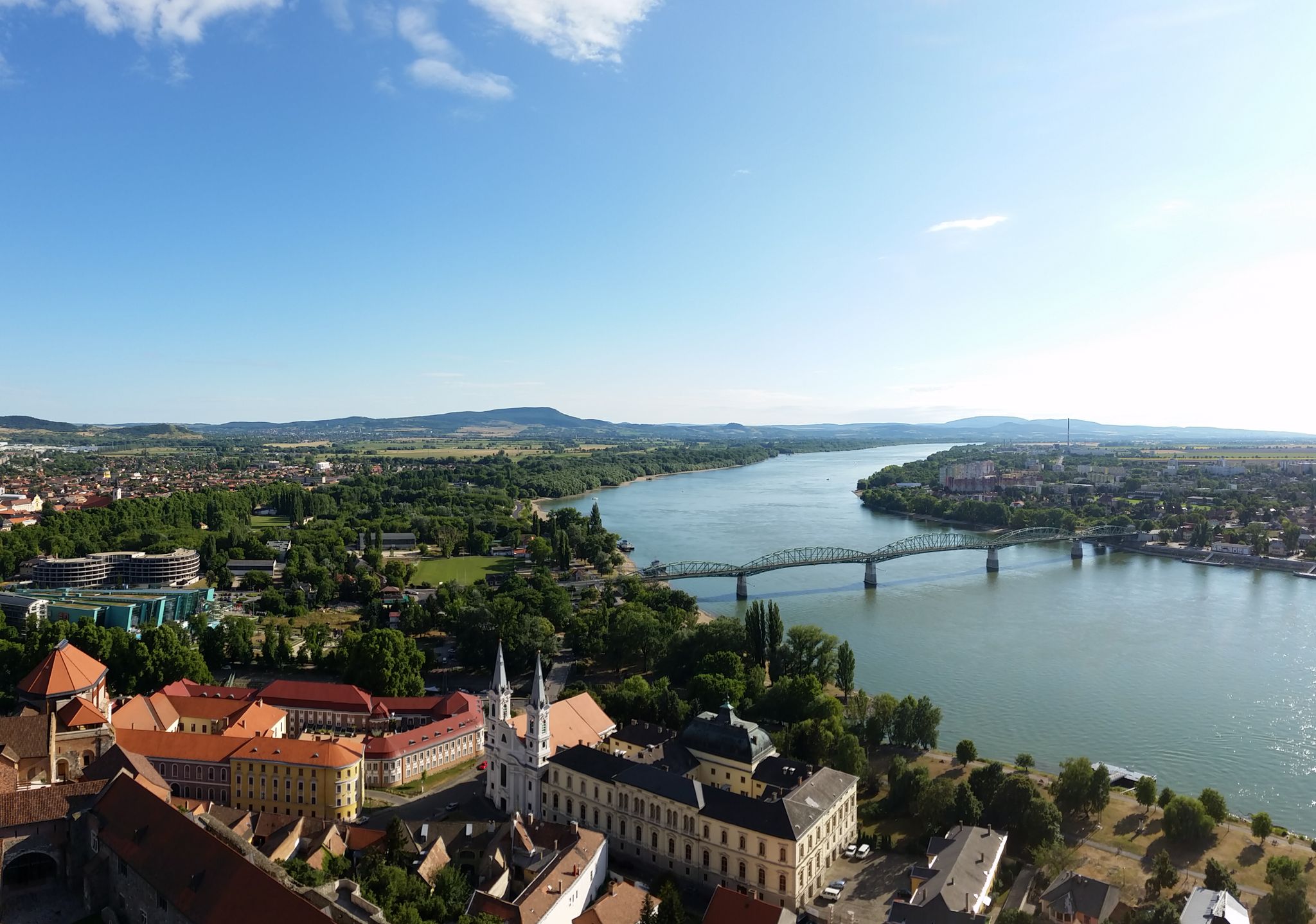
The Basilica of Esztergom is not just a church – it is the religious heart of Hungary and a true architectural masterpiece. Beneath the church lies a vast Egyptian-style crypt where the archbishops of Esztergom are buried, including the famous Cardinal Mindszenty. The basilica also houses one of the most important cathedral treasures in Europe, featuring goldsmith work spanning over a millennium. If you're not afraid of heights, the climb to the dome is well worth it. The view over the Danube Bend is phenomenal.
0
0

Its very large dome, clearly visible coming from the West, makes it a point of reference for the view.
1
0

Esztergom Cathedral is an elongated hall church with a short transept in the neoclassical style.
2
0

The majestic ruins of Gýmeš Castle, once the ancestral home of the Forgáčov family, are still the dominant feature of Upper Požitavia. The walls, which have been rebuilt many times, document the eventful history of the castle grounds and are a fine example of the continuous architectural development of the castle from late Romanesque architecture to the Baroque. The first written mention of the castle dates back to 1253 in the deed of gift from King Bela IV, whereby Andrej Hunt-Poznan acquired the castle for his services. The Bohemian king was unable to take the castle in 1271 and 1273. Website: hradgymes.sk
2
0
This is the majestic seat of the old Hungarian noble family Appony. It combines the graceful curves of the Renaissance with the purity of classicism, which transition from a brilliant white color into the green oasis of the adjacent park with rare trees. It is the only historic luxury hotel in Slovakia. Although "luxury" in this case does not necessarily mean very expensive.
3
0
The castle is first mentioned in sources in 1300, when it was the property of master Petr Čak. After the death of his heirs, the castle passed into the hands of the king. The Oponický Castle was under the administration of the royal castellan until 1392, when Peter Evra of Stráží finally became the sole owner. He was the first to derive his name from the name of the castle and from 1411 he began to use the predicate "de Appon". The Hussite threat in the first half of the 15th century forced the castle owners to build a new fortification with modern loopholes. The looming Turkish threat was another incentive to further expand the castle. The then owner of the castle, Bene dikt Apponi, had a cannon bastion called Terés built on the west side. At the end of the 16th century, when Juraj Apponi was the owner of the castle, another reconstruction took place at the castle, with the focus on the development of artillery. To meet the needs of long-term residents of the castle, he built rooms that also met the requirements of representing a family with high social status. During this period, the Renaissance castle was built in the north-eastern part of the forecourt. It was Juraj's brother Peter who completed this reconstruction. In 1645, a devastating fire broke out at the castle. During the Rákoci Uprising, the castle still served as a refuge for the insurgents. At the end of the 17th century, the castle was probably blown up by the Turks or completely destroyed during the uprising of Juraj Rákoci II.
3
0
The castle is freely accessible, but the entire complex is a dilapidated ruin. The central entrance alone is adventurous. Here, branches have been nailed together to form a makeshift bridge. Here, friends of the castle have made the ruins accessible to visitors with little money and a lot of initiative. Red information signs point out your own responsibility: "Entry into the grounds of Oponicke Castle is at your own risk. BE RESPONSIBLE, THANK YOU" How wonderfully pragmatic! Even if you don't dare cross the bridge, the walk is worth it. The forecourt of the castle is grassy and invites you to linger. You have a wonderful view of the lovely cultural landscape with the rolling hills and the surrounding villages.
3
0
Frequently Asked Questions
What are some of the most historically significant castles in the Nitra region?
The Nitra region is rich in history. Nitra Castle is a dominant landmark with roots tracing back to the 9th century, featuring Romanesque, Gothic, and Baroque architecture, including St. Emmeram's Cathedral. Topoľčianky Castle, a Classicist manor, served as a summer residence for Habsburg royalty and later Czechoslovak presidents. The ruins of Gýmeš Castle also offer a glimpse into continuous architectural development from late Romanesque to Baroque styles.
Which castles in Nitra offer the best panoramic views?
Nitra Castle, perched on a rocky hill, provides stunning panoramic views of the city and its surroundings. The ruins of Hrušov Castle, located in the Tribeč Mountains, also offer a wide panoramic view of the Tribeč and Pohronský Inovec mountains.
Are there family-friendly castles to visit in Nitra?
Yes, several castles in the Nitra region are suitable for families. Topoľčianky Castle, with its museum and extensive English garden, is a great option. The Celemantia Roman Fort (Iža–Leányvár), an archaeological site, can also be an engaging educational visit for families interested in ancient history.
What is the best time of year to visit castles in the Nitra region?
While castles can be visited year-round, spring and autumn generally offer pleasant weather for exploring both indoor and outdoor areas. Summer is also popular, though it can be warmer. Winter visits are possible, but some outdoor areas or specific castle sections might have limited access or different opening hours.
How accessible are the castles in Nitra for visitors using public transport or needing parking?
Nitra Castle is located within the city of Nitra, making it relatively accessible by public transport within the city. For other castles, especially those in more rural settings like Gýmeš Castle or Oponice Castle Ruins, driving and parking nearby is often the most convenient option. Specific parking availability varies by site.
How long should I plan for a visit to a major castle like Nitra Castle?
For a comprehensive visit to Nitra Castle, including St. Emmeram's Cathedral, the Bishop's Palace, and the Diocesan Museum, you should plan for at least 2-3 hours. If you wish to explore the grounds and enjoy the panoramic views, you might extend your visit to half a day.
What outdoor activities or hiking trails are available near the castles in Nitra?
The Nitra region offers various outdoor activities near its castles. For easy hikes, you can explore routes like the 'Gýmeš Castle loop from Jelenská gaštanica' or 'Gýmeš Castle – Gýmeš Ruins loop from Kostoľany pod Tribečom' near Gýmeš Castle. You can find more hiking options in the Easy hikes in Nitra guide.
Are there specific routes for mountain biking near Nitra's castles?
Yes, there are mountain biking opportunities. For example, a 'Veľký Inovec (901 m) – Topolčianky Castle loop from Topoľčianky' offers a moderate challenge near Topoľčianky Castle. You can discover more MTB trails in the MTB Trails in Nitra guide.
What makes <a href="https://www.komoot.com/highlight/2562381" target="_blank" rel="noopener">Nitra Castle</a> a significant historical site?
Nitra Castle is a national cultural monument, serving as the seat of the Diocese of Nitra. Its significance lies in its long history, dating back to the 9th century, and its architectural blend of Romanesque, Gothic, and Baroque styles. The complex includes the impressive St. Emmeram's Cathedral, which still holds regular services, and the historic Bishop's Palace.
Can I visit the ruins of <a href="https://www.komoot.com/highlight/3417142" target="_blank" rel="noopener">Oponice Castle</a>, and what should I expect?
Oponice Castle Ruins are freely accessible. While the entire complex is a dilapidated ruin, it offers a glimpse into medieval history, including an impressive gun bastion. Visitors should be aware that the site is largely unrestored, and caution is advised due to the nature of ruins. Friends of the castle have made efforts to make parts accessible, but entry is at your own risk. The forecourt is grassy and offers a wonderful view of the surrounding landscape.
What is the <a href="https://www.komoot.com/highlight/255028" target="_blank" rel="noopener">Celemantia Roman Fort (Iža–Leányvár)</a>, and why is it important?
Celemantia Roman Fort (Iža–Leányvár) is the largest known Roman castellum in present-day Slovakia, located near Komárno. It was part of the Roman Limes, a UNESCO World Heritage Site, and served to secure an important river crossing on the Danube. Its ruins provide significant archaeological insight into the Roman Empire's presence in the region, with its construction starting in the 2nd half of the 1st century.
Are there any castles in the Nitra region that have been converted into hotels or offer accommodation?
Yes, Topoľčianky Castle has three Renaissance wings that now function as a hotel and restaurant, offering a unique historical experience for guests. Additionally, in the village of Oponice, a reconstructed Renaissance manor house belonging to the Apponyi family, known as Château Appony, now functions as a hotel with a historical library.
Most popular routes in Nitra
Most popular attractions in Nitra

Get inspired with the komoot mobile app


Explore more
Looking for the best castles somewhere else? Discover other guides in Nitra:
