Top 20 Castles in Masovian Voivodeship
Best castles in Masovian Voivodeship are found across a region rich in Polish history and architectural heritage. This area, particularly around Warsaw, features a diverse collection of historical sites. These range from meticulously rebuilt royal residences to medieval ruins, offering varied experiences for visitors. The region's landmarks provide insight into centuries of Polish culture and architectural evolution.
Best castles in Masovian Voivodeship
- The most popular castles is Royal Castle, a castle that was rebuilt between 1971 and 1988 after its destruction in World War II. It is a UNESCO World Heritage Site and served as the seat of the Dukes of Mazovia and later as the center of royal power.
- Another must-see spot is Radziejowice Palace and Park, a historical site with a lake and cafe. This palace, rebuilt multiple times, now functions as a cultural and conference center, surrounded by a vast park ideal for walks.
- Visitors also love Wilanów Palace, a historical site known as the "Polish Versailles." This Baroque palace, built for King Jan III Sobieski, features opulent furnishings and extensive gardens.
- Masovian Voivodeship is known for royal residences, medieval ruins, and palaces. The region offers a variety of castles to see and explore, from restored historical sites to atmospheric fragments of ancient fortresses.
- The castles in Masovian Voivodeship are appreciated by the komoot community, with 439 upvotes and 215 photos shared across 41 highlights.
Last updated: July 11, 2026
Royal Castle
Highlight • Castle
Translated by Google •
Tip by

Warsaw Barbican
Highlight • Historical Site
Translated by Google •
Tip by

Sign up now to discover places like this
Get recommendations on the best single tracks, peaks, & plenty of other exciting outdoor places.
Sign up for free
Execution Gate, Warsaw Citadel
Highlight • Historical Site
Translated by Google •
Tip by

Castle of the Masovian Dukes in Czersk
Highlight • Castle
The castle ruins that exist today are based on a brick building from the 14th century. Until then, there had been a wooden fortress on this site. The ruins consist of two round towers and a Gothic square tower, the latter serving as the entrance. The round tower to the east was used as a prison. Access was from the wall walkway, from here the prisoners were lowered through a hole to the floor of the tower, which was 10 meters below. The west tower housed the weapons and ammunition chambers. All towers had wooden pointed roofs. The wall sections connecting the towers, originally 7 to 8 meters high, have been partially removed down to the ground. The foundations of the ramparts are up to 5.5 meters underground, and the thickness of the walls is 1.80 to 1.85 meters. Several palace-like buildings were probably built in the castle under the Polish Queen Bona, the wife of Sigismund I. After Bona left the country, the castle's structural decline began (Wikipedia).
Translated by Google •
Tip by

Viewpoint on the city walls
Highlight • Viewpoint
Translated by Google •
Tip by

Radziejowice Palace and Park
Highlight • Historical Site
Tip by

Wilanów Palace
Highlight • Castle
The baroque furnishings with busts of the ancient Roman emperors and consuls as well as reliefs glorified the victories of Jan III. Sobieskis and the virtues of his wife Queen Marysieńka. Statues of Atlas the Titan stand on the two towers.
After the death of Jan III. Sobieski, his successor King August II the Strong resided here until 1700. He was famous for the large and extravagant festivals that he organized in the castle. After that, the palace successively passed into the possession of the Sieniawski, Lubomirski, Czartoryski, Potocki and Branicki magnate families, who redesigned the palace in the forms of the following eras. The Wilanów estate included various villages and residences in the surrounding area, such as Gucin Gaj, Morysin, Natolin, Powsiń, Służew or Ursynów.
The palace was looted and set on fire by the German Wehrmacht in 1944 after the Warsaw Uprising; However, they were no longer able to achieve their original goal of completely destroying this symbol of Polish culture due to the advance of the Red Army. The palace was rebuilt in its original Baroque form after the Second World War.
Translated by Google •
Tip by
Modlin Fortress — Cadets' Gate
Highlight • Historical Site
Translated by Google •
Tip by

Old Town fortifications
Highlight • Historical Site
Showing Translation
Tip by

Korczew Palace
Highlight • Historical Site
The oldest part of the palace, i.e. the ballroom with original rococo stucco, dates from that time. Above the central entrance to the hall there is the Ślepowron coat of arms, which was used by the Kuczyński family. This was the place where meetings of the Bar Confederates were held, organized by Leon Kuczyński.
Translated by Google •
Tip by

Sign up for free to discover even more castles in Masovian Voivodeship.
Sign up for free
Already have an account?
Start today with a free account
Your next adventure awaits.
Login or Signup
Popular around Masovian Voivodeship
Around the World in 80 Days
From Warsaw to Berlin — in the footsteps of the Peace Race part 1
To the east, Eden – La Green Velo Szlak (part one)
Hiking in Masovian Voivodeship
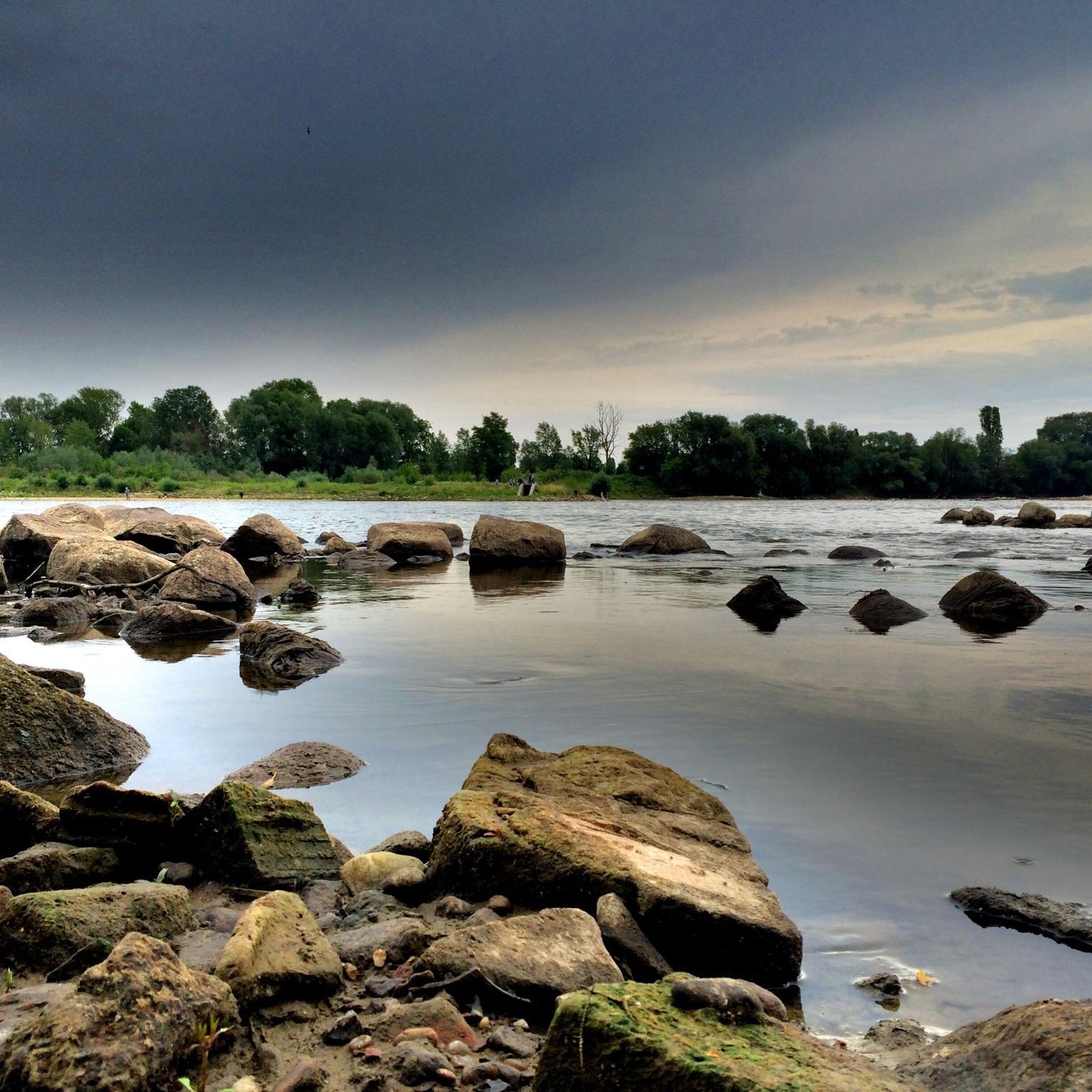
Running Trails in Masovian Voivodeship
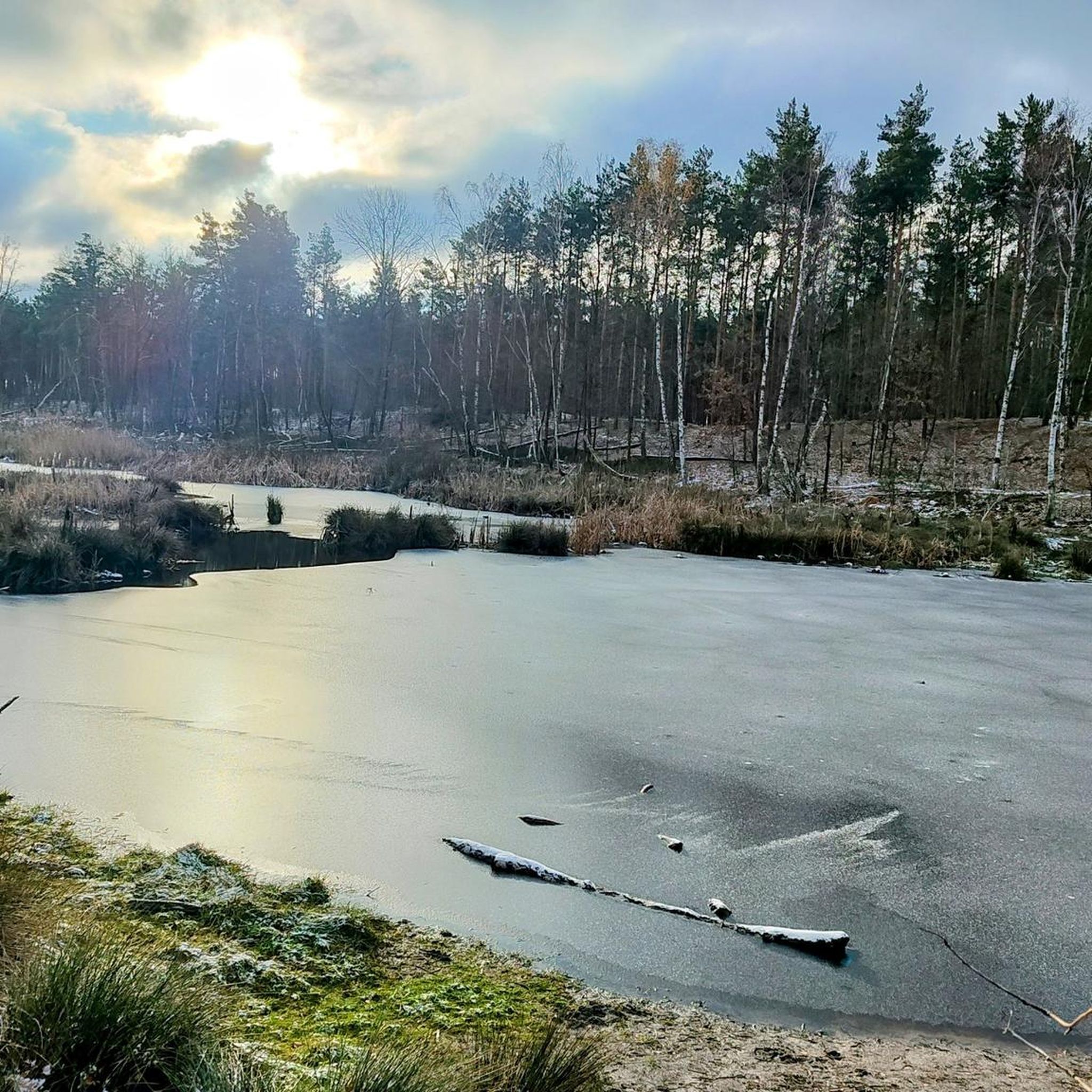
Cycling in Masovian Voivodeship
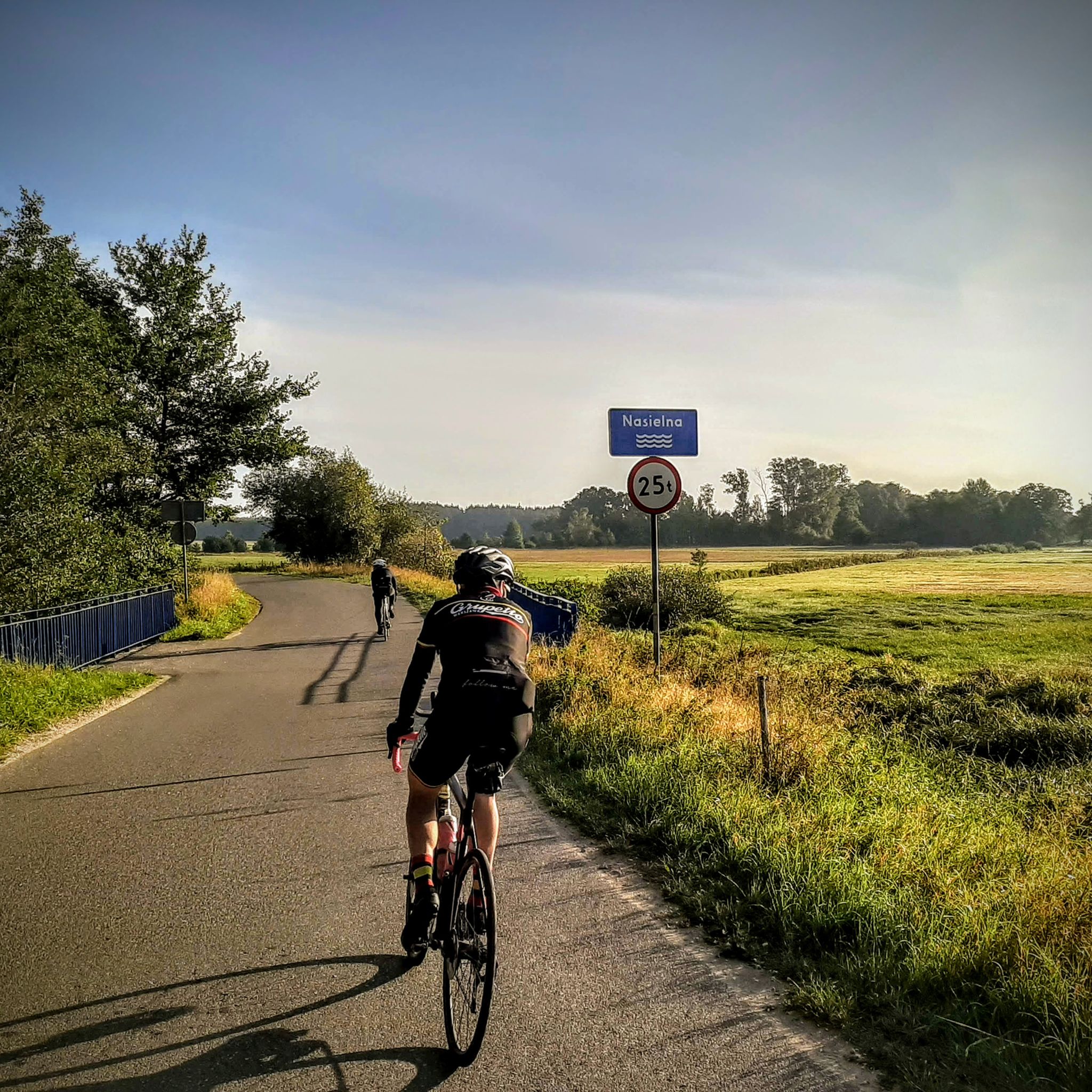
Road Cycling Routes in Masovian Voivodeship
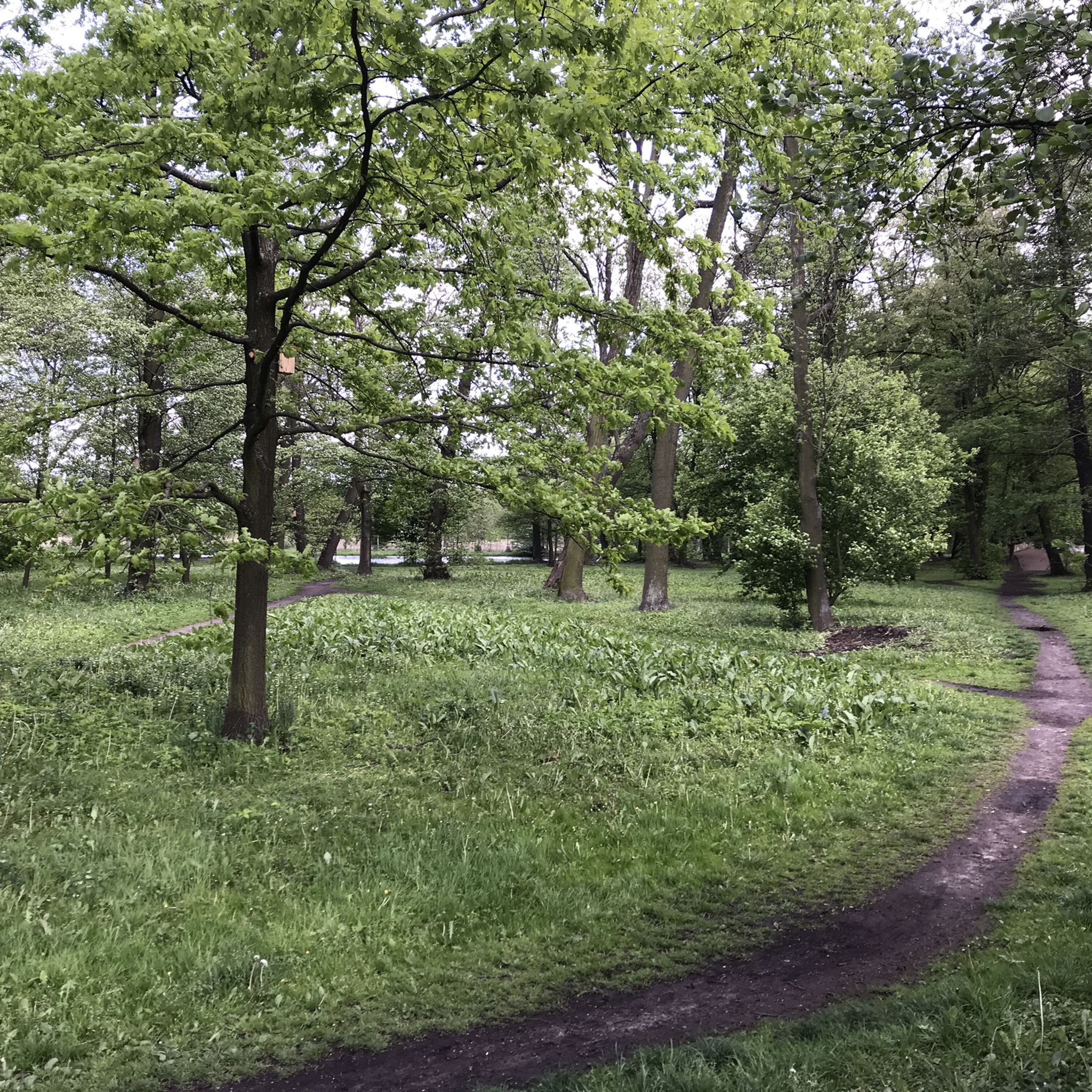
MTB Trails in Masovian Voivodeship

Gravel biking in Masovian Voivodeship


Tips from the Community


Just behind the gate there is a well. which was built in 1809, with changes in 1868. It also serves as a shrine.
1
0
The Museum of King Jan III's Palace at Wilanów is one of the most important museums in Poland and one of the most beautiful Baroque residences in Europe. It was founded in 1805, making it the oldest art museum in Poland.
1
0

Once the historic seat of kings, the Sejm (lower house of parliament), and the President of the Second Polish Republic, the Royal Castle is a monument to Polish independence. Today, it serves as a museum and a representative building. https://zabytek.pl/pl/obiekty/warszawa-zamek-krolewski
3
0

There's a large tree growing by the café behind the palace. I remember it being a rare species, and I think it's a Ginkgo biloba. Such a specimen is unique in Poland. It might be a tulip tree, though. I can't remember exactly, but I think someone might be interested in this tree, especially if they're as interested in plants and trees as she is.
1
0

The builder of the Palace in Korczew was Wiktoryn Kuczyński, the castellan of Podlasie and the founder of churches in Drohiczyn, who made a fortune by floating grain to Gdańsk. The manor house in Korczew was supposed to be built for his younger son Leon. The oldest part of the palace, the ballroom with original Rococo stucco, dates from that time. Above the central entrance to the hall is the Ślepowron coat of arms, used by the Kuczyński family. This was where the Bar Confederates' conventions, organized by Leon Kuczyński, took place.
2
0
Frequently Asked Questions
Which castles in Masovian Voivodeship are particularly family-friendly?
Many castles in the Masovian Voivodeship offer engaging experiences for families. The Royal Castle in Warsaw, with its rich history and exhibitions, is a great option. The Warsaw Barbican, a reconstructed defensive structure, also offers a glimpse into medieval times that can be interesting for children. For a more atmospheric experience, the ruins of Czersk Castle allow visitors to climb towers and explore an open courtyard, often hosting medieval-themed events.
What kind of natural features or viewpoints can I expect to find near the castles?
The castles in Masovian Voivodeship are often set in picturesque surroundings. For instance, Radziejowice Palace and Park is surrounded by a vast park with many alleys and ponds, perfect for walks. Czersk Castle, located on a hill overlooking the Vistula River, offers panoramic views from its towers. The Royal Castle in Warsaw also provides a fantastic view over the city's rooftops from its tower.
Are there opportunities for outdoor activities like hiking or cycling near the castles?
Yes, the region offers various outdoor activities. For those interested in cycling, the Masovian Voivodeship has numerous routes, including the 'Kampinos Bicycle Trail' and routes around the Góra Kalwaria Municipality. You can find more details on Cycling in Masovian Voivodeship. If you prefer running, there are trails like the 'Kabacki Forest Loop' available, detailed in the Running Trails in Masovian Voivodeship guide. Some castles, like Czersk, are situated in areas conducive to exploring the surrounding nature.
What is the best time of year to visit the castles in Masovian Voivodeship?
The warmer months, from spring to early autumn (April to October), are generally the best time to visit. During this period, the weather is pleasant for exploring castle grounds and parks, and many sites, like Czersk Castle, host medieval-themed events and concerts. While some indoor exhibitions are accessible year-round, the full experience of the outdoor areas and gardens is best enjoyed when the weather is mild.
Which castles offer a significant historical or cultural experience?
For a deep dive into history and culture, the Royal Castle in Warsaw is paramount, having been the seat of Polish monarchs and rebuilt as a symbol of resilience. Wilanów Palace, known as the 'Polish Versailles,' showcases opulent Baroque architecture and extensive gardens. Ujazdowski Castle, while historically significant, now houses the Centre for Contemporary Art, offering a blend of old and new. The reconstructed Warsaw Barbican also provides insight into the city's defensive past.
Are there any less crowded castles to visit for a more tranquil experience?
While the major Warsaw castles can be busy, you might find a more tranquil experience at sites slightly outside the capital. Radziejowice Palace and Park, functioning as a cultural and conference center, offers a serene environment with its vast park. Czersk Castle, though popular, can feel less crowded than the city-center attractions, especially on weekdays. Ciechanów Castle, a late-medieval fortification, also provides a quieter historical exploration.
What are the public transport options for reaching castles in the Masovian Voivodeship?
Many castles, especially those within or very close to Warsaw, are well-served by public transport. The Royal Castle and Warsaw Barbican are in the Old Town, accessible by bus and tram. Wilanów Palace can also be reached by public buses from central Warsaw. For castles further afield, like Czersk or Ciechanów, regional buses or trains might be necessary, often requiring a short walk from the station.
Are there cafes or restaurants available near the castles?
Yes, most major castle attractions, particularly in and around Warsaw, have cafes or restaurants nearby. The Radziejowice Palace and Park, for example, has a great cafe at the back of the palace. In Warsaw, the areas around the Royal Castle and Wilanów Palace are bustling with various dining options. Even at more remote sites like Ciechanów Castle, you can typically find local eateries in the nearby towns.
Can I find accommodation options close to the castles?
Accommodation options vary depending on the castle's location. In Warsaw, there are numerous hotels and guesthouses within easy reach of the Royal Castle, Wilanów Palace, and Ujazdowski Castle. For castles outside the capital, such as Czersk Castle or Ciechanów Castle, you'll find hotels or guesthouses in the closest towns or villages, offering a chance to explore the regional charm.
What are some notable historical sites besides castles in the Masovian Voivodeship?
Beyond the castles, the Masovian Voivodeship is rich in historical sites. The Warsaw Barbican, a part of the Old Town's defensive walls, is a significant landmark. The Warsaw Citadel, including the Execution Gate, offers a glimpse into military history. The region also features numerous palaces like Czetwertyński-Uruski Palace and Korczew Palace, each with its own unique story and architectural style.
Are the castles in Masovian Voivodeship generally accessible for visitors with mobility challenges?
Accessibility varies greatly among the castles. Modernized sites like the Royal Castle in Warsaw often have facilities such as ramps and elevators for easier access to certain areas. However, older ruins or sites with uneven terrain, like Czersk Castle with its towers and wall walks, may present challenges. It's advisable to check the specific accessibility information for each castle you plan to visit.
Most popular routes in Masovian Voivodeship
Most popular attractions in Masovian Voivodeship

Get inspired with the komoot mobile app


Didn’t find what you were looking for?
Explore Masovian Voivodeship’s best castles region by region:
Explore more
Looking for the best castles somewhere else? Discover other guides in Masovian Voivodeship:
