Top 20 Castles in Greater Poland Voivodeship
Castles in Greater Poland Voivodeship offer a rich collection of historical sites, showcasing the region's architectural and cultural heritage. This area is characterized by its diverse landscape, providing a backdrop for numerous royal residences, palaces, and defensive structures. These landmarks provide insight into centuries of Polish history and European architectural trends.
Best castles in Greater Poland Voivodeship
- The most popular castles is Royal Castle in Poznan, a castle that is one of Poland's oldest royal residences, dating back to…
Last updated: July 11, 2026
Royal Castle in Poznan
Highlight • Castle
Translated by Google •
Tip by

Imperial Castle in Poznań
Highlight • Castle
Translated by Google •
Tip by

Sign up now to discover places like this
Get recommendations on the best single tracks, peaks, & plenty of other exciting outdoor places.
Sign up for free
Rydzyna Castle
Highlight • Castle
Translated by Google •
Tip by

Wolsztyn Palace
Highlight • Castle
Showing Translation
Tip by

Miłosław Palace
Highlight • Monument
Translated by Google •
Tip by

Gołuchów Castle
Highlight • Castle
mnp.art.pl/oddzialy/muzeum-zamek-w-goluchowie
Translated by Google •
Tip by

Biedrusko Palace
Highlight • Historical Site
Tip by

Ruins of the Opaliński Palace in Radlin
Highlight • Historical Site
Translated by Google •
Tip by
Rogalin Palace
Highlight • Castle
Translated by Google •
Tip by

Racot Palace and Racot State Stud
Highlight • Historical Site
Translated by Google •
Tip by

Sign up for free to discover even more castles in Greater Poland Voivodeship.
Sign up for free
Already have an account?
Start today with a free account
Your next adventure awaits.
Login or Signup
Popular around Greater Poland Voivodeship
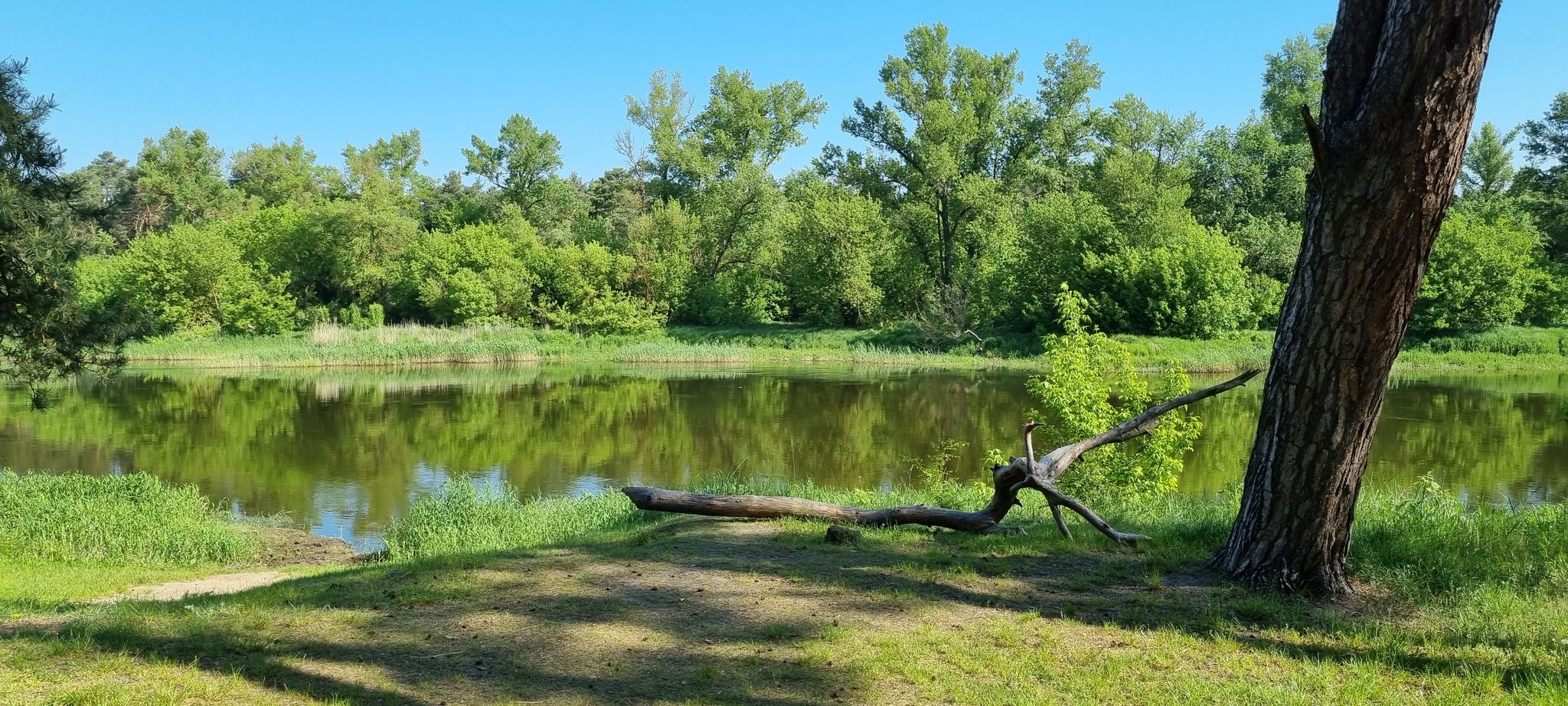
Warta River Cycle Route – Through the Green Heart of Greater Poland
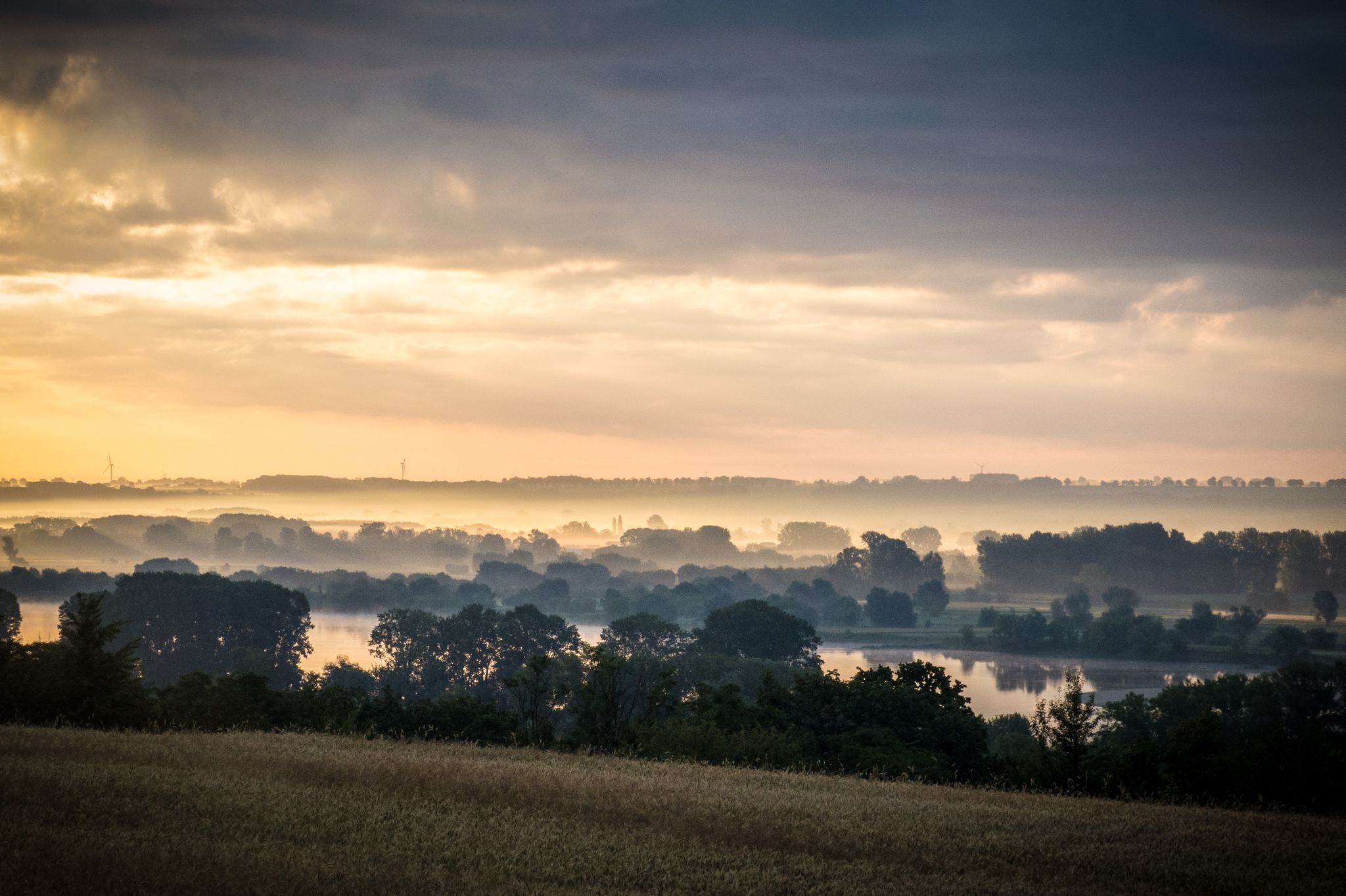
EuroVelo 9 – The Amber Route from the Baltic to Adriatic Sea
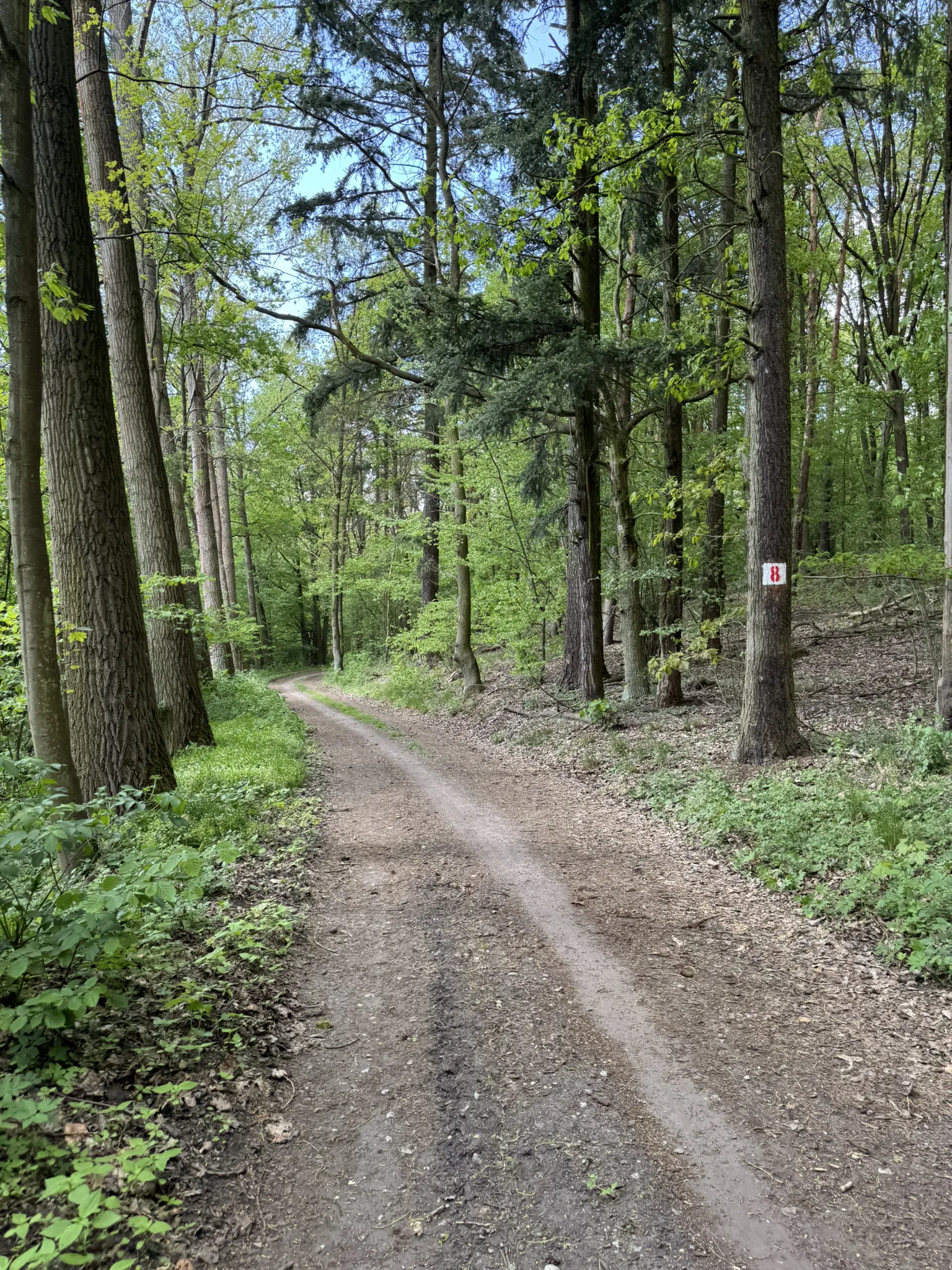
Piast Bicycle Route - by bicycle through the cradle of the Polish state
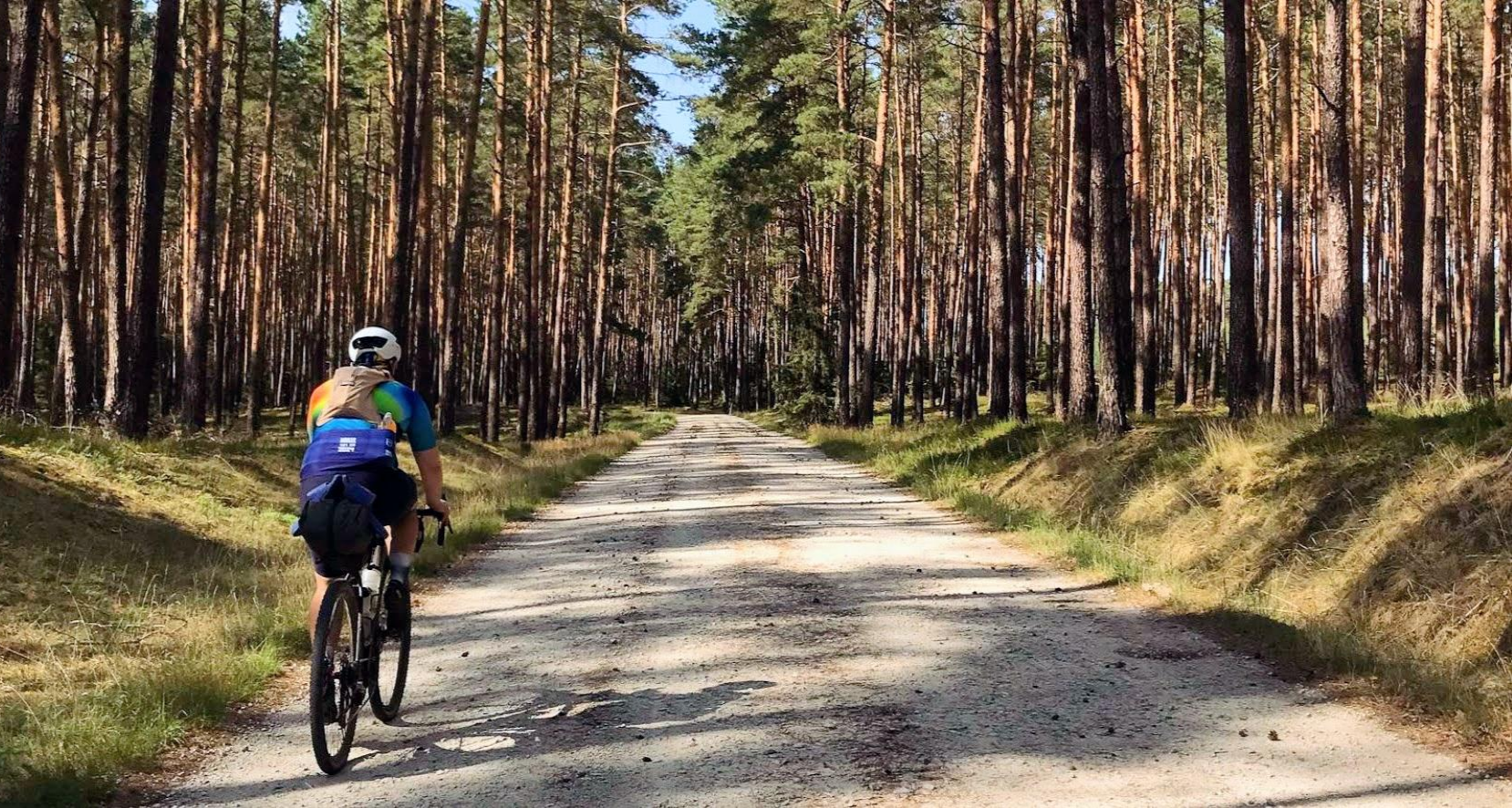
Trail of the Greater Poland Ultramarathon - Warta Gravel 400
Where Carp Swim and Birds Soar – Barycz Valley Cycle Route
As Diverse as Greater Poland – Trans-Greater Poland Cycling Route (TTR)
Cycling in Greater Poland Voivodeship
Hiking in Greater Poland Voivodeship
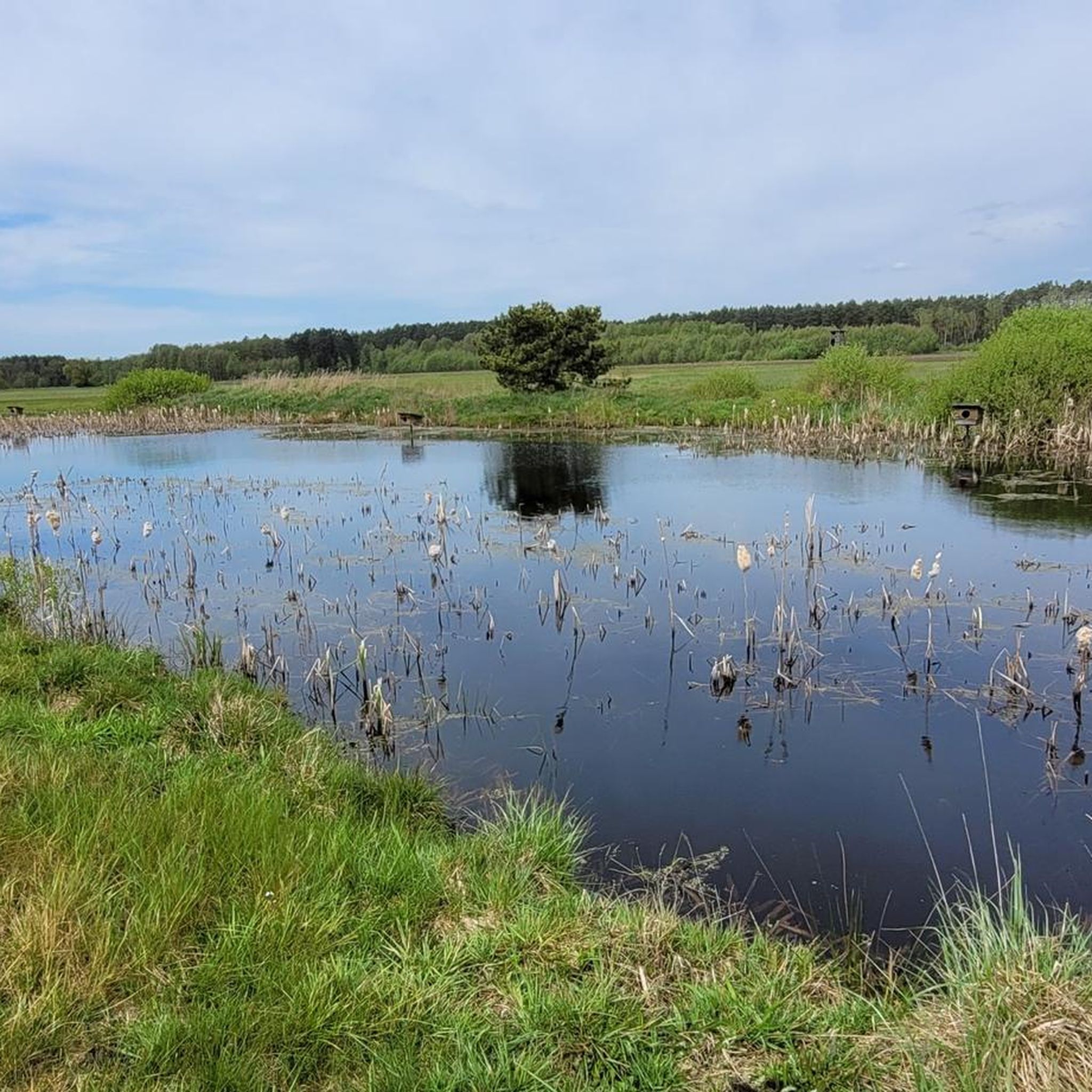
Running Trails in Greater Poland Voivodeship
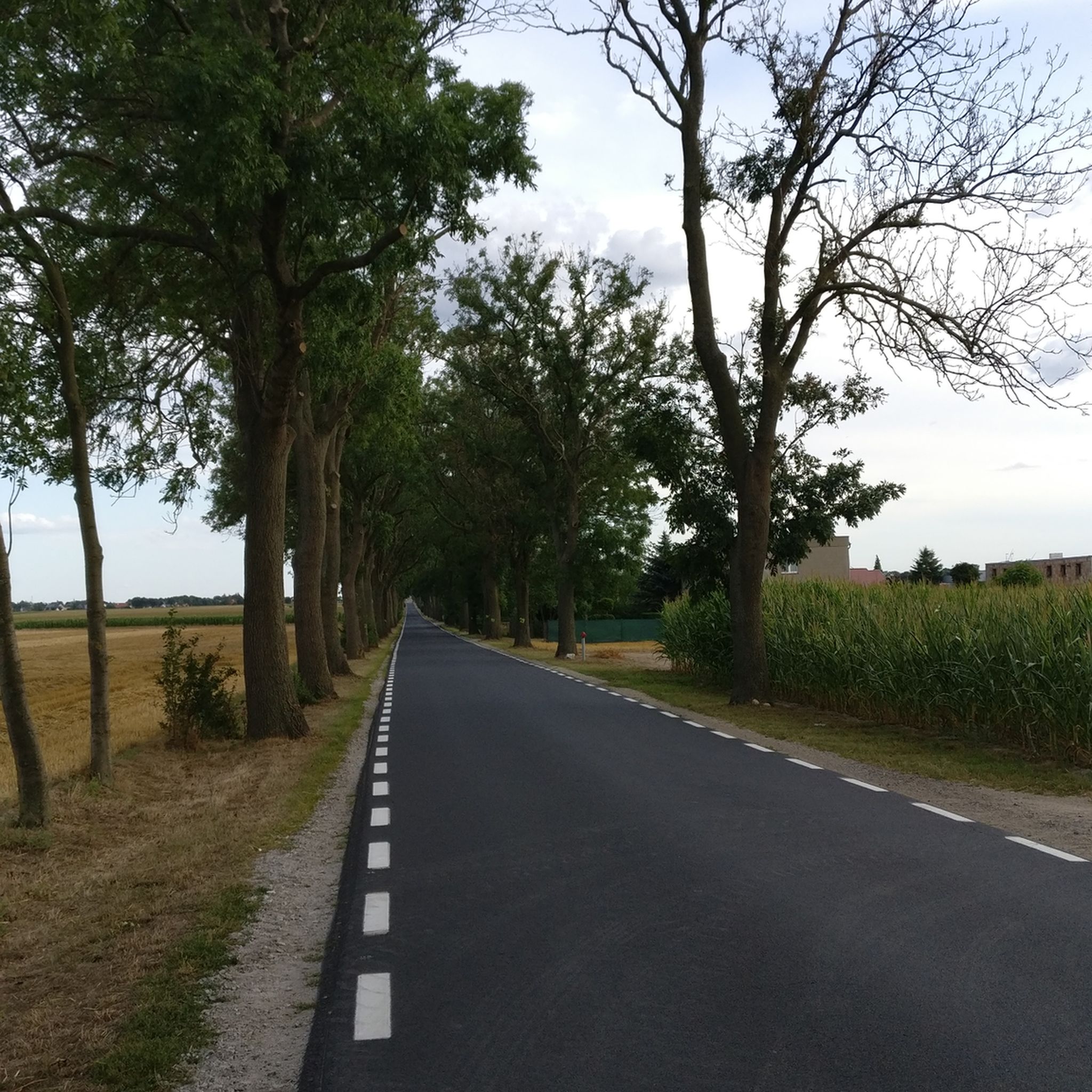
Road Cycling Routes in Greater Poland Voivodeship
Other adventures in Greater Poland Voivodeship


Tips from the Community


currently under renovation, construction site around so the view is average
1
0

The museum is open Tuesday - Sunday 9:00 a.m. - 4:00 p.m., and in July and August Tuesday - Friday 9:00 a.m. - 4:00 p.m., Saturday - Sunday 10:00 a.m. - 5:00 p.m. https://mnp.art.pl/profile/wizyta-muzeum-zamek-w-goluchowie
0
0

The palace was built in the early 19th century at the request of Józef Mielżyński, according to a design by K.F. Schinkel, as a (then relatively modest) villa-palace. In the mid-19th century, it was expanded to include the wings of the southern façade, the western wing, and a tower in the Neo-Renaissance style. The reconstruction was designed by Count Seweryn Mielżyński himself. He intended to designate the eastern wing of the façade as a picture gallery. The next reconstruction took place at the end of the 19th century. It was carried out by the next owner of Miłosław, Józef Kościelski, to whom the palace owes its regular façade wings, the Grand Order portico, the balustrade-like finial, and the additional tower story, among other things. Thanks to these efforts, the palace acquired the classic appearance of a Neo-Renaissance residence. The façade, with its central projection and Grand Order portico, is particularly impressive. Four Ionic columns support the architrave, which supports the triangular pediment. The avant-corps is connected to the side wings, which protrude significantly from the facade, and feature charming galleries decorated with vases. A quadrangular tower, topped by a belvedere surrounded by a balustrade, dominates the entire structure. The garden façade is enhanced by a perpendicularly added wing. The palace stands in a beautiful landscaped park. (naprzekordniom.wordpress.com) Currently (October 2025), the building is undergoing facade renovations.
0
0

It may look more interesting from a bird's eye view (filming/photographing with a drone).
0
0

The castle grounds are publicly accessible.
0
0

Miłosław Palace is a 19th-century Classicist residence located in the southern part of the city. Built as a Neo-Renaissance villa designed by Karl Friedrich Schinkel, it was subsequently expanded several times, including by Seweryn Mielżyński. In its heyday, it served as an "open house," hosting distinguished writers, musicians, and painters, and housed a museum housing a valuable art collection. Burnt down in 1945, it was rebuilt in the 1960s, preserving its original appearance. Today, it houses a school, and the building is surrounded by a picturesque park, worth visiting on a bicycle tour of the area.
3
0

Beautiful palace in a beautiful park. The rest can be read on Google
1
1
Frequently Asked Questions
What are some of the most historically significant castles in Greater Poland Voivodeship?
The region is rich in history. The Royal Castle in Poznan, dating back to 1249, is one of Poland's oldest royal residences and offers a deep dive into the country's imperial past. Another significant site is the Imperial Castle in Poznań, built for Kaiser Wilhelm II, which has a unique history from imperial residence to cultural hub. Rydzyna Castle, a Baroque palace, also boasts a long history, originally a Gothic stronghold.
Are there family-friendly castles to visit in Greater Poland Voivodeship?
Yes, several castles in the region are great for families. The Royal Castle in Poznan, Rydzyna Castle, Gołuchów Castle, and Rogalin Palace are all categorized as family-friendly. Gołuchów Castle, in particular, features an expansive park with animal pens where you can see European bison, deer, and wild boars, which can be a fun experience for children.
What kind of architectural styles can I expect to see among the castles?
Greater Poland Voivodeship showcases a diverse range of architectural styles. You can find medieval strongholds like the reconstructed Royal Castle in Poznan, Baroque masterpieces such as Rydzyna Castle and Rogalin Palace, and the Neo-Gothic Kórnik Castle. The Imperial Castle in Poznań stands out with its Neo-Romanesque design, while Gołuchów Castle is renowned for its elegant French Renaissance style.
Which castles offer notable natural features or scenic views?
Many castles are set within beautiful natural surroundings. The Royal Castle in Poznan offers panoramic views of Poznań from its observation deck. Kórnik Castle is surrounded by one of Poland's oldest and largest arboretums, featuring around 3,000 species of trees and shrubs. Rogalin Palace is famous for its English-style park with centuries-old monumental oak trees. Gołuchów Castle is also situated within a huge, well-maintained English park with ancient trees, ponds, and flowerbeds.
What outdoor activities can I do near the castles in Greater Poland Voivodeship?
The region offers various outdoor activities. You can find numerous hiking trails, such as the moderate Prof. Adam Wodziczko Trail or the easy Osowa Góra - Sulęcinek Red Trail. For cyclists, there are road cycling routes like the challenging From Konin to Ostrzeszow on the Amber Bike Trail, and touring bicycle options like the Piast Cycling Trail. You can explore more routes in the Hiking in Greater Poland Voivodeship, Road Cycling Routes in Greater Poland Voivodeship, and Cycling in Greater Poland Voivodeship guides.
What is the best time of year to visit the castles in Greater Poland Voivodeship?
While castles can be visited year-round, spring and summer (April to September) generally offer the most pleasant weather for exploring the castle grounds and parks. During these months, the arboretums and English-style parks, such as those at Kórnik Castle and Rogalin Palace, are in full bloom. Autumn also provides beautiful scenery with changing foliage. Winter visits can be charming, especially if you enjoy fewer crowds, but some outdoor attractions might have limited access.
Are there any castles with unique legends or stories associated with them?
Yes, Kórnik Castle is famously associated with the legend of the 'White Lady,' the ghost of Teofila Działyńska, who is said to walk its corridors and the surrounding park at night. This adds a mysterious and intriguing element to your visit.
Can I find cafes or other amenities near the castles?
Many of the major castles, especially those functioning as museums or cultural centers, often have on-site or nearby cafes and amenities. For example, the Imperial Castle in Poznań hosts a cinema, bookstore, and cafe. Larger towns like Poznań, where the Royal Castle is located, offer a wide range of dining and accommodation options. For specific castles, it's advisable to check their individual websites for current offerings.
What are the opening hours and ticket information for the castles?
Opening hours and ticket prices vary by castle and season. For instance, Gołuchów Castle, a branch of the National Museum in Poznań, is typically open Tuesday, Wednesday, Friday, Saturday, and Sunday from 9:00 to 16:00. It's always recommended to check the official website of each specific castle you plan to visit for the most up-to-date information on opening times, ticket prices, and any special exhibitions.
Are there any lesser-known or 'hidden gem' castles worth exploring?
Beyond the most prominent sites, the region also offers less-frequented but equally charming locations. Miłosław Palace, a 19th-century Classicist residence, though now housing a school, is surrounded by a picturesque park. The Ruins of the Opaliński Palace in Radlin offer a glimpse into the past in a more rustic setting. These sites provide a different perspective on the region's rich heritage.
What do visitors enjoy most about the castles in Greater Poland Voivodeship?
Visitors frequently appreciate the meticulous reconstruction efforts, such as those at the Royal Castle in Poznan, and the beautiful architecture, like the Baroque splendor of Rydzyna Castle. The scenic parks and natural surroundings, especially at places like Kórnik Castle with its arboretum, are also highly praised. Many enjoy the historical significance and the opportunity to step back in time, often noting the well-maintained monuments and the peaceful atmosphere.
Most popular routes in Greater Poland Voivodeship
Most popular attractions in Greater Poland Voivodeship

Get inspired with the komoot mobile app


Didn’t find what you were looking for?
Explore Greater Poland Voivodeship’s best castles region by region:
Explore more
Looking for the best castles somewhere else? Discover other guides in Greater Poland Voivodeship:
