Top 17 Caves in Transdanubia
Caves in Transdanubia offer a diverse range of subterranean experiences within Western Hungary. This region is characterized by varied geological formations, including limestone and basalt tuff, which have led to the creation of numerous cave systems. Many of these sites hold historical significance, serving as ancient dwelling places or religious sites. Visitors can explore natural wonders and human-modified spaces across the landscape.
Best caves in Transdanubia
- The most popular caves is Tihany Hermit Caves, a cave that features very…
Last updated: July 11, 2026
Tihany Hermit Caves
Highlight • Cave
Translated by Google •
Tip by

Tapolca Lake Cave
Highlight • Cave
Translated by Google •
Tip by

Sign up now to discover places like this
Get recommendations on the best single tracks, peaks, & plenty of other exciting outdoor places.
Sign up for free
Rock cellar at Tihany Abbey
Highlight • Cave
Translated by Google •
Tip by

Szelim Cave and Turul Monument
Highlight • Cave
Similarly, the large …
Translated by Google •
Tip by

Fertőrákos Quarry and Cave Theater
Highlight • Cave
Translated by Google •
Tip by

Mithras Grotto
Highlight • Cave
Showing Translation
Tip by

Barátlakások (Monk Dwellings) of Tihany
Highlight • Cave
Translated by Google •
Tip by

Bújó-lik Tunnel
Highlight • Cave
Translated by Google •
Tip by

Vadlanlik Cave
Highlight • Cave
It used to be used for distilling schnapps.
Translated by Google •
Tip by

Ice Cave Rock Formation
Highlight • Cave
Tip by

Sign up for free to discover even more caves in Transdanubia.
Sign up for free
Already have an account?
Start today with a free account
Your next adventure awaits.
Login or Signup
Popular around Transdanubia

NorthCape4000 – 12 days from Lake Garda to the North Cape
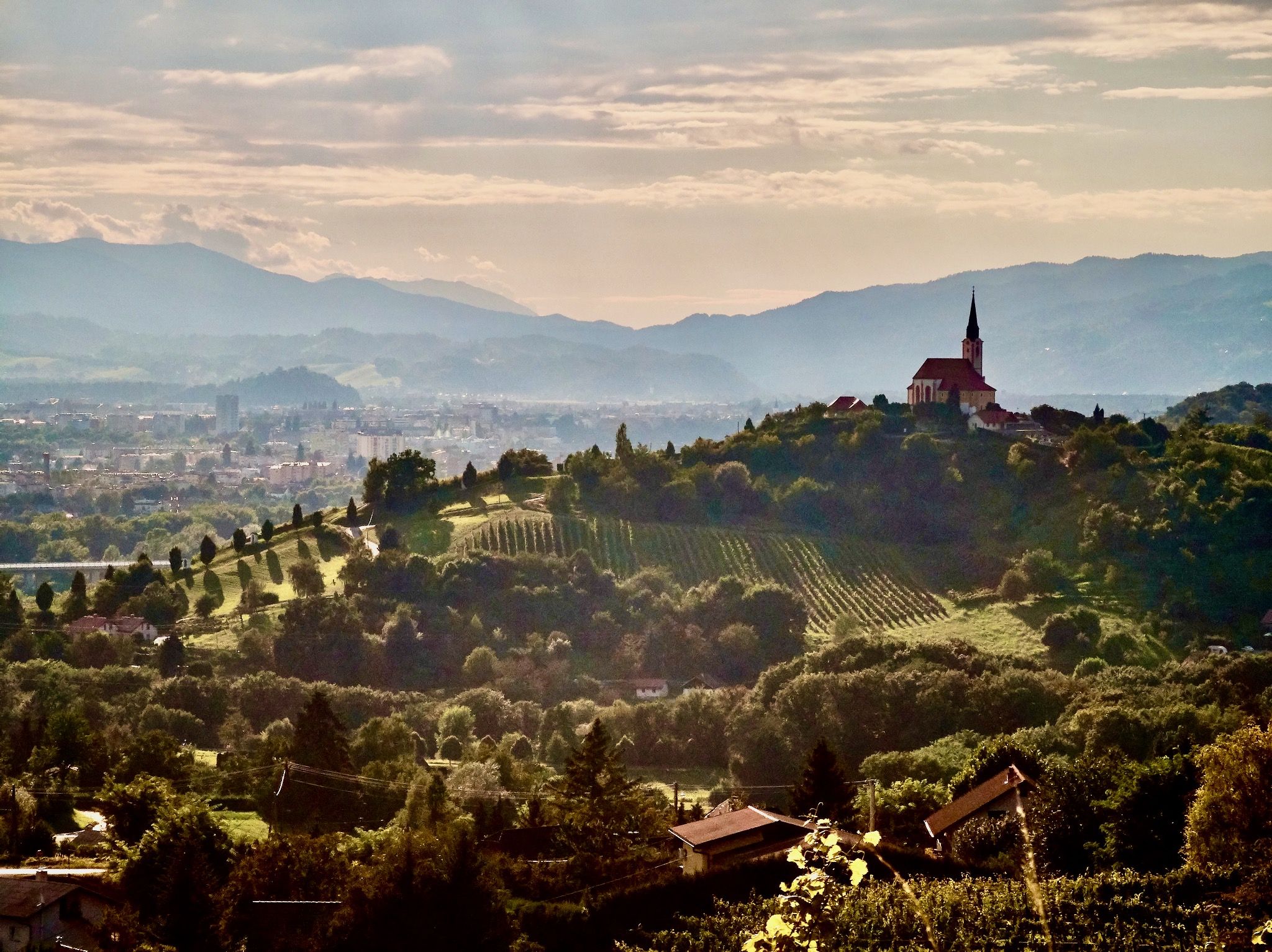
Budapest to Venice via the beautiful Soča Valley
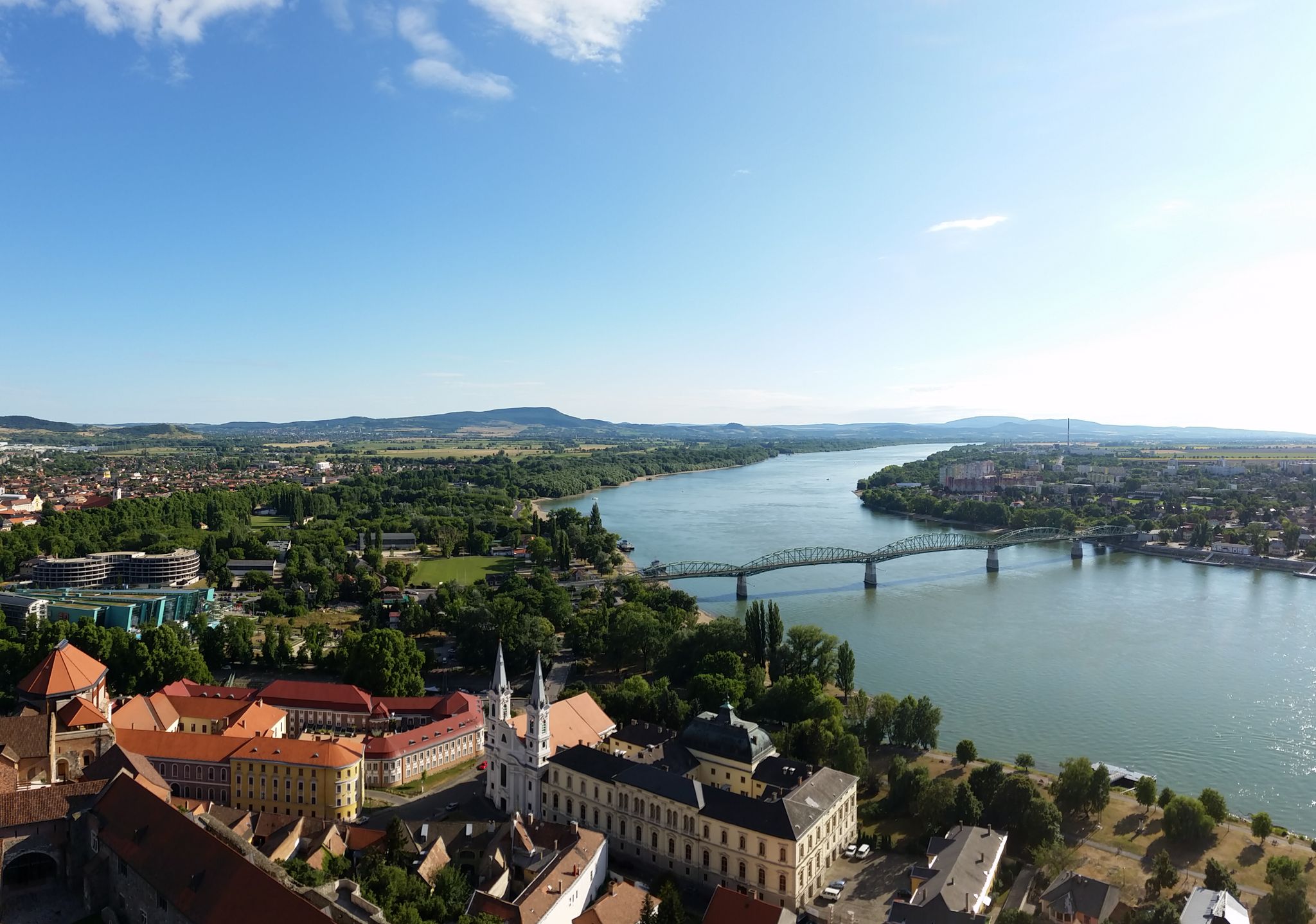
The Danube Cycle Path – From Donaueschingen to Budapest
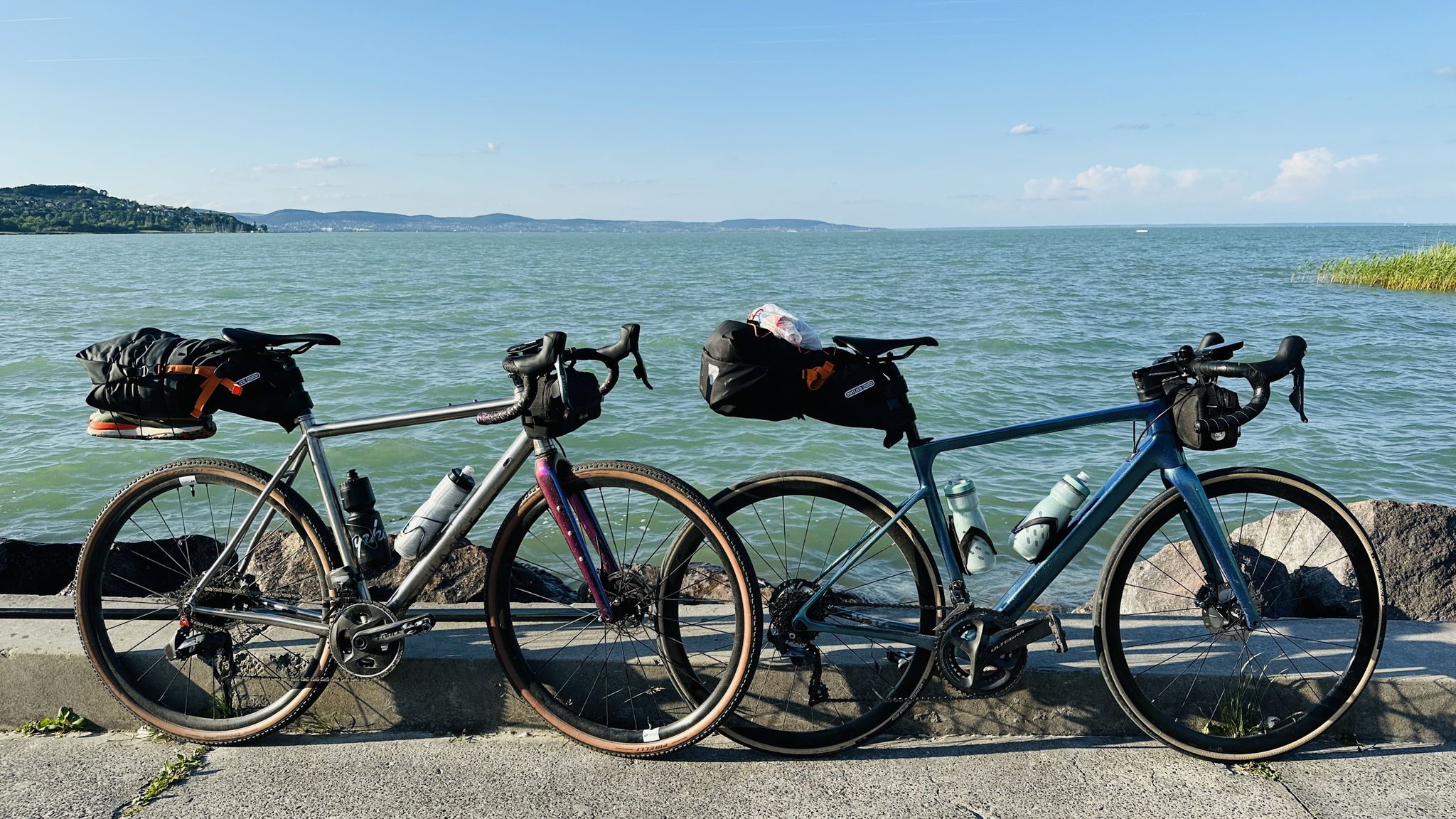
Riding two Koppels through five countries
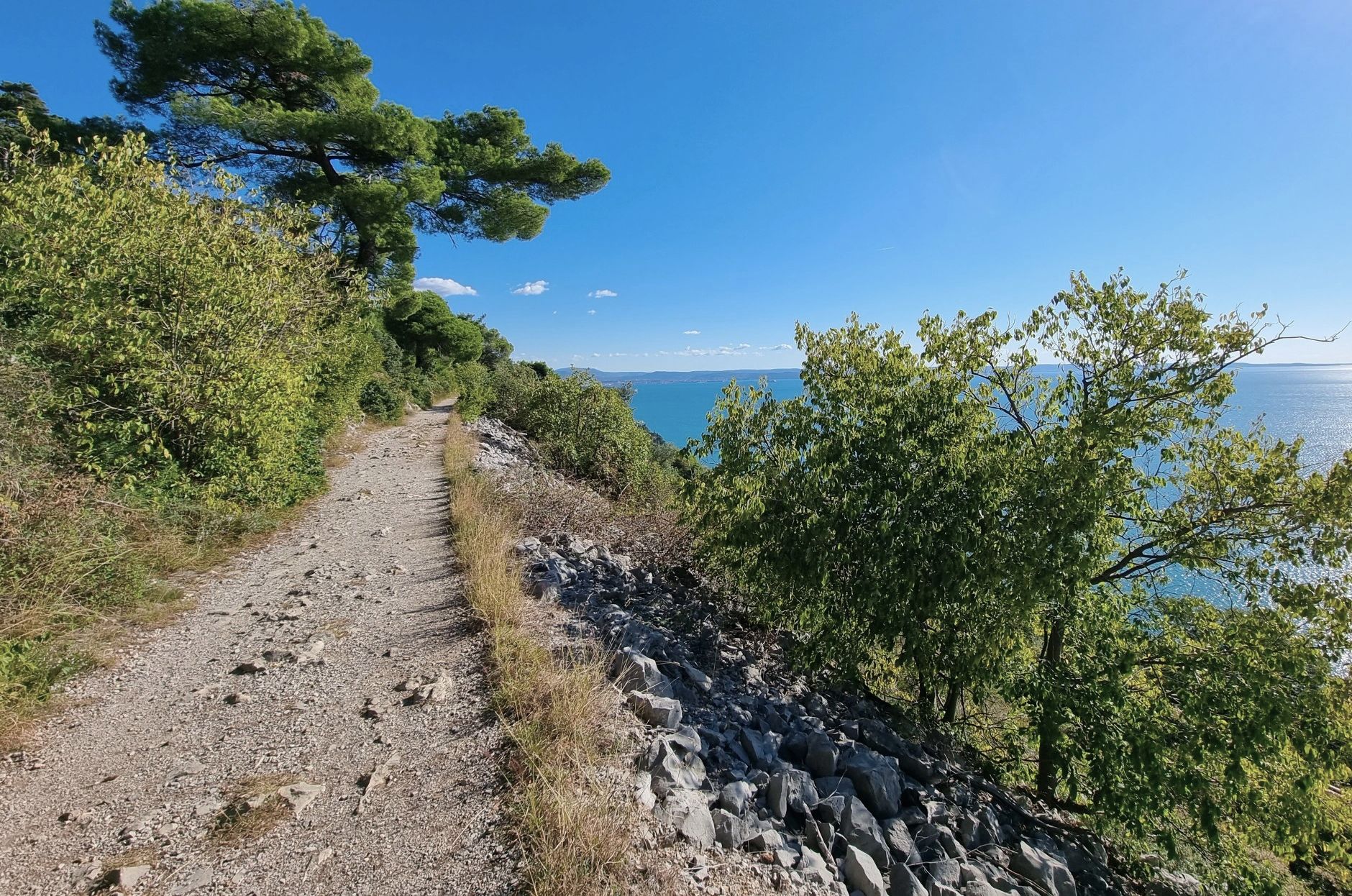
Ride to the sea – gravel bikepacking from Austria’s Vienna to Italy’s Grado
Roman paths in the Burgenland – Amber Trail East Route
As we wrote history – the Transcontinental Race #TCRN06
Cycling in Transdanubia
Road Cycling Routes in Transdanubia
Hiking in Transdanubia
Other adventures in Transdanubia


Tips from the Community

A wonder of loess and Outer Somogy, which already existed in the 1800s. They started digging from two directions, which is why it has a bend.
0
0

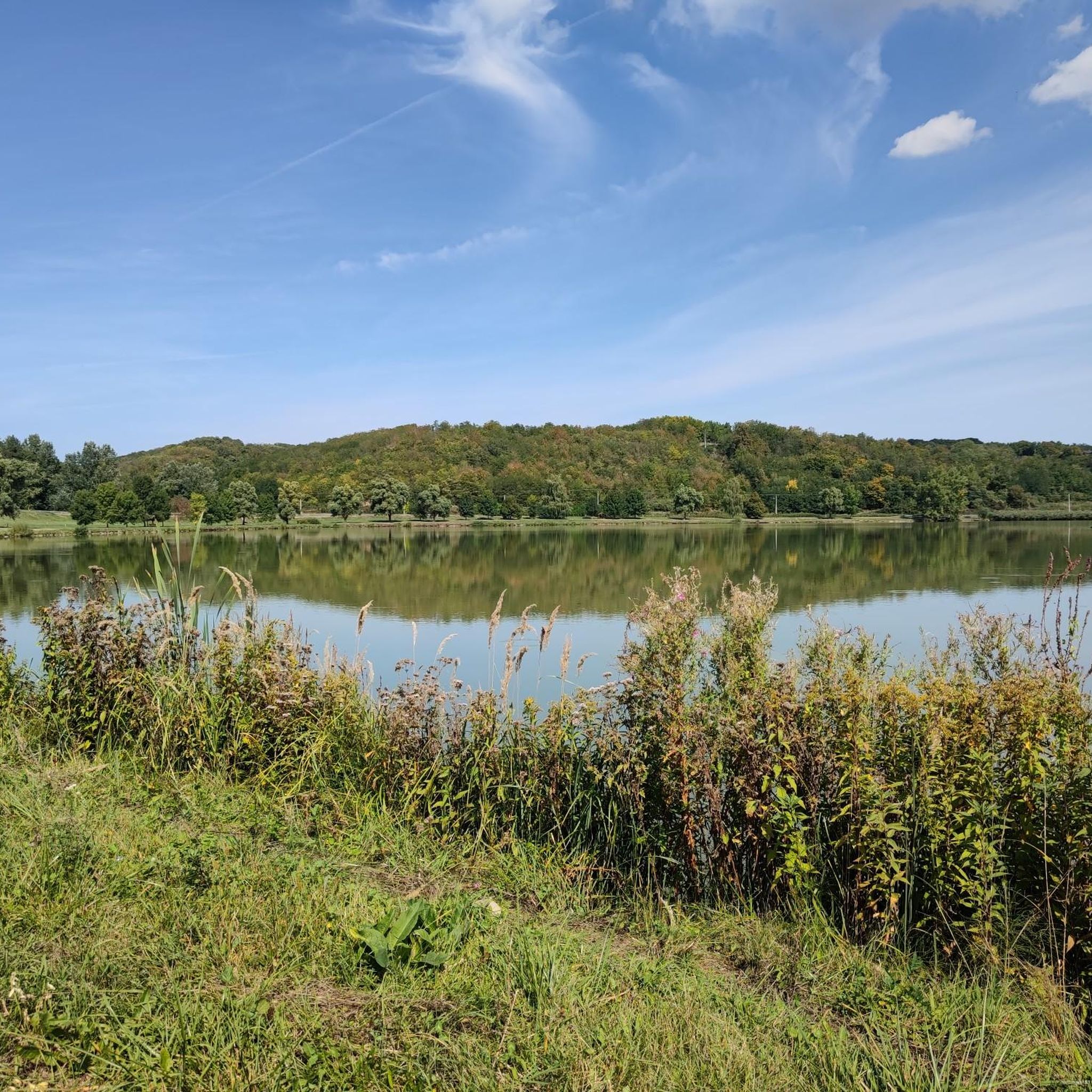
Beautiful landscape around the lake
3
0
Beautiful landscape around the lake
3
0

L the whole loop is amazing, hidden beauty, tiring but ok with plenty snacks, some of the trail is a bit rough, otjer parts very well preserved, the tunnel is at the start of the loop
0
0

There are also snacks and ice cream
0
0
Friends' houses, which were once human dwellings, are built into the basalt tufa, on a steep mountainside.
0
0

The church of Tihany is beautiful. Although it is located a little high up, it offers a fantastic view.
0
0

The monastery was founded in 1055 by Andrew I. The founding charter is the oldest surviving document in Hungary. The monastery, which was converted into a fortress, resisted conquest by the Turks. Source and more: https://de.m.wikipedia.org/wiki/Abtei_Tihany
0
0
Frequently Asked Questions
Which caves in Transdanubia offer unique natural features?
Transdanubia is home to several caves with distinct natural characteristics. The Tapolca Lake Cave is famous for its crystal-clear underground lake, which visitors can explore by boat. The Buda Hills feature the Pál-völgy Cave, known for its diverse dripstone and crystal formations, and the Szemlő-hegy Cave, often called the 'Underground Flower Garden' due to its dazzling mineral deposits and beneficial air.
Are there any caves in Transdanubia with significant historical importance?
Yes, Transdanubia has several historically significant caves. The Tihany Hermit Caves and the Barátlakások (Monk Dwellings) of Tihany are ancient dwelling sites for hermits, dating back to the Middle Ages. The Szelim Cave is notable for being a site where prehistoric human remains were discovered. Additionally, the Buda Castle Cave has a rich history, serving various purposes from wine storage to a WWII shelter.
Which caves in Transdanubia are suitable for families with children?
Several caves in Transdanubia are family-friendly. The Tapolca Lake Cave offers a unique boating experience on an underground lake, which is popular with families. The Fertőrákos Quarry and Cave Theater provides an engaging journey into geological history. The Szelim Cave and Turul Monument is also considered family-friendly, combining natural exploration with a visit to an impressive monument. The Lóczy Cave offers short, guided tours suitable for all ages.
Can I go caving or adventure exploring in Transdanubia?
For those seeking a more adventurous caving experience, the Mátyás-hegy Cave in the Buda Hills offers guided adventure tours that involve walking, climbing, and crawling through its less developed passages. This provides a challenging exploration for adrenaline enthusiasts.
Are there any caves in Transdanubia that are also cultural venues?
Yes, the Fertőrákos Quarry and Cave Theater is a unique site that blends natural geology with cultural events. Its remarkable acoustics and setting make it a venue for performances and concerts. The Gellért Hill Cave in Budapest also houses a chapel, known as the Cave Church, offering a blend of natural formations and religious history.
What kind of geological formations can I expect to see in Transdanubian caves?
Transdanubian caves showcase a variety of geological formations. The Pál-völgy Cave is known for its diverse dripstone formations, stalactites, and stalagmites. Szemlő-hegy Cave features dazzling crystals and mineral deposits resembling flower formations. The Tapolca Lake Cave highlights the effects of water erosion on limestone, with traces visible on its walls and ceilings.
What outdoor activities can I do near the caves in Transdanubia?
Near the caves in Transdanubia, you can find various outdoor activities. For running, explore routes around Old Lake (Öreg-tó) in Tata or near Lake Balaton. Cycling enthusiasts can enjoy routes like the Tagore Promenade to Tihany–Szántód Ferry or around Lake Velence. There are also challenging gravel biking routes, such as those near the Vértes Mountains or around Lake Neusiedl. You can find more details on these activities in the Running Trails in Transdanubia, Cycling in Transdanubia, and Gravel biking in Transdanubia guides.
Are there any caves in Transdanubia that offer scenic views?
The Pilisszántó Cave in the Pilis Mountains provides stunning views of the surrounding natural landscape, including forests, mountains, and hills. The journey to this cave often involves hiking and climbing trails, rewarding visitors with beautiful vistas. The Szelim Cave also offers a viewpoint, especially when combined with a visit to the nearby Turul Monument.
What is the accessibility like for caves in Transdanubia?
Accessibility varies among the caves. The Tapolca Lake Cave requires navigating 73 steps to reach the accessible part. The Pál-völgy Cave also includes over 400 stairs on its accessible route. Some historical sites like the Barátlakások (Monk Dwellings) of Tihany are freely accessible but may require good shoes and hiking poles due to their cliffside location. The Buda Castle Cave offers an easier caving experience, making it more accessible for a wider range of visitors.
What do visitors particularly enjoy about the caves in Transdanubia?
Visitors appreciate the diverse experiences offered by Transdanubian caves. The unique opportunity to boat through the underground lake at Tapolca Lake Cave is a highlight for many. The historical significance of sites like the Tihany Hermit Caves and the Barátlakások (Monk Dwellings) of Tihany, along with their quiet surroundings, is also highly valued. The geological wonders and cultural events at the Fertőrákos Quarry and Cave Theater also draw positive feedback.
Are there any caves in Transdanubia that are less developed for tourism?
Yes, the Mátyás-hegy Cave in the Buda Hills is less developed for typical tourism. It offers a more rugged and challenging caving experience, often requiring guided adventure tours where participants may need to crawl and climb through untouched passages.
Can I visit caves that are connected to religious sites in Transdanubia?
The Gellért Hill Cave in Budapest is a notable example, housing the Cave Church (Sziklatemplom). This unique site was once a monastery of the Hungarian Pauline Order and offers a blend of natural cave formations with significant religious and historical context. Visitors can tour the restored church within the cave.
Most popular routes in Transdanubia
Most popular attractions in Transdanubia

Get inspired with the komoot mobile app


Explore more
Extend your search for the best caves by checking out these guides of the top ones in Transdanubia:
