Top 20 Castles in Istria
Best castles in Istria are found across this heart-shaped Croatian peninsula, offering insights into its historical significance and diverse architectural heritage. The region features numerous medieval fortresses, many strategically positioned on hillsides overlooking valleys and trade routes. These structures, often built of stone, provide a tangible connection to Istria's past.
Best castles in Istria
- The most popular castles is Dvigrad Ruins, a historical site that consists of the remains of an abandoned medieval town. Walking through its desolate walls…
Last updated: July 11, 2026
Venetian Fortress (Kaštel), Pula
Highlight • Castle
Translated by Google •
Tip by

Dvigrad Ruins
Highlight • Historical Site
Tip by

Sign up now to discover places like this
Get recommendations on the best single tracks, peaks, & plenty of other exciting outdoor places.
Sign up for free
Pazin Castle
Highlight • Castle
Translated by Google •
Tip by

Fort Punta Christo
Highlight • Historical Site
see: fortpuntachristo.net/en/about-fort
Translated by Google •
Tip by

Svetvinčenat Castle
Highlight • Castle
Translated by Google •
Tip by

Pula Fortress
Highlight • Castle
Translated by Google •
Tip by

Sveti Lovreč Medieval Town
Highlight • Historical Site
Translated by Google •
Tip by

Church of St. Mary of Lakuc
Highlight • Religious Site
Translated by Google •
Tip by

Momjan Castle Ruins
Highlight • Castle
Das Kastell in Momjan, heute nur eine mit Efeu umschlungene Ruine, kann schwerlich seine einstige Macht und Reichtum wieder heraufbeschwören. Auf …
Tip by

Fort Bourguignon
Highlight • Historical Site
+++ We couldn't visit …
Translated by Google •
Tip by

Sign up for free to discover even more castles in Istria.
Sign up for free
Already have an account?
Start today with a free account
Your next adventure awaits.
Login or Signup
Popular around Istria
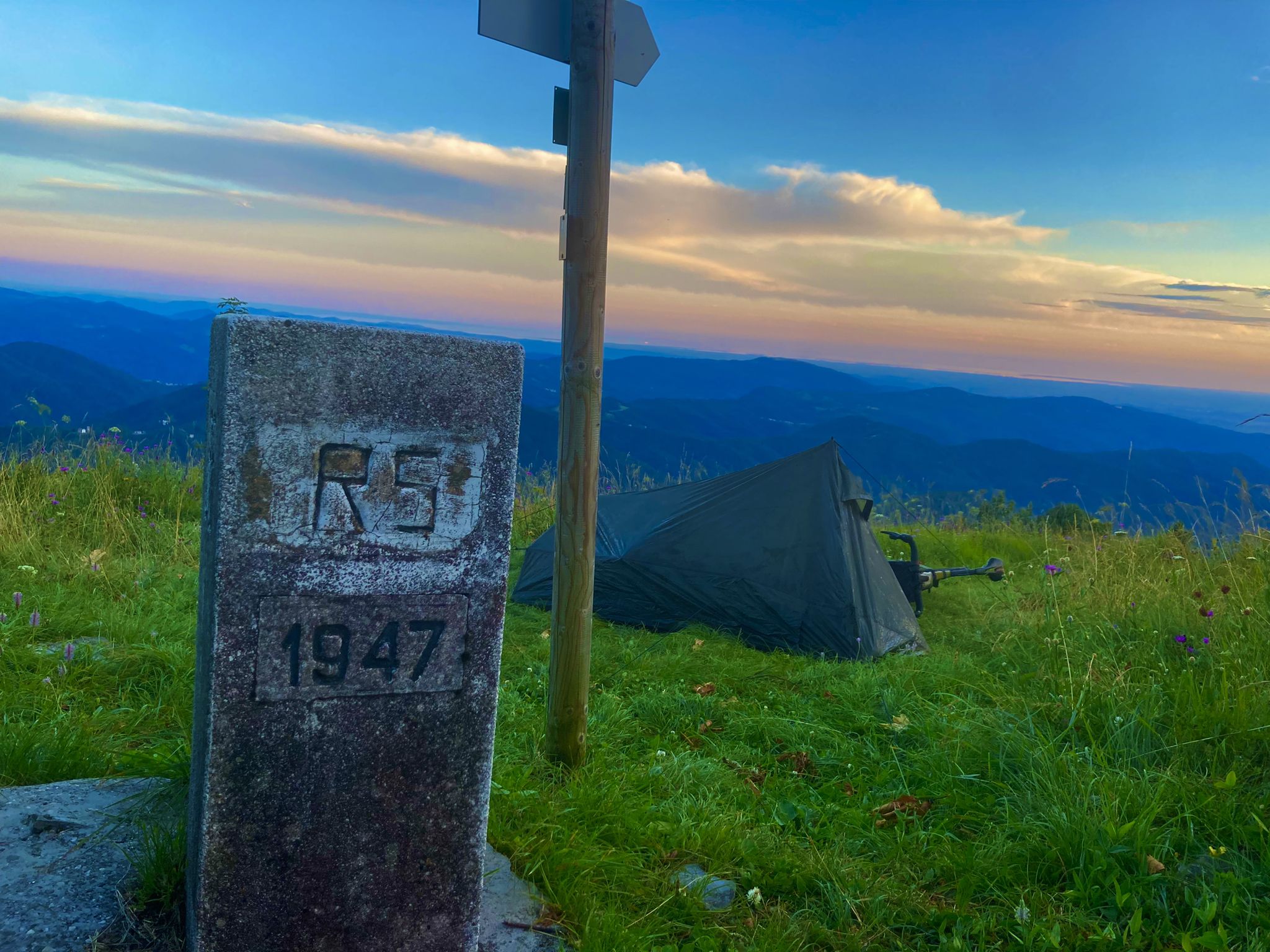
From Bavaria to the Adriatic - My Bikepacking Adventure to Croatia 2023
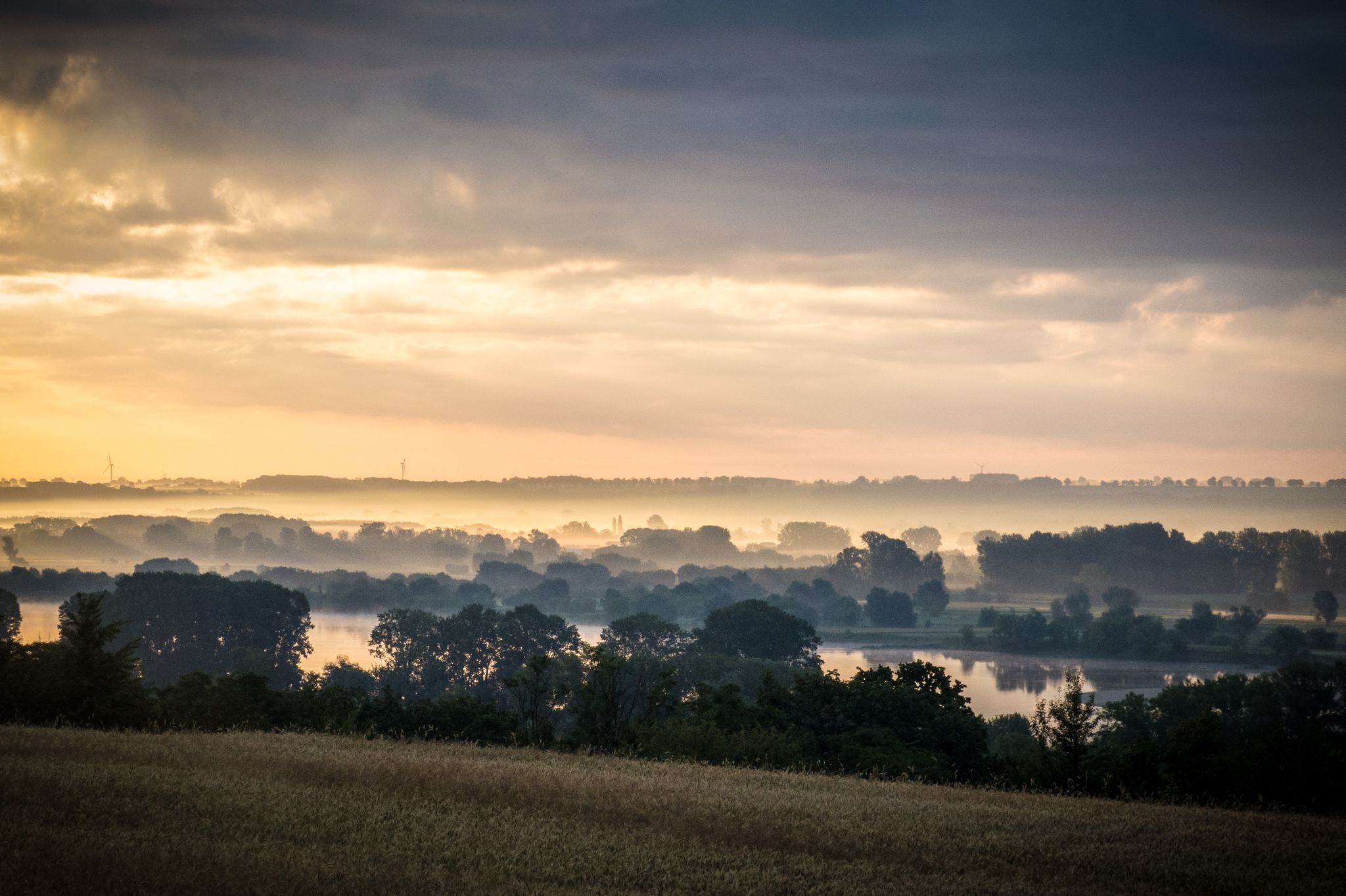
EuroVelo 9 – The Amber Route from the Baltic to Adriatic Sea

Glamping Adventures on Foot
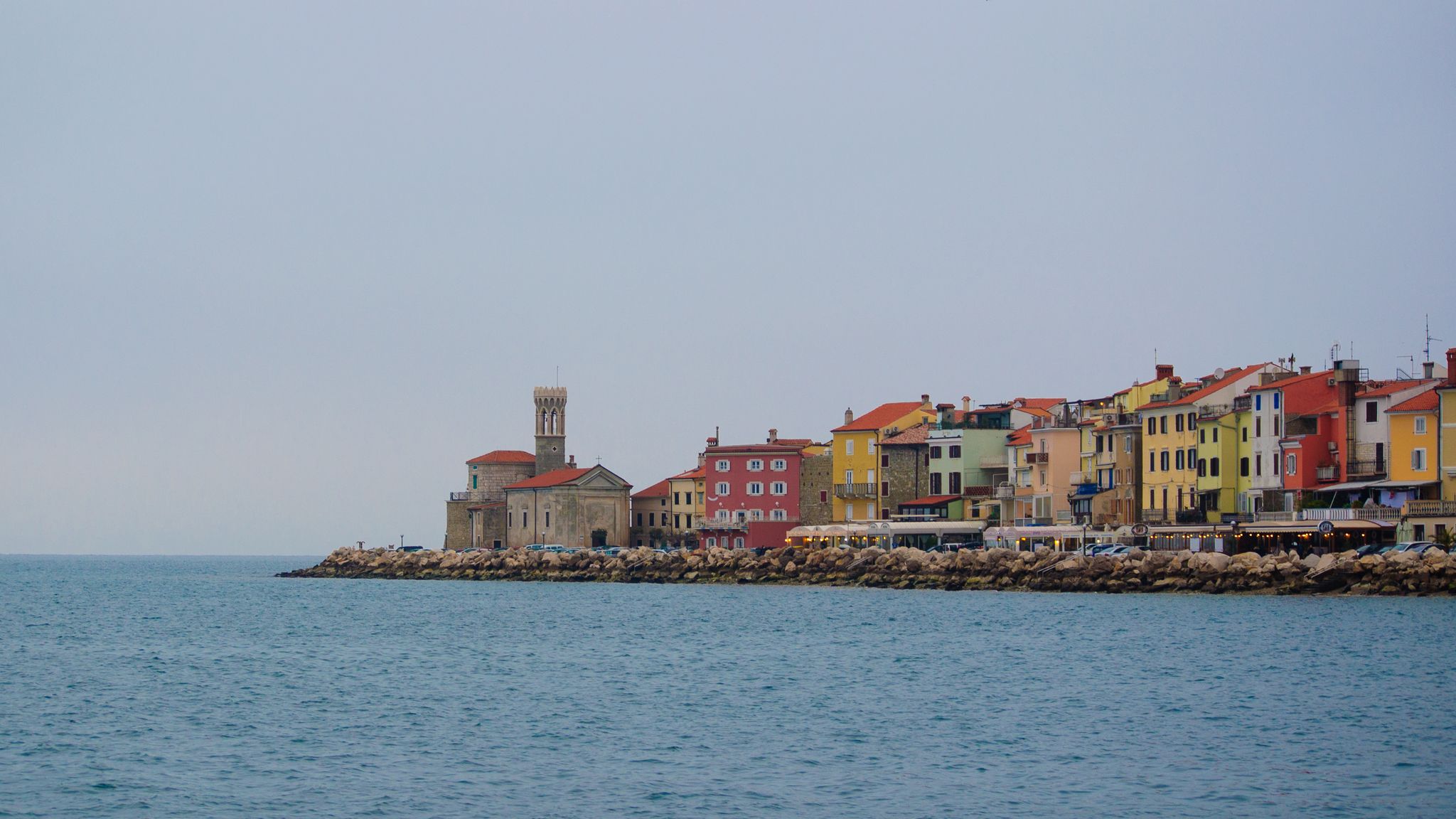
Trieste to Rijeka – along the coast of Istria from Italy to Croatia
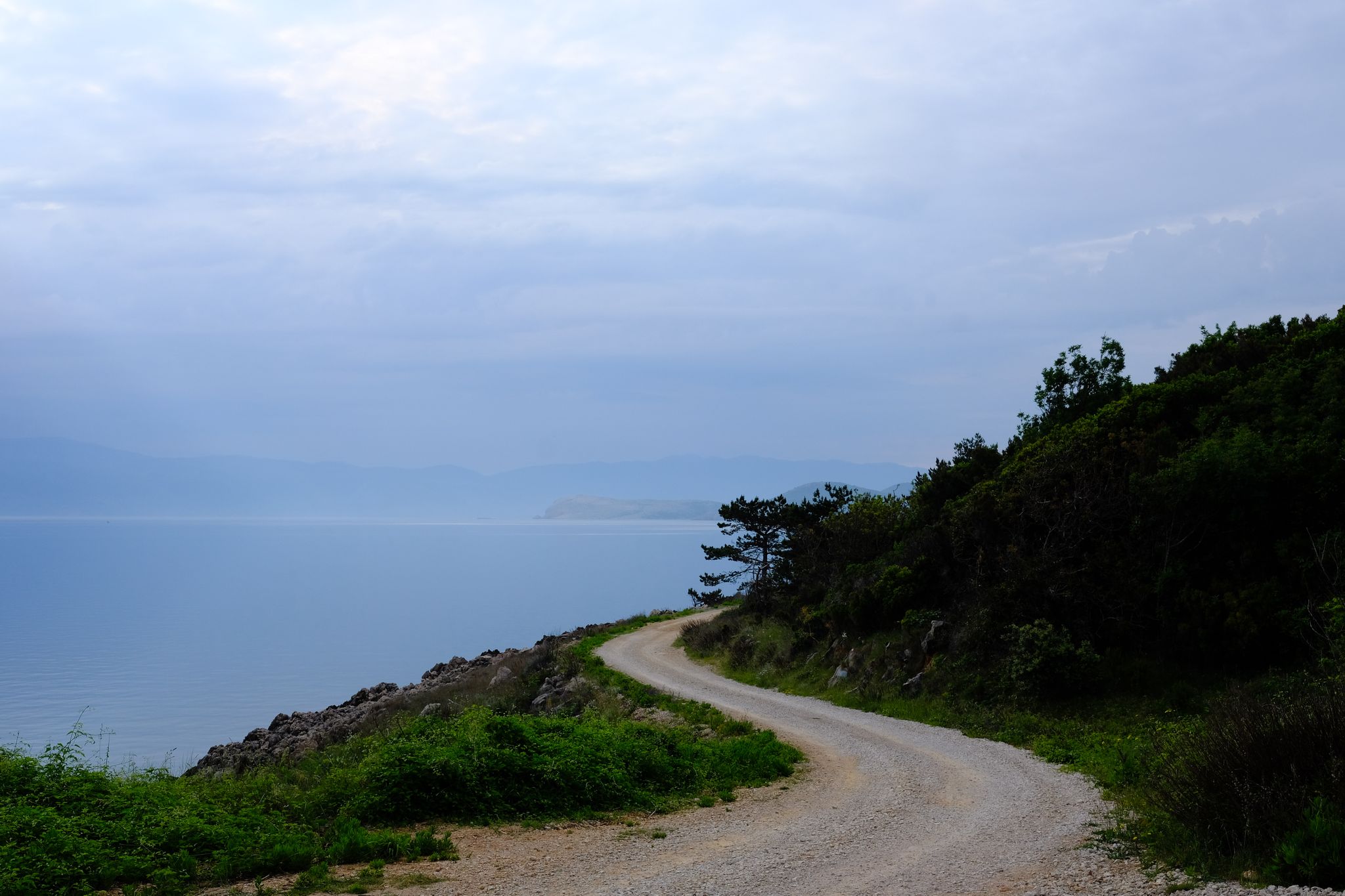
Seven Serpents 2022 – gravel through Slovenia, Croatia and Italy
Cycling in Istria
Hiking in Istria
MTB Trails in Istria
Road Cycling Routes in Istria
Running Trails in Istria
Other adventures in Istria


Tips from the Community

In front of the castle there are numerous information boards.
0
0

Porta Forte Punta Christo
0
0

From here, you have fantastic views of the city in all directions. The visit and admission are definitely worth it. The complex is very extensive, and there's a lot to discover. The underground tunnel system, in particular, is something you won't find everywhere.
0
0

Today surrounded by a small cemetery, it is located a few hundred meters from the ruins of Duecastelli on the climb to Kanfanar
0
0
The Morosini-Grimani Castle is the symbol of Svetvinčenat (Sanvincenti) and one of the best-preserved Renaissance fortresses in Istria. Its origins date back to the 13th century, when the De Castro Pola family built their first fortified residence there. Passed to the Morosini family in the 15th century, it was transformed into a true fortress and, after a devastating fire in 1586, rebuilt in Renaissance style by the Grimani family with the help of Venetian architects. The quadrangular structure with three towers and an elegant noble palace combined defensive, administrative, and economic functions: grain storage, armory, and the captain's residence. Topped by the Grimani coat of arms, which later became the emblem of the city, the castle endured centuries of wars, fires, and dominations, until it was once again destroyed in the Second World War. Today, after careful restoration, the castle has come back to life: it hosts exhibitions, events, and multimedia tours that allow visitors to discover the history of Svetvinčenat and one of the most fascinating Istrian fortresses.
0
0

You can save yourself the €7 entrance fee as there is a footpath outside that offers almost the same panorama of the city.
1
0
An abandoned fort hidden in the forest near the coast. You have to know something's there, otherwise you won't find it. It's well worth a look, but you can't get inside.
3
0

Dvigrad was once one of the most important trading centres in northern Istria. All that remains of the town, which flourished in the Middle Ages, are walls covered in ivy. Dvigrad was first mentioned in the 9th century AD. The boom ended abruptly when Dvigrad was affected by wars and disease over the centuries. When malaria broke out in the 17th century, only about 10 percent of the approximately 700 inhabitants survived the epidemic and left the town. All that remains of the town are about 200 ruined houses and the ruins of the Basilica of St. Sophia.
0
0
Frequently Asked Questions
What are some of the most popular castles to visit in Istria?
Among the most popular castles in Istria are the Dvigrad Ruins, an abandoned medieval town offering a powerful sense of history, and Pazin Castle, considered the largest and best-preserved medieval fortress in the region. Visitors also frequently explore Fort Punta Christo, a large Austro-Hungarian fortification that hosts cultural events.
Are there family-friendly castles in Istria?
Yes, several castles in Istria are suitable for families. Svetvinčenat Castle (Morosini-Grimani Castle) is noted as family-friendly and offers interactive experiences like "The House of the Witch Mara." Fort Punta Christo and Kršan Castle are also categorized as family-friendly.
What kind of historical insights can I gain from visiting Istrian castles?
Istrian castles offer a deep dive into the region's rich and often turbulent past. For instance, Pazin Castle houses the Ethnographic Museum of Istria and the Pazin Town Museum, providing insights into local life. The Dvigrad Ruins tell a dramatic story of abandonment due to wars and epidemics, while the Morosini-Grimani Castle in Svetvinčenat showcases stunning Renaissance architecture and its Venetian past.
What natural attractions or viewpoints are near Istrian castles?
Many castles are strategically located to offer impressive views. Pazin Castle is dramatically perched above the mysterious Pazin Abyss. Momjan Castle Ruins offer breathtaking views of the Dragonja river valley. Pietrapelosa Castle provides panoramic views of the Mirna River Valley and the Istrian countryside.
Are there hiking trails near Istrian castles?
Yes, you can find hiking opportunities near several castles. For example, there's an easy hike called "Pazin Castle – Path Under the Rock Overhang loop from Pazin" which starts near Pazin Castle. You can find more easy hikes in the region by exploring the Easy hikes in Istria guide.
What outdoor activities can I do near these castles?
Beyond exploring the castles themselves, Istria offers various outdoor activities. You can find running trails, mountain hikes, and easy hikes throughout the region. For specific routes and guides, check out the Running Trails in Istria or Mountain Hikes in Istria guides.
What is the best time of year to visit castles in Istria?
The spring and autumn months are generally ideal for visiting Istrian castles. The weather is pleasant for exploring outdoor ruins like Dvigrad and enjoying the scenic views without the intense heat of summer or the chill of winter. These seasons also tend to be less crowded.
What do visitors say about the Dvigrad Ruins?
Visitors describe the Dvigrad Ruins as a very nice, picturesque abandoned village amidst lush vegetation. It's seen as a place to treat with respect, offering a powerful sense of history and a chance to enjoy the views. It allows visitors to imagine the battles and lives that once filled this medieval settlement.
Are there any less crowded or more authentic castle experiences in Istria?
For a more authentic and less commercialized experience, consider visiting Pietrapelosa Castle. It's one of the more well-preserved medieval ruins, offering a rich historical experience with stunning panoramic views of the Mirna River Valley and the Istrian countryside in a peaceful atmosphere.
Can I find cafes or amenities near Istrian castles?
While some castles, like Svetvinčenat Castle, are located in towns with cafes and amenities nearby, others like the Dvigrad Ruins might have limited facilities, sometimes just a small kiosk. It's advisable to check for specific locations, especially for more remote ruins, and plan accordingly.
What makes Pazin Castle unique among Istrian fortresses?
Pazin Castle stands out as the largest and best-preserved medieval fortress in Istria. Its dramatic location above the Pazin Abyss is particularly unique, having even inspired Jules Verne's novel *Mathias Sandorf*. It also houses two museums, offering a comprehensive cultural experience.
Are there any castles in Istria that are dog-friendly?
Many outdoor castle ruins, such as Dvigrad Ruins and Momjan Castle Ruins, are generally accessible for dogs, especially if they are kept on a leash. For indoor museums or more structured castle visits like Pazin Castle, it's best to check their specific pet policies beforehand.
Most popular routes in Istria
Most popular attractions in Istria

Get inspired with the komoot mobile app


Didn’t find what you were looking for?
Explore Istria’s best castles region by region:
Explore more
Looking for the best castles somewhere else? Discover other guides in Istria:
