Top 15 Caves in Split-Dalmatia
Best caves in Split-Dalmatia offer a diverse range of natural and historical subterranean experiences. This coastal region of Croatia features a landscape shaped by karst geology, leading to numerous caves and rock formations. The area is known for its islands and rugged coastline, providing unique settings for these geological features. Many caves in Split-Dalmatia hold significant archaeological findings or historical importance, reflecting centuries of human interaction with these natural shelters.
Best caves in Split-Dalmatia
- The most popular caves is Cave Chapel with Statue of Jesus, a cave that features a natural depression resembling a chapel. This fascinating sight is appreciated for its unique natural formation.
- Another must-see spot is Church of St Jerome (Sveti Jere) Hermitage in Marjan Cliff, a religious building with parts hewn out of the rock. This site offers views of the rocks, sea, and islands, and features 15th-century hermitages built into the cliffs.
- Visitors also love St. Leopold Mandić Cave Chapel, a religious building. This chapel is dedicated to St. Leopold Bogdan Mandic, a notable Capuchin priest.
- Split-Dalmatia is known for its karst caves, historical hermitages, and sea caves. The region offers a variety of subterranean environments, from illuminated show caves to archaeological sites and natural phenomena like the Blue Cave.
- The caves in Split-Dalmatia are appreciated by the komoot community, with 15 highlights and 81 photos shared by users.
Last updated: August 21, 2026
Sveti Nikola (628 m)
Highlight • Summit
Translated by Google •
Tip by

Church of St Jerome (Sveti Jere) Hermitage in Marjan Cliff
Highlight • Religious Site
Translated by Google •
Tip by

Sign up now to discover places like this
Get recommendations on the best single tracks, peaks, & plenty of other exciting outdoor places.
Sign up for free
Dragon's Cave (Dračja Pećina)
Highlight • Cave
Translated by Google •
Tip by

Cave Chapel with Statue of Jesus
Highlight • Cave
Translated by Google •
Tip by

St. Leopold Mandić Cave Chapel
Highlight • Religious Site
Translated by Google •
Tip by

St. Nedjelja Cave and Hermitage
Highlight • Cave
Translated by Google •
Tip by

Tito's Cave
Highlight • Cave
Tip by

Trail to the Sanctuary and Church of Our Lady of the Snow (Stomorice)
Highlight (Segment) • Trail
Translated by Google •
Tip by

Abandoned Submarine Bunker "Grota"
Highlight • Structure
Translated by Google •
Tip by

Chapel With Cave and Panoramic Coastal View
Highlight • Religious Site
Translated by Google •
Tip by

Sign up for free to discover even more caves in Split-Dalmatia.
Sign up for free
Already have an account?
Start today with a free account
Your next adventure awaits.
Login or Signup
Popular around Split-Dalmatia

Triathlon 360 – my journey around the world

Slovenian mountains to island hopping around the Adriatic Crest
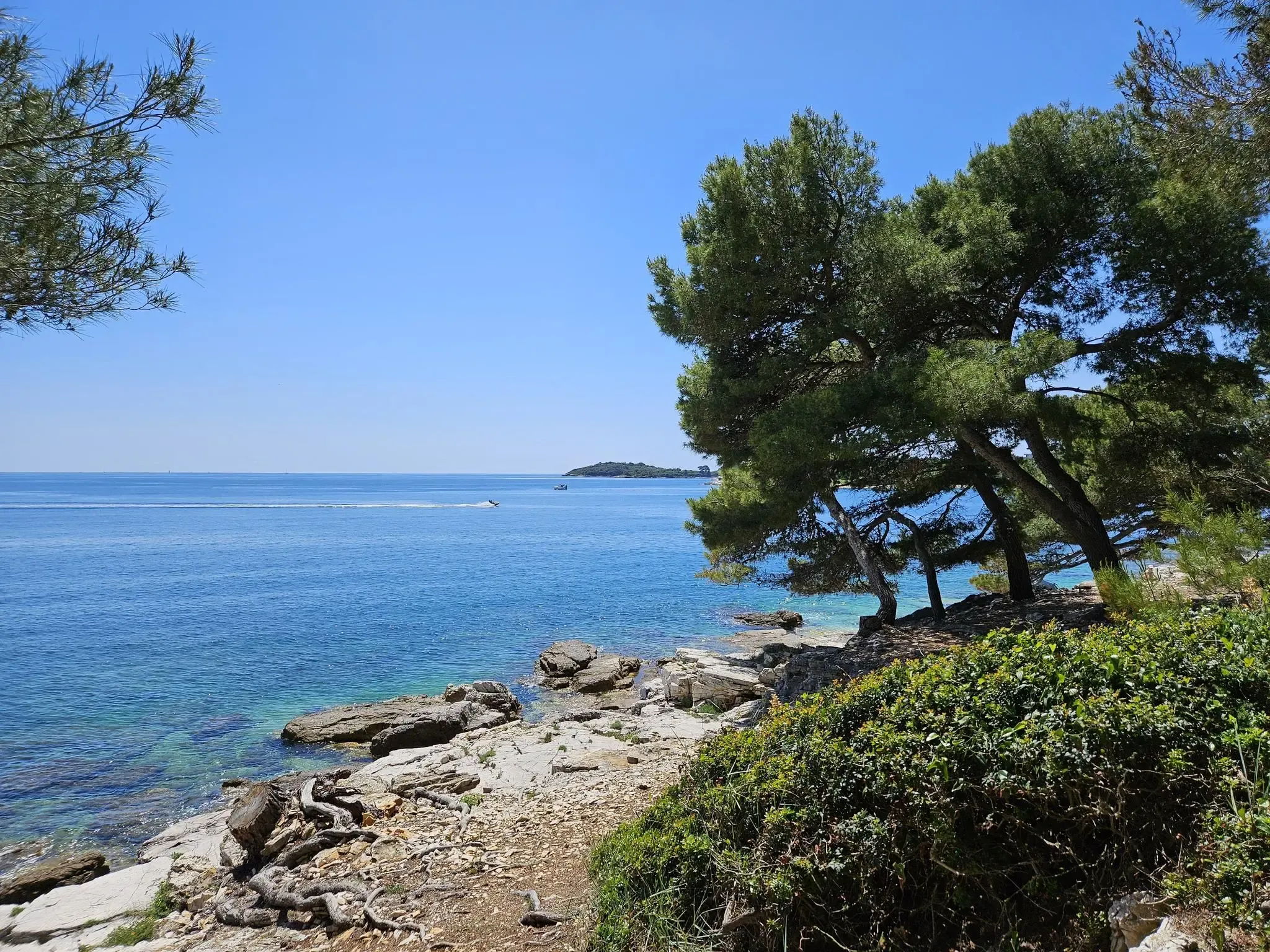
Discover Croatia's beautiful Adriatic Coast by bike
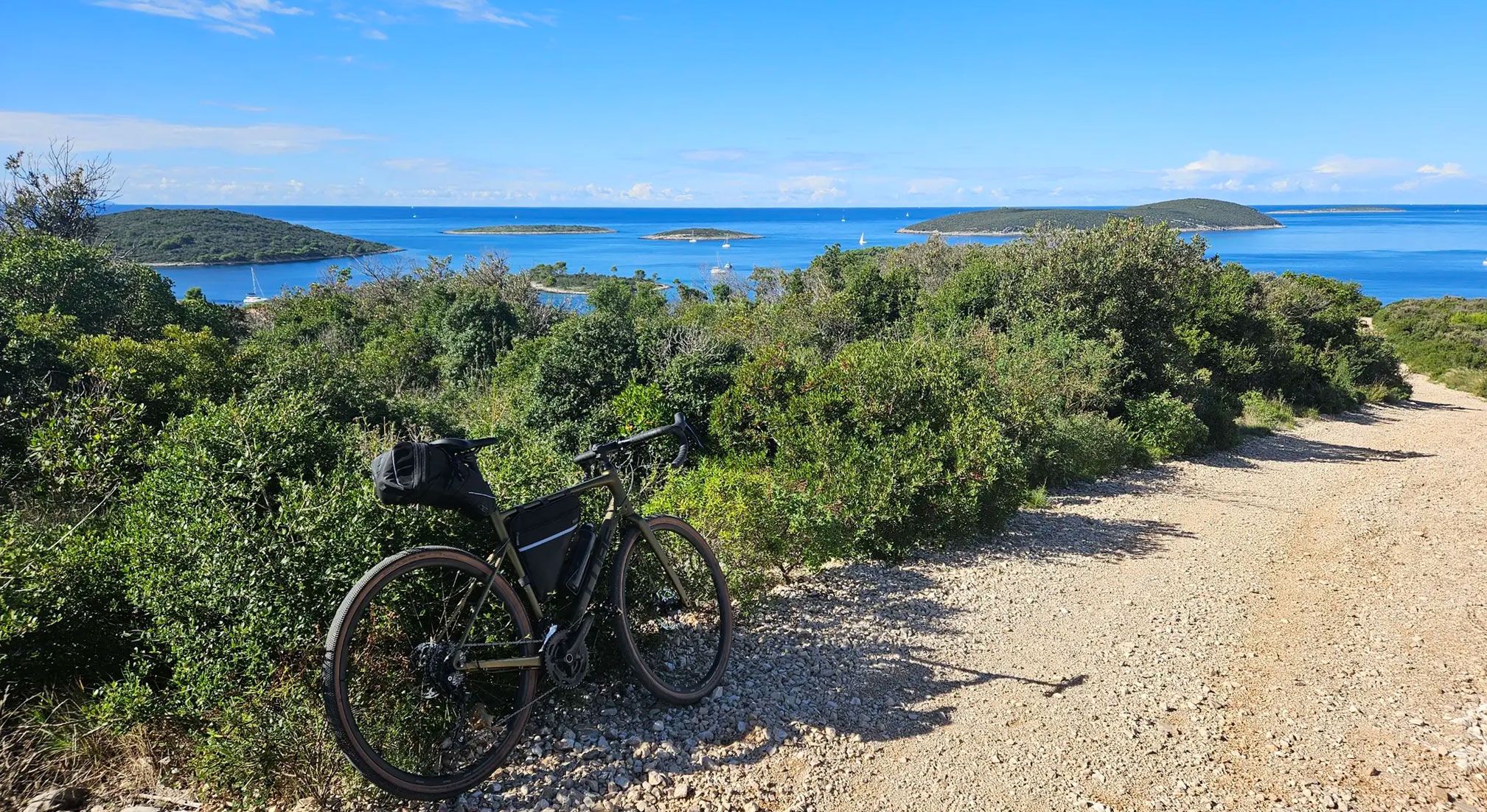
Islands on two wheels – cycling tours off the Croatian coast
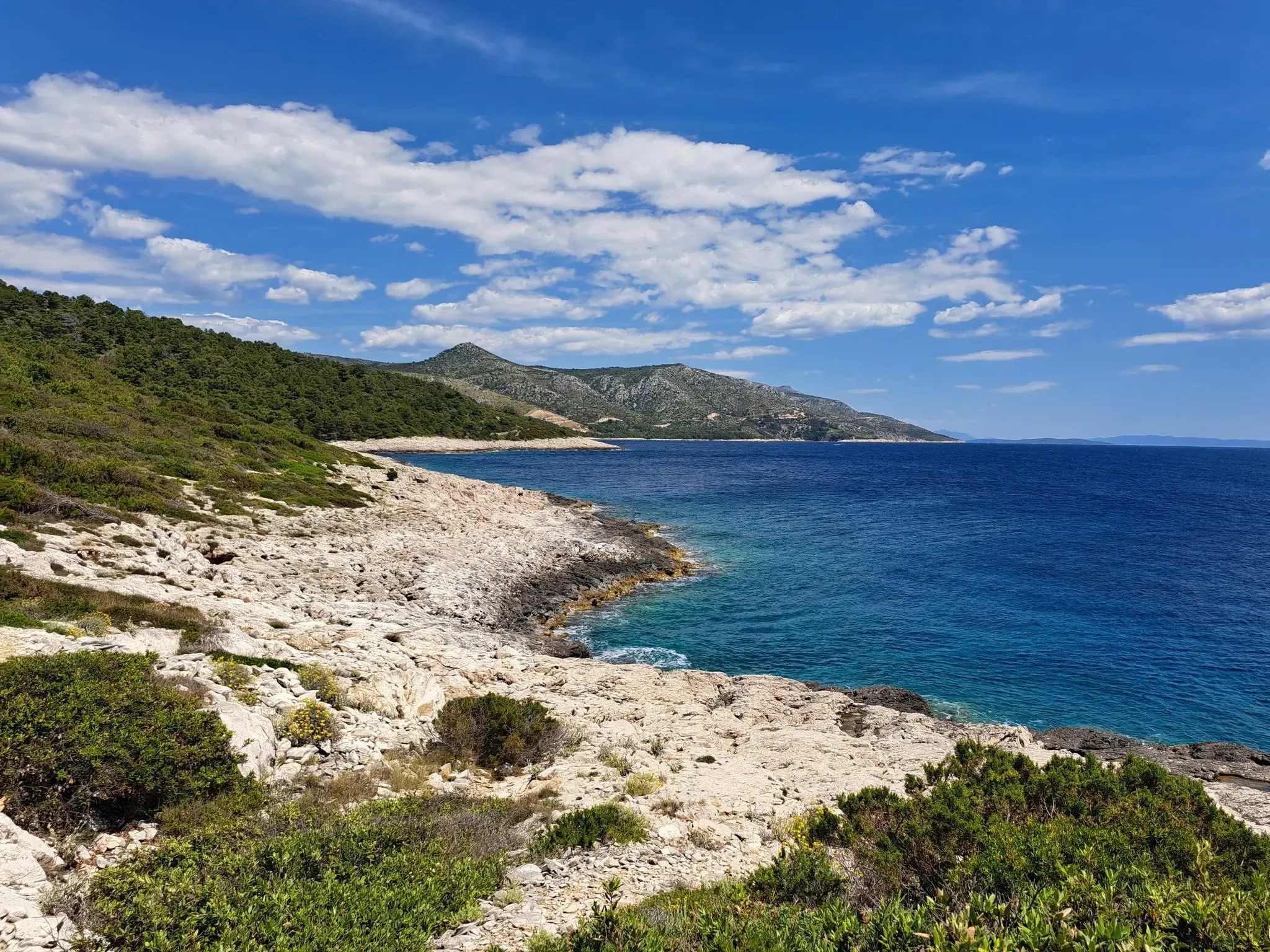
Between coast, islands and mountains – trail running in Croatia
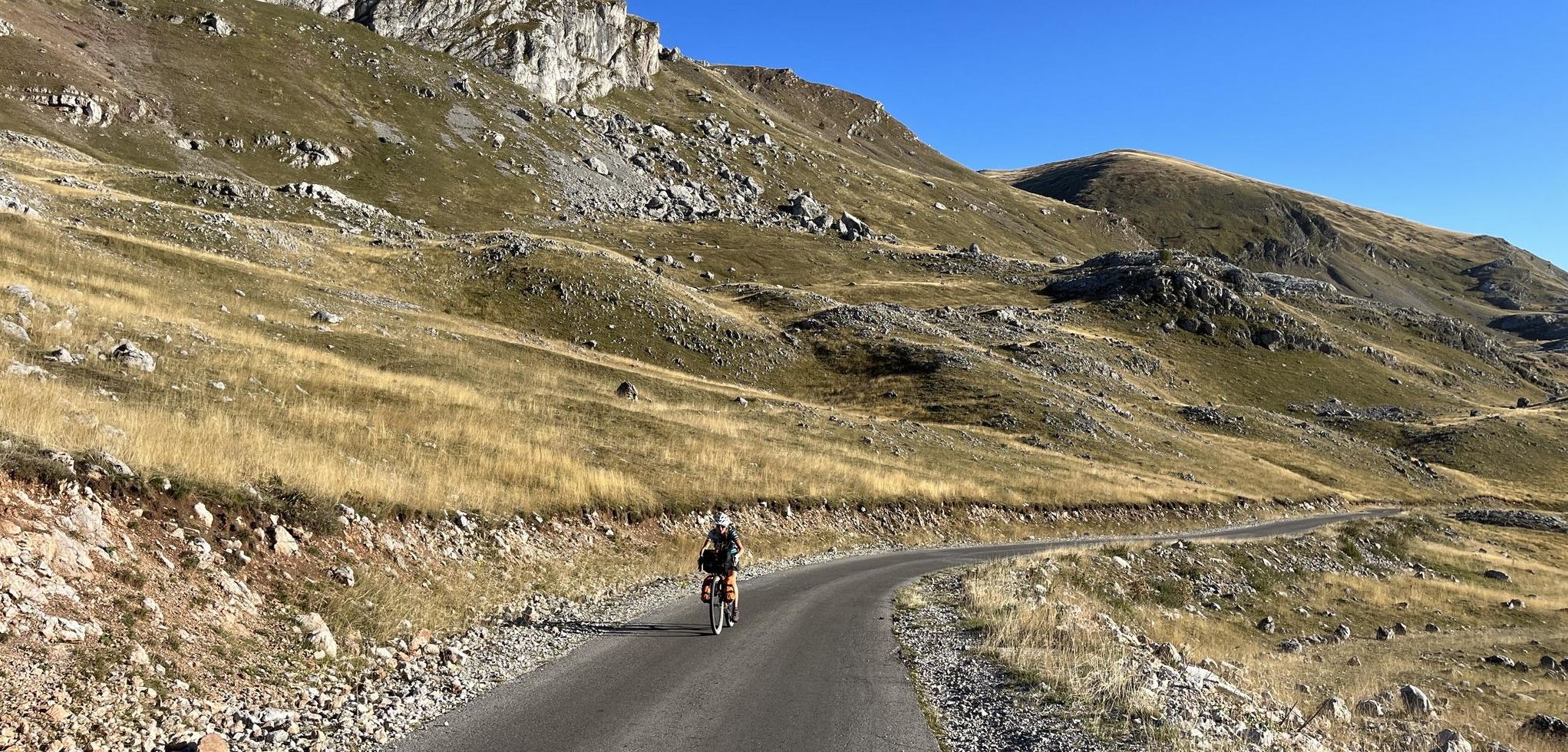
Balkan Escape – Croatia and Bosnia and Herzegovina
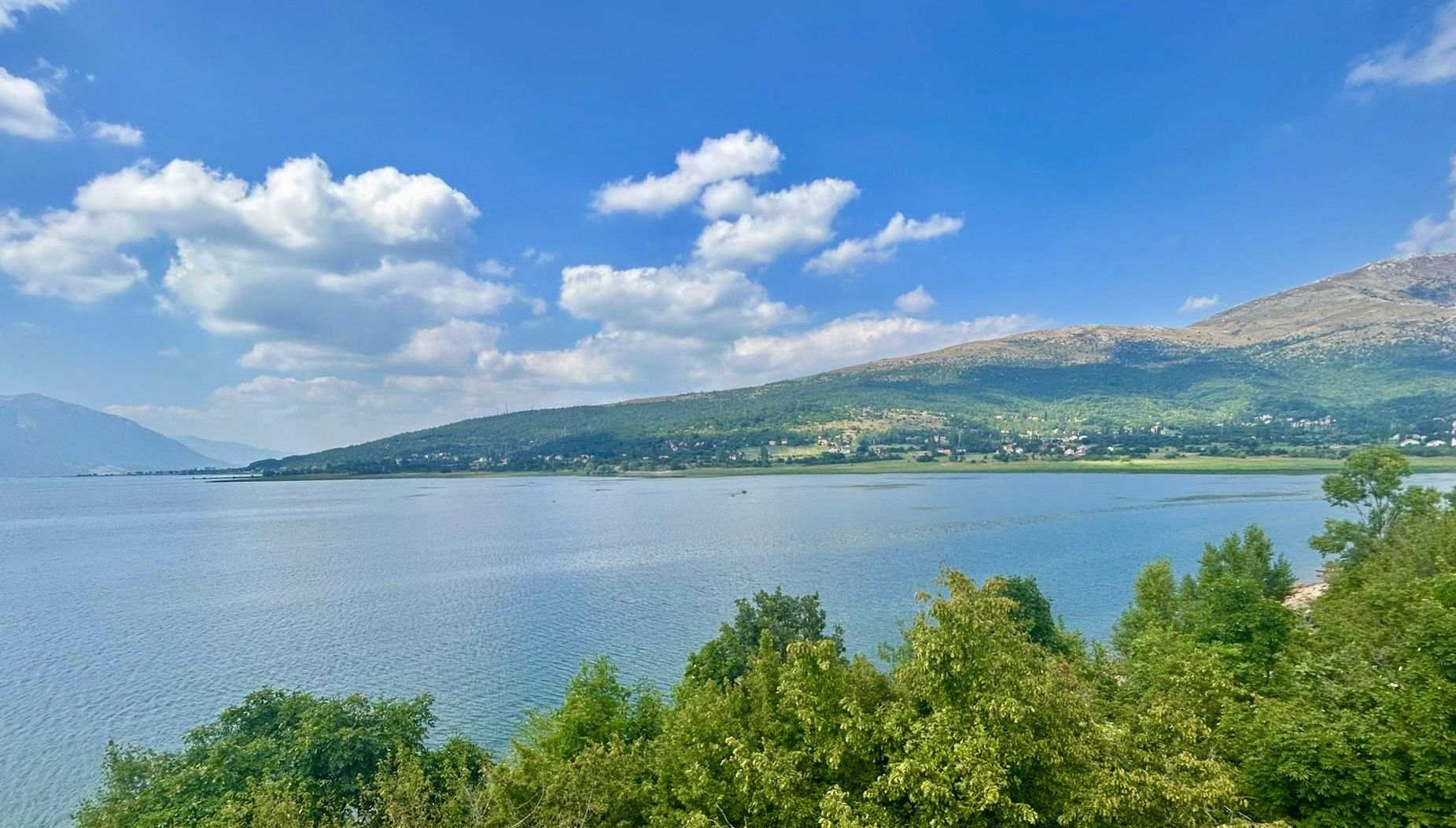
A weekend by Lake Buško – cycling the border between Croatia and Bosnia-Herzegovina
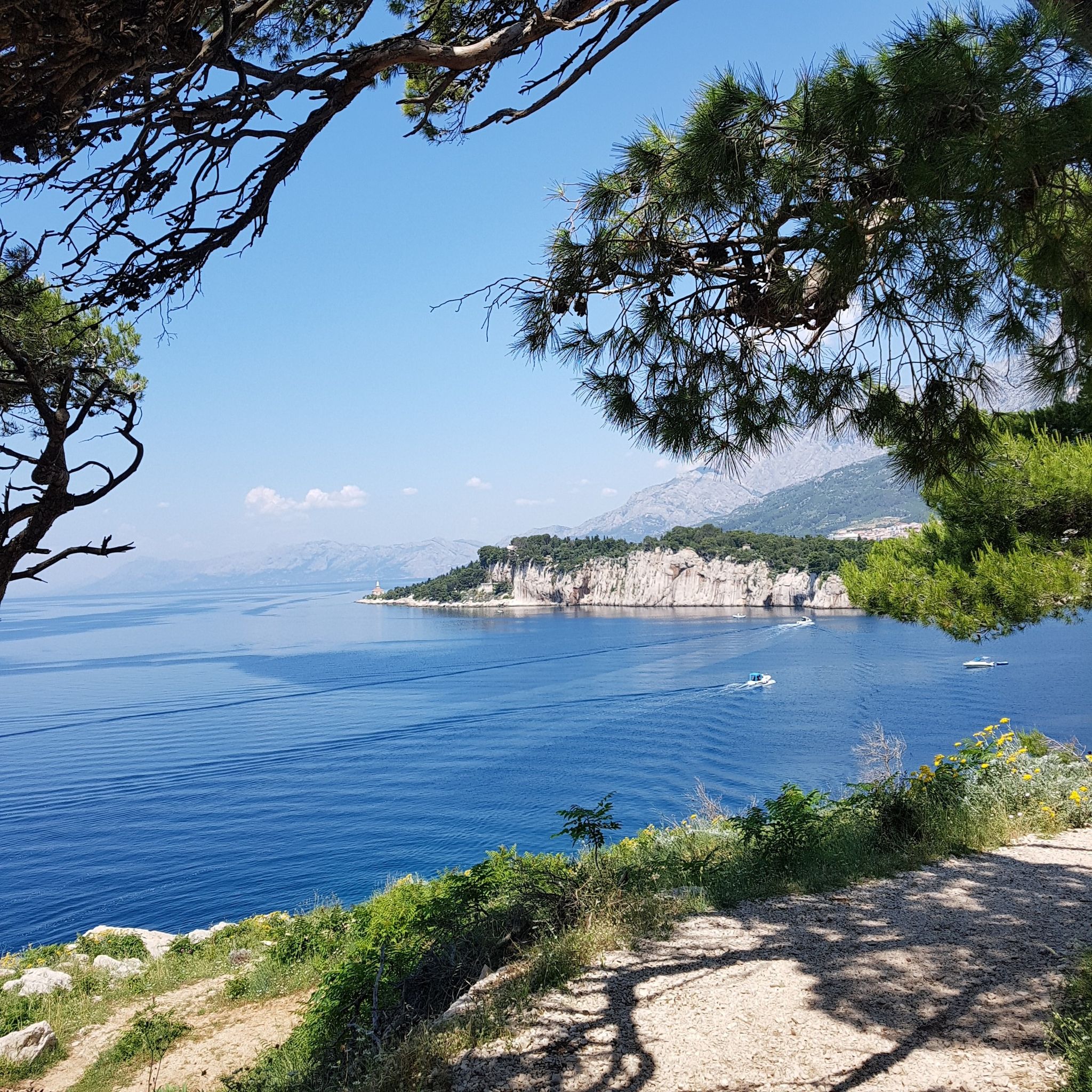
Hiking in Split-Dalmatia
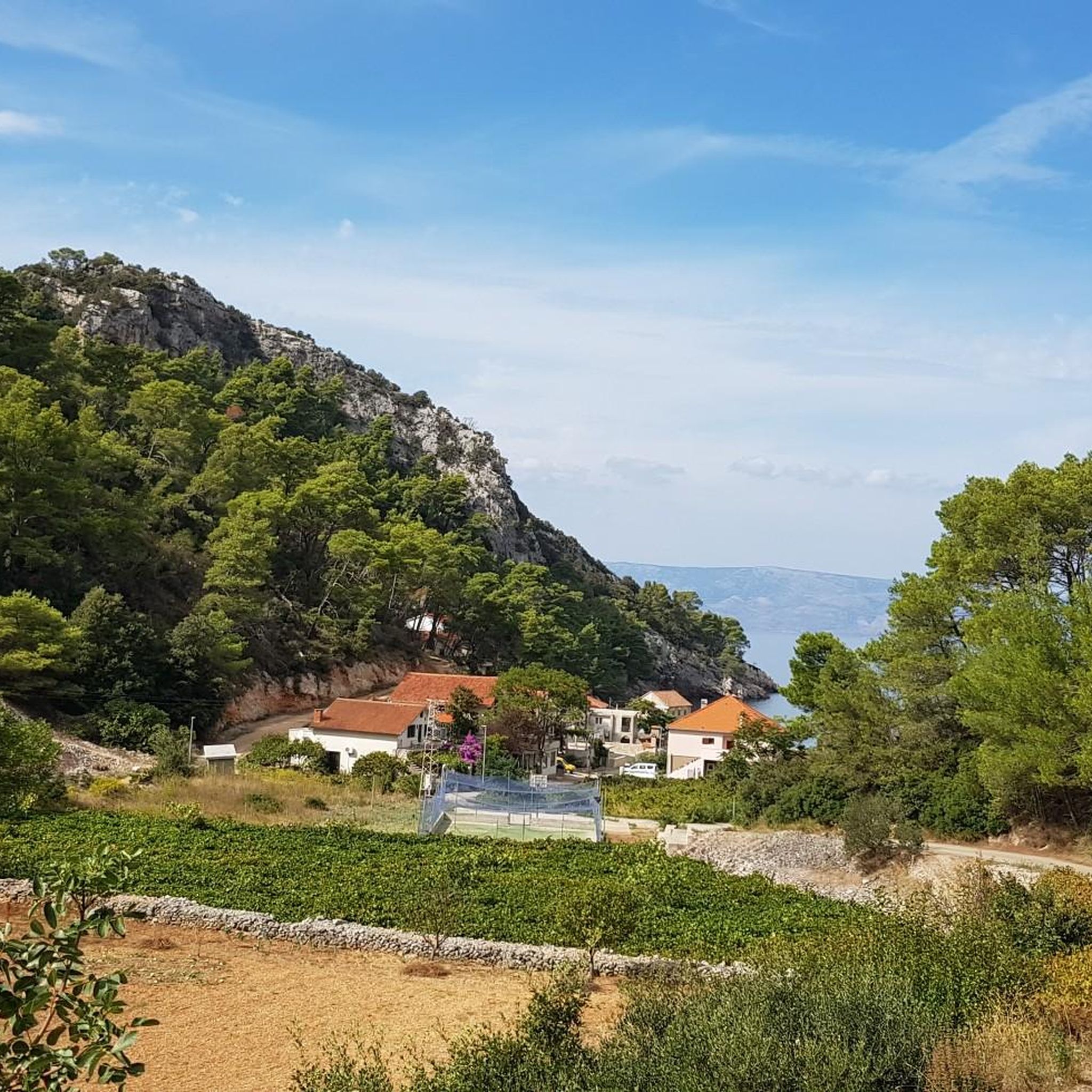
Cycling in Split-Dalmatia
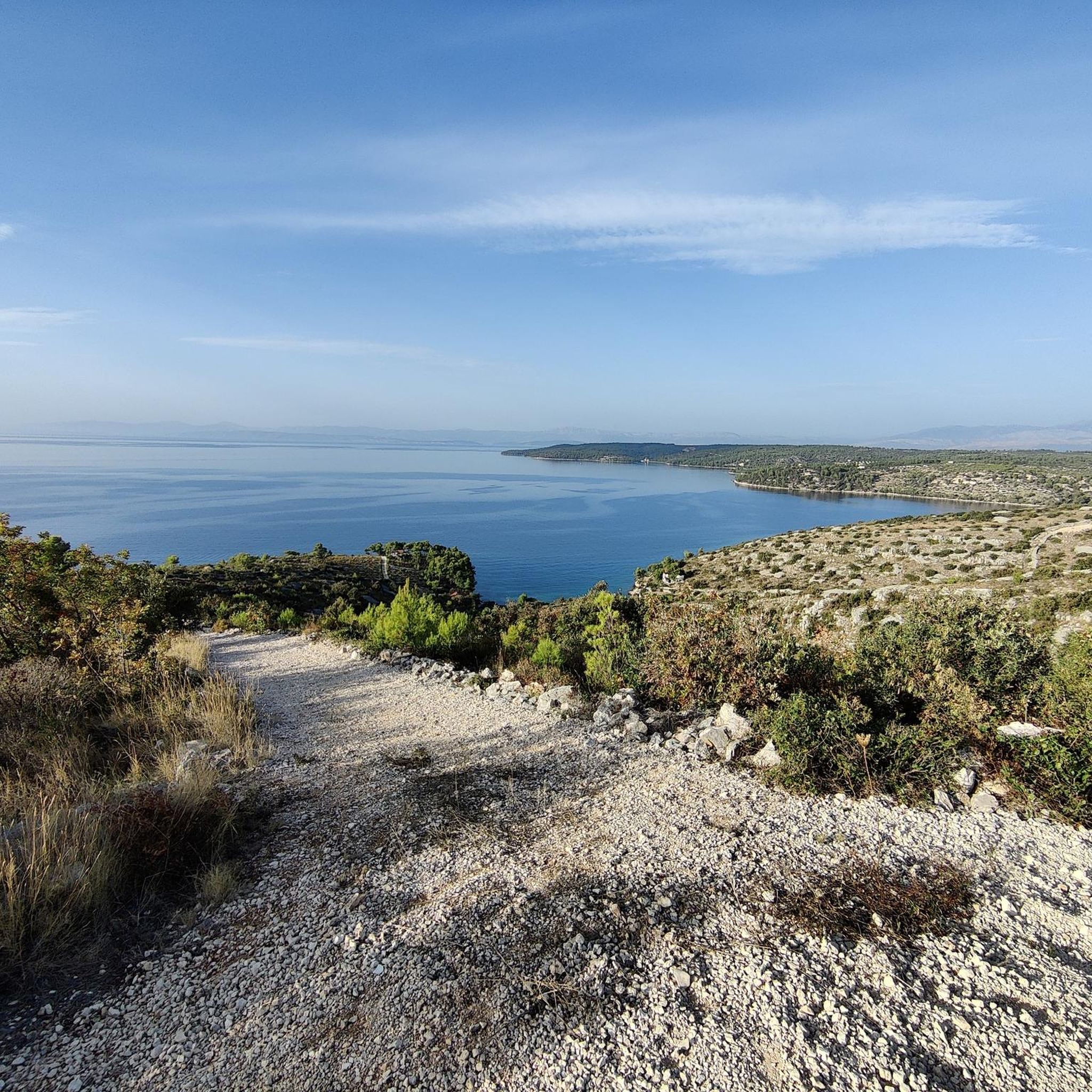
Running Trails in Split-Dalmatia
Other adventures in Split-Dalmatia


Tips from the Community

No, you can't drive up here. But it's a nice hike.
1
0

Easy to reach with the signposts, no equipment required, but there isn't much shade and quite a lot of sun, so best to pack a hat, sunscreen and plenty of water!
1
0

Super great here
0
0

A very beautiful climb towards Omis. The passage with the cross and the small cave, which looks like a natural chapel with the Jesus statue, make for lovely photo opportunities.
0
0
What a fascinating sight 👀. The depression or small cave in the rock actually looks like a natural chapel 👍🏼
0
0

Dragon's Cave (open with guided tour)
0
0


A great stopover after the climb from the coast. It's impressive that people lived and prayed here so long ago. The place has a very special atmosphere and also offers a great view of the sea.
0
0
Frequently Asked Questions
What unique natural features can I expect to see in the caves of Split-Dalmatia?
The region's karst geology has created diverse natural features. For instance, Cave Chapel with Statue of Jesus is a natural depression resembling a chapel. Vranjača Cave is known for its impressive stalactites, stalagmites, and columns, creating a 'fairy-tale landscape.' The Blue Cave on Biševo island offers a mesmerizing natural phenomenon where sunlight creates an iridescent blue glow in the water.
Are there any historically significant caves or cave-related sites in Split-Dalmatia?
Yes, many caves in the region hold significant historical and archaeological importance. Grapčeva Cave on Hvar is one of the most important prehistoric archaeological sites in the Adriatic, with evidence of human habitation dating back 4,000-5,000 years BC. Dragon's Cave (Dračja Pećina) on Brač served as a hermitage for Glagolitic monks in the 15th century and features a unique dragon carving. The Church of St Jerome (Sveti Jere) Hermitage in Marjan Cliff also features 15th-century hermitages built into the cliffs.
What is the best time of year to visit the caves in Split-Dalmatia?
The best time to visit depends on the specific cave. For the Blue Cave, the optimal time for the famous blue glow is typically between 11 AM and 2 PM, especially during the warmer months when boat tours are more frequent. Caves like Vranjača maintain a constant temperature of about 15°C year-round, making them a cool escape during hot summers.
Are there family-friendly caves in the Split-Dalmatia region?
Vranjača Cave is well-prepared for visitors with illuminated paths and easy access, making it suitable for families and nature enthusiasts. Its 'fairy-tale landscape' of rock formations can be captivating for children. Other caves might involve more challenging access, so it's best to check specific requirements.
How difficult is it to access the caves in Split-Dalmatia?
Access difficulty varies significantly. Vranjača Cave offers easy access with illuminated paths. However, visiting Dragon's Cave (Dračja Pećina) typically involves a challenging but rewarding hike. The Blue Cave is accessed by small local boats as part of organized tours. Always check the specific access requirements for each cave you plan to visit.
What kind of archaeological findings have been made in the region's caves?
Grapčeva Cave on Hvar is particularly rich in archaeological findings, including remains from various prehistoric cultures. Excavations have revealed unique colored ceramics, such as pottery with drawings of boats from 3000 BC, which are among the oldest depictions of a ship in Europe. Vranjača Cave also has archaeological findings indicating habitation in Neolithic times.
Can I combine a cave visit with other outdoor activities in Split-Dalmatia?
Absolutely. The Split-Dalmatia region offers numerous outdoor activities. You can find various Mountain Hikes in Split-Dalmatia, Running Trails in Split-Dalmatia, and Road Cycling Routes in Split-Dalmatia. For example, the challenging hike to Dragon's Cave (Dračja Pećina) offers stunning views, and a visit to Grapčeva Cave can be combined with exploring the nearby ethno-eco village of Humac.
Are there any caves in Split-Dalmatia that are also religious sites?
Yes, several caves and cave-like structures in the region have religious significance. The Church of St Jerome (Sveti Jere) Hermitage in Marjan Cliff and St. Leopold Mandić Cave Chapel are notable examples. Cave Chapel with Statue of Jesus is a natural formation that resembles a chapel. St. Nedjelja Cave and Hermitage also combines a cave with a religious hermitage.
What should I bring when visiting caves in Split-Dalmatia?
For caves like Vranjača, which maintain a cool temperature, a light jacket or sweater is advisable even in summer. Comfortable walking shoes are essential for all cave visits, especially for those involving hikes like Dragon's Cave (Dračja Pećina). If you're visiting the Blue Cave, be prepared for a boat trip and potentially getting wet.
Are there guided tours available for the caves?
Yes, guided tours are highly recommended for certain caves to enhance the experience and provide historical or geological context. For Grapčeva Cave, guided tours are often combined with a visit to the nearby village of Humac. The Blue Cave is primarily visited via organized boat tours from nearby islands like Split or Hvar.
What is the Blue Cave and how can I visit it?
The Blue Cave (Modra Špilja) is a natural sea cave on Biševo island, famous for its stunning iridescent blue light effect. This occurs when sunlight enters through an underwater opening and reflects off the white limestone seafloor. You can visit it by joining organized speedboat tours that typically depart from Split or Hvar, often including visits to other islands and coves.
What is special about Vranjača Cave?
Vranjača Cave, near Kotlenice, is a protected geomorphological natural monument. It features 365 meters of illuminated walking trails descending 65 meters below ground, showcasing breathtaking stalactites, stalagmites, and columns. It's also historically significant with Neolithic findings and was one of the first caves in Croatia to have electric lighting.
Most popular routes in Split-Dalmatia
Most popular attractions in Split-Dalmatia

Get inspired with the komoot mobile app


Explore more
Extend your search for the best caves by checking out these guides of the top ones in Split-Dalmatia:
