The 10 Most Amazing Peaks in New South Wales
Best mountain peaks in New South Wales offer diverse landscapes, from the high alpine regions of the Australian Alps to the dramatic cliffs and deep gorges of the Blue Mountains. This region is home to Australia's highest peaks, providing significant natural beauty and opportunities for exploration. The varied terrain includes vast eucalyptus forests, alpine meadows, and unique rock formations. These mountains hold cultural significance and present a range of natural features for visitors to discover.
Best mountain peaks in New…
Last updated: July 11, 2026
Mount Kosciuszko Summit lookout
Highlight • Summit
Tip by

Mount Majura summit
Highlight • Summit
Tip by

Sign up now to discover places like this
Get recommendations on the best single tracks, peaks, & plenty of other exciting outdoor places.
Sign up for free
Tomaree Mountain Lookout
Highlight • Viewpoint
Tip by

Mount Ainslie Nature Reserve
Highlight • Forest
Tip by
Mount Ainslie Summit Lookout
Highlight • Viewpoint
Tip by

Mount Ainslie Lookout
Highlight • Viewpoint
Tip by
Charlotte Pass
Highlight • Viewpoint
Tip by
One Tree Hill Lookout
Highlight • Viewpoint
Tip by
Summit of Mount Stromlo
Highlight • Summit
Tip by

Cathedral Rock Lookout
Highlight • Viewpoint
Important: Hiking boots and experience. The ascent is not easy.
Showing Translation
Tip by

Sign up for free to discover even more peaks in New South Wales.
Sign up for free
Already have an account?
Start today with a free account
Your next adventure awaits.
Login or Signup


Tips from the Community

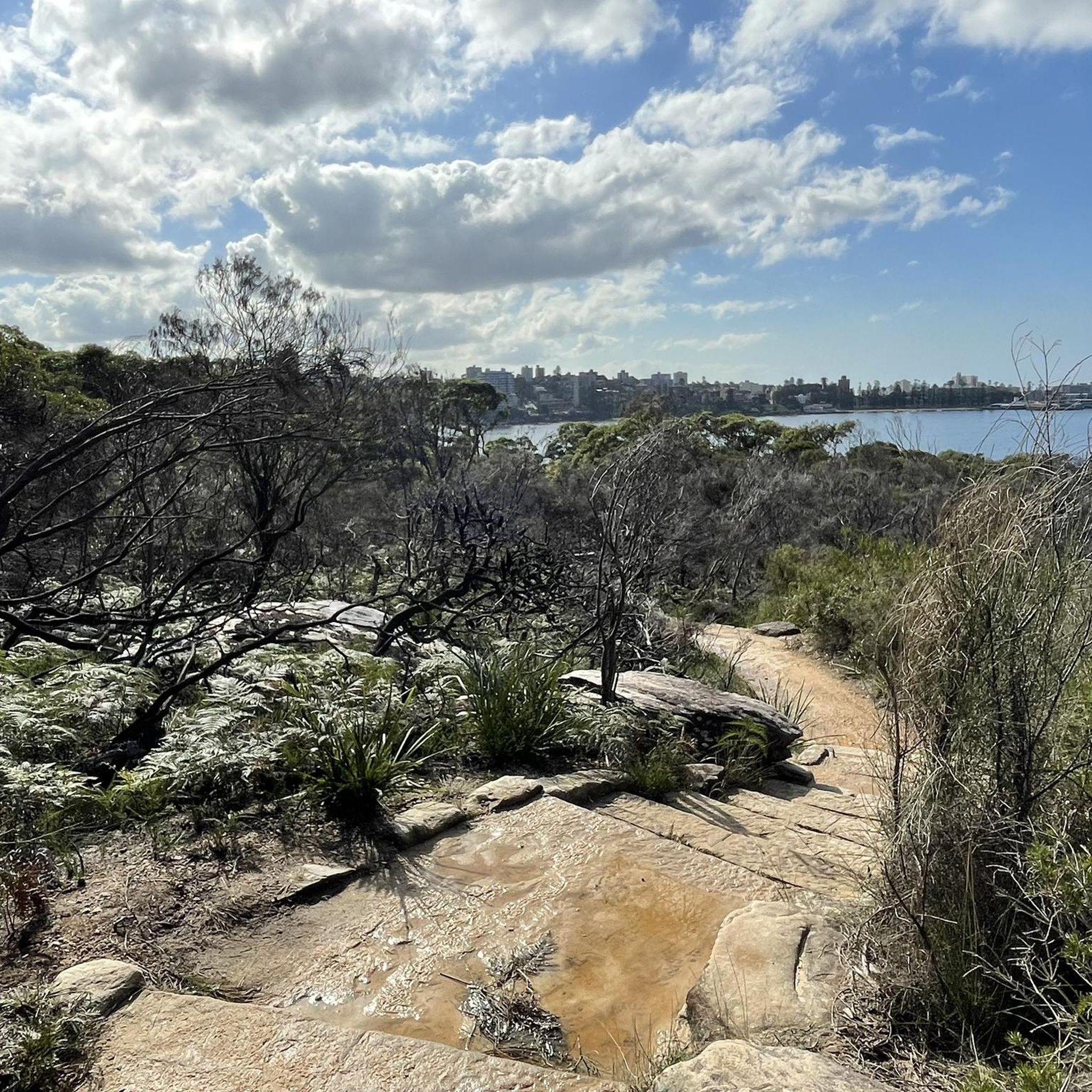
The Mount Ainslie Lookout is wheelchair accessible from the Mount Ainslie Lookout Bus and Car Park. The large observation deck is paved and has amazing views of Canberra and the Molonglo River. All around the viewing platform are informational plaques describing landmarks that can be seen from up here.
1
0
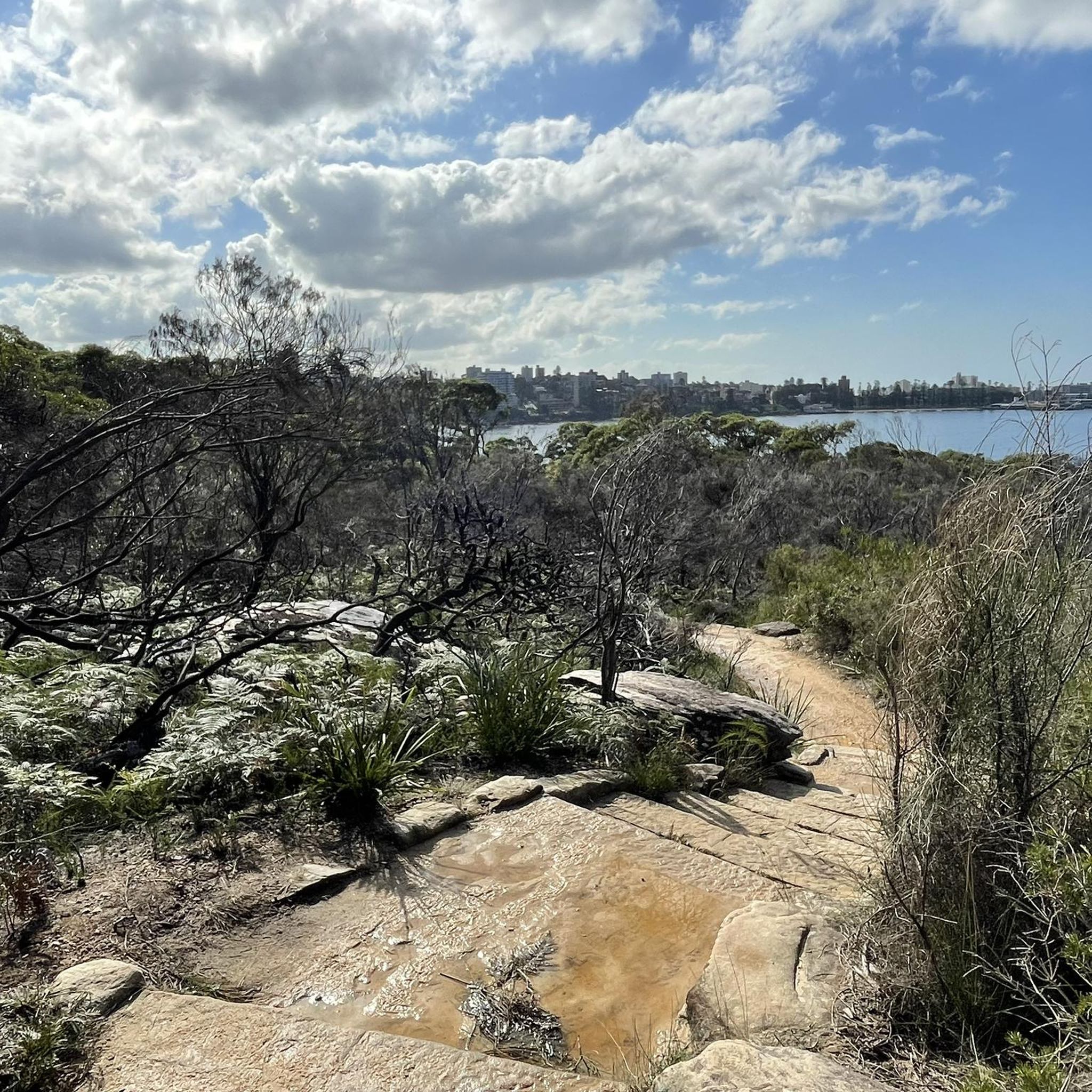
Mount Majura rises to 890 metres and is the highest peak in suburban Canberra. The summit can be reached by several tracks, including Mount Majura from Mackenzie Street, and the Mount Majura Ssummit loop. The summit is marked with a white Airservices Australia radar tower, and there are nice views from beyond the trees. The area is dog-friendly on a leash, popular with locals, runners, bushwalkers and birdwatchers.
1
0

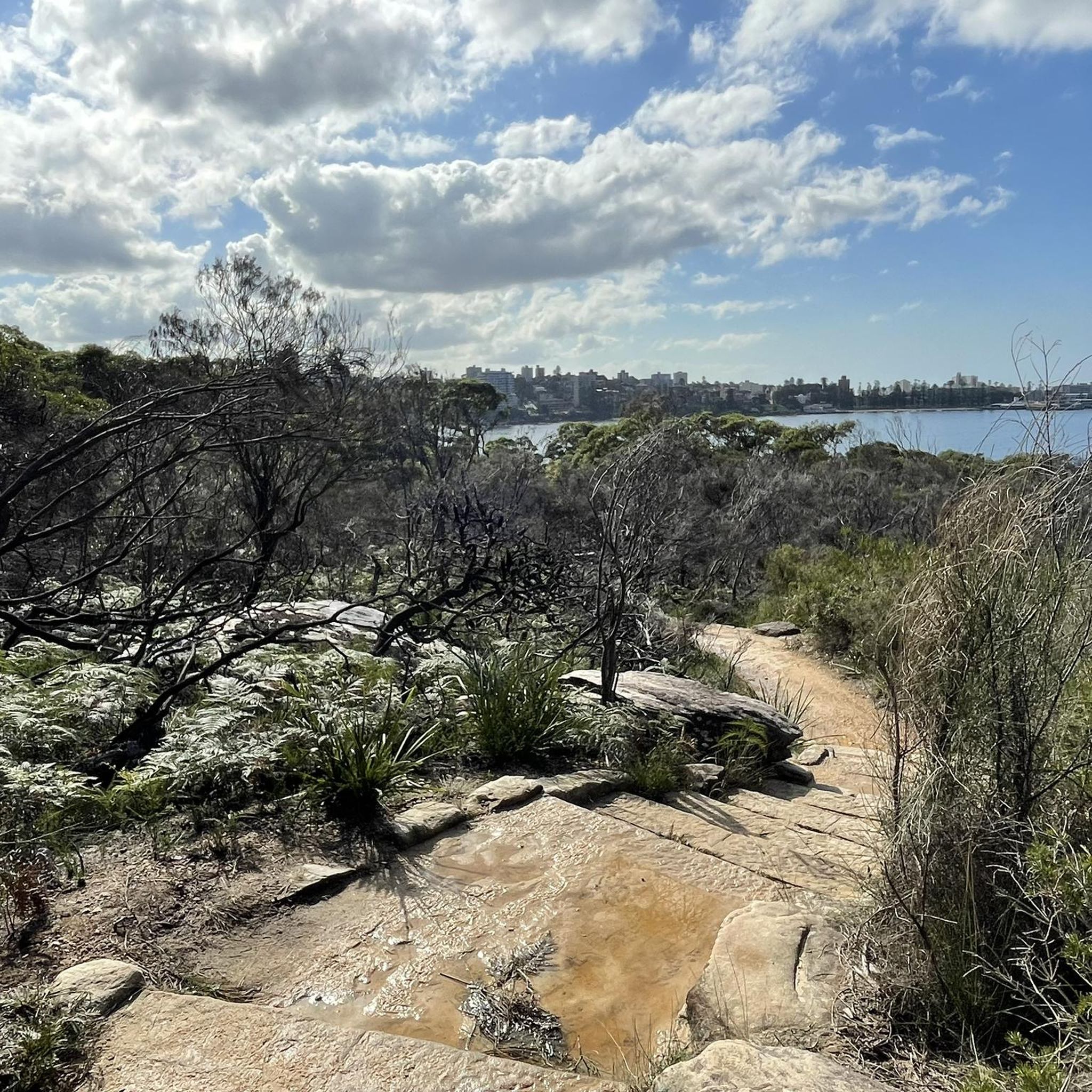
Mount Ainslie Nature Reserve covers 637 hectares of native bushland on Canberra's northeast edge, adjacent to Mount Majura Nature Reserve. There is a network of shared trails that wind through eucalypt forest, leading to beautiful views of Lake Burley Griffin and the city from the summit. Aside from the popular trails, the reserve also protects critically endangered grassy woodlands and diverse habitats that support threatened birds, rare plants, and native wildlife.
0
0

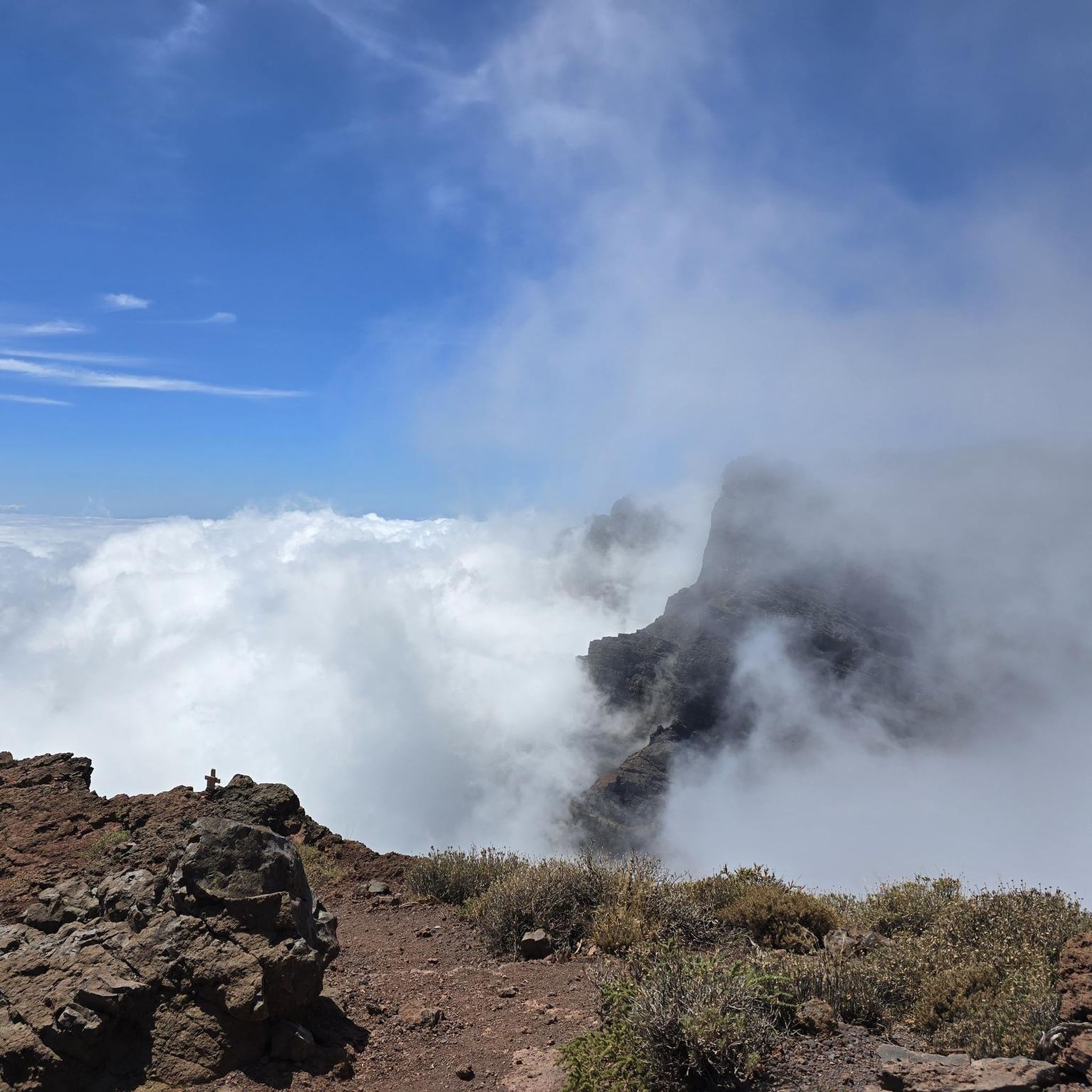
Mount Kosciuszko Summit Lookout marks the highest point in Australia at 2,228 metres, with wide, open views across the Snowy Mountains. The final stretch from Rawson Pass follows a gradual, exposed path across alpine terrain, where weather can shift quickly. From the top, you’re surrounded by rolling peaks, high plains, and distant ridgelines in every direction. There’s little shelter here, so expect wind even on clear days and allow time to take in the scale of the landscape before heading back down.
0
0

Fantastic view. Cathedral Rock. It's worth climbing to the top. Important: Hiking boots and experience. The ascent is not easy.
2
0
One Tree Hill is the highest point on the Canberra Centenary Trail, sitting on the border between the ACT and New South Wales. From the open hilltop, there are sweeping views that extend across Canberra’s northern suburbs, the rural plains around Hall, and the distant Brindabella Range. A trig point marks the summit, making it a rewarding destination after the steady climb.
0
0
This lookout sits at the summit of Tomaree Head, reached by the popular Tomaree Head Summit Walk. From here, there are fantastic, unobstructed views of the entrance to Port Stephens, including Shoal Bay, Zenith Beach, and the surrounding coastline. This elevated vantage point offers one of the most recognisable panoramas in the Port Stephens area.
0
0
Charlotte Pass is a ski resort and small village. Here is the Kosciuszko National Park, where the Kosciuszko Road crosses Kangaroo Ridge. Charlotte Pass is the jumping-off point for Mount Kosciuszko and a great spot to take in and learn about the surrounding range.
0
0
Frequently Asked Questions
What are some of the most popular mountain peaks to visit in New South Wales?
New South Wales offers a variety of popular mountain peaks. Among them, Mount Kosciuszko Summit lookout stands out as Australia's highest point, offering expansive views across the Snowy Mountains. Another highly regarded spot is Tomaree Mountain Lookout, which provides fantastic, unobstructed views of Port Stephens and its coastline. For those near the capital, Mount Ainslie Summit Lookout offers excellent panoramic views over Canberra.
What makes the Blue Mountains a popular destination for mountain enthusiasts?
The Blue Mountains, a UNESCO World Heritage Area, are renowned for their dramatic scenery, including steep cliffs, deep gorges, and vast eucalyptus forests that create a distinctive blue haze. It's a highly popular destination due to its accessibility from Sydney and the wide array of activities available, such as hiking, mountain biking, canyoning, and abseiling. Iconic rock formations like the Three Sisters and numerous lookouts such as Echo Point offer incredible panoramic views.
What kind of natural features can I expect to see in the Snowy Mountains region?
The Snowy Mountains, particularly within Kosciuszko National Park, are characterized by stunning alpine meadows, vibrant wildflowers in summer, and a snowy wonderland in winter. You'll find glacial lakes, snow gum forests, and unique alpine flora and fauna. Peaks like Mount Kosciuszko, Mount Townsend, and Mount Twynam contribute to the spectacular alpine landscapes, offering broad summit tables and dramatic views.
What is the best time of year to hike in the New South Wales mountains?
The best time to visit the New South Wales mountains largely depends on the activity. For hiking and enjoying alpine meadows, summer (December to February) is ideal, especially in the Snowy Mountains, where wildflowers are in bloom. Winter (June to August) transforms the higher peaks into a snowy landscape, perfect for skiing and snowboarding. The Blue Mountains are accessible year-round, with pleasant hiking conditions in spring and autumn.
Are there family-friendly mountain walks in New South Wales?
Yes, there are family-friendly options available. For example, Mount Ainslie Summit Lookout is easily accessible and offers great views, making it suitable for families. In the Blue Mountains, many shorter trails and lookouts are designed for easy access. For a more structured easy hike, the Tomaree Head Summit Walk is a popular choice.
What outdoor activities can I do near the mountain peaks in New South Wales?
Beyond hiking, the New South Wales mountains offer diverse outdoor activities. In the Blue Mountains, you can enjoy mountain biking, canyoning, and abseiling. The Snowy Mountains are popular for skiing and snowboarding in winter. For cycling enthusiasts, there are numerous routes for gravel biking and road cycling throughout the region.
How accessible is Mount Kosciuszko for visitors?
Mount Kosciuszko is surprisingly accessible for Australia's highest peak. The hike to the summit is considered rewarding and can be done via popular trails like the Main Range Track and the Summit Walk. For a more leisurely ascent, the Kosciuszko Express Chairlift offers a scenic ride, reducing the hiking distance significantly. The final stretch from Rawson Pass is a gradual, exposed path across alpine terrain.
Are there challenging multi-day treks available for experienced hikers?
Yes, experienced hikers can find challenging multi-day treks, particularly in Kosciuszko National Park. The journey to Mount Townsend, Australia's second-highest peak, is often part of the '10 Peaks' challenge, involving traversing multiple high peaks. Summiting Mount Twynam is also a popular activity for experienced hikers, often included in multi-day treks exploring the Main Range, offering expansive views and a challenging experience.
What is unique about Mount Jagungal?
Mount Jagungal is unique as the most northerly 2000-meter peak in Australia and the dominant peak in the Jagungal Wilderness Area of Kosciuszko National Park. Its isolation from other high peaks provides a distinct summit experience, towering over surrounding plains. The summit features a 'lizard-like frill of vertical rock towers' due to its amphibolite cap. The surrounding wilderness is ideal for multi-day trekking, offering panoramic views and a fulfilling challenge.
Are there easy hiking trails near the mountain peaks in New South Wales?
Yes, there are several easy hiking trails. For instance, the Tomaree Head Summit Walk is an easy route offering fantastic views. Another accessible option is the Mount Ainslie Summit via Kokoda Memorial Track, which provides great views over Canberra. These trails are suitable for those looking for less strenuous options while still enjoying the mountain scenery.
What permits are required for hiking in the New South Wales mountains?
For hiking in national parks like Kosciuszko National Park, entry fees typically apply per vehicle or per person. Specific permits for overnight stays or certain remote areas might be required, especially for multi-day treks in wilderness areas. It's always advisable to check the official NSW National Parks and Wildlife Service website for the most current information on fees and permits before your visit.
Are there any dog-friendly trails in the New South Wales mountains?
Generally, dogs are not permitted on trails within national parks, including Kosciuszko National Park and many areas of the Blue Mountains, to protect native wildlife. However, some regional parks or state forests might offer dog-friendly walking tracks. It's crucial to check specific local council or park authority regulations for any area you plan to visit with your dog.
Most popular routes in New South Wales
Most popular attractions in New South Wales

Get inspired with the komoot mobile app


Explore more
See even more amazing summits in New South Wales with these guides:
