Top 16 Lakes in New South Wales
Lakes in New South Wales offer diverse natural landscapes, ranging from vast coastal saltwater lakes to ancient inland dry lakebeds and alpine waters. The region features significant sites for watersports, fishing, and birdwatching, alongside locations of deep cultural importance to First Nations people. These lakes are integral to the state's natural heritage, providing varied ecosystems and recreational opportunities. The area's geography supports both freshwater and estuarine environments, contributing to its ecological diversity.
Best lakes in New South Wales
- The most popular lakes is Karloo Pool, a natural swimming hole that is often noted as one of the best in the Sydney area. Its clear waters can reach up to 3 meters deep, making it a popular spot for cooling off.
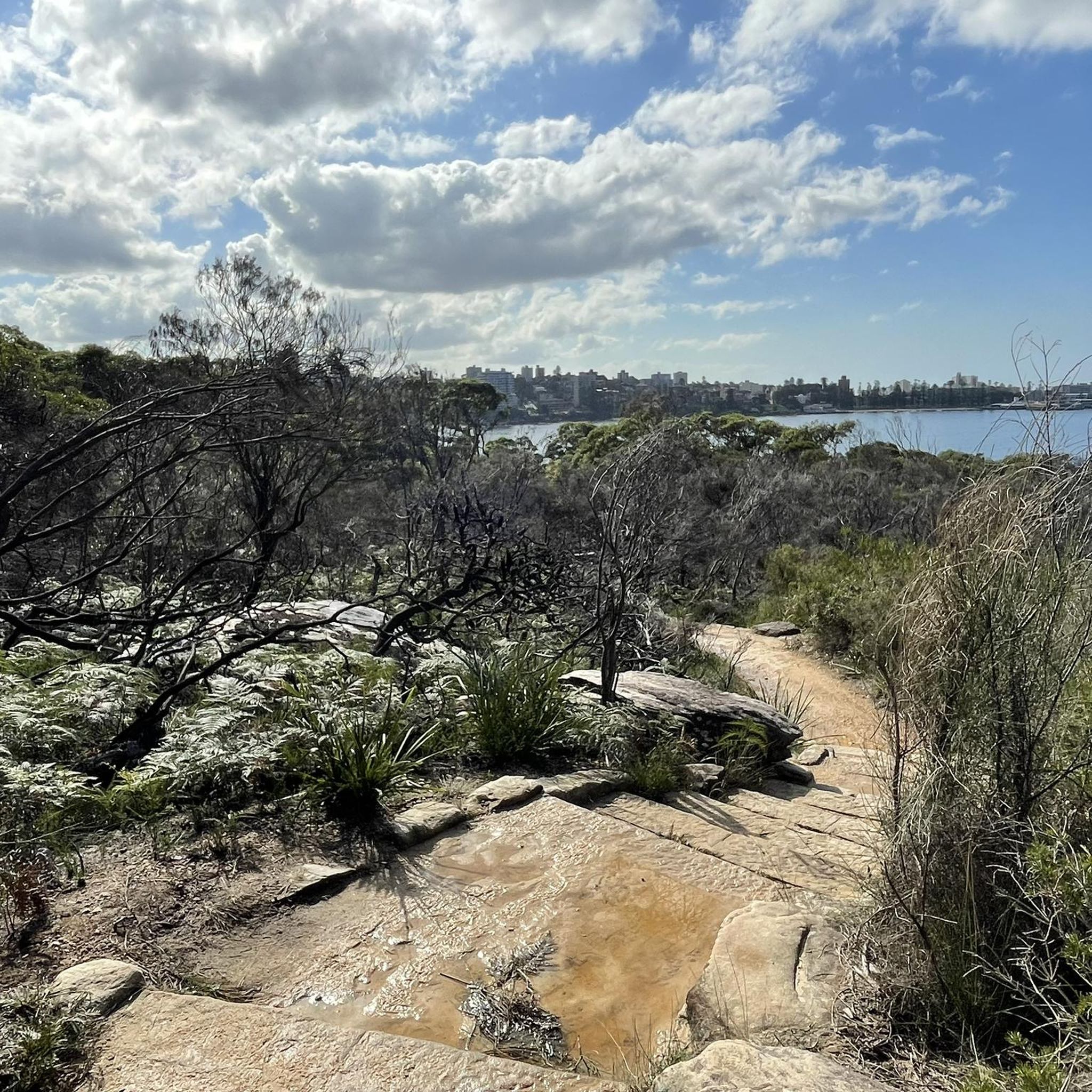
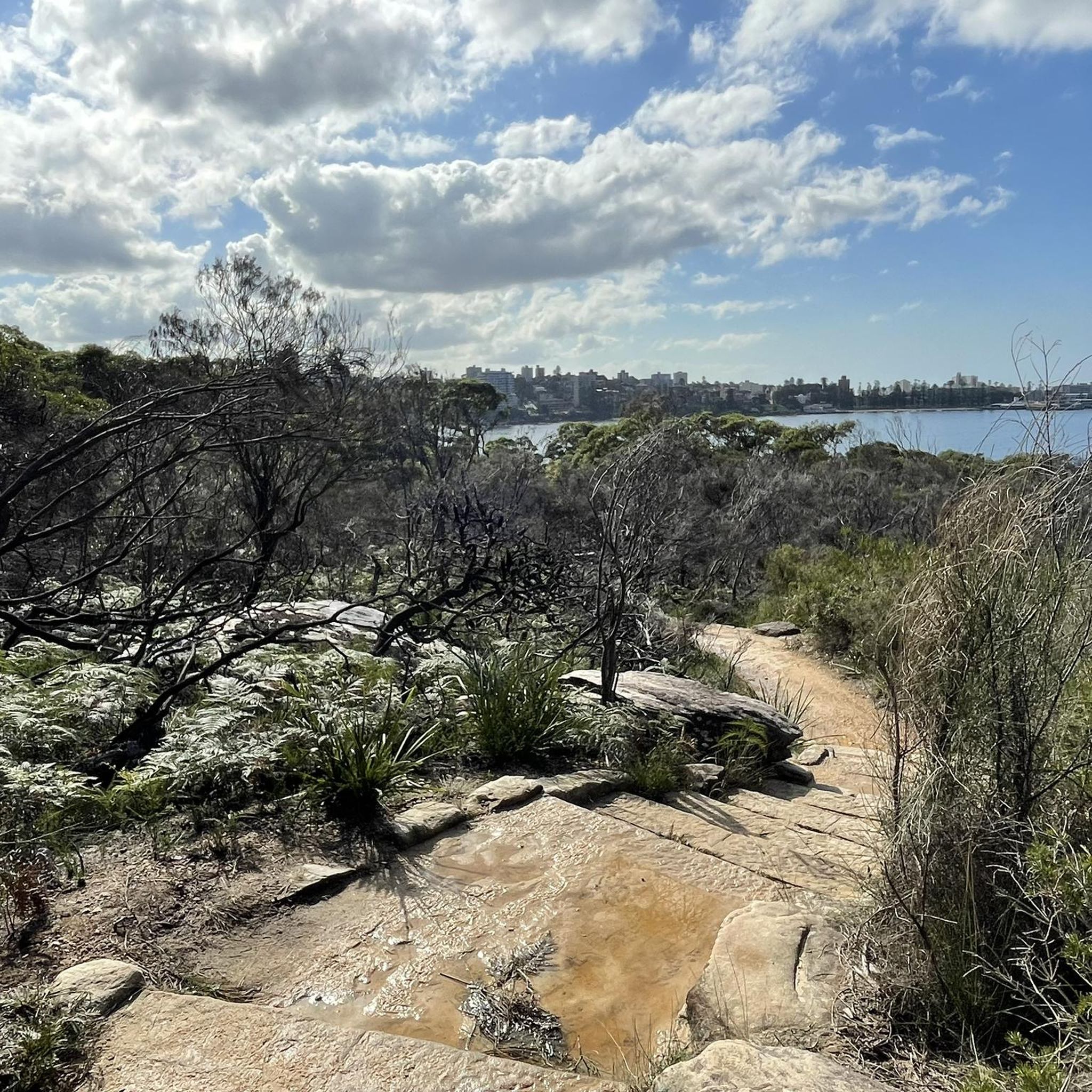
- Another must-see spot is View of Spit Bridge and Middle Harbour, a viewpoint offering sweeping views across Middle Harbour. This location provides a striking contrast of bushland, sheltered bays, and the distant Sydney skyline.
- Visitors also love Jerusalem Bay, a scenic lake spot along the Great North Walk. Surrounded by steep, bush-covered hills, this sheltered inlet feels remote despite its proximity to Sydney.
- New South Wales is known for its coastal saltwater lakes, inland freshwater lakes, and culturally significant ancient lakebeds. This variety offers opportunities to explore diverse ecosystems and historical sites.
- The lakes in New South Wales are appreciated by the komoot community, with more than 20 upvotes and 15 photos shared across various highlights.
Last updated: July 11, 2026
Jerusalem Bay
Highlight • Lake
Tip by

Scrivener Dam
Highlight • Monument
Tip by

Sign up now to discover places like this
Get recommendations on the best single tracks, peaks, & plenty of other exciting outdoor places.
Sign up for free
Narrabeen Lagoon
Highlight • Lake
Tip by
Lake Belvedere
Highlight • Lake
Tip by
Karloo Pool
Highlight • River
Tip by

Botany Bay
Highlight • Beach
Tip by
Fishponds Waterhole
Highlight • Lake
Tip by
Akuna Bay Marina
Highlight • Rest Area
Tip by

Lake Parramatta Circuit Walk
Highlight (Segment) • Trail
Tip by

Bay Run at Rodd Park
Highlight • Cycleway
Tip by

Sign up for free to discover even more lakes in New South Wales.
Sign up for free
Already have an account?
Start today with a free account
Your next adventure awaits.
Login or Signup



Tips from the Community

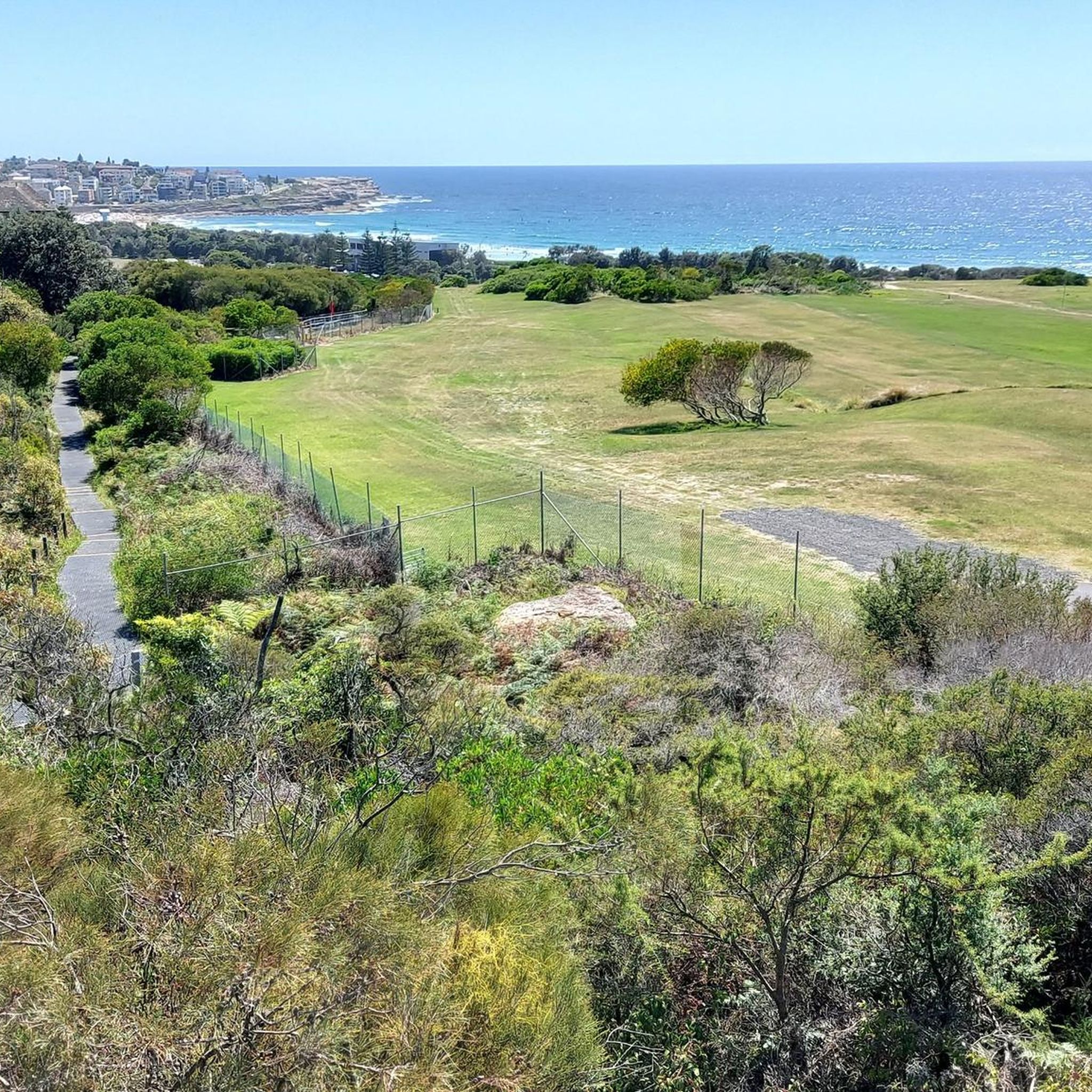
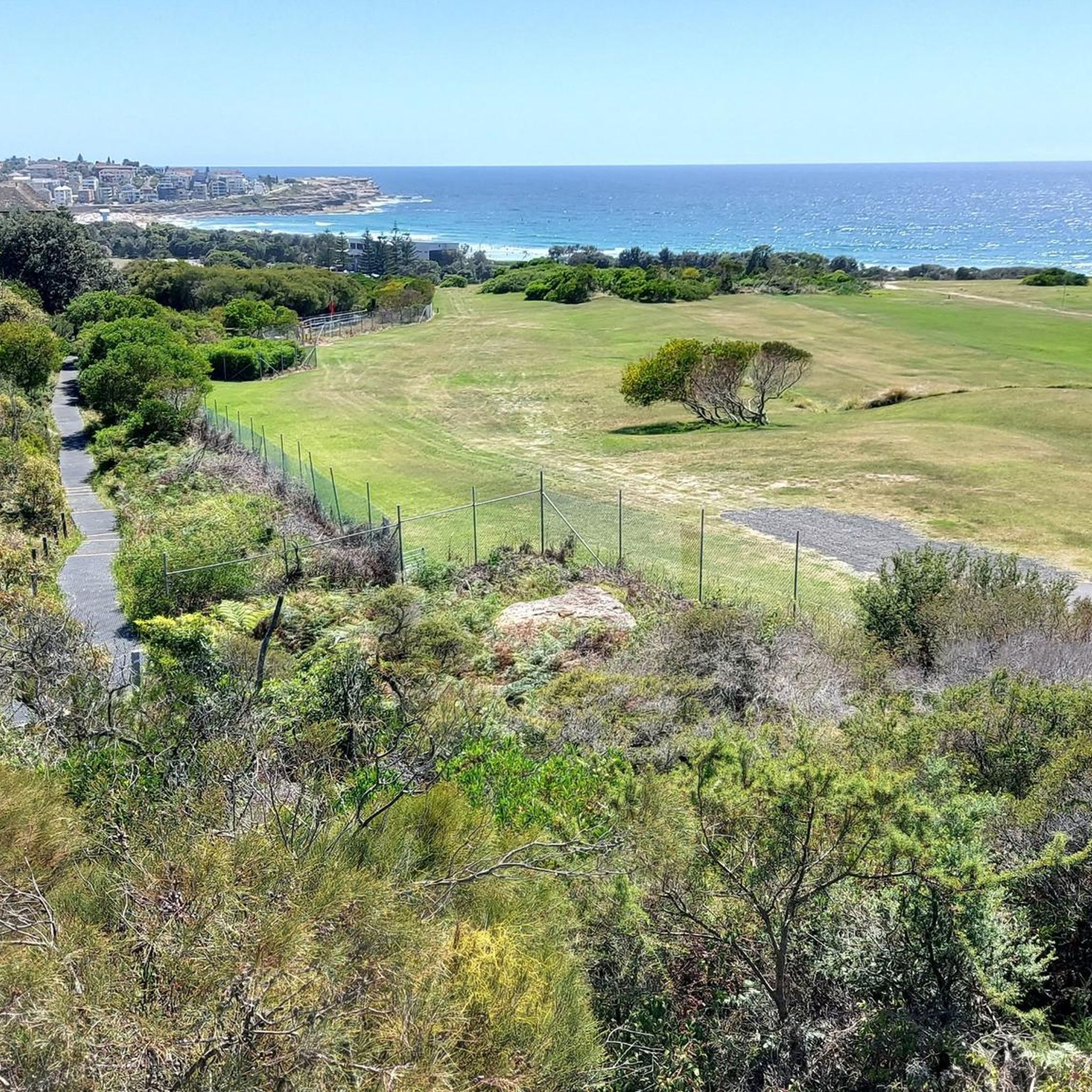
Botany Bay is famous for being the site of Captain James Cook's first landing in Australia in 1770. Today, the Sydney Airport juts out into the northern end of the bay, and the Towra Point Nature Reserve juts out into the southern end of the bay. Sandy beaches and multi-use paths line the waters, and it's a scenic recreation spot for anyone to enjoy.
0
0

Lake Belvedere sits in Bicentennial Park, where former landfill has been reshaped into lakeside parkland and freshwater habitat. The lake is one of the easiest birdwatching spots around Sydney Olympic Park, with breeding habitat for a wide range of waterbirds and flat paths close to the shoreline. It’s a calm, open section of the Homebush Bay loop, with picnic areas, cycle paths, and views across the surrounding parklands.
0
0

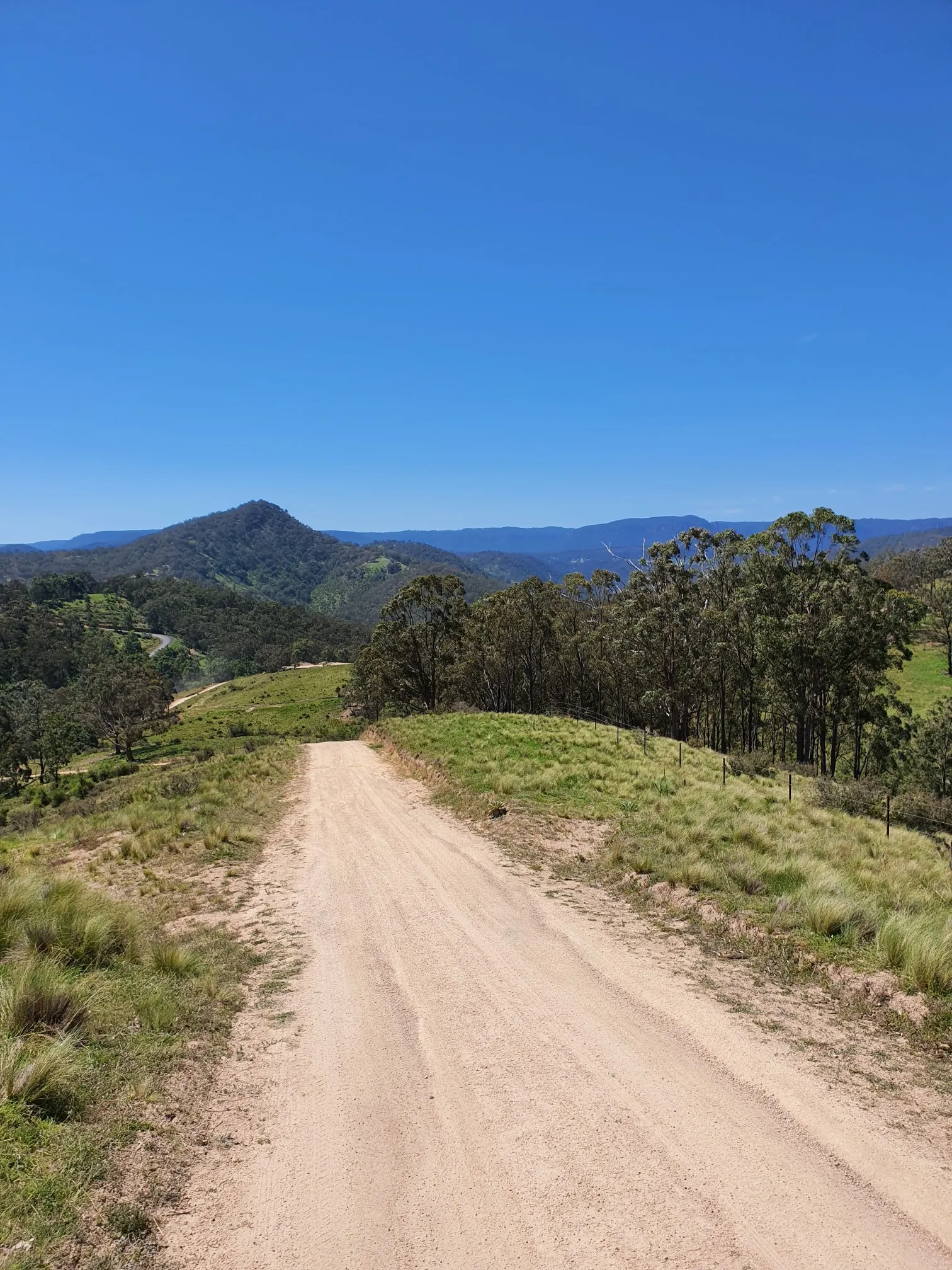
Scrivener Dam is a concrete gravity dam on the Molonglo River, completed in 1963, and is responsible for creating Lake Burley Griffin as a recreational and ornamental body of water. Named after surveyor Charles Scrivener, the dam is about 33 metres high and 319 metres long, with hydraulically operated fish‑belly flap gates that precisely control the lake levels and provide flood management capability. The dam also carries a roadway and the walking/cycling path, and helps form the backdrop to one of Canberra’s key engineering landmarks.
0
0
Karloo Pool is often noted as one of the best natural swimming holes in the Sydney area. The pool stretches about 20 metres long and 10 metres wide, and can reach up to 3 metres deep. There is a shallow rock ledge along the edges of the pool, which makes getting into the water fairly easy. On a hot day, the pools can get quite busy, and the water is famously clear.
1
0
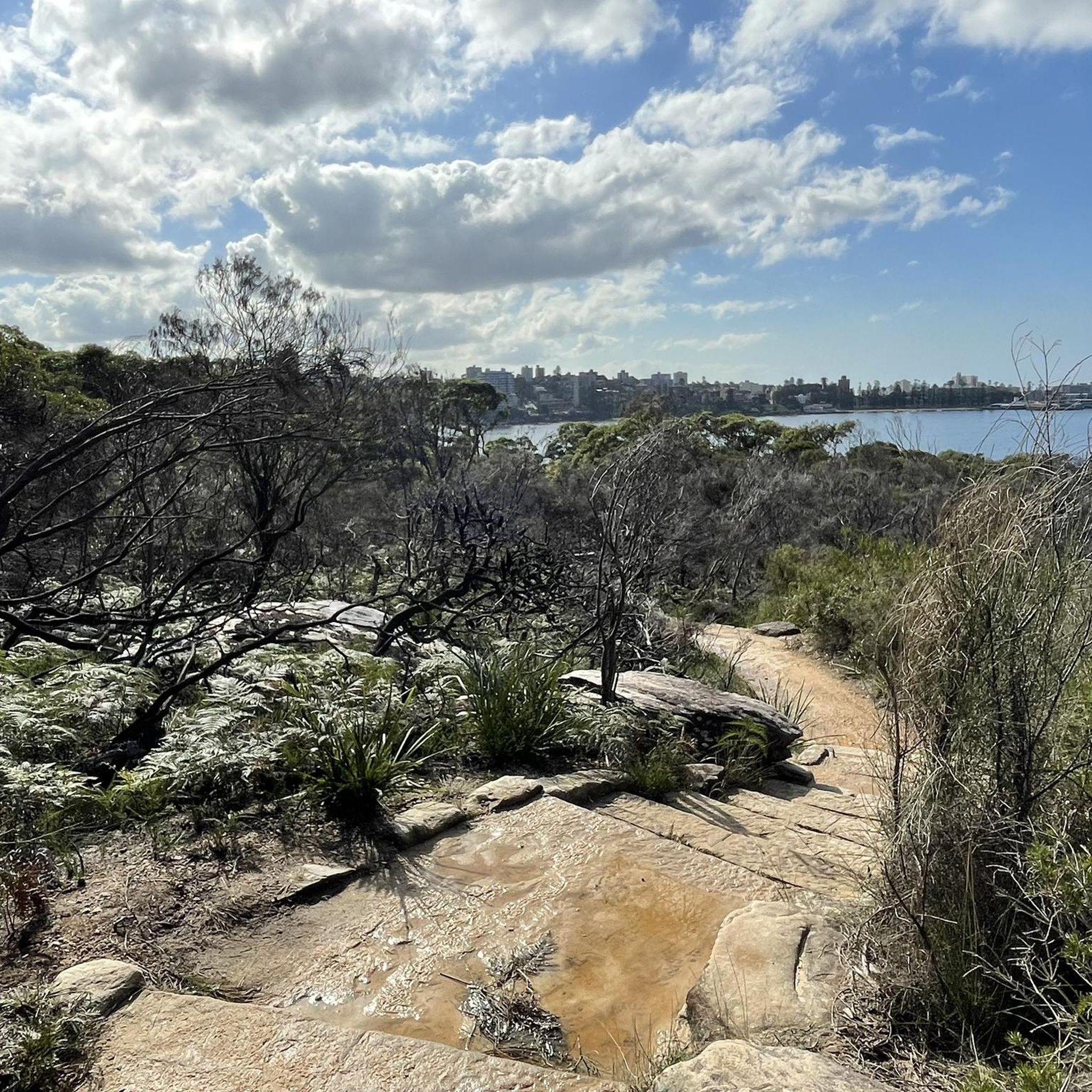
Jerusalem Bay is one of the most scenic spots along the Great North Walk in Ku-ring-gai Chase National Park. The track descends through sandstone bushland and eucalypt forest before reaching the quiet waters of the bay, which forms part of Cowan Creek. Surrounded by steep bush-covered hills, the sheltered inlet feels remote despite being relatively close to Sydney. The calm water and sandy edges make it a peaceful place to rest along the walk, and it’s common to spot fish, waterbirds, and other wildlife around the bay.
0
0
Fishponds is a long natural waterhole on Berowra Creek, surrounded by tall sandstone cliffs and small caves. Stepping stones cross the creek at one end, with a small timber bridge nearby, making it a natural rest point along the Blue Gum Walk. Despite its inviting appearance, swimming is not recommended due to pollution and past incidents, so it’s best enjoyed from the banks.
0
0
Narrabeen Lagoon, also known as Narrabeen Lake, is one of the Northern Beaches’ most treasured natural assets. Surrounded by suburban Sydney, it provides a pocket of wilderness where visitors can enjoy bushwalking, kayaking, paddleboarding, cycling, or relaxing by the water. The lagoon is a haven for wildlife, with diverse birdlife and thriving aquatic ecosystems. It’s also a cultural and recreational hub, with playgrounds, boating facilities, and picnic areas, making it a favourite spot for both locals and visitors.
1
0

There is so much to do at Lake Parramatta but talking a walk around the lake should be on your list. The well-maintained path makes a full loop around the lake and goes by many other attractions such as the playground, picnic areas, and various viewpoints.
1
0
Frequently Asked Questions
What are some popular lakes in New South Wales for swimming and water activities?
New South Wales offers many lakes perfect for swimming and various water activities. Karloo Pool is a highly-rated natural swimming hole in the Sydney area, known for its clear waters up to 3 meters deep. Other popular spots include Lake Macquarie, Australia's largest coastal saltwater lake, ideal for boating, fishing, and swimming. Narrabeen Lagoon on Sydney's Northern Beaches is great for kayaking and paddleboarding, while Wallaga Lake and Myall Lake are cherished for swimming, boating, and water skiing.
Are there family-friendly lakes in New South Wales with activities for children?
Yes, several lakes in New South Wales are excellent for families. Narrabeen Lagoon is a family-friendly highlight, offering cycling, paddleboarding, and picnics. Lake Mulwala is known for its aquatic playground with waterslides and splash parks. Many coastal lakes like Lake Macquarie and Lake Illawarra provide safe environments for swimming, fishing, and boating, making them ideal for family outings.
Which lakes in New South Wales are significant for birdwatching and nature observation?
New South Wales boasts several lakes that are vital sanctuaries for birdlife and offer excellent nature observation. Lake Cowal is the state's largest natural inland lake and a crucial habitat for over 180 species of waterbirds, including rare and endangered ones. Yanga Lake in Yanga National Park is a breeding ground for over 150 species of migratory and water birds, featuring a raised viewing deck. Thirlmere Lakes National Park, with its five ancient freshwater lakes, is home to 140 bird species.
What cultural or historical sites can be found near lakes in New South Wales?
New South Wales lakes hold deep cultural and historical significance. Mungo Lake, though now dry, is part of the World Heritage-listed Willandra Lakes Region and is the site where 'Mungo Man' and 'Mungo Woman' were discovered, providing evidence of First Nations people dating back over 50,000 years. Wallaga Lake, near Bermagui, includes Merriman's Island, which is culturally important to the Yuin-Monaro People. The Blue Lake at Jenolan Caves was traditionally believed by the Gundungarra tribes to have special curing abilities.
Are there good fishing spots among the lakes in New South Wales?
Absolutely, New South Wales lakes are a paradise for avid fishers. Lake Oberon is regularly stocked with Rainbow Trout and Golden Perch. Lake Hume, near Albury Wodonga, is popular year-round for fishing, with Golden Perch, Murray Cod, Rainbow Trout, and Redfin. Coastal lakes like Lake Illawarra, Wallaga Lake, and Pambula Lake are also renowned for fishing, prawning, and even oyster farming.
What kind of hiking and walking trails are available around New South Wales lakes?
Many lakes in New South Wales offer fantastic hiking and walking trails. The Jerusalem Bay highlight is a scenic spot along the Great North Walk, surrounded by bush-covered hills. The Lake Parramatta Circuit Walk provides a pleasant route around the lake. For more extensive options, you can explore routes like the 'Overcliff-Undercliff Track loop' or 'Minnehaha Falls via Minnehaha Track' which are part of the Waterfall hikes in New South Wales guide, or the 'Grand Canyon Track' from the Hiking in New South Wales guide.
Are there cycling routes near the lakes in New South Wales?
Yes, cycling is a popular activity around many New South Wales lakes. The Lake Burley Griffin Waterfront Promenade is a well-loved route, and the Bay Run at Rodd Park offers a shared path for cyclists. For road cycling enthusiasts, routes like 'McCarrs Creek Rock Pools – Akuna Bay loop' are detailed in the Road Cycling Routes in New South Wales guide, offering scenic rides near lakes and coastal areas.
Which lakes in New South Wales are known for their unique natural features or landscapes?
New South Wales lakes are celebrated for their diverse and unique natural features. Lake Mulwala is famous for its ghostly river red gums that emerge from the water, especially striking at dusk. Thirlmere Lakes National Park features five ancient freshwater lakes, estimated to be around 15 million years old. Lake Macquarie, as Australia's largest coastal saltwater lake, supports extensive seagrass meadows, mangroves, and rocky reefs, contributing to its unique ecosystem.
What is the best time of year to visit lakes in New South Wales?
The best time to visit lakes in New South Wales largely depends on the activities you plan. For swimming and watersports, the warmer months from late spring to early autumn (November to April) are ideal. Birdwatching is excellent year-round, but migratory species are often more abundant in spring and autumn. For hiking and exploring, cooler months (May to October) can be more comfortable, especially for longer trails.
Are there any accessible lakes in New South Wales for visitors with wheelchairs?
While specific accessibility details vary, the Lake Burley Griffin Waterfront Promenade is noted as wheelchair accessible, offering a pleasant experience along the lake. Many urban and developed lake areas often have paved paths and facilities designed for accessibility. It's always recommended to check specific location details before visiting for the most up-to-date accessibility information.
What do visitors enjoy most about the lakes in New South Wales?
Visitors to New South Wales lakes particularly enjoy the diverse range of experiences. Many appreciate the clear waters and peaceful atmosphere for swimming, as highlighted by those who visit Karloo Pool. The scenic views, such as those from the View of Spit Bridge and Middle Harbour, which showcase a mix of bushland and city skyline, are also highly valued. The opportunity for various outdoor activities, from hiking around Jerusalem Bay to cycling along waterfront promenades, also contributes to their appeal.
Can I find cafes, pubs, or accommodation near the lakes in New South Wales?
Yes, many lakes in New South Wales, especially the more popular ones, have amenities nearby. For instance, Akuna Bay Marina offers facilities, and areas around Lake Macquarie, Narrabeen Lagoon, and Lake Illawarra are well-developed with cafes, restaurants, and accommodation options. For specific recommendations, it's best to check local listings for the lake you plan to visit.
Most popular routes in New South Wales
Most popular attractions in New South Wales

Get inspired with the komoot mobile app


Explore more
Still not found your perfect lake in New South Wales? Check out the guides of these regions to see even more beautiful places.
