Top 13 Castles in Lugo
Best castles in Lugo are found throughout this province in Spain's Galicia region, showcasing a rich history and diverse architectural heritage. The region's varied landscape, from river valleys to mountainous terrain, often provides strategic locations for these historical fortifications. Visitors can explore a range of sites, from well-preserved medieval structures to ancient fortified settlements. These landmarks offer insights into the area's past and often provide expansive views of the surrounding natural environment.
Best castles in Lugo
- The most popular castles…
Last updated: June 27, 2026
Andrade Tower
Highlight • Castle
Translated by Google •
Tip by

Parga Castle
Highlight • Castle
Translated by Google •
Tip by
Sign up now to discover places like this
Get recommendations on the best single tracks, peaks, & plenty of other exciting outdoor places.
Sign up for free
Batallón Tower, Sarria
Highlight • Castle
Translated by Google •
Tip by

Gate of the Tower of Homage
Highlight • Castle
Translated by Google •
Tip by
San Vicente Castle and Monastery, Monforte de Lemos
Highlight • Castle
Translated by Google •
Tip by
Castroverde Keep
Highlight • Castle
Translated by Google •
Tip by
Frouxeira Castle
Highlight • Castle
Translated by Google •
Tip by

Pambre Castle
Highlight • Castle
Translated by Google •
Tip by

Castrodouro Castle and Monastery
Highlight • Castle
Translated by Google •
Tip by
Doncos Tower
Highlight • Castle
Translated by Google •
Tip by
Sign up for free to discover even more castles in Lugo.
Sign up for free
Already have an account?
Start today with a free account
Your next adventure awaits.
Login or Signup
Popular around Lugo
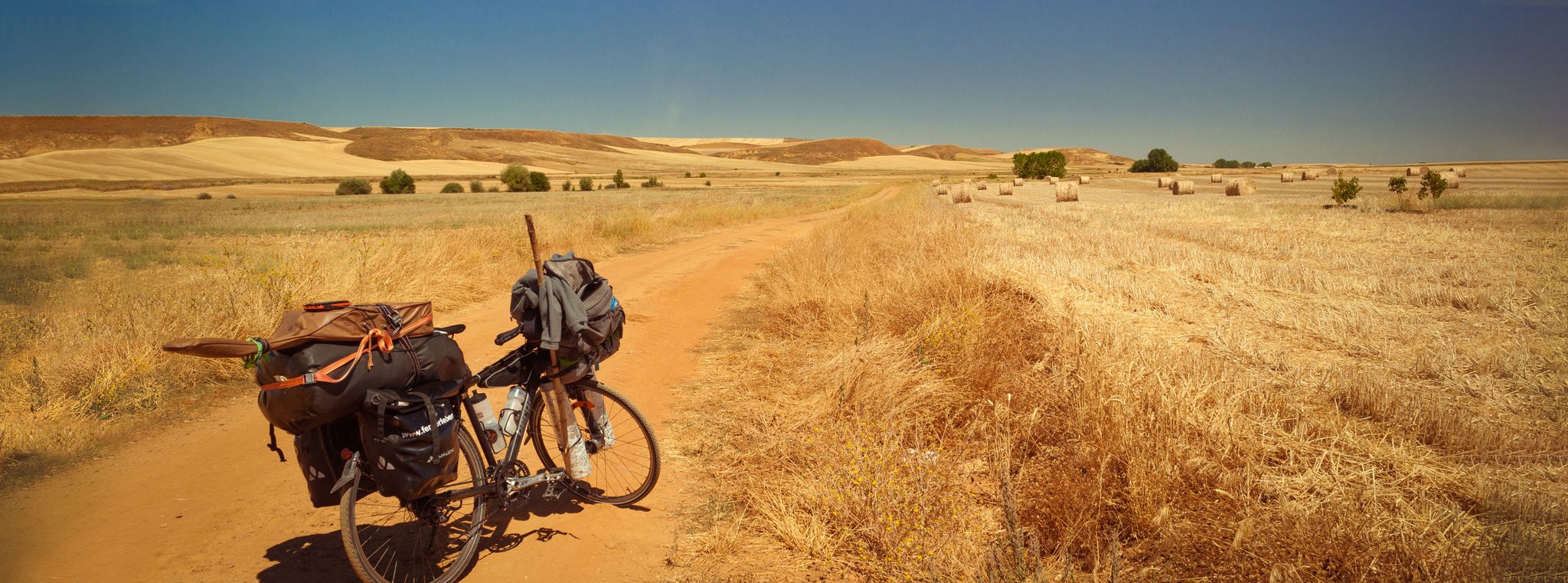
Camino Francés and Camino Finisterre – Cycling pilgrimages in Spain
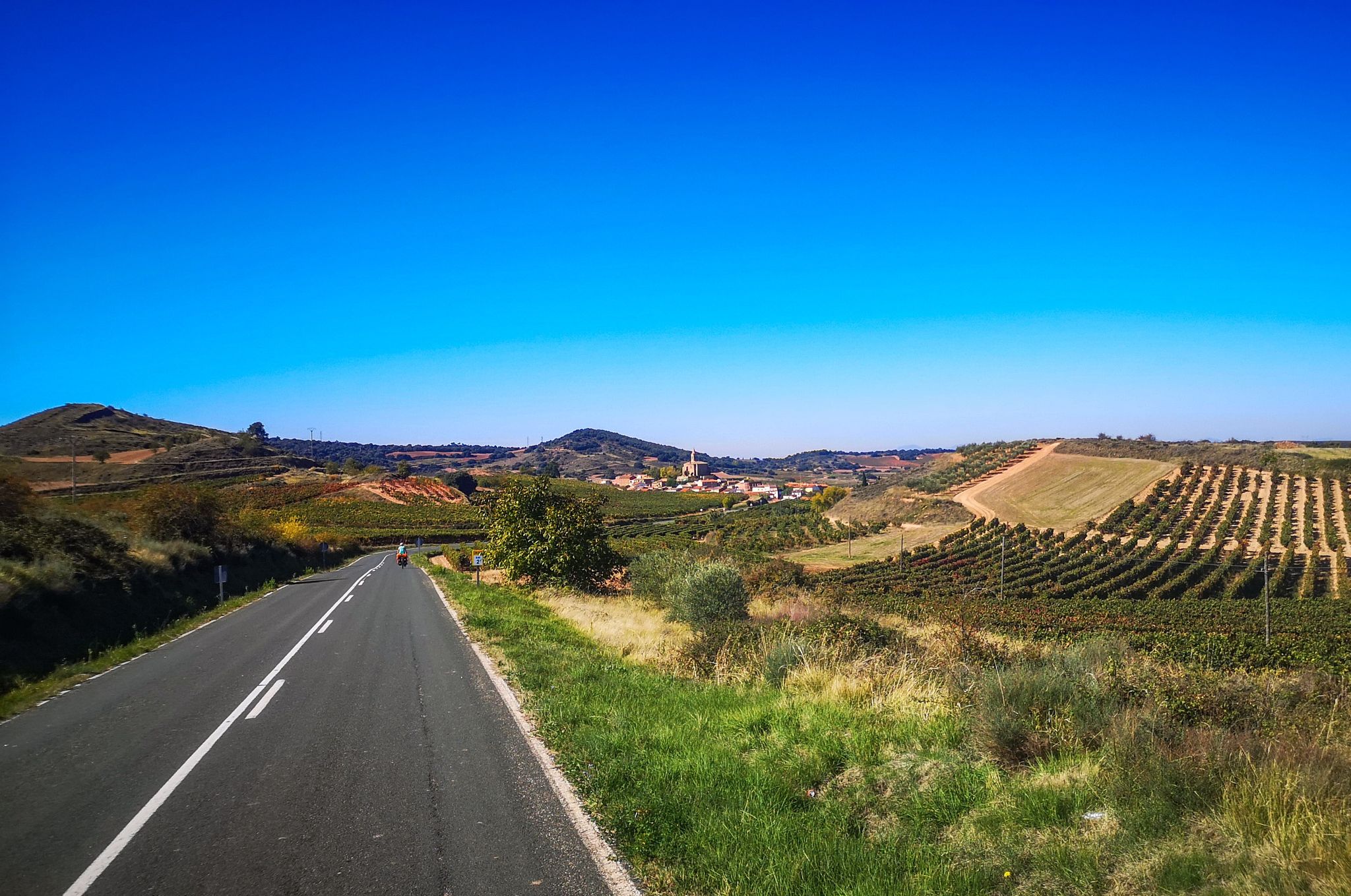
Santiago de Compostela – A journey through northern Spain (10 days)
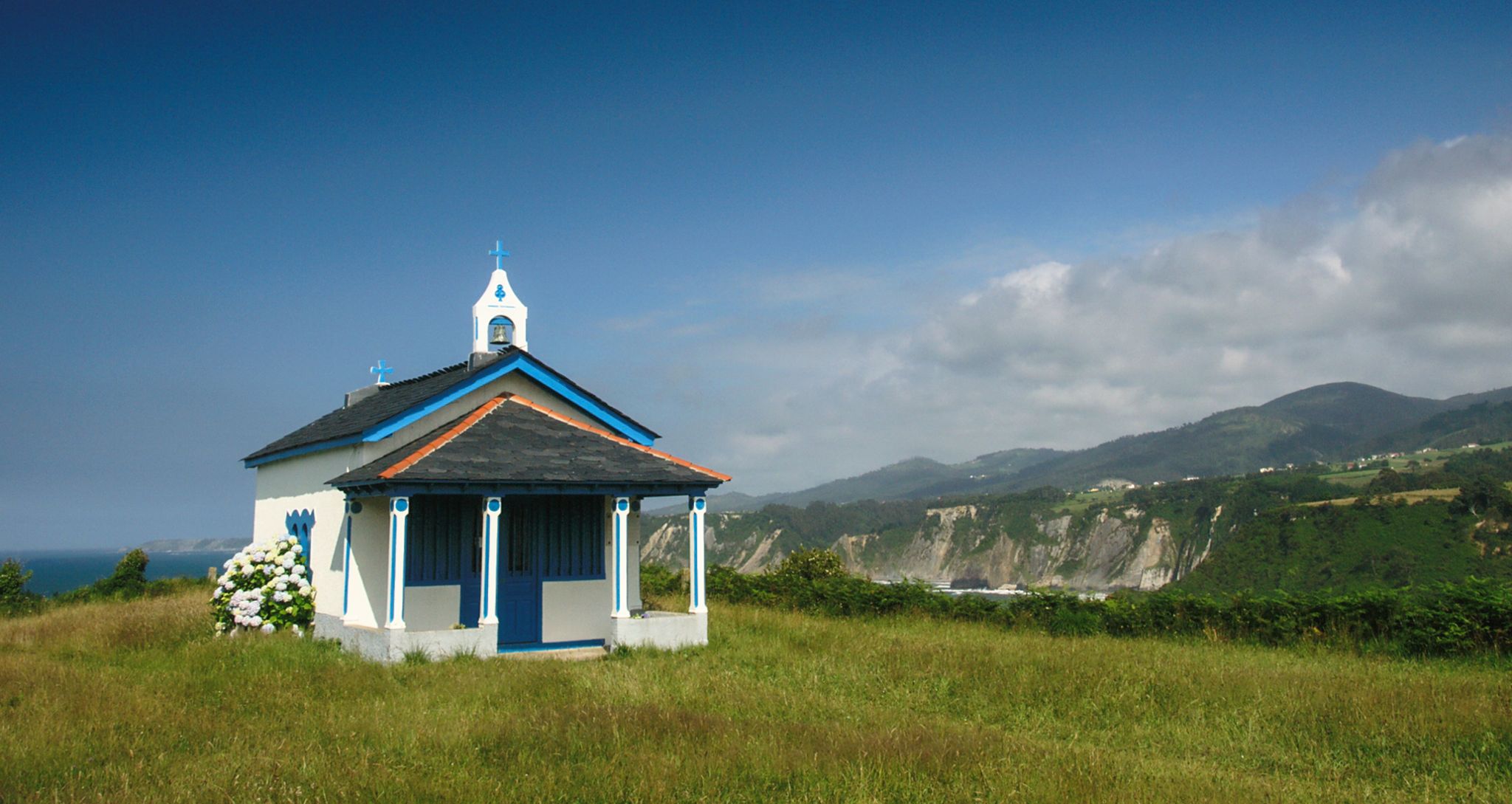
Camino del Norte – 15 stages
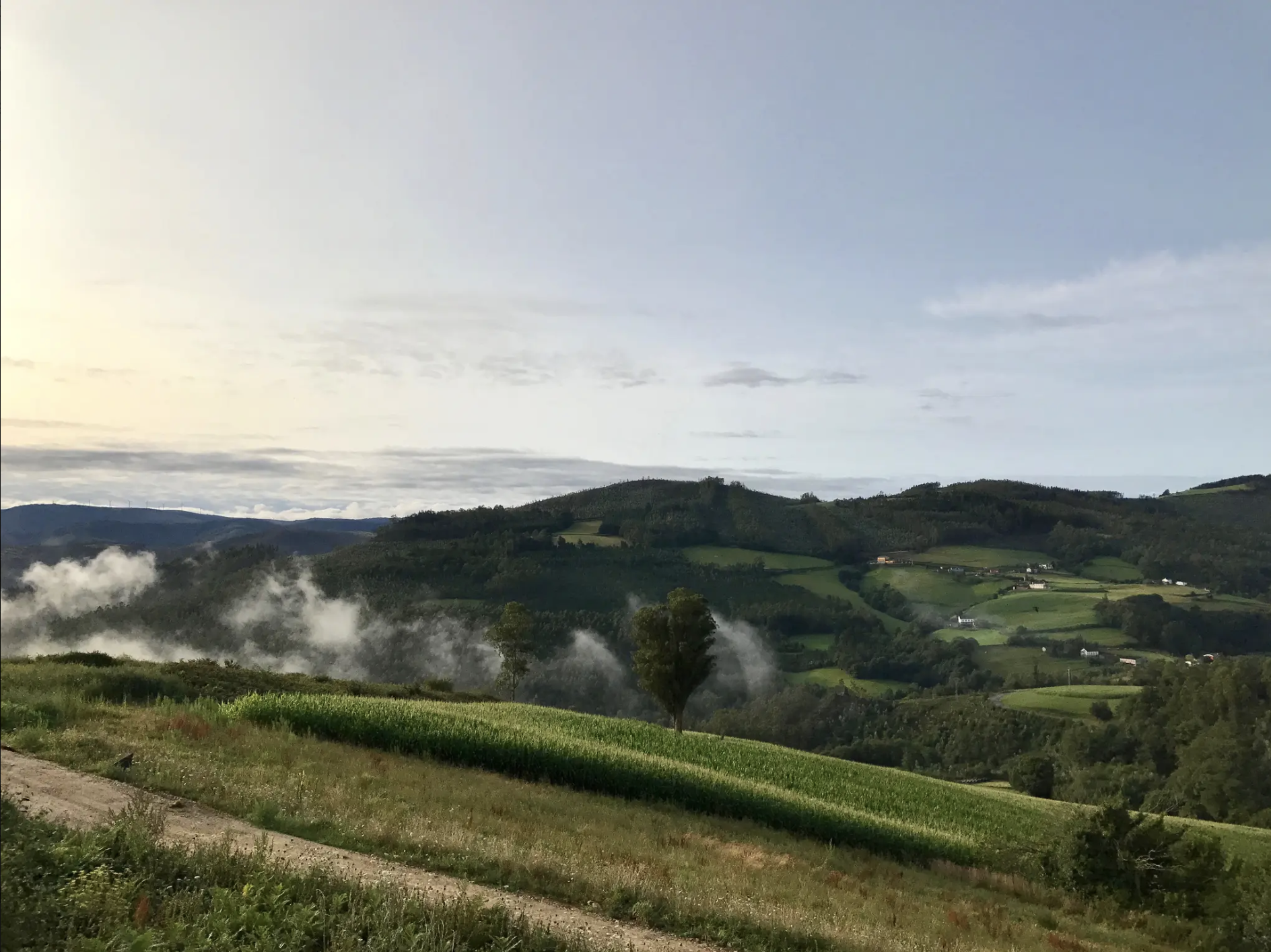
Camino del Norte (in reverse) – Discovering northern Spain's stunning coastline
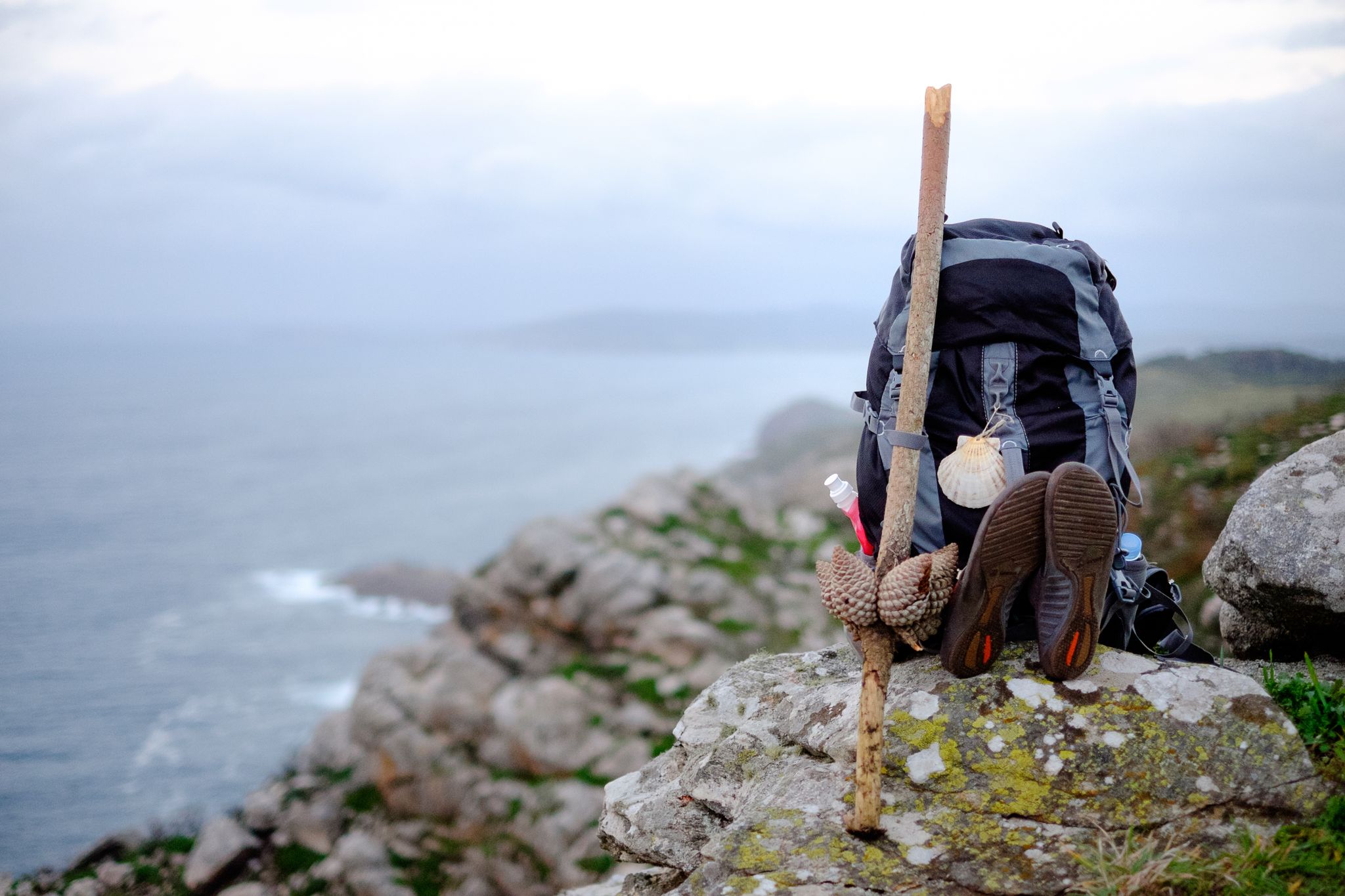
Way of St. James – 60 miles
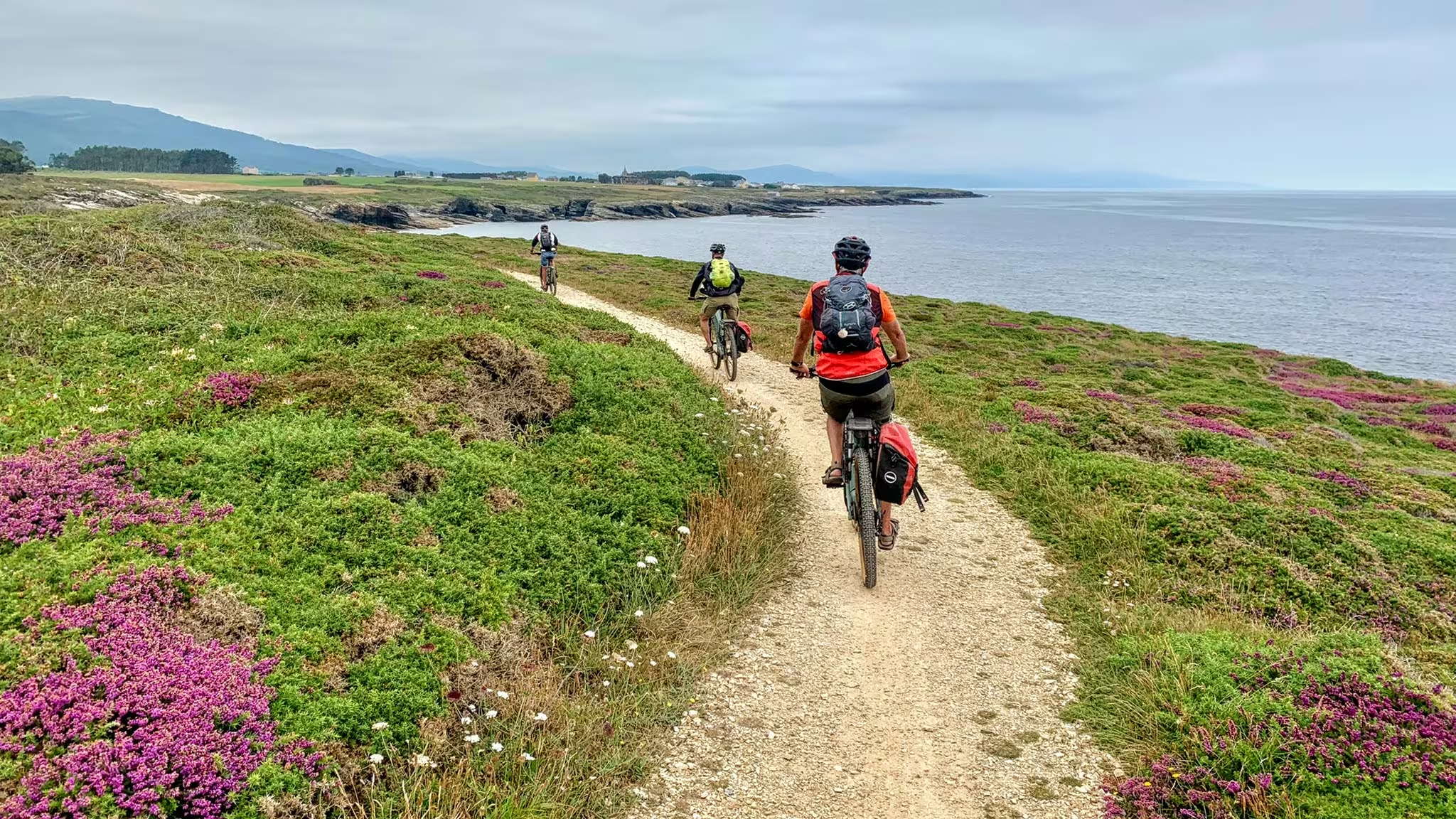
Galician coast by bike – Cantabrian Route nature trail
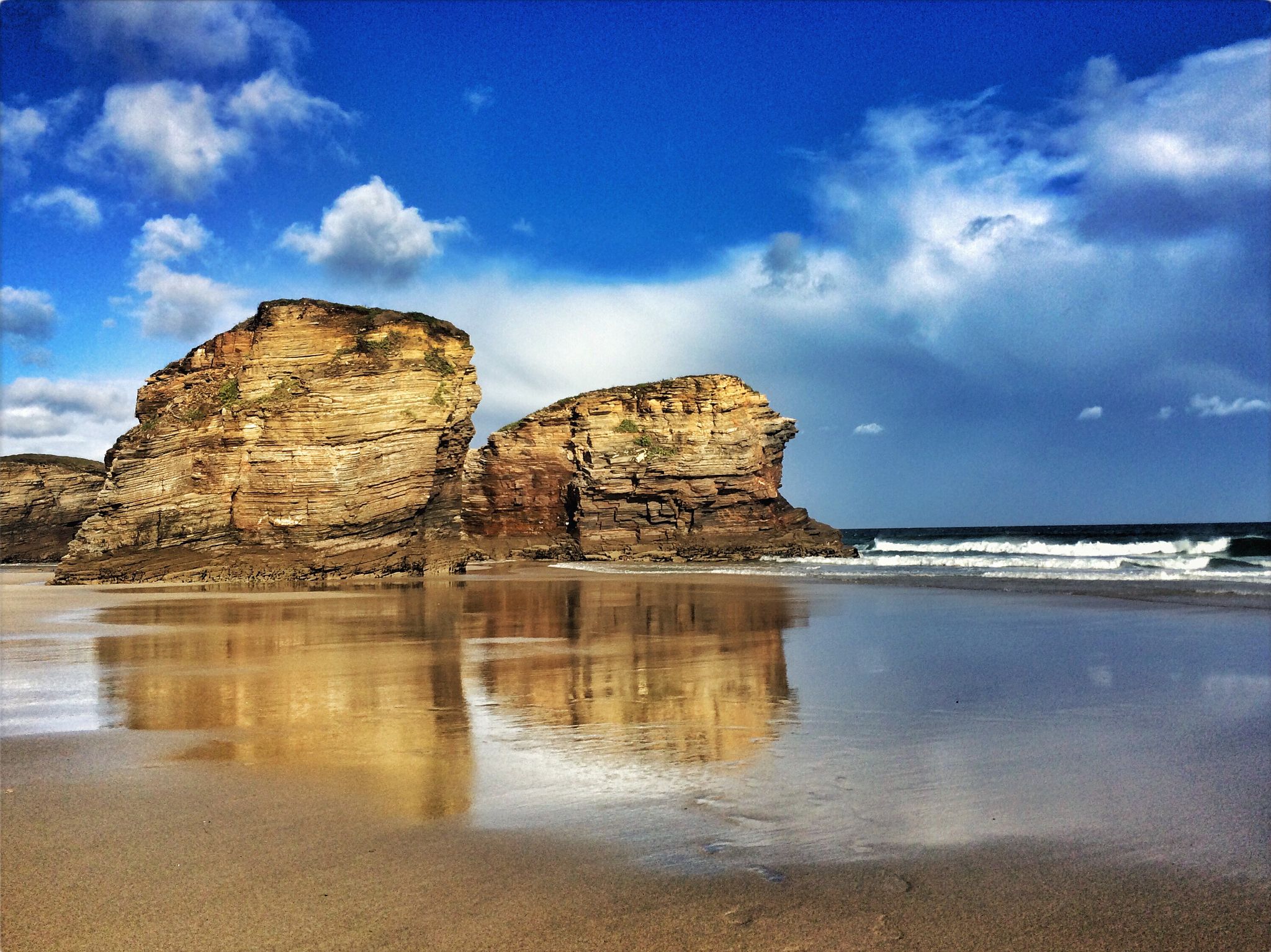
Along the Galician Coast - Camino Natural de la Ruta del Cantábrico
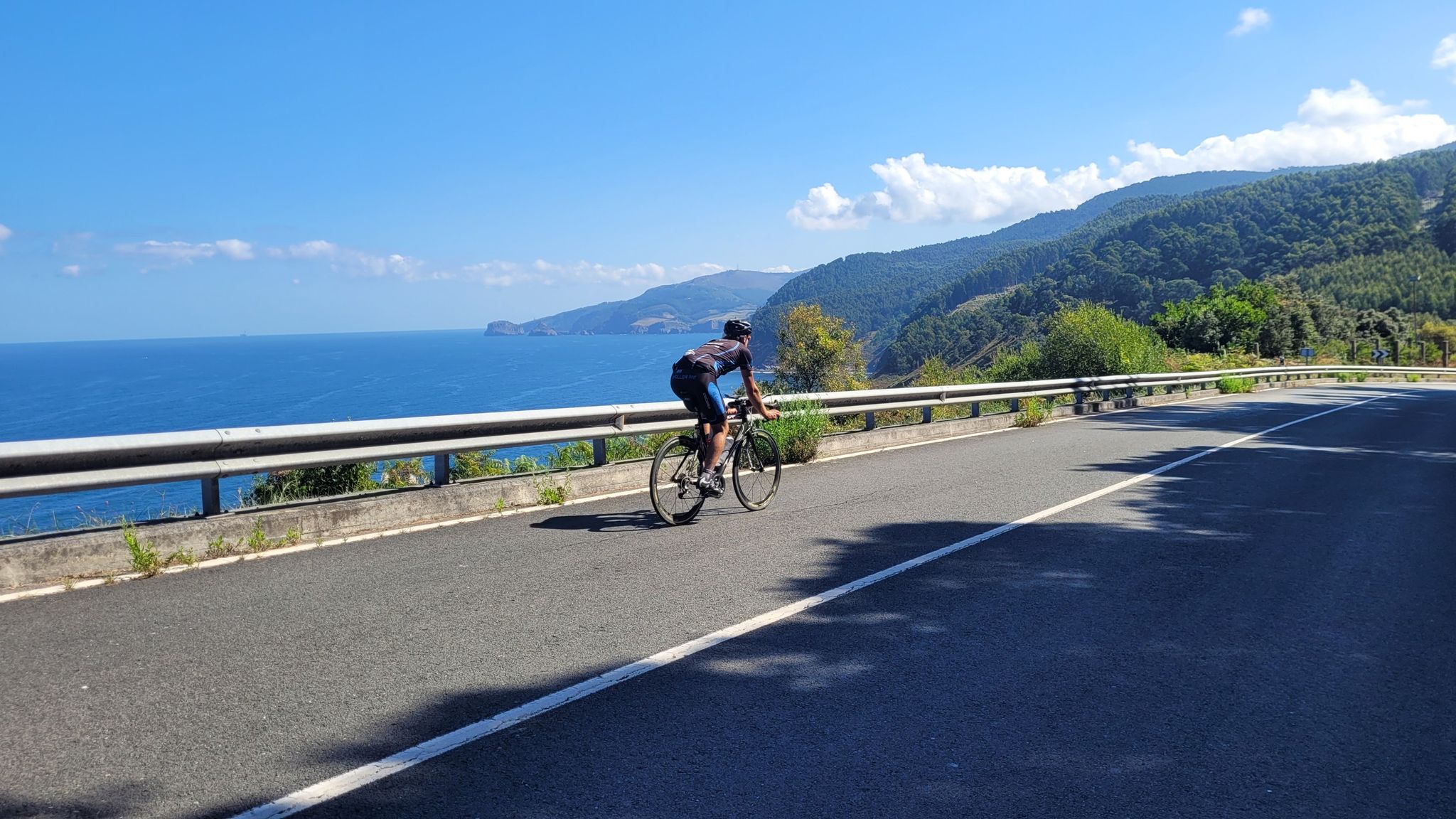
Cycling along the Cantabrian coast – the Northern Way
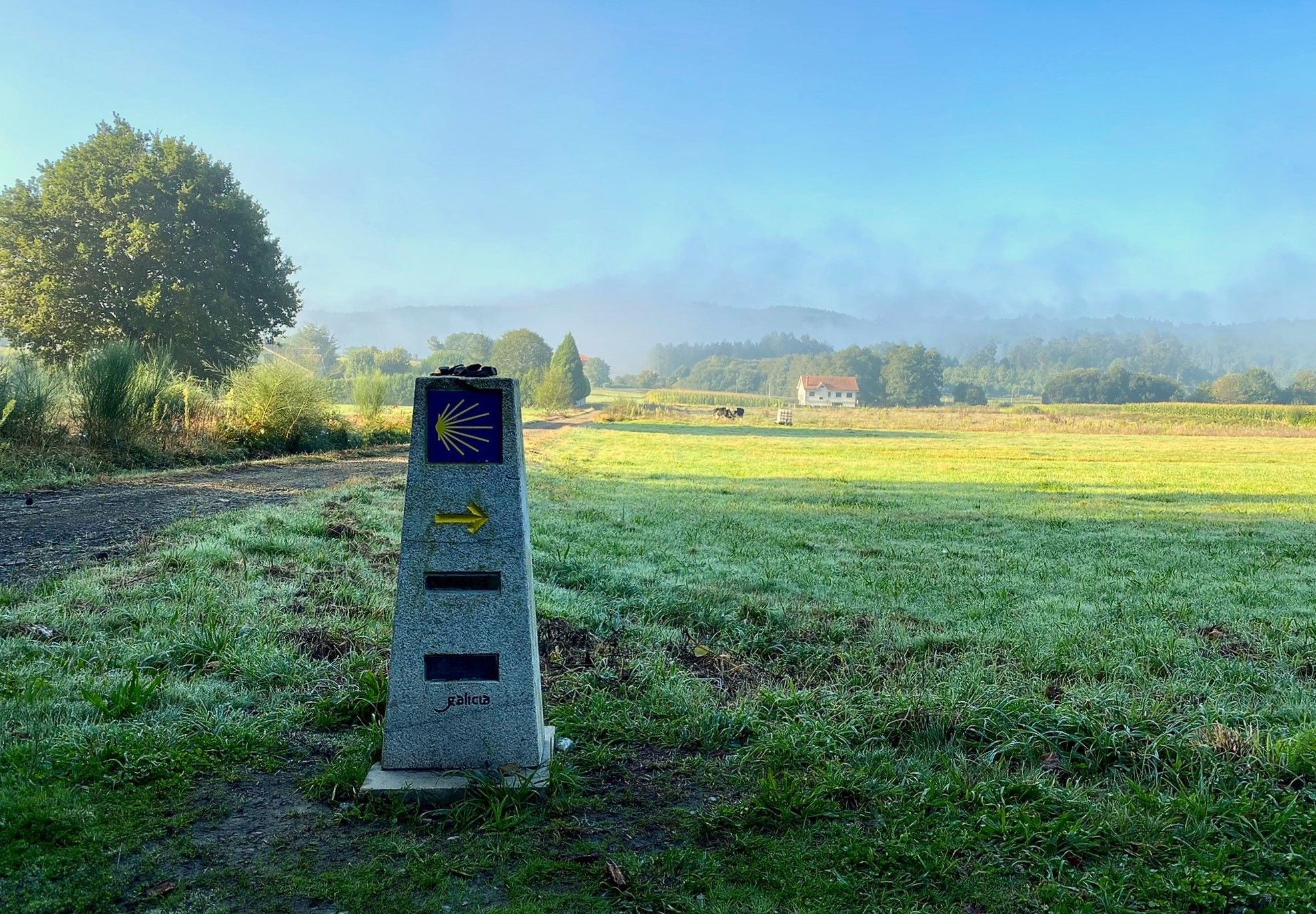
A pilgrimage on foot – Spain’s Primitive Way
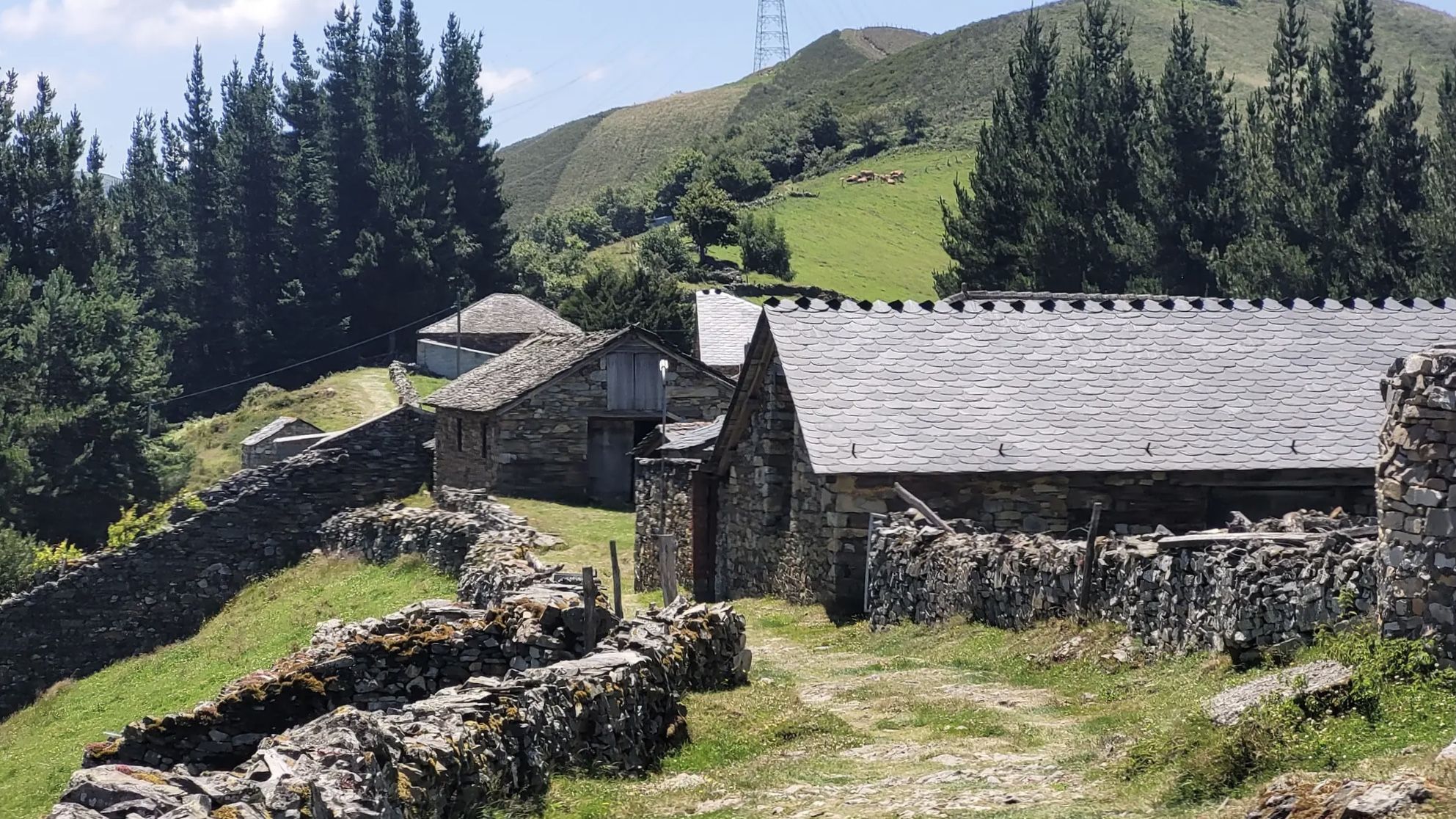
The Camino Primitivo — From Oviedo to Santiago through history
Other adventures in Lugo


Tips from the Community

The only remaining remnant of Sarria's medieval castle. With its square layout and stone walls, it witnessed centuries of battles and the passage of thousands of pilgrims to Santiago. It's worth a quick stop for a photo and a medieval feel before continuing on your way. Just don't be overconfident: Sarria's slopes always have their way.
0
0
Remains of a 14th-century fortress that once stood watch over the Neira Valley. Although in ruins, it still retains the legendary air of the old Galician lineages. Cyclist's tip: the climb is demanding, but arriving and finding this solitary tower makes the journey seem twice as worthwhile.
0
0

I'm in Monforte, you have to see it no matter what.
0
0

Located in the old town of Pobra de Parga, opposite the parish church of Santo Estevo, in the municipality of Gutiriz, this tower and part of a medieval wall still stands proudly at its highest point. It stands guard from its hill over the Parga River, which flows below it, and connects us to the town via a Gothic bridge. It was built by Juan Pérez Parragués and in 1603 was used as a jurisdictional prison. Currently declared a site of cultural interest, remains of a section of the wall still exist. It is made of large, fine ashlar masonry, reaching a maximum height of eight meters and including a circular bastion about four meters in diameter.
0
0

The original castle dates back to the 11th century, although the current tower was rebuilt in the 15th century after the Irmandiño revolts, which destroyed much of the fortress. It was owned by the lords of Lemos and later passed into the hands of Fernán Pérez de Andrade, who left his heraldic mark on the tower with the figure of the wild boar, a symbol of his lineage. In the 19th century, during the First Carlist War, the tower was reused as a defensive bastion and later restored.
3
0
The Andrade Tower in Vilalba (Lugo) is an impressive medieval building that constitutes the only vestige of the old Vilalba Castle, and one of the most important historical symbols of the Terra Chá region.
3
0
It was built on an ancient Galician-Roman fort, giving it deep historical roots. The original fortress was rebuilt in the late 14th or early 15th century by Juan Pérez Parragués, and in 1603 it was used as a jurisdictional prison. The castle served to guard the road between Lucus Augusti (Lugo) and Flavia Brigantium (Betanzos), a strategic route in medieval Galicia.
3
0
The Castro da Pobra de Parga Castle, located in the municipality of Guitiriz (Lugo), is an ancient medieval fortress that is now in ruins, but preserves architectural elements of great historical interest. Today, only a wall of the enclosure and a cylindrical tower measuring approximately 4 meters in diameter, with ashlars reaching 8 meters in height, remain.
3
0
Frequently Asked Questions
What are some of the most historically significant castles in Lugo?
Lugo boasts a rich history reflected in its fortifications. Pambre Castle, built in 1375, is a prime example of medieval military architecture that withstood the Irmandiño revolts. Another significant site is Andrade Tower, the only remaining part of an 11th-century fortress, which symbolizes the Terra Chá region. The Parga Castle, though in ruins, was built on an ancient Galician-Roman fort and guarded a strategic medieval route.
Which castles in Lugo offer the best panoramic views?
Many castles in Lugo are strategically located to provide stunning views. Pambre Castle offers breathtaking panoramic views of the surrounding mountains, valleys, and the Pambre River. Doiras Castle, set in the Ancares mountains, commands impressive views over the mountainous landscape. Additionally, Frouxeira Castle, located on Pico da Frouseira, provides expansive vistas from its elevated position.
Are there any family-friendly castles to visit in Lugo?
While specific 'family-friendly' activities vary, many castles offer engaging historical experiences for all ages. The Andrade Tower in Vilalba, for instance, is part of a charming town and its history can be captivating for older children. Exploring the grounds and imagining medieval life at well-preserved sites like Pambre Castle can also be a fun and educational experience for families.
Can I find hiking or outdoor activity routes near the castles in Lugo?
Yes, the region around Lugo's castles is excellent for outdoor activities. For example, Pambre Castle is near the Camino de Santiago, making it a popular detour for pilgrims and hikers. You can explore various routes in the province, including waterfall hikes, MTB trails, and running trails, many of which pass through or near historical areas.
What is the best time of year to visit castles in Lugo?
The best time to visit castles in Lugo is generally during the spring (April to June) and early autumn (September to October). During these months, the weather is typically mild and pleasant for exploring, and the natural landscapes surrounding many castles are at their most beautiful. Summer can also be a good option, though it can be warmer and more crowded.
Are there any ancient fortified settlements besides traditional castles in Lugo?
Absolutely. Lugo is home to significant ancient fortified settlements known as *castros*. The most notable is Castro de Viladonga in Castro de Rei, one of Galicia's best-known and preserved Galician-Roman *castros*. It features multiple walls, moats, and a museum showcasing artifacts from its excavations, offering deep insights into the *castreño* world.
Are there any castles in Lugo that house museums or cultural exhibits?
Yes, some castles in Lugo have been repurposed to offer cultural insights. San Paio de Narla Castle in Friol, a 13th-century fortress, now houses the historical and ethnographic museum of Lugo. This allows visitors to explore the castle's architecture while delving into the region's rich history and cultural heritage through its exhibits.
What is unique about Pazo de Tovar?
The Pazo de Tovar, located in Lourenzá, offers a unique blend of defensive architecture and historical domestic life. Formerly known as Torre de Canedo, it features restored rooms, including a kitchen and living room, and a large Renaissance fireplace. It provides a glimpse into the daily life of past inhabitants, alongside its defensive elements and an 18th-century chapel.
What is the significance of the Roman Walls of Lugo in relation to the castles?
While not a castle, the Roman Walls of Lugo are an exceptional example of Roman military architecture, dating from the 3rd and 4th centuries AD, and are a UNESCO World Heritage site. They represent a different era of fortification but are integral to Lugo's defensive history. Visitors can walk along the entire length of the walls, offering a unique perspective of the city and its historical context alongside the medieval castles.
What can visitors expect from the Batallón Tower in Sarria?
The Batallón Tower in Sarria is a significant historical site. It is a remnant of a larger fortress and offers a glimpse into medieval defensive structures. While its current state might be ruinous, it provides a sense of the region's past and often serves as a viewpoint.
What is the Gate of the Tower of Homage in Monforte de Lemos?
The Gate of the Tower of Homage is a key part of the Castle of San Vicente in Monforte de Lemos. This tower, rebuilt after the Great Irmandiña War, is considered one of the finest examples of medieval military architecture in Galicia. It now houses a museum with period furniture, offering both historical insight and a viewpoint.
What is the Castroverde Keep?
The Castroverde Keep is a historical castle remnant in Lugo. It represents a significant piece of the region's past, offering insights into medieval architecture and defensive strategies. While specific details about its current accessibility or exhibits might vary, it stands as a notable historical landmark.
What is the Doncos Tower?
The Doncos Tower is another historical castle tower in Lugo. Like many such structures in the region, it served as a defensive stronghold and offers a viewpoint over the surrounding landscape. It's a testament to the area's rich medieval history and military architecture.
Most popular routes in Lugo
Most popular attractions in Lugo

Get inspired with the komoot mobile app


Explore more
Looking for the best castles somewhere else? Discover other guides in Lugo:
