Top 20 Caves in Burgos
Best caves in Burgos province offer a diverse range of geological and archaeological experiences within its varied landscape. The region is characterized by significant karst systems and historical sites, providing insights into both natural formations and ancient human presence. These underground environments are notable for their unique geological features and preserved historical records. Burgos provides opportunities to explore extensive cave networks and archaeological discoveries.
Best caves in Burgos
- The most popular caves is Natural Rock Arch of Puentedey, a…
Last updated: July 11, 2026
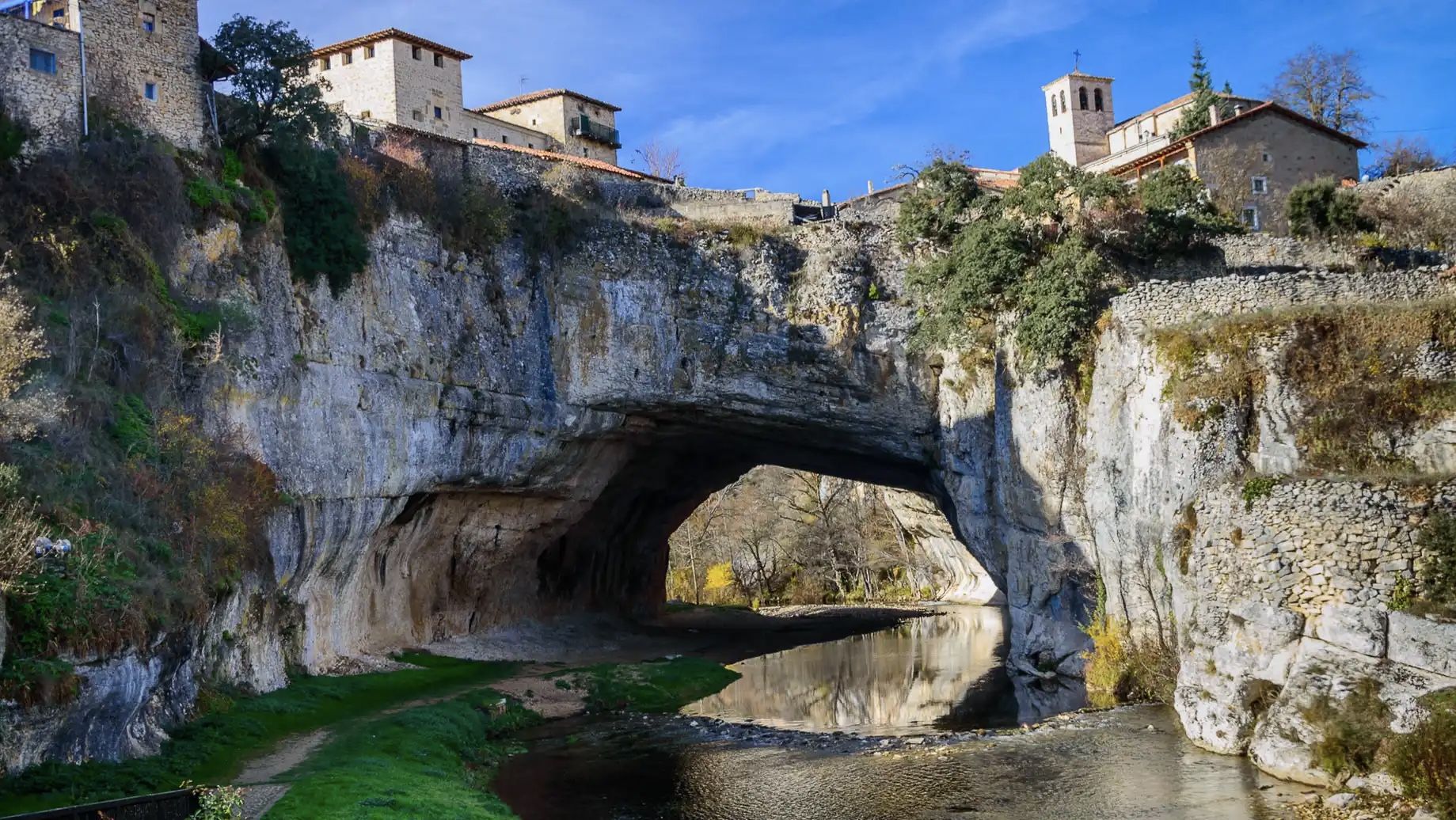
Natural Rock Arch of Puentedey
Highlight • Natural Monument
Translated by Google •
Tip by

Turquoise Pools and Waterfalls of Orbaneja del Castillo
Highlight • Waterfall
Translated by Google •
Tip by

Sign up now to discover places like this
Get recommendations on the best single tracks, peaks, & plenty of other exciting outdoor places.
Sign up for free
Hermitage of San Bernabé of Ojo Guareña
Highlight • Religious Site
Translated by Google •
Tip by

Pozo Azul de Covanera
Highlight • Natural Monument
Translated by Google •
Tip by

Ojo Guareña Natural Monument
Highlight • Natural Monument
Translated by Google •
Tip by

Carrascal Cave
Highlight • Cave
Translated by Google •
Tip by

La Cucarada Cave
Highlight • Cave
Translated by Google •
Tip by
BocaronesHarpea
Highlight • Cave
Translated by Google •
Tip by
Cave of Amaya
Highlight • Cave
Translated by Google •
Tip by
Huidobro Copper Mine: Los Altos Mine
Highlight • Structure
Translated by Google •
Tip by

Sign up for free to discover even more caves in Burgos.
Sign up for free
Already have an account?
Start today with a free account
Your next adventure awaits.
Login or Signup
Popular around Burgos
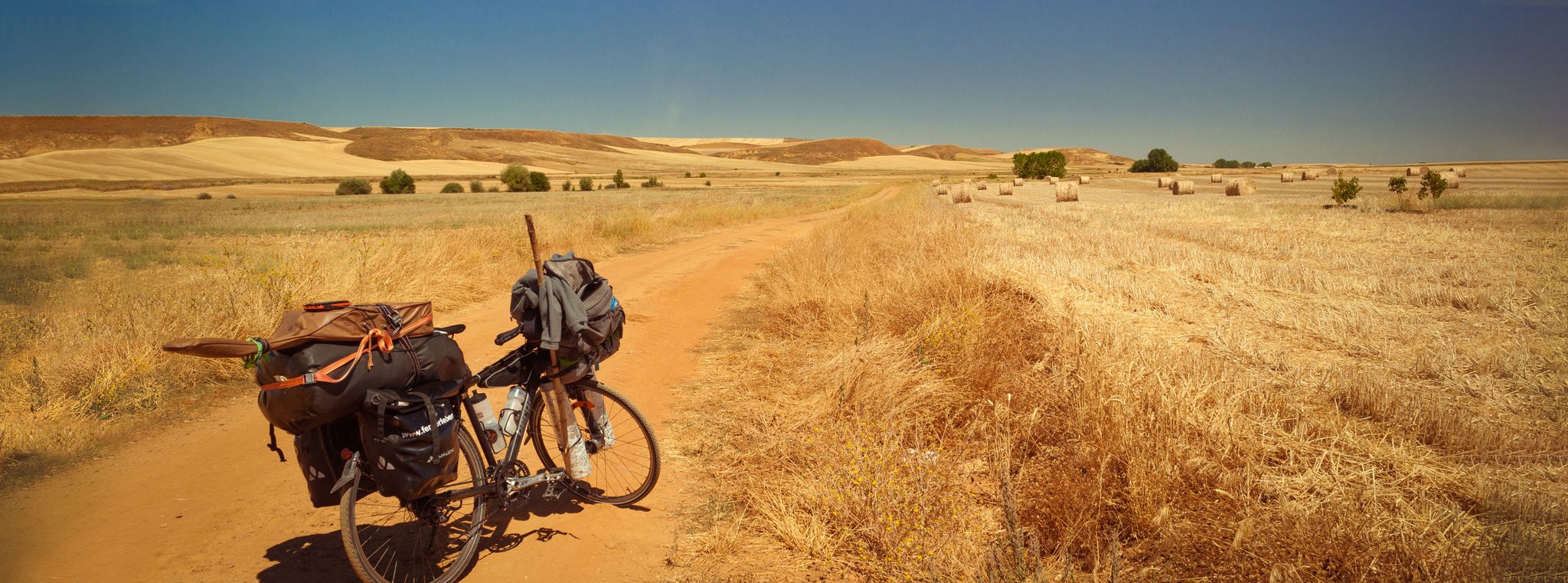
Camino Francés and Camino Finisterre – Cycling pilgrimages in Spain
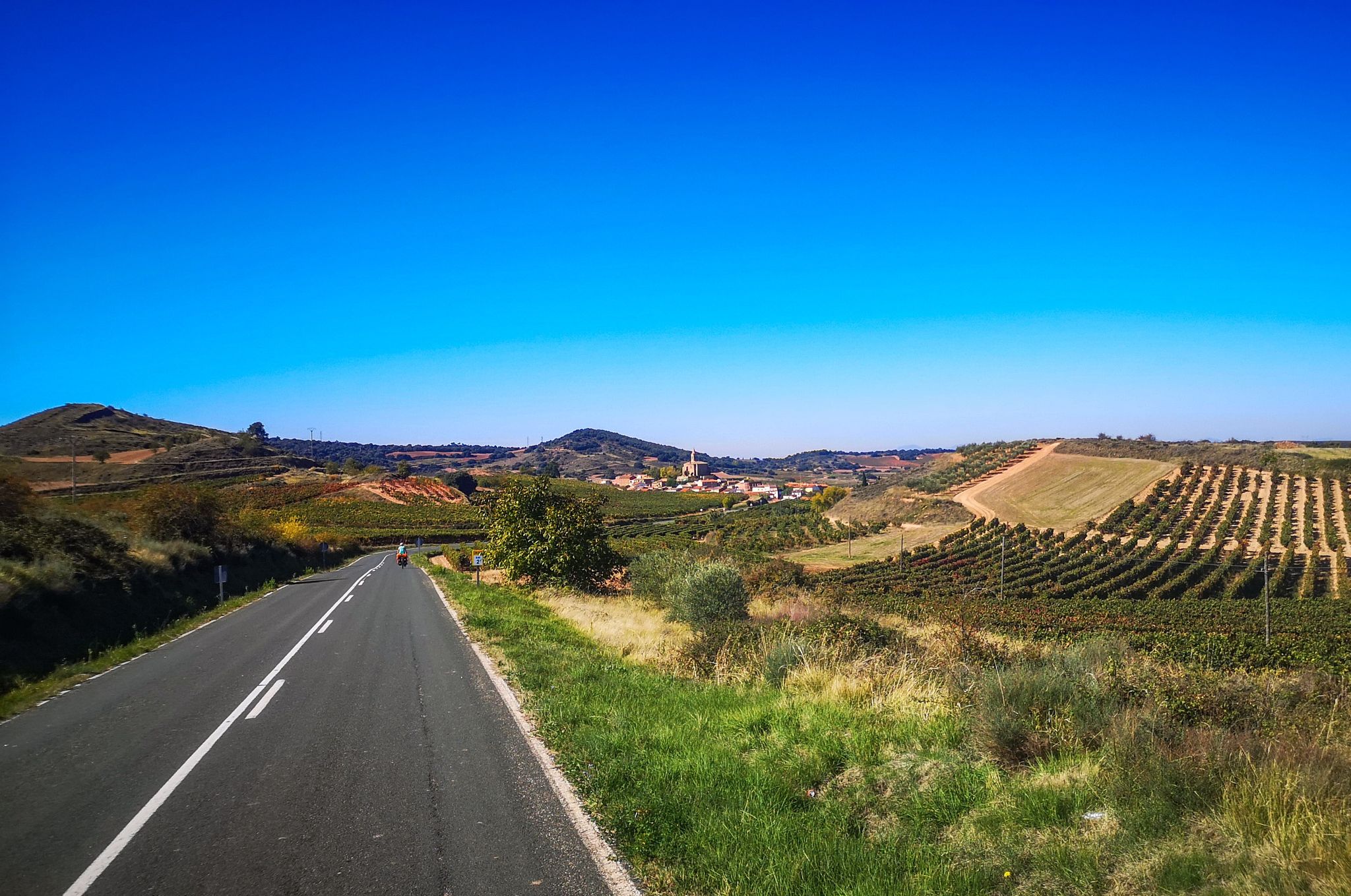
Santiago de Compostela – A journey through northern Spain (10 days)
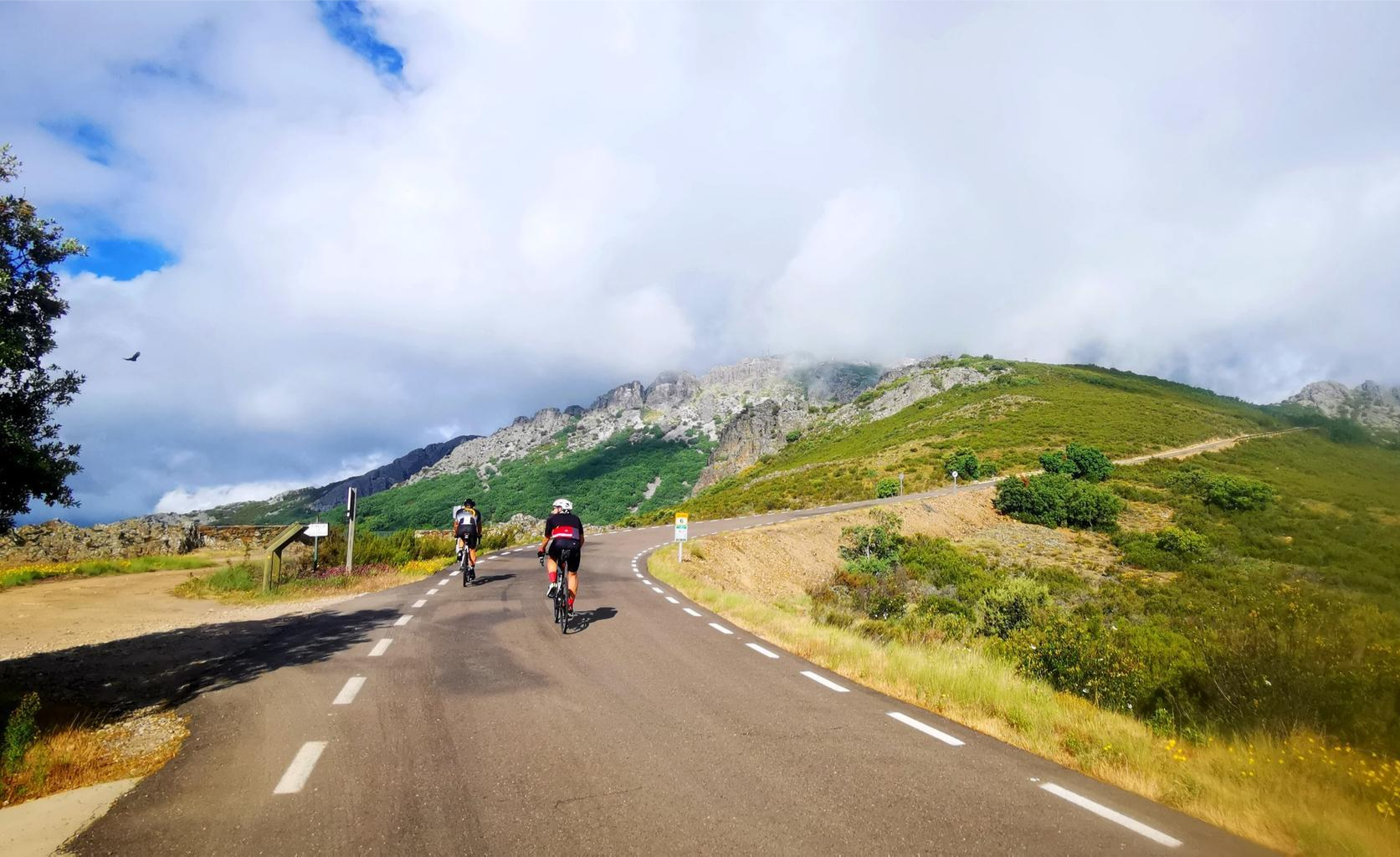
Legendary climbs - Ports of La Vuelta a España
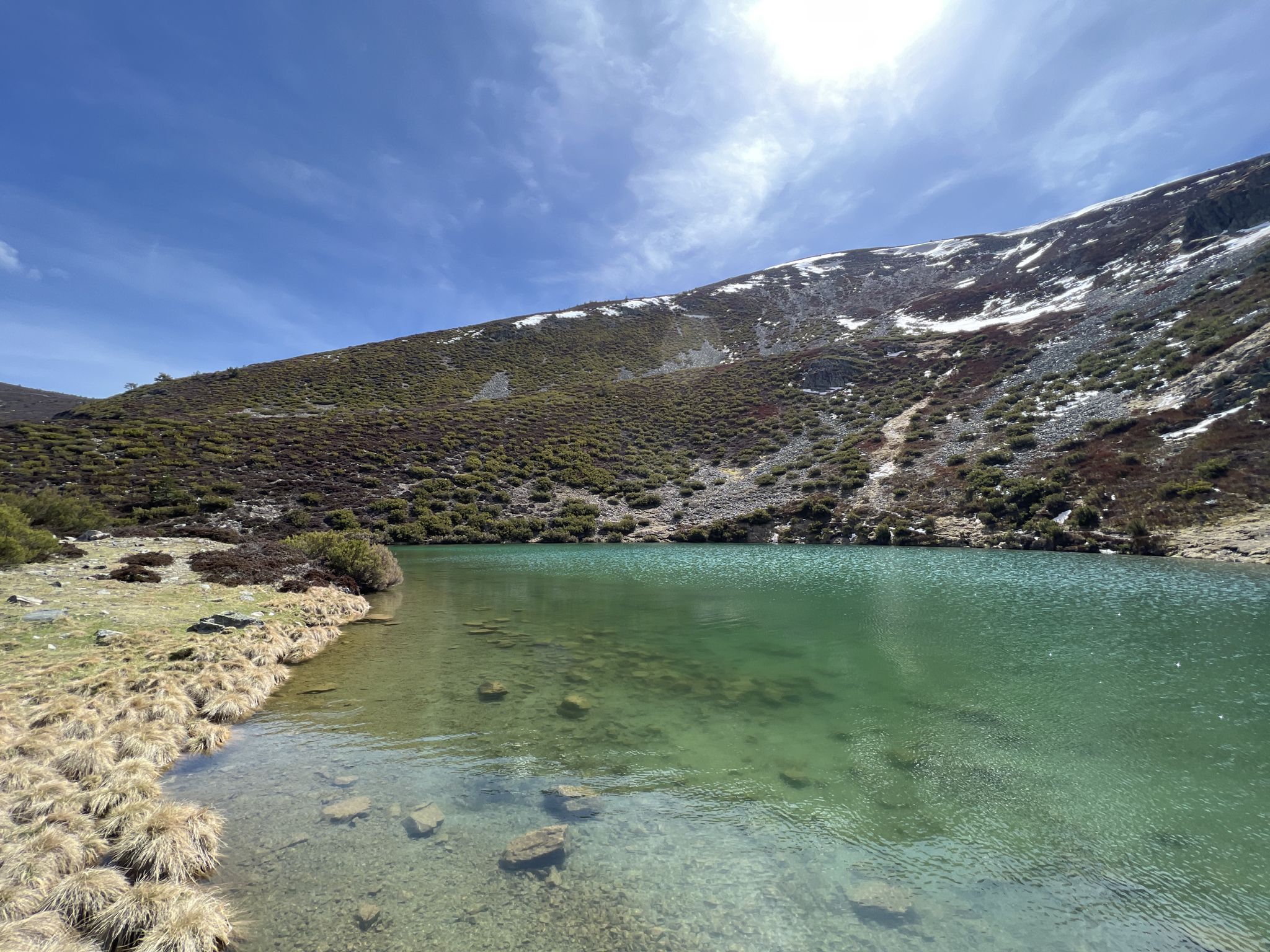
Discover the unknown Burgos - Dos Aguas Trail (GR 290)
10 gravel routes to discover hidden gems in Spain
A journey through mediaeval Spain – El Camino del Cid (GR 160)
An Iberian pilgrimage – French Way of Saint James
Endless valleys and historic villages – Route of the Senses (GR 85)
A river getaway – Ebro Natural Trail (GR 99)
An epic getaway – Santander-Mediterráneo Nature Trail
Other adventures in Burgos


Tips from the Community

The waterfall springs from the Cueva del Agua from a height of over 20 meters, at the base of the rocky cirque that embraces the village, originating from an aquifer located in the subsoil of the Páramo de Bricia, and it leaps everywhere, dividing the village into two halves, the Villa and the Puebla, and descends among the stone houses, creating a most photogenic scene.
2
0

A spectacular area for hiking trails
0
0

Whenever I'm around dinnertime, I take a little detour to see them.
1
0

Ideal for taking a dip on hot days!
1
0

From various shades of blue, ranging from turquoise to a dark ultramarine in the deepest part. To reach the well, there's a half-kilometer walk along a beautiful path that even has a cave entrance. When we arrived, it was a beautiful day, with people swimming and a caving group who had put on their diving suits and were exploring the depths of the underwater cave. A spectacle.
2
1

Natural wonder of the karst environment of Castilla León in the province of Burgos
3
0

Carrascal Cave in the vicinity of Castrillo del Val, very close to the caves of the Portal de Belén along a very cool path.
0
0
Beautiful cave in the vicinity of Castrillo del Val, very close to the caves of the Portal de Belén along a very cool path.
0
0
Frequently Asked Questions
What unique geological features can I find in the caves of Burgos?
Burgos caves offer a variety of geological wonders. The Natural Rock Arch of Puentedey is a striking example of a natural bridge formed by the Río Nela. The Ojo Guareña complex, one of the largest karst systems globally, features extensive galleries and unique formations. Cueva de Fuentemolinos is notable for its formation in Oligocene limestone conglomerate, showcasing rare eccentric stalactites, rimstone pools, and helictites. You can also find beautiful water features like the Turquoise Pools and Waterfalls of Orbaneja del Castillo, where water emerges from the Cueva del Agua, and the intensely blue Pozo Azul de Covanera.
What historical or archaeological significance do the caves in Burgos hold?
The caves in Burgos are rich in history. The Archaeological Site of Atapuerca, a UNESCO World Heritage site, contains an exceptional fossil record of early human beings in Europe, with evidence dating back almost 1.2 million years. Key sites like Sima del Elefante, Gran Dolina, and Sima de los Huesos offer invaluable insights into human evolution. The Ojo Guareña complex also features significant archaeological findings, including Middle Paleolithic cave paintings and engravings, and the bare footprints in the Room of Footprints, dating back 4,200 to 4,600 years. The Hermitage of San Bernabé of Ojo Guareña is a religious building located within the cave complex, built by hermit monks between the 7th and 8th centuries.
Are there family-friendly caves to visit in Burgos?
Yes, several sites are suitable for families. The Natural Rock Arch of Puentedey is considered a family-friendly natural monument, where houses are built above a natural cave. While some cave explorations might be more challenging, general visits to the more accessible parts of the Ojo Guareña complex or the visitor centers at Atapuerca can be engaging for all ages, offering educational experiences about geology and prehistory.
What outdoor activities can I do near the caves in Burgos?
The region around Burgos's caves offers diverse outdoor activities. You can find numerous running trails, such as the 'Pico San Millán - Enrique del Ribero Loop' or the 'Lagunas de Neila Trail'. For cycling enthusiasts, there are gravel biking routes like 'Comarca of Las Merindades in gravel' and road cycling routes including the 'Three Passes Loop: Portillo de la Lunada, El Caracol & Estacas de Trueba'. Many of these routes pass through scenic landscapes near the cave systems. You can explore more options in the Running Trails in Burgos, Gravel biking in Burgos, and Road Cycling Routes in Burgos guides.
What is the best time of year to visit the caves in Burgos?
Caves generally maintain a stable temperature year-round, making them suitable for visits in any season. However, for sites like Ojo Guareña and Atapuerca, which often involve outdoor elements or guided tours, visiting during spring (April-June) or autumn (September-October) can offer more pleasant weather for the surrounding areas and travel. Summer can also be a good option, especially for escaping the heat, but popular sites might be busier.
Are there any guided tours available for the caves?
Yes, guided tours are available for several cave systems. For instance, Cueva de Fuentemolinos offers guided cave trekking tours, equipping participants with full caving gear to explore its extensive galleries. The Ojo Guareña complex also provides guided visits to specific sections like the San Bernabé cave and the Palomera cave. The Archaeological Site of Atapuerca offers guided experiences to its various excavation sites, providing detailed insights into human evolution.
What makes the Ojo Guareña complex a significant site?
The Ojo Guareña complex is significant for several reasons. It is one of the largest karst systems in Spain and among the top ten largest in the world, with over 100 kilometers of interconnected galleries. It's a Natural Monument recognized for its extraordinary geological formations and serves as a crucial archaeological site with findings from the Middle Paleolithic to the Middle Ages. It's also a sanctuary for unique invertebrate species, including many endemic ones. Visitors can explore the Hermitage of San Bernabé and the Palomera cave.
Can I explore the caves on my own, or do I need a guide?
For safety and preservation reasons, many of the significant cave systems in Burgos, especially those with archaeological or delicate geological features like Ojo Guareña, Cueva de Fuentemolinos, and Atapuerca, require guided tours or specific permits for exploration. This ensures visitor safety and protects the fragile underground environments and historical artifacts. It's always best to check the official websites of individual cave sites for their specific access requirements.
What should I wear when exploring caves in Burgos?
When exploring caves, it's advisable to wear comfortable clothing that you don't mind getting a bit dirty, as caves can be damp and muddy. Sturdy, closed-toe shoes with good grip are essential. Even in summer, cave temperatures are consistently cool, so bringing a light jacket or sweater is recommended. For guided caving tours, specialized gear like helmets and headlamps are usually provided.
Are there any caves in Burgos that are less known but worth visiting?
Beyond the major sites, Burgos has other interesting caves. The Carrascal Cave near Castrillo del Val is noted for its beauty and is close to the caves of the Portal de Belén. The Cave of Amaya is another natural monument with historical significance. For those interested in industrial history, the Huidobro Copper Mine: Los Altos Mine offers a unique cave experience.
What kind of wildlife can be found in the caves of Burgos?
The caves of Burgos, particularly the Ojo Guareña complex, are home to unique ecosystems. This vast underground labyrinth is a sanctuary for various invertebrate species, with over 180 species identified, including 34 endemic ones. These specialized creatures have adapted to the dark, stable conditions of the cave environment, making them of great scientific interest.
Most popular routes in Burgos
Most popular attractions in Burgos

Get inspired with the komoot mobile app


Didn’t find what you were looking for?
Discover more caves in Burgos region by region:
Explore more
Extend your search for the best caves by checking out these guides of the top ones in Burgos:
